1989 Penny Error List with Pictures

The extra weight mattered: a 1989-D cent on an older copper-alloy blank brought $3,525 in August 2016, according to Coin World. Its roughly 3.1 g separated it from the normal 2.50-g cent.
Weight is only one clue in this 1989 penny error list. Folded metal, overlapping designs, and missing copper point to other minting problems, with estimated values from $0.01–$15,000.
Work through the examples below to learn what each feature shows and which simple check to make first.
1. 1989 Lincoln Penny Dark or Streaked Surface Report (Estimated Up to $10)
Dark patches or streaks can make a 1989-D penny look different from a normal reddish coin. A year guide describes this appearance as an annealing error.
Annealing means heating metal to soften it. However, specialist Mike Diamond explains that copper-plated zinc blanks are not annealed in the usual coin-production process.
The color should therefore be examined without assuming that label explains it. Changes to the coating, corrosion, or later heat can produce different surface effects.
The appearance is real only as seen on a particular coin. Dark color by itself does not identify when or why it developed.
Estimated Value
For a coin identified only by dark or streaked color, use an estimated $0.01–$10. Ordinary discoloration may add nothing beyond face value.
The upper part allows modest interest in an attractive or instructive surface example, not a confirmed annealing-error premium. A separately identified plating error would need comparison with that specific mechanism instead.
A seller’s heat-related label does not establish a valuable production fault. Examine the surface and preserve any reliable history before paying for the description.
How to Identify
Examine the color under clear, neutral white light, then use a 10× magnifier to look for rough corrosion, scratches, or lifted copper. Check whether the streak crosses the struck design or simply follows a later damaged area.
Check the weight against 2.50 g with a scale and the width against 19.05 mm with calipers. These normal measurements still do not identify the cause of a dark patch.
Do not heat, polish, or chemically clean the coin to test the explanation, since those actions change the evidence. Begin with the actual surface texture and copper coverage rather than the word annealing.
2. 1989 Lincoln Penny Copper-Plating Bubbles (Estimated Up to $75)
Small rounded bumps can lift the copper skin above the zinc center. When the coating separates locally, the surface resembles tiny blisters instead of a smooth solid coin.
A 1989 example described as having heavy plating bubbles appeared in the Don Bonser error collection. It was graded ANACS MS63 Red, meaning unworn with noticeable marks and retained red color.
These bumps are not extra letters or a repeated portrait. Their position need not match another bubbled coin.
Later corrosion and heating can also disturb the coating. An original minting-related blister needs to be distinguished from those changes.
Estimated Value
The auction-history listing records $30 in August 2021 for the heavily bubbled MS63 Red example. That gives a modest comparison rather than a four-figure rarity claim.
An estimated $1–$75 covers ordinary through conspicuous identified plating bubbles. A cluster that is easy to see may interest an error collector more than one tiny bump.
Intact copper matters. Punctured, corroded, or flattened blisters can lose their original appearance and should not be compared as if the surface were unchanged.
How to Identify
View the penny at a low angle under a lamp so rounded bumps cast small shadows. A 10× magnifier can show how the copper rises locally instead of forming a second recognizable design.
Look around the bumps for corrosion or later scratches that may explain a damaged coating. Never press a blister to find out whether it moves.
A normal 1989 cent weighs 2.50 g and measures 19.05 mm. Use a scale and calipers gently, keeping measuring jaws away from a raised patch.
Compare several bumps rather than judging one dot. Rounded lifted copper without a repeated letter or portrait shape is the most useful initial clue.
3. 1989 Lincoln Penny Centered Broadstrike (Estimated Up to $125)
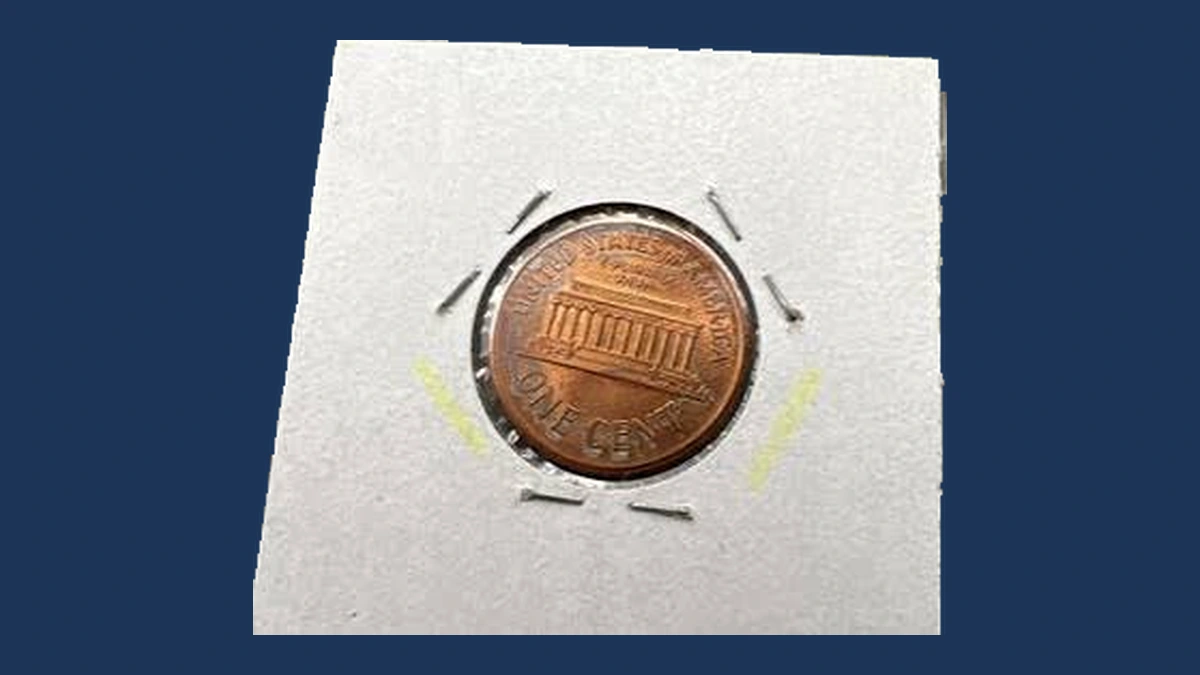
An unusually wide border can surround a complete, centered Lincoln design. The blank spread outward because the collar ring did not hold its edge during the strike.
This broadstrike differs from an off-center coin whose design is partly missing. A dealer listing in Mint Error News describes a centered 1989 example in brilliant uncirculated condition, meaning no circulation wear.
The wider outline comes from the original blank’s metal. It does not require a heavier or larger disk to have entered the press.
A penny squeezed flat after minting may also widen, but its surfaces show a different kind of damage.
Estimated Value
Consider an estimated $10–$125 for an identified centered broadstrike. A broad clear margin and well-preserved lettering make the expansion easy to appreciate.
The dealer’s description establishes an offered example, not a realized auction price used here. The estimate covers different degrees of spreading and surface preservation.
Centering is part of this particular example’s appeal. Compare its whole outline with another broadstrike rather than treating any thick rim or slightly misplaced portrait as the same error.
How to Identify
Lay the coin beside an ordinary undamaged cent without pressing its edge, then carefully measure the outer outline with calipers against 19.05 mm. A scale checks whether the widened coin still weighs close to 2.50 g.
Inspect every outer letter through a 10× magnifier while keeping the complete design in view. On the reported centered example, the added margin surrounds the design instead of replacing a large missing portion of it.
Crushed lettering, repeated impact marks, or a heavily worked edge can indicate flattening after minting. A complete centered design within an original expanded border gives the quickest useful comparison.
4. 1989 Lincoln Penny Reported Doubled Front Design (Estimated Up to $150)
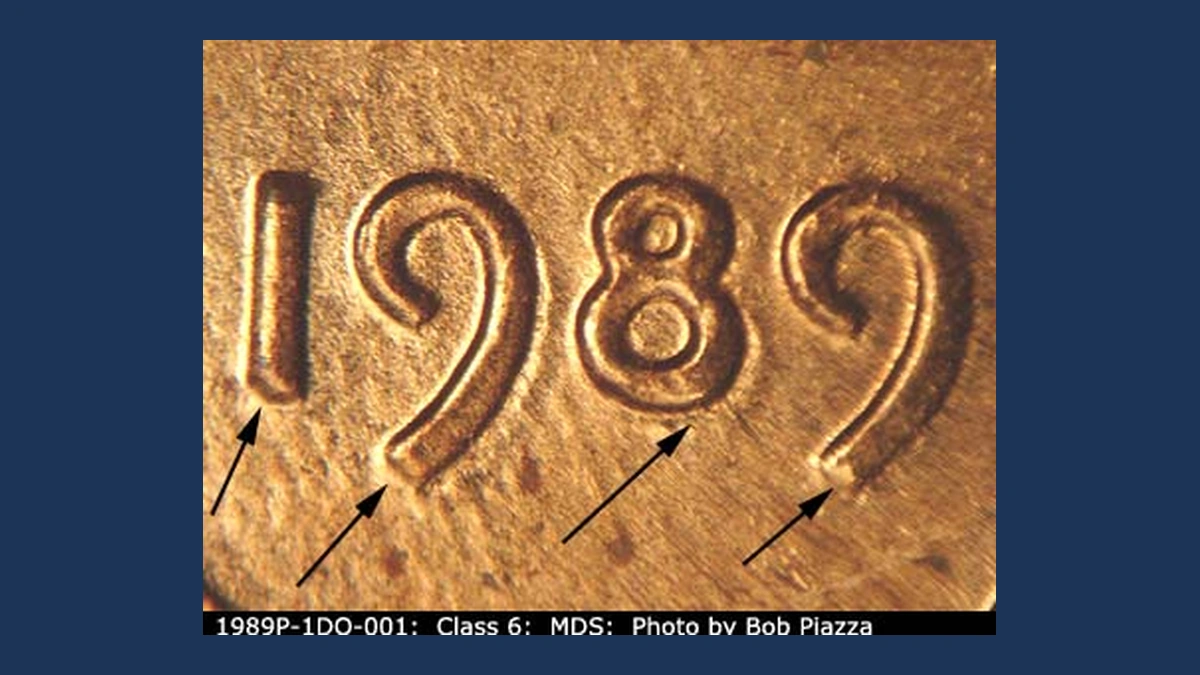
A doubled front design should show repeated raised detail in Lincoln’s portrait, the date, or the motto. The die, a steel stamping tool, already carried that extra design before striking the blank.
The 1989 year guide reports front doubled-die examples but does not identify a specific catalog variety. No one letter or ear shape can therefore serve as a confirmed marker for that general report.
This matters on a thinly plated zinc cent. Copper ridges and flat strike-related shelves can make a normal design look doubled.
Look for a repeated shape, not merely a thick edge around an ordinary letter.
Estimated Value
An estimated $5–$150 is a comparison range for an identified minor doubled front design. It is not a documented sale of a particular 1989 catalog variety.
A clear repeated outline and preserved surface would support more interest than vague thick lettering. A flat shelf or plating ridge should be valued for its actual cause instead.
The year-guide label alone is not enough to justify the upper end. The coin needs a convincing match before condition becomes the main price question.
How to Identify
Photograph the full front first so the date and mint letter remain connected to the close-up. Use a 10× magnifier at the suspected doubled area, looking for rounded repeated detail and separation between the outlines.
A flat ledge shaving the side of a letter can be a striking effect instead. Check the copper surface for a lifted ridge that merely follows the design.
Use a scale for 2.50 g and calipers for 19.05 mm on an ordinary plated-zinc example.
Do not borrow a doubled-ear marker from another year. A clearly repeated raised design, rather than general thickness, is the first feature to establish.
5. 1989 Lincoln Penny Reported Doubled Memorial Design (Estimated Up to $150)
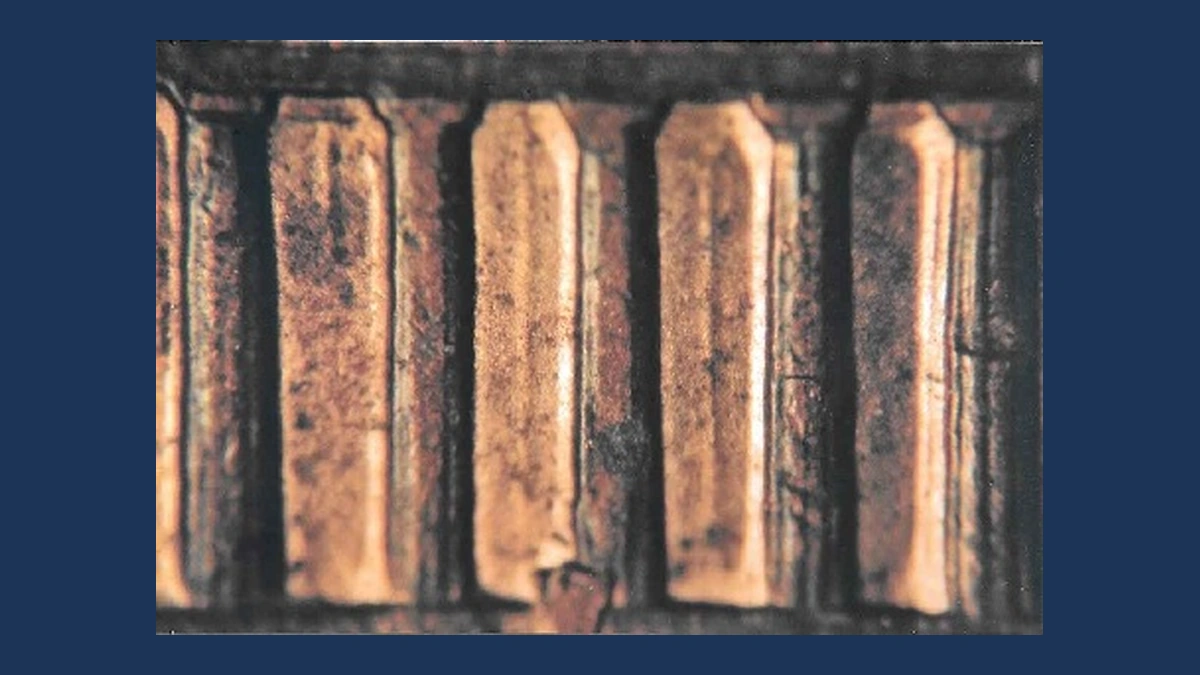
An extra edge beside a Memorial column or letter may lead a collector to examine the back closely. A genuine doubled back design comes from an extra image already carried by the stamping tool.
The year guide includes a 1989 reverse doubled-die report without naming a cataloged pattern. It does not establish a particular column opening as the identifying location.
The building’s many closely spaced lines can be misleading under uneven light. Copper bumps and wear-related ridges may occupy the same small spaces.
Compare the shape with the normal architecture. A random lump between columns is not automatically another column.
Estimated Value
For an identified minor back doubled die, an estimated $5–$150 is a practical comparison range. This is an estimate for the mechanism, not a realized price attached to the general 1989 report.
The size and clarity of the repeated feature matter more than the number of suspicious marks. A clean unworn cent can show a tiny difference better than a heavily worn example.
Extra-looking metal must first match the design. Unrelated bumps should not inherit a doubled-die price.
How to Identify
Keep the entire Memorial visible when selecting a close-up, then inspect the suspected detail with a 10× magnifier. Follow a column or letter through the extra outline to decide whether an actual piece of design repeats.
Change the lamp’s angle to separate a shadow from raised metal. A ridge that only appears under one reflection is a poor basis for naming a variety.
Use a scale to check for 2.50 g and calipers to compare the width with 19.05 mm.
These checks identify the ordinary blank, not the doubling.
Begin with a second recognizable architectural or lettering outline that remains visible when the light changes.
6. 1989 Lincoln Penny Raised Front Tool Break (Estimated Up to $400)
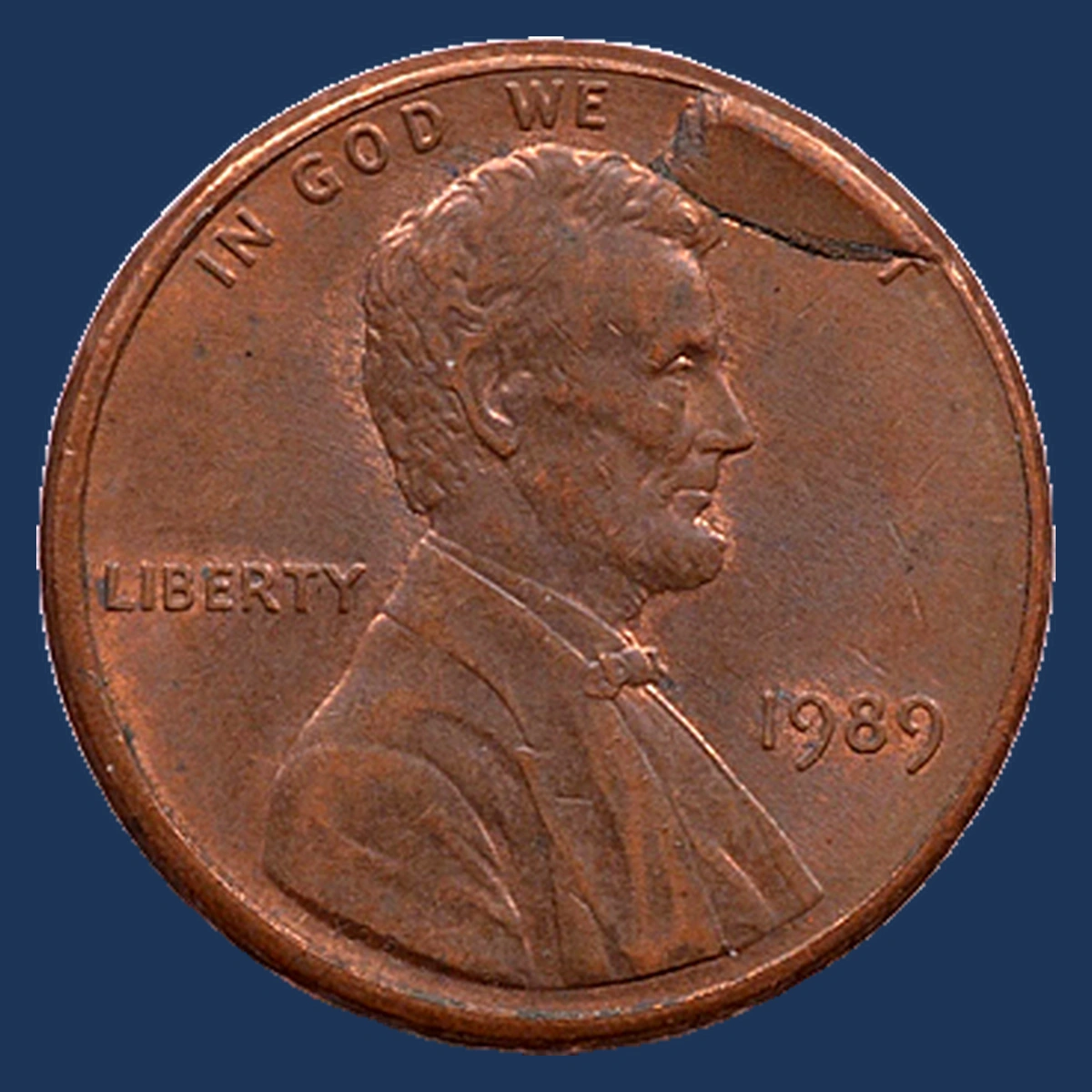
A missing piece of a stamping tool leaves room for metal to rise where normal detail should have been. The resulting raised patch can interrupt the portrait, lettering, or nearby background.
Heritage listed a 1989 front-side die-break example in NGC MS67 Red. The brief description does not specify its clock position or call every such patch a rim cud.
A rim cud must connect to the edge. A break farther inside the design can remain separate from the rim.
Both differ from thin copper blisters. The raised metal should fit a damaged tool’s effect on the struck design.
Estimated Value
An estimated $10–$400 spans small identified front breaks through larger, clearer patches. How much design is replaced helps collectors judge the visual impact.
The listed MS67 Red example was unworn with very few marks and retained red color. Its grade should not be treated as a realized sale or transferred to another broken-tool coin.
The estimate concerns a genuine raised break. Added material or an inflated copper blister needs a different explanation, even if it looks prominent.
How to Identify
Start at the raised patch and use a 10× magnifier to follow its boundary through the surrounding design. Record whether it actually reaches the rim before using the name cud.
A solid break should explain why normal detail is missing or replaced. Compare the opposite face for any related weakness, while remembering that not every example shows a dramatic matching hollow.
Check the ordinary 2.50 g and 19.05 mm with a scale and calipers.
Leave the patch untouched rather than testing its hardness.
Continuous raised metal replacing part of the struck design provides the first useful distinction from a surface blister or attached lump.
7. 1989 Lincoln Penny Off-Center Strike (Estimated Up to $450)
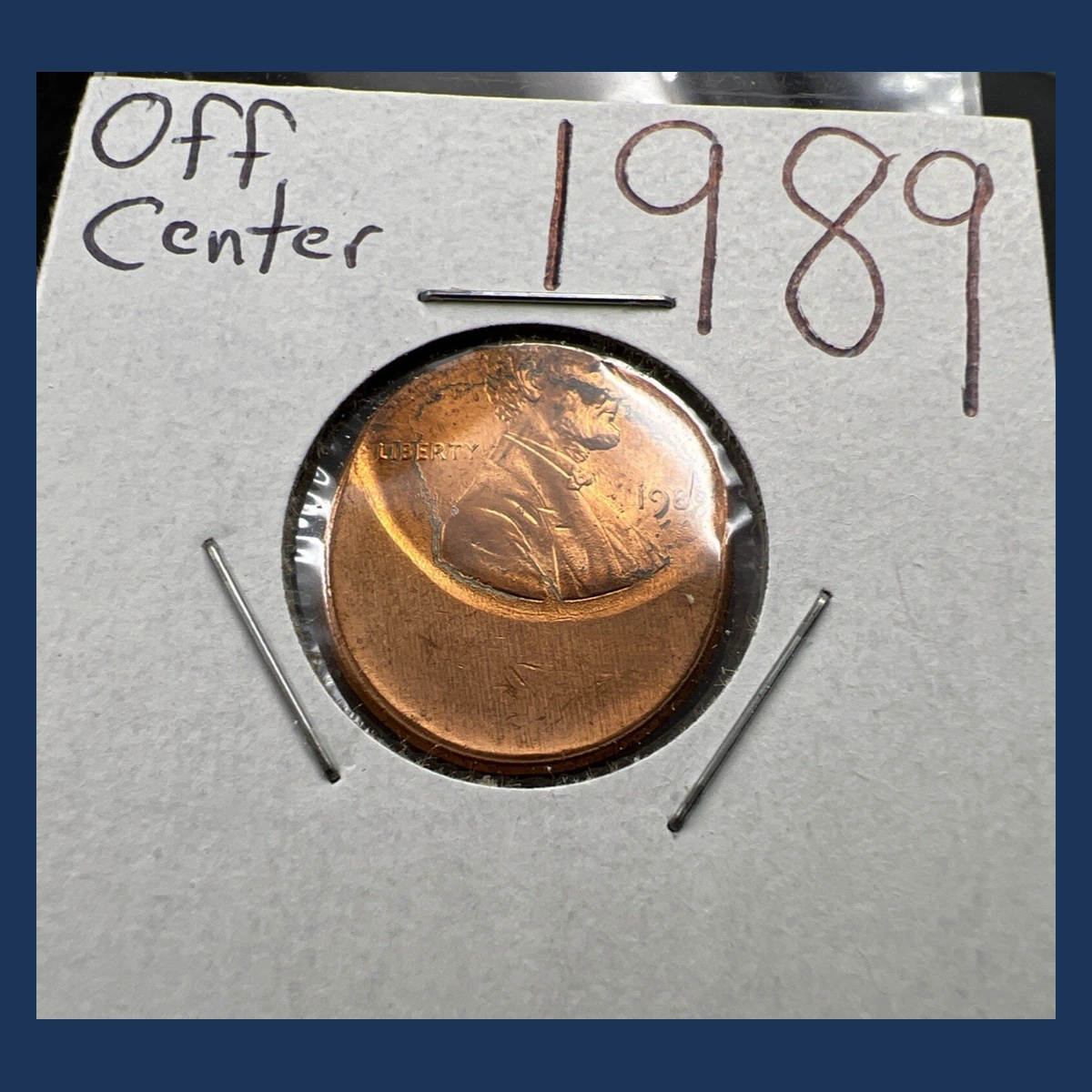
Nearly half a cent can remain blank while a readable part of Lincoln appears at one side. The disk entered the press away from the center of the striking area.
Heritage described a no-mint-letter 1989 example as 45% off center. A separate Denver example is also reported at 45%, but it is a different coin.
Another no-mint-letter listing places its shift toward eight o’clock. That direction belongs to the listed specimen rather than all 1989 off-center cents.
The smooth crescent is unstruck metal still attached to the coin. A missing piece or ground surface requires a different explanation.
Estimated Value
The Heritage 45% off-center cent brought $53 in September 2019, graded NGC MS65 Red. It was unworn with relatively few marks and retained red copper color.
An estimated $15–$450 covers identified examples with different amounts of displacement, condition, and surviving date detail. The actual sale shows that a large shift alone does not guarantee a large price.
Compare the individual coin’s shape and readable information. Do not assign the Philadelphia sale directly to the separate Denver specimen.
How to Identify
With a 10× magnifier, follow the edge of the impression until it meets smooth blank metal. Both faces should show that only part of the disk was beneath the stamping tools.
Locate the date and any mint letter wherever they survive. A normal 1989 Philadelphia cent has no P, so a missing mint letter by itself is not an error.
A scale compares the usual 2.50 g, while calipers document the altered outline from a normal 19.05-mm blank.
Look carefully for grinding in the supposedly blank area. An incomplete struck design beside original unstruck metal is the direct first test.
8. 1989 Lincoln Penny Partial Backward Impression (Estimated Up to $600)
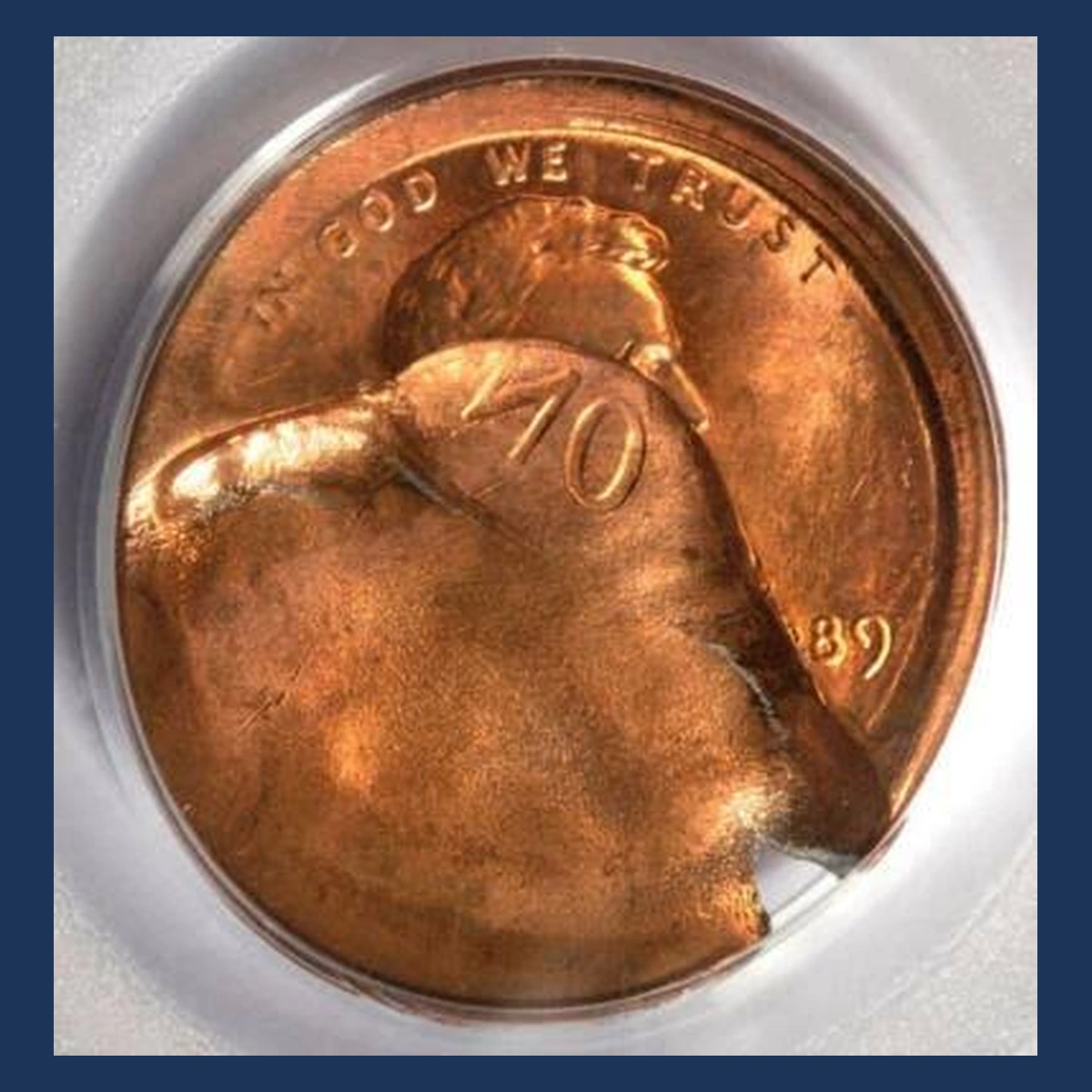
Backward letters or portrait details can appear below the surface on part of a cent. An already struck coin pressed its raised design into the new blank.
This reversed, sunken image is called a brockage. The auction-history listing includes a 1989 partial brockage graded ANACS MS63 Red.
The word partial means the transferred image covers only part of the coin. It does not establish a particular face or percentage without the specimen’s photographs.
Normal raised design may remain alongside the transferred area. Its relationship with the hollow helps separate a brockage from coins squeezed together after they left the Mint.
Estimated Value
Use an estimated $40–$600 for an identified partial brockage, allowing for clarity, coverage, and preservation. A readable backward design is often more appealing than an indistinct hollow.
The listed 1989 MS63 Red specimen has no realized price used for this range. A different 2001 partial-front brockage in MS64 Red brought $79 in March 2025.
That sale provides a same-mechanism comparison from another year. The grade, affected face, and transferred detail still need to be compared individually.
How to Identify
Read the unexpected design as a mirror image through a 10× magnifier, checking that it lies below the surface. Ordinary doubling usually adds raised outlines instead of backward recessed lettering.
Follow the boundary between the transferred area and normal design, then inspect the other face for a compatible striking pattern. Damage from squeezing two finished coins together may crush existing details rather than form the same original relationship.
Use a scale and calipers to compare the normal 2.50 g and 19.05 mm without pressing into the hollow. Recognizable backward detail sunk into part of an otherwise struck coin is the quickest starting point.
9. 1989 Lincoln Penny Bare Zinc and Partial Copper Coverage (Estimated Up to $1,500)
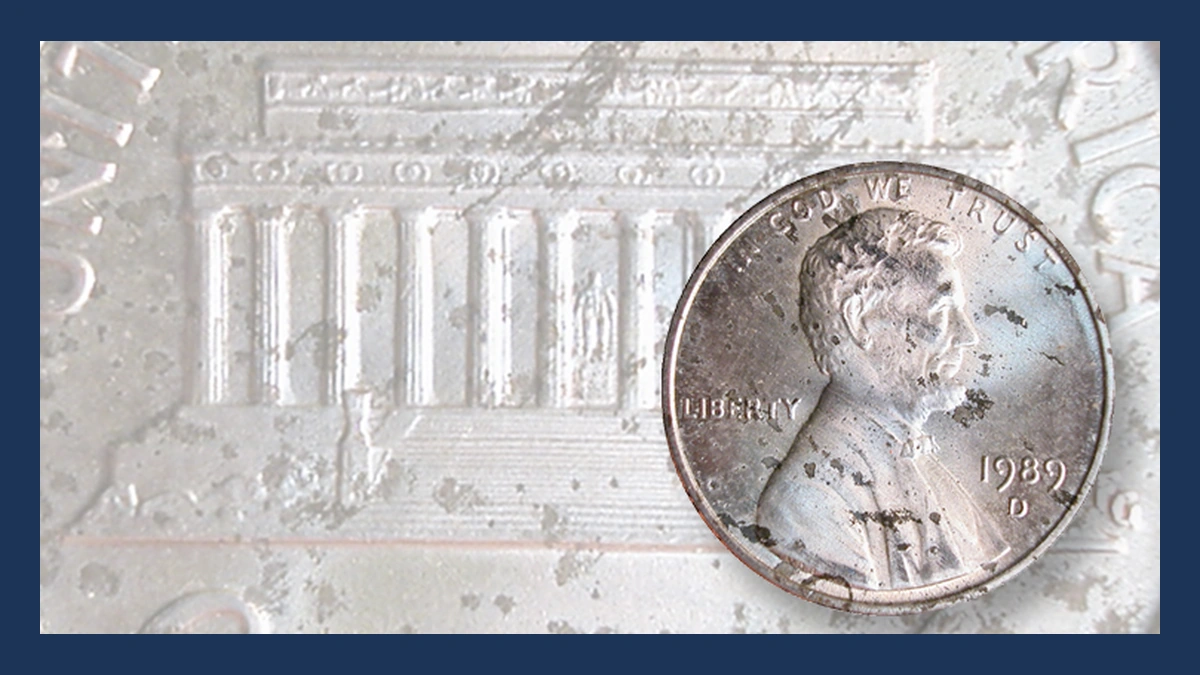
A gray cent can reveal the zinc normally hidden beneath its thin copper skin. Mike Diamond described an unplated 1989-D example with surviving original surface shine and fine texture.
A separate Philadelphia example appears in the PCGS collector gallery as partially plated. It retains copper in some areas instead of having the same coverage as the Denver specimen.
Neither should be identified by a black spot or gray color alone. Chemical stripping can remove copper after the coin is finished.
The surface must explain the missing coating. Smooth struck zinc differs from rough corrosion or a layer removed with scratches.
Estimated Value
For identified partial or fully unplated examples, estimate $75–$1,500. The amount of missing copper and preservation of the zinc surface affect the comparison.
A 1993-D partially plated cent in NGC MS66 Red sold for $750 in September 2024. That is a different-year comparison, not a sale of either 1989 specimen described here.
The Philadelphia gallery coin is PCGS MS63 Red, an unworn piece with noticeable marks. A damaged gray penny does not receive the same premium because its color matches.
How to Identify
Weigh the coin on a precise scale before interpreting its color. The normal copper-plated zinc cent is 2.50 g, and missing coating may make a genuine unplated example slightly lighter.
That small difference does not distinguish original missing plating from later removal by itself. With a 10× magnifier, examine both faces and the plain edge for smooth struck zinc, remaining copper, scratches, or chemical roughness.
Calipers compare the usual 19.05-mm diameter. Avoid cleaning or rubbing the exposed zinc, and use existing measurements if the coin is sealed.
Original struck surface texture, together with a convincing pattern of copper coverage, is the most useful initial check.
10. 1989 Lincoln Penny Dime Blank Struck as a Cent (Estimated Up to $2,000)
Lincoln can fill a smaller silver-colored disk with little room left for the outer design. A blank intended for a dime received the cent impression instead.
The auction-history listing records a 1989 example on a clad dime planchet, graded PCGS MS62. A planchet is the prepared blank before it receives its design.
The outer cent details can become incomplete or approach the edge in an unusual way. This does not require any Roosevelt design beneath them.
A cent struck over a finished dime is different. That coin preserves traces of an earlier design, while an empty dime blank has none.
Estimated Value
An estimated $200–$2,000 applies to identified 1989 cents on dime blanks. A readable date and strong surviving design help collectors understand the error.
The recorded PCGS MS62 example was unworn but had more marks than a higher-grade specimen. Its listing does not supply a realized price used here.
For a same-mechanism comparison, a 2001 dime-blank cent in MS66 brought $446.20 in January 2009. The different year and condition prevent treating that amount as a fixed 1989 price.
How to Identify
Compare the blank’s metal and weight before naming the error: a clad dime is nominally 2.268 g, while a normal cent is 2.50 g. A precise scale and calipers can compare the outline with a dime’s 17.9 mm and the cent’s 19.05 mm.
The later cent strike can expand the disk, so its finished diameter need not equal an untouched dime blank exactly. Use a 10× magnifier to inspect the edge and look for older dime details across both faces.
Do not cut into the edge or try to remove a coating as a test. Dime-type metal and measurements without surviving older dime designs give the quickest first distinction.
11. 1989 Lincoln Penny Folded Blank Struck Off Center (Estimated Up to $2,500)
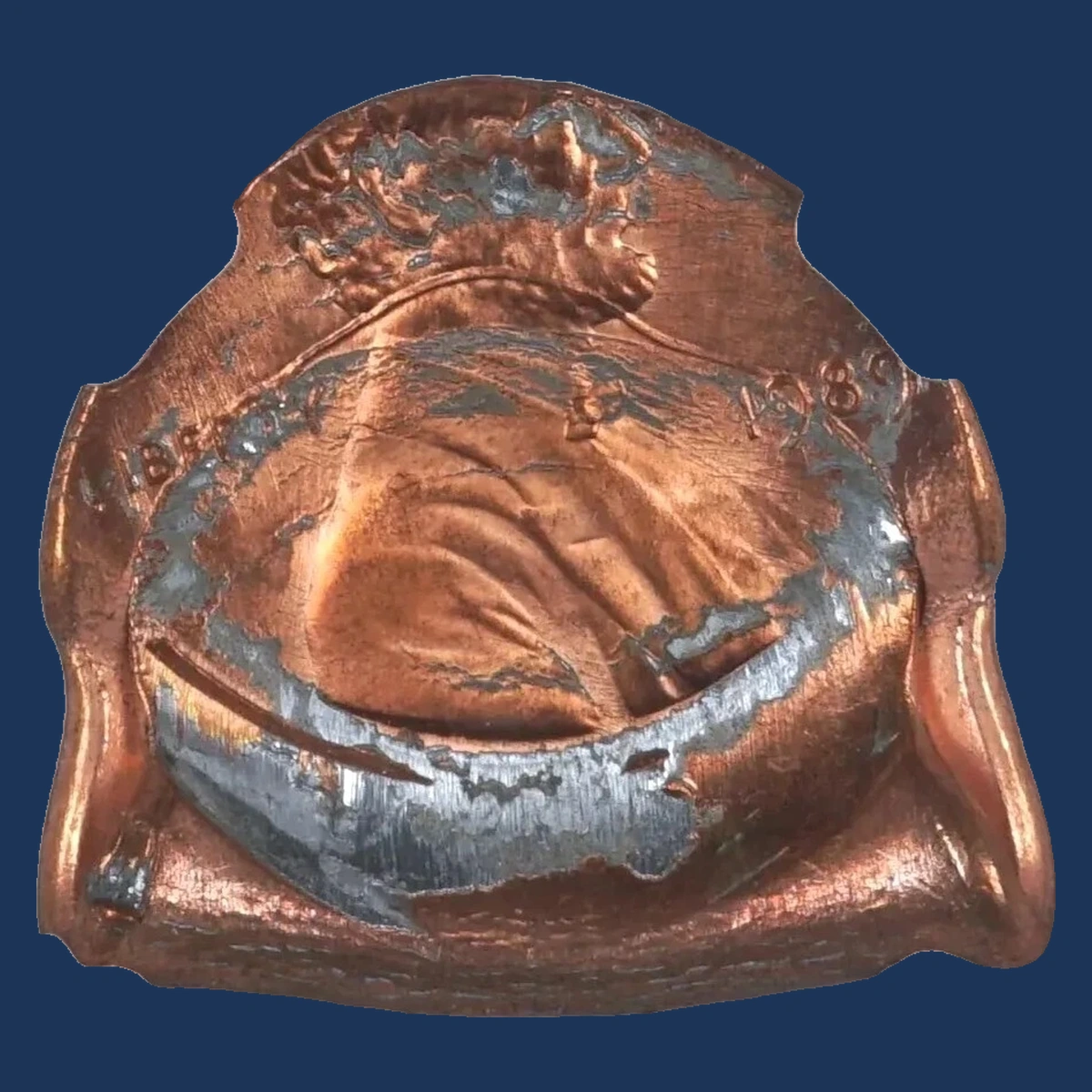
A fold can make part of the coin look doubled in thickness, with cent detail struck across the bend. The blank bent during the minting event instead of lying flat between the tools.
NGC uses a 1989 MS65 Red cent to illustrate a fold-over off-center error. Heritage also cataloged an example with that description.
The folded shape and displaced strike belong to the event. They should be examined together rather than assigning a separate coin to each effect.
A penny bent in a vise after minting has a different history. Its already finished design is distorted by later force.
Estimated Value
The Heritage fold-over example sold for $960 in September 2018, graded NGC MS65 Red. Its shape is a more useful comparison than an ordinary cent with the same grade.
Estimate $300–$2,500 for identified fold-over strikes with varying shape and preservation. A clear fold with readable struck detail helps explain the minting sequence.
The price is for the complete combined error. Damage from later attempts to straighten the metal can reduce both its appearance and the evidence of its original form.
How to Identify
Inspect the original folded profile from the side without trying to open it. A 10× magnifier can show how the design meets the bend and the overlapping struck metal.
Compare with NGC’s illustrated fold-over example, looking for a strike formed on the folded shape rather than ordinary detail bent afterward.
The original cent blank is normally 2.50 g and 19.05 mm. Use scale records and careful caliper measurements, since the folded width and thickness will not match a flat cent.
Protect thin edges from pressure. Struck detail that fits the folded metal and displaced impression provides the essential first check.
12. 1989 Lincoln Penny Cent Impression Over a Finished Dime (Estimated Up to $4,000)
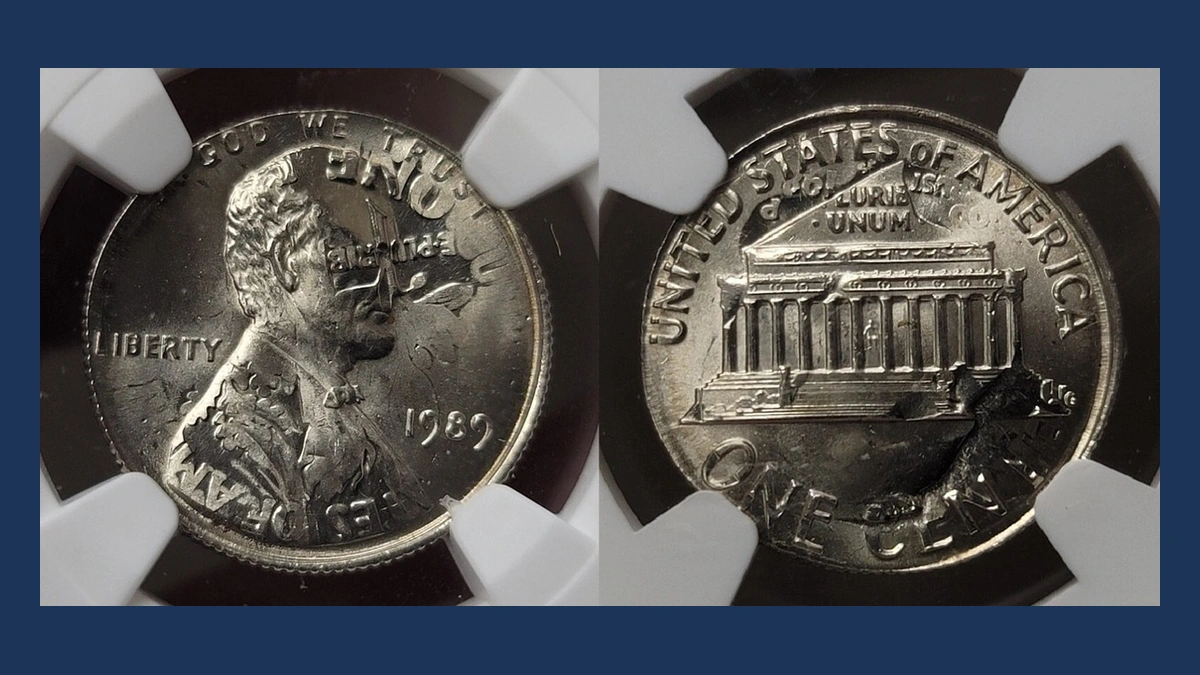
Two different dates can survive on a single piece of metal. The documented 1989 cent over a 1988 dime carries an older coin’s design beneath the new Lincoln impression.
On that specimen, Roosevelt’s front design sits about 45 degrees clockwise relative to the cent’s front. Enough of the first design remains to identify the earlier denomination.
GreatCollections separately lists a 1989 cent over a 1989-P dime. That is another specimen, with a different underlying date.
These combinations are called double-denomination errors. They record a finished coin receiving another denomination’s strike, rather than an empty wrong-size blank.
Estimated Value
The cent over the 1988 dime brought $2,530 in September 2008, graded NGC MS65. It was unworn with relatively few marks.
Use an estimated $700–$4,000 for identified 1989 cent-over-dime combinations. Preserved older designs and readable dates make the history easier to see.
The 1989-P dime example should be compared on its own condition and surviving detail. Its catalog appearance does not mean it sold for the amount recorded for the 1988-dime specimen.
How to Identify
Find a clear piece of the older dime design before concentrating on the cent date. With a 10× magnifier, trace Roosevelt, a branch, or the torch beneath the later Lincoln and Memorial details.
The 45-degree relationship belongs to the documented 1988-dime example. Read the actual earlier date and mint letter on any other specimen instead of assuming the same coin.
A scale compares the dime’s nominal 2.268 g with a normal cent’s 2.50 g. Calipers document expansion from a dime’s usual 17.9 mm toward the cent’s larger 19.05-mm design.
Overlapping genuine designs, with the dime underneath, provide the most direct first check.
13. 1989 Lincoln Penny Cent Overstruck by a Nickel (Estimated Up to $8,000)
A nickel design can cover a penny while leaving Lincoln or the Memorial visible underneath. Here the cent came first, then entered a press fitted with Jefferson nickel tools.
Heritage documented a 1989-D nickel over a 1989-D cent with both dates surviving. The cent’s front lies beneath the nickel’s back, and the cent’s back beneath Jefferson.
A separate 1989-P nickel-over-cent example appears in an auction-history listing. The underlying cent’s mint is not specified there.
The final coin can retain copper color because it began as a cent. It is not a normal five-gram nickel merely tinted red.
Estimated Value
Estimate $1,000–$8,000 for identified 1989 nickel-over-cent examples, depending on the visible two-design combination and condition. The Denver specimen was NGC MS64 Red, while the separate Philadelphia-nickel example was MS65 Red.
Those labels describe unworn coins with differing amounts of marks. Neither listing supplies a realized price used for this range.
A readable date from each strike can strengthen the appeal. Do not transfer the much higher prices of a different nickel design to this ordinary Jefferson-and-Monticello combination.
How to Identify
Look for Jefferson or Monticello above earlier Lincoln or Memorial detail through a 10× magnifier. On the documented Denver piece, the cent portrait lies under Monticello, not under Jefferson.
Trace each surviving date separately and connect its mint letter with the correct design. The Philadelphia nickel example does not automatically establish a Philadelphia mint for its underlying cent.
Use a scale to compare with the starting cent’s 2.50 g, rather than a nickel’s normal 5.00 g.
Calipers record expansion beyond the original 19.05-mm cent outline.
Begin with recognizable cent detail beneath the nickel design on the same continuous piece of metal.
14. 1989 Lincoln Penny Older Copper-Alloy Blank (Estimated Up to $15,000)
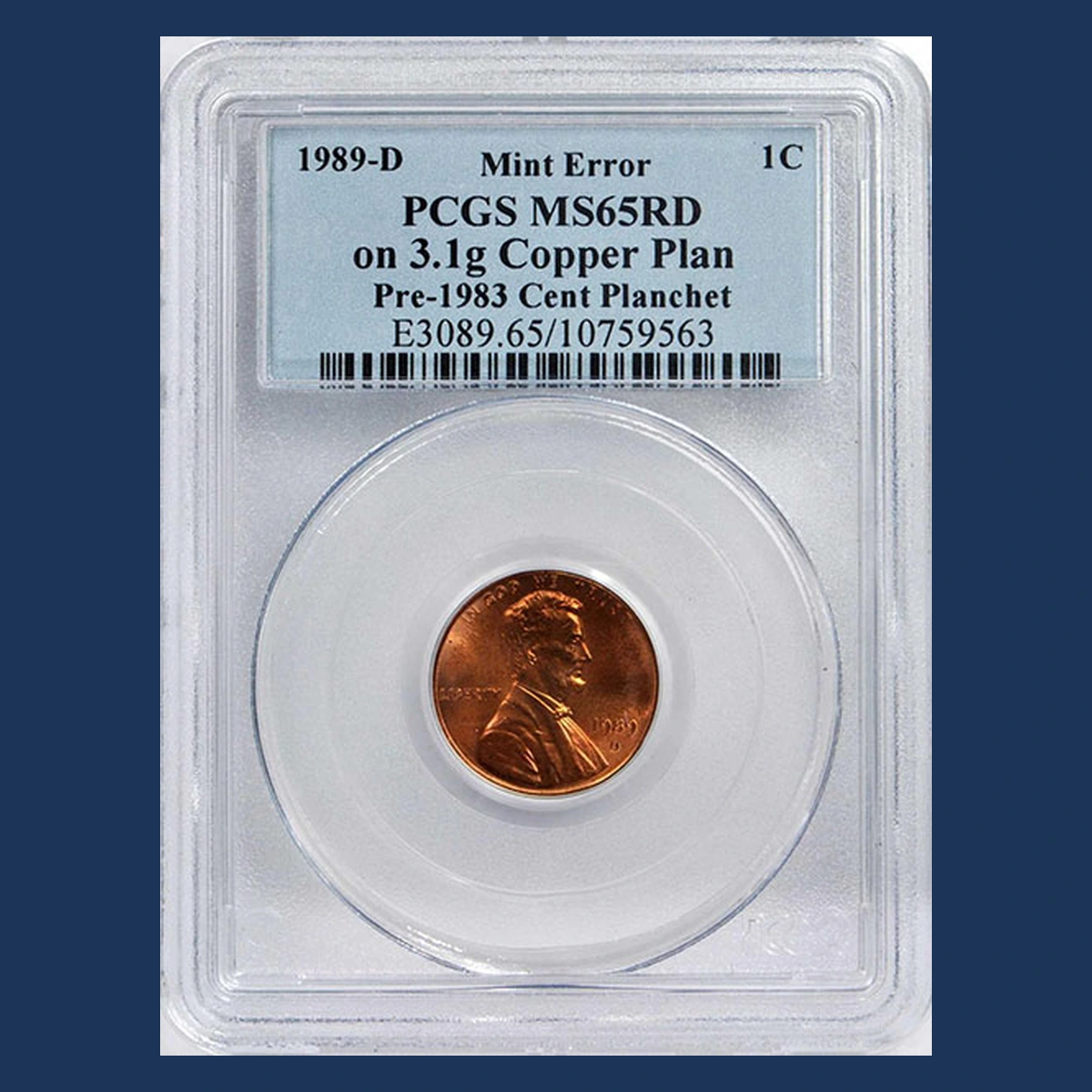
A cent that looks fairly ordinary can carry the wrong metal inside. The documented 1989-D copper-alloy example weighs about 3.1 g instead of the normal 2.50 g.
The older cent mixture was mostly copper throughout. By 1989, normal cents used a zinc center covered with a thin copper coating.
An old-style blank therefore produced a later-dated coin with an unexpected composition. The date, weight, and metal must be considered together.
The auction catalog notes a dark patch on the specimen’s back. That individual mark is not required on another genuine copper-alloy blank error.
Estimated Value
Coin World reported a $3,525 sale in August 2016 for a PCGS MS65 Red example. An earlier Heritage offering of a 3.1-g specimen was not sold in May 2007.
An estimated $2,000–$15,000 allows for an identified later-date copper-alloy blank and its condition. The actual 2016 result is more relevant than famous prices for a 1943 copper cent.
A heavy reading alone is insufficient. Added metal or an altered date does not establish this error.
How to Identify
Use a scale reading to hundredths of a gram and confirm the calibration before trusting a reading near 3.1 g. Compare with an ordinary 1989 plated-zinc cent near 2.50 g.
Use calipers to check for a width near 19.05 mm, since both blank types have similar width. A 10× magnifier helps check the date and D for alteration and inspect the edge without cutting it.
Copper color cannot distinguish a copper-coated zinc center from copper alloy throughout. Non-damaging professional metal testing can resolve that difference when the weight points to the older blank.
The most useful first combination is a genuine 1989-D date, roughly 3.1-g weight, and copper-alloy composition.
15. 1989 Lincoln Penny Repeated Strikes, Including a Copper-Blank Combination (Estimated Up to $15,000)
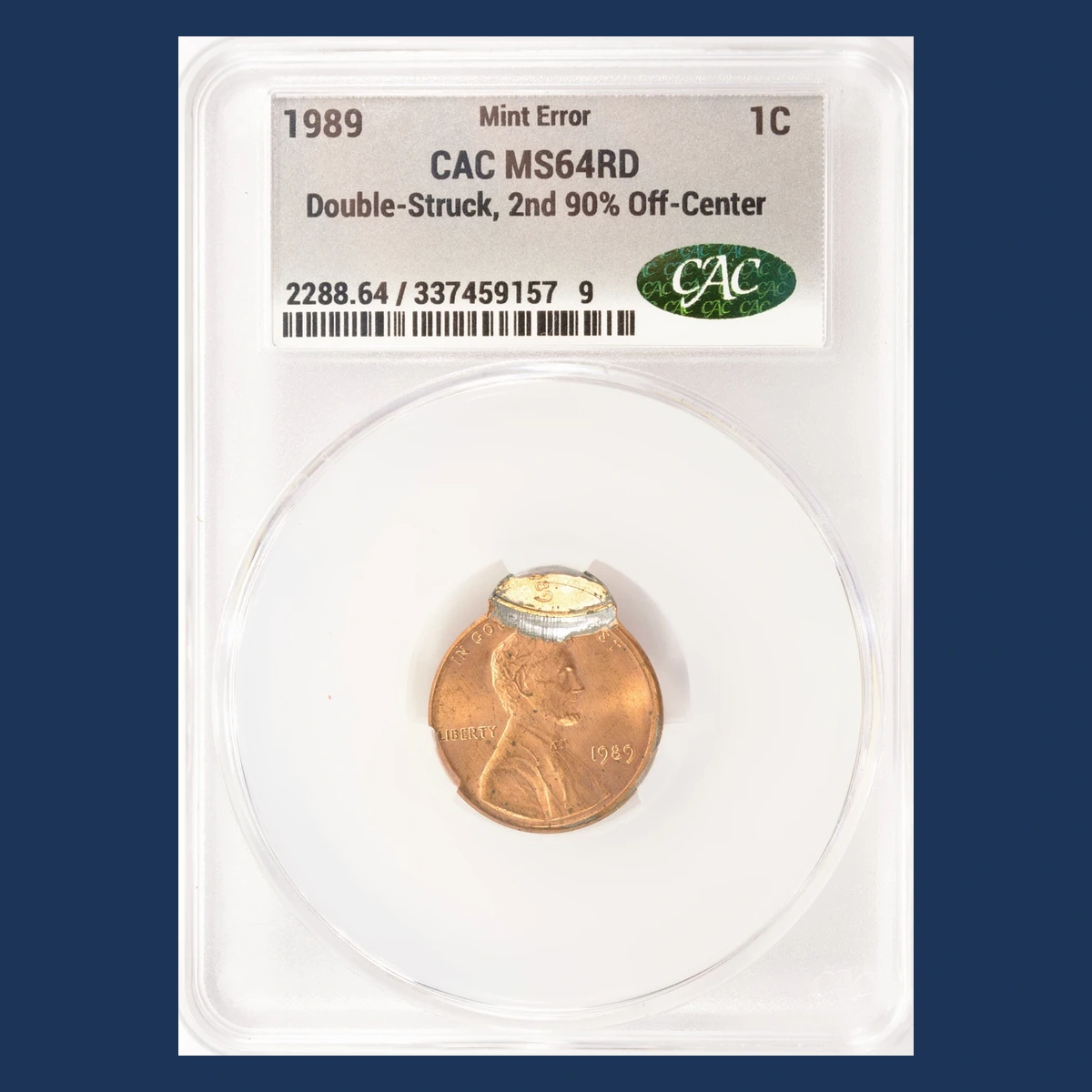
An extra Lincoln impression can show that a cent received another blow after moving within the press. One 1989 example has a second strike about 65% off center.
Another listed coin combines that displacement with a blank-looking side in the second-strike area. An intervening blank can block direct contact with one stamping tool.
Mint Error News also records a Denver cent struck twice with rotation on an older copper-alloy blank. Its unusual metal and repeated design belong to one combined error.
These examples have different striking sequences. A small flat shelf beside a letter does not establish any of them.
Estimated Value
The NGC MS66 Red example with a 65% off-center second strike brought $70 in January 2016. Estimate $40–$750 for identified ordinary plated-zinc double strikes of these kinds.
The reported Denver double strike on an older copper-alloy blank has a separate whole-coin estimate of $2,000–$15,000. That range is not an auction result and must not be added to the copper-blank section’s estimate.
How clearly the repeated designs explain the movement matters. The unusual blank changes the comparison substantially.
How to Identify
Trace the first date or portrait outline, then follow the second impression with a 10× magnifier to see how the coin moved. A blank-looking area on one side needs comparison with the second strike on the other face.
For the Denver copper-alloy example, inspect the rotated designs together with a precise scale reading near 3.1 g. Ordinary plated-zinc examples instead relate to 2.50 g, with calipers recording changes from the usual 19.05-mm outline.
Do not assign the 65% displacement to the separate in-collar copper example, whose metal remained constrained during its reported rotated strikes. Two overlapping struck designs that explain the movement are the quickest first check.
Conclusion
Start with the feature that caught your eye, then check the rest of the coin. Gray metal, a raised bubble, and a folded edge each need a different explanation.
The estimated $0.01–$15,000 range includes minor surface effects and major combined errors. Weigh a possible old copper blank, trace both designs on an overstrike, and leave fragile plating or folded metal untouched. Those checks are more useful than an impressive label alone.