1970 Penny Error List with Pictures

A clearly doubled date and motto can be worth far more than a faint extra line. A top-quality 1970-S doubled-front cent sold for $38,400 in August 2024.
This 1970 penny error list covers estimated values from $2–$40,000. It also includes missing roof supports, unusual blanks, and coins that moved between strikes.
Start with the mint letter and the actual feature. The examples below explain what to look for without treating every unusual mark as the same mistake.
1. 1970 Lincoln Penny Missing Roof Supports or FG (Estimated Up to $50)
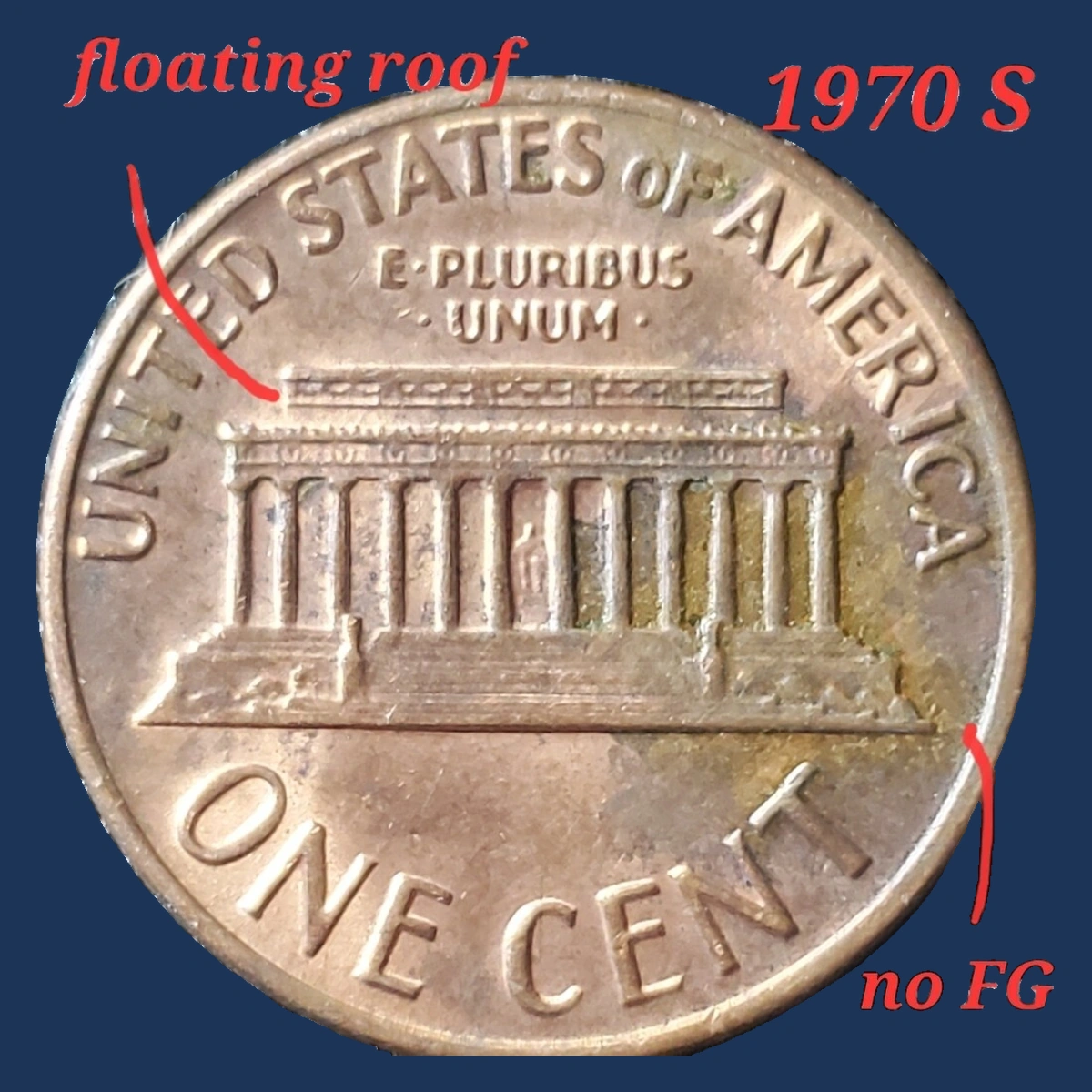
A roof can appear to float when its fine connections to the end columns disappear. Polishing the die, the steel stamping tool, can remove shallow parts of its design.
One late stage of a Denver doubled-front tool is documented with this effect. The floating roof alone does not identify that doubled-front variety.
The year’s reports also include missing FG, the designer’s initials beside the Memorial. That separate appearance needs a check for wear, weak striking, or polishing.
Neither missing feature automatically makes a penny rare. Sharp surrounding detail helps show whether the local loss began on the tool.
Estimated Value
Estimate $2–$50 for a clearly identified polishing-related loss of these small details. The estimate concerns the visible missing feature rather than a guaranteed valuable variety.
A worn roof or faint FG can occur on ordinary cents with little added value. The upper comparison suits a clean example whose missing detail stands out beside a sharp surrounding design.
If a coin also matches a recognized doubled-front tool, assess that variety separately. Do not assume every floating roof carries its premium.
How to Identify
Compare the Memorial with a normally struck 1970 cent under a 10× magnifier. Follow the short connections above the end columns, then inspect FG beside the building’s right side.
If the entire back is worn smooth, a missing fine line has a simpler explanation. Local loss beside sharp columns gives a more useful comparison.
The normal copper-alloy cent weighs 3.11 g and measures 19.05 mm. Use a scale and calipers if the piece appears altered, and inspect its plain edge for later work.
Keep the two locations separate. Missing initials cannot prove the Denver doubled-front variety, and a floating roof does not require FG to be absent.
2. 1970 Lincoln Penny Repunched D or S Mintmark (Estimated Up to $300)
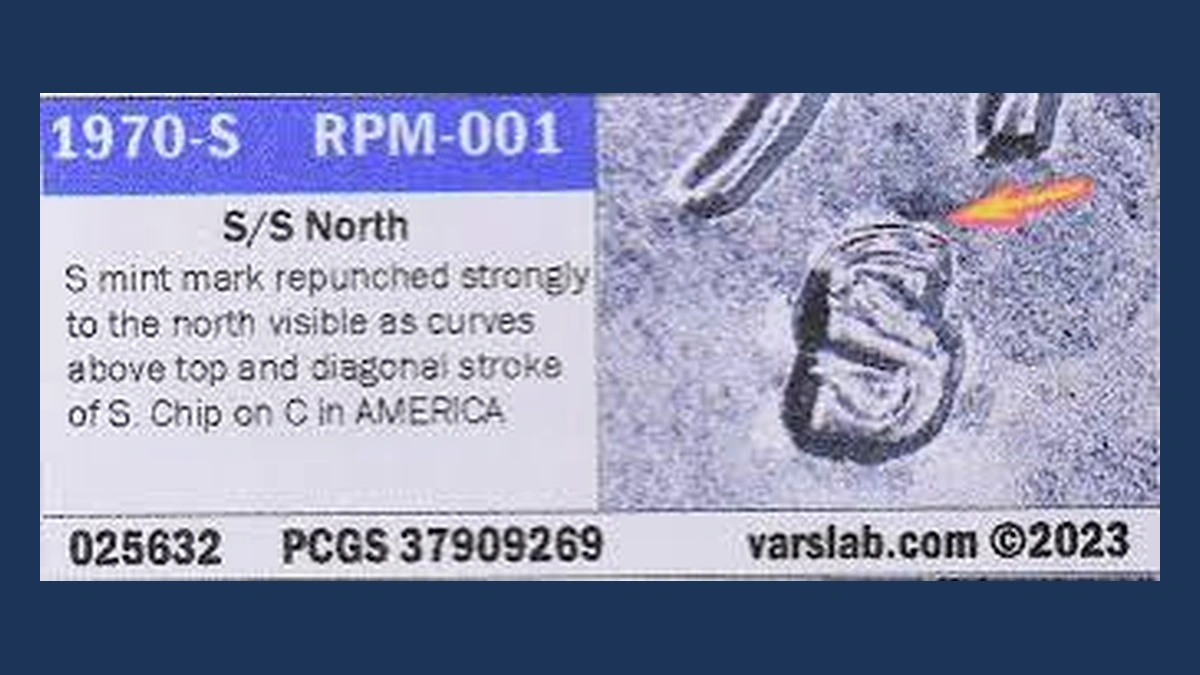
Small extra strokes around D or S can come from repeated use of the mint-letter punch. Workers added the letter to each stamping tool by hand.
Denver listings include downward and northeastward repeats. On ordinary San Francisco coins, S patterns include upward remnants and a three-impression pattern extending to both sides.
Separate Proof varieties have their own S overlaps. A Proof is a specially made collector coin, so the S alone does not establish its finish.
The repeated letter shape is the useful clue. A damaged edge or isolated lump needs another explanation unless it matches the recorded punch pattern.
Estimated Value
Use an estimated $3–$150 for ordinary minor D and S repunches. Strong examples and identified Proof varieties can be compared within approximately $25–$300.
These ranges reflect similar hand-punched mintmark varieties rather than a recorded price for every 1970 listing. Wider recognizable separation is generally easier to appreciate than a tiny doubtful bump.
Three punch traces on one S still describe one variety on one coin. They do not create three separate values that should be added together.
How to Identify
Decide whether the mint letter is D or S, then establish whether an S coin is ordinary or Proof. That choice determines which photographs can make a useful comparison.
Draw the extra stroke you can actually see under a 10× magnifier. Does it fit another curve, upright, or end of the same letter?
A Denver downward repeat needs its own match; another variety may repeat in a different direction. For an altered-looking coin, check its plain edge, 3.11 g weight, and 19.05 mm width with a scale and calipers.
Return to the letter after these basic checks. A flat shelf or lump cannot substitute for a traceable second punch shape.
3. 1970 Lincoln Penny Broadstrike (Estimated Up to $300)
A penny can grow wider if the ring around its edge fails to hold the blank. That ring, called the collar, normally limits how far the metal spreads.
The resulting error is a broadstrike. A 1970-D example is reported with an expanded edge and a largely complete design.
The design’s position matters more than size alone. An off-center strike loses part of the design beyond the blank instead of simply letting the surrounding metal spread.
The year report does not supply a diameter for this Denver piece. Its actual outline needs to be measured rather than copied from another broadstrike.
Estimated Value
For an identified 1970-D broadstrike, estimate $15–$300. A clear expanded outline and original surface provide a stronger comparison than a slightly wide, damaged coin.
A 1980 copper-alloy broadstrike brought $57 in March 2021. That later-year sale offers a same-mechanism reference, not a realized price for the reported 1970 example.
The amount of spreading, readability, and condition guide the estimate. Hammering a normal cent wider after minting does not create the same collectible mint error.
How to Identify
Take measurements before comparing the enlarged border. Calipers record the widest span against the usual 19.05 mm, and a scale checks whether roughly 3.11 g of metal remains.
Now follow the outer letters on both faces. A broadstrike leaves the intended design on the coin, with extra metal spread around it.
Under a 10× magnifier, examine the plain edge and central portrait together. Hammering can widen a finished cent while flattening both the border and the design.
If lettering actually runs off the disc, consider an off-center strike or another combined error. An enlarged outline with a complete, naturally struck design gives the stronger basis for identifying a broadstrike.
4. 1970 Lincoln Penny Rotated Back Design (Estimated Up to $300)
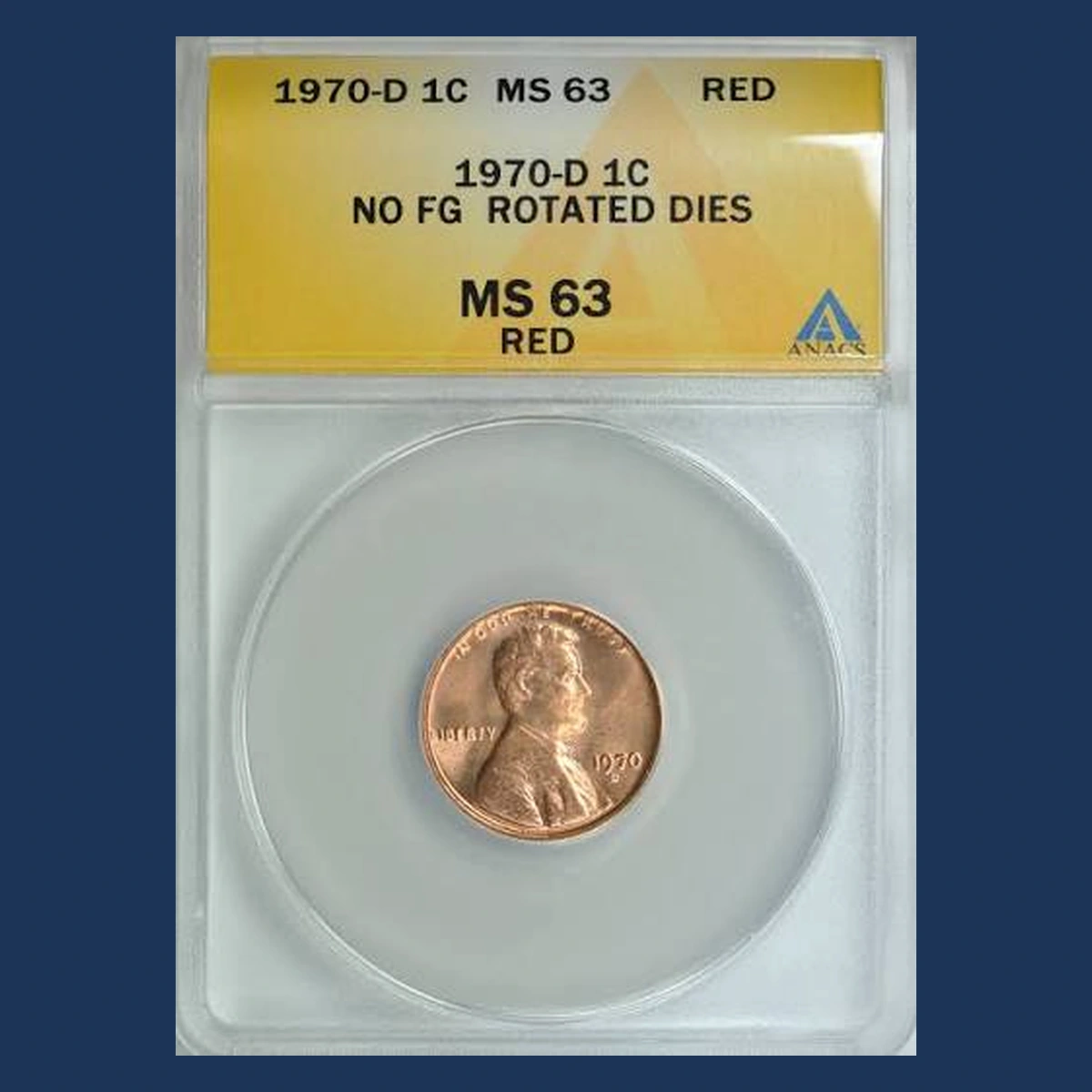
Lincoln and the Memorial normally line up when a cent is flipped from top to bottom. A turned back design can reveal a stamping tool that rotated in the press.
The coin still carries a single front and back design. The error concerns their relationship rather than a second set of letters.
A year guide reports rotated 1970 cents without fixing a mint or angle. Each candidate therefore needs its own orientation test.
Two separately rotated photographs cannot establish this error. The front and back must stay connected through a controlled flip of the same physical coin.
Estimated Value
Estimate $20–$300 for a clear, authenticated rotation. The amount of turn and the condition of the cent help determine where it fits.
This range compares ordinary Lincoln-cent rotation errors. It is not a sale assigned to a particular 1970 angle, since the general year report does not establish one.
A tiny alignment difference is a weaker comparison than a plainly turned Memorial. Photographs arranged independently should not support a premium without a reliable orientation check.
How to Identify
Hold Lincoln upright with the date at the bottom. Turn the coin over from top to bottom without twisting it sideways, and check whether the Memorial also appears upright.
Record the motion in one short video if the relationship is difficult to show. Separate face photographs can accidentally hide the way the coin was turned.
A 10× magnifier helps inspect the plain edge for a seam from an altered two-piece coin. A scale and calipers compare normal weight and width with 3.11 g and 19.05 mm.
Measure the back’s angle only after this controlled flip. Do not assign the angle of another year’s illustrated example to the reported 1970 type.
5. 1970 Lincoln Penny Clipped Blank (Estimated Up to $400)
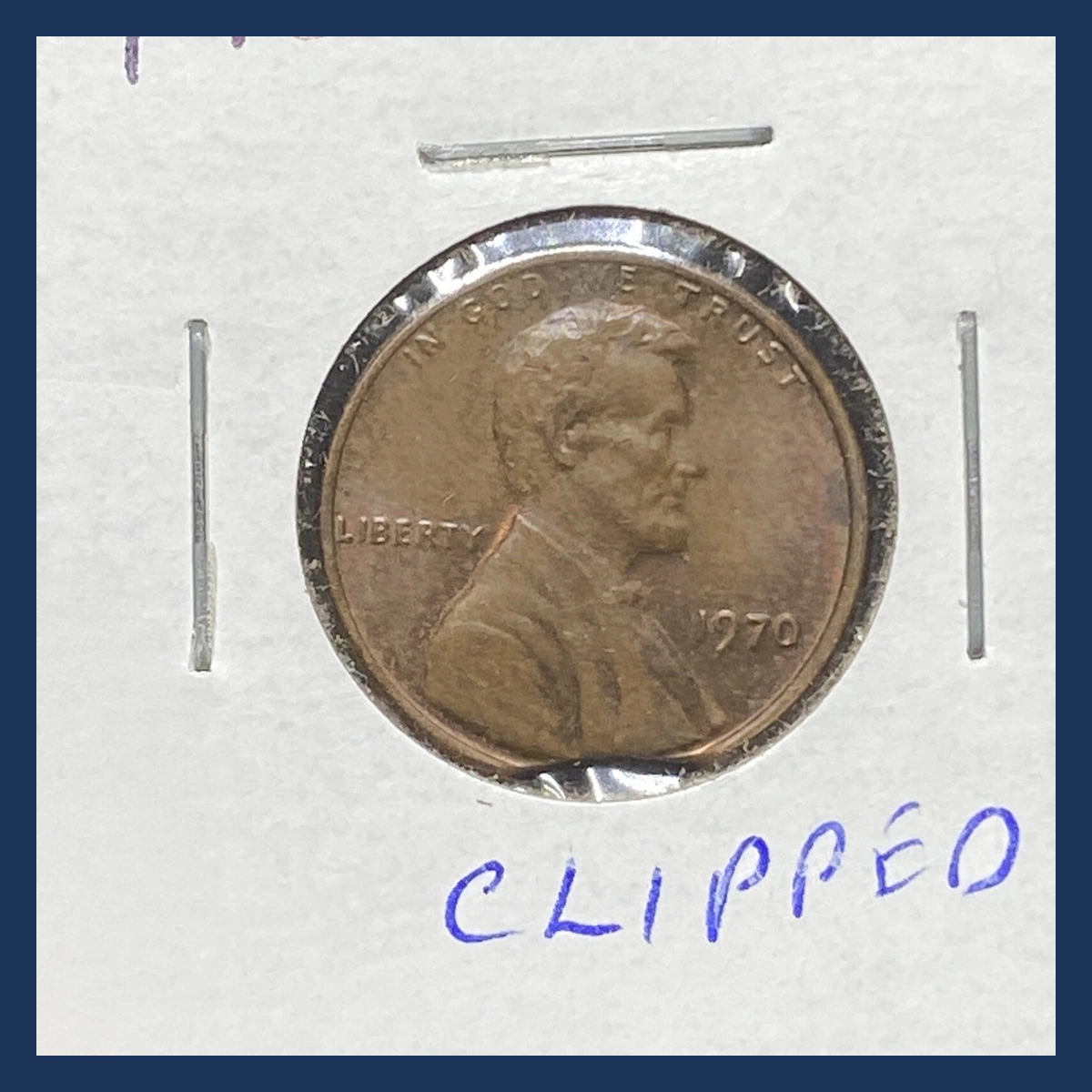
A punch can cut into an earlier hole when it makes the metal disc for a penny. The new blank then starts with a curved section missing.
A Denver 1970 example illustrates this clipped shape. A separate ordinary San Francisco Large Date coin has two overlapping curved gaps.
Large Date describes the style of the digits, not the size of the missing metal. The two S gaps belong to one coin.
Original rim formation can weaken near a clip and sometimes opposite it. A later saw cut may remove the same amount of metal without preserving those striking clues.
Estimated Value
An estimated $10–$150 suits many genuine single clips. Clearly formed double clips can be compared within approximately $40–$400, depending on size and preservation.
A 1967 cent with a thirteen-percent straight clip sold for $39 in July 2021. Its different boundary provides a general copper-alloy clip comparison, not the sale of either 1970 coin.
The number of gaps does not set the price alone. Original surfaces and a readable date help make an incomplete blank collectible.
How to Identify
Photograph the gap edge-on and from both faces. At 10× magnification, compare how the rim and nearby letters approach the missing section; a saw cuts through finished detail instead of shaping the original strike.
For the S example, include both overlapping gaps in the same photograph. The Denver example has a separate curved clip, so its image cannot supply the S coin’s missing boundaries.
A scale records the surviving metal against a complete cent’s 3.11 g. Measure an intact span with calipers against 19.05 mm, rather than treating the shorter distance across a gap as the original diameter.
Inspect the remaining plain edge and opposite rim. Related weakness can help, but need not be equally visible on every genuine clip.
6. 1970 Lincoln Penny Metal Loss Linked to Embedded Material (Estimated Up to $400)
A rough hollow on one 1970-D cent has been linked to a layer separating before striking. Dark particles appear on its faces and edge, and the coin weighs 2.93 g.
In a specialist account, the author favors contaminated metal over a simple object blocking the strike. The way the design meets the hollow supports that interpretation.
The precise material and each step of the process were not chemically established. The visible particles should not be assigned a particular substance from color alone.
This case illustrates why a depressed area can have more than one possible cause. Its surface deserves comparison.
Estimated Value
For a confirmed mint-made metal defect of this kind, estimate $25–$400. The range concerns the clear hollow and original embedded material rather than a verified sale of this specific cent.
A 1966 cent with a front-side separating layer brought $61 in July 2021. That provides a broad copper-alloy metal-failure comparison, while the 1970 coin has its own reported cause.
Later corrosion or dirt does not receive the same estimate. Preserved original evidence is more useful than a cleaned surface.
How to Identify
Find the rough depression in the lower-left part of the back. Under a 10× magnifier, examine how the struck design reaches that area and how the nearby metal has moved.
Check the dark particles on both faces and along the edge without scraping them. Their position matters more than an assumed chemical name.
The documented coin weighs 2.93 g, below the normal 3.11 g. Use a scale to record a candidate’s own reading and calipers to compare its outline with 19.05 mm.
Keep photographs of the hollow and retained particles together. A specialist can then compare pre-strike separation with an object pressed into the surface or later corrosion.
7. 1970 Lincoln Penny Split Thin Blank (Estimated Up to $450)
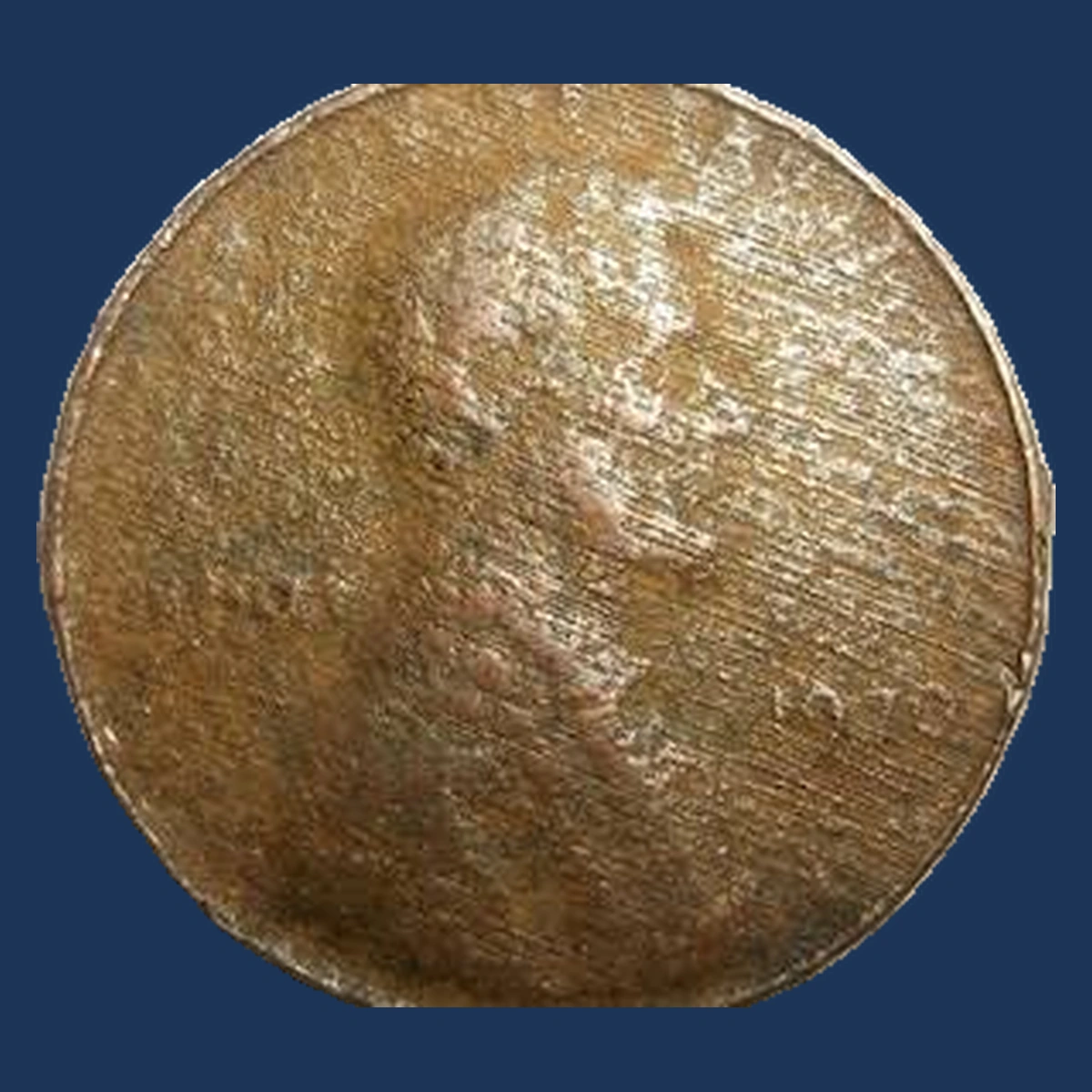
A penny can be unusually light without losing a bite from its edge. A weak internal layer can divide the metal through its thickness.
The reported 1970-D split-blank coin weighs 1.69 g and carries a PCGS 62 red-and-brown grade. That describes an unworn coin with noticeable marks and mixed copper color.
Its reduced thickness belongs to the split-metal explanation. Weight alone cannot show whether a separation happened before or after the design arrived.
A ground-down penny can also be thin. The remaining surface and the relationship between its texture and design help distinguish the original metal failure.
Estimated Value
Estimate $50–$450 for a clearly identified split-blank cent with original surfaces. A readable date and convincing separated texture strengthen the comparison.
A 1971-D cent struck after its blank split sold for $59 in June 2023. That is a related thin-metal example, with its timing established separately from this 1970 report.
The 1.69 g figure is not a required weight for all split pennies. Different pieces can retain different portions of the original blank and receive different prices.
How to Identify
Place the coin beside a normal cent so the thin edge and different surface textures are easy to compare. The reported example weighs 1.69 g; record a candidate’s own reading on a scale against the usual 3.11 g.
Calipers can compare its width with 19.05 mm without pressing on fragile metal. Then use a 10× magnifier to inspect the plain edge for grinding and the faces for rough separated texture.
The important question is when the design reached that texture. Struck detail over an exposed internal surface supports separation before striking, while a later split leaves a different relationship.
Photograph that meeting of design and texture. A light weight without it cannot establish the same sequence.
8. 1970 Lincoln Penny Struck Through Material (Estimated Up to $500)
Something between a blank and a stamping tool can stop part of the design from forming. Once the object leaves, its outline may remain as a hollow or weak patch.
A 1970-S Large Date cent has these effects on both faces. The auction does not identify the blocking material.
Another Denver example retains dark filling across parts of the portrait and WE TRUST, with a smaller piece behind the shoulder. Fine metal particles are mixed into that material.
The two coins preserve different evidence. A clean hollow is not the same object as dark matter still pressed into the surface.
Estimated Value
The S coin graded NGC 64 red and brown sold for $114 in April 2023. That grade describes an unworn cent with some visible marks.
Use estimated ranges of $15–$200 for clear ordinary impressions and $50–$500 for convincing retained-material examples. The latter range does not claim a sale of the illustrated Denver coin.
Size, readable surrounding design, and preserved original material guide the comparison. A later stain or attached dirt should not receive the same premium.
How to Identify
If dark material is still present, leave it untouched. Removing it would erase evidence about how the design formed around the obstruction.
The Denver comparison has deposits across parts of the portrait and WE TRUST, plus a smaller piece behind the shoulder. Follow their boundaries with a 10× magnifier rather than assuming every dark spot is the same substance.
For the S coin’s empty impressions, inspect both faces for design interrupted during striking. Later dents may push or cut already finished details.
Record weight and diameter with a scale and calipers against 3.11 g and 19.05 mm. Retained matter can affect weight, so inspect the plain edge and visible contact area before interpreting any difference.
9. 1970 Lincoln Penny Strike Through a Coin Cap (Estimated Up to $600)
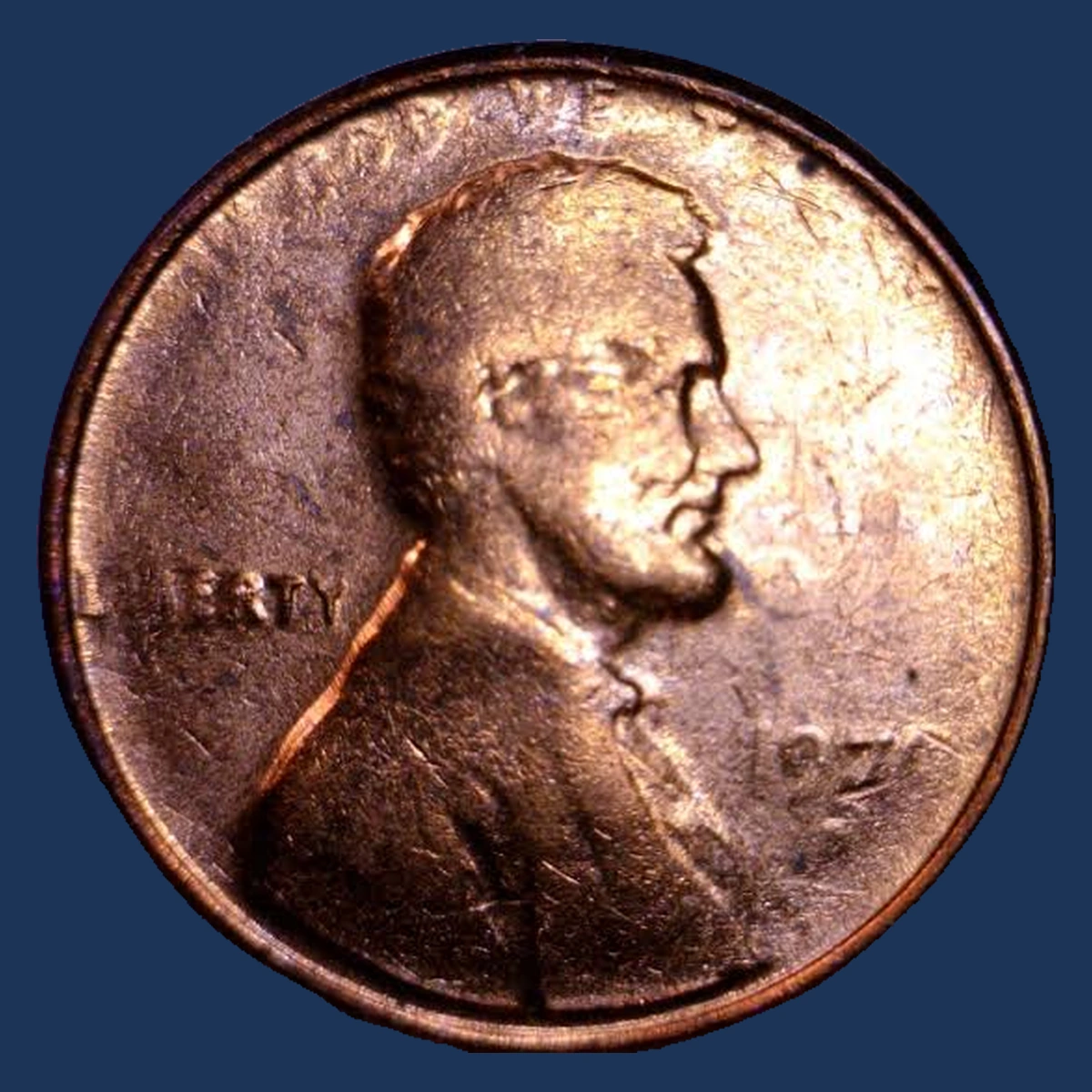
A previously struck coin can stick over a stamping tool like a cover. Collectors call that stuck coin a die cap.
The next blank receives its design through the covering metal. As the cap becomes thinner, parts of the tool’s portrait and lettering can show through more clearly.
A 1970-S example found in an original roll shows this later-stage effect. A separate Denver auction listing records a covered-tool strike without fixing the same stage or appearance.
These are coins struck underneath the cap. They should not be confused with the actual cup-shaped coin that stayed attached to the tool.
Estimated Value
For identified covered-tool strikes, estimate $30–$600. Clear distorted design and original surfaces generally provide a stronger comparison than simple weakness on a worn coin.
A 1973-D late-stage cap strike with slight wear brought $31 in October 2022. That later-year result helps illustrate the modest end of the range.
No sale is assigned here to the separate 1970-D catalog listing. Its appearance must be judged on its own rather than borrowing the S example’s later-stage description.
How to Identify
Compare the affected face with the opposite design under the same light. A cover can soften and stretch one image while the other tool leaves clearer details.
Use a 10× magnifier to inspect the portrait and letters on the S example. The Denver coin needs its own matching photographs, because the listing alone does not fix its cap stage.
Normal copper-alloy cents weigh 3.11 g and measure 19.05 mm. A scale and calipers can reveal major alteration, while the plain edge should be checked for squeezing.
Look for a coherent covered-strike pattern rather than isolated wear. The receiver need not have the high cup-shaped rim of the cap itself.
10. 1970 Lincoln Penny Partial Mirror-Image Strike (Estimated Up to $800)
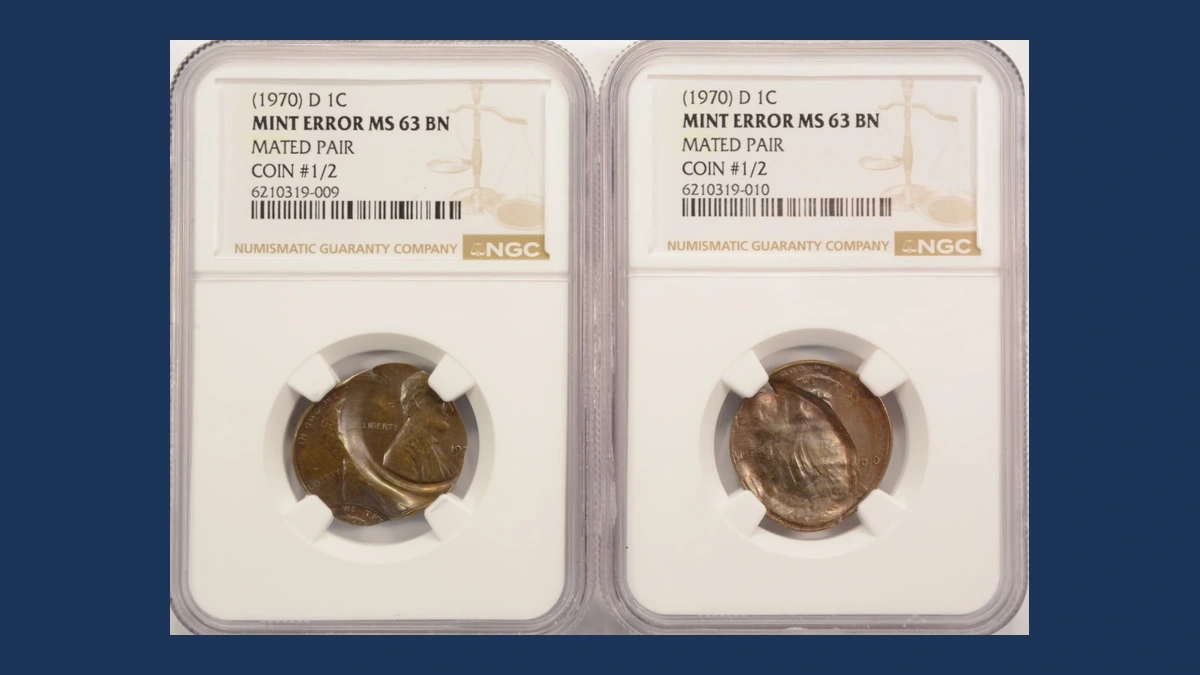
A coin can carry lettering that reads backward and lies below the surrounding surface. An already struck coin pressed its raised design into the next blank.
That transferred impression is called a brockage. A partial brockage covers only part of the receiving coin.
The recorded no-mintmark 1970 example has an ANACS 60 brown grade. It is described as unworn, with many visible marks.
The report does not establish its image’s position or percentage. The coin must supply those details.
Later pressure between two finished coins can copy a design too. Its damage needs to be distinguished from the mint-made event.
Estimated Value
An estimated $100–$800 suits genuine partial brockages with differing coverage and condition. Recognizable backward letters or portrait detail make the error easier to display and compare.
A 2001 cent with a partial brockage sold for $79 in March 2025. That later zinc-centered coin offers only a broad mechanism comparison, not the price of the 1970 example.
The earlier coin’s brown color and grade are part of its individual condition. A vague dent does not justify the upper estimate.
How to Identify
Choose a recognizable letter or part of Lincoln and check its direction. A 10× magnifier should show a sunken backward copy, rather than an ordinary raised design viewed at an odd angle.
Follow the contact boundary to see how much of the coin was affected. Do not assign a fixed percentage from the general word partial.
A scale and calipers compare a normal cent’s 3.11 g and 19.05 mm with the candidate. Inspect the plain edge for squeezing, a seam, or evidence that two finished coins were pressed together later.
Photograph both faces so the copied design stays connected to the original strike. The mirror image and surrounding metal should tell a consistent story.
11. 1970 Lincoln Penny Off-Center Strike, Sometimes with an Indent (Estimated Up to $1,000)
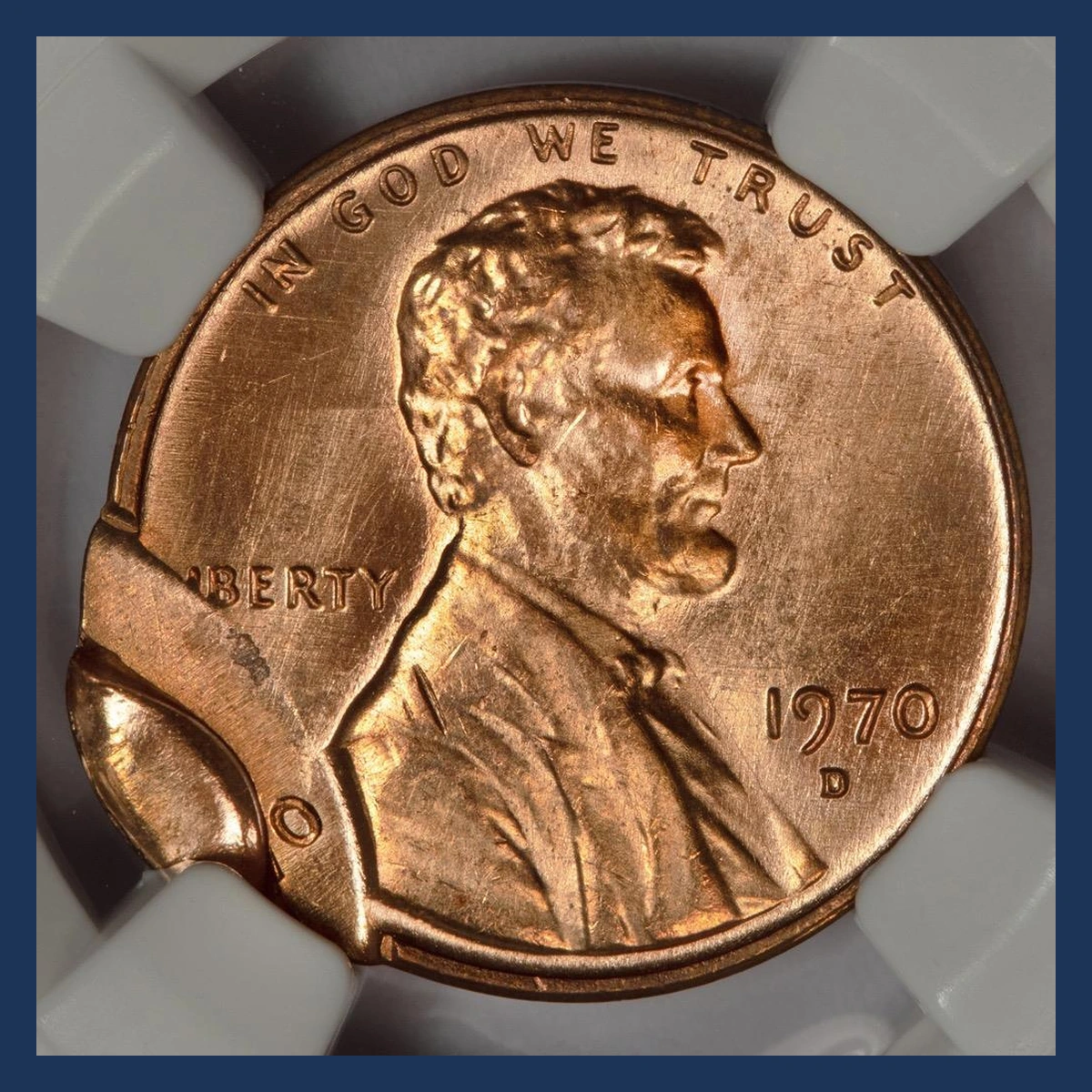
The blank can miss the center of the press and receive only part of the intended design. A plain crescent remains opposite the area where lettering falls beyond the metal.
A reported 1970-S Large Date example is forty-five percent off center. Its label confirms a genuine coin but gives no numerical grade.
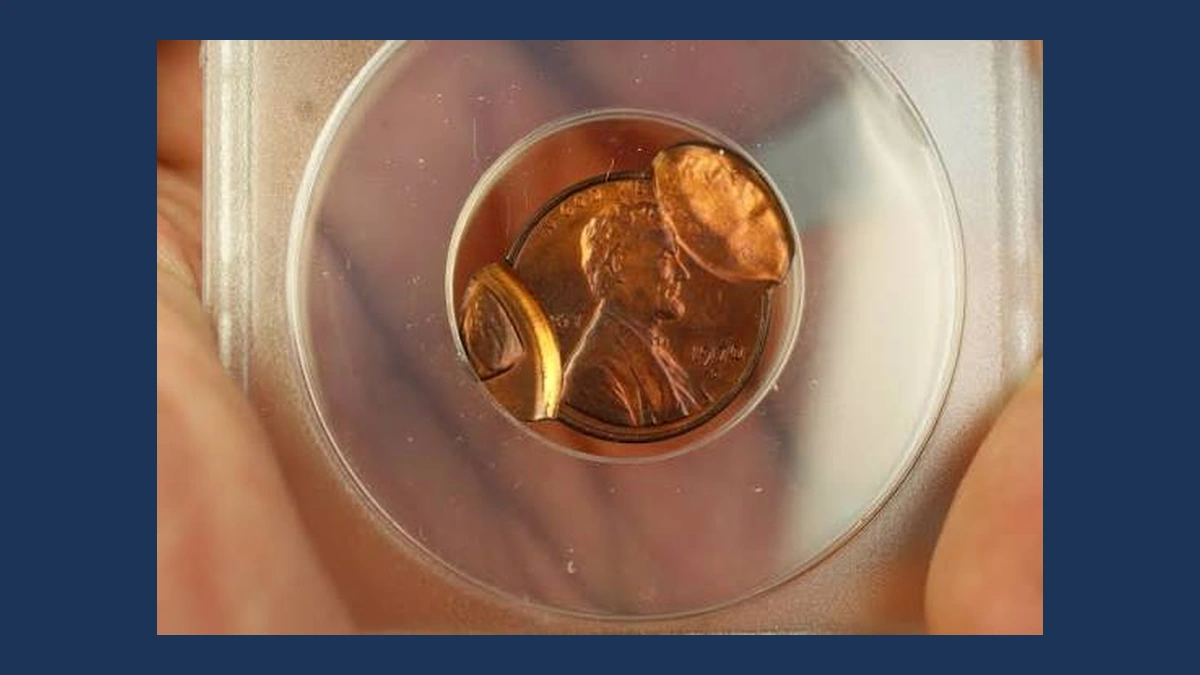
A separate Denver example combines an off-center strike with a front indent. Another blank overlapped it, leaving a curved depression during the blow.
The indent and shift belong to that single Denver coin. Its exact displacement should not be copied from the separate S example.
Estimated Value
Estimate $20–$600 for ordinary dated off-center cents. A well-preserved off-center-and-indent combination can be compared within approximately $100–$1,000.
A 1968-D cent struck sixty percent off center brought $47 in July 2021. That related copper-alloy example shows why a large percentage alone does not establish a high price.
The combined Denver coin needs one overall valuation for its preserved features. The separate S piece’s condition designation must remain attached to that individual example when judging its value.
How to Identify
There are two different shapes to locate on the Denver combination: the unstruck crescent and the curved indent. Find both before estimating how far the design moved.
A 10× magnifier helps read the surviving date and mint letter. Compare the back with the front to see whether the displaced designs fit one blank outside its normal position.
The separate S coin has a forty-five-percent shift. Keep that measurement with its own photograph rather than assigning it to Denver.
Record the weight and outline with a scale and calipers against 3.11 g and 19.05 mm. Along the plain edge and blank area, look for later cutting or abrasion that could imitate missing design.
12. 1970 Lincoln Penny Cracks and Large Tool Breaks (Estimated Up to $1,000)
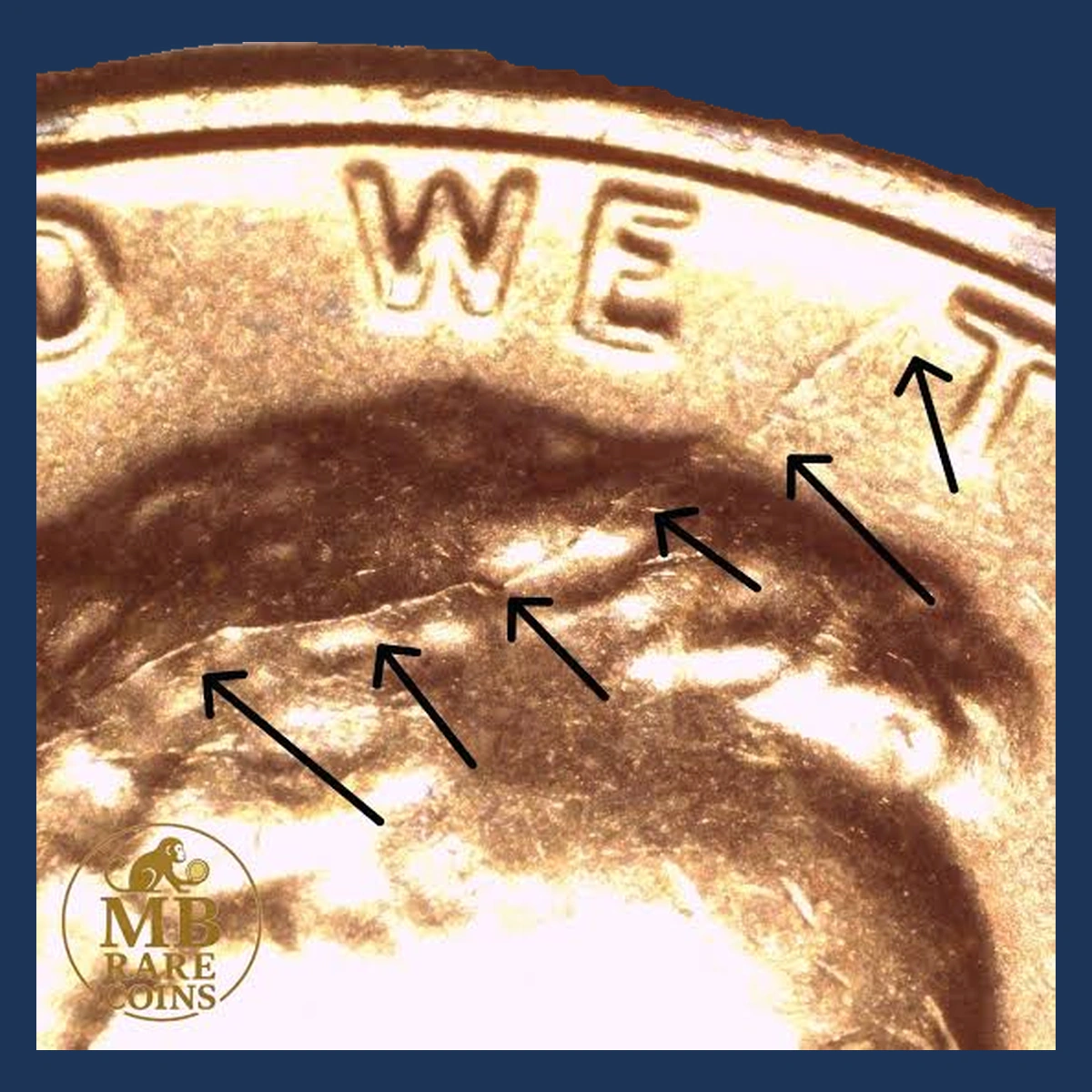
A broken stamping tool can leave a raised patch instead of the normal design. The coin’s metal fills the space left by the missing tool piece.
A patch connected to the rim is called a cud. Recorded 1970 examples occur on the front or back, depending on the tool that broke.
Denver patterns also have cracks leading from Lincoln’s head toward the edge. One San Francisco Large Date example combines a cud with a later-stage covered-tool strike.
These are separate patterns, not one required set of marks. The catalog number alone does not show a patch’s exact shape or position.
Estimated Value
Small raised cracks fit an estimated $2–$40. Larger identified cuds can be compared within approximately $40–$1,000, depending on how much design they replace.
A 1979 cent with a substantial cud sold for $1,020 in May 2021. That later copper-alloy example offers context for a major break, rather than a price for every 1970 raised mark.
A combined cud and covered strike still belongs to one coin. Compare the whole appearance without adding the maximum estimates for separate features.
How to Identify
Use a low side light to see whether the unusual feature stands above the coin. A 10× magnifier helps separate a raised tool crack from a scratch cut into the surface.
Trace a proposed cud all the way to the rim. Then compare its complete outline with the correct mint’s catalog photograph rather than choosing by size alone.
A normal cent weighs 3.11 g and measures 19.05 mm. Check with a scale and calipers if added solder or distortion is suspected, and inspect the plain edge.
For the S combination, evaluate the softened covered-strike image separately from the raised patch. Neither feature should be invented from the other.
13. 1970 Lincoln Penny Clad Dime Blank (Estimated Up to $1,500)
A silver-colored cent may have started as a blank intended for a dime. The smaller disc leaves less room for Lincoln’s design and the outer letters.
Ordinary 1970-D and 1970-S examples are reported on clad dime blanks. Clad means pale outer metal layers surround a copper core.
The unused blank has not received Roosevelt or the dime’s torch. It differs from a finished dime later struck with a cent design.
These ordinary examples also differ from the specially made S Proof struck repeatedly on a dime blank. Keep the finish and any additional striking errors with their own coins.
Estimated Value
For authenticated ordinary clad-dime-blank examples, estimate $300–$1,500. Surviving year and mint details help identify the error, while the condition of the surface affects the price.
A 1976-D cent on a clad dime blank brought $480 in December 2024. That provides a nearby copper-cent-era comparison, not a sale attributed to either 1970 listing.
The estimate does not cover the separate Proof multi-strike combination. A pale ordinary cent needs its blank identity confirmed before entering even the lower range.
How to Identify
Use a scale to compare the normal cent’s 3.11 g with a clad dime blank’s expected 2.268 g. A reduced weight alone is insufficient because grinding can remove metal too.
Calipers record the outline against the dime blank’s starting 17.91 mm and the cent’s usual 19.05 mm. Striking may spread the smaller disc.
Examine the edge under a 10× magnifier for a copper core between pale layers. Plating a normal cent does not produce that smaller layered blank.
Check the remaining date and mint letter on both sides of the comparison. Recognizable older dime design would point toward a finished-coin overstrike rather than an unused blank.
14. 1970 Lincoln Penny Double and Multiple Strikes (Estimated Up to $3,000)
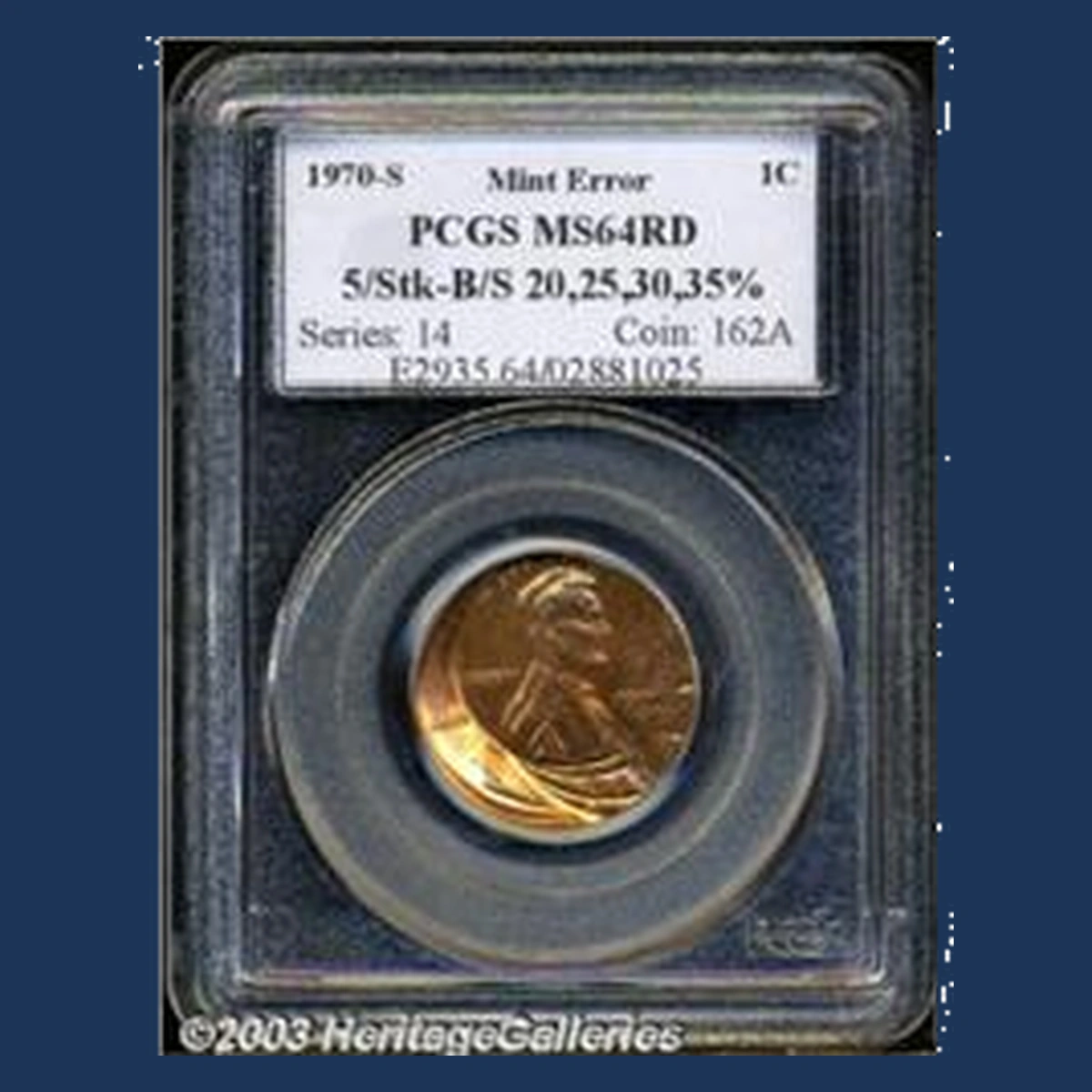
A cent can move between blows and receive a design again in another position. Separate 1970-S Large Date examples show two strikes with differing amounts of displacement.
One second strike is eighty percent off center and has a blocked face. Another reported double strike needs its own measurements.
A third coin received five impressions, with later shifts reported at twenty, twenty-five, thirty, and thirty-five percent. Its edge also spread during the sequence.
These are ordinary San Francisco coins. Their overlapping designs should not be confused with the neatly aligned blows normally used to make a collector Proof.
Estimated Value
Estimate $75–$1,000 for identified ordinary double strikes, and approximately $500–$3,000 for a clear five-strike combination. Separation and readable designs influence the comparison.
A 1979-D double strike with its second impression seventy percent off center brought $660 in June 2025. That later copper-alloy example is a related comparison, not a price for the five-strike 1970 coin.
Counting impressions is only part of valuation. Damage, lost date detail, or poorly defined overlaps can reduce the appeal of a complicated strike.
How to Identify
Follow one complete date or portrait before tracing the next impression. A 10× magnifier helps distinguish overlapping design from dents and flat ledges beside individual letters.
On the five-strike example, compare the successive positions rather than assuming five equal shifts. The ordinary two-strike pieces need separate photographs and measurements.
A scale checks whether the original 3.11 g of metal remains. Calipers document spreading beyond the cent’s usual 19.05 mm, while the plain edge should be inspected for later manipulation.
For the eighty-percent second strike, compare both faces to locate the blocked area. Do not guess which face was covered from the abbreviated listing alone.
15. 1970 Lincoln Penny Flipover Triple Saddle Strike (Estimated Up to $3,000)
The curved middle of this Denver penny sits between different struck areas. Its shape records a first off-center blow followed by a more unusual event.
The coin flipped over and landed between neighboring striking positions. Two tools then struck separate parts of it at the same time.
Collectors describe the resulting combination as a flipover triple saddle strike. Triple counts the first impression plus the two later impressions.
It does not mean three separate saddle-shaped strikes. The changed orientation also allows front and back design traces to appear together where a normal cent would show only one side’s image.
Estimated Value
The PCGS-graded 62 red example sold for $1,322.50 in February 2007. The grade describes an unworn coin with noticeable marks and retained copper color.
Use an estimated $800–$3,000 for this clearly identified combination. A separate 1967 saddle-and-triple-strike cent brought $1,200 in July 2021, providing a later sale for a related mechanism.
The number of impressions does not mean three independent coin prices. The curved metal and readable strike sequence contribute to one complete object’s value.
How to Identify
Take side photographs before trying to understand the face designs. The raised middle and separated struck areas show why the shape is compared with a saddle.
Use a 10× magnifier to trace the first off-center impression and the differently oriented later designs. The flip should explain their relationship rather than leave random unmatched details.
An ordinary 1970 cent starts at 3.11 g and 19.05 mm. A scale provides context, while calipers must be used without pressing on the curved section.
Inspect the plain edge and bend for later tool damage. Do not straighten the coin; its original three-dimensional shape preserves part of the evidence for the simultaneous strikes.
16. 1970 Lincoln Penny Philippine Five-Sentimos Blank (Estimated Up to $3,500)
A foreign blank can enter an American cent press before receiving any foreign design. A reported 1970-S example was struck on a Philippine five-sentimos blank.
That makes the blank’s physical identity important. Foreign lettering is not required because the disc was still unused when the cent tools struck it.
The report does not establish the specific coin as an ordinary strike or a Proof. Its S mintmark alone cannot decide that question.
Color also cannot name the blank. The actual weight, dimensions, and metal need to agree with the attributed foreign type rather than an altered normal cent.
Estimated Value
For a confirmed example matching this foreign-blank type, use an estimated $700–$3,500. Its verified finish and preservation would guide the individual comparison.
A 1972-D cent on a Philippine five-sentimos blank sold for $1,500 in April 2022. That documented result supports a related range without supplying a sale or a Proof identity for the 1970-S report.
A normal cent with changed color does not qualify. The foreign-blank attribution must explain the underlying metal, not just its surface appearance.
How to Identify
Write down the candidate’s actual weight and width before assigning a foreign blank. A scale and calipers provide these figures; the normal cent standards are 3.11 g and 19.05 mm.
The figures need comparison with the specific foreign blank being claimed. A low weight or unfamiliar color alone can also result from alteration.
Use a 10× magnifier to read 1970-S and examine the original edge. Non-destructive metal analysis can test an unusual alloy without scraping away the surface.
No Philippine design is required on a previously unused blank. However, the coin’s ordinary or Proof finish still needs separate identification, because the S mintmark does not answer that question.
17. 1970 Lincoln Penny Dime-Blank Coin Cap (Estimated Up to $4,000)
This Denver penny has both the wrong blank and a cup-like shape. It was struck on a clad dime blank and then stuck to the front stamping tool.
Further pressure pushed its rim upward around the tool. The result is the cap itself, rather than a later coin struck through a covering.
The documented piece weighs 2.2 g. Its front wall is low near nine o’clock and especially high near one-thirty.
The back design remains surprisingly clear, although the upper outer lettering is weak. Metal along that border has flowed toward the raised front wall.
Estimated Value
The NGC-graded 66 example sold for $1,380 in April 2008, as recorded by Heritage Auctions. That grade describes a well-preserved unworn coin with few marks.
An estimated $1,000–$4,000 covers comparable authenticated wrong-blank cap combinations. The high wall and preserved design make this more than an ordinary flat cent on a dime blank.
The estimate concerns the complete 2.2 g object. Its cap and wrong-blank features are not separate items whose maximum prices should be added.
How to Identify
Examine the wall’s changing height in side photographs. On the documented coin, compare the low area near nine o’clock with the high section near one-thirty.
Use a 10× magnifier to follow the back’s flowing metal toward the front rim. The upper back lettering is weaker than the central design.
The recorded 2.2 g differs from a normal cent’s 3.11 g and is close to a clad dime blank’s standard weight. Check dimensions against the normal cent’s 19.05 mm without squeezing the cap with calipers.
Leave a certified piece in its holder. Later bending may imitate a cup, but it does not reproduce the original flowing design and confirmed wrong blank.
18. 1970 Lincoln Penny Proof Multiple Strike on a Dime Blank (Estimated Up to $6,000)
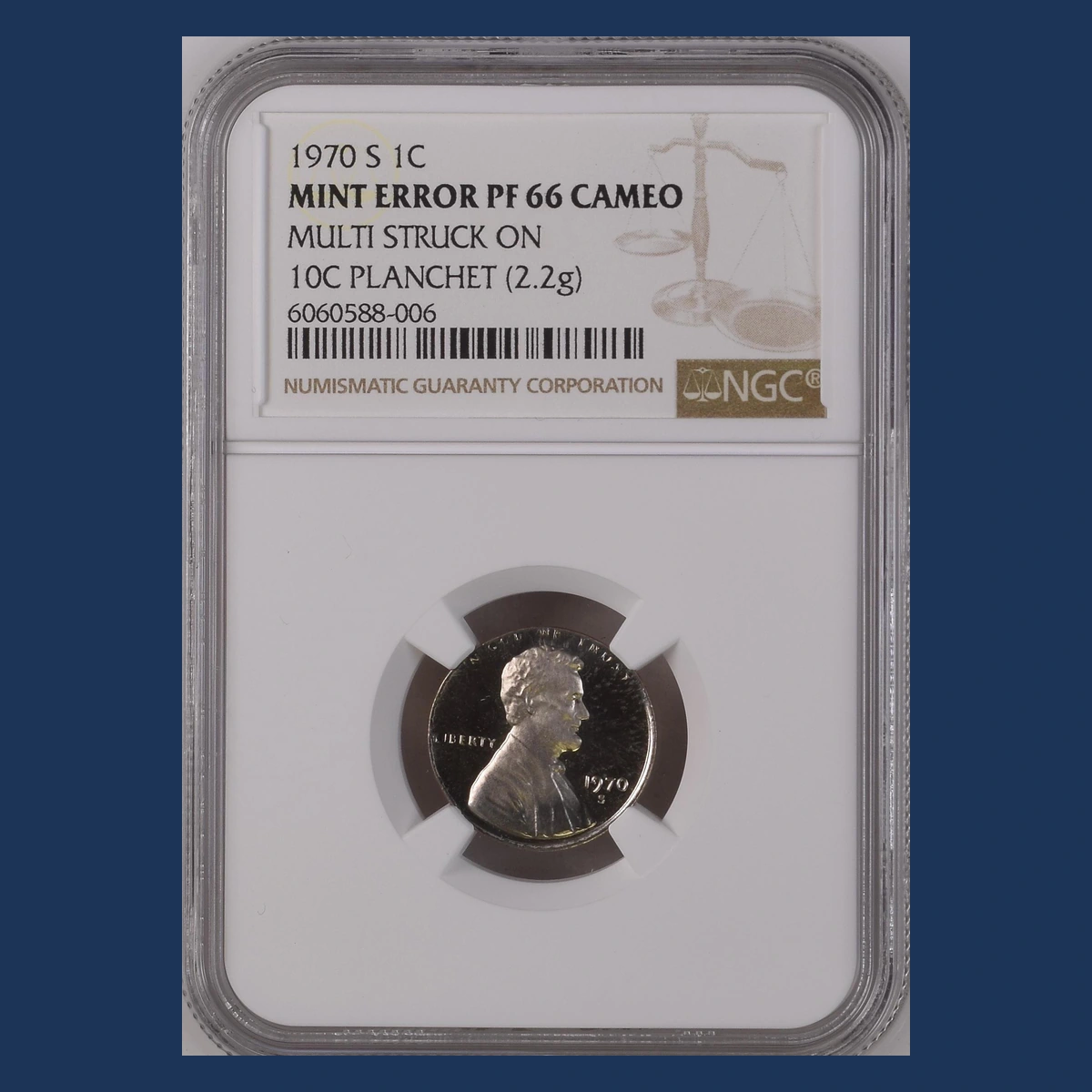
A small silver-colored coin can preserve a collector finish as well as repeated cent designs. This 1970-S Large Date example was struck more than once on a clad dime blank.
The weight is 2.2 g. NGC graded it Proof 66 Cameo, describing strong preservation with frosted design against reflective background areas.
Its wrong blank is separate from the extra strikes. Ordinary Proof production uses repeated aligned blows, so a genuine multiple-strike error needs evidence beyond the finish alone.
This is an unused dime-blank error, not a finished Roosevelt dime underneath Lincoln. The overlapping cent impressions require their own close comparison.
Estimated Value
Estimate $2,000–$6,000 for this authenticated Proof wrong-blank and multiple-strike combination. Its dealer listing is marked sold without a visible realized price.
A 1968-S Proof on a clad dime blank brought $2,280 in July 2021. That provides a collector-finish wrong-blank comparison, with the extra 1970 striking feature assessed separately.
The estimate should not be assigned to an ordinary pale cent. The correct blank, genuine Proof manufacture, and repeated displaced design all contribute to this particular combination.
How to Identify
Look for repeated cent details that show a changed strike position. A 10× magnifier helps distinguish actual overlap from glare on the reflective Proof surface.
Compare the frosted design and background together. Shine alone cannot turn an ordinary S coin into the reported Proof example.
The specific coin weighs 2.2 g, while a normal copper-alloy cent weighs 3.11 g. A clad dime blank starts near 17.91 mm instead of 19.05 mm, though striking can alter that outline.
For a sealed example, use the grading record and clear photographs instead of removing it to measure. The layered edge and overlapping cent designs should support an unused clad blank with the recorded extra strikes.
19. 1970 Lincoln Penny Reported Silver Dime Blank (Estimated Up to $15,000)
A silver dime blank would give a 1970 cent a different metal identity from the confirmed clad examples. Older silver dime blanks normally contain ninety percent silver and weigh 2.50 g.
A secondary year account reports this possibility without a certified specimen. The candidate needs its own year, mint, finish, and metal established.
The 2.50 g figure is a reference standard, not a measured weight for a verified 1970 coin in that report. It cannot by itself prove silver.
The type remains a separate comparison here. It should not replace the documented copper-core dime blanks described in the other sections.
Estimated Value
For an independently authenticated 1970 cent on a silver dime blank, use a conditional estimated $1,000–$15,000. The exact mint, finish, and condition would matter greatly.
A confirmed 1980-D cent on a silver dime blank sold for $18,000 in August 2025. That later high-grade result provides context for the unusual metal, not evidence that the reported 1970 candidate has been authenticated.
A plated or lightened ordinary cent falls outside this range. The estimate applies only after the blank’s identity is established.
How to Identify
Start with photographs of the actual date and mint area. A general year listing cannot identify an otherwise unreadable candidate.
Use a scale and calipers to compare the normal cent’s 3.11 g and 19.05 mm with the smaller claimed blank. An older silver dime blank normally starts at 2.50 g and about 17.91 mm.
Examine the edge under a 10× magnifier for a copper core, plating, or later grinding. Surface color and one weight reading are not enough to establish silver throughout.
Obtain non-destructive metal testing and professional attribution. The date, original strike, and confirmed alloy must belong to the same coin before using the silver-blank estimate.
20. 1970 Lincoln Penny Doubled Front or Back Design (Estimated Up to $40,000)
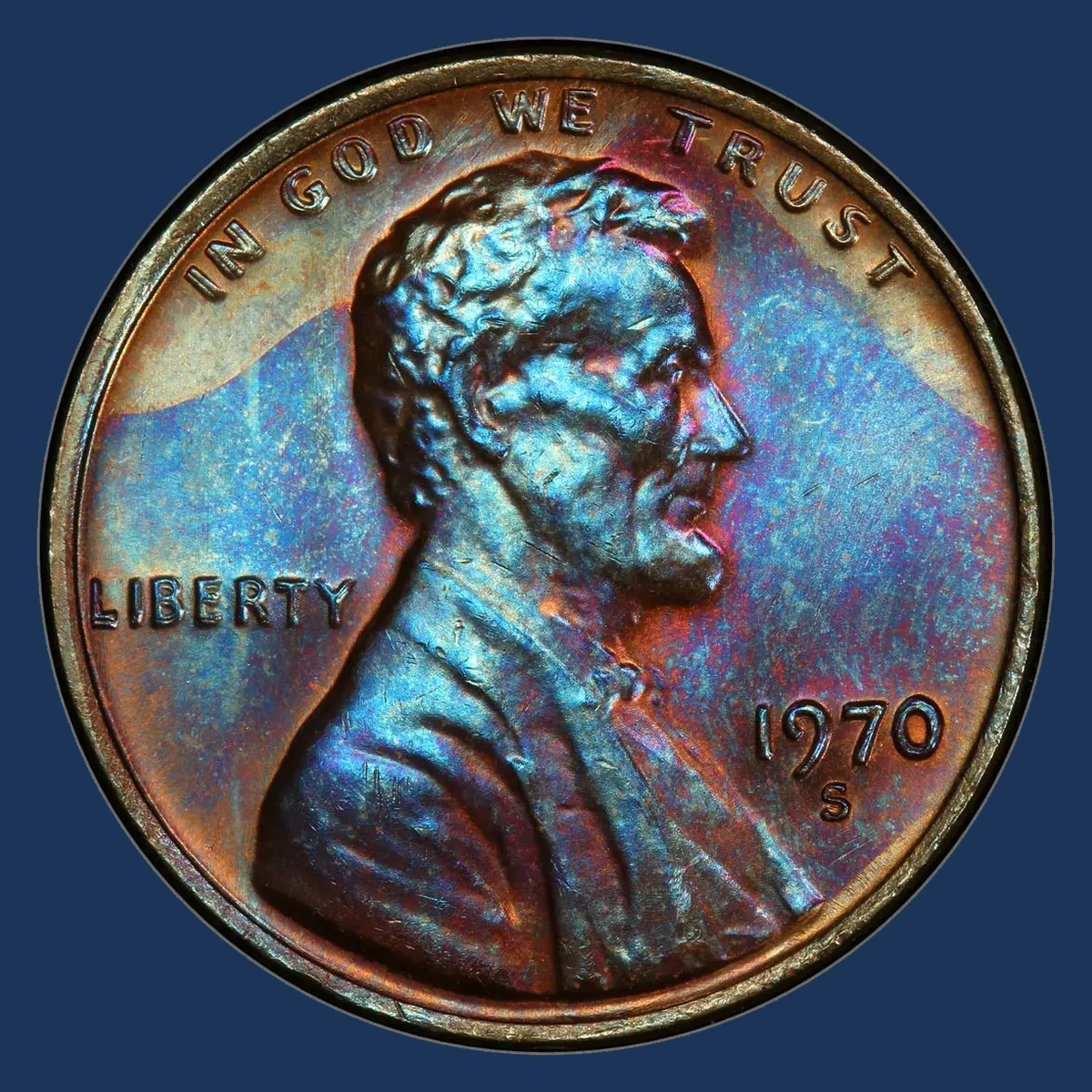
The strongest 1970-S front variety has clear extra outlines across its date, LIBERTY, and motto. The doubled design was already on the stamping tool before the coin was struck.
Many other 1970 varieties are much subtler. Denver and no-mintmark examples may show small extra strokes near L, 7, or 0.
San Francisco also has separate ordinary and Proof varieties, including different date styles. Back-side examples affect lettering or the small FG initials beside the Memorial.
These details belong to different tools. A minor doubled digit cannot be identified as the strong S Large Date variety merely because the year matches.
Estimated Value
Estimate $5–$300 for minor ordinary doubled designs and $25–$1,000 for identified Proof varieties. The strong ordinary S Large Date front variety can span approximately $1,000–$40,000.
PCGS records a Heritage sale of $38,400 in August 2024 for a 66+ red example. That exceptionally preserved coin retained its original copper color.
The result does not value every repeated 7 or faint FG outline. Keep each mint, finish, and actual doubled pattern attached to its own comparison.
How to Identify
A faint extra 7 is not enough to identify the major S variety. For that coin, compare the entire date, LIBERTY, and IN GOD WE TRUST together under a 10× magnifier.
Choose different photographs for a Denver, no-mintmark, or Proof example. Back varieties have their own repeated words or FG shapes, while some front varieties show only tiny digit details.
Check the basic coin separately if alteration is suspected: its plain edge, 3.11 g weight, and 19.05 mm width can be inspected with a scale and calipers. Those measurements cannot identify a doubled tool.
Rounded repeated design should match the correct mint and finish. A flat shelf beside a reduced letter points toward a different effect.
Conclusion
An S below 1970 can belong to an ordinary penny or a specially made Proof. Date style, finish, and the actual extra or missing design all help identify the right example.
Estimated values span $2–$40,000, with the strongest doubled-front variety at the upper end. Keep a normal 3.11 g cent as a useful comparison, and leave retained material or fragile raised rims untouched.