1940 Penny Error List with Pictures

Not every unusual 1940 penny announces itself with a missing chunk. A second eyelid, a partly shifted design, or an unexpected metal mixture can require a closer look.
A cent cataloged on a foreign blank sold for $805 in July 2006. This 1940 penny error list covers that piece and more accessible finds, with estimated values of $2–$3,000.
Use the shape and location of the feature to choose your starting point. The steps below keep similar-looking errors apart.
1. 1940 Lincoln Penny Grease-Filled Design (Estimated Up to $100)
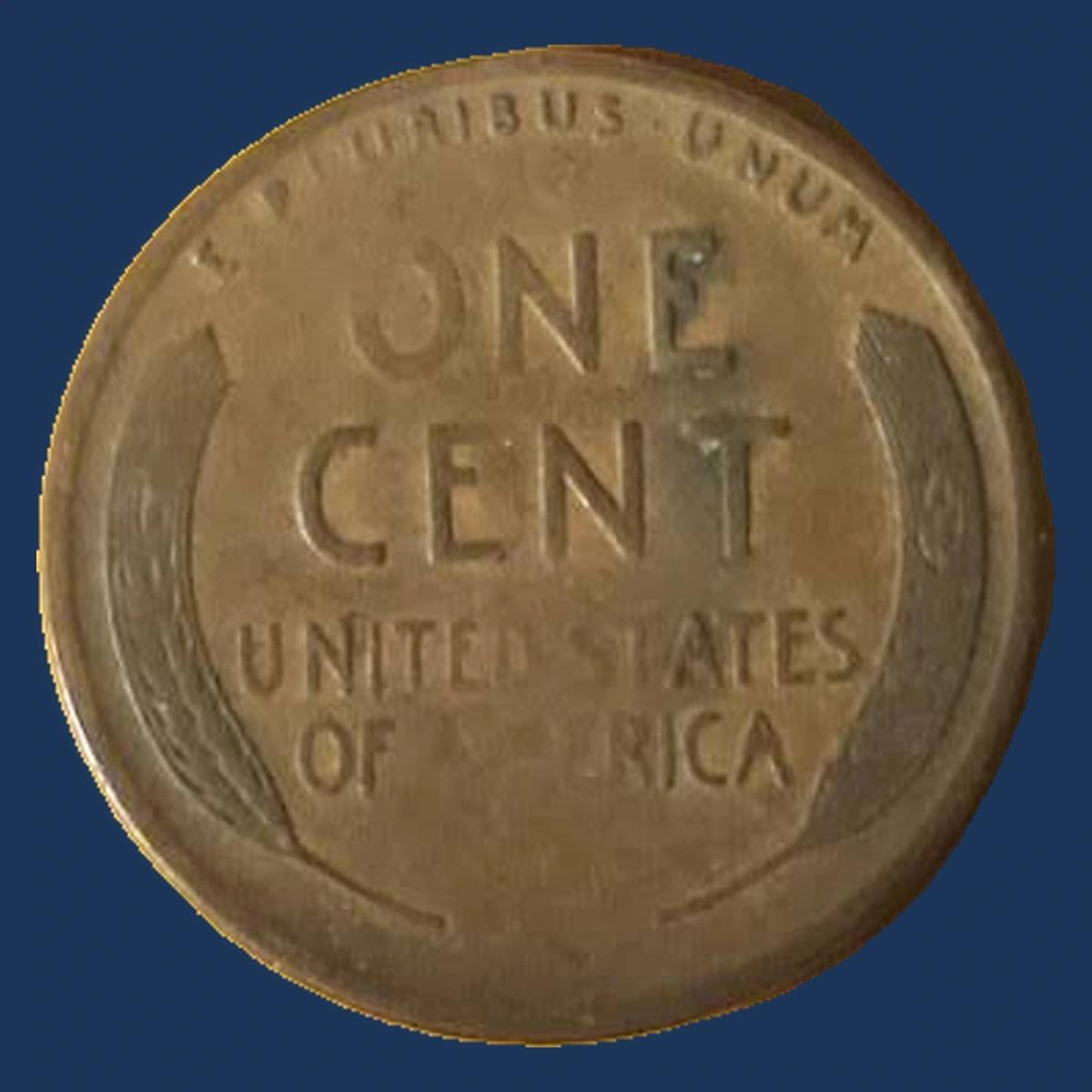
A letter can fade while neighboring details remain clear. Grease or compacted debris in a die, the steel stamping tool, can keep metal from filling part of its design.
The result is often called a grease-filled or struck-through-grease error. It forms during striking, before the coin enters circulation.
This type is reported for 1940 cents without a fixed affected letter or mintmark. A particular missing digit should not be assumed from that general description.
Wear, polishing, and weak pressure can also soften detail. The surrounding surface must help explain which process occurred.
Estimated Value
A minor grease-filled area has an estimated $2–$100 range, depending on how much readable design is affected. Small weak spots often bring only a modest premium.
This estimate compares similar Lincoln cents with blocked lettering. It is not a recorded sale of a specific 1940 missing-letter variety.
Collectors need to see why the detail failed to form. A heavily worn or polished penny should not receive an error premium simply because one letter is hard to read.
How to Identify
Find a normal 1940 cent with similar wear and place it beside the suspect coin. Compare the weak area, then nearby letters of similar height.
If both coins have worn high points, ordinary use may explain the missing detail. A blocked stamping tool can leave one area weak while nearby features remain clear.
Move a lamp across that area. A 10× magnifier may reveal sanding lines where someone removed a letter.
Before buying, check the accessible coin with a scale and calipers against 3.11 grams and 19.05 millimeters. Also examine its normally smooth edge; normal measurements support its identity but cannot tell you that grease caused the weakness.
2. 1940 Lincoln Penny Misaligned Die (Estimated Up to $150)
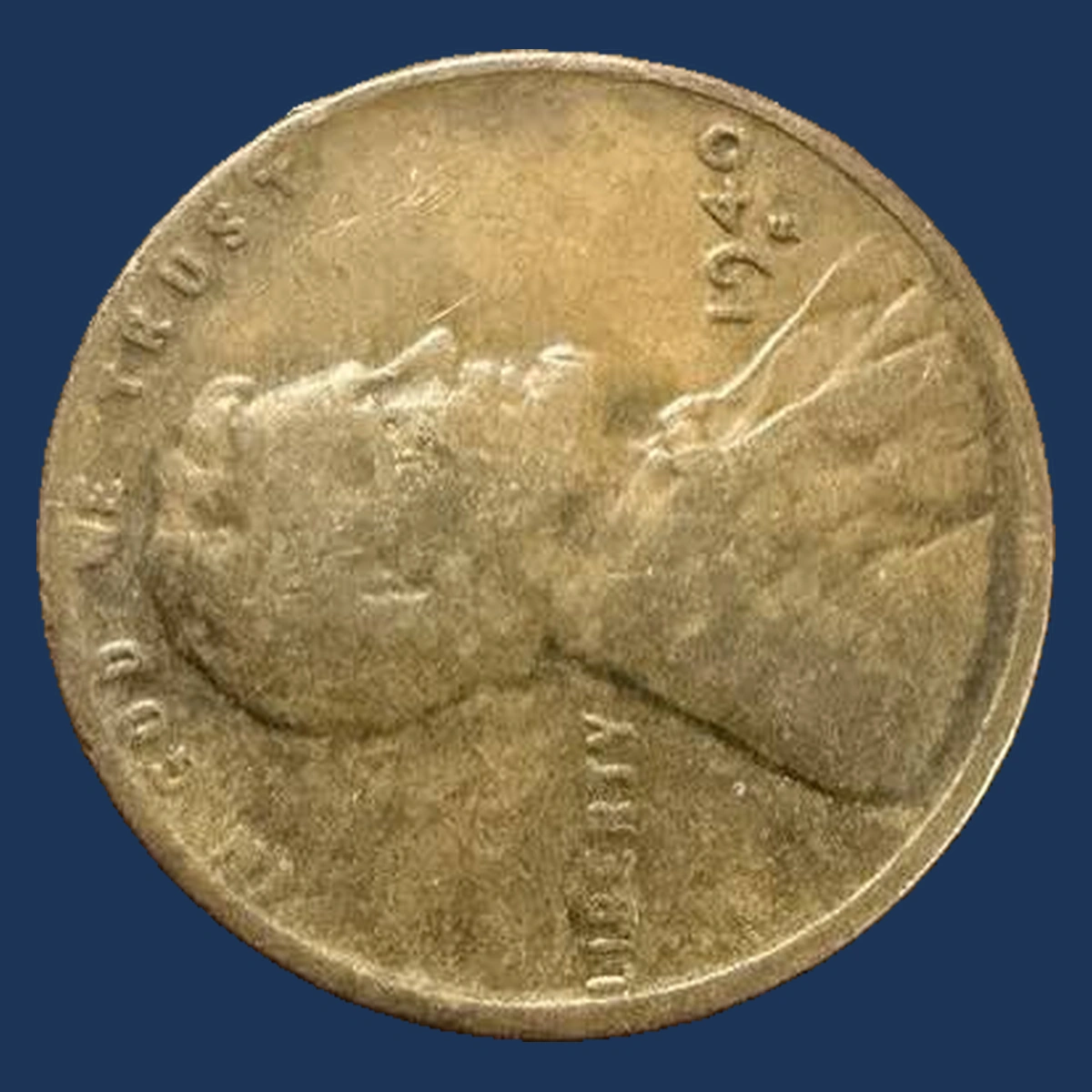
One face can have a narrow border on one side and a wide border opposite it. If the other face remains centered, a stamping tool may have been out of line.
This is a misaligned die. The tool’s position changed relative to the blank and the other tool.
The type is reported for 1940 Wheat cents without a particular mint or exact direction attached to every example. Both faces need to be examined.
An off-center strike is different because the blank itself sits out of position. That usually affects where both designs meet the available metal.
Estimated Value
Estimate $5–$150 for a clear 1940 misaligned-tool error, with the stronger end requiring a visible and convincing shift. Very slight border differences may add little.
The range compares similar single-face alignment errors on Lincoln cents. It does not borrow the price of a coin struck far off center on both sides.
A readable date and original surface help make the case. Later edge damage can mimic an uneven border without creating an actual striking error.
How to Identify
Two photographs are more helpful here than a close-up of one thin border. Take front and back pictures with the whole coin visible, keeping their size the same.
Mark the center of the metal circle in each picture. Then compare where the design sits around that point.
One shifted face opposite a centered face fits a misaligned stamping tool. If both designs run off the metal together, check for an off-center strike instead.
A bent or hammered edge can confuse this comparison. Inspect the smooth edge under a magnifier before treating an uneven border as an error.
Record weight and width with a scale and calipers when safely accessible: normal values are 3.11 grams and 19.05 millimeters.
3. 1940 Lincoln Penny Lamination (Estimated Up to $250)
A small flap or a rough patch can mark where a layer separated inside the coin’s metal. This surface peeling is known as lamination.
Reports include this type among 1940 penny errors. The exact face and position depend on the specimen rather than one standard location.
A thin layer can remain attached, or it can detach and leave an exposed area. Those appearances reflect different stages of the same material weakness.
The normal 1940 alloy contains 95% copper with tin and zinc making up the balance. It is not a zinc disc covered by thin copper plating.
Estimated Value
For genuine local peeling, an estimated $5–$250 covers small flaws through larger, more visible separations. The original surface around the patch is important.
A 1952-D front lamination brought $35 in July 2013. That later Wheat cent offers a modest comparison, not a sale of the reported 1940 type.
An attached flap can help show the metal’s original weakness. Removing it or cleaning the exposed area may reduce the evidence and the amount collectors will pay.
How to Identify
Do not lift a loose flap to see underneath. Photograph it from the side, using a low lamp to show the gap already present.
Follow that gap with a magnifier. Does it continue beneath a thin layer, or end at a scraped patch on the surface?
A peeling layer can leave a connected seam inside the alloy. Corrosion more often leaves scattered pits, while scraping cuts across the finished surface.
If metal has fallen away, save it with the coin without trying to reattach it. A scale can record the remaining weight against the normal 3.11 grams.
The usual width is 19.05 millimeters. Keep calipers away from loose metal, and photograph the smooth edge if the seam reaches it.
4. 1940 Lincoln Penny Repunched Mintmark (Estimated Up to $300)
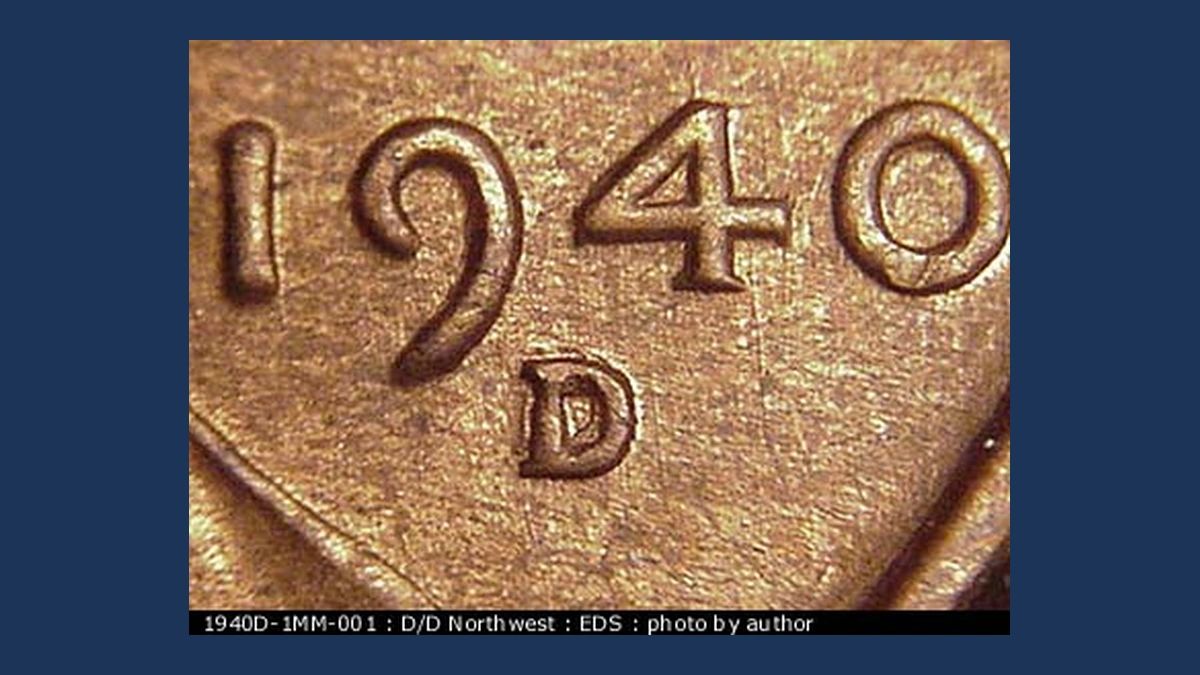
The D or S below the date can have another curve beside it. Workers added these mint letters to the stamping tools with a punch.
A second impression in a slightly different position could leave part of the earlier letter. This is a repunched mintmark.
1940 Denver varieties include raised remnants above, below, beside, or tilted against D. San Francisco varieties similarly show extra S outlines, including a reported triple impression.
The direction is specific to each variety. A later crack elsewhere on the coin may help match a specimen, but is not itself the repunched letter.
Estimated Value
Minor repunched letters can fit an estimated $5–$75, while clearer varieties on better-preserved coins may reach $75–$300. These are comparison-based ranges.
A tiny worn remnant is a different purchase from a sharp, easily matched second curve. Neither should inherit a high price solely because a catalog assigns it a number.
Some coins combine mintmark repunching with a doubled design or tool break. The buyer receives one coin, so those features need one overall assessment.
How to Identify
Choose a photograph showing the same mintmark before comparing tiny extra lines. An S example cannot establish a doubled D, and different directions need different comparison pictures.
With a 10× magnifier, trace the main letter first. For D, follow its upright and curved side; for S, follow both curves and their ends.
Now see whether the extra metal continues part of that same letter shape. A scratch, stain, or shapeless lump does not supply an earlier letter outline.
Confirm the full 1940 date and inspect the smooth edge as well. For an accessible coin, use a scale and calipers to check about 3.11 grams and 19.05 millimeters.
Keep your close-up beside the matching reference photograph while tracing the extra stroke.
5. 1940 Lincoln Penny Thin Planchet (Estimated Up to $350)
A cent can have the usual outline but less thickness than expected. A thin blank contains less metal to fill the stamping tools, so some detail may also look weak.
A 1940-S example was listed as a thin-planchet error and graded PCGS MS63 Red and Brown. That means unworn, with visible marks and mixed copper color.
The description establishes thinness, not the exact reason the stock became thin. It should not automatically be called a split blank.
A penny ground down after minting can also lose thickness, but its surfaces record a different process.
Estimated Value
An estimated $40–$350 suits authenticated thin-blank examples of this type. The amount of thinning and the quality of the surviving design guide the comparison.
A 1963 split-blank cent weighing 1.6 grams sold for $159 in June 2024. It offers a related thin-metal comparison, although splitting is a specific cause not established for the 1940-S piece.
That later coin’s weight is not the 1940-S measurement. Assess the actual thin blank and its condition rather than copying another specimen’s figures.
How to Identify
Start with measurements. Weigh the accessible coin on a precise scale, then use calipers to compare its thickness at several points with a normal cent.
Record the numbers rather than assigning a weight from another thin coin. A normal 1940 cent weighs about 3.11 grams and measures 19.05 millimeters across.
Next, look for the S below the date. The reported thin example belongs to San Francisco.
Low weight alone leaves several possible explanations. Under a magnifier, inspect both faces for sanding lines cutting through completed letters or Lincoln’s portrait.
Follow the smooth edge around the coin too. Original weakly formed detail can support a thin blank; scraped faces and a worked edge instead call for checking later metal removal.
6. 1940 Lincoln Penny Broadstrike (Estimated Up to $450)
A broadstruck cent spreads because the ring around the blank does not contain the metal during striking. That retaining ring is called the collar.
The design can remain complete even when the final outline becomes wider or uneven. This separates broadstriking from an off-center strike that loses intended detail.
A 1940-S example is listed with an NGC MS64 Brown grade. It is an unworn coin with some marks and a brown copper surface.
Its expanded border is the feature of interest. A smooth edge by itself is ordinary for cents and does not identify this error.
Estimated Value
A separate Philadelphia 1940 broadstrike graded NGC AU53 brought $42 in March 2021. That lightly worn coin provides a same-year comparison.
Estimate $40–$450 for genuine 1940 broadstrikes, allowing for different mints, sizes of spread, and condition. The Philadelphia sale is not the price of the San Francisco MS64 piece.
More visible original spreading can attract stronger interest. An added ring, damaged edge, or later flattening should be excluded before using the range.
How to Identify
Place the coin beside a normal cent before using a magnifier. Its wider outline should be easy to compare with the normal 19.05-millimeter diameter.
Use calipers to record the actual width and a scale to check against 3.11 grams. Metal spreading outward does not, by itself, make the coin lighter.
Now follow the outermost design on both faces. A broadstrike keeps the intended design on the metal, although the outer details may be weak.
Missing portions of the design require checking for an off-center strike instead. Examine any extra ring and the smooth edge for joins or later flattening.
When comparing the San Francisco example, include a clear photograph of the S below the date.
7. 1940 Lincoln Penny Split Planchet Before the Strike (Estimated Up to $450)
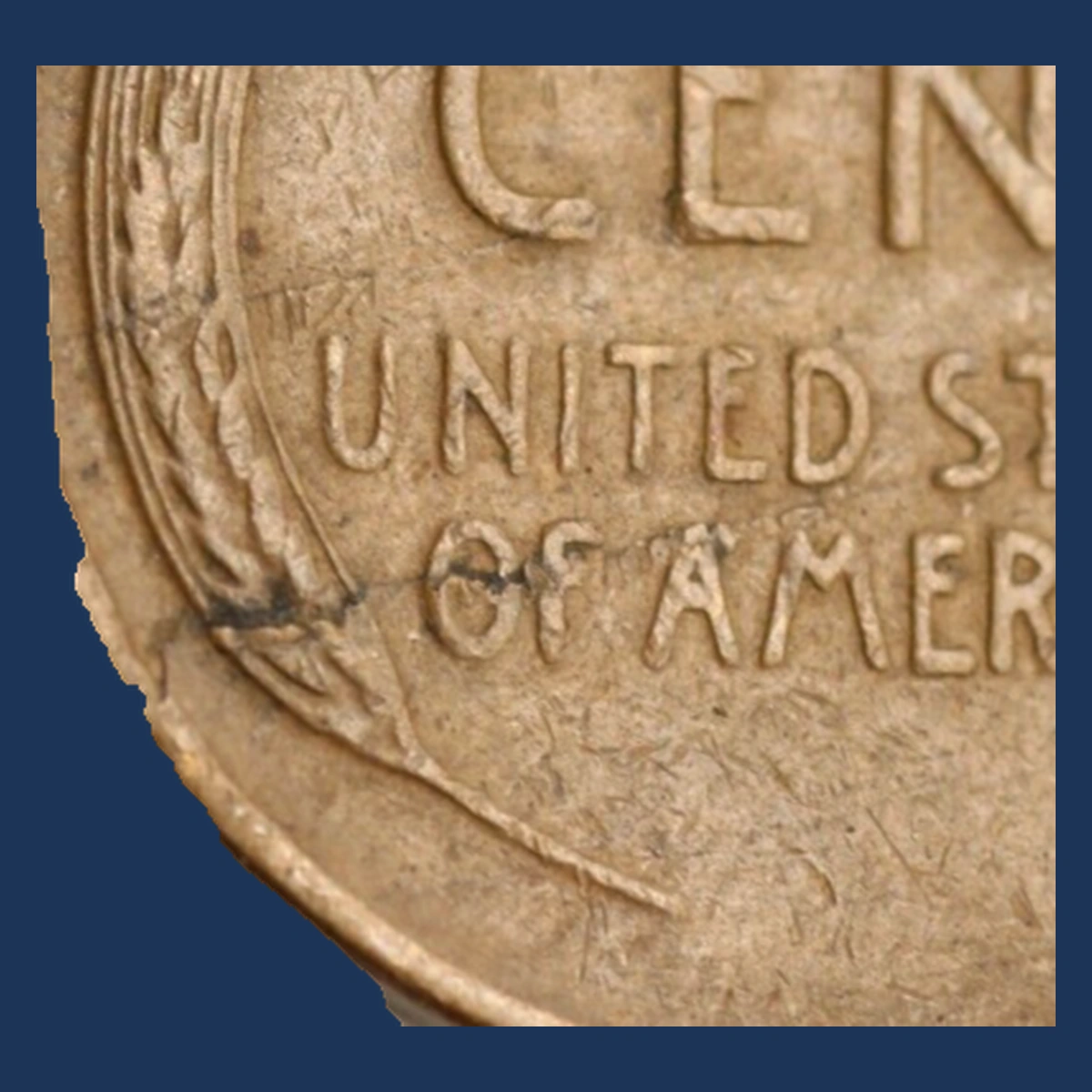
The remaining layer of a split blank can enter the press and become a penny. Because it is thinner than the complete blank, the struck design may be weak.
The documented no-mintmark 1940 example was graded ANACS AU50. That grade indicates light wear.
Its description places the separation before striking. A newly stamped design on the exposed internal surface can help establish that sequence.
This differs from a finished cent losing a layer afterward. It also differs from a blank simply rolled too thin, where no internal split surface needs to be present.
Estimated Value
The ANACS AU50 split-blank 1940 cent sold for $79 in January 2023. That result fits the lower portion of an estimated $40–$450 range.
Better preservation and clearly struck detail on the separated surface can support a higher comparison. The exact weight of the recorded coin is not stated here.
Do not apply the measurement of a nearby auction lot or another year. The actual thin piece and the evidence for separation before striking determine the useful comparison.
How to Identify
A thin coin needs more than a low scale reading to show when its metal separated. Compare the candidate with the normal 3.11-gram weight and 19.05-millimeter width, recording thickness with calipers when safe.
Then turn to the rough face. Look for letters or portrait detail stamped into that exposed surface.
Those impressions show that the press reached the surface after the layer had split away. A rough inner face without newly struck design suggests a different sequence, including separation after striking.
Use side lighting and a magnifier without scraping the rough metal. Check the plain edge for saw cuts or grinding marks as you turn the coin.
Do not reject a split layer simply because it weighs more or less than half a normal cent.
8. 1940 Lincoln Penny Doubled Die (Estimated Up to $600)
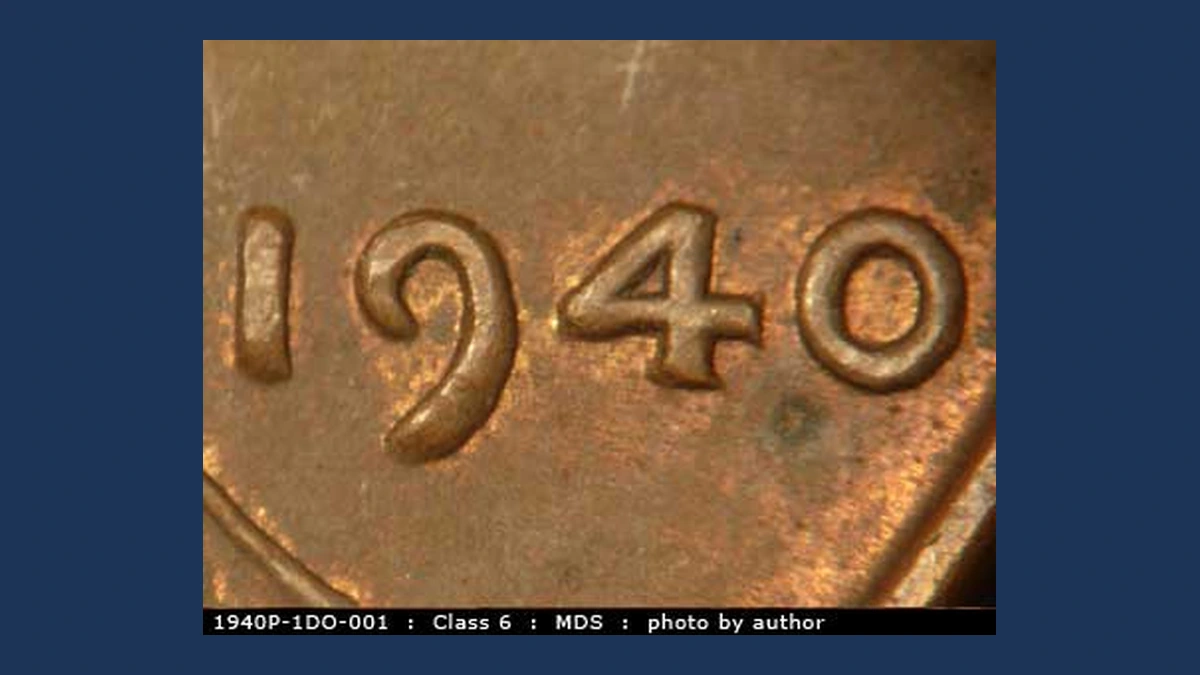
Extra lines around Lincoln’s eye or repeated detail on a Wheat ear can come from a doubled stamping tool. The affected feature was already repeated before the tool struck the coin.
1940 varieties include ordinary Philadelphia, Denver, and San Francisco coins. Some affect the front, while others affect the back or occur in combinations.
A separate Philadelphia Proof variety shows close doubling around 40 and the E in WE. Proofs are specially made collector coins.
Their design checks must stay separate from ordinary coins. A shiny surface alone does not turn a circulating penny into that Proof variety.
Estimated Value
Ordinary minor doubled features can be estimated at $10–$300. A clearly matched Proof or stronger well-preserved variety may fit $50–$600.
These are estimated ranges based on comparable small Wheat-cent varieties, not recorded transactions for every listed tool. The Proof’s overall condition may account for much of its price.
A shared thick-letter appearance needs more evidence than a seller’s label. Compare the exact repeated feature and the correct mint and finish before paying a variety premium.
How to Identify
A missing mintmark does not tell you whether a Philadelphia coin is an ordinary strike or a Proof. Establish that distinction before selecting close-up comparison pictures.
For the Proof example, inspect the 40 in the date and the E in WE. Ordinary examples need their own matching pictures.
Their extra lines can occur on date digits, LIBERTY, the motto, or Lincoln’s eyelid. Back varieties instead require comparing Wheat tips, stems, and E PLURIBUS UNUM.
Use a magnifier to distinguish rounded repeated detail from a flat shelf beside a letter. Check the smooth edge and, when accessible, use a scale and calipers against 3.11 grams and 19.05 millimeters.
Match the location and shape of the extra detail; thicker lettering alone is not enough.
9. 1940 Lincoln Penny Clipped and Incompletely Punched Blanks (Estimated Up to $750)
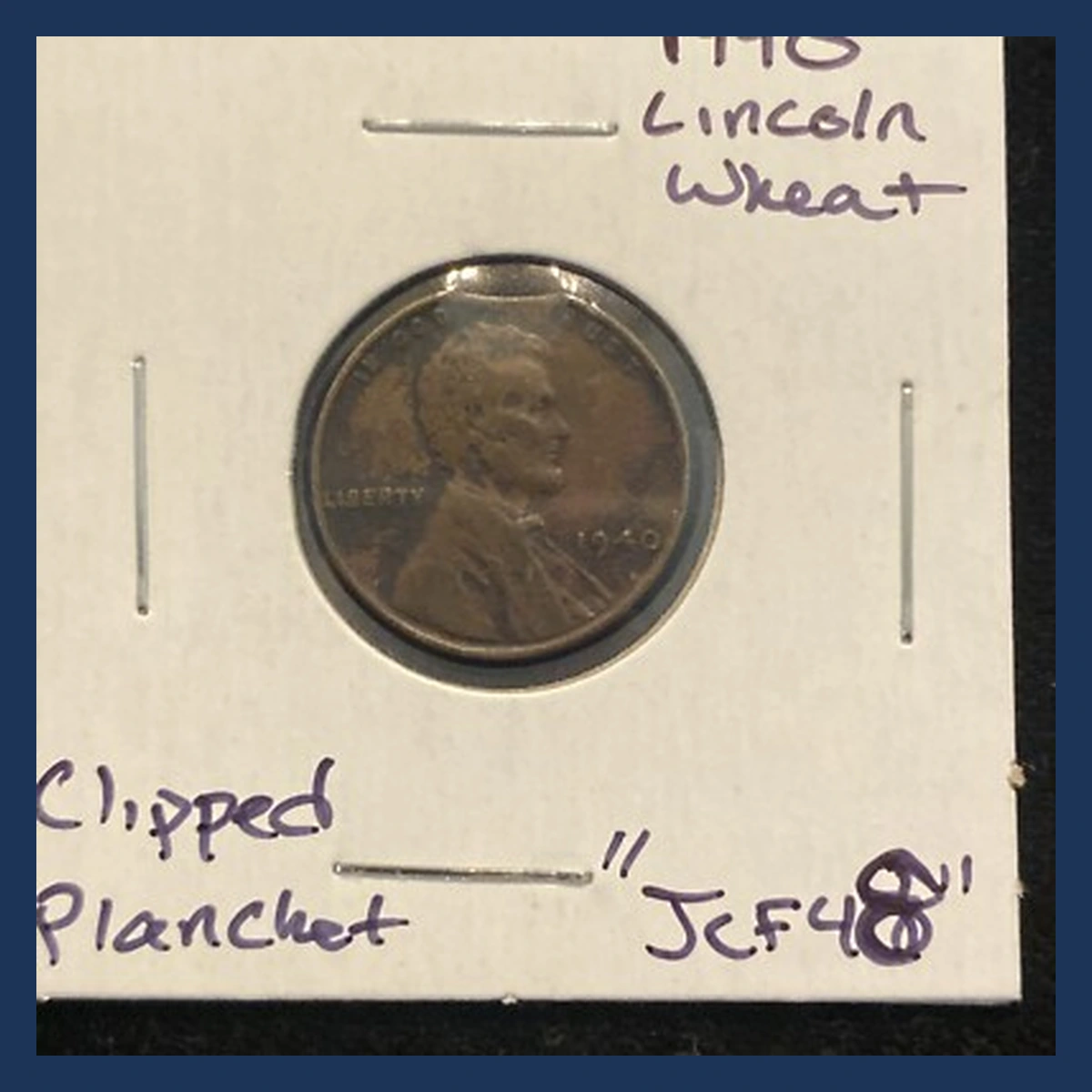
One 1940 penny has a large curved piece missing and an expanded remaining outline. It combines a 40% curved clip with a broadstrike and was graded NGC MS64 Brown.
A separate San Francisco example has an incomplete clip plus a rim clip. An incomplete clip leaves a punch line where the cutting operation did not fully separate the metal.
That line is different from the actual missing edge section. Both features can occur on the same coin.
These shapes begin during blank preparation. Their boundaries must not be confused with raised cracks copied from a damaged stamping tool.
Estimated Value
Estimate $50–$750 for the two confirmed combinations described here, depending on their clarity and condition. A readable date and original gap boundary make comparison easier.
For a simpler same-year comparison, an ICG MS61 Brown 1940 clipped cent sold for $16 in September 2009. That was not the 40% clip-and-broadstrike specimen.
The combined features need one price for each actual coin. Counting the incomplete punch line, rim gap, and spread separately would overstate what is being sold.
How to Identify
On the San Francisco example, find both the missing edge section and the line where metal remains attached. These are separate features of the same coin.
Photograph each feature from both faces. The incomplete punching line must not be confused with a raised line copied from a cracked stamping tool.
Use a magnifier along the smooth edge to check for later saw marks. Nearby letters and border details should also fit a coin struck with that gap already present.
The Philadelphia 40% curved clip needs a different check: its expanded outline also shows a broadstrike. Record the remaining weight with a scale and width with calipers against 3.11 grams and 19.05 millimeters, allowing for both missing metal and spreading.
10. 1940 Lincoln Penny Die Cracks, Chips, and Cuds (Estimated Up to $1,000)
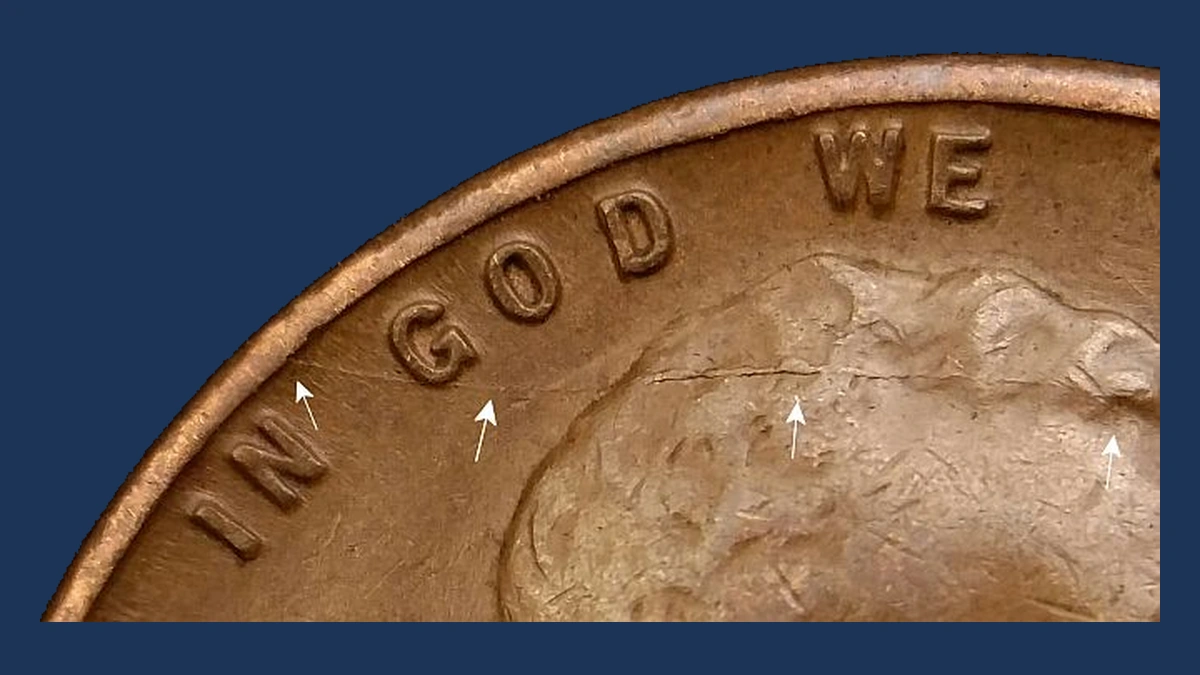
Tool failure can leave a raised line, a small lump, or a larger rim-connected patch. Those shapes reveal how much of the stamping tool had broken.
A crack forms a line. A broken section that stays in place can shift but still stamp detail; this is a retained cud.
If the section falls out, a raised area without normal design can reach the rim. That is a cud.
1940 reports include these forms and small letter-space chips. The San Francisco lump left of L in LIBERTY is not the BIE chip between B and E.
Estimated Value
Small chips and cracks have an estimated $2–$75 range. More visible retained breaks and full cuds may fit $40–$1,000, depending on size, preservation, and clear displaced design.
A 1946-S major break graded ANACS AU50 sold for $288 in March 2021. That later Wheat cent offers a larger-break comparison, not a price for every 1940 crack.
Several cracks can share one coin. Their catalog photographs do not each add another full coin value.
How to Identify
For a small letter chip, begin at LIBERTY with a 10× magnifier. A BIE lump sits between B and E; the San Francisco ILI example instead lies left of L and below its base.
For a large raised area, ask whether letters survive inside it. Shifted detail may show that a broken stamping-tool piece stayed in place.
A rim-connected raised patch with no design can mark a piece that fell out. A raised line without shifted detail remains a crack, even when it runs across the coin.
Check both faces and the normally smooth edge for impact damage. When safely accessible, record scale and caliper readings against 3.11 grams and 19.05 millimeters; measurements alone cannot distinguish these tool failures.
11. 1940 Lincoln Penny Struck Through Wire (Estimated Up to $1,000)
A narrow depression can record wire trapped between a blank and a stamping tool. The wire blocks part of the design and presses its shape into the coin.
A no-mintmark 1940 example was graded PCGS AU55 and described as struck through wire. That grade indicates light wear.
The description identifies what interrupted the strike, but does not establish that the wire remains attached. An empty impression and an embedded object are different appearances.
The line’s location needs to follow the individual coin. A generic wire example cannot supply the exact path across this penny.
Estimated Value
The PCGS AU55 example brought $219.60 on June 29, 2026. That recent sale provides a direct 1940 comparison for this error.
An estimated $75–$1,000 covers confirmed wire impressions of varying size, visibility, and condition. A readable year and a convincing original impression help support stronger prices.
Do not add a retained-object premium merely because wire caused the mark. A scratch cut into a finished coin has a different history and does not qualify for the range.
How to Identify
If anything remains in the impression, leave it there. Take clear photographs before handling the coin further; the error name does not tell you that a wire is still attached.
Under a 10× magnifier, follow the narrow depression across the surface. Pay special attention where it meets lettering or Lincoln’s portrait.
A wire present during striking can prevent that part of the design from forming. A later scratch instead cuts through detail that was already complete and may push metal along its sides.
Include the whole coin and its smooth edge in your photographs. For an accessible example, a scale and calipers check the normal 3.11-gram weight and 19.05-millimeter width without disturbing anything in the depression.
12. 1940 Lincoln Penny Off-Center Strike (Estimated Up to $1,200)
The unused crescent on an off-center penny is still metal. It remained blank because the disc did not sit fully beneath the tools.
Philadelphia examples for 1940 include shifts from 5% to 40%. A 20% example points toward roughly eight o’clock.
Separate San Francisco reports include a 25% shift toward ten o’clock and an 80% off-center coin. Their directions and grades should not be transferred between specimens.
Both faces help explain the position of the blank. A single shifted design opposite a centered one can instead reflect a misaligned stamping tool.
Estimated Value
Use an estimated $25–$1,200 across genuine 1940 off-center cents with differing shifts and condition. Larger readable-date errors can draw stronger interest than slight shifts.
A 1948-D cent struck 85% off center sold for $336 in January 2022. That later Wheat cent is a comparison, not a transaction for the reported 1940-S 80% piece.
An extreme shift can remove the date, reducing its usefulness to year collectors. Original blank texture and the absence of cleaning also affect the price.
How to Identify
First make sure enough of the date survives to read 1940. A larger error with an unreadable date cannot be assigned this year just because it resembles another listing.
Set front and back photographs side by side. The incomplete designs should fit the same displaced blank, with unused metal beside the struck area.
A shifted design on only one face calls for checking tool misalignment instead. Use a magnifier on the plain area to look for erased detail or tool marks.
Weigh the coin against 3.11 grams and record its outline with calipers against the normal 19.05 millimeters. A simple off-center strike need not lose metal.
Inspect the smooth edge around the unused portion before estimating how far the design moved.
13. 1940 Lincoln Penny Reported Nickel-Thickness Stock (Estimated Up to $1,500)
A penny can be cut from metal stock of an unusual thickness before it reaches the press. One reported 1940 piece is described as using five-cent thickness stock.
The description gives a 3.2-gram weight and an AU55 grade. That means light wear, but the material claim needs its own measurements.
Stock refers to the strip from which blanks are cut. It is not the same as a complete five-cent blank accidentally entering the cent press.
The reported weight alone does not establish that strip identity. Thickness and metal testing must agree with the proposed explanation.
Estimated Value
For a confirmed example matching this reported stock error, estimate $150–$1,500. This is a conditional estimate, not a recorded sale of the 3.2-gram coin.
A 1944 thick-blank cent weighing about 4.30 grams sold for $198 in September 2025. It provides a related stock-thickness comparison, with a different year and substantially different weight.
A small excess over normal cent weight is not enough to claim the upper range. The unusual starting stock must be established.
How to Identify
The reported 3.2-gram weight is only slightly above a normal cent’s 3.11 grams. It does not establish that the metal strip had nickel thickness.
Use calipers at several points to record thickness, then measure width against the normal 19.05 millimeters. Repeat the scale reading and keep those measurements together.
Examine the smooth edge under a magnifier for a coating or joined pieces. Either can make a finished coin thicker without showing an original blank error.
The next step is professional examination of the material and struck surfaces. A full nickel blank is a different claim from a cent-sized blank cut from thicker strip.
For a sealed coin, obtain its recorded measurements and complete grading description instead of opening the holder.
14. 1940 Lincoln Penny Nonstandard Metal and Foreign Blanks (Estimated Up to $3,000)
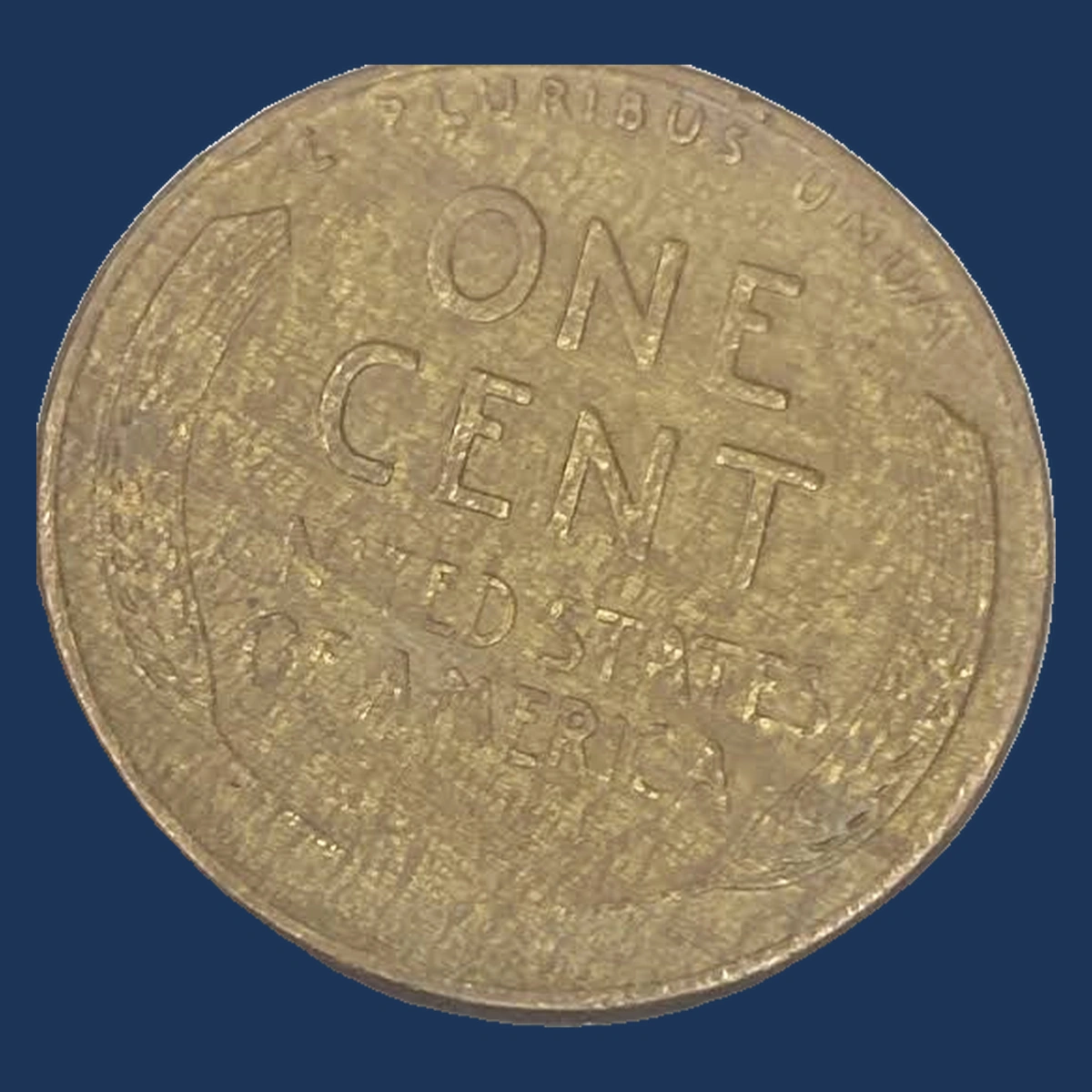
Color does not tell the whole story when the blank’s metal differs from a normal cent. Three 1940 records describe different unusual blank identities.
One ANACS MS62 coin is labeled foreign blank without a named country. Another, graded XF40, is described as brass.
A third record reports 88.5% copper and 11.5% silver at 3.2 grams. That mixture is called billon, and the coin also has a filed edge.
These descriptions must stay separate. The filed edge is later damage, while the metal report concerns the material on which the cent design was struck.
Estimated Value
The foreign-blank coin sold for $805 in July 2006; the brass example brought $104 in December 2004. The filed copper-silver piece realized $299 in February 2005.
Estimate $100–$1,500 for confirmed brass or copper-silver examples, and $400–$3,000 for the documented foreign-blank category. These older sales concern different coins.
An unusual color alone does not earn either range. Exact material, preservation, and the reliability of the blank identification are central to the comparison.
How to Identify
Color cannot separate these three reported blanks. Brass, a copper-silver mixture, and a blank described only as foreign need their own material evidence.
Have the alloy tested without scratching the coin. Normal 1940 cents contain 95% copper with tin and zinc, so a yellow or gray surface alone proves little.
Use a scale and calipers when safely accessible, comparing with 3.11 grams and 19.05 millimeters. The recorded 3.2 grams belongs specifically to the copper-silver coin with a filed edge.
Inspect the edge for added plating and other alteration, but leave sealed holders intact. Do not transfer that coin’s weight to the brass or foreign example, or assign the foreign blank a country absent from its identification.
Conclusion
A thin coin, a raised line, and a pale surface lead to different tests. Check the actual metal and design before assigning a name.
The estimated $2–$3,000 range includes modest chips as well as unusual blanks. Proof varieties need their own comparisons, and two features on one penny still belong to one collectible.
Keep original surfaces intact. Clear pictures of the affected area, both faces, and the edge make even a small 1940 error easier to understand.