1939 Penny Error List with Pictures

Look closely at Lincoln’s eyelid, then step back and inspect the whole coin. A 1939 Wheat penny error can be a fine repeated line or a visibly misplaced strike.
The stronger doubled-front variety has a recorded $715 GreatCollections sale from 2014. Estimated values across the types below run from $2 to $1,500.
This guide shows where the features appear, what actual examples sold for, and how to separate mint-made differences from later damage.
1. 1939 Lincoln Wheat Penny BIE Chip (Estimated Up to $50)
LIBERTY can appear to contain an extra I when a bump fills the space between B and E. Collectors call that feature BIE.
The added shape is not a newly engraved letter. A chip broke from the die, the steel stamping tool, and coin metal filled the resulting gap.
The feature is reported for 1939, but a matching year does not make every bump genuine. The actual coin must show the chip in the correct letter space.
Dirt or metal pushed up by damage can imitate a bar. Even a similar copper color is not enough to prove its origin.
Estimated Value
A modest estimated range for a genuine 1939 BIE is $2–$50. A neatly shaped bar with clear surrounding letters is easier to appreciate than a tiny blurred bump.
This estimate compares small Wheat cent chips rather than quoting a confirmed sale of the reported 1939 feature. It covers the coin’s value, not a guaranteed addition to an ordinary penny’s price.
Wear and unattractive surfaces can leave a minor example near the bottom of the range.
How to Identify
The space between B and E is small, so light it from the side and use a 10× magnifier. A genuine chip rises from the coin’s surface; a scratch cuts into it.
Follow the base of the raised bar, looking for a scraped edge or a lump of attached material. Leave dirt in place rather than scraping it away and changing the evidence.
Ordinary checks still apply: use a scale for the usual 3.11 g weight and calipers for the 19.05 mm diameter. Squeezing can damage the plain edge and push metal inward, so examine that edge too.
The bar must occupy the B–E gap to earn the BIE name.
2. 1939 Lincoln Wheat Penny Repunched Mintmark (Estimated Up to $150)
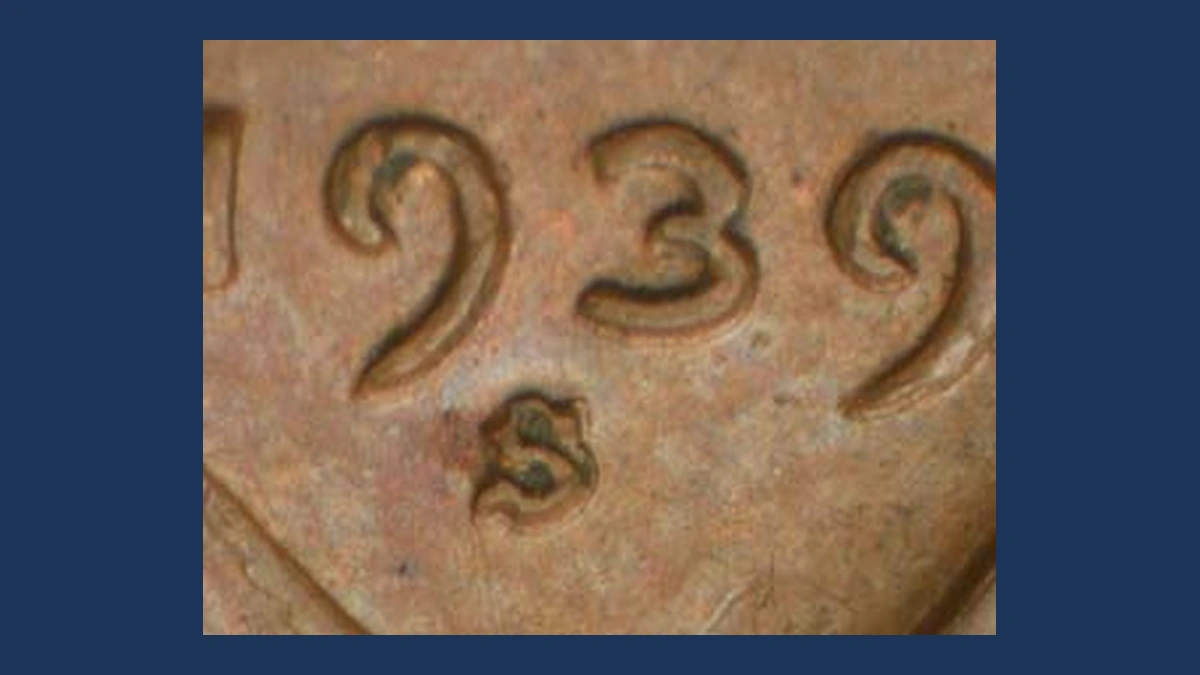
A second mint-letter stroke can show above, below, or beside the D or S. The letter was punched into the stamping tool again in a different position.
Denver’s recorded 1939 varieties include extra D impressions to the north, west, and south. San Francisco examples include shifted and tilted S impressions.
The northeast S-over-S variety is also associated with an extra line below Lincoln’s eyelid. That eye feature came from a doubled design, a separate change to the tool.
The two features can occur together. Finding the extra eyelid alone, however, does not prove that the mint letter has been repunched.
Estimated Value
For correctly identified 1939 D/D and S/S examples, use an estimated $5–$150. Obvious extra strokes and well-preserved copper surfaces tend to support the higher part of that range.
The estimate compares minor hand-punched mintmark varieties on nearby Wheat cent dates. It does not assume that a less familiar catalog number must be rare or valuable.
A combined eyelid and S-over-S example may interest specialists, but its two features should not be priced as two separate coins.
How to Identify
Separate the mint letter from the rest of the design in your examination. An extra eyelid can accompany one S variety, but cannot identify its mintmark for you.
Photograph the D or S below the date through a 10× magnifier. Compare the extra curve with photographs of that particular punch pattern, including its direction and position.
If the supposed second stroke looks flat and shaved, it may be movement during striking. Added metal can instead leave a seam around the letter.
A normal coin has a plain edge, weighs 3.11 g on a scale, and measures 19.05 mm with calipers. These checks screen altered coins but do not establish which mintmark variety you have.
3. 1939 Lincoln Wheat Penny Uncentered Broadstrike (Estimated Up to $200)
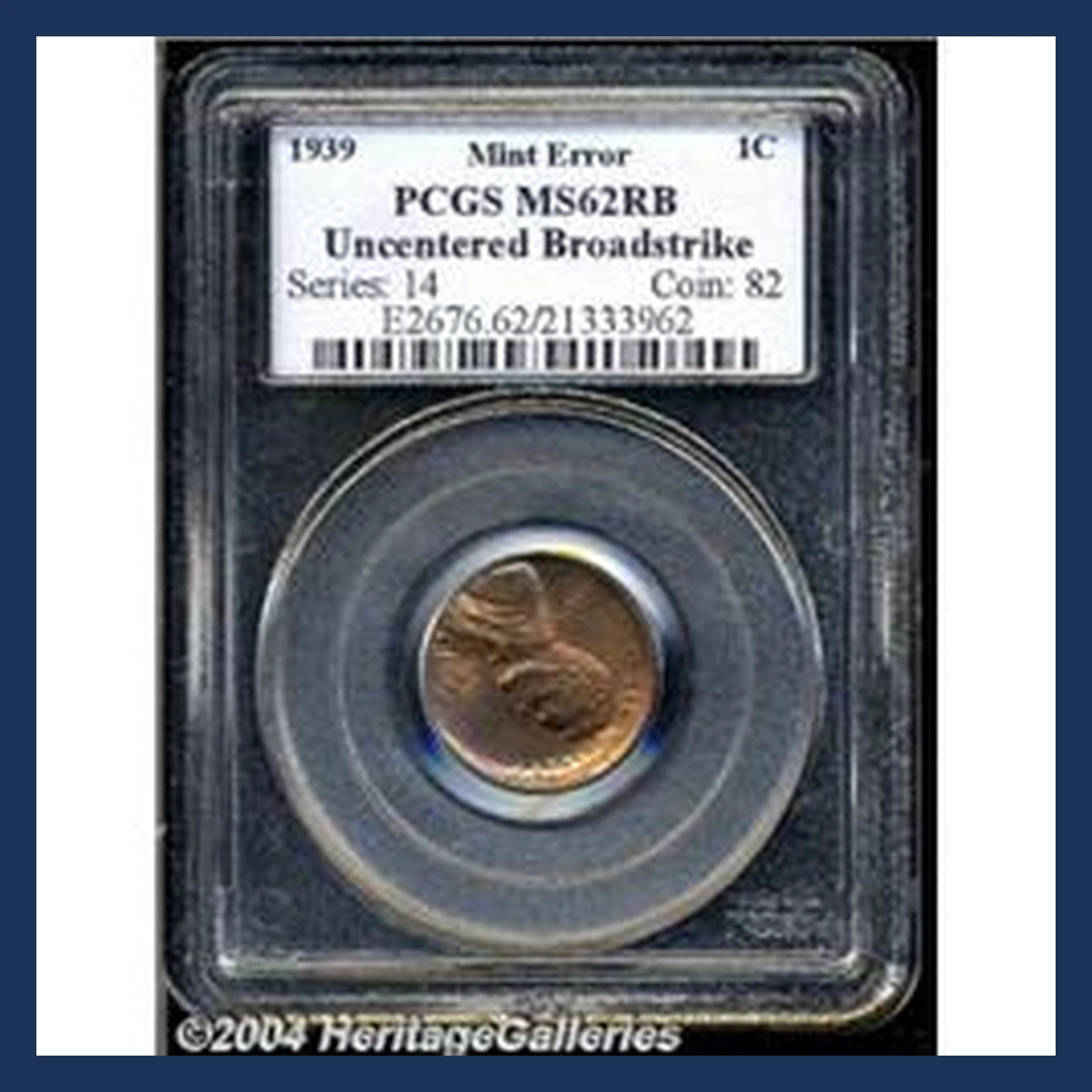
The portrait can look too low even though the coin retains its complete design. A wider band of unused metal above it creates that impression.
A recorded Philadelphia 1939 broadstrike has this wider area near twelve o’clock. PCGS graded the coin MS62 Red and Brown, describing an unworn example with mixed copper color.
The disc spread because the collar, the ring that normally controls its width, did not contain it properly. The spread was uneven.
That differs from a strike that loses part of the intended design beyond the disc. A blank-looking border alone cannot distinguish the two errors.
Estimated Value
The recorded broadstrike sold for $46 in June 2004. An estimated $30–$200 is a practical range for comparable genuine 1939 examples.
The old result provides a real same-year comparison, rather than a promise about today’s selling price. Wider natural spreading and attractive original surfaces can improve demand.
That particular coin had fingerprints on both sides. Its grade and error description do not mean every part of its appearance was ideal, or that fingerprints add value.
How to Identify
A wide upper border is only half the evidence: examine the lower design where it meets the rim. If part of the intended lettering is missing beyond the disc, an off-center strike may be the better description.
For the recorded broadstrike, the design stays complete and the extra space is near twelve o’clock. Another coin’s spread need not point in that same direction.
Take caliper measurements in several directions against the normal 19.05 mm diameter. The expanded disc should still weigh close to 3.11 g on a scale.
Under a 10× magnifier, a hammered plain edge may show damage inconsistent with natural spreading. Study that edge alongside the complete design.
4. 1939 Lincoln Wheat Penny Struck Through a Fragment (Estimated Up to $250)
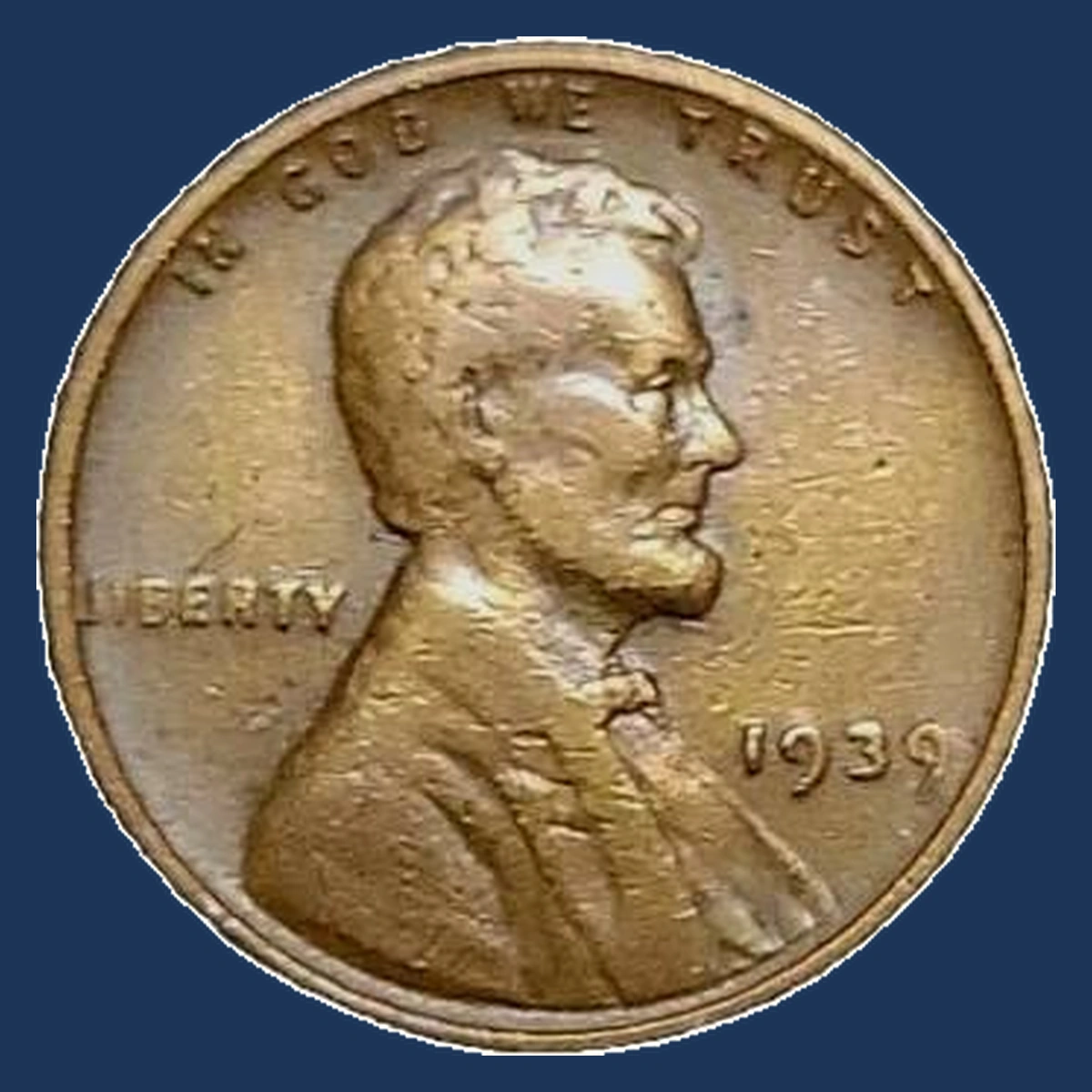
An irregular depression can mark the place where a fragment came between the disc and a stamping tool. The fragment prevented detail from forming beneath it.
A 1939 Philadelphia cent was cataloged with this error and graded ANACS MS65 Red. That grade describes an unworn coin retaining its red copper appearance.
The recorded name does not by itself establish what the fragment was made of or whether it remained attached. Those details need the actual coin.
A gouge made after production can look similar. The border of the affected area must show how the obstruction interrupted an otherwise original strike.
Estimated Value
The ANACS MS65 Red fragment strike sold for $36 in April 2003. For genuine comparable 1939 pieces, an estimated $25–$250 allows for differences in size, visibility, and condition.
This historical sale shows that a high numeric grade does not automatically make a small error expensive. A clearer impression may be more appealing than a faint mark.
The estimate concerns an original strike-through. A freshly cut depression or an attached piece of debris added later belongs outside this range.
How to Identify
Do not try to dig a fragment out of the coin. Whether material remains attached or has fallen away, its boundary is useful evidence of the blocked strike.
Move a lamp across the area while viewing it through a 10× magnifier. Follow the point where normal lettering or design fades into the depression, then look for fresh gouges or metal pushed aside by a tool.
The word fragment does not identify wire, wood, or any other particular material. Compare only features visible on the actual coin.
A scale and calipers provide the usual 3.11 g and 19.05 mm checks. Turn the coin sideways to inspect its plain edge for unrelated damage.
5. 1939 Lincoln Wheat Penny Clipped Planchet (Estimated Up to $300)
A gap in the penny’s outline may have existed before Lincoln was stamped onto the metal. The incomplete disc is called a clipped planchet.
Two recorded Philadelphia examples were graded ANACS MS64 Brown and MS65 Brown. Both are unworn, but their grades do not describe the exact shape of the missing section.
That shape must be checked on each coin. The clips should not be combined into one imaginary example with features from both.
When an incomplete disc is struck, nearby metal and the rim form around the gap. Cutting a piece from a finished coin creates a different boundary.
Estimated Value
Two 1939 clips sold in January 2023 for $180 and $114. The first was graded MS64 Brown and the second MS65 Brown, showing that the higher grade did not bring more money.
An estimated $25–$300 covers genuine examples of varying size and appeal. The error’s shape and visibility matter alongside preservation.
These are whole-coin prices. A later cut, even on an attractive unworn penny, is damage rather than a clip worth the same premium.
How to Identify
A missing piece should affect more than the outline. Under a 10× magnifier, examine how the nearby rim and lettering formed around the gap.
The rim opposite a genuine clip can also be weak, although some clips show that effect only faintly. Its absence alone does not settle the question.
Weigh the coin on a scale: a substantial missing section should lower its weight from the normal 3.11 g. Calipers can compare the surviving diameter with 19.05 mm without pressing into the gap.
Fresh saw marks or filing along the plain edge point to later cutting. Compare each certified example separately, since the two recorded grades do not describe identical clip shapes.
6. 1939 Lincoln Wheat Penny Off-Center Strike (Estimated Up to $500)
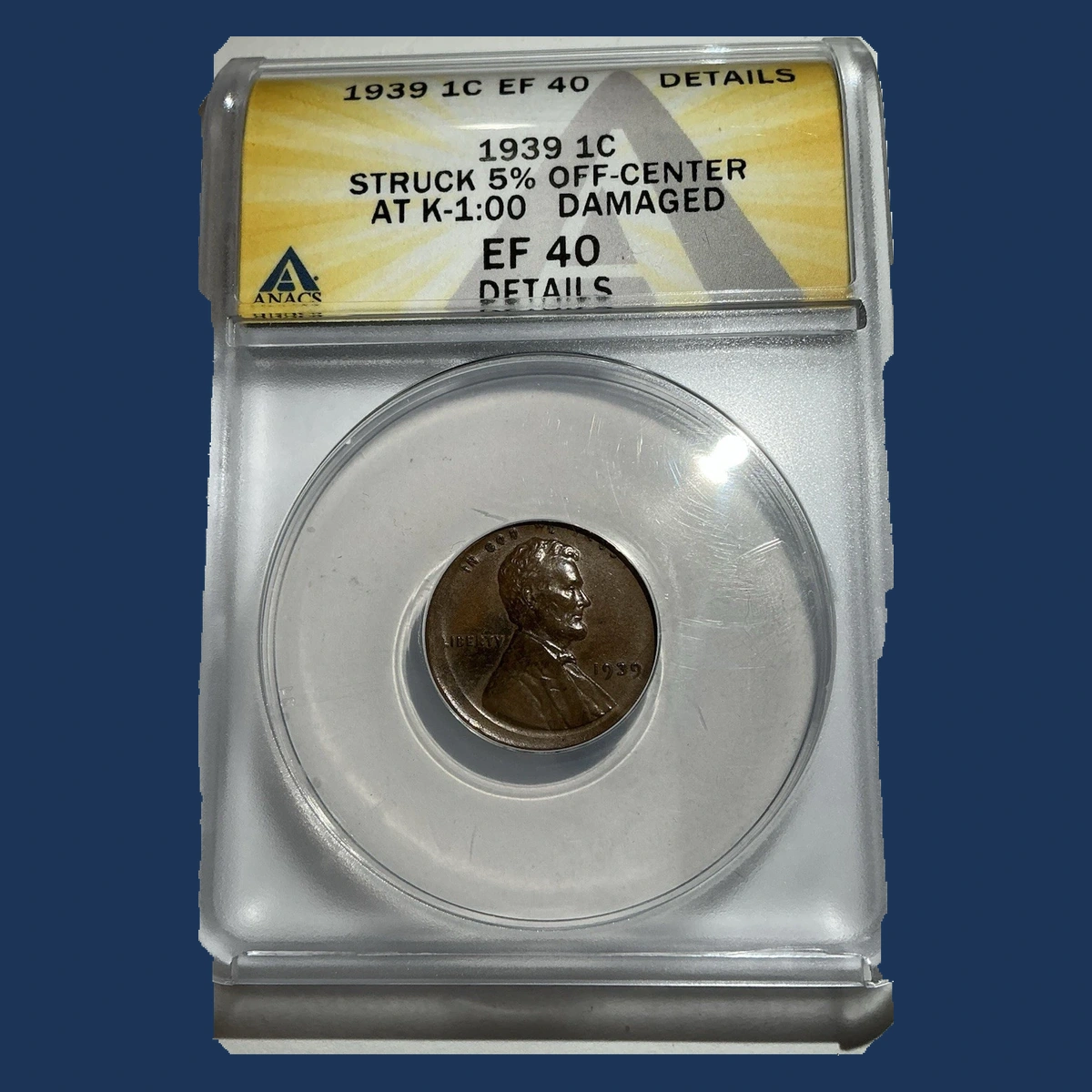
A sizable strip of blank metal and a truncated design make this error easier to notice than doubling. The disc was displaced when the tools struck it.
One Philadelphia 1939 example was struck 25% off center and graded PCGS AU55. The grade describes light circulation wear with much original detail remaining.
The shifted strike affects both faces of the coin. It should not be identified from a portrait that merely looks slightly off center.
The surviving date connects the piece to 1939. The unused area is original coin metal, not a region polished smooth after the design was made.
Estimated Value
The PCGS AU55 example sold for $105 on March 20, 2023. An estimated $40–$500 covers genuine 1939 off-center pennies from modest shifts to especially attractive examples.
The amount of missing design is only one part of the price. A full date and clear separation between struck and unused metal help collectors understand the error.
A corroded coin may bring less despite a larger shift. The $105 result does not set the price of every 25% strike.
How to Identify
Turn the penny over and compare the blank area on both faces. A genuine off-center strike moves the whole design, so the missing detail should relate to that unused metal on both sides.
Keep the date in view while checking the boundary with a 10× magnifier. Polishing part of an ordinary coin smooth will leave a different surface from metal that was never struck.
Because the original disc normally remains, its scale weight should be close to 3.11 g. The shape can stretch, so caliper measurements need not exactly match the ordinary 19.05 mm diameter.
Later cutting or hammering can damage the plain edge. Such damage does not turn a centered strike into an off-center error.
7. 1939 Lincoln Wheat Penny Doubled Die (Estimated Up to $1,500)
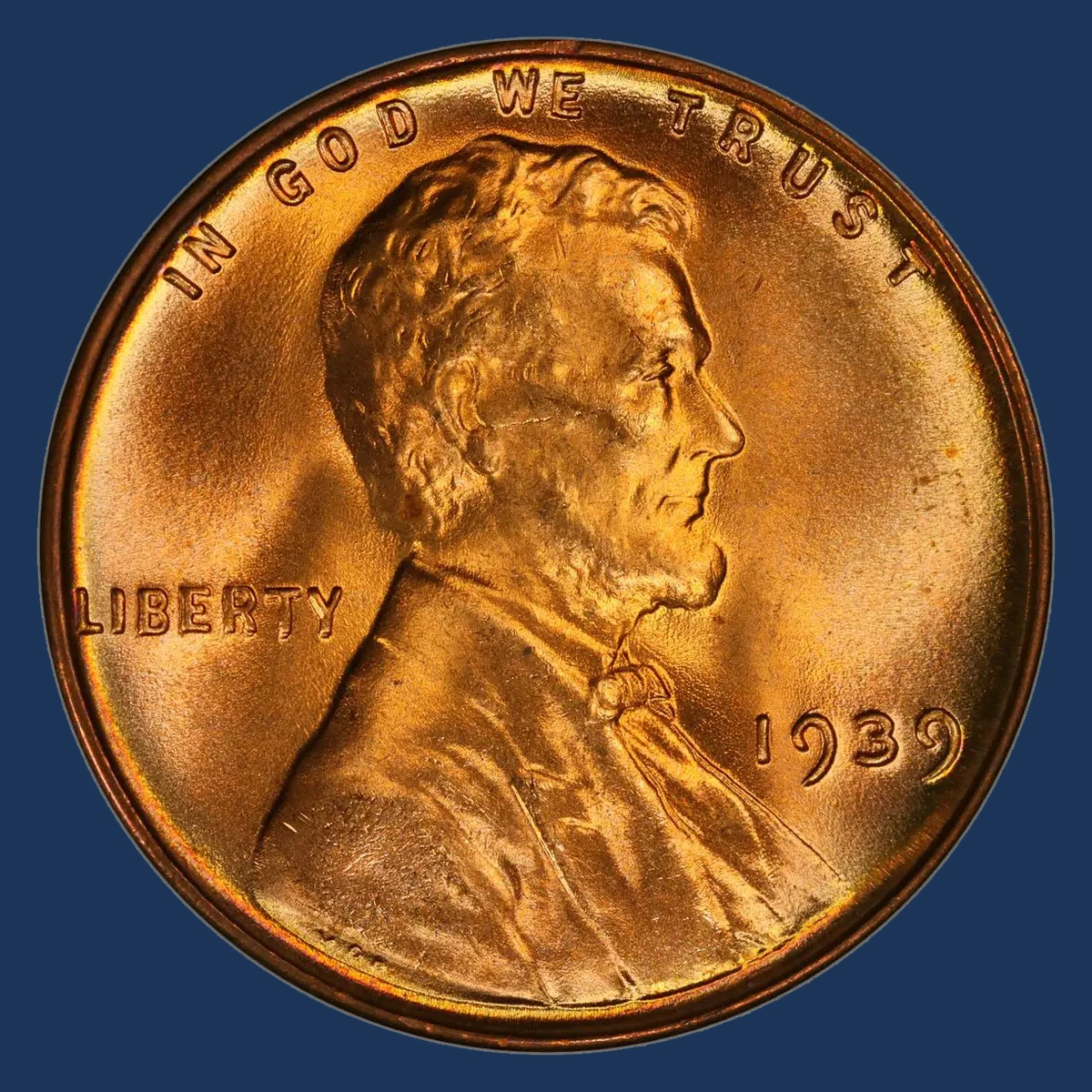
On the stronger Philadelphia variety, extra outlines appear in ERTY, the first two date digits, and several portrait details. Smaller varieties can show only a fine extra eyelid.
These features originated in a doubled die, the steel tool carrying the design before striking. The coin did not need to be struck twice.
Philadelphia also has back varieties affecting the motto, Wheat ears, and lettering. San Francisco has two reported eyelid varieties with their own identifying marks.
An extra line below the eyelid is not enough to name a specific variety. Different tools can leave a similar-looking first clue.
Estimated Value
A Philadelphia doubled-front cent graded MS65 brought $715 at GreatCollections in June 2014, according to PCGS CoinFacts. It provides a same-year price comparison for a well-preserved coin.
Minor confirmed varieties have estimated values around $10–$100; stronger, attractive examples can extend roughly from $100 to $1,500. The exact variety matters.
Do not give a faint eyelid variety the strongest variety’s price automatically. The visibility of the doubling, original color, and wear all affect demand.
How to Identify
An extra eyelid is a useful clue, but more than one 1939 variety can have it. Choose the mint first, then compare several details through a 10× magnifier.
Philadelphia FS-101 has repeated lettering and portrait features beyond the eye. For San Francisco WDDO-001, check the supporting marks near the bow tie and beside the T in CENT.
WDDO-002 instead accompanies the northeast S-over-S mintmark. A back variety needs comparison of the Wheat side rather than these front markers.
Flat, shaved-looking ledges suggest mechanical doubling. A scale reading near 3.11 g, a caliper reading near 19.05 mm, and an unaltered plain edge help screen the coin but cannot identify its doubled die.
Conclusion
For 1939, small letter and eyelid features demand close comparison, while clips and displaced strikes are judged across the entire coin. A magnifier and basic measurements serve different parts of that inspection.
The estimated range is $2–$1,500, from small BIE chips to stronger doubled-die examples. Use the correct type and condition when comparing prices.
Leave original surfaces untouched and keep each certified example’s features together.