1931 Penny Error List with Pictures

The S below the date matters before any error is considered on a 1931 Wheat penny. It identifies a scarcer issue whose normal value must stay separate from an error premium.
For comparison, a clipped 1939 Wheat cent sold for $180 in 2023. The 1931 types below have estimated whole-coin ranges from $2 to $1,500, depending on mint, condition, and the actual feature.
Read on to compare missing metal, altered designs, and surface patterns without confusing a scarce date with a mint error.
1. 1931 Lincoln Wheat Penny Doubled Die Reverse (Estimated Up to $300)
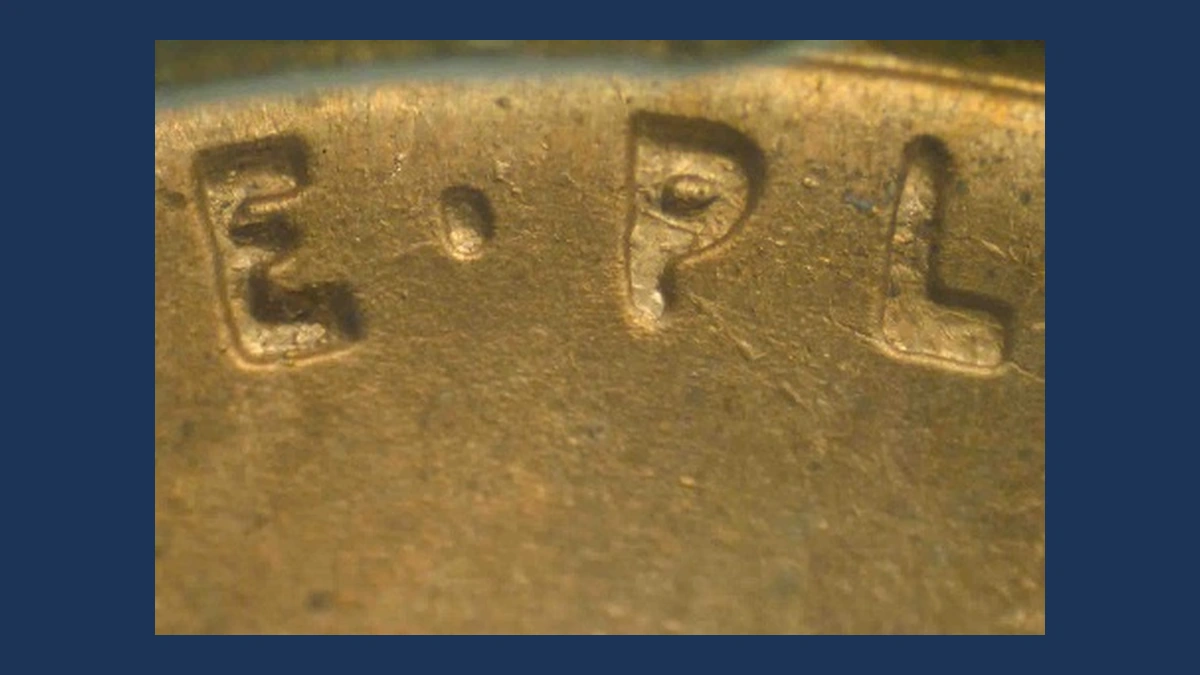
A repeated edge in the back lettering or Wheat design may belong to a doubled die. A die is the steel tool that carries the design onto the coin.
The tool received an altered design before striking, so a penny can show the feature after just one blow. It does not need to be double struck.
A doubled-back variety is reported for the 1931 Philadelphia cent. The report does not establish one precise letter or Wheat detail as a universal identifying mark.
A thick letter or extra-looking edge should be matched to the actual variety before being given its name.
Estimated Value
For an identified Philadelphia doubled-back example, an estimated $10–$300 allows for minor features through more attractive, clearly matched coins. This is an estimate, not a verified 1931 auction result.
The comparison is with minor doubled-back Wheat cent varieties. Their prices depend on how visible the feature is and how well the coin survives.
A seller’s label alone does not establish the variety. Normal lettering, wear, or a flat mechanical ledge should not inherit the same premium.
How to Identify
Use a normal Philadelphia cent as the first comparison, with both Wheat backs lit alike. A 10× magnifier can show whether an apparent extra edge remains when the light changes.
Do not select a letter at random and assume that it must be the reported variety’s identifying mark. Compare a complete enlarged photograph of an authenticated example.
Before assigning a premium, check 3.11 g and 19.05 mm with a scale and calipers. Inspect the plain edge for alteration and the front for the proper date and absence of a mint letter.
Flat ledges can come from movement during striking. Match the actual repeated back details to a documented 1931 Philadelphia example, rather than naming the variety from a generic doubled appearance.
2. 1931 Lincoln Wheat Penny Woodgrain Alloy Pattern (Estimated Up to $400)
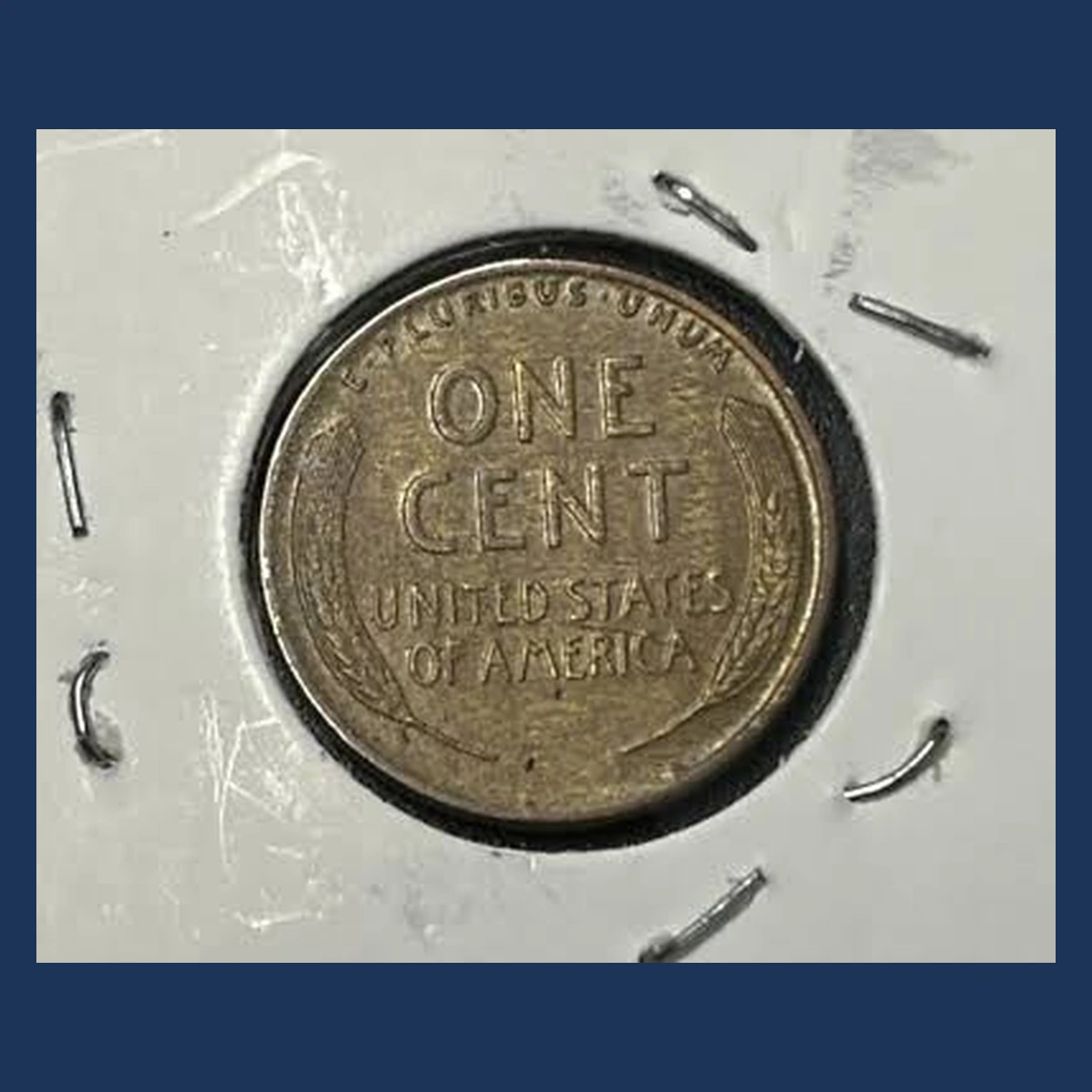
Fine bands of different copper colors can make the surface look like woodgrain. Collectors sometimes call a penny with this appearance a woody.
Uneven mixing of the alloy can leave areas that change color differently over time. The bands can follow the direction in which the metal was rolled.
This appearance is reported for 1931, but striped color alone does not identify its cause. Brushing, chemical treatment, or environmental staining can produce misleading patterns.
A genuine alloy pattern follows the original surface rather than cutting across it as scratches. It is a surface characteristic, not a second stamped design.
Estimated Value
For ordinary Philadelphia or Denver examples with appealing original bands, a working estimate is $3–$75. A genuine 1931-S can fall around $100–$400, much of that value coming from the scarcer date and mint.
These are estimates for the whole coin, not automatic woodgrain premiums. The comparison is with attractive alloy-banded Wheat cents and the underlying issue’s condition.
Strong bands may interest a specialist, but artificial color or cleaning can reduce value despite a dramatic striped appearance.
How to Identify
Tilt the surface slowly before reaching for the magnifier. Notice whether the bands change color smoothly while the underlying design and original shine remain intact.
At 10× magnification, look for brush lines or shallow scratches that would explain the stripes. Study protected areas beside letters as well as open spaces.
Check the mint letter because the normal value of 1931-S differs greatly from Philadelphia. A scale and calipers should show approximately 3.11 g and 19.05 mm.
Look along the plain edge for artificial coloring or other treatment. Do not rub a band to test it.
Follow the color bands across undamaged original surface, rather than accepting parallel scratches or stains as evidence of uneven alloy mixing.
3. 1931 Lincoln Wheat Penny Die Cracks, Chips, and Reported Cud (Estimated Up to $500)
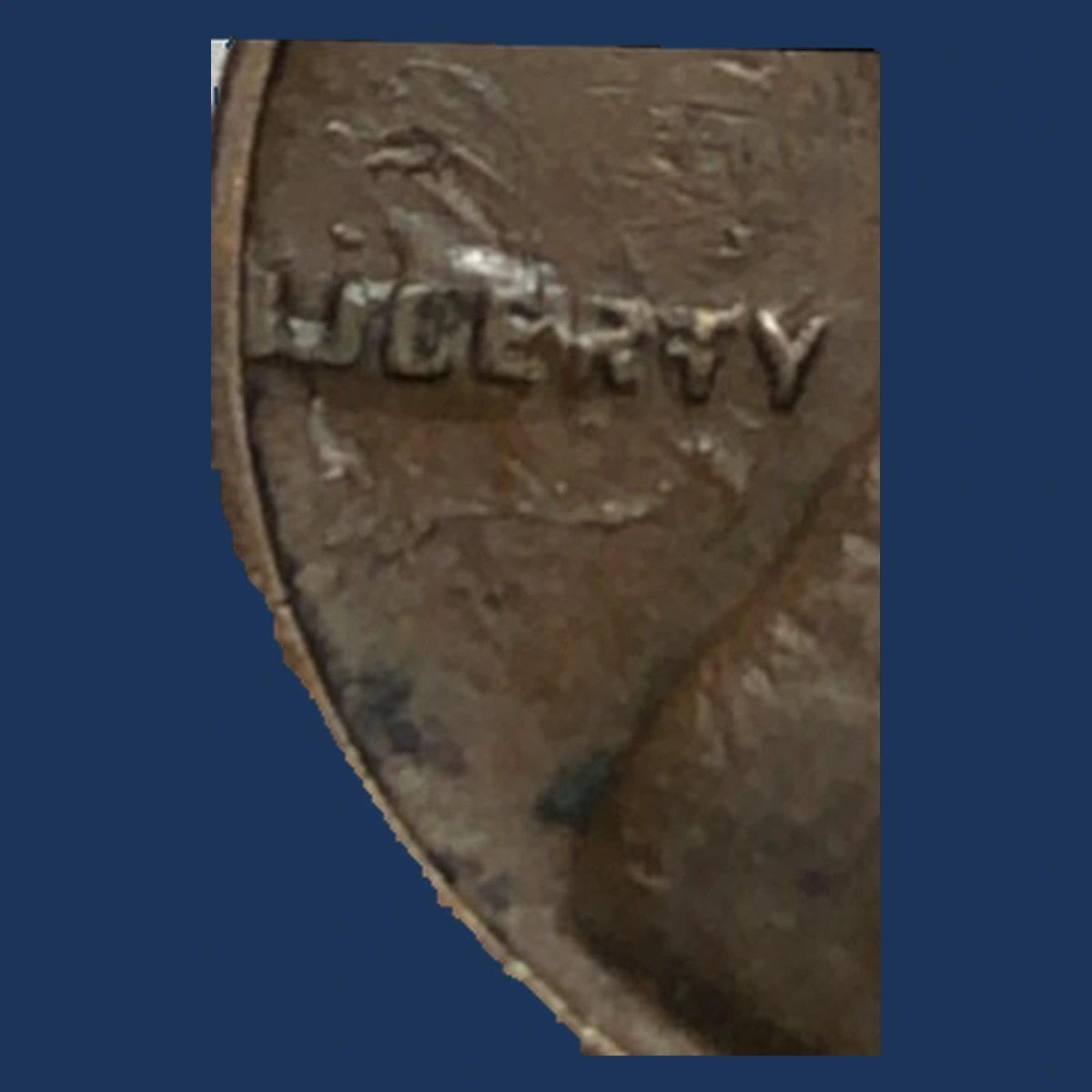
A raised line or small bump can record damage to the stamping tool. Metal filled the damaged space as the penny received its design.
Cracks and chips are reported for 1931, including Philadelphia examples. Their positions must be checked on each coin rather than assumed from the date.
A collector has also reported a large Philadelphia cud, meaning a raised area connected to the rim. That claim still needs a matching authenticated specimen.
An interior chip is not a cud merely because it is large. The connection to the rim and the loss of normal design are essential differences.
Estimated Value
Small genuine cracks or chips on ordinary Philadelphia coins have an estimated range of $2–$50. An authenticated large 1931 cud would have a working estimate of $100–$500, based on comparable Wheat cent breaks.
The cud range is conditional, not a sale price for the reported coin. No particular size or position is assumed.
A 1931-S with a minor break must also be valued for its scarcer date and mint. The small Philadelphia range should not replace that underlying value.
How to Identify
Determine whether the feature is raised and whether it reaches the rim. Those two observations decide whether to investigate a crack, an interior chip, or a possible cud.
Check the plain edge for squeezing before studying the shape through a 10× magnifier. Displaced metal from damage can also create a raised lump.
Use a scale and calipers against 3.11 g and 19.05 mm. A tool break normally changes the design rather than removing a large piece of the disc.
For the reported large Philadelphia cud, require photographs of that actual 1931 coin instead of borrowing another year’s example. Confirm original raised metal joining the rim and replacing the normal design before accepting a cud identification.
4. 1931 Lincoln Wheat Penny Lamination (Estimated Up to $500)
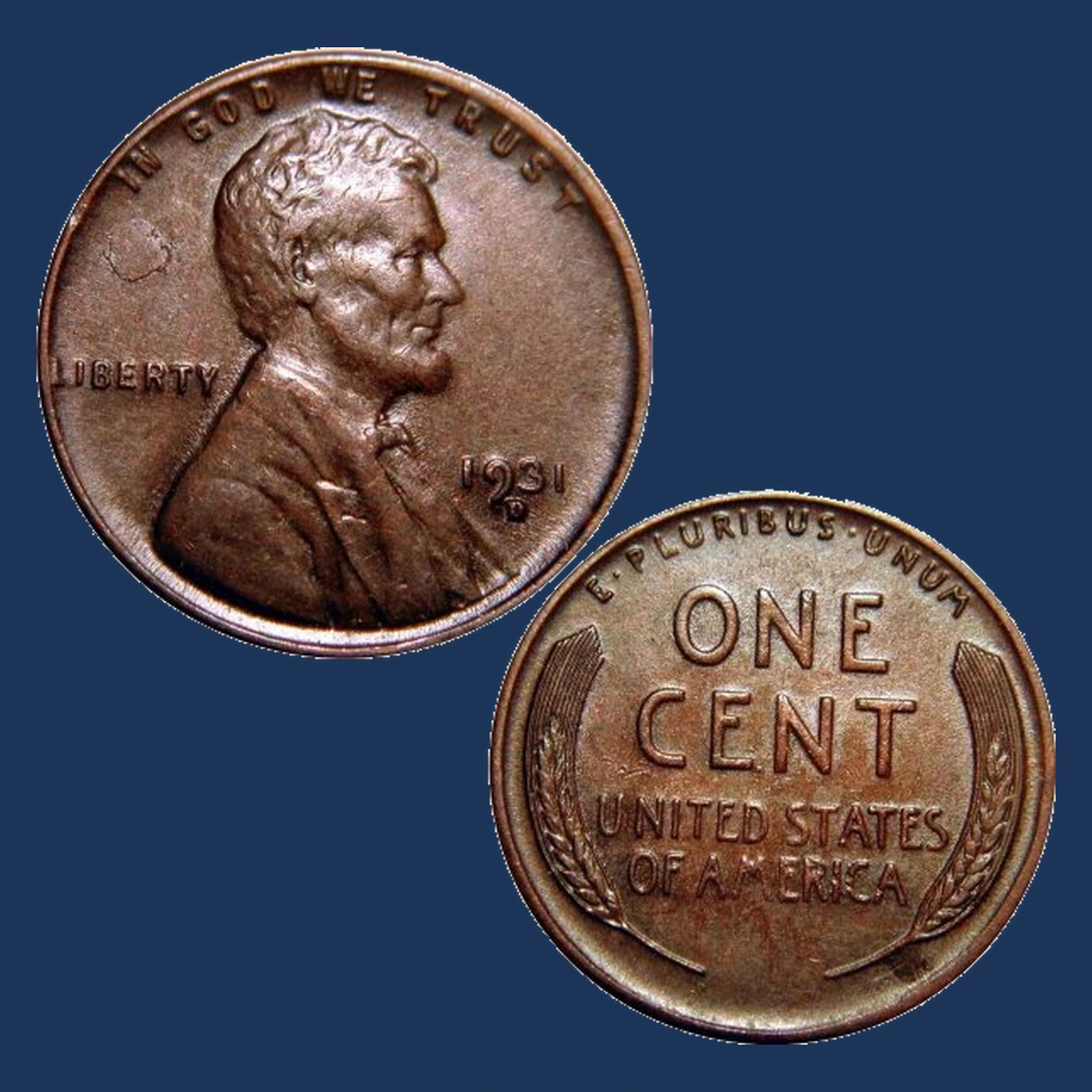
A flaky patch or lifted layer can form where the penny’s copper alloy has a weak internal boundary. The surface begins to separate rather than remaining one solid layer.
This is called lamination. A piece may stay attached or leave a rough area where it detached.
A 1931-S example combines back lamination with an irregular clip near one o’clock. NGC graded that coin MS61 Brown, describing an unworn brown example with imperfections.
The two features have different causes and belong to the same coin. A peeling surface does not by itself prove that the entire disc split into two halves.
Estimated Value
Minor lamination on an ordinary Philadelphia or Denver coin has an estimated value of $5–$100. For the scarcer S issue, roughly $150–$500 is a working range for attractive genuine examples.
A later 1966 copper-alloy cent with a front lamination sold for $61 in July 2021. That is an error-type comparison, not a transaction for the 1931-S combination.
The clip and lamination estimates must not be added together as if the same coin were two separate purchases.
How to Identify
Leave any loose flap in place. Pulling or scraping it can remove the very evidence needed to distinguish a natural separation from later damage.
Examine the layer’s edge with a 10× magnifier and compare the texture beneath it with the surrounding surface. Corrosion pits and scraped grooves do not necessarily reveal a layered split.
For the recorded S-mint combination, inspect the back lamination separately from the irregular clip. The clip can lower the weight, so a scale reading below 3.11 g does not measure lamination loss alone.
Calipers compare the surviving diameter with 19.05 mm; also inspect the plain edge for related separation. Follow a natural layer boundary into the original coin metal, without mistaking a surface scrape for lamination.
5. 1931 Lincoln Wheat Penny Repunched Mintmark (Estimated Up to $600)
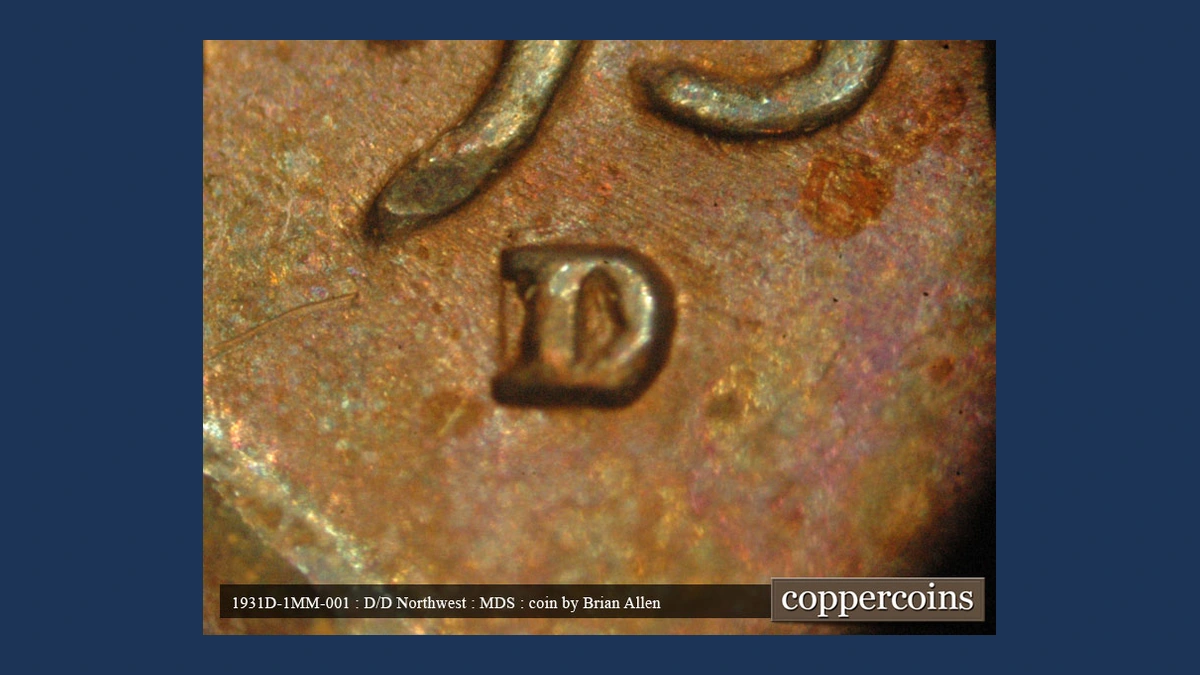
The D or S below the date can show a remnant of another impression. Mint workers added these letters to the stamping tool with a hand punch.
When another punch landed in a different position, part of the earlier letter could remain visible. Coins made by that tool repeated the same overlap.
The 1931 reports include Denver and San Francisco mintmarks. The direction of the extra stroke must come from the particular variety rather than a general price guide.
Different mint-letter positions alone are not enough. Normal placement varied, and an altered coin can also carry an added letter.
Estimated Value
Estimated values for minor genuine Denver repunches run roughly $25–$200. San Francisco examples can fall around $125–$600, with much of the starting value already belonging to the scarce 1931-S issue.
These are whole-coin estimates based on nearby Wheat cent mintmark varieties and condition. They are not claimed auction results for identified 1931 catalog numbers.
The overlap’s clarity matters, but an added S can undermine the coin’s identity entirely. Authentication is especially important before paying a scarce-date price.
How to Identify
Examine the base of the S before interpreting any doubling. Because 1931-S is sought after, a seam or added-metal edge around the letter needs attention.
A 10× magnifier helps follow the entire D or S and any earlier stroke. Compare the letter shape with a normal coin, then with the particular repunched variety being claimed.
The whole coin still needs its standard checks: 3.11 g on a scale and 19.05 mm with calipers. Inspect the plain edge and the final date digit for alteration.
A different letter position is not itself an error. Identify a genuine earlier D or S impression overlapping the main letter, while confirming that the letter and date have not been added or changed.
6. 1931 Lincoln Wheat Penny Clipped Planchet (Estimated Up to $750)
A clip leaves the coin short of metal before its design is stamped. The prepared metal disc, called a planchet, was cut with part of its intended outline missing.
A curved clip can result from overlapping cuts in the metal strip. A straight missing section can come from the strip’s edge.
An identified 1931-S report describes an irregular clip near one o’clock, together with lamination on the back. That coin was graded NGC MS61 Brown.
It should be compared as one specific example. Its irregular shape is not a rule that every genuine 1931 clip must follow.
Estimated Value
An estimated $20–$250 covers many genuine Philadelphia or Denver clips, while a confirmed S-mint example can fall around $200–$750. The scarce date contributes to the latter range.
Two 1939 Wheat cent clips sold for $180 and $114 in January 2023. These different-year sales provide a comparison for the missing-metal error, not prices for the reported 1931-S coin.
Clip size and surface quality matter. The accompanying lamination should be assessed within the same coin’s total value.
How to Identify
Orient the date upright and locate the gap around the outline. On the reported S-mint example, the irregular missing section is near one o’clock.
Use calipers to compare the surviving diameter with 19.05 mm, then weigh it against 3.11 g. A tiny clip may produce a weight difference that is hard to separate from wear.
Inspect the gap with a 10× magnifier for original rim formation and natural metal movement. A weak opposite rim may support the identification but cannot establish it alone.
Check the plain edge for cutting or file marks and examine the S for alteration. Match the missing section’s original boundary to the certified example, without confusing a later notch with a clip.
7. 1931 Lincoln Wheat Penny Struck-Through Error (Estimated Up to $750)
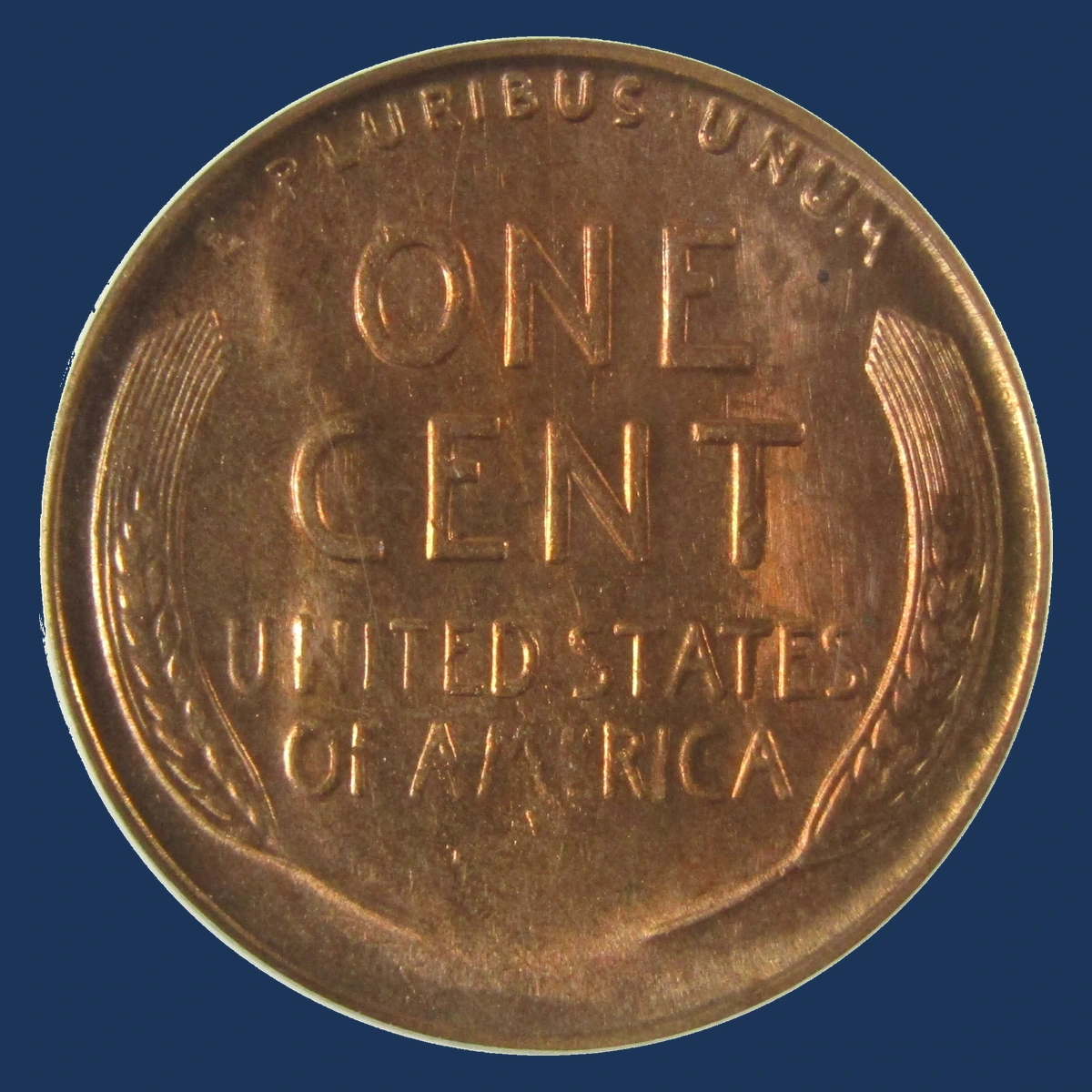
A depressed or weak area on the front can form when something blocks the stamping tool. The coin cannot receive full design detail through the obstruction.
A 1931-S example was offered by GreatCollections with an ICG MS62 Red grade. Its label identified a front-side struck-through error.
The grade describes an unworn coin retaining red copper color, not a particular type of debris. The listing does not establish cloth, wire, or another named material.
The affected surface should show a strike interrupted by the obstruction. A dent made after the penny circulated can resemble the outline but has a different origin.
Estimated Value
For a genuine 1931-S front strike-through of this general quality, an estimated $250–$750 includes both the scarce issue and the error. The GreatCollections auction ended in August 2024, but its public page does not reveal the price.
A 1939 fragment strike sold for $36 in April 2003, showing that an obstruction alone need not be expensive. That different-year coin lacks the 1931-S date premium.
The estimate therefore should not be presented as the hidden auction’s result.
How to Identify
Start with the auction and certification photographs, since the recorded identity specifies the front but does not name the obstructing material. Compare the coin’s actual affected area with those photographs.
At 10× magnification, inspect how normal design meets the depression or weak patch. Scrapes and pushed-up edges may indicate a later impact rather than material present during striking.
Check the S and the date separately before relying on the scarce issue’s value. A scale and calipers provide comparisons with 3.11 g and 19.05 mm, and the plain edge should be checked for alteration.
Do not assign an imagined wire or cloth pattern. Follow the original interruption of front-side detail and match it to the certified strike-through example.
8. 1931 Lincoln Wheat Penny Off-Center Strike (Estimated Up to $1,500)
The design can run beyond the disc when the penny is out of position during striking. Original unused metal remains beside the incomplete picture or lettering.
Off-center errors are reported for 1931, including a seller’s S-mint example also described as struck through material. The two effects can coexist, but each needs its own visible evidence.
A portrait that merely sits unevenly inside a complete border is not enough. Complete design with extra spread may instead indicate a broadstrike.
The date and mint letter are important on this year. Missing or altered details can change both the identification and the value.
Estimated Value
Genuine Philadelphia or Denver off-center examples have an estimated range of $40–$500. For an authenticated 1931-S with a readable date and mintmark, a working range is $200–$1,500.
A 1939 Philadelphia cent struck 25% off center sold for $105 in March 2023. That provides a different-year strike comparison, not proof of any 1931-S seller’s claim.
The S-mint estimate includes its scarce-date appeal. A claimed second error should not receive an added premium unless it is also visible and genuine.
How to Identify
Locate the surviving date and mintmark before looking at the width of the blank area. A missing S cannot be supplied from an assumption about the seller’s description.
Compare both sides and follow where the design leaves the available metal. A 10× magnifier helps distinguish original unused surface from lettering erased by polishing.
Use a scale against 3.11 g and calipers against 19.05 mm, allowing for distortion during striking. Examine the plain edge for cutting or flattening.
If a strike-through is also claimed, assess its separate depression rather than counting the blank crescent twice. Confirm unused original metal opposite genuinely incomplete design, with the date and any claimed S still authentic and readable.
Conclusion
A 1931-S deserves a careful date and mintmark check before its unusual feature is priced. Then decide whether you are seeing missing metal, a tool-made change, or a surface pattern.
The estimated ranges here extend from $2 to $1,500. They include the whole coin, so a clip and lamination on one specimen should not be added as separate purchases.
Preserve the surface and match the specific evidence before applying a premium.