1915 Penny Error List with Pictures

Copper should be the starting point when examining a 1915 Wheat penny. Peeling metal, extra lettering, and even a confirmed copper-nickel disc each tell a different story.
A 40% off-center penny with peeling on the back sold for $1,620 in 2023. Estimated values below span $3–$10,000, with the high end reserved for authenticated copper-nickel examples.
Read the clues for each type before deciding whether an unusual surface, letter, or edge came from the Mint.
1. 1915 Lincoln Wheat Penny Die Cracks and BIE Chips (Estimated Up to $100)
LIBERTY may seem to contain an extra I between B and E. A small raised piece of copper filling that gap gives this feature its familiar BIE nickname.
The added shape comes from a missing piece of the die, the steel tool used to stamp coins. Copper flows into the gap during striking.
Philadelphia and Denver BIE examples have been reported for 1915. Other cracks can leave thin raised lines elsewhere on the coin.
The crack or chip belongs to the tool, but the resulting mark stands above the penny’s surface. A cut or scratch usually sinks below it.
Estimated Value
An estimated $3–$100 covers minor genuine 1915 cracks and BIE chips. A recognizable letter-like chip can be more appealing than a faint line that needs strong magnification.
This range compares small Wheat cent tool breaks rather than quoting a particular 1915 sale. The condition and mint of the underlying penny are included in the estimate.
A small chip should not inherit the price of a large rim-connected break. Scratches or attached dirt receive no mint-error premium.
How to Identify
Place LIBERTY upright and find the space between B and E. BIE refers to that letter-like chip, not to every raised mark on a penny.
A 10× magnifier should show whether the extra I joins the original copper. Leave any dirt or loose material alone rather than scraping it to test the shape.
Check the plain edge for crushing and compare scale and caliper readings with 3.11 g and 19.05 mm. Metal pushed inward by later damage can create misleading bumps.
If the candidate is a line elsewhere, follow its actual path instead of forcing the BIE name. Shine a lamp across the line from opposite sides and check whether it stands above the surface or cuts down into it.
2. 1915 Lincoln Wheat Penny Die Clash (Estimated Up to $150)
A wheat outline belongs on the back of a Lincoln cent. A faint trace of that shape on the front can indicate a die clash.
The two stamping tools struck each other when no metal disc was between them. A transferred mark on a tool could then appear on coins struck afterward.
The 1915 reports describe wheat-like traces on the front, without establishing one exact position or mint for every example. The shape must be recognizable as part of the opposite design.
A stray line does not prove a clash. Scratches, polishing lines, and small tool cracks have different explanations.
Estimated Value
Clear genuine clashes on ordinary 1915 pennies have an estimated range of $5–$150. A subtle trace on a worn coin generally has modest value.
The range uses comparable Wheat cent clash features rather than a documented sale for a specific 1915 example. Visibility and the coin’s original condition matter more than simply counting extra lines.
A recognizable wheat fragment helps explain the error to a buyer. Later surface damage can reduce the price despite a real clash.
How to Identify
Inspect the plain edge and weigh the coin before interpreting a strange front outline. The normal comparisons are 3.11 g on a scale and 19.05 mm across calipers; broad crushing suggests later pressure damage.
Now study an ordinary wheat ear on the back of a normal cent. Note its curves rather than expecting a full second design on the candidate.
Find the suspected front trace through a 10× magnifier and sketch its visible outline. Do not fill in missing parts from imagination.
Compare your sketch with the wheat shape at the proper orientation. Check whether a second nearby curve fits the same placement, without shifting the comparison to make each separate line seem correct.
3. 1915 Lincoln Wheat Penny Lamination (Estimated Up to $200)
A thin copper layer can separate from the surface, leaving a flap or a shallow missing patch. This is lamination, a weakness within the metal rather than a missing outer coating.
The 1915-D example listed by GreatCollections has front lamination and an ANACS F15 grade, indicating noticeable circulation wear. The Philadelphia example has peeling on the back.
That Philadelphia penny also sits 40% off center. Its missing surface layer and displaced strike are separate features on the same coin.
An ordinary 1915 cent is a copper alloy throughout. It does not have the bonded outer layers found on modern dimes.
Estimated Value
For lamination without another major error, use an estimated $10–$200. Size, visibility, and the coin’s condition shape the premium.
The Philadelphia compound-error penny brought $1,620 in 2023, but that price includes a dramatic off-center strike. It would overstate the value of ordinary peeling alone.
A 1966 front-lamination cent graded MS63 Brown sold for $61 in 2021, a different-year comparison for the mechanism. The circulated Denver example should be assessed on its own wear and peeling.
How to Identify
The Denver specimen’s peeling is on the front; the Philadelphia off-center piece has it on the back. Select the appropriate face before making a close comparison.
If a flap is present, do not lift it. Inspect its attached end through a 10× magnifier, looking for the point where the thin layer still joins the coin.
Use calipers against 19.05 mm and a scale against 3.11 g, allowing for the Philadelphia coin’s distorted strike and any missing copper. A tiny lost layer may not produce a clear weight difference.
Follow any separation toward the plain edge. View the seam from a low angle to see whether a distinct layer lies over the underlying copper, rather than an object sitting on top.
4. 1915 Lincoln Wheat Penny Struck Through Material or Grease (Estimated Up to $250)
A letter may fade away while nearby details remain clear. Material between the tool and the coin can block part of the design during striking.
Thick grease can fill a recessed letter in the tool, leaving that letter weak or absent on the penny. A fiber can leave a more definite narrow impression.
The 1915 reports mention LIBERTY and the date as affected areas. They do not establish that every incomplete letter came from the same substance.
Wear also removes detail, and a weak strike can soften several areas at once. A missing letter alone therefore needs closer examination.
Estimated Value
Genuine 1915 obstruction errors have an estimated $10–$250 range. A small grease-filled letter tends toward the lower end, while a clear shaped impression can attract more interest.
A 1923 cent struck through thread graded MS64 Red and Brown sold for $156 in 2018. It provides a nearby-year comparison for a visible obstruction, not proof of thread on a 1915 penny.
The estimate assumes original surfaces. Grinding a letter away creates damage rather than an equivalent mint error.
How to Identify
Look at the portrait before the missing letter. If every high point is worn flat, circulation may explain the weak design without an obstruction.
If nearby details remain sharp, examine the affected letter with a 10× magnifier. Grease can soften its outline; a fiber may leave a narrow depression that deserves a separate description.
Inspect the plain edge and opposite face for squeezing or other damage. Record the scale weight and caliper diameter against 3.11 g and 19.05 mm.
Return to the surface where the letter should have formed. Move the light slowly across that patch and check for grinding lines or a lowered surface that would show the letter was removed after striking.
5. 1915 Lincoln Wheat Penny Doubled Die Obverse (Estimated Up to $300)
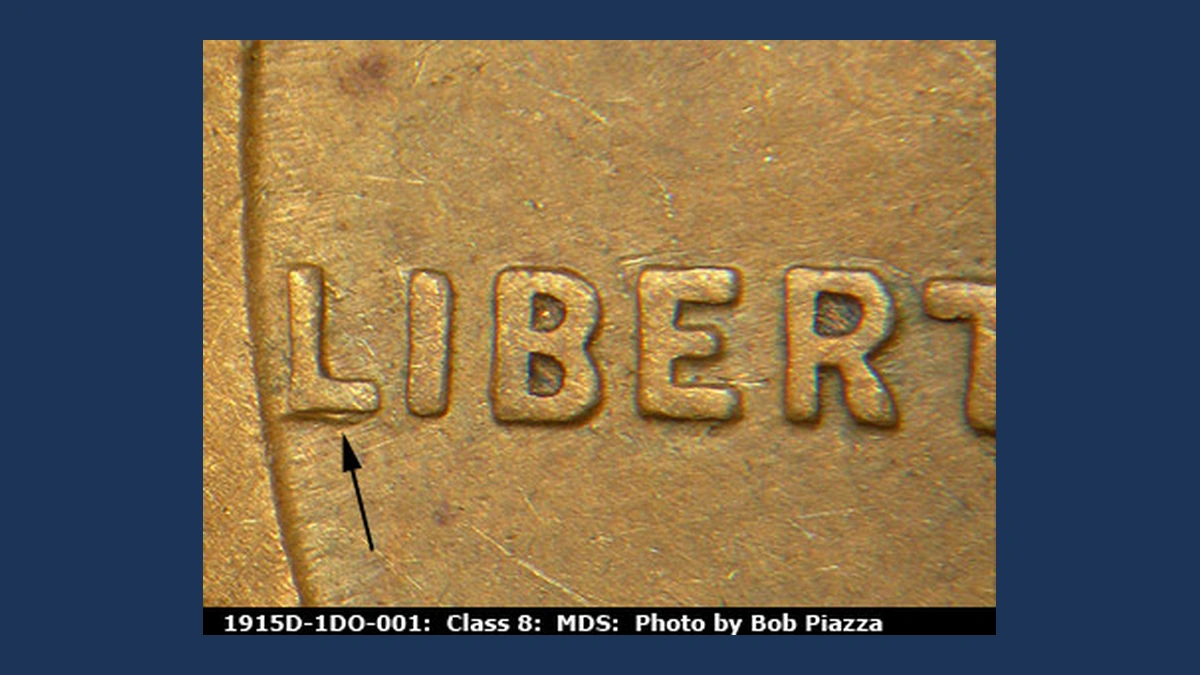
An extra outline beside a letter can come from a doubled design on the stamping tool. The coin reproduces that extra shape when it is struck.
Reports for 1915 describe doubling around LIBERTY and IN GOD WE TRUST. A Denver report specifically draws attention to the L.
These descriptions should not be treated as one identical variety on every mint’s penny. A clear mint letter and a matching comparison image are essential.
The term doubled die obverse means a doubled front design. It does not mean every thick letter is valuable, or that the coin itself received a second strike.
Estimated Value
An estimated $15–$300 applies to a genuine 1915 doubled-front variety whose mint and extra letter shapes have been matched. This is a conditional estimate for that identification.
It compares modest early Wheat cent doubled designs rather than borrowing the price of the famous 1917 variety. No specific 1915 auction result is being claimed here.
The upper end favors clear detail and good preservation. A flat shelf beside a letter, without the correct variety features, does not support it.
How to Identify
Check the mint first. The reported doubled L concerns Denver, so it cannot identify a no-mintmark penny by itself.
Photograph the full front with the date and mint area visible, then take a close-up of the affected lettering. These two views should remain connected when choosing a comparison.
Use a scale and calipers against 3.11 g and 19.05 mm, and inspect the plain edge for alteration. These basic checks cannot settle the variety.
At 10×, compare one extra stroke with the matching mint’s documented example. Tilt the coin while keeping that stroke in view; a real outline stays in place when a reflection disappears.
Compare the next affected letter in the same picture, checking that its extra shape also fits the proposed variety.
6. 1915 Lincoln Wheat Penny Repunched Mintmark (Estimated Up to $350)
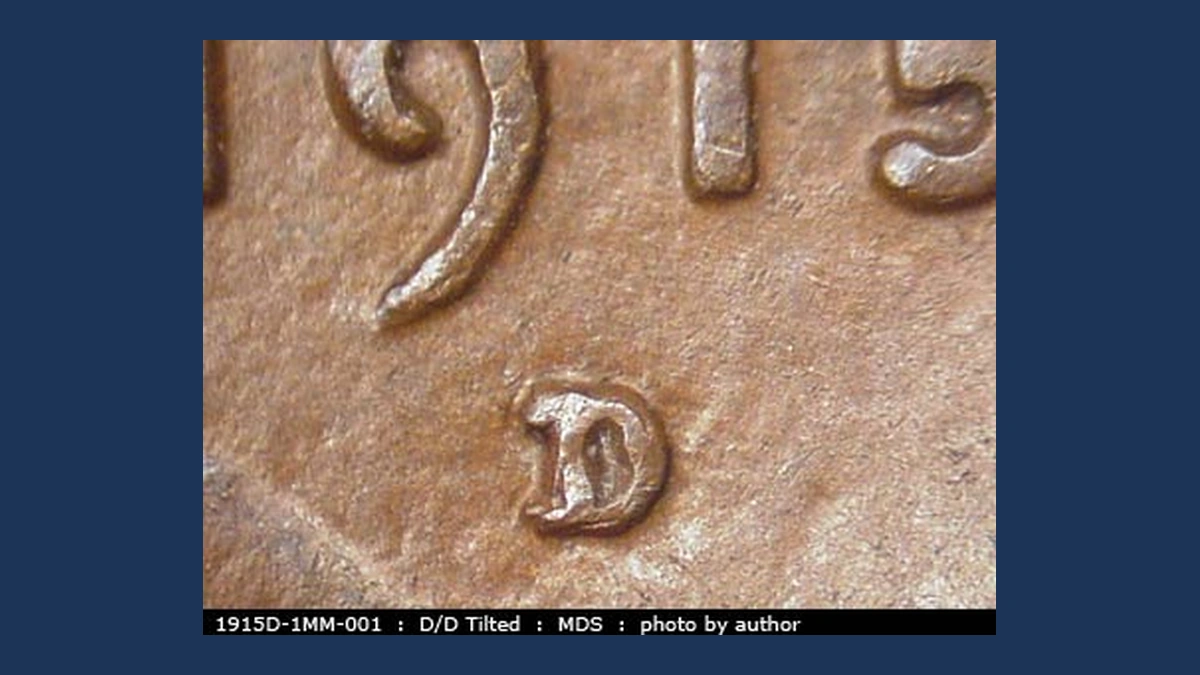
D or S may have a small extra stroke beside the main mintmark. In 1915, these letters were punched by hand into the stamping tool.
A punch placed again at a slightly different position could leave parts of its earlier impression. Those remnants would then appear on coins made with that tool.
The Denver example cataloged by Coppercoins shows traces of a lower D near the letter’s tips. San Francisco repunching is also reported, with an extra S impression.
The two mints require separate comparisons. An unusual normal mintmark position is not the same thing as a second punch.
Estimated Value
The estimated whole-coin range is $15–$350 for correctly identified 1915 repunched mintmarks. Clear earlier-punch remnants and better preservation support stronger interest.
This estimate compares early Wheat cent D and S varieties rather than citing a recorded price for these particular examples. The underlying mint issue contributes to the value too.
A tiny uncertain-looking lump should not be priced like an obvious second letter. Cleaning, corrosion, and wear can reduce value or hide the feature altogether.
How to Identify
An unusually low mintmark is not automatically a repunch. Use a 10× magnifier to look for part of an earlier letter in addition to the main D or S.
The Denver example has lower-letter remnants near the D’s tips. Compare those two places together instead of accepting one unexplained bump.
For San Francisco, choose an S comparison and follow the appropriate curved strokes. The Denver pattern does not establish where an S remnant must appear.
Check the plain edge and nearby copper for alteration, then measure against 19.05 mm with calipers and weigh against 3.11 g on a scale. Place the matching mintmark photograph beside your close-up and align the main letters to check where the earlier strokes fall.
7. 1915 Lincoln Wheat Penny Off-Center Strike (Estimated Up to $2,000)
A large area of bare metal sits beside the design when the penny misses its intended position in the press. Part of the design is struck beyond the edge of the disc.
The Philadelphia 1915 example is 40% off center and graded NGC AU58, meaning slight circulation wear. It also has lamination on the back.
The displaced strike gives the coin its dramatic outline. The peeling layer has a separate cause within the copper.
A single face with an uneven rim is different. Genuine off-center striking must be judged from the relationship between both designs and the unused metal.
Estimated Value
The NGC AU58 example sold for $1,620 at Heritage on March 20, 2023. Its large displacement and readable year provide a useful same-date comparison.
An estimated $100–$2,000 covers genuine 1915 off-center pennies from modest circulated examples through stronger, well-preserved errors. The sale includes the same coin’s back lamination.
A readable date is valuable to buyers. More missing design can reduce that benefit if it removes the digits needed to identify the year.
How to Identify
A large blank crescent can be obvious, but the first useful question is whether the coin is really dated 1915. Read the struck digits before comparing its outline with an auction photograph.
Weigh against 3.11 g and measure the distorted outline against 19.05 mm with a scale and calipers. A cut-down coin and a full disc with unused metal need different explanations.
Inspect the plain edge beside the crescent through a 10× magnifier. Later trimming can leave a sharply cut border.
The back lamination on the known coin is a separate feature. Turn the penny over while keeping track of the blank crescent, then check how the back design also meets that same unused part of the disc.
8. 1915 Lincoln Wheat Penny Copper-Nickel Off-Metal Strike (Estimated Up to $10,000)
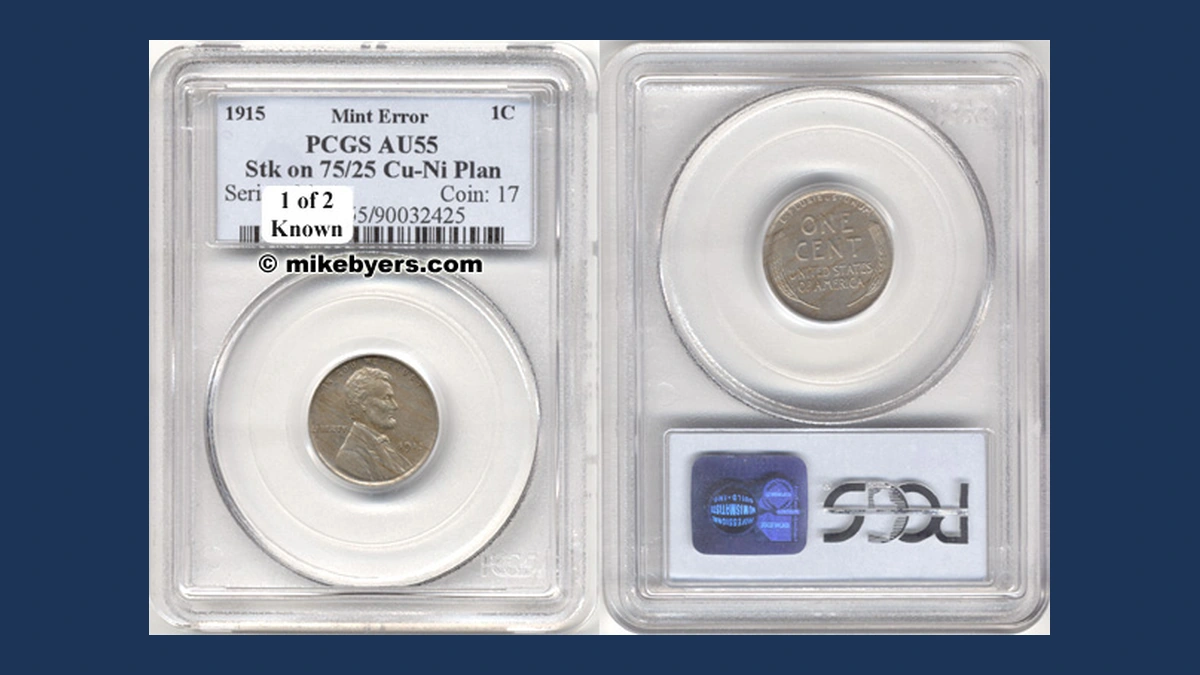
This penny has Lincoln’s design on a pale copper-nickel disc instead of the usual bronze. The alloy is reported as 75% copper and 25% nickel.
Mike Byers lists a PCGS AU55 example with full cent-size proportions. Full size here does not mean a complete five-cent nickel blank.
The metal difference is documented, but its purpose has been debated. An experimental piece and an accidental use of different metal stock are separate explanations.
Neither explanation turns a silver-colored coating into a genuine off-metal coin. An ordinary 1915 penny can be plated, so appearance alone cannot establish its metal or origin.
Estimated Value
An estimated $2,500–$10,000 is a working range for an authenticated 1915 copper-nickel example. The Byers page says sold but publishes no usable transaction amount.
For a recent off-metal comparison, a 1959 cent on a Venezuela five-centimos disc brought $3,904 in June 2026. That later foreign-disc error is different from the cent-size 1915 piece.
The estimate allows for the unusual early date and limited supply. It is not a claimed sale price or proof of experimental status.
How to Identify
Record actual measurements before relying on a silver-colored appearance. Use calipers against the 19.05 mm cent diameter, and a scale against the normal 3.11 g.
One discussed copper-nickel example weighs about 50 grains, roughly 3.24 g. Do not assign that reading to another specimen, or mistake cent-size copper-nickel for a five-cent nickel blank.
Examine the plain edge and full rim through a 10× magnifier. Exposed copper beneath a damaged coating would point toward plating.
Ask a specialist for non-destructive metal testing. The grade and test report must belong to the coin in front of you.
Check that the laboratory result supports a copper-nickel alloy in the disc itself, rather than nickel detected only in a surface coating.
Conclusion
The estimated $3–$10,000 range brings together small tool faults, displaced strikes, and the rare copper-nickel pieces. Most unusual-looking 1915 pennies will not belong near the upper end.
Keep mint letters and error mechanisms separate when comparing examples. A doubled L, a peeling layer, and a pale metal disc require different checks, while one coin with two errors still has one overall value.