1892 Penny Error List with Pictures

Two mistakes can share one penny. An 1892 cent struck off-center with a separate dent on its back brought $253 at a February 2010 Heritage auction.
Other 1892 Indian Head penny errors need a magnifier: extra date strokes, doubled leaf veins, or fine raised lines. Estimated whole-coin values in this guide run from $5 to $3,000.
Read on to see which clues separate these mint-made features from ordinary damage.
1. 1892 Indian Head Penny Clashed Dies
An unfamiliar outline on one face may belong to the design on the other face. It can be a clash mark rather than a scratch.
The two steel stamping tools sometimes hit each other with no metal disc between them. This contact damages their surfaces, and later pennies can pick up faint traces of the opposite design.
The 1892 variety catalog records clashes on both faces. These marks usually sit beside the intended design, not in a deep dent.
A stray raised line alone is not enough. Its shape must fit the opposite design.
Estimated Value
For a clear clash on an ordinary 1892 penny, use an estimated $10–$200. The estimate covers the entire coin, including its condition.
Light traces on a worn example may add little to the value of an ordinary penny. Strong, recognizable outlines are easier to sell to collectors.
No separate 1892 clash sale is used here. Do not price a random tool line as a clash simply because both marks can stand above the surface.
How to Identify
Place photographs of the front and back side by side before using strong magnification. Decide whether the odd shape resembles a real part of the opposite design, rather than trying to name every line.
A scale reading near 3.11 g, calipers showing about 19.05 mm, and a plain edge fit a normal bronze cent. A clash should not require missing metal or an enlarged coin, so such changes need a separate explanation.
With a 10× magnifier, distinguish the design-shaped mark from simple polishing streaks. Compare its curves with the same area in a pictured 1892 clash, where the opposite design supplies the recognizable shape.
2. 1892 Indian Head Penny Die Cracks and Rim Breaks
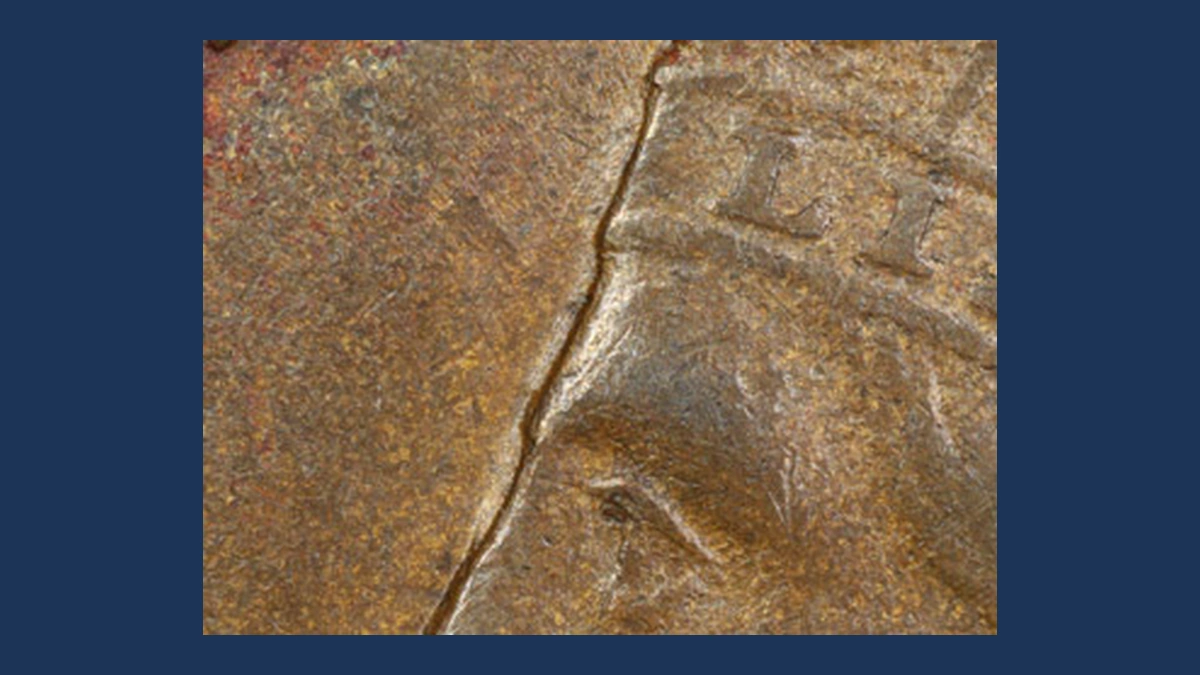
A thin raised line or a broad lump can come from the same basic problem: a damaged stamping tool. That steel tool is called a die.
A crack in it fills with metal as the coin is struck. When part of the tool breaks away at the rim, it can leave a larger raised patch called a cud.
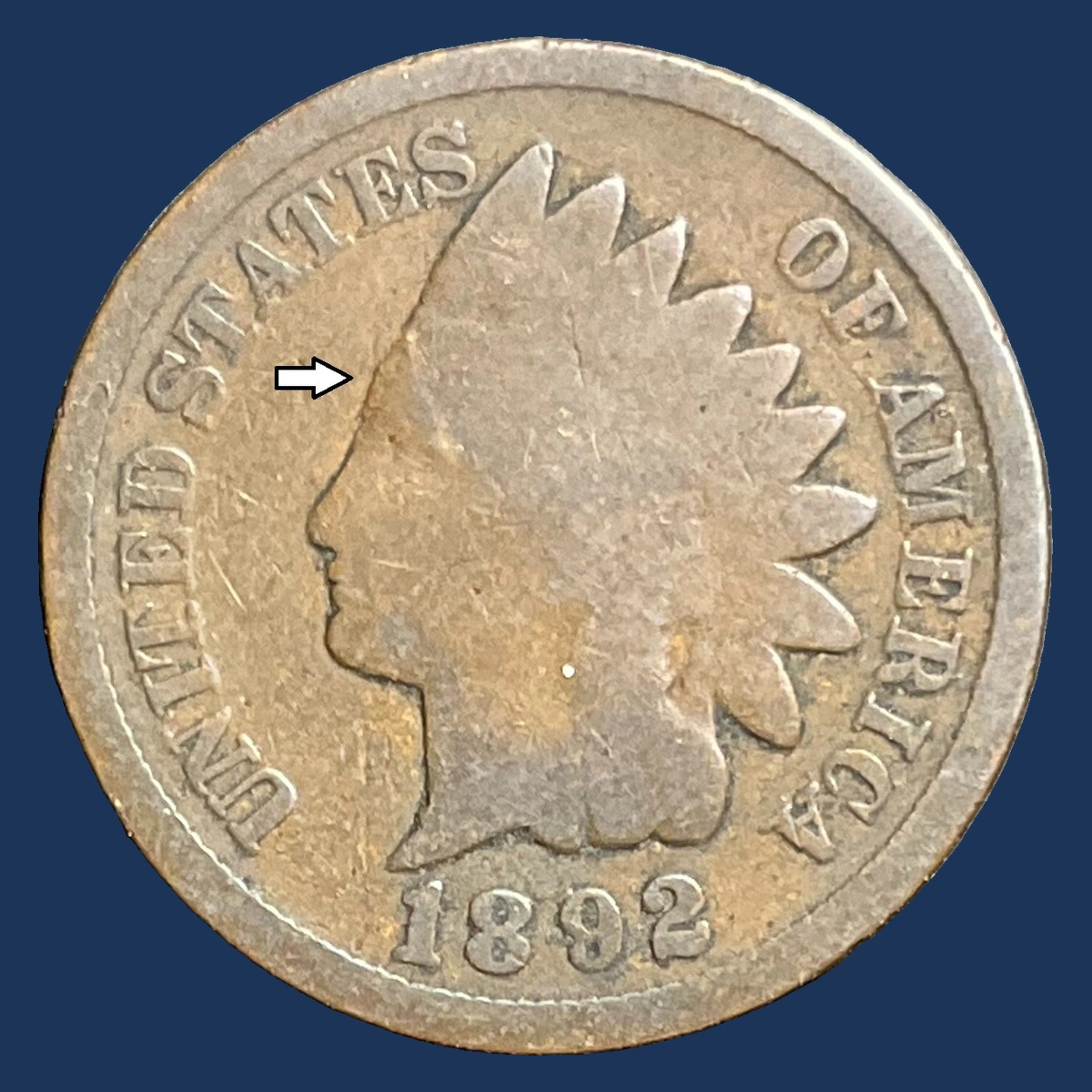
Listed 1892 examples include cracks near the arrows, a forehead break, and rim breaks on either face. Some broken pieces remained in the tool for a time, leaving a partly preserved design.
Estimated Value
Estimated whole-coin values run from $5–$400. A fine crack on a heavily worn penny belongs near the low end, while a bold rim break can add much more.
This is an estimate, rather than a recorded sale for each listed break. The size of the raised patch matters, but buyers also want readable detail and clean surfaces.
A partly attached tool fragment can leave an unusual pattern. It still needs a clear photograph before receiving a large premium.
How to Identify
Hold the edge beside a light and turn the coin slowly. A rim dent usually pushes metal inward, while a mint-made break replaces part of the stamped design with a raised area.
Use a 10× magnifier to follow any thin line toward the forehead, arrows, or rim. A scratch cuts down into the surface; do not mistake its raised sides for one solid crack.
Weigh the penny on a scale and measure it with calipers against the normal 3.11 g and 19.05 mm. Its edge should be plain, with wear allowed for.
For a suspected cud, look directly where the raised patch joins the rim: the original design should disappear within that patch.
3. 1892 Indian Head Penny Repunched Date
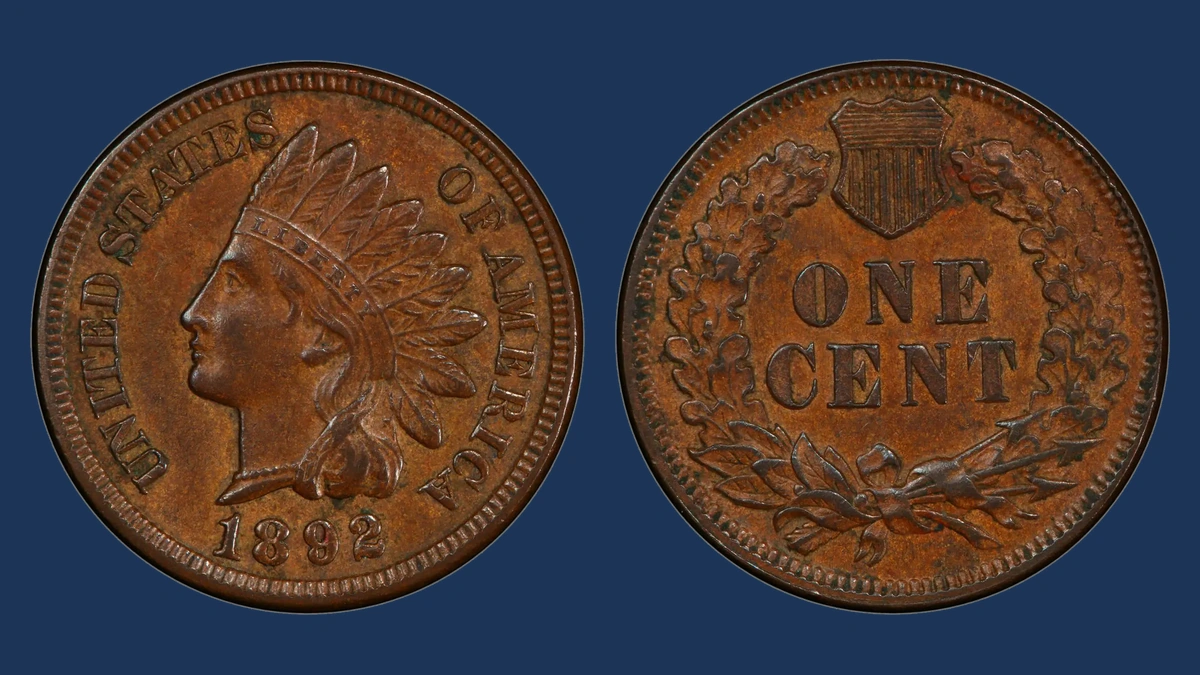
The date can have extra curves or short strokes tucked against its normal numbers. On a repunched date, these belong to an earlier impression of the date punch.
In 1892, workers added the date to the steel stamping tool separately. If the punch moved before another blow, traces of the first position could remain.
Those traces then appeared on coins made with that tool. This did not require striking each penny twice.
Several 1892 forms are listed, including extra strokes near the 1, 8, and 9. They do not all point in the same direction.
Estimated Value
A practical estimate is $15–$500 for ordinary examples with a clearly matched repunched date. Small traces on worn coins occupy the lower part of that range.
As a nearby-year comparison, a 1904 FS-301 cent graded an unworn MS64 Brown sold for $168 in January 2019. That was a different variety, not a sale of this 1892 date.
Better condition and easier-to-see extra digits can raise the price. The estimate assumes the extra strokes are genuine.
How to Identify
Put an ordinary 1892 date photo next to your coin and compare one number at a time. At 10× magnification, a repunched stroke should follow part of a number, rather than form an unrelated lump.
Choose the closest example in the 1892 date catalog, then inspect its other numbers as well. Do not combine the extra 1 from one illustrated variety with the extra 9 from another.
Keep the basic coin checks separate: use a scale for 3.11 g, calipers for 19.05 mm, and examine the plain edge. These figures identify the normal cent, not the variety.
Focus on the clearest extra digit stroke and compare its curve and position with that single catalog example.
4. 1892 Indian Head Penny Misplaced Date
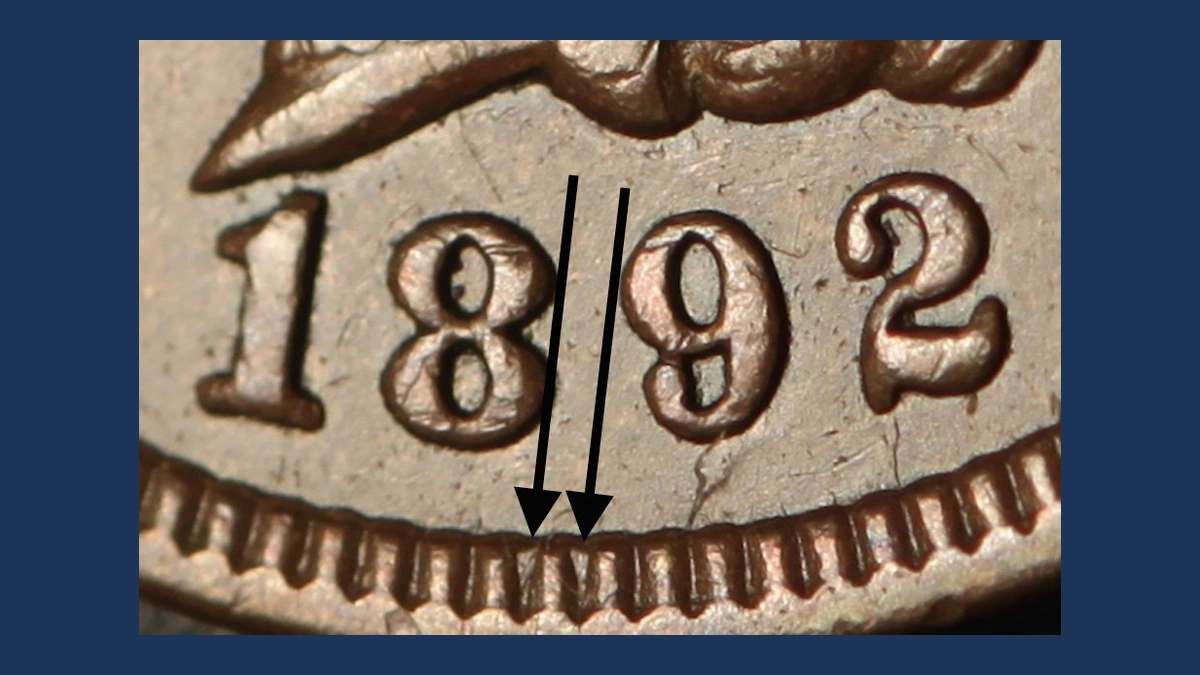
Look below the normal date. Parts of another number can hide among the small tooth-like shapes around the border.
A misplaced date began when the date punch touched the steel stamping tool in the wrong position. After the date was added correctly, remnants of that earlier impression could still appear on the coins.
For 1892, recorded forms include parts of 92 in the border and an extra 2 below and right of the 8. These are separate examples.
A normal date placed close to the rim is not, by itself, this error.
Estimated Value
An identifiable misplaced date has an estimated whole-coin range of $25–$700. Bold number fragments on a well-preserved coin offer more appeal than barely visible traces.
For scale, a 1908 FS-301 example graded an unworn MS65 Red and Brown has a recorded December 2021 eBay price of $1,187. It is a different date and grade, not a confirmed auction result for 1892.
The lower 1892 estimate avoids transferring that price directly. Wear can hide the very feature collectors are buying.
How to Identify
The border matters more than the normal date position here. Examine the space below 1892 with a 10× magnifier, especially below and right of the 8.
Angle the light across the small border teeth. A number fragment should fit part of the relevant digit, while corrosion creates irregular lumps.
Do not scrape away dirt to expose a possible number.
Check the penny with a scale and calipers against 3.11 g and 19.05 mm, then examine its plain edge. These checks support the basic coin identity.
The 1892 variety photographs show the separate forms. Find the extra 92 or 2 in the border and compare its position with the matching photograph.
5. 1892 Indian Head Penny Off-Center Strike with Reverse Indent
This penny has two different problems: its design sits off-center, and its back has a separate pressed-in area. The recorded example was graded VF35 by NGC, meaning it has visible circulation wear.
The off-center strike happened because the metal disc did not sit correctly between the stamping tools. Part of the design missed it.
The indent formed where another overlapping metal disc blocked the back during striking. That overlap left a depression rather than normal design.
Both features belong to one coin. An ordinary dent added later does not create the same combination.
Estimated Value
The February 2010 Heritage results record $253 for the 1892 cent with a 10% off-center strike and reverse indent. That is an actual sale of the combined error.
Allow an estimated $200–$700 for comparable examples today, depending on wear, surface damage, and how clearly both features show. The historical sale is a guide, not a current offer.
A sharper coin can cost more. The estimate does not price the two features as separate purchases.
How to Identify
A scale helps test for missing metal before you judge the dent: the normal bronze cent weighs 3.11 g. Use calipers to compare its widest span with the normal 19.05 mm, allowing for distortion during striking.
Check both faces and the plain edge through a 10× magnifier. The offset design should belong to the original strike, while the back depression should interrupt the design where another metal disc overlapped.
A later blow often crushes existing detail or pushes up a sharp lip around the damage. Turn the coin over and pair its off-center design with the naturally struck boundary of the back indent.
6. 1892 Indian Head Penny Doubled Die
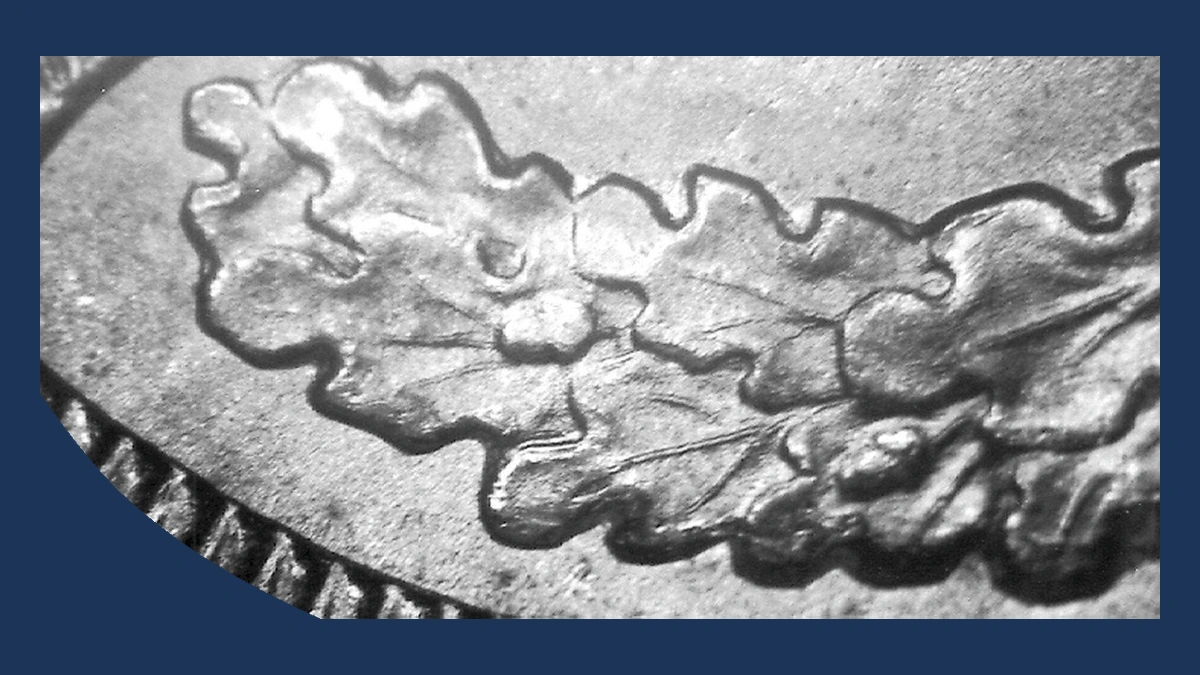
Two outlines can appear in the front lettering or in the veins of the wreath leaves on the back. The extra detail came from a stamping tool that already carried a doubled image.
Collectors call this a doubled die. It differs from a coin that moved between two strikes.
The front report concerns letters within ED STATES OF AMER. On the back, doubled veins appear in both sides of the wreath, with the right side clearer.
These reports describe separate examples. A coin with the front feature need not also show the doubled wreath.
Estimated Value
Use an estimated $30–$1,000 for a clearly identified 1892 doubled die, with condition and strength driving the price. This is not a record of a four-figure 1892 sale.
An 1887 FS-101 front doubled die graded an unworn MS63 Brown brought $1,380 at Heritage in June 2025. Its different date and recognized variety limit the comparison.
Weak outlines or heavy wear belong lower in the range. A flat shelf from striking movement should not receive a doubled-die premium.
How to Identify
First decide which face has the suspected doubling. On the front, study ED STATES OF AMER with a 10× magnifier; on the back, begin with the clearer veins in the right wreath.
Follow each raised outline through a bend or a letter corner. A flat, shaved-looking shelf can come from movement during striking and does not establish a doubled stamping tool.
Before buying, weigh the coin on a scale and check its diameter with calipers against 3.11 g and 19.05 mm. Inspect the plain edge for filing or other damage as well.
For the back variety, compare the left wreath after checking the right. For the front variety, compare several letters within the named inscription against the same photographed example.
7. 1892 Indian Head Penny Double Strike
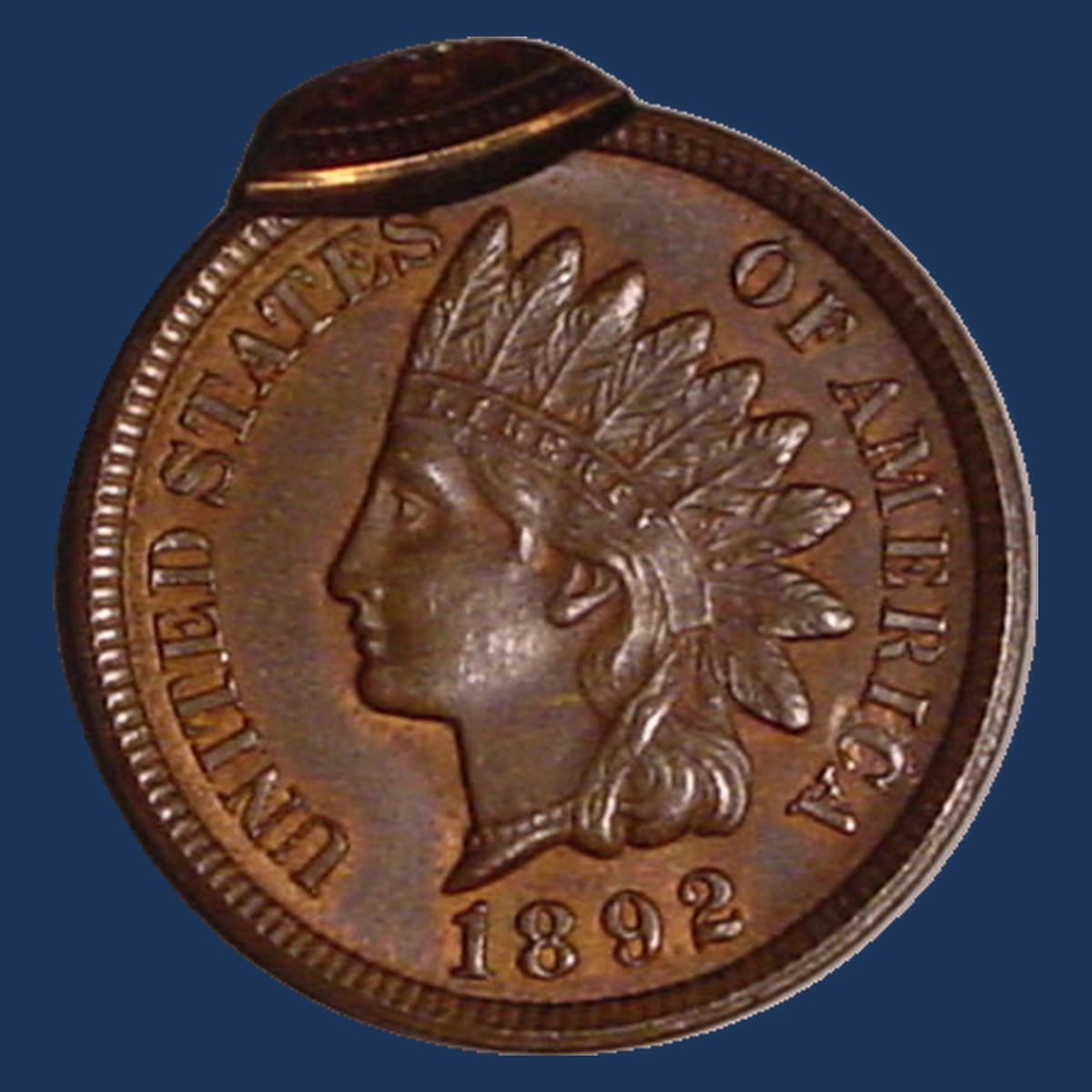
A small second design at the top of this penny sits beyond the main, centered image. The coin moved after its first strike and was hit again before leaving the press.
The listed 1892 example received its second blow about 90% off-center at 12 o’clock. Only a small part of the second design reached the coin.
NGC graded the collection example MS65 Brown, a high grade for an unworn coin with brown surfaces. The strong condition does not explain the error; it describes how well the coin survived afterward.
Estimated Value
For a genuine 1892 double strike of this kind, allow an estimated $400–$3,000. The upper part suits a particularly clean, clearly struck example, not every coin hit twice.
A different-year comparison is an 1893 cent with its second strike 90% off-center. Graded AU58 for slight wear by NGC, it sold for $431.25 at Heritage in August 2011.
The recorded 1892 MS65 Brown coin is a collection example without an adopted sale price. Its estimate is not an auction result.
How to Identify
Rotate the coin until the extra design at the top becomes easier to read. A second strike must contain recognizable coin detail, not just an irregular flap of copper.
Trace the edge of that second impression with a 10× magnifier. The centered first design should remain visible across most of the penny, because the later blow landed mostly outside it.
Check weight on a scale against the usual 3.11 g. Calipers may show a span beyond the normal 19.05 mm where the second strike spread the metal; inspect that area of the plain edge for added material.
For this recorded form, look for one centered image and a small second impression near 12 o’clock, separated by a natural struck boundary.
Conclusion
An extra number near the date calls for a different check than a large second strike. Study the shape first, then compare the exact feature with a clear example.
Estimated values for these 1892 Indian Head penny errors range from $5 to $3,000. The documented $253 off-center coin also has an indent, so that sale prices both features together.