1836 Dollar Coin Error List with Pictures

Cracks through the back lettering help identify an 1836-dated Gobrecht dollar sold for $99,000 in October 2025. That coin was made later for collectors; the date on its front is not its production year.
This 1836 Gobrecht Dollar error guide examines raised lines, small metal lumps, and differences in the eagle’s angle. Estimated whole-coin values span $8,000–$150,000.
The following checks explain what each feature can show without treating every design version as an accidental error.
1. 1836 Gobrecht Dollar Different Front-to-Back Angles
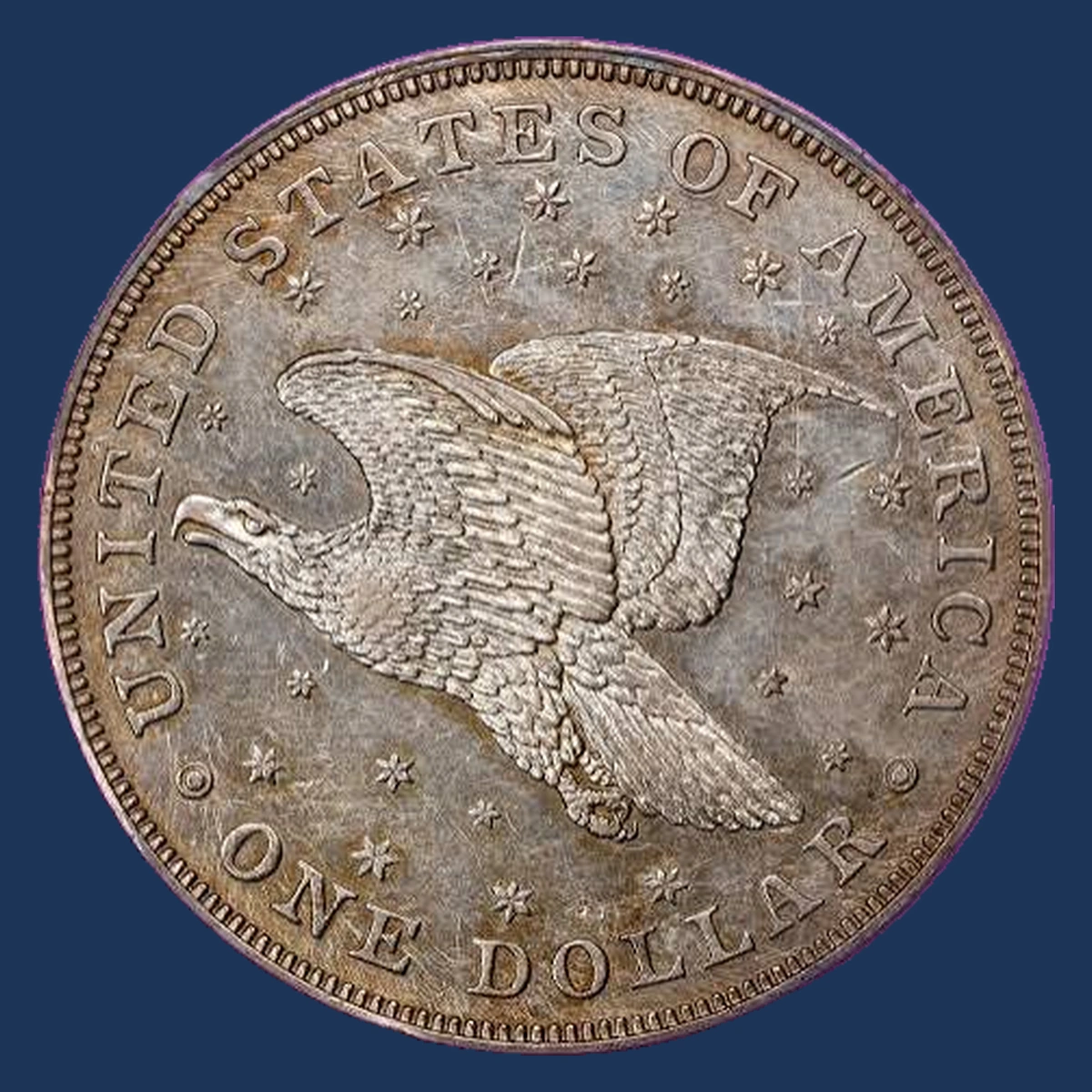
The flying eagle may appear level, rising, or at an intermediate angle when an 1836-dated Gobrecht dollar is turned over. A sideways flip and a top-to-bottom flip can produce different impressions.
Researchers have described intermediate positions among coins associated with the later issue of 1836-dated dollars. One explanation involves accidental movement of a stamping tool; another connects positions with deliberate changes to the press setup.
The angle itself is observable, even where its cause remains disputed. It cannot independently prove an accidental error or establish when the dollar was struck.
Estimated Value
For a genuine 1836-dated Name on Base dollar with a documented alignment, estimate $8,000–$60,000 across worn through well-preserved examples. The name refers to the designer’s signature on Liberty’s rock base.
This is a whole-coin range, with no automatic bonus for an unusual angle. Original issues and later collector strikings can have different markets.
Condition, the exact version, and the full design matter before any extra value is assigned to the turn.
How to Identify
Hold the front upright and photograph it before flipping the dollar. First turn it top to bottom, then make a separate comparison using a sideways turn.
Record which movement you used; otherwise the two back photographs can appear to disagree.
Use the small border dots as fixed reference points when measuring the eagle’s angle with a protractor or image tool. Keep the camera square to the coin rather than tilting it.
An expert must compare the signature position, designs, and tool marks before assigning a production group. A level eagle alone cannot distinguish an original from a later striking.
The useful observation is the measured angle after a clearly recorded flip, not a loose photograph’s tilt.
2. 1836 Gobrecht Dollar Raised Back Cracks and Border Connections
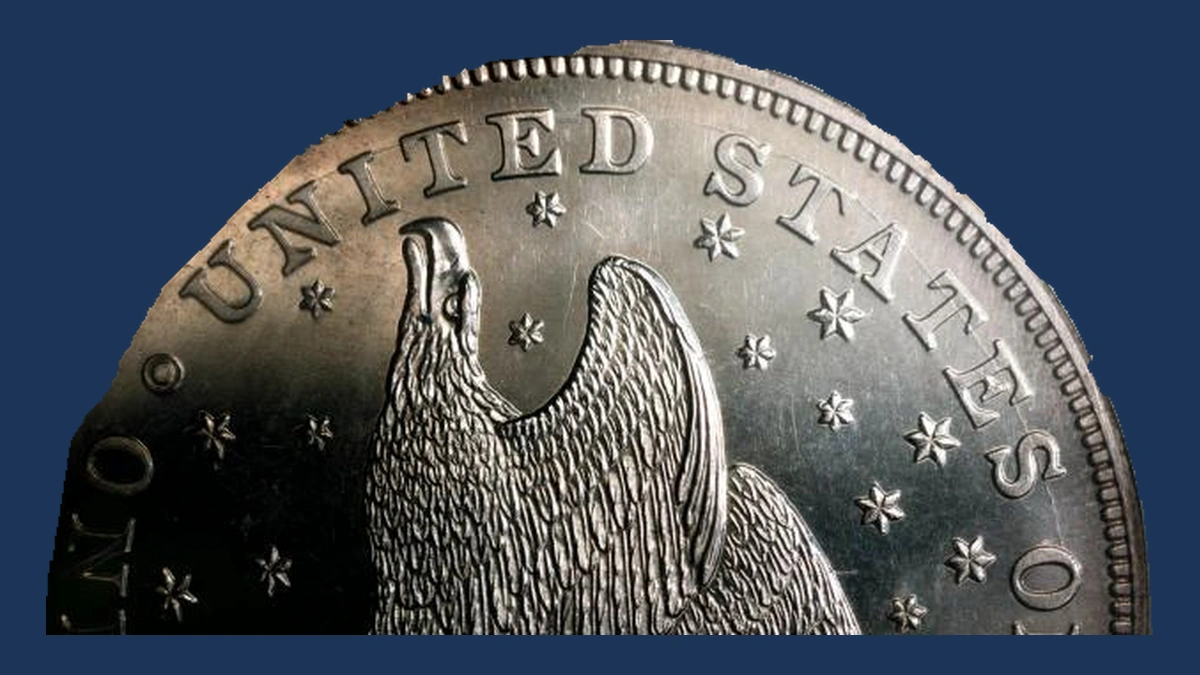
Fine raised lines can cross the back lettering on later 1836-dated dollars with stars around the eagle. Documented paths run through NITED STATES O and, on later examples, OLLAR.
A further line runs upward from the upper wing. These lines came from cracks in the die, the steel tool that stamped the design.
Small broken areas of that tool also left raised bridges between border teeth above AMERICA’s final A and nearby. Another appears below the right-hand border dot.
Later polishing of the tool could weaken these features, so a faint line does not automatically indicate an earlier coin.
Estimated Value
A Name Below Base dollar graded PCGS PR64 with CAC approval brought $99,000 on October 2, 2025. PR64 describes a well-preserved Proof, a specially made collector coin.
Its catalog specifically records cracks through the back letters. Estimate $12,000–$120,000 for comparable cracked-tool silver versions across differing grades and signature placements.
The price belongs to the complete rare dollar. A more visible crack or small border bridge does not deserve a separate added price.
How to Identify
Confirm that stars surround the flying eagle before choosing a comparison photograph. The starless back has different crack patterns and must be checked separately.
Under a magnifier, trace NITED STATES O, then the lower word DOLLAR and the upper-wing area. Look for raised paths that continue through or between letters rather than scratches cutting into them.
Move to the border above the final A of AMERICA and inspect the spaces between neighboring teeth. Compare the small raised connections there with the area beneath the right-hand dot.
Tool polishing can leave thinner letters and weaker lines. Match several linked features and the designer’s signature position instead of dating the dollar from one crack alone.
3. 1836 Gobrecht Dollar Raised Roughness from Damaged Tools
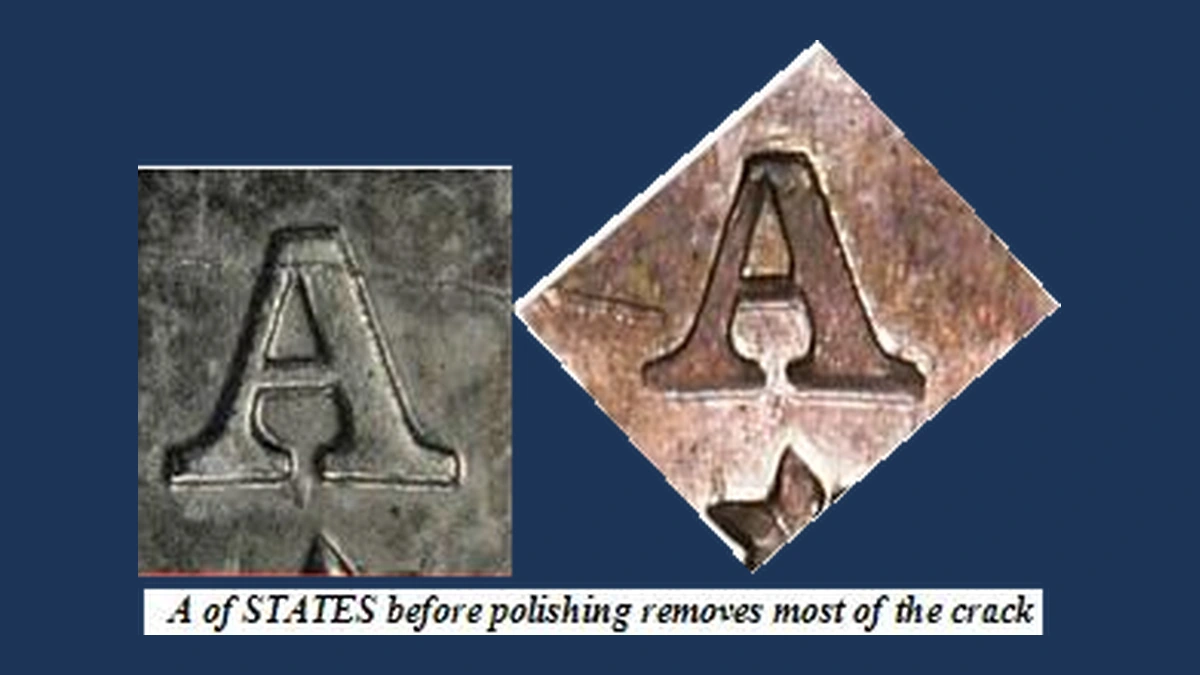
A small lump between the feet of A in STATES is recorded on late uses of the starry back. Researchers associate it with rust or flaking damage to the stamping tool.
When metal fills a small hollow in that tool, the coin can receive a raised spot. This differs from corrosion eating a pit into the finished dollar.
Certain later Name on Base and Name Below Base examples also show roughness in front of Liberty’s face. They require separate comparison photographs.
Polishing the tools could reduce or remove these marks without changing the date on the resulting coin.
Estimated Value
Estimate $15,000–$150,000 for identified silver collector strikings with the described tool roughness, depending on the particular version and preservation. These amounts value complete dollars, not individual raised grains.
The $99,000 Name Below Base auction above offers broad market context. Its listed crack pattern does not establish that it has every rust feature discussed here.
A matched original texture can help identify a version; corrosion on the coin itself can instead lower its price.
How to Identify
Examine the open space between the feet of A in STATES under low-angle light. Use a magnifier to decide whether the spot rises above the surrounding surface or forms a hollow.
Next compare its shape with photographs of the same starry-back version. Dirt can collect in that narrow area and should not be mistaken for a metal lump.
For a coin with front roughness, inspect the space in front of Liberty’s face independently. First match whether the designer’s name is on the base or below it.
Keep the coin’s surface untouched and compare several lighting angles. Raised matching texture in the specified position is more useful than a general impression that the silver looks rough.
Conclusion
An 1836 date does not settle a Gobrecht dollar’s production history. Raised cracks, border bridges, and tool roughness need to be compared within the correct design version.
Estimated whole-coin prices run from $8,000–$150,000. Their wide spread reflects rarity and condition as well as collector interest in these features.
Record the flip used for any angle comparison, and avoid turning one faint mark into a firm production date.