1945 Dime Error List with Pictures

A blank intended for Venezuela became a 1945 Mercury dime instead—and the resulting coin sold for $6,600 in August 2022. Smaller surprises can hide in the date, mintmark, or edge.
This 1945 dime error list covers estimated whole-coin values from $10–$10,000. It separates ordinary wear from misplaced strikes, damaged blanks, and extra details made by the stamping tools.
Follow the close-up checks below, keeping each coin’s mintmark and condition in view.
1. 1945 Mercury Dime Reported Raised Die Dot
A small raised dot can be a repeatable feature copied from a stamping tool. Heritage discusses Die Dot varieties among 1945 Mercury dimes, but that reference does not place every dot in one location.
The ordinary Full Bands coin accompanying that discussion is not automatically a dot example. Full Bands simply describes clear separation between the horizontal bands around the bundle of rods on the reverse.
A candidate dot needs comparison with a documented matching tool. Glue, corrosion, or displaced metal from a hit can also create a small bump on a silver coin.
Estimated Value
For an identified minor raised-dot variety, an estimated $10–$100 reflects comparable small tool features on silver Mercury dimes. This is a whole-coin estimate, not a price borrowed from a rare Full Bands example.
A clear dot on an attractive surface can be easier to collect than a barely visible spot. Its exact identity matters, because a later deposit or damage would not earn the same mint-made variety premium.
How to Identify
A useful dot photograph includes nearby letters or portrait details, not just a tightly cropped bump. Those landmarks let you compare the same position on another coin.
With a 10× magnifier, examine where the spot joins the surface. A natural raised feature should not look like glue or a separate particle sitting on the silver.
Move the lamp to see whether a small hollow accompanies the bump. A hit may push a lip of metal upward beside a dent.
Do not scrape or clean the spot to test it.
The reference photograph must itself show the dot variety, rather than an ordinary coin pictured beside a discussion. Match an undisturbed raised spot and its surrounding fixed details together.
2. 1945 Mercury Dime Raised Die Cracks
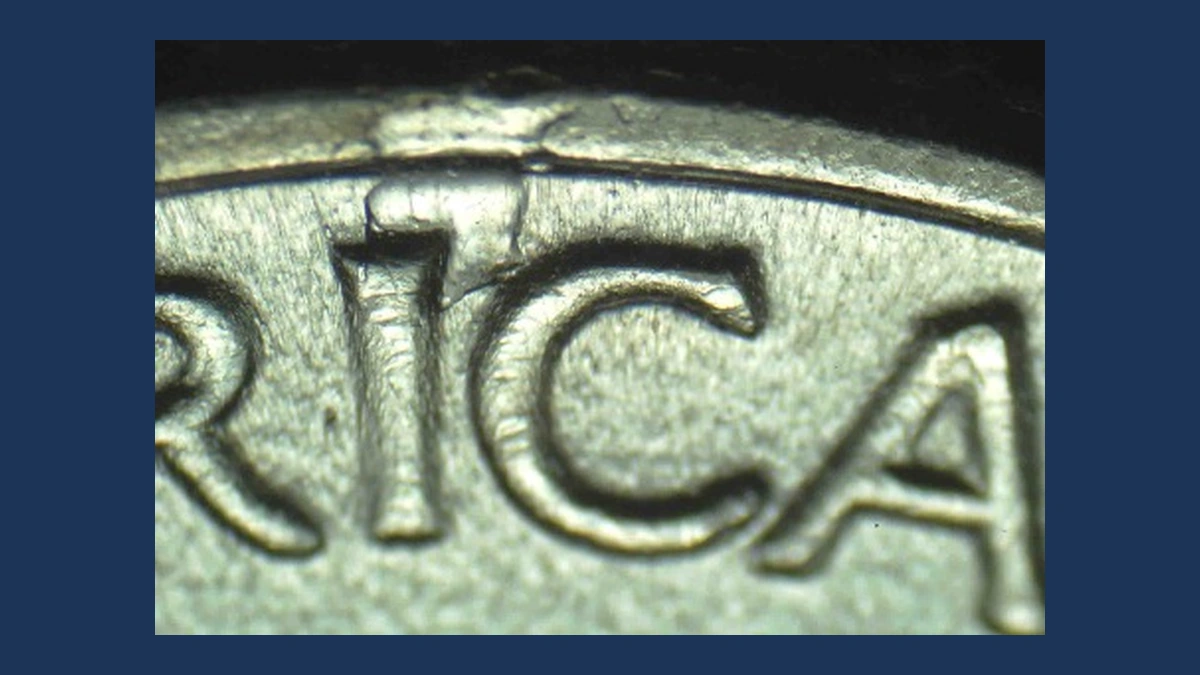
A raised line crossing the tops of I and C in AMERICA identifies one Philadelphia reverse-tool crack. Parts of the line extend from those letters toward the rim.
A separate Denver example has a crack beneath the portrait, running northeast from around 6 o’clock. These paths belong to different coins, not one combined network.
The lines form when silver alloy enters cracks in a die, the steel stamping tool. The Philadelphia feature accompanies a doubled-date variety, while the Denver crack occurs with a repunched mintmark; those companion features do not create separate coins.
Estimated Value
An estimated $10–$125 covers modest raised cracks on comparable Mercury dimes. Strong lines with clear connections to letters or the rim are easier to demonstrate than faint marks hidden by wear.
The crack’s companion doubled date or repunched mintmark can influence the complete coin’s value. Compare that combination as one collectible, rather than adding the full estimated price of each feature as though several separate coins were being sold.
How to Identify
The Philadelphia reverse crack joins the tops of I and C in AMERICA and extends toward the rim. Denver’s separate pattern begins beneath the portrait around 6 o’clock and runs northeast.
Compare the correct path with the coin under side lighting and a 10× magnifier. The metal should rise as a ridge, while a scratch cuts down and may push a lip up beside it.
Examine any associated doubled date or repunched mintmark only after matching the line itself. A ridge following the documented connections between letters, portrait, and rim is stronger evidence than an unrelated mark somewhere in the same general area.
3. 1945 Mercury Dime Clashed Design Traces
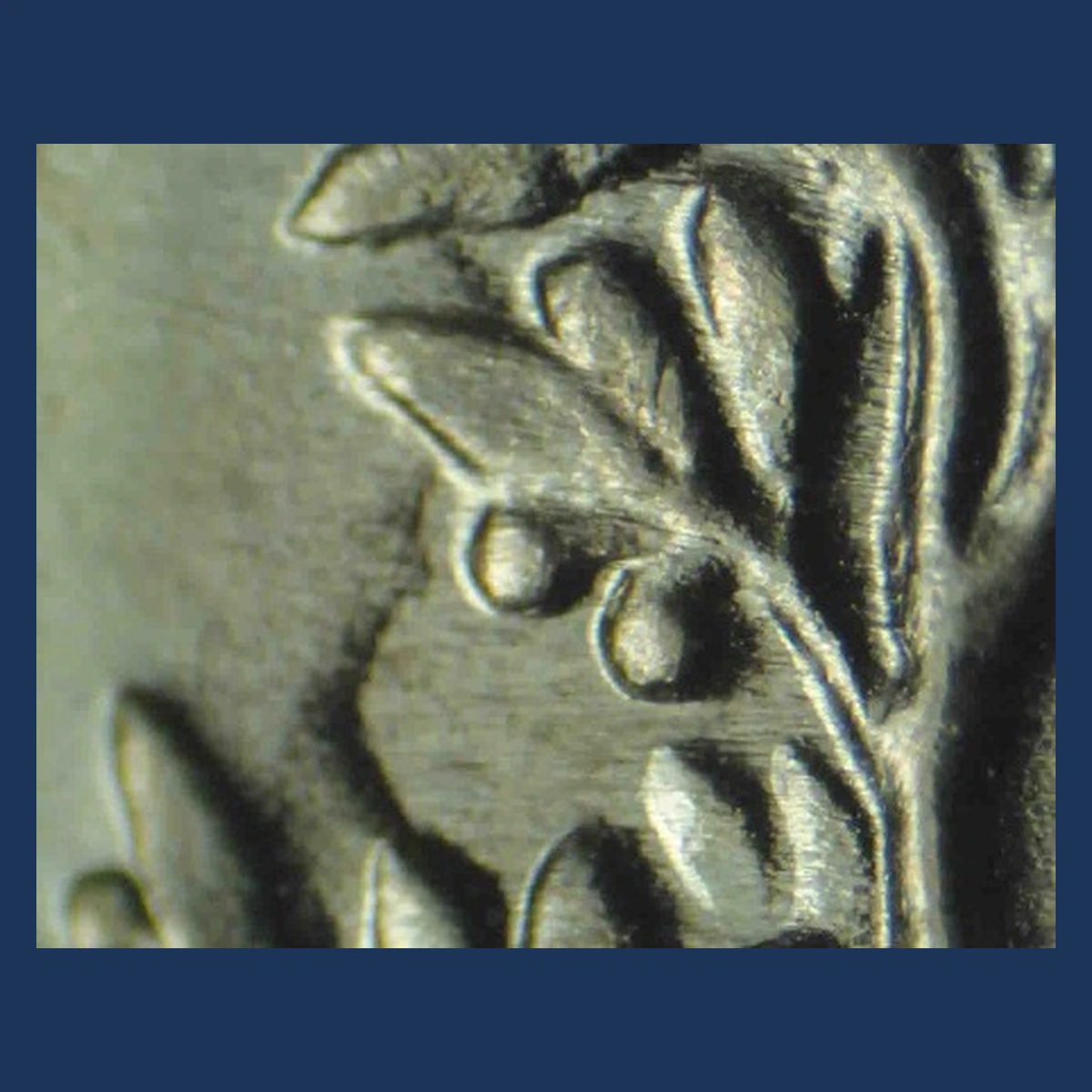
Faint pieces of the opposite design can appear where they do not belong. They form after the stamping tools collide without a blank between them and transfer marks to each other.
Later coins copy those marks. This is a die clash, rather than two coin designs pressed together after the coins leave the Mint.
Philadelphia records describe traces by the portrait and reverse branches on several doubled-die varieties. A Denver repunched-mintmark example has a clash in front of the forehead; polishing lines from later tool maintenance are different marks and should not be mistaken for the transferred design.
Estimated Value
Allow an estimated $20–$175 for recognizable minor clashes on ordinary silver Mercury dimes. The comparison favors transferred outlines that can be matched to the opposite face without relying on an imaginative resemblance.
Original surfaces help those faint shapes remain visible. When a clash accompanies a doubled die or repunched mintmark, assess the whole combination once, and remember that polishing or heavy wear can reduce both visibility and collector interest.
How to Identify
Place clear photographs of both faces next to each other and identify the shape suggested by the unusual line. The reverse has bundled rods, an axe, and branches, not a torch.
For a Philadelphia example, compare the reported areas beside the portrait and among the branches. The Denver example instead calls for a close look in front of the forehead.
Use a 10× magnifier with low-angle light to separate curved design fragments from straight polishing scratches. Compare orientation as well as shape, because a chance line can vaguely resemble almost anything.
Look for a fragment that follows a recognizable part of the opposite design in its expected position. Bright lines alone do not establish a clash.
4. 1945 Mercury Dime Reverse Lamination
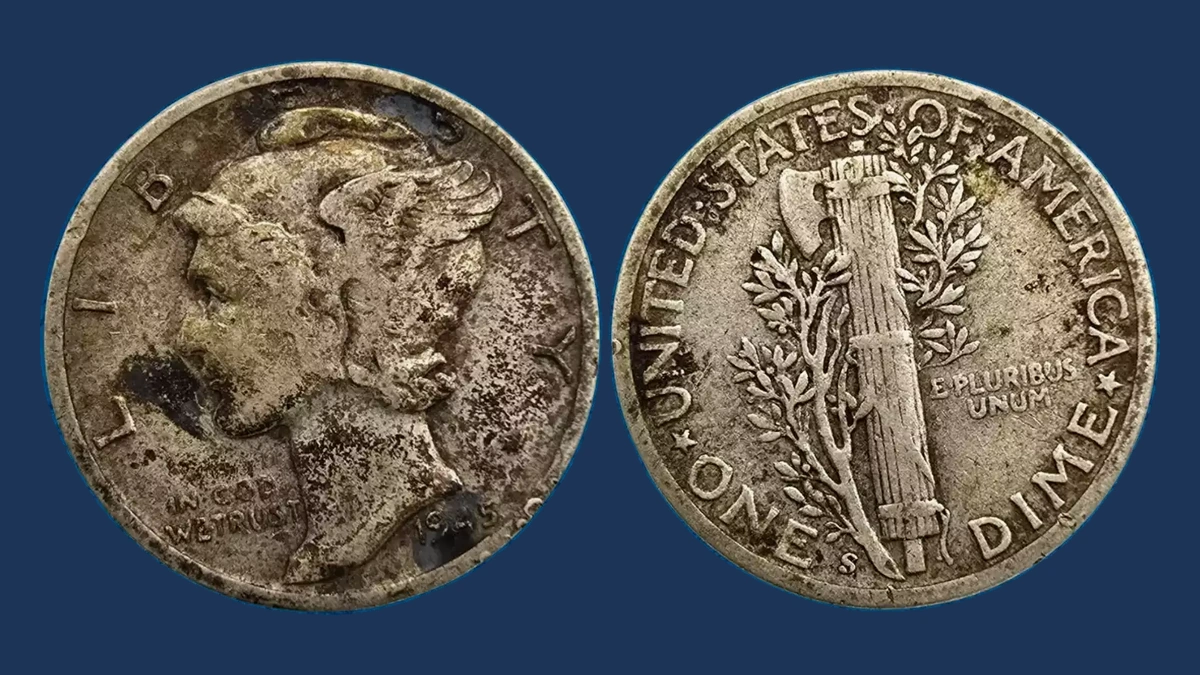
A rough, shallow area beside the reverse bundle of rods is reported as a lamination flaw. A weak layer in the silver alloy separates, leaving a flap or a patch where metal has fallen away.
The reported 1945 example places that area toward the middle-right of the bundle. Its mint has not been established from the description.
These dimes contain 90% silver and 10% copper throughout the alloy. The peeling therefore belongs to the blank’s internal metal structure, rather than the loss of a separate copper-nickel coating used on much later dimes.
Estimated Value
Comparable modest silver-dime laminations suggest an estimated $20–$200. A different-year 1961 Roosevelt dime with front lamination and slight wear sold for $32 in January 2016, offering a small-flaw comparison.
The 1945 reverse example needs its own assessment of the affected area and remaining design. A natural layer boundary can make the flaw interesting, while corrosion, scraping, or a heavily damaged surface can lower the coin’s appeal.
How to Identify
Find the rough area to the right of the reverse’s central bundle, then inspect its boundary through a 10× magnifier. Look for a thin layer separating within the metal rather than fresh scratches cutting across it.
If a flap remains, leave it attached. Low-angle photographs can show its relationship to the nearby design without lifting it.
A loose coin can be weighed against the normal 2.50 g. A missing flake may reduce that weight, but the amount lost cannot be reconstructed from a photograph alone.
Compare where the separated layer rejoins the sound surface. Original detail continuing onto a surviving flap is a stronger clue than an unexplained rough patch.
5. 1945 Mercury Dime Blocked Date or Struck-Through Impression
The 4 in the date can appear weak or partly missing when material blocks that small part of the tool. Grease-filled detail is one possible explanation, but a worn or scraped digit needs different treatment.
A separate 1945-S PCGS MS66 example is cataloged with a front struck-through impression. Its title does not identify the object involved or its exact position.
Both effects involve something interrupting the strike. They are not necessarily the same material or the same coin, and a missing digit alone does not demonstrate that grease was present.
Estimated Value
For a genuine localized filled-date effect, estimate $15–$75. A clear struck-through impression on a well-preserved silver dime fits a broader estimated $35–$250 range.
The size, shape, and visibility of the interruption help distinguish more appealing examples. The recorded San Francisco MS66 coin has no circulation wear and few marks.
Its grade does not identify the obstructing material. Nor does it make the separate missing-4 report the same specimen.
How to Identify
Compare the weak 4 with the other digits before studying it alone. General wear usually affects several high details, while a local obstruction can interrupt a smaller area.
Under a 10× magnifier, examine the background where the missing stroke should be. Scraping or polishing may leave directional lines and disturb the surrounding surface.
For the separate San Francisco example, follow the outline of the depression into undisturbed design. Look for pushed-up lips or crushing that would fit later impact damage.
Photograph both faces without cleaning either one. A localized interruption surrounded by original struck detail supports a Mint-made effect more strongly than a missing digit with a scratched background.
6. 1945 Mercury Dime Cracked Blank
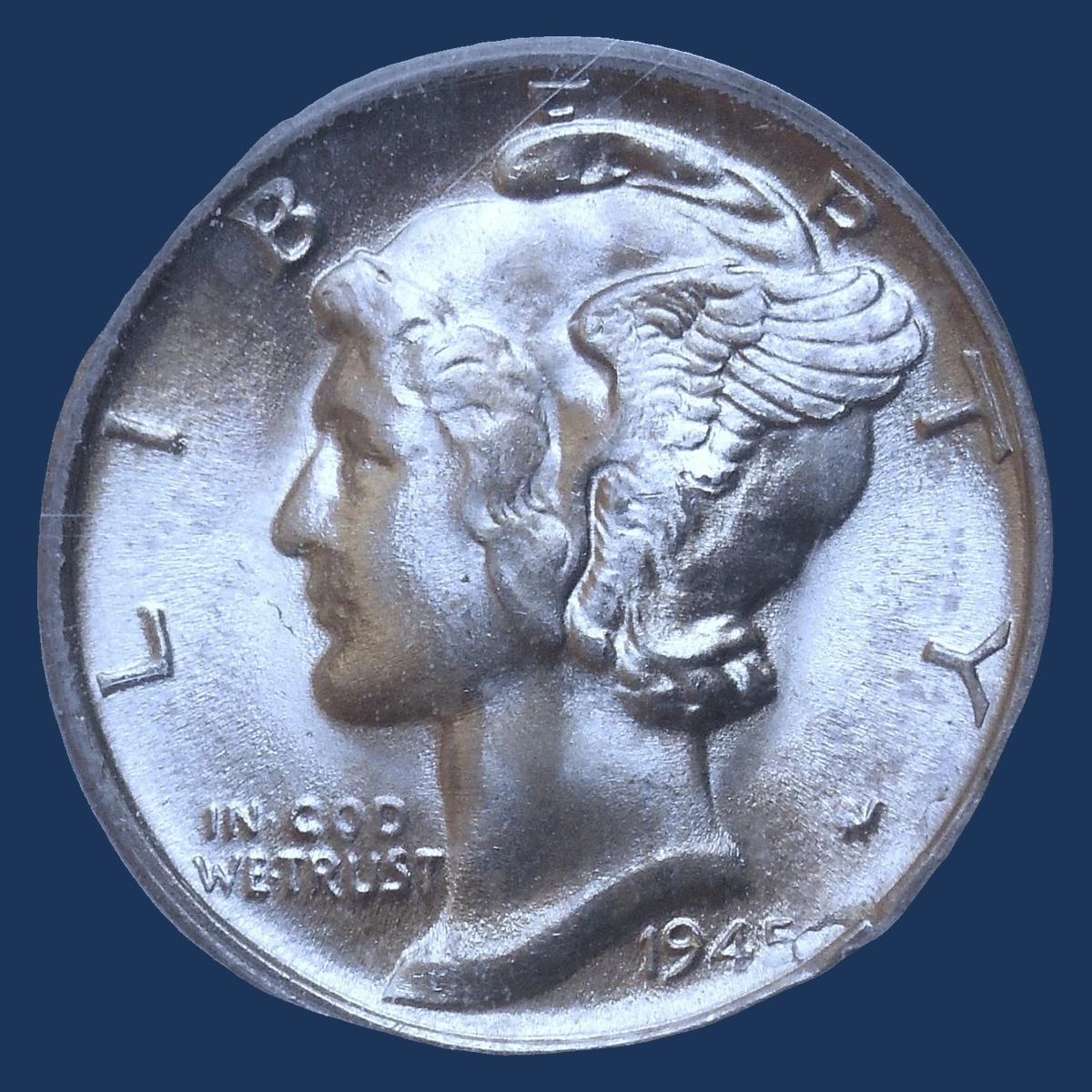
An opening through the coin’s own metal is different from a raised line copied from a cracked stamping tool. A weak area in a blank can split as the strike forces metal outward.
A 1945-D PCGS AU50 example is recorded as having a planchet crack. Planchet is simply the prepared metal blank used to make the coin.
The record does not establish the crack’s exact clock position. Both faces and the edge matter when examining a candidate, because a later bend, cut, or impact can also break a thin silver coin.
Estimated Value
Greysheet records $77 in September 2024 for the 1945-D AU50 cracked-blank coin. AU50 indicates light circulation wear, and comparable identified examples fit an estimated $40–$275.
A visible opening with a natural relationship to the struck design can explain the error clearly. Fresh cutting marks or damage from bending reduce confidence and value, while an intact, stable coin is usually easier to preserve than one close to breaking apart.
How to Identify
Keep the coin supported and do not flex it. Photograph the opening from both faces and from the edge before handling it further.
With a 10× magnifier, follow how the crack enters the metal. A raised ridge on an otherwise solid face points to a tool crack, not a split in the coin.
Look for filing grooves, fresh cutting, or stretched design that could reveal later damage. The direction should come from the actual coin rather than an assumed position for every 1945-D example.
Use the design immediately beside the opening to judge how striking affected it. A natural fracture shaped by the strike is more persuasive than a clean saw-like slot.
7. 1945 Mercury Dime Tapered Blank
One portion of a tapered blank is thinner than another. The thinner metal may not fill the stamping tools as well, leaving nearby design weaker than the opposite side.
A 1945-D ANACS MS64 example is recorded with this error. Its exact thin-side direction and measured thickness are not given in the description.
The difference should form a meaningful thickness gradient, rather than just a low spot caused by wear. Grinding a finished coin or squeezing one edge can also make uneven thickness, so the design and surface texture must agree with the blank’s shape.
Estimated Value
The auction record summarized by Greysheet lists $45 in September 2006 for the ANACS MS64 tapered-blank dime. An estimated $40–$300 allows for more or less visible taper and differing preservation.
A clear gradual change that explains weak design can interest collectors more than a barely measurable variation. Original surfaces matter, since an artificially thinned edge can look dramatic while removing the feature from the category of genuine blank-making errors.
How to Identify
Measure thickness at several safe, corresponding points around a loose coin with suitable calipers. Avoid pressing hard on the edge or comparing a raised letter with a smooth area.
Record the readings around the circumference to see whether they change gradually. Then compare those locations with the strength of the design.
A scale can check the normal 2.50 g weight, but weight alone will not show where the blank is thin. A 10× magnifier helps reveal grinding lines or squeezed metal at the suspect edge.
The useful combination is a smooth thickness change, matching weakness in the strike, and original surfaces. One worn patch or a flattened rim does not show that relationship.
8. 1945 Mercury Dime Partial or Tilted Collar Strike
The edge can develop a step when only part of the blank sits inside the collar during striking. The collar is the ring that controls sideways spread and forms the regular edge grooves.
A Philadelphia NGC MS65 example is recorded with partial collar contact. A separate ANACS MS60 dime has a tilted partial collar, so the boundary can change height around its edge.
These are related edge effects with different appearances. Their grades describe coins without circulation wear, with the MS60 showing more marks; neither grade tells you how large the edge step should be.
Estimated Value
The recorded tilted-collar example brought $312 in December 2020. An estimated $60–$400 suits identified partial-collar Mercury dimes across different levels of visibility and preservation.
The step itself needs to be shown clearly, especially when a holder hides part of the edge. A more obvious boundary can aid display and explanation, but later rim crushing or a decorative mounting should not be priced as a collar error.
How to Identify
An edge view is essential here. If the coin is sealed in a holder, use existing edge photographs instead of trying to remove it.
Follow the boundary between different levels of metal and note where the grooves stop or change. With a tilted collar, that boundary may rise and fall as you move around the coin.
Use a 10× magnifier where the step meets the struck surfaces. Crushing from later pressure can leave flattened detail on one or both faces.
On a loose coin, calipers can document changes from the ordinary 17.91 mm outline. Follow the changing edge structure itself, rather than a circular line visible only around the portrait.
9. 1945 Mercury Dime Curved or Straight Clipped Blank
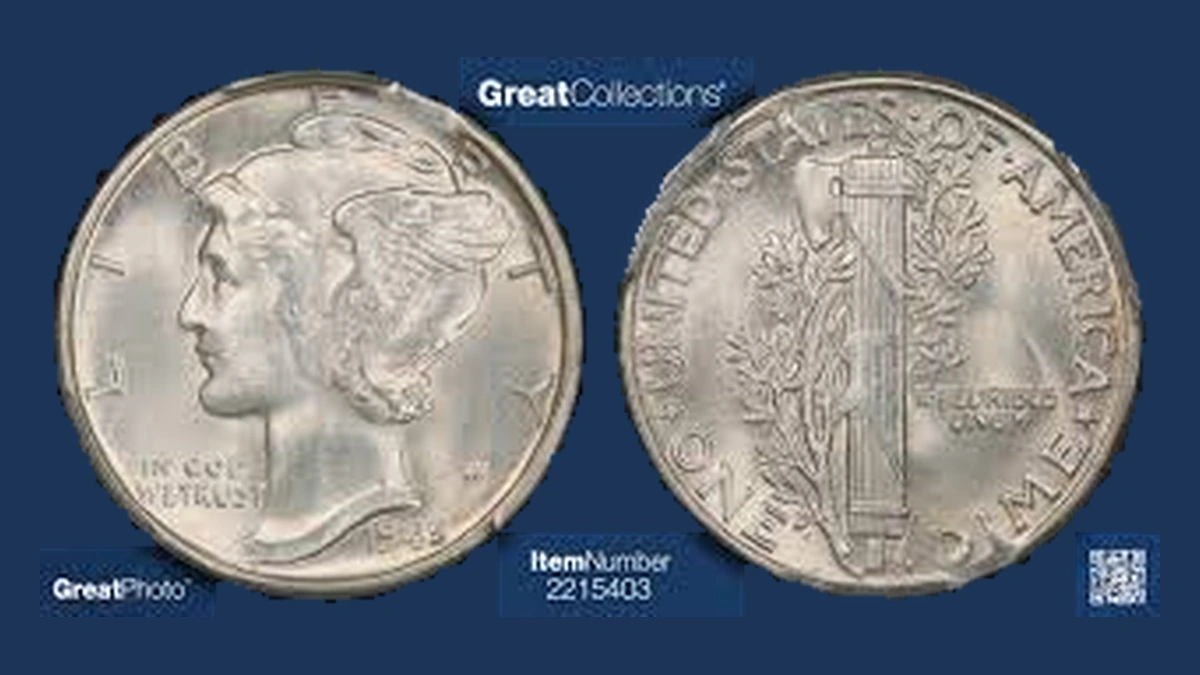
A clipped blank lacks part of its intended metal before the design is struck. One Philadelphia example has a curved gap at 1 o’clock, while another has a straight clip and a recorded weight of 2.2 g.
Denver records include a 5% curved clip spanning roughly 6 to 8 o’clock. A separate NGC MS66 Denver dime has a curved gap at 3 o’clock.
The curved and straight shapes should be examined as missing-blank errors, without moving one coin’s position or weight onto another. Later cutting can imitate either outline, especially when only a cropped photograph is available.
Estimated Value
A dealer asked $165 for the separate 1945-D NGC MS66 curved clip at 3 o’clock. That is an asking price, while an estimated $30–$400 covers identified Mercury dime clips of different sizes and conditions.
An original boundary, clear date, and attractive remaining surface help a clip display well. The straight-clipped coin’s 2.2 g weight supports its own description, but does not supply a measured weight for any of the curved examples.
How to Identify
Take a full photograph before enlarging the gap, so the date, mintmark, and missing section stay connected. The Philadelphia 1 o’clock clip and the two Denver positions belong to different examples.
At each end of the gap, examine metal flow and the way the rim joins the missing section through a 10× magnifier. Look for cut grooves or crushed details that would indicate later removal.
Weigh a loose coin on a scale against the normal 2.50 g, remembering that the documented straight clip itself weighs 2.2 g. Compare any weak rim opposite the gap as supporting evidence, with natural struck endpoints providing the clearest visible check.
10. 1945 Mercury Dime Inverted S Mintmark
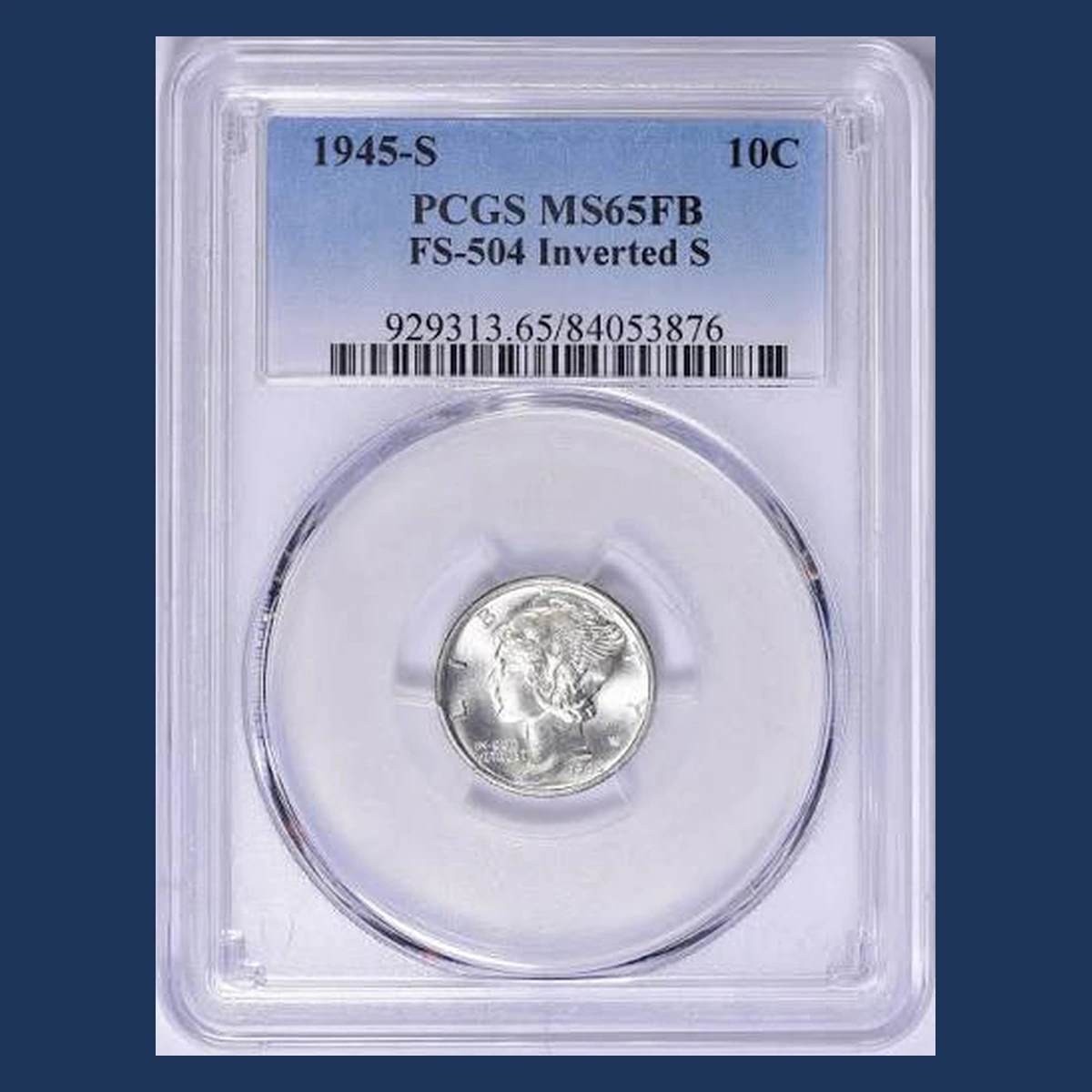
The rounded ends of some S mintmarks appear in the reverse of their expected positions. This comes from a mintmark punch applied upside down to the stamping tool.
The inverted-S category includes more than one working tool, and some examples also show repunching. An inverted letter alone therefore does not identify every feature of one specific variety.
The comparison must use the correct S punch style. The familiar Micro S is a smaller normal mintmark design; its size alone is not an inverted punch, and neither appearance means that the whole coin was struck upside down.
Estimated Value
An identified inverted-S example fits an estimated $20–$400, with the range allowing for wear, clarity, and the exact variety. This compares minor collectible Mercury mintmark varieties rather than ordinary small-S coins.
Sharp rounded ends make the orientation easier to show. If the coin also has a repunched S, judge its complete letter pattern and condition together.
Do not multiply its price by the number of descriptions attached to the mintmark. Those features still belong to one coin.
How to Identify
Find S at the lower left of the reverse bundle, above the area between ONE and the rim. Enlarge it with a 10× magnifier or a sharp close-up photograph.
Compare the two rounded ends with a known upright example of the same punch style. Rotating that comparison half a turn should help explain the suspected inverted letter.
Look separately for additional strokes around the main S. Those may indicate repunching, but inversion does not require every example to have them.
A small mintmark is not enough. The positions and shapes of the rounded ends must agree with an upside-down punch rather than merely a Micro S or a worn ordinary letter.
11. 1945 Mercury Dime Broadstrike and Broadstrike on an Unprepared Blank
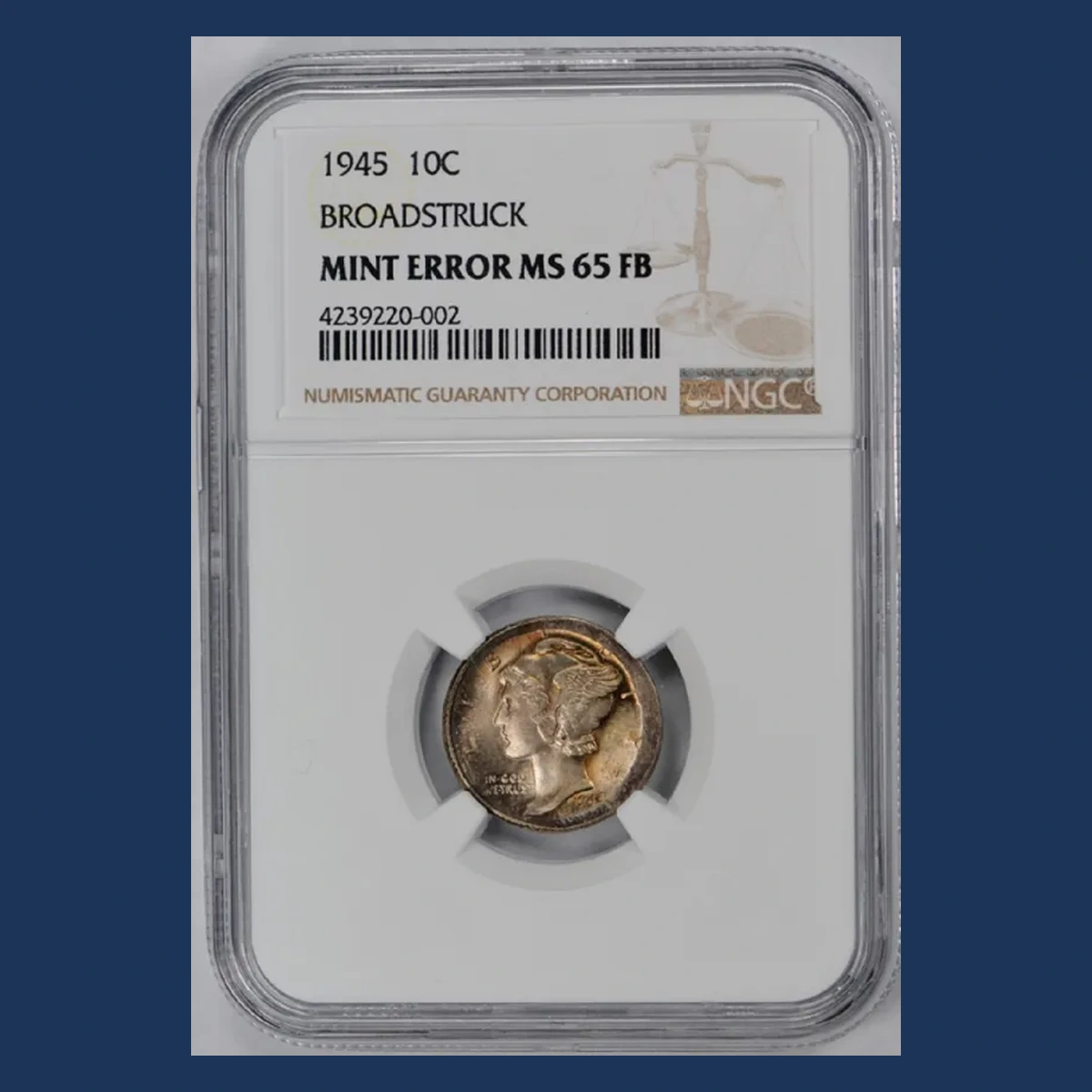
A broadstrike leaves the design within an enlarged outline because the collar did not contain the metal properly. The coin can spread unevenly without losing part of the intended image.
Philadelphia examples include an NGC MS66 coin and an AU58 described as broadstruck on a blank. In the latter description, the blank had not received its usual raised rim before striking.
A Denver ANACS MS64 catalog title also says broadstruck, although its text calls the strike off center toward 3 o’clock. The distinction depends on whether the design was actually cut off, rather than the label alone.
Estimated Value
Greysheet records $300 in June 2023 for the Philadelphia AU58 broadstrike on a blank. Estimate $40–$500 across identified broadstrikes, including worn examples and attractive expanded coins.
Surface problems remain part of the price comparison. A separate Philadelphia example was graded with improper cleaning.
Its broadstrike can be genuine while its appearance is less desirable. A complete, undamaged design usually makes the outward spread easier to appreciate.
How to Identify
Trace the outermost letters on both faces before measuring the coin. If they remain on the metal, an unevenly centered design may still be a broadstrike.
Use calipers on a loose example to record the outline against the ordinary 17.91 mm diameter. Check with a scale against 2.50 g, because sideways spread does not by itself remove metal.
Inspect the edge and expanded border with a 10× magnifier. Later hammering tends to crush details, while original spread should fit the movement of metal during striking.
For the Denver catalog example, resolve the title-versus-description difference from the actual design boundary. Original outward spread around a complete image is the key broadstrike feature.
12. 1945 Mercury Dime Doubled Date or Reverse Design
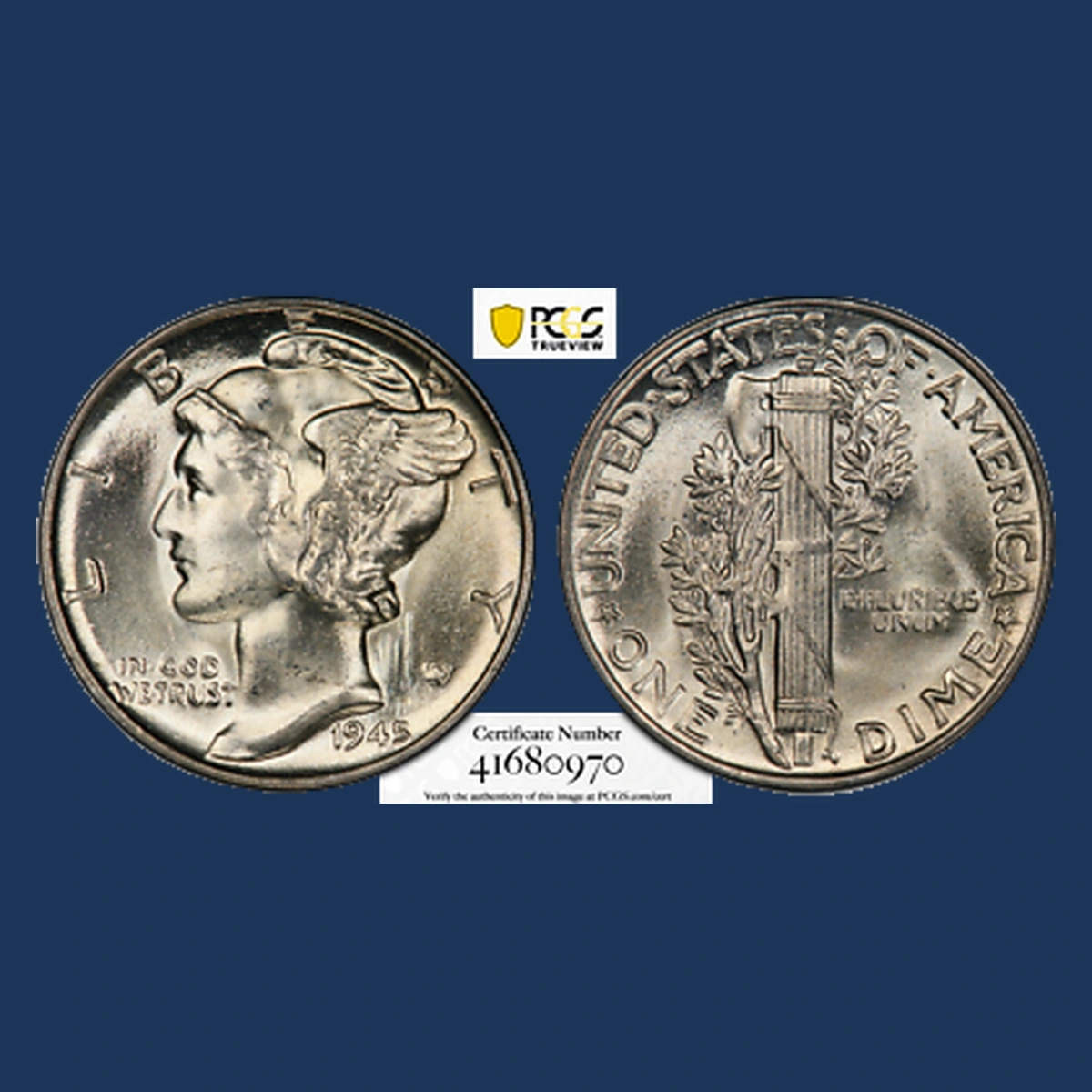
Extra raised outlines can appear in the date, initials, motto, or reverse design. They begin in a stamping tool with doubled details and are then copied onto coins.
Philadelphia patterns include doubled dates and a reverse with strong tripling near the left star. Denver examples can involve the date or feather tips, while San Francisco reverse patterns include lettering and stars.
These features belong to different varieties, not a single coin showing everything. One Philadelphia date variety was formerly called FS-101; its removal from a later guide did not erase the visible pattern described by other catalogs.
Estimated Value
For identified minor doubled designs, estimate $25–$600, depending on the pattern, its strength, and the coin’s preservation. This range compares collectible Mercury doubled dies rather than ordinary coins with soft or worn letters.
Clear extra star points or separated date strokes can be easier to explain than general thickness. A high price for an ordinary 1945 Full Bands coin should not be transferred to a doubled-date candidate simply because both coins share the year.
How to Identify
Use the mintmark to choose the right comparison: Philadelphia has none, while D or S sits near the lower left of the reverse bundle. Find a photograph of the same mint’s suspected pattern before enlarging your coin.
For the Philadelphia tripled reverse, follow the left star and nearby letters under a 10× magnifier. A doubled-date variety instead needs its digits, initials, or motto compared with the relevant catalog photographs.
Numbers in different catalogs do not automatically identify the same pattern. Match several rounded extra outlines or split corners together, rather than accepting flat strike-movement shelves, one thick letter, or a bright date-edge reflection.
13. 1945 Mercury Dime Clamshell Separation
The coin can open into two connected layers when a deep weakness runs through its alloy. The remaining joined portion makes the result resemble a partly open clamshell.
A 1945-S NGC AU53 example is cataloged with clamshell lamination. AU53 indicates a coin with light circulation wear, rather than a completely unworn piece.
This is more extensive than a small surface flake. The separation occurs within the silver-copper alloy, and its joined edge should not be confused with a modern dime losing a copper-nickel outer layer or a coin deliberately pried apart.
Estimated Value
For a genuine connected clamshell separation, estimate $75–$650. This compares silver-dime examples with different amounts of opening, wear, and remaining structural strength.
A visible inner surface and a natural joined edge can explain the error well, but preservation matters as much as drama. Forcing the opening wider may damage the connection and lower value, and the cataloged AU53 coin should not be priced as an untouched, fully unworn example.
How to Identify
Keep the coin supported flat and leave its layers in their present positions. Take photographs along the opening without slipping a probe, paper, or fingernail into the gap.
Under a 10× magnifier and low-angle lighting, follow the internal separation to the point where the metal remains joined. Fresh prying marks or strained outer design may reveal later attempts to open the coin.
Compare both outer faces and the visible inner surface, keeping a graded example sealed in its holder. A continuous natural split that ends at an intact connection explains this error better than a wide opening with damage around its edges.
14. 1945 Mercury Dime Defective or Underweight Blank
Two Denver dimes in the records weigh less than the normal silver-dime standard. One NGC MS63 example is described as struck on a defective blank and weighs 1.8 g.
Another NGC MS65 star-designated coin weighs 2.1 g and is described as underweight. The star recognizes eye appeal, rather than proving a particular kind of blank error.
Those descriptions should remain distinct. Low weight can support a blank problem, but it does not identify foreign metal or another country’s coin.
The remaining outline, thickness, surface, and alloy must also agree with that more specific claim.
Estimated Value
Greysheet records $204 in July 2021 for the 1.8 g defective-blank MS63 example. Estimate $60–$750 for identified defective or underweight silver-dime blanks, depending on the visible flaw and condition.
The separate 2.1 g MS65 star coin should be compared on its own merits. An attractive original surface and a clearly explained shortage of metal can help, whereas unexplained weight loss from corrosion or alteration does not deserve the same premium.
How to Identify
Check the scale’s zero and weigh a loose coin more than once. Compare the reading with 2.50 g, then record whether any missing section or unusually thin area could explain the difference.
The two cataloged Denver examples have actual readings of 1.8 g and 2.1 g. Do not swap those weights or treat either as proof of a foreign blank.
Use calipers to compare intact dimensions with the usual 17.91 mm diameter. Examine the edge and surfaces through a 10× magnifier for grinding, corrosion, or a detached layer.
The strongest explanation connects the low reading with an original blank feature visible on the coin. A number on the scale alone cannot establish the cause.
15. 1945 Mercury Dime Off-Center Strike
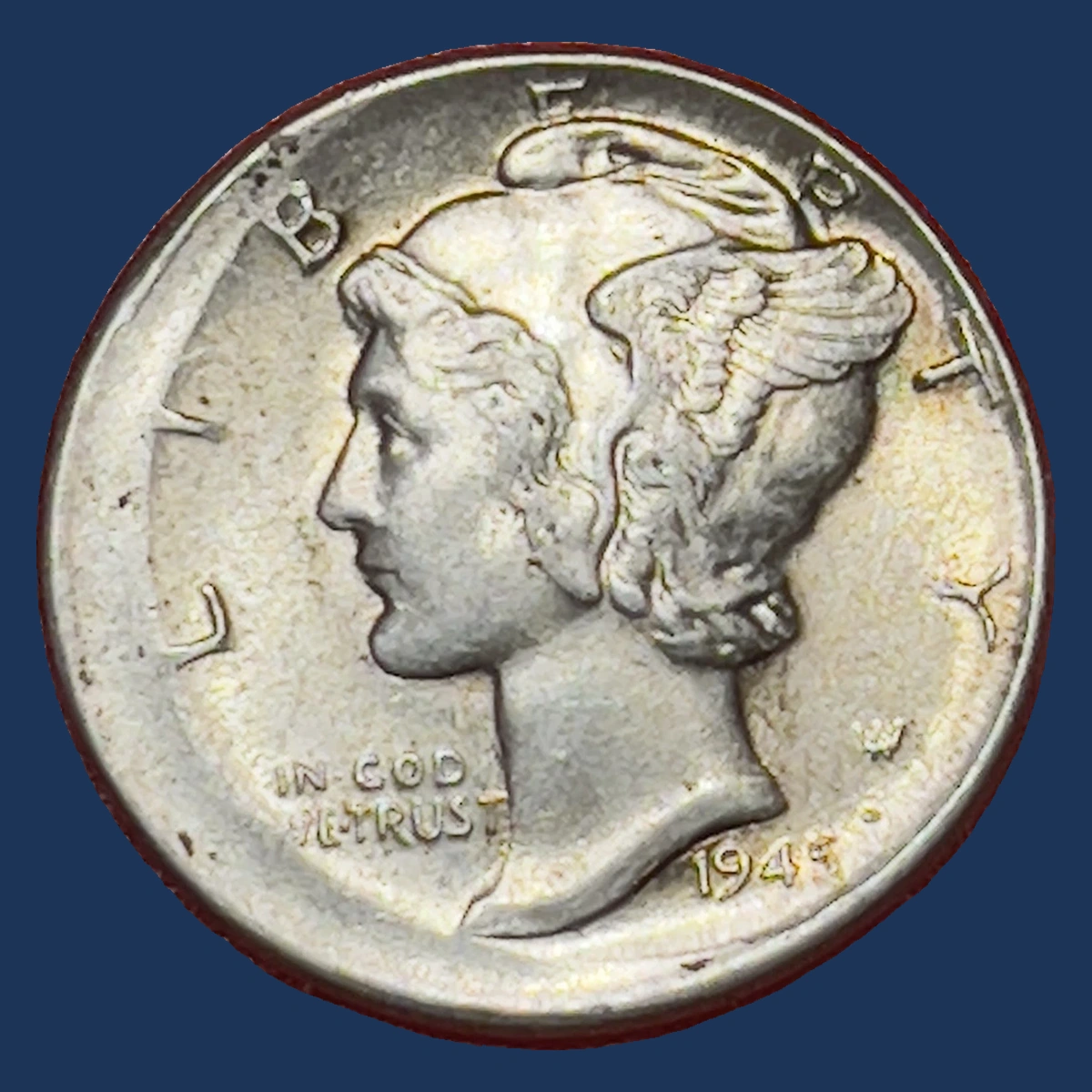
A blank struck away from its intended position can show an empty crescent opposite missing design. Philadelphia records include 5%, 10%, and 20% examples, plus a more worn 15% coin.
Denver and San Francisco examples are also reported. A 12% San Francisco coin and a separate Micro S example need their own photographs and price comparisons.
Micro S names the small mintmark style; the error on that particular coin is its off-center strike. The percentages and directions belong to individual examples, and a smaller mintmark does not supply the missing details of another off-center coin.
Estimated Value
Recorded results include $288 in July 2021 for the Philadelphia 10% MS62 coin and $252 in June 2024 for a 15% XF40 example. XF40 means clear design with noticeable circulation wear.
An estimated $75–$1,200 allows for different shifts, mints, and preservation. A readable date and original unstruck crescent help, but the most extreme displacement is not automatically the most valuable when wear, damage, or missing identification details differ.
How to Identify
Look for the empty crescent and compare it with the design cut off on the opposite side. Then turn the coin over to see whether the second face shares the displacement.
For the Philadelphia 5% example, the record places the shift toward 1 o’clock and notes the affected tops of ERT. Other recorded percentages do not automatically share that direction.
With a 10× magnifier, inspect the unstruck metal for grinding or a false blank area made after minting. Keep the date and D, S, or no-mintmark area visible in photographs.
The Micro S example needs both its tiny mintmark and the off-center geometry identified. Matching two-sided displacement and original empty metal provides the clearest check.
16. 1945 Mercury Dime Repunched D or S Mintmark
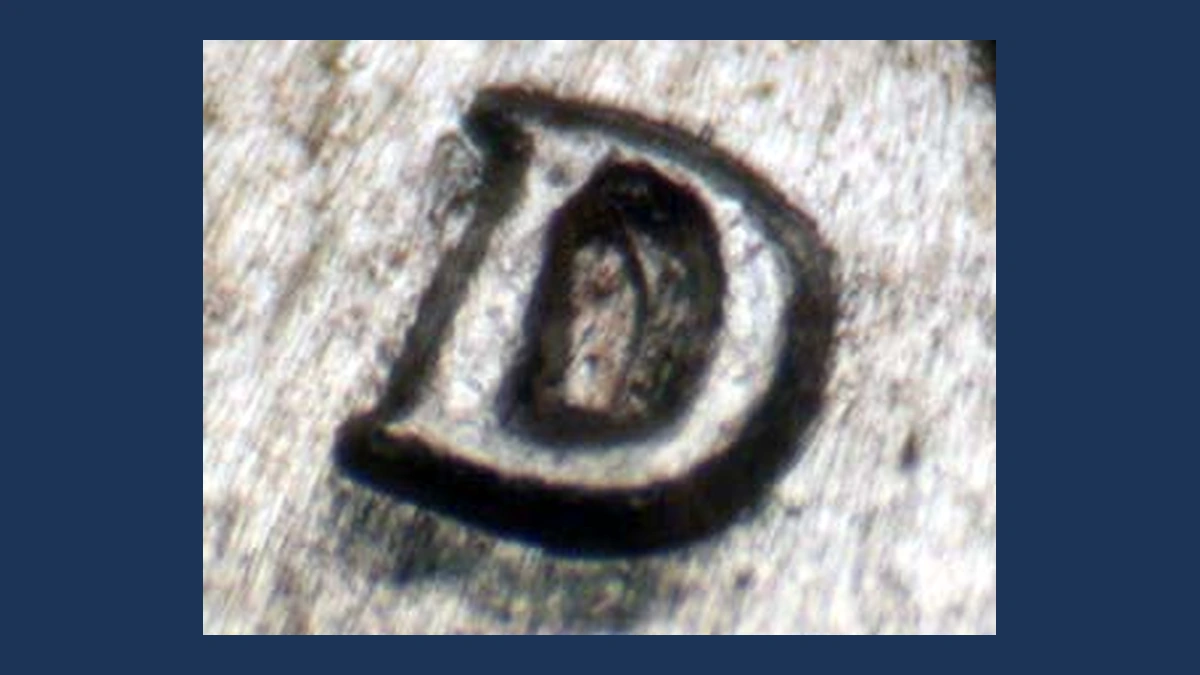
Extra strokes around D or S can remain after a mintmark punch was applied more than once to a stamping tool. The impressions may overlap in different positions or orientations.
Denver varieties include a sideways D with additional repeated end strokes. San Francisco examples include overlapping normal, inverted, or sideways S impressions, and one Micro S variety also shows repunching.
Some of these tools were paired with doubled-date or doubled-reverse tools. A coin can therefore show both effects, but an ordinary small S, high mintmark position, or different normal letter style is not repunching by itself.
Estimated Value
Estimate $30–$1,500 for identified repunched mintmarks, with ordinary worn examples and clearly defined unworn varieties occupying different parts of the range. These are comparisons within Mercury mintmark varieties, not one price for every extra stroke.
The complete letter pattern and grade matter together. A sideways earlier impression can be easier to display than a faint offset, and an accompanying doubled design belongs to the same coin rather than an independent second purchase.
How to Identify
Locate D or S above ONE, toward the lower left of the reverse bundle. Identify the main letter before trying to explain the smaller surrounding strokes.
Under a 10× magnifier, trace those strokes as portions of another D or S. A sideways impression should form a coherent rotated letter, not just an isolated notch.
Compare the exact mintmark with a cataloged example and its nearby fixed marks. Catalogs sometimes describe rotation or punch order differently, so the visible outline should guide the match.
Inspect any associated doubled date or branch separately. General letter thickness, a small normal S, or a flat shelf from strike movement cannot replace a recognizable second punched-letter pattern.
17. 1945 Mercury Dime Flipover Double Strike Within the Collar
Traces of the reverse can appear over the portrait when a coin flips before receiving a second strike. The other face can carry remnants of the portrait beneath the newer reverse design.
The recorded Philadelphia PCGS MS62 example was double struck within the collar. Its description says it flipped vertically between blows, with the later strike roughly 180 degrees from the first.
The overlapping images belong to one coin that returned to the striking position. This differs from doubled-tool lettering, and it also differs from a mirror-image impression made by pressing two finished coins together later.
Estimated Value
A clearly identified in-collar flipover Mercury dime supports an estimated $500–$3,500. The comparison is with complex silver-dime multiple strikes, considering how much of each original design remains readable.
The PCGS MS62 example has no circulation wear but noticeable marks. A convincing sequence visible on both faces can add interest.
Later damage or weak surviving traces make the sequence of blows harder to follow. Those differences can reduce a coin’s value within the estimated range.
How to Identify
Map a recognizable fragment from the first design before studying the entire jumble. For example, a remaining reverse element on the portrait side can help establish that the coin flipped.
Turn the coin over and search for the corresponding portrait traces beneath the later reverse. The two faces should tell the same sequence, not merely show unrelated scratches.
Use a 10× magnifier to follow where one strike flattens or interrupts earlier detail. A later squeeze with another finished coin tends to make a sunken mirrored impression instead.
The collar kept this example from becoming a dramatically expanded double strike. Confirm crossed front-and-back design remnants within the ordinary outline, rather than expecting a large empty crescent.
18. 1945 Mercury Dime Strike on a Foreign Coin Blank
A Mercury design can land on metal intended for another country’s coin. A Philadelphia NGC MS64 example is identified as struck on a Venezuelan quarter-bolívar blank.
That is a foreign blank, not a completed Venezuelan coin struck over with a Mercury design. The identification depends on the metal and blank characteristics, not merely an unusual-looking rim.
Year guides also report a Netherlands East Indies ten-cent blank error for 1945. That separate claim lacks a matched specimen in the available record and should not inherit the Venezuelan example’s grade, mint identity, or sale price.
Estimated Value
The Venezuelan-blank Mercury dime sold for $6,600 in August 2022. Comparable identified foreign-blank examples support an estimated $3,000–$10,000, depending on identity and condition.
For the separately reported Netherlands East Indies category, a conditional estimate of $2,000–$8,000 applies only after the blank is identified. A light ordinary silver blank does not qualify automatically, and the foreign origin matters more than a dramatic but unexplained appearance.
How to Identify
A normal Mercury dime weighs 2.50 g and measures 17.91 mm, with an alloy of 90% silver and 10% copper. Those are comparison standards, not measurements of the cataloged Venezuelan example.
Record a loose candidate’s weight on a scale and its diameter and thickness with calipers. Keep every actual reading with photographs of that same coin.
Suitable nondestructive testing can establish whether the alloy also fits the proposed foreign blank. Low weight alone leaves several possible explanations.
Examine the edge and outer design for grinding or deliberate metal removal.
A specific foreign-blank identification should bring the weight, dimensions, alloy, and original strike together. All must fit one blank type, rather than measurements borrowed from unrelated specimens.
Conclusion
Estimated values stretch from $10–$10,000, with small tool marks at one end and unusual foreign-blank errors at the other. Condition and the exact cause of a feature matter more than a dramatic nickname.
Start with the visible clue: an extra letter, interrupted design, unusual edge, or altered blank. Compare the same mint and mechanism, and keep fragile layers or cracks untouched while arranging clear photographs.