1936 Dime Error List with Pictures

The tiny AW beside Liberty’s neck is the designer’s initials, not a mintmark. It is also one place to look for repeated outlines on a 1936 Mercury dime.
Larger mistakes can change the whole outline: a twenty-percent off-center example sold for $345 in February 2005. The 1936 dime errors below have estimated values of $10–$2,000.
Follow the feature you can see, from a raised line to an incomplete design. The same coin may show more than one clue, but each needs its own explanation.
1. 1936 Mercury Dime Cracks and a Wing-Tip Chip
Some lines on these dimes stand above the design instead of cutting into it. They formed when silver filled cracks in the die, the steel tool used to stamp the coin.
Philadelphia patterns include a line from the top rim into the head and another from the lower-left rim into the portrait. A small wing-tip chip appears above LIBERTY’s T on a different tool.
A Denver example has a line descending from TRUST’s last T toward the rim. Each pattern belongs to its own tool and stage of wear.
Estimated Value
For small genuine cracks and wing-tip chips on ordinary-grade coins, estimate $10–$150. A clearly placed raised line can be interesting without making an otherwise common dime extremely valuable.
The affected design, visibility, and preservation help shape the price. A tiny chip hidden by wear is harder to appreciate than an obvious original patch.
Some of these tools also produced doubled designs or repunched letters. Compare the entire coin before deciding what accounts for its value.
How to Identify
Use the lettering as a map before enlarging the surface. LIBERTY’s T leads to the Philadelphia wing-tip chip, while the final T of TRUST locates the separate Denver crack.
Tilt the coin under a small light and examine the center of the mark. A die crack produces a raised ridge; a scratch may have raised lips beside a sunken cut.
Follow each reported route against the correct reference photograph. The top-to-head line and lower-left-to-portrait line are different comparisons, not required branches of one pattern.
For the chip, look for original raised metal at the wing tip rather than a deposit sitting over finished detail. Leave the surface untouched while making that comparison.
2. 1936 Mercury Dime Reported Surface Lamination
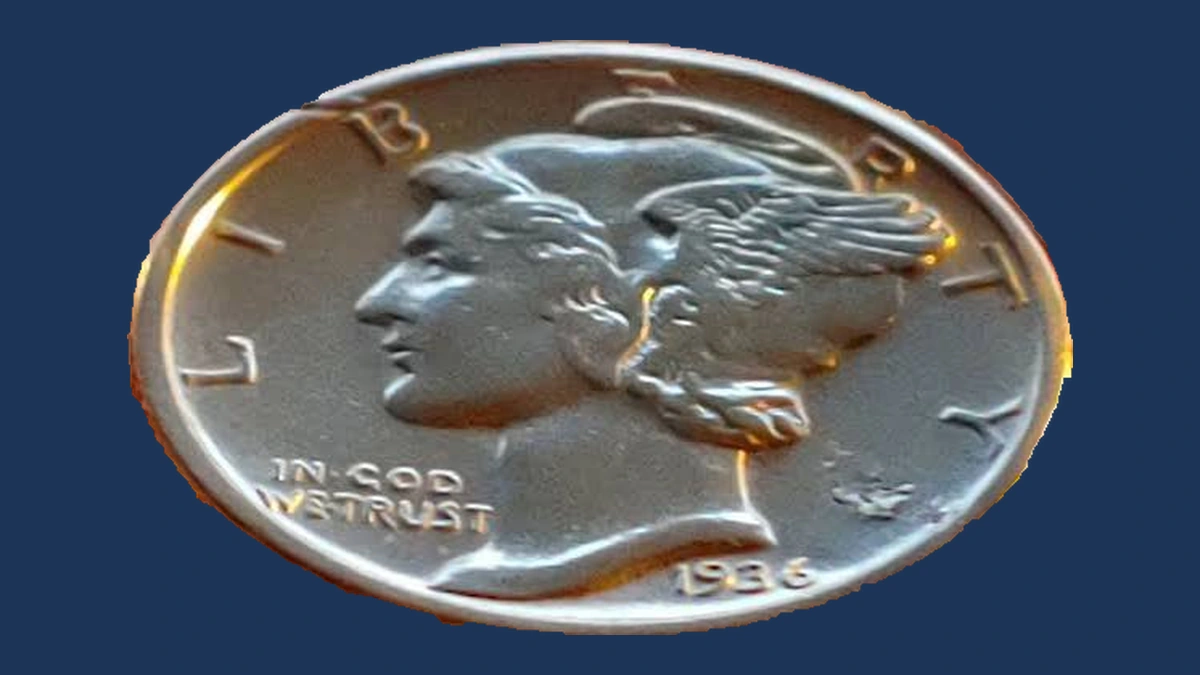
A weak layer within the metal can separate into a thin flap. This defect is called a lamination, and a loose piece may remain attached or fall away.
Year guides and a seller listing report a 1936 Mercury dime with this kind of peeling. The actual affected area and mint need to be established from the coin.
Normal 1936 dimes contain ninety-percent silver mixed with copper. They are not modern copper-center clad coins, so peeling in this alloy should not be described as a missing copper-nickel outer covering.
Estimated Value
Use a conditional estimate of $15–$300 for a confirmed 1936 lamination on an ordinary circulated or modestly unworn dime. The original surface, amount of separation, and coin’s condition all matter.
A large attached flap can explain the defect more clearly than a rough patch with no surviving boundary. Cleaning or corrosion may hide the useful details.
A readable date and clear peeling boundary make comparison easier. A vague damaged patch should be valued for its ordinary coin condition instead.
How to Identify
An attached layer should stay exactly where it is. Do not lift it to see whether more design survives underneath.
With side lighting, follow its boundary into the surrounding silver and examine how the original design meets the opening. A thin sheet separating naturally can be distinguished from metal scraped away in a deep channel.
Look beyond the rough area for corrosion pits, scratches, or polishing that may explain the surface after minting. Photograph both faces, including the date and mint-letter space on the back.
Keep those identifying features visible when asking an error specialist to examine the peeling metal.
3. 1936 Mercury Dime Clipped Blank
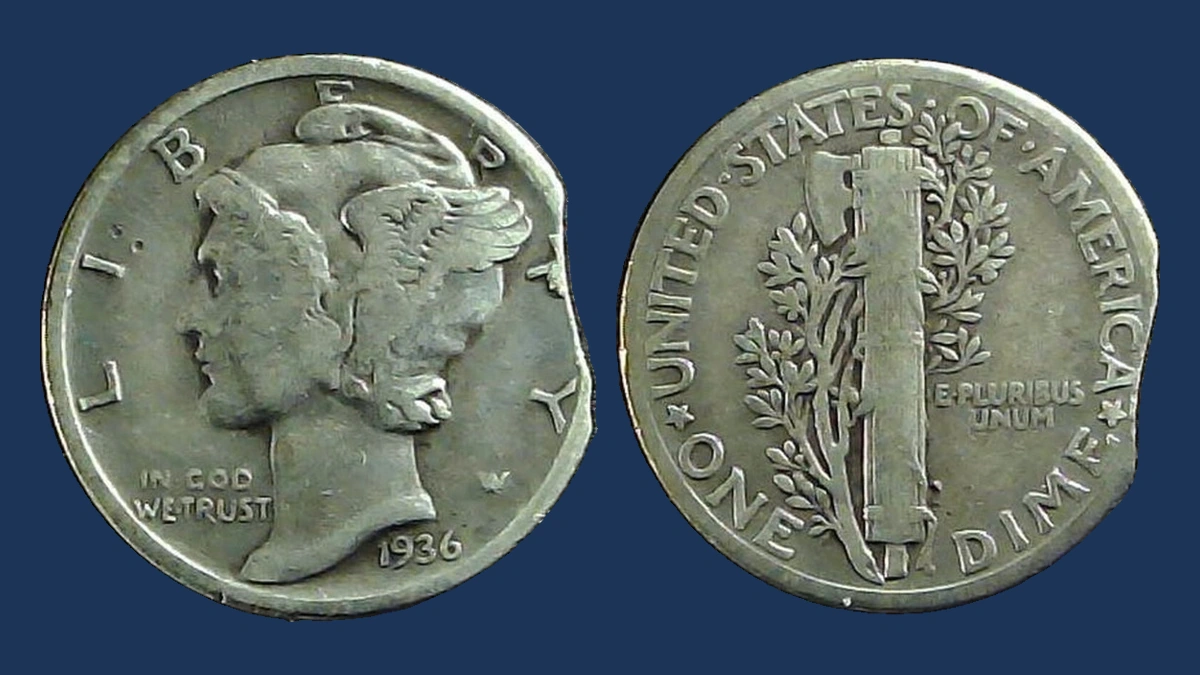
An incomplete metal disk can receive the dime design with part of its edge already absent. Collectors call that missing section a clip.
GreatCollections listed a 1936 Mercury dime graded ANACS XF40 with a clip. XF40 describes circulation wear while much of the design remains visible.
The listing does not establish a curved shape or a particular clock position in its text. Those features must be read from the actual photographs.
A later cut can resemble an original gap from a distance. The struck rim and exposed edge provide the more useful clues.
Estimated Value
For an identified ordinary-date clip in circulated through modestly unworn condition, estimate $25–$350. Larger original gaps with a readable date can attract more attention than tiny losses hidden along a worn rim.
A smooth curve alone does not earn the premium. The way the original rim meets the gap must support an incomplete blank rather than a later cut.
Cleaner surfaces and stronger remaining design favor higher prices, while deep scratches or corrosion can reduce the appeal.
How to Identify
Follow the rim toward both ends of the gap instead of starting with a percentage estimate. Missing metal present during striking can change how those nearby areas formed.
Look into the exposed gap for saw tracks, filing, or a cut through completed design. A side view often reveals more than a flat photograph of the outline.
The opposite rim may be weak on some clips, but that feature is not guaranteed. Its absence alone should not decide the identification.
Record the complete date and compare the actual gap with the ANACS example. Do not assign a curved shape solely because other Mercury dime clips look curved.
For a loose coin, a measured weight can document metal loss without proving when it happened.
4. 1936 Mercury Dime Clashed Dies Near the Eye and Lips
Unexpected outlines near the eye or lips can come from the opposite coin design. They may appear after the two stamping tools hit each other without a blank between them.
That contact marks the tools. Later coins can repeat the transferred traces, an effect called a die clash.
A Philadelphia 1936 variety is cataloged with clashing around the eye and lips at a particular stage of tool use. The same tool also produced a minor doubled date.
The transferred marks and repeated date have different causes. Neither means that this coin itself received two separate strikes.
Estimated Value
Estimate $20–$400 for ordinary-grade Philadelphia coins with identifiable clashing in these areas. A recognizable transferred shape is generally more interesting than a vague line that appears only in one photograph.
The accompanying doubled date can also attract variety collectors, but both features belong to one coin. Do not add two maximum estimates together.
Original surfaces make faint marks easier to study. Scraping or polishing can remove those traces and reduce the coin’s appeal even when its date remains clear.
How to Identify
Place photographs of both faces beside each other at the same size. Around Liberty’s eye and lips, identify faint extra shapes that are absent from an ordinary front design.
Ask which part of the back design could have produced those shapes when the tools touched. Keep the images at their normal alignment; freely turning a small crop can make a random scratch seem meaningful.
Change the lighting to follow more than one transferred line and see how the marks sit beside the intended portrait. Photograph the date separately for the associated doubling.
The two features need separate checks. A matching doubled date does not turn every nearby scratch into a clash.
5. 1936 Mercury Dime Repunched Mintmarks
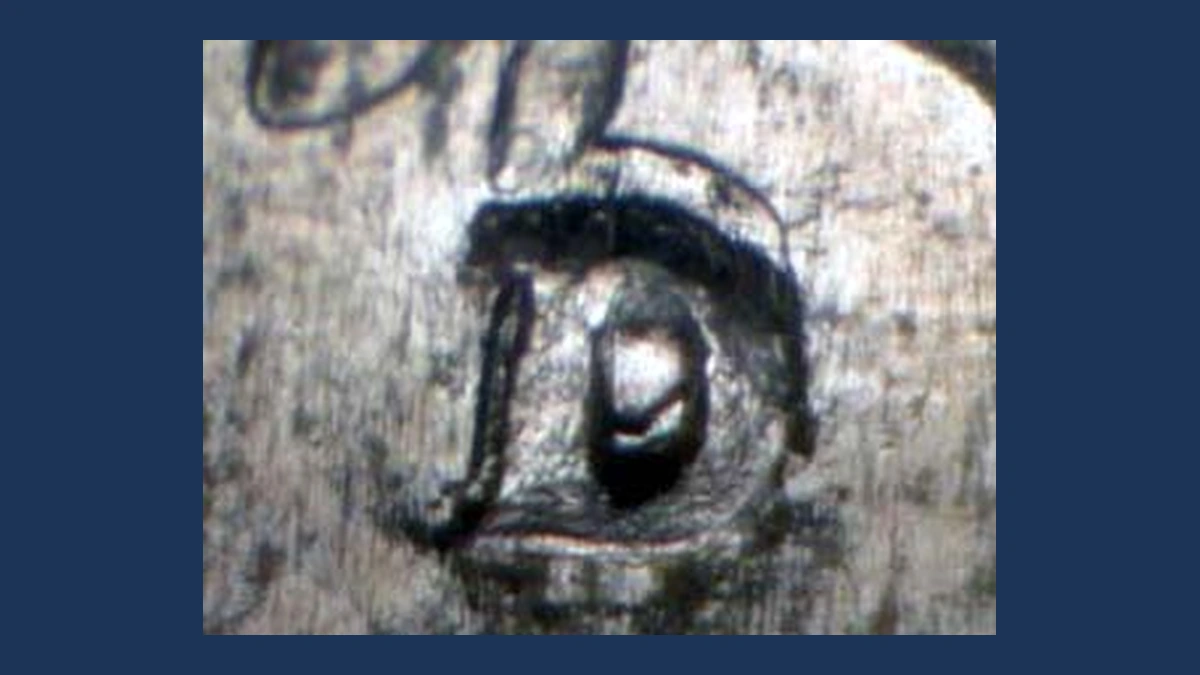
A second outline can peek out beside the small D on the back. Workers punched mint letters into the stamping tools, and repeating the punch in a different position could leave overlapping shapes.
Denver examples show several different directions of overlap. FS-501 has remnants above and to the left of the main D from repeated punching.
Other Denver patterns have extra strokes below, beside, or tilted against the final letter. A San Francisco report also names repunching, but does not supply a specific S pattern or direction to copy.
Estimated Value
Estimate $15–$600 for correctly identified repunched mintmarks across worn and well-preserved examples. Bold overlapping letters can be more appealing than a tiny trace requiring difficult lighting.
The Denver FS-501 comparison concerns its particular repeated D pattern. Other patterns should not receive that identity merely because they also have an extra stroke.
The reported San Francisco feature needs an actual letter match before this estimate applies. Ordinary differences in letter shape or damage beside an S do not establish repunching.
How to Identify
First locate the mint letter at the lower left of the rods on the back. AW near the neck on the front is the designer’s initials.
With the back upright, compare Denver FS-501’s extra strokes above and left of the main D. Each should fit part of another D, rather than form an unrelated bump.
Photograph the whole letter before enlarging individual curves. Similar directions of overlap can belong to different Denver patterns, so the shape of each remnant matters.
If you see an S, use a San Francisco comparison instead. Its reported repunch has no established direction here.
Tilt the light to distinguish rounded raised strokes from a flat shelf. A low ledge caused by movement during striking is not another punched letter.
6. 1936 Mercury Dime Broadstrike
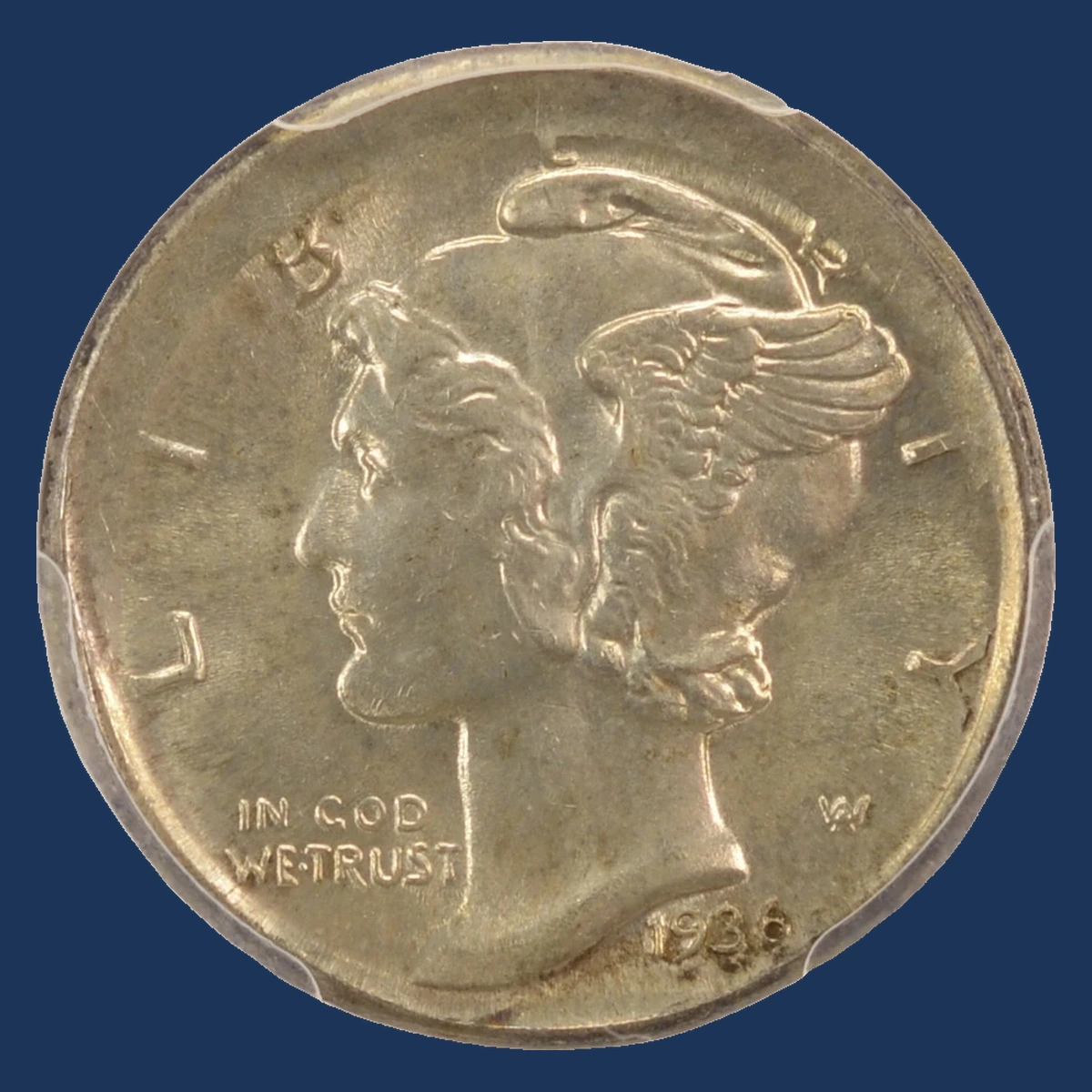
A dime can spread outward while keeping its complete picture. That happens when the collar, the ring that normally contains the metal, does not restrain it during striking.
Sullivan Numismatics lists a 1936 broadstrike graded PCGS MS64. The grade describes an unworn coin with relatively few marks.
Another auction record describes an MS62 example, a separate coin in a lower unworn grade. Their actual outlines need individual comparison.
An expanded border does not automatically mean an off-center strike. The broadstrike keeps the intended design on the metal instead of losing outer portions beyond the blank.
Estimated Value
An estimated $75–$750 covers identifiable 1936 broadstrikes from worn or modestly expanded coins to more attractive unworn examples. The width and original surfaces matter alongside the numerical grade.
As a different-design silver-dime comparison, a 1946 Roosevelt broadstrike in MS66 Full Bands sold for $99 in July 2021. That amount is not the selling price of Sullivan’s Mercury dime.
Compare the visible spread and condition. A coin hammered wider after minting should not inherit this error range.
How to Identify
Check whether all the outer letters and date digits remain on the coin. Complete design inside extra metal is the starting point for a broadstrike identification.
For a loose coin, measure across the widest and narrowest parts of the outline. The ordinary Mercury dime is about 17.9 millimeters across, but the actual spread must be measured rather than guessed.
Inspect the expanded edge beside the design for natural metal flow, then check the portrait and letters for crushing. Pressing a finished coin wider can flatten details that had already formed; a complete design and a wide outline alone still need that surface check.
7. 1936 Mercury Dime Doubled Front Designs and Paired Repunched Letters
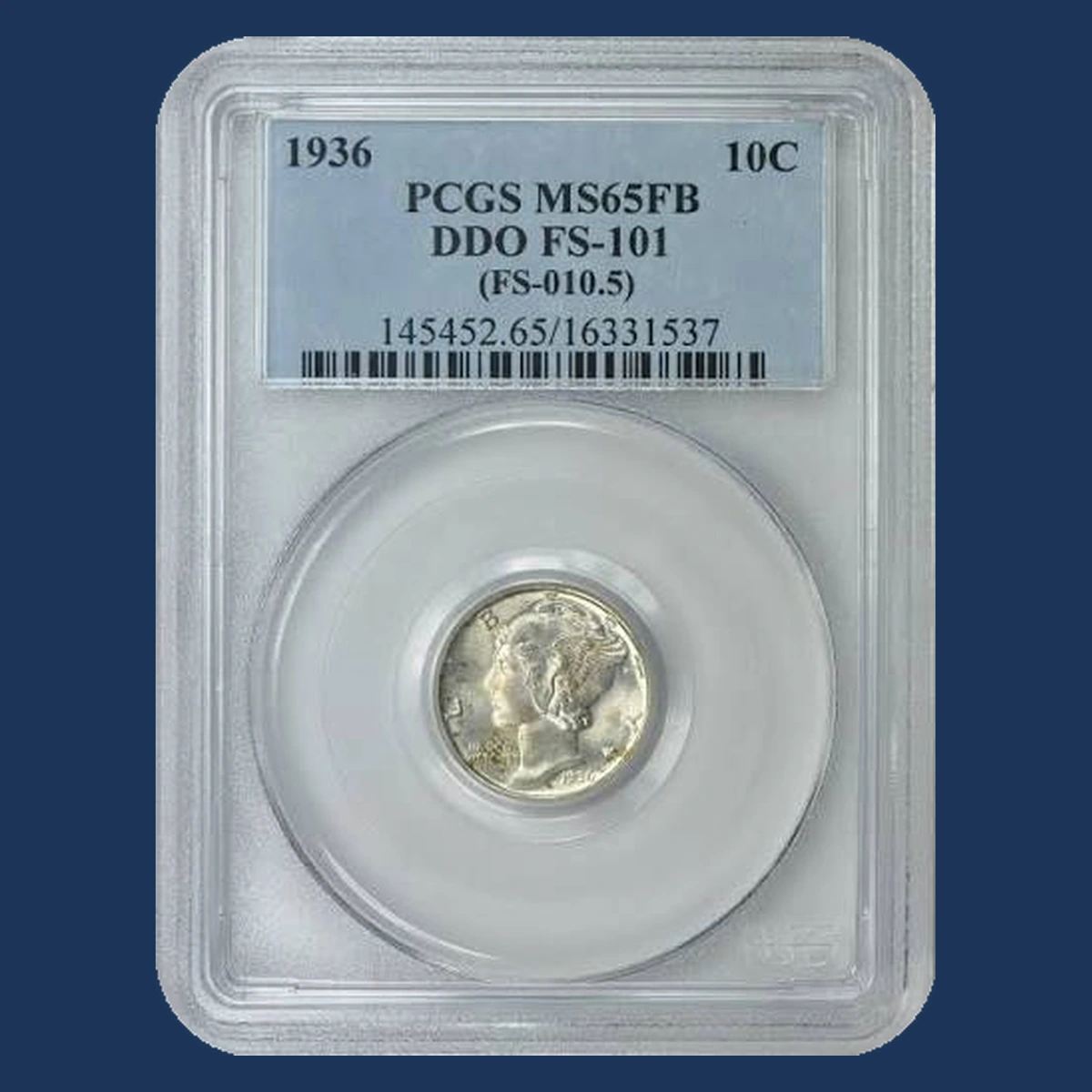
The date, motto, or AW initials can show extra outlines on coins made with a doubled die. That means the stamping tool already carried a repeated design.
Philadelphia FS-101 affects the date, IN GOD WE TRUST, and AW. Other Philadelphia patterns have different strengths and positions of doubling.
Denver also has cataloged front doubling. One paired variety combines doubling near the bottom of the 9 with an extra D above the main mint letter.
Another combines doubled date details with an extra D to the right. These are separate combinations, not all features of one coin.
Estimated Value
Use an estimated $25–$1,500 across identified Philadelphia and Denver patterns in different conditions. A clearly matched FS-101 or a distinct two-feature combination can attract more interest than faint thickening alone.
The specific variety needs to lead the comparison. Common subtle doubling and a strongly separated design should not be priced as interchangeable features.
Sharp bands on the back can affect collector demand too, but Full Bands describes strike quality. It is not another error to add to the price.
How to Identify
The Philadelphia reference photographs give separate comparisons for the date, motto, and AW. Match several points rather than choosing a variety from one thick number.
For FS-101, compare the extra outlines across those three areas. Tiny raised tool marks can support the match after the main doubling agrees.
On Denver’s WDDO-001 pairing, inspect the lower 9 and then turn to the upward repunched D. WDDO-002 pairs with a different D repeated toward the right.
Keep the date and mint letter visible in the comparison photographs. Their relationship matters more than one tiny tool mark beside a letter.
Change the light to separate rounded repeated outlines from flat ledges. Inspect the mint letter independently because date doubling does not cause repunching.
8. 1936 Mercury Dime Twenty Percent Off-Center Strike
The design is shifted toward the upper left on this dime. Some of the design missed the metal, leaving an unstruck crescent opposite the missing detail.
Heritage described the coin as twenty-percent off-center toward ten o’clock. PCGS graded it MS61, meaning unworn with noticeable marks.
The surviving design identifies a 1936 Mercury dime. Both faces need comparison to distinguish a displaced blank from a tool that shifted on only one side.
The unused metal remained part of the original disk. It was not a missing piece cut away from the edge.
Estimated Value
The documented PCGS MS61 example sold for $345 on February 26, 2005. Estimate $150–$2,000 across genuine 1936 off-center dimes with differing amounts of displacement and preservation.
A readable date and untouched blank crescent support a stronger comparison. The highest part of the range requires a more impressive overall coin, not merely the same error name.
Damage that hides the boundary between struck and unstruck metal can reduce interest.
How to Identify
Read the date before estimating how far the image moved. The visible year connects the error with 1936 rather than another Mercury dime issue.
Follow the line between the struck picture and the unused crescent on both faces. Their relationship should fit the same misplaced blank.
If only one face is shifted, examine tool misalignment instead. A complete design surrounded by extra metal points toward broadstriking.
Inspect the crescent under side lighting for grinding tracks, cut surfaces, or remnants of erased letters. Original blank metal should not look like a finished picture that someone removed.
Compare the actual auction coin’s upper-left displacement with your photographs. Its stated twenty percent is not a measurement for every off-center 1936 dime.
Conclusion
The estimated $10–$2,000 range includes both small tool defects and more visible changes in shape. A repeated D, doubled date, and peeling layer reveal different parts of the coin-making process.
Use the date and mint to choose a comparison, then inspect the specific feature without rubbing or cleaning it. Clear photographs of the affected area and the complete coin are more useful than a dramatic error name alone.