1876 Dime Error List with Pictures

An extra letter can stand above a dime’s surface or sink into it backward. Those two clues point to very different minting mistakes.
A shifted 1876 dime with a sunken mirror impression sold for $7,200 in August 2021. This 1876 dime error list covers estimated values from $25 to $8,000.
Use the examples below to check small date marks, damaged stamping tools, and larger striking errors without confusing their causes.
1. 1876 Liberty Seated Dime Clashed Designs
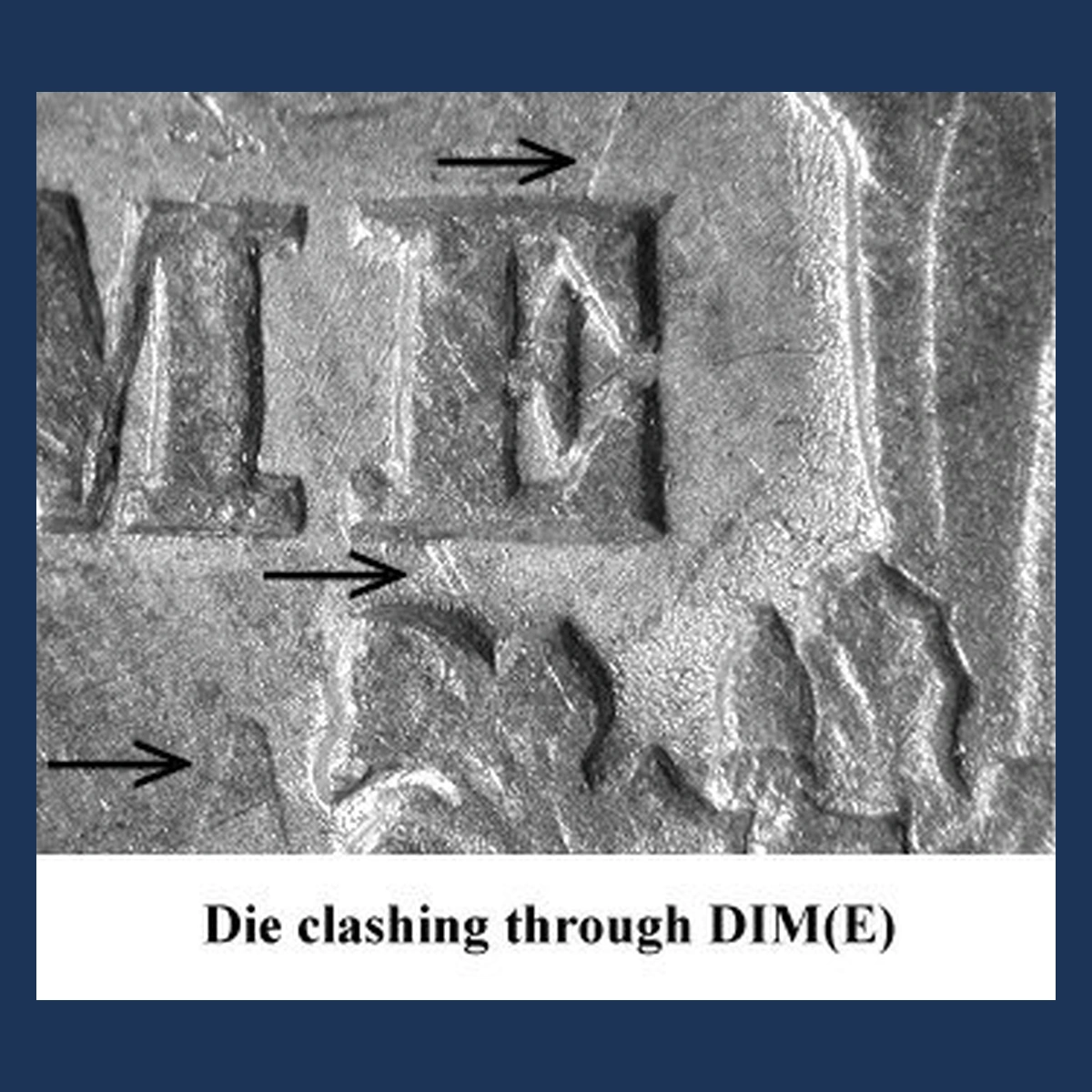
A faint outline between the normal details may have come from the other side of the coin. When the two steel stamping tools meet without a blank between them, they can mark each other.
Those tools are called dies. Later coins can receive the unwanted marks alongside their normal designs.
The Philadelphia variety guide records clashing on several 1876 dimes. The visible traces depend on which tools struck the coin and how much they had worn.
Unlike a second strike, a clash need not repeat the whole design. Small fragments may be all that remain.
Estimated Value
For ordinary Philadelphia examples, estimate $30–$400, with the strength of the transferred outline and the coin’s condition guiding the price. A clear shape is easier to appreciate than a vague line.
Several normal design details should remain readable around the clash. Wear or later polishing can erase the very marks a collector wants to see.
A high-grade dime can cost more for its overall preservation. Do not treat its entire value as the price of the clash alone.
How to Identify
Begin with photographs of both sides of a normal dime and ask what design could have produced the unwanted outline. A clash mark should have a meaningful relationship to the opposite face.
Use a 10× magnifier and low side lighting to trace the shape on the candidate. Random scratches and corrosion trails will not usually match the opposing design in the same way.
For a loose coin, check the normal 2.50 grams with a scale and 17.9 mm with calipers. Inspect the grooved edge for alteration while keeping those measurements separate from the design comparison.
Compare the suspected mark with a documented Philadelphia clash photograph. Follow the whole surviving outline rather than choosing one convenient line.
2. 1876 Liberty Seated Dime Clipped Blank
The top of the reported San Francisco dime has a missing section of rim. GreatCollections cataloged this clipped-blank example as PCGS AU58, meaning almost unworn with slight wear.
A clip begins when part of the blank is absent before striking. The design then forms on the remaining metal, leaving a gap at the edge.
The documented gap is at twelve o’clock. Its location should be checked with the front held upright, rather than with an auction photograph turned sideways.
A cut made after the coin was finished can imitate the outline but affects already formed detail.
Estimated Value
An estimated $100–$500 range suits a genuine 1876-S clip in worn through attractive nearly unworn condition. The size of the missing area and the quality of the remaining design both matter.
The nearly unworn AU58 example is a better comparison for a sharply detailed coin than for one with flattened lettering. The remaining surface should be judged alongside the gap.
Original surfaces and a readable date help. Later filing, harsh cleaning, or damage at the gap can reduce collector interest.
How to Identify
Hold the date upright and photograph the twelve-o’clock gap from the front, back, and edge. These three views show whether the missing section belongs to the blank or cuts through finished design.
With a 10× magnifier, examine both ends of the gap for metal flow and fresh tool tracks. A weak rim opposite the clip can help, but its absence does not automatically rule out a mint-made clip.
A loose clipped dime may weigh less than 2.50 grams, depending on how much metal is missing. Use a scale and measure an intact span against 17.9 mm with calipers, then inspect the edge grooves where they meet the gap.
3. 1876 Liberty Seated Dime Cracked and Broken Dies
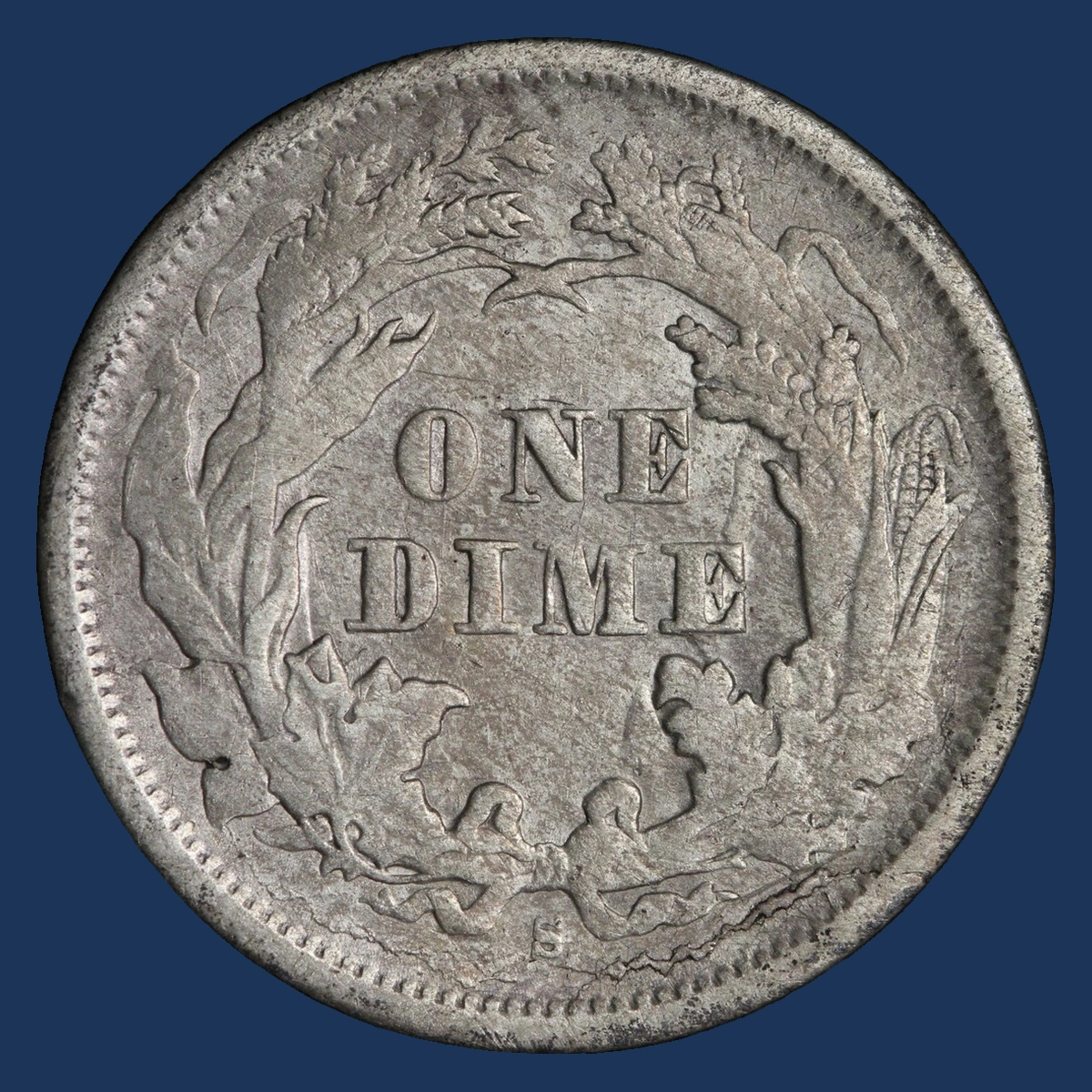
Thin raised lines and wider rim lumps can both come from a damaged stamping tool. A crack in the steel leaves a narrow ridge on the coin.
If a piece breaks away at the tool’s edge, metal can fill the opening and form a lump called a cud. These are different stages or forms of die damage.
Philadelphia examples include cracks around the wreath. Carson City records include larger lines near eight to nine o’clock or two to four o’clock.
Other Carson City examples have rim-connected lumps near five-thirty or six-thirty. These positions belong to separate coins.
Estimated Value
Small cracks on ordinary worn examples may fit an estimated $25–$150 range. Stronger breaks or a clear rim-connected cud can bring roughly $100–$600, depending on mint and condition.
The coin’s normal value is included in those figures. A scarce design version or unusually high grade may need a separate comparison.
A broad raised break can be easier to display than a hairline crack. Corrosion or cleaning can still lower the value of either form.
How to Identify
A loose coin with a raised crack should still weigh near 2.50 grams on a scale and measure about 17.9 mm with calipers. Lost steel in the stamping tool does not mean lost silver from the coin.
Test a suspected hairline under changing light with a 10× magnifier: a crack stands above the surface, while a scratch usually cuts into it. For a wider lump, trace its outline to see whether it joins the rim as a cud should.
Then inspect the neighboring edge grooves for solder or later crushing. Compare the whole crack path with a photograph of the same mint’s variety, since two lines in roughly the same area need not match.
4. 1876 Liberty Seated Dime Repunched Carson City Mint Mark
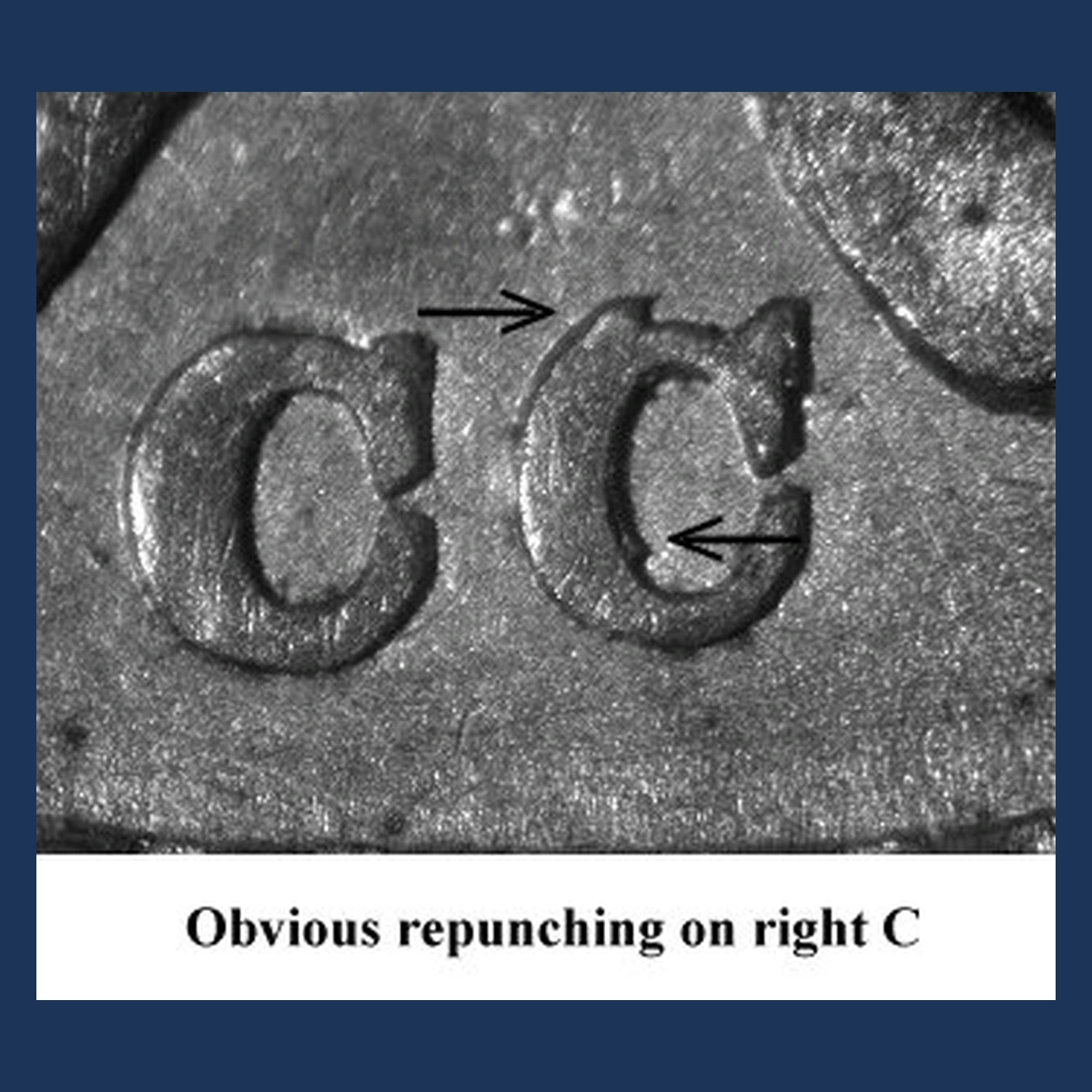
The right-hand C below the wreath is the place to look on this variety. A small extra outline comes from a second impression of the mint-letter punch.
The letter was put into the steel stamping tool before coins were made. A shift between punch impressions left a trace that repeated on the finished dimes.
The Carson City guide identifies this as a repunched right C. It does not require another extra outline on the left C.
A swollen letter caused by wear or corrosion is different. The mark should resemble part of the original letter.
Estimated Value
Estimate $50–$700 for a correctly identified repunched-C example in ordinary circulated through attractive unworn condition. Better-preserved letter edges make the small feature easier to demonstrate.
The CC mint mark already influences the underlying coin’s value. Its condition should be compared with another Carson City dime, rather than a Philadelphia coin with no mint letters.
Heavy wear can merge the extra outline into the main C. Such a faint example usually has less variety appeal than one with clear separation.
How to Identify
An added CC mark can imitate a more valuable coin, so inspect the surface around both letters before studying the extra punch. Use a 10× magnifier under angled light.
A loose example should be near 2.50 grams on a scale and 17.9 mm across calipers. Check the grooved edge while examining the surrounding metal.
Now compare the right-hand C with a confirmed variety photograph. Look for part of another curved letter, rather than a patch of corrosion.
The left C is useful as a comparison for wear and surface texture. It need not carry another outline.
If flat shelves run along several unrelated details, consider movement during striking. A matching right-C shape matters more than a general impression of thick lettering.
5. 1876 Liberty Seated Dime Repunched and Misplaced Date Digits
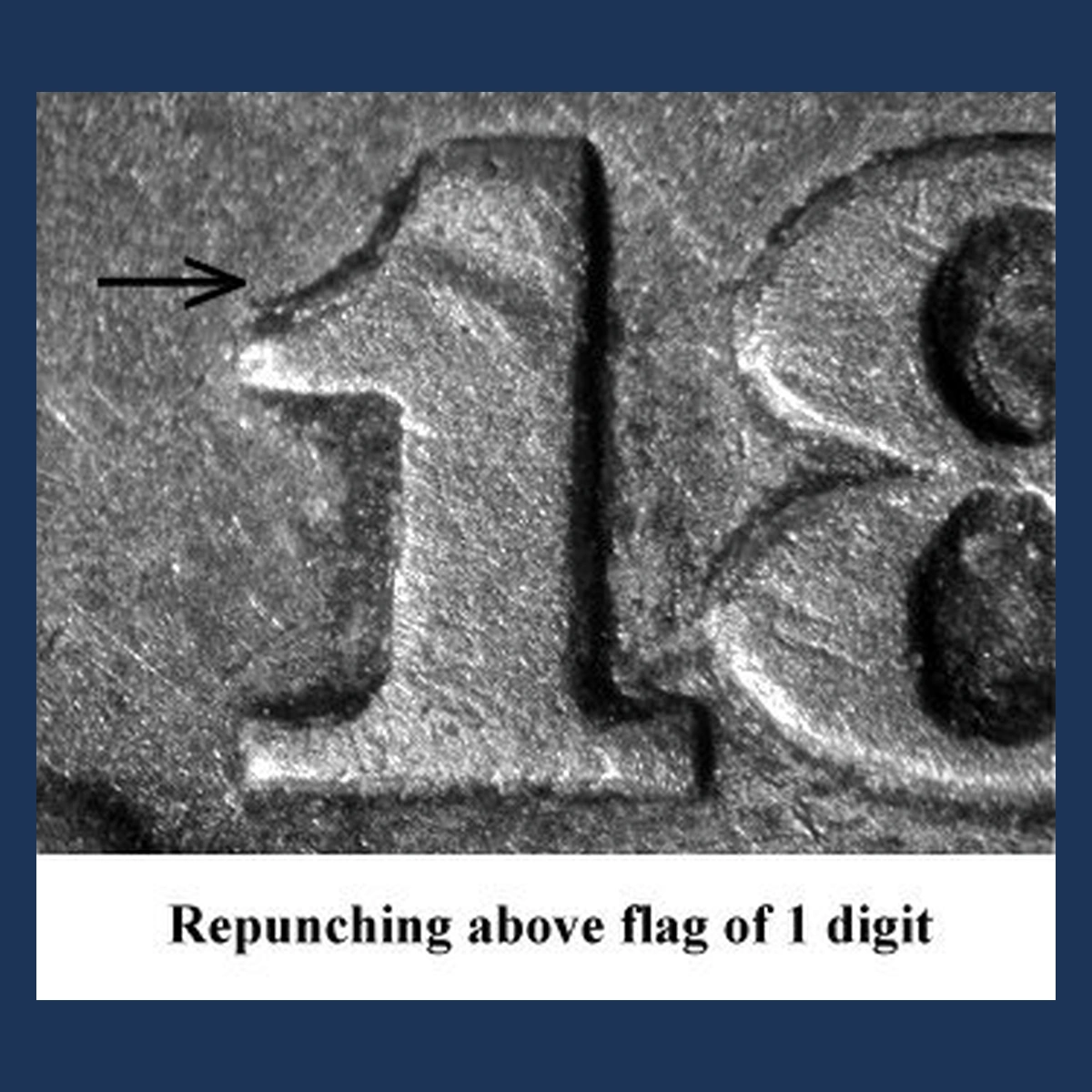
Date-punch mistakes can leave a digit beside its proper place or far above or below it. Nearby extra outlines are called repunched dates; distant fragments are called misplaced dates.
Philadelphia and Carson City examples show repeated strokes in digits such as 18 or 76. The distant fragments differ by mint.
On Philadelphia coins, parts of 18 appear among the tooth-like border marks below the design. On Carson City examples, parts of 76 appear in the robe and at the scroll end.
The date punch marked the steel tool incorrectly. The coin itself did not need a second strike.
Estimated Value
Whole-coin estimates of $35–$800 cover ordinary circulated through attractive unworn examples of these date-punch varieties. Strong, recognizable digit fragments make a more convincing display than tiny uncertain-looking bumps.
Carson City and Philadelphia pieces need separate comparisons. The two normal back designs, called Type I and Type II, can also affect the underlying value.
A distant, clear fragment may attract specialists even on a worn coin. Scratches through the date or smoothing around the fragment can reduce that interest.
How to Identify
Read the mint area below the wreath before choosing a close-up comparison. Philadelphia has no letter; CC identifies Carson City.
For a nearby extra outline, examine each date digit with a 10× magnifier. Compare its curved or straight remnant with the same digit in the 1876 variety photographs.
For distant fragments, move away from the normal date. Search Philadelphia’s lower border for 18, or Carson City’s robe and scroll end for 76.
Check a loose intact dime against 2.50 grams on a scale and 17.9 mm with calipers, then inspect its grooved edge. These marks do not require an unusual blank.
A scrape has cut edges rather than a repeated digit shape. Match the fragment’s form and position together before naming the variety.
6. 1876 Liberty Seated Dime Broadstrike
A broadstrike gives the design extra room around its border instead of cutting part of it off. The blank was struck outside the full restraint of the collar, the ring that controls a coin’s width.
Without that restraint, metal could spread farther outward. The result may be wider or less evenly rounded than an ordinary dime.
A published dealer list describes an 1876-CC broadstrike graded NGC VF25. That grade means a circulated coin with moderate wear.
The listing specifically says the strike occurred out of the collar. It is not merely a report of a slightly uneven rim.
Estimated Value
Fred Weinberg’s published list offered the VF25 Carson City broadstrike for $875. That figure is a historical dealer asking price, not a recorded auction result.
Use an estimated $300–$1,200 range for a genuine circulated example, allowing for the strength of the spread and the remaining detail. A clear full design supports identification.
The CC origin also matters to collectors. Later hammering or a ground edge should not be valued as the same mint-made error.
How to Identify
A scale and calipers can test a loose coin’s spread before you compare its pictures. The usual dime weighs 2.50 grams and measures 17.9 mm, so a wider outline need not mean a heavier blank.
Look around every outer letter and follow the wreath around the back. Missing design opposite a broad blank crescent suggests off-center striking rather than a simple broadstrike.
Use a 10× magnifier to examine the edge and any remaining grooves. A later blow may crush already finished design, whereas an uncontrolled mint strike forms the design as metal spreads outward; photograph that relationship at the rim.
7. 1876 Liberty Seated Dime Rotated Back Design
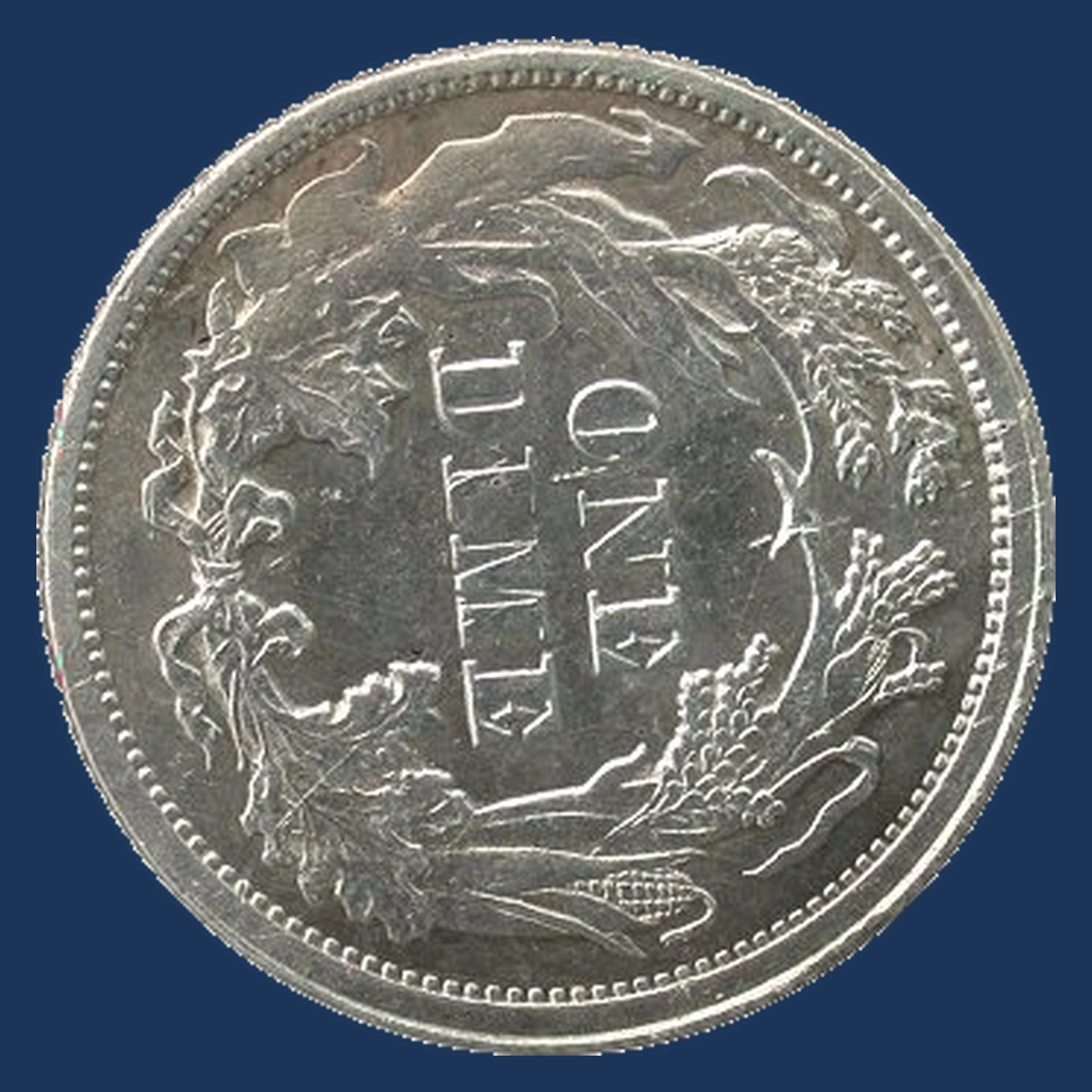
The back should stand upright after an upright front is flipped from top to bottom. On a rotated-die coin, the back lands at an unexpected angle instead.
The error comes from a stamping tool being turned from its normal position. It does not change the coin’s outline.
The Philadelphia guide records an 85-degree counterclockwise turn. Carson City examples include a half-turn of 180 degrees and clockwise turns of 45 or 65 degrees.
Those angles describe different examples. A photograph rotated during editing cannot establish the relationship between the two faces of a single coin.
Estimated Value
For genuine, clearly visible rotations, estimate $100–$1,500, comparing coins with similar mint origin, condition, and angle. A large turn is easier for a buyer to see than a tiny departure from normal.
Carson City examples can carry value from the mint and design version as well. The rotation premium should be judged within that context.
Wear does not necessarily hide the error, provided the main design remains readable. A continuous front-to-back demonstration is more useful than two independently oriented photographs.
How to Identify
Place Liberty upright and note the coin’s top edge. Turn it over top to bottom without twisting it sideways; ONE DIME should then read upright on a normal example.
Repeat the movement while recording a short video. A holder that lets the coin spin freely can change its position and spoil the test.
Use a printed angle guide outside the holder to measure the departure from upright. A 180-degree rotation leaves the back upside down, while the Philadelphia example is nearly a quarter-turn counterclockwise.
Inspect the edge seam and design with a 10× magnifier for an assembled trick coin. If loose, also use a scale and calipers to check the usual 2.50 grams, 17.9 mm, and grooved edge.
8. 1876 Liberty Seated Dime Struck Through an Obstruction
A missing or depressed patch of design can form when something lies between the blank and a stamping tool. The object blocks the normal design or presses its own shape into the metal.
This is called a struck-through error. The obstruction may fall away after the strike.
A year guide reports an 1876-CC dime labeled ICG Authentic with a major struck-through error. It does not establish the object’s material or a precise location on the coin.
The useful question is how the design meets the affected patch. A later gouge damages detail that was already there.
Estimated Value
For a genuine major struck-through Carson City dime, estimate $150–$1,500. The range allows for different sizes and clarity of the affected area, rather than assuming a particular object was present.
A recognizable impression with clear surrounding design can attract more interest than a shallow, vague patch. The condition of the whole coin remains important.
An Authentic label identifies the coin but is not a numerical condition grade. Wear, scratches, and cleaning still need to be considered when comparing prices.
How to Identify
Find the boundary between the normal design and the affected patch under a 10× magnifier. Photograph that boundary from several light angles to see whether the design was blocked or later cut away.
A gouge can leave fresh scrape tracks, pushed-up lips, and cut lettering. A mint-made obstruction mark should fit the metal flow and the way nearby details formed.
For a loose coin, compare its weight with 2.50 grams using a scale. Check an intact diameter against 17.9 mm with calipers and examine the grooved edge for related damage.
Keep the whole coin and CC visible in the photographs. Do not identify a wire, cloth, or other object solely from an irregular depression.
9. 1876 Liberty Seated Dime Doubled Dies
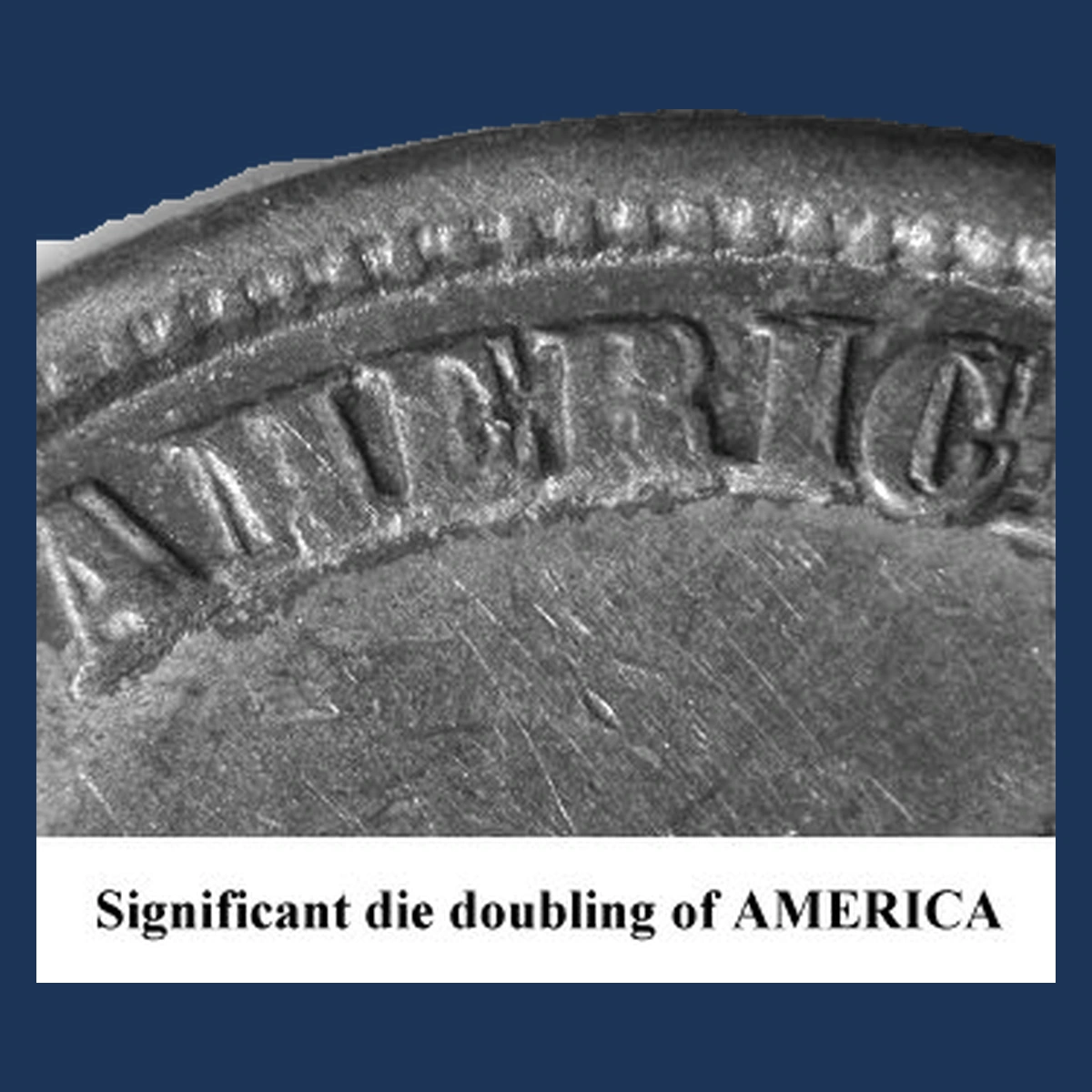
A second raised outline in a letter can already be present on the steel tool that stamps the coin. Collectors call that tool a doubled die.
Carson City Type I examples show front doubling in OF AMERICA, lower robe lines, and the base above the date. Another front variety affects ED in UNITED.
Back varieties from Philadelphia and Carson City show extra outlines in ONE DIME or parts of the wreath. The location depends on the tool used.
A Philadelphia Proof, a specially prepared collector coin, has doubling on the E in DIME. Its finish needs a separate comparison.
Estimated Value
Ordinary doubled-design examples can fit an estimated $50–$700 range, depending on mint, visible separation, and condition. Small traces on worn coins generally command less than clear ones.
For the Philadelphia Proof with doubled E, use a separate estimated $300–$2,000 range. Its collector finish and preservation account for much of that value.
These are whole-coin estimates. A coin carrying more than one doubled feature should be compared as one specimen, rather than priced by adding a value for each letter.
How to Identify
Begin by separating ordinary strikes from specially prepared Proof coins and reading the mint mark. A Philadelphia Proof’s doubled E should not be used to identify a Carson City coin with thick lettering.
Compare the relevant design through a 10× magnifier: OF AMERICA, the lower robe, and the base belong to the Carson City Type I front. Back varieties require their own comparisons at ONE DIME or the wreath, rather than a search for the same front features.
For a loose intact dime, check 2.50 grams with a scale, 17.9 mm with calipers, and the grooved edge. Keep a certified coin sealed and compare its raised extra outlines with a matching photograph, excluding flat shelves from movement during striking.
10. 1876 Liberty Seated Dime Off-Center Strikes and a Partial Mirror Impression
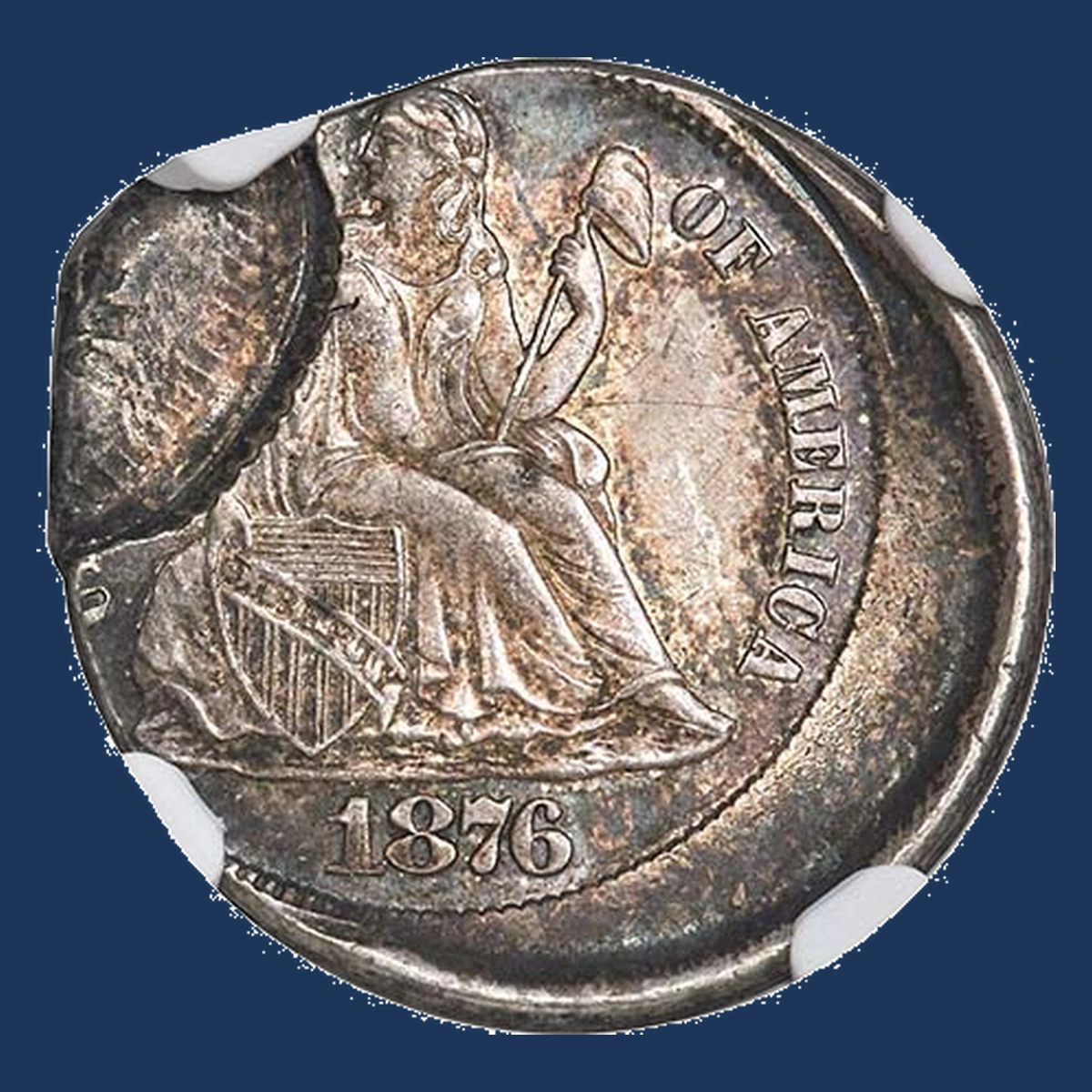
One Philadelphia coin combines two obvious mistakes. Its design sits 20% off center toward ten o’clock, and part of the front carries a sunken mirror impression.
Another struck coin pressed into that area, affecting Liberty’s arm on the viewer’s left and UNITED STATES. This kind of backward impression is called a brockage.
The brockage covers about 15% of the same coin. It is not a second specimen to price separately.
A different Carson City dime is only 5% off center, toward almost twelve o’clock. It does not share the Philadelphia coin’s reported mirror impression.
Estimated Value
The Philadelphia compound-error dime, graded NGC MS63, sold for $7,200 in August 2021. MS63 describes an unworn coin with noticeable marks.
The separate Carson City 5% example, graded XF45 with light-to-moderate wear, sold for $2,070 in August 2004. Its smaller shift and different mint make it a separate comparison.
Estimate $500–$8,000 across simpler dated off-center strikes and strong compound examples. The complete coin’s condition and surviving date help explain the wide range.
How to Identify
On the Philadelphia coin, begin with the extra impression beside Liberty’s arm and at UNITED STATES. Under a 10× magnifier, it should be sunken and backward, not another raised outline.
Photograph that impression where it meets the normal design. Their overlap helps explain how another coin blocked part of the strike.
The empty crescent elsewhere should still be original blank metal. Check both faces before calling a narrow rim an off-center error.
A loose candidate can remain near 2.50 grams on a scale. Use calipers to compare an intact span with 17.9 mm and check the edge grooves for trimming.
The Carson City 5% example needs only its documented shift, not the Philadelphia mirror impression. Compare it with the separate Carson City photograph.
Conclusion
Estimated values of $25–$8,000 reflect a wide range of 1876 dime errors. A small raised crack and the $7,200 off-center coin with a mirror impression need very different comparisons.
Check the mint letter before using a close-up guide. Turn the coin over in a fixed direction when testing rotation, and photograph its edge before judging missing or spread metal.
Keep ordinary coins and specially made Proof pieces in separate price comparisons.