1857 Dime Error List with Pictures

An 1857 dime struck 5% off center sold for $184 in June 2005, despite heavy wear. PCGS graded it Good 4, a low grade with much design worn away.
The five 1857 dime errors below have estimated whole-coin values of $30–$1,500. They range from a misplaced strike to small repeated date marks and roughness left by an aging stamping tool.
Follow the visible details below to see which effect matches your coin.
1. 1857-O Liberty Seated Dime Strike Doubling (Estimated Up to $300)
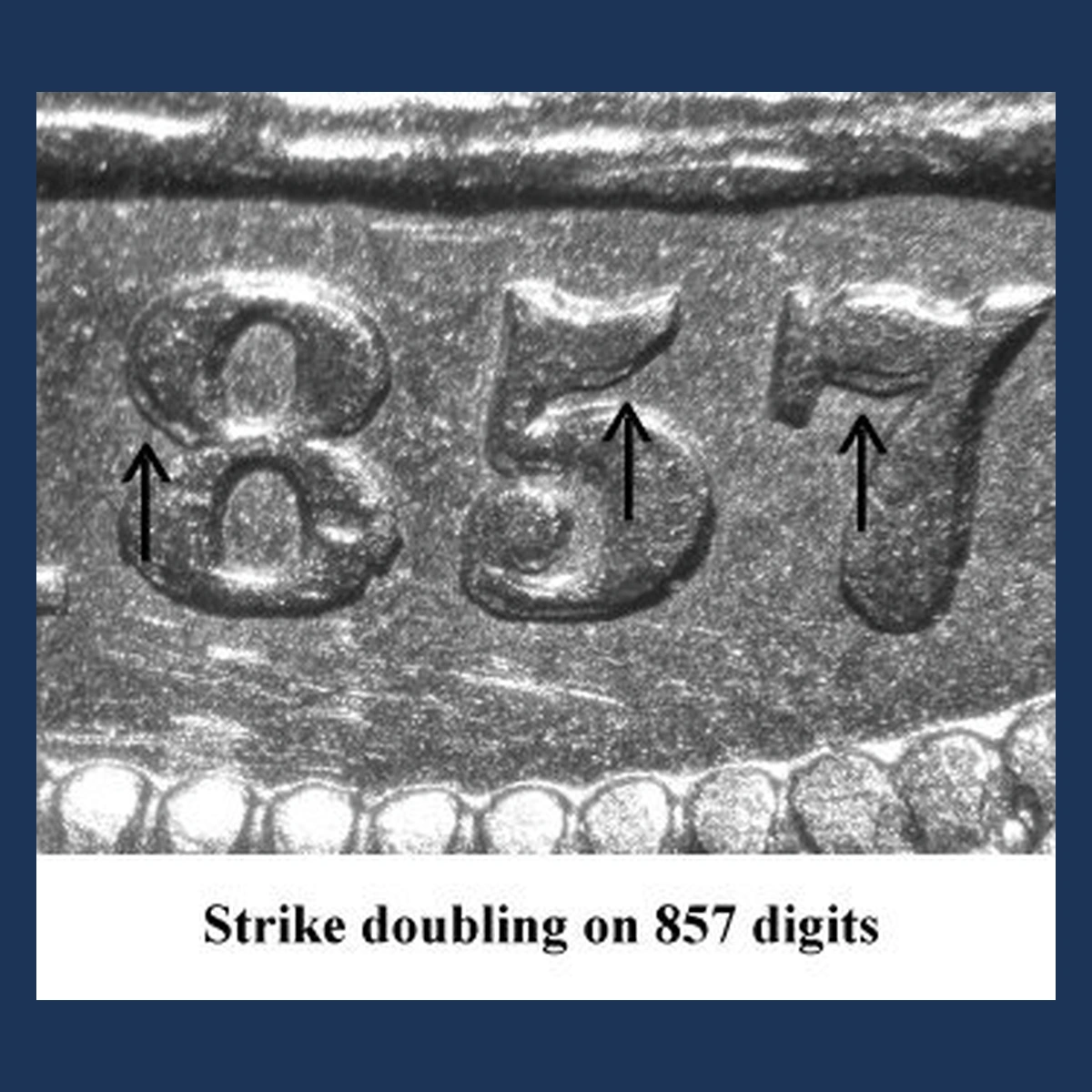
The date and stars both show the effect on this New Orleans coin. Fortin describes it as movement during striking, rather than a true doubled die.
A die is the steel tool that stamps the coin. Movement during a blow can flatten or shift the edges of raised details, leaving a shallow shelf.
The date was entered separately from the main design when the tool was prepared. Similar flattening across both areas therefore needs a different explanation from a repeated image built into the tool.
Look at the shape of the extra edge, not just how many details seem doubled.
Estimated Value
The estimated whole-coin range is $30–$300 for worn 1857-O examples showing this effect. Condition and surface quality account for most of the amount.
Doubling caused during striking does not carry the same demand as a scarce doubled-die variety. A clear shelf can make the effect easy to show, but does not establish rarity.
This range is an estimate, not a sale assigned to the reported example. Avoid adding a large bonus just for several doubled-looking edges.
How to Identify
Compare one star point with a date stroke under a 10× magnifier. Look for shallow flat shelves that cut into the normal raised detail.
Rounded extra outlines can have a different cause. Similar flattening on the date and stars supports the reported striking effect.
Check for the O on the back and inspect nearby surfaces for cleaning or wear that could blur the edges. A single out-of-focus picture may not show the difference.
When safely accessible, use a scale and calipers against the original 2.49 g and about 17.9 mm. The coin is 90% silver and has edge grooves.
The useful observation is the same shallow shelf reducing normal detail in both areas, rather than a count of doubled-looking letters or stars.
2. 1857 Liberty Seated Dime Die Erosion (Estimated Up to $300)
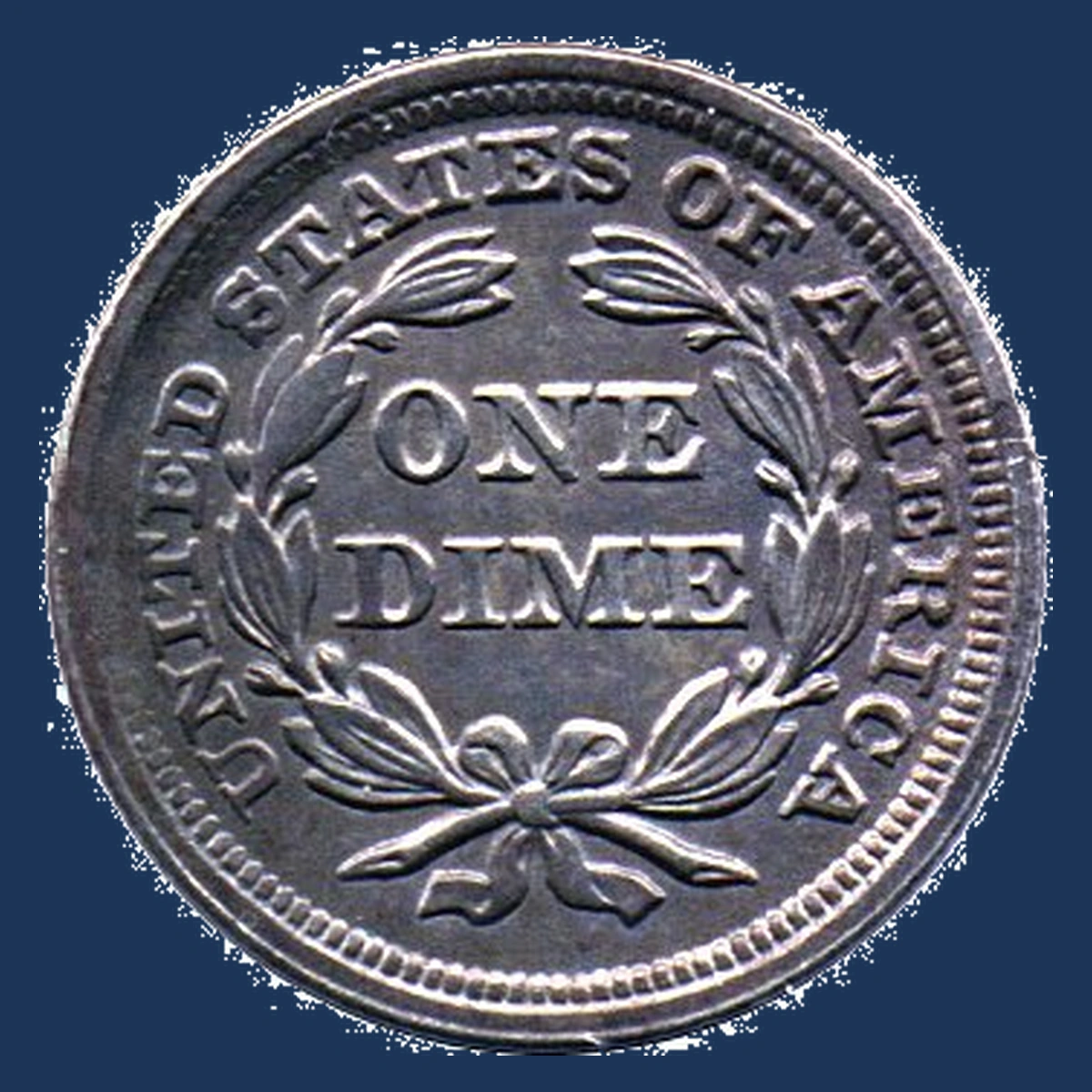
Roughness behind AMERICA can come from an aging stamping tool. Repeated use changes its surface, and later coins can copy that texture.
This is called die erosion. The recorded Philadelphia F-103 example places it in the open area behind the back lettering.
Corrosion after minting can also roughen a coin, but it has a different cause. The position and relationship to nearby detail help distinguish them.
The same variety has an extra date stroke beneath the 1 on the front. That matching feature helps identify the tool pair, but roughness alone does not prove a valuable metal defect.
Estimated Value
The estimated whole-coin range is $30–$300 for worn F-103 dimes with visible tool texture. This modest effect generally attracts less demand than a clearly misplaced strike.
Heavy wear can make it difficult to see. Original surfaces and a matching front date help make a clearer comparison.
If the repeated 1 is also visible, value the coin once as that combined variety. Do not add this range to the estimate for the date feature below.
How to Identify
Light the back from a low angle and inspect the area behind AMERICA with a 10× magnifier. Compare the texture around several letters, rather than picking one rough spot.
Move the light to separate surface texture from shadows. Corrosion can eat into silver, while cleaning may drag lines across unrelated parts of the design.
Turn to the front and check the high date and extra stroke beneath the 1. Those matching features help connect the roughness to F-103.
For an accessible coin, use a scale and calipers against 2.49 g and 17.9 mm. Inspect the edge grooves of the 90% silver dime.
The useful match is texture in the pictured back location together with the correct high date and repeated 1 on the front.
3. 1857 Liberty Seated Dime Repunched 1 (Estimated Up to $500)
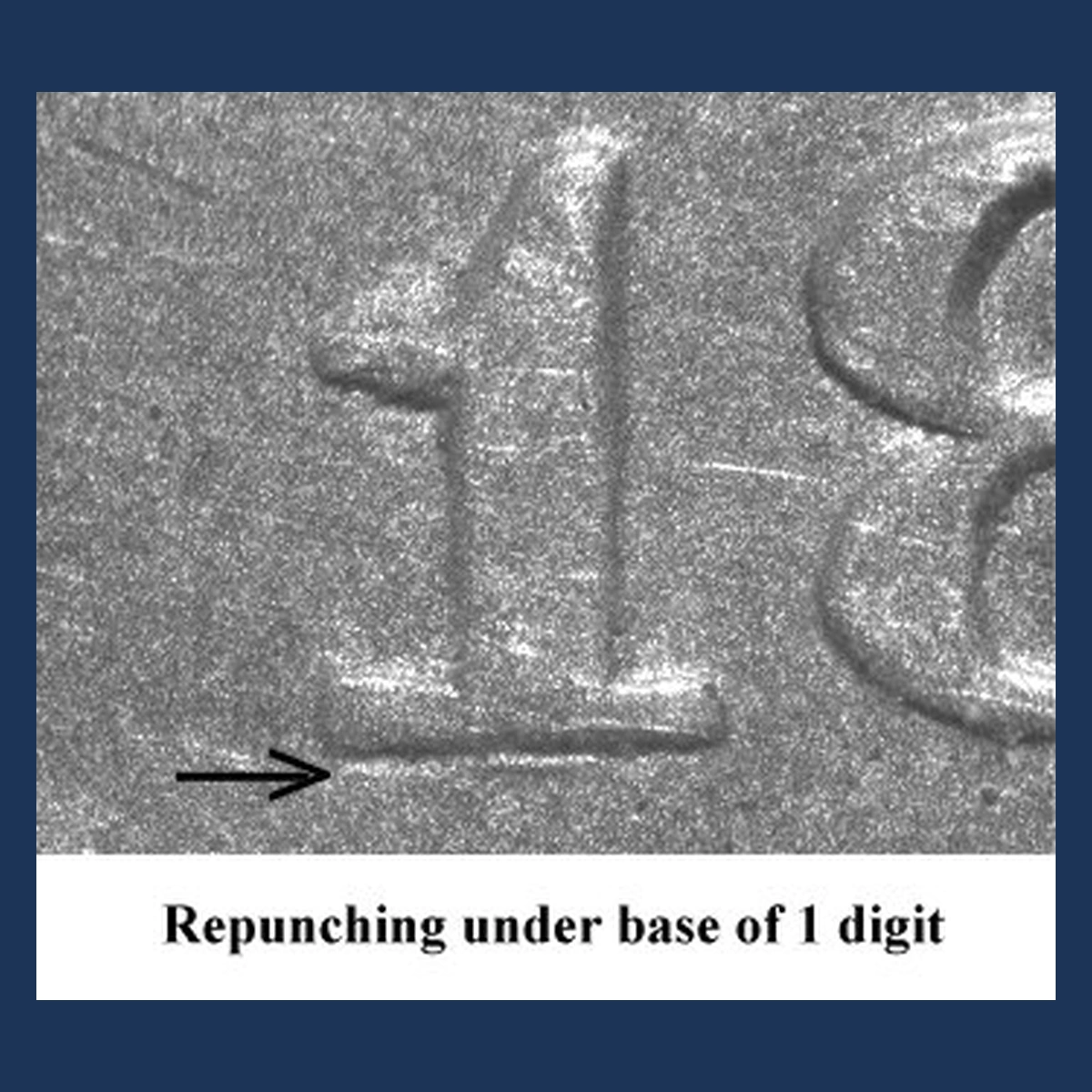
An extra stroke sits beneath the first number of the date. On Philadelphia F-103, the date is high and level, with the repeated mark below the 1.
The date punch entered the stamping tool more than once. Part of its earlier position remained below the final numeral and was copied onto later coins.
The coin did not receive two complete blows. Its normal strike could reproduce both surviving outlines from the tool.
Location matters because a scratch below a number can look convincing at first. The extra shape should match the earlier numeral, with the rest of the date agreeing.
Estimated Value
The estimated whole-coin range is $50–$500 for worn through lightly worn F-103 examples. A clear remnant below the 1 and original surfaces support stronger prices.
Fortin illustrates a collection coin described as AU50, meaning light wear. No auction amount is attached to that example.
The texture behind AMERICA can help identify the same variety. It should not become a second price added to the repeated date, because both features can belong to one coin.
How to Identify
Keep the whole date and Liberty’s base in one close photograph. Use a 10× magnifier below the 1 and compare the raised stroke with Fortin’s F-103 image.
A scratch cuts inward, while a genuine date remnant stands above the surface. A flat shelf caused during striking can also differ from a distinct earlier numeral shape.
Check that no mint letter appears on the back, and inspect the related texture behind AMERICA. Both sides should fit the same comparison.
When safely accessible, use a scale and calipers against 2.49 g and 17.9 mm. The dime is 90% silver with edge grooves.
The strongest small detail is the matching raised remnant directly below the 1, within the correct high, level date.
4. 1857-O Liberty Seated Dime Cracked or Shattered Die (Estimated Up to $700)
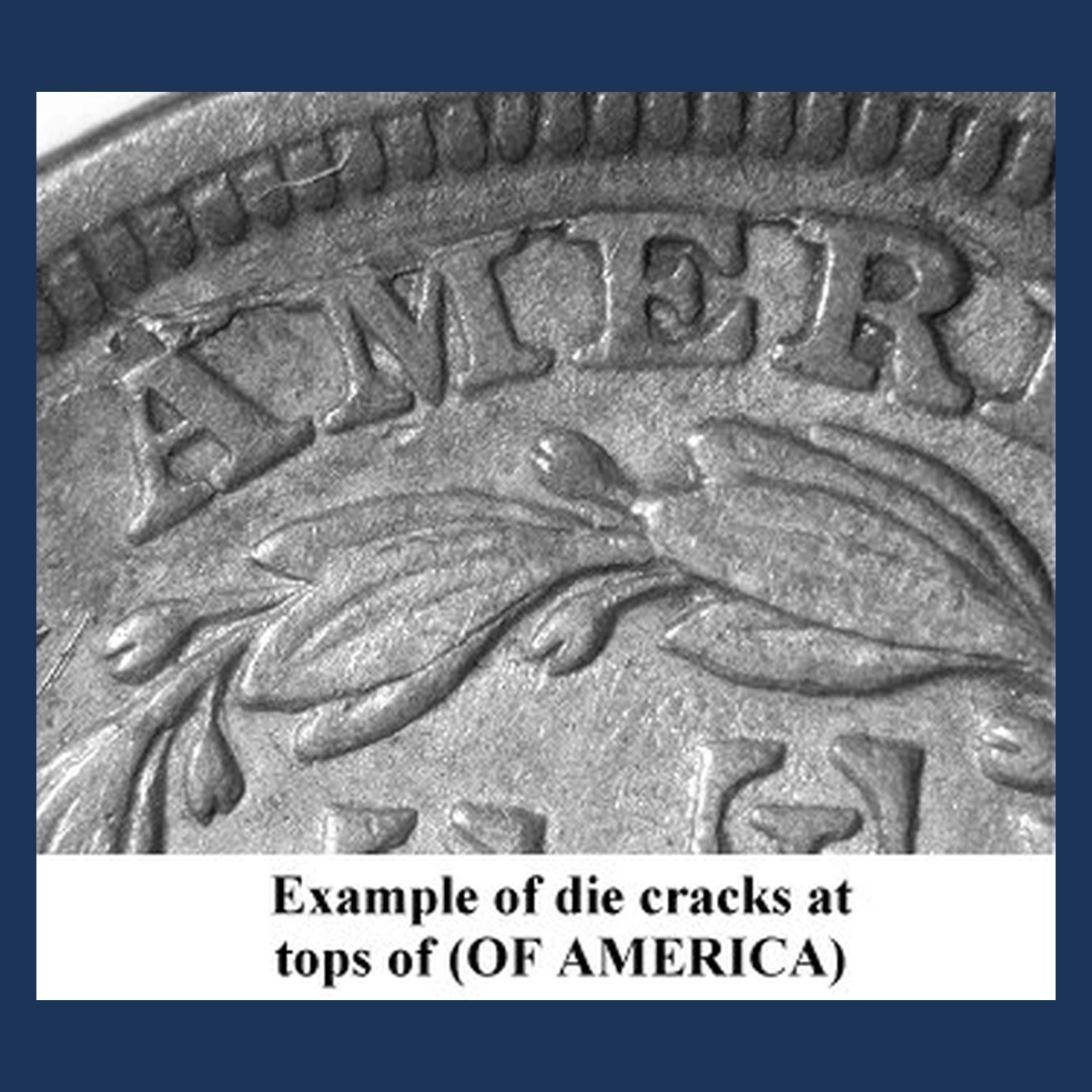
New Orleans examples show several crack patterns. F-101 has an extensively cracked back, while F-106 has cracks near the date on the front.
These describe different coins and different sides. Each line formed when metal entered an opening in the stamping tool and became a raised ridge.
A branching network can show more advanced tool damage than one thin line. Collectors may call that a shattered die.
The word does not mean the dime broke into pieces. It also does not automatically mean a large tool fragment fell away at the rim; that would need its own visible evidence.
Estimated Value
The estimated range is $50–$700 for worn through lightly worn examples with recognizable cracks. Clear branching lines and attractive remaining detail can draw more interest.
No sale amount is provided for either listed example. The range is therefore an estimate for the whole coin according to its condition and visible pattern.
Compare the F-101 back with its own picture and the F-106 front with its own. The more dramatic description should not be transferred between them.
How to Identify
Choose the correct side first. The F-101 comparison concerns the back; F-106 directs attention to the date on the front.
Confirm the O mint letter and photograph both sides. This prevents a front crack from being identified through an unrelated back picture.
Use a 10× magnifier and movable light to follow the lines through each junction. Raised ridges differ from scratches cut into the surface.
A scale and calipers can check an accessible coin against its original 2.49 g and about 17.9 mm. Inspect the edge grooves of the 90% silver dime.
Follow the complete raised pattern on the right side of the coin. Its route and branches should agree with the pictured example, rather than merely looking like a long line.
5. 1857 Liberty Seated Dime Off-Center Strike (Estimated Up to $1,500)
A blank sitting partly outside its proper position receives a misplaced design. Some detail misses the metal, while an area on the other side remains blank.
Heritage described a PCGS Good 4 example as 5% off center toward eight o’clock. It was heavily worn but still showed the error.
An older catalog reprinted in Mint Error News describes a separate 20% example toward five o’clock. The old report does not establish its mint here.
Those are two coins, not different measurements of one specimen. The larger percentage should not be combined with the grade or price of the smaller shift.
Estimated Value
The PCGS Good 4 example sold for $184 on June 3, 2005. The estimated range is $150–$1,500 for worn offsets through more noticeable, better-preserved examples.
A readable date helps establish the year. Surface condition and the amount of missing design also affect the comparison.
The $184 result belongs to the worn 5% coin. It does not establish a price for the separate 20% report or for every larger offset.
How to Identify
Examine both sides for missing outside design and an area that never received the strike. Keep the complete outline visible in photographs.
A full design within a wide rim may be a broadstrike instead. If only one side has shifted, a misplaced stamping tool is another possibility.
Use a 10× magnifier at the boundary to distinguish blank metal from a ground-down rim. Check the readable 1857 date and any surviving mint letter.
For an accessible coin, compare scale and caliper readings with 2.49 g and 17.9 mm. Inspect the edge grooves of the 90% silver dime, allowing for a changed outline.
The convincing feature is missing design paired with untouched blank metal, rather than the percentage written in a seller’s title.
Conclusion
Estimated whole-coin values for these 1857 features run from $30 to $1,500. A flat doubled edge, rough surface, raised crack, and misplaced design each call for a different check.
Philadelphia F-103 can combine the repeated 1 with back texture, while the New Orleans examples need their own comparisons. Keep the historical 20% off-center report separate from the graded 5% sale.
Judge what remains visible together with the coin’s wear and surface condition.