2018 Penny Error List with Pictures

A smooth edge is normal on a 2018 penny. So is the lack of a mint letter on a Philadelphia coin.
The 2018 penny errors worth checking involve changes to the design, metal, or striking position, with estimated ranges of $2–$2,000. For the wrong-blank category, an older 1981-D cent on a dime blank sold for $372 in September 2025.
That comparison is not evidence of a 2018 wrong-blank discovery. Begin with the visible checks below to separate normal features from actual mint-made changes.
1. 2018 Lincoln Penny Misaligned Die (Estimated Up to $75)
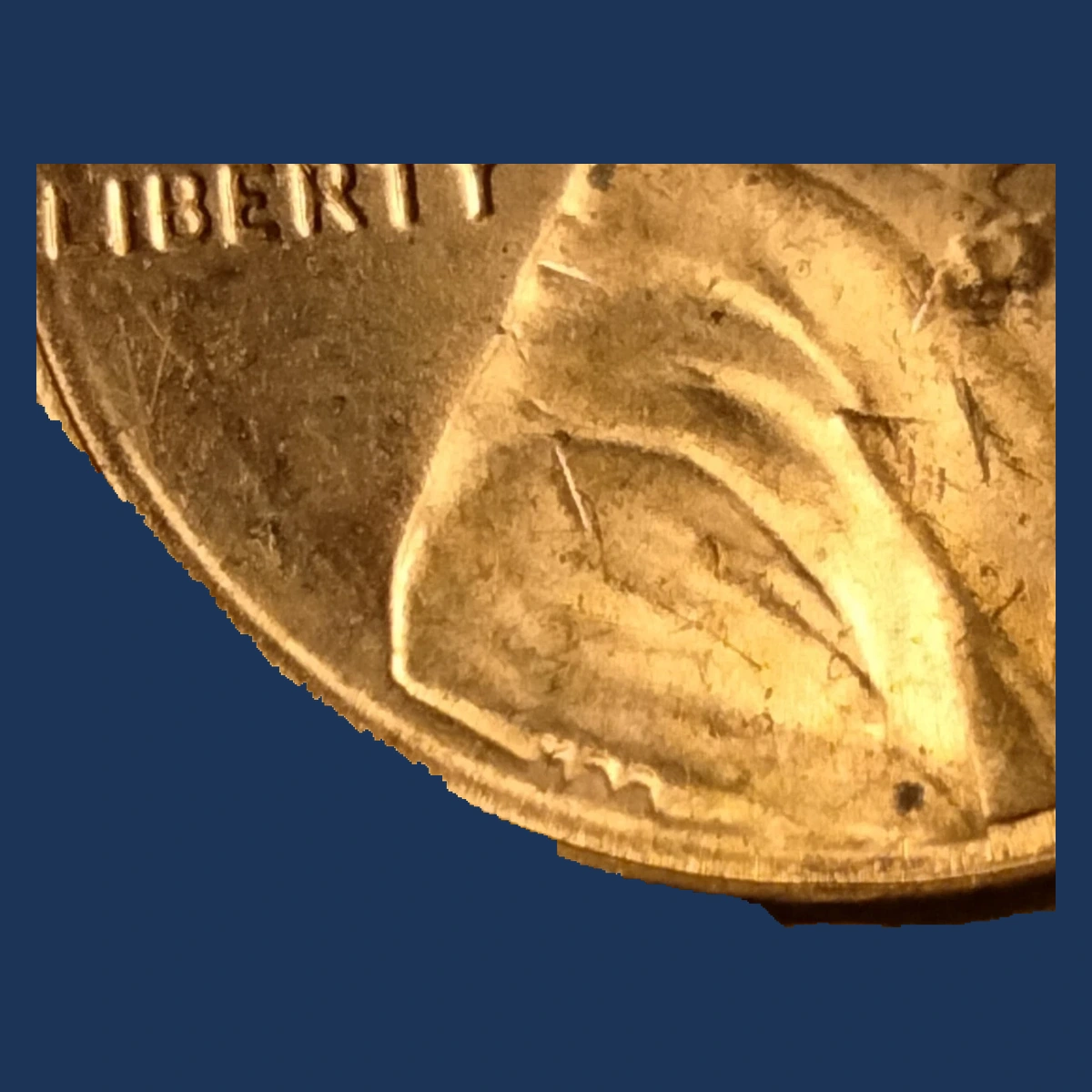
An uneven front border can make the portrait seem pushed toward one edge. If the back stays centered, the problem may involve one misplaced stamping tool.
The tool is called a die. A sideways shift changes where its design lands on the blank.
Reports for 2018 describe this front-side movement, including the area around Lincoln and the VDB initials. Some also mention an obstruction during striking on the same coin.
The two effects need separate checks. A small shift usually leaves most detail intact, although a severe misalignment can push design beyond the edge.
Estimated Value
Estimate $2–$20 for small, clear one-face shifts. Stronger examples that visibly affect the border can fit approximately $20–$75.
These estimates use similar minor misalignments on modern Lincoln cents. They are not auction results for a particular 2018 coin.
A slightly uneven rim often attracts little extra interest. The shift must be distinguished from a tilted photograph or damaged edge.
If the coin also has a struck-through mark, value the whole piece rather than adding two full ranges.
How to Identify
Photograph the coin straight on, then photograph the other face at the same angle. A tilted camera can make a normal border look uneven.
Compare how close the outer details sit to the rim on each side. A mainly one-face shift supports misalignment more than a blank misplaced between both tools.
Use a 10× magnifier near the portrait and small VDB initials to inspect the crowded side. Look for later filing at the edge.
A normal penny weighs 2.50 g and measures 19.05 mm, with a smooth edge. Check these using a scale and calipers when safely accessible.
The key comparison is a shifted front design beside a substantially centered back, rather than one wide rim viewed alone.
2. 2018 Lincoln Penny Doubled Designs (Estimated Up to $100)
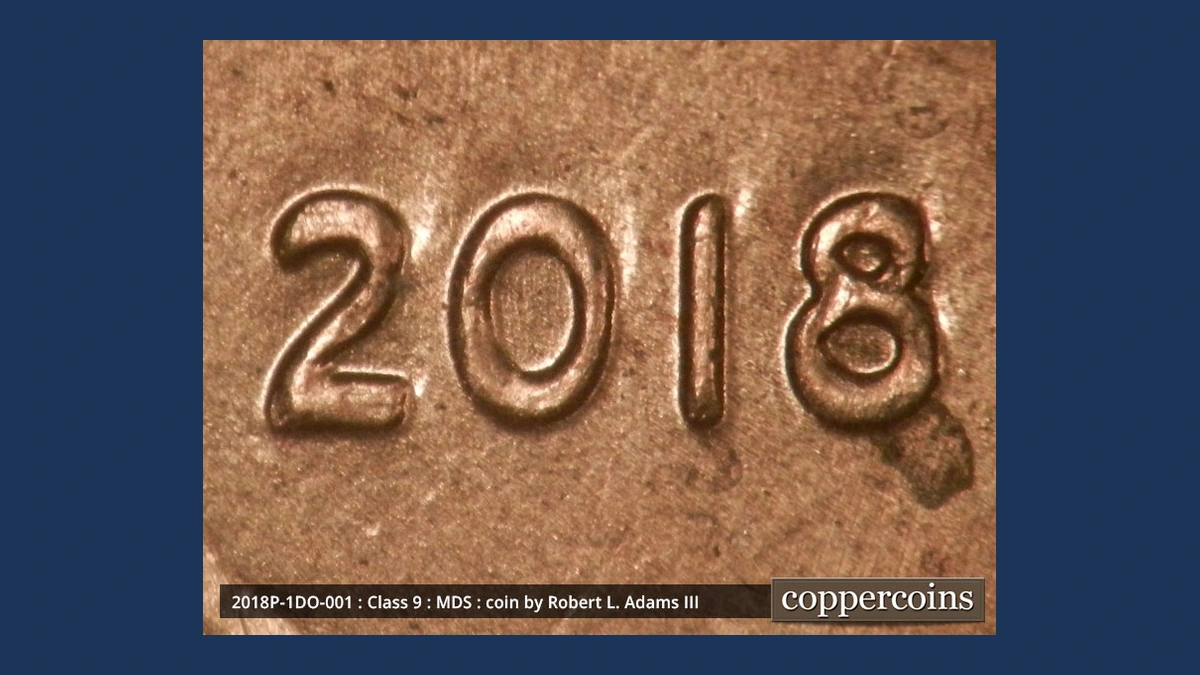
The date numerals were the clue in the first reported Philadelphia doubled-die cent of 2018. Coin World’s November report described extra thickness in the numbers and elsewhere.
A doubled design begins on the stamping tool, allowing the same pattern to repeat. It is different from a coin accidentally struck twice.
Later Denver reports include an extra-looking ear outline. Other accounts mention VDB, while a Philadelphia back-side listing points to light thickening of LB.
These locations belong to separate patterns. A photograph of one date or mint should not be used to prove all of them.
Estimated Value
An estimated $5–$30 suits minor identified doubling. Stronger, attractive examples can fit approximately $30–$100.
The range compares small modern Shield-cent varieties rather than a documented sale for every 2018 pattern. Clear letter shapes are more useful than an indistinct thick edge.
The early discovery report confirms a Philadelphia variety, but it does not supply a price for the later Denver ear reports. Compare the correct feature and condition before treating the nickname as a premium.
How to Identify
Choose a comparison for the coin’s actual mint and affected face. The absence of a P is normal on a Philadelphia 2018 cent.
Examine the date through a 10× magnifier for the Philadelphia front pattern. The Denver ear and separately reported VDB features require their own matching photographs.
On the shield side, inspect the small LB initials rather than assuming every shield stripe should be doubled. A flat shelf can be caused by movement during striking.
A scale and calipers help check safely accessible coins against 2.50 g and 19.05 mm. Inspect the smooth edge too.
The best comparison matches the exact extra thickness or separation on the same design details, with ordinary letter shapes visible beside them.
3. 2018 Lincoln Penny Die Clash (Estimated Up to $150)
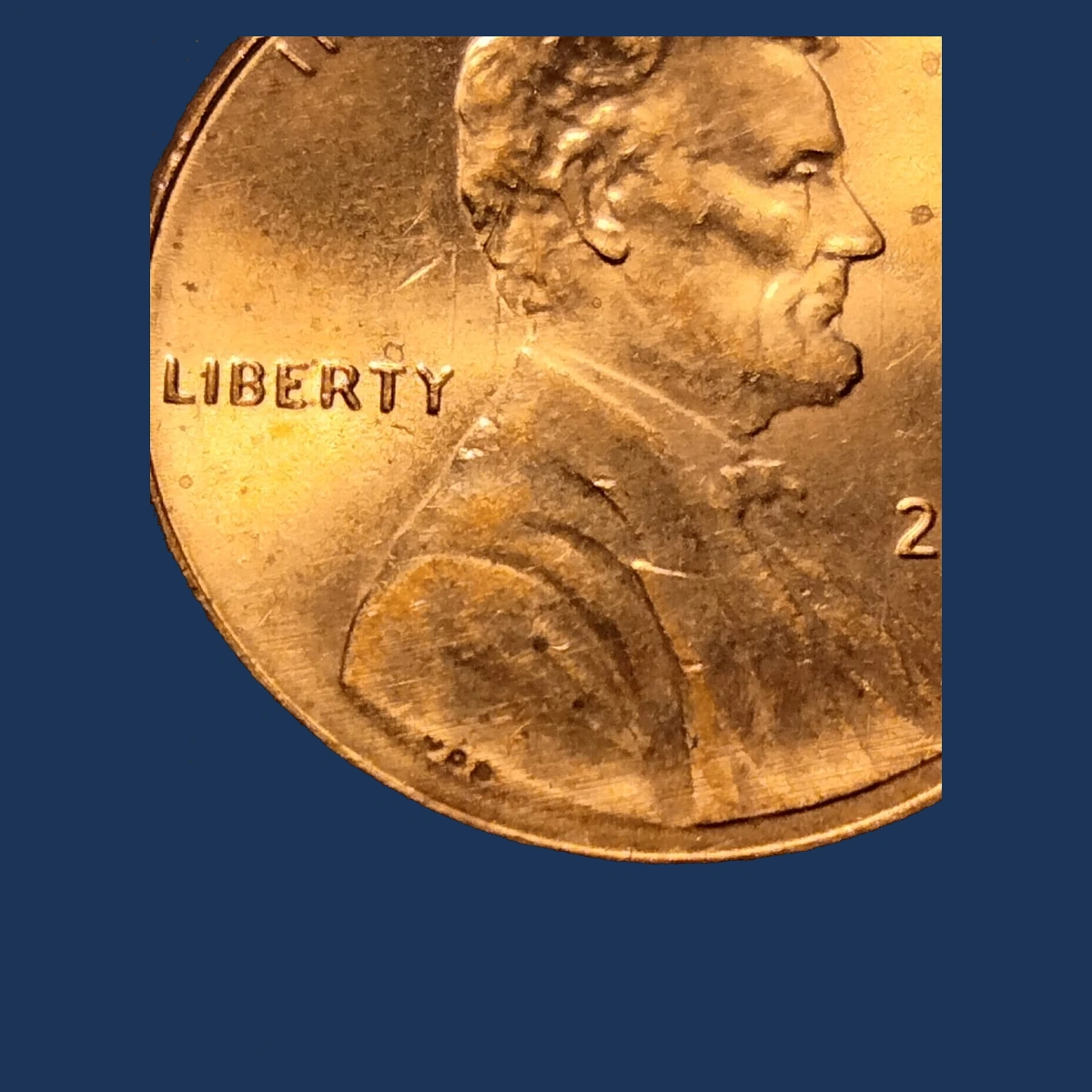
Fine lines behind Lincoln’s neck or shoulder can resemble a piece of the shield. The source may be contact between the stamping tools rather than a foreign object.
When no blank lies between the tools, they can hit each other. Later coins carry traces of that contact.
This is a die clash. Reports for 2018 describe front-side shield traces and unusual marks in the back’s open areas.
The lines need to fit the opposite design in both shape and position. Plating wrinkles, polishing marks, and random scratches can make parallel lines without any clash occurring.
Estimated Value
Faint recognizable clashes can fit an estimated $10–$50 range. More obvious transferred designs on attractive coins can reach approximately $50–$150.
These estimates compare modern Lincoln cents with similar tool-contact marks. No exact 2018 auction amount is assigned to the reported neck or shoulder traces.
A clear shield fragment is easier to understand than several unrelated lines. Heavy wear or damaged plating can make a genuine clash less visible and less appealing to a buyer.
How to Identify
Place a clear image of the shield beside the suspected lines behind Lincoln. Try to locate an actual matching piece of design.
Follow that outline through a 10× magnifier with the light moving slowly. Do not join distant scratches into a shape merely because they point in a similar direction.
A clash can vary in strength. The essential question is whether the two tools could have touched at the positions shown.
Check the normal 2.50 g weight and 19.05 mm width with a scale and calipers when safely accessible. Inspect the smooth edge for impact damage.
An opposite-side design fragment that fits the coin’s geometry is stronger evidence than parallel lines or a faint unfamiliar shape by themselves.
4. 2018 Lincoln Penny Struck-Through Error (Estimated Up to $200)
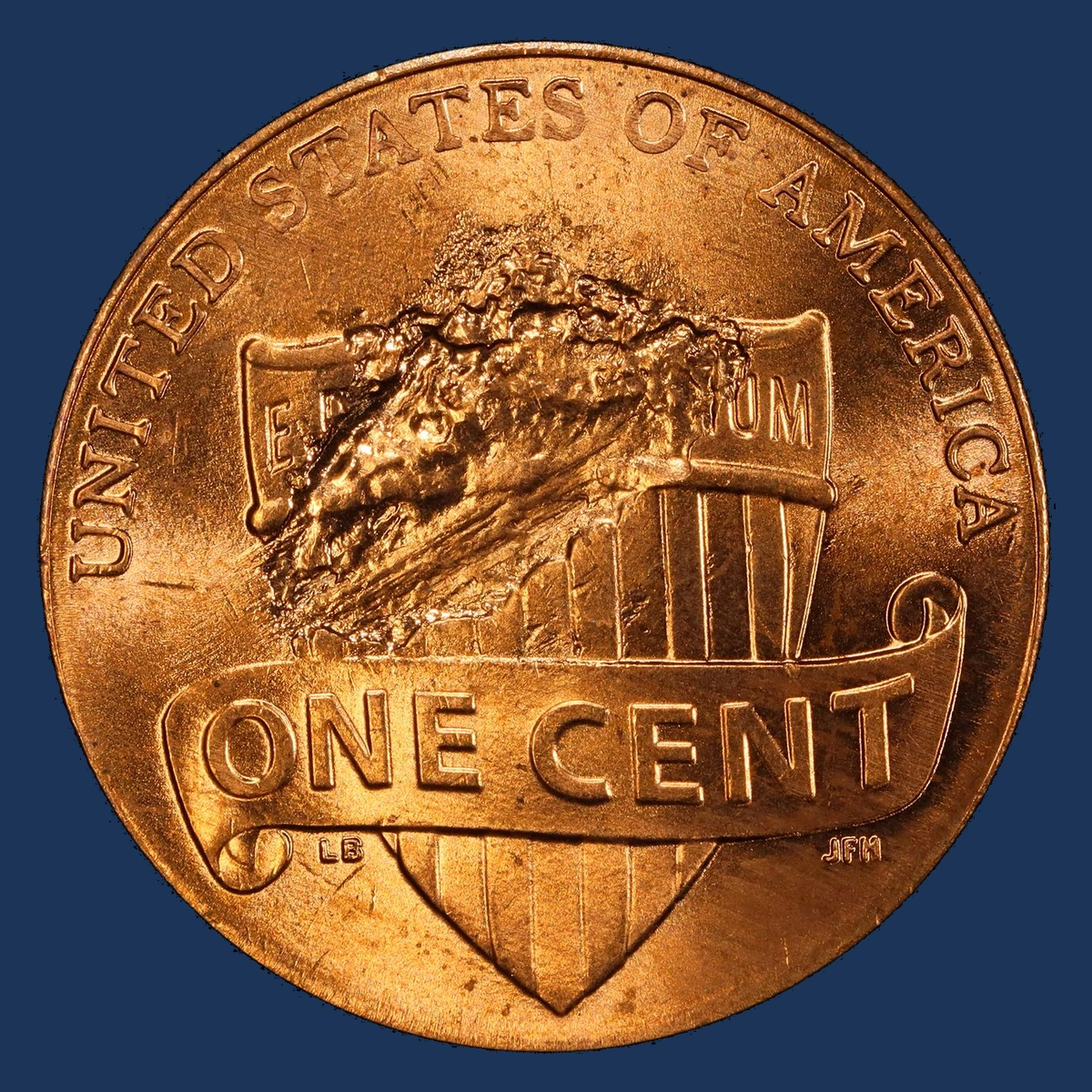
Lincoln’s face can look weak in one area while nearby lettering stays clear. Grease or another obstruction may have blocked the normal transfer of the design.
A solid object can instead leave a more distinct impression. Both belong to struck-through errors, where material comes between the blank and a tool.
For 2018, reports include weak forehead, nose, chin, and shield details. The descriptions of solid-object marks do not establish every material or exact location.
A missing-looking feature can also result from wear or later damage. Compare the affected patch with the surrounding original surface before naming the cause.
Estimated Value
Allow an estimated $5–$40 for small, clear grease-related weak areas. More obvious or sharply shaped impressions can fit approximately $40–$200.
A 2021-D Shield cent struck through grease sold for $84 in September 2025. PCGS graded it MS64 Red, meaning unworn with some marks and copper-red color.
That comparison is from another year. It does not establish a price for each reported 2018 face mark, or prove that a particular material made it.
How to Identify
Look first at the clear details beside the weak patch. Ordinary wear tends to affect exposed high points beyond a single blocked area.
Use a 10× magnifier to inspect where the normal design fades or meets an impression. A later scrape may cut across finished features and move metal aside.
Check both faces for additional effects, including a possible one-face misalignment. Keep each visible feature distinct when explaining the same coin.
The normal standard is 2.50 g and 19.05 mm with a smooth edge. Use a scale and calipers where safely accessible.
An obstruction need not reduce weight. A clear interruption in otherwise original struck detail is more informative than calling a vague mark wire, cloth, or grease by guesswork.
5. 2018 Lincoln Penny Broadstrike (Estimated Up to $350)
A plain edge does not make this penny a broadstrike. Pennies normally have smooth edges, so the useful clue is expansion beyond the usual width.
The collar is the ring that contains the blank during striking. When it fails to contain the metal, the coin can spread outward.
A broadstrike keeps the intended front and back designs complete inside that wider outline. Year reports list the type for 2018 without fixing one mint or direction of spreading.
Later flattening can widen a coin too. It commonly crushes detail that was already finished, rather than forming an original broad strike.
Estimated Value
Estimate $40–$150 for modest genuine spreading. Stronger expansion on clean, unworn examples can fit approximately $150–$350.
These figures compare modern Lincoln broadstrikes, rather than a recorded result for a named 2018 coin. The amount of original design and the quality of its surface help determine appeal.
A normal-sized penny with a smooth edge receives no broadstrike premium. Nor should a flattened coin be valued as a mint error merely because its diameter has increased.
How to Identify
Measure the coin in more than one direction with calipers when safely accessible. Compare the readings with the normal 19.05 mm diameter.
Check the weight with a scale against 2.50 g. Spreading can change width without removing metal, so weight may stay near normal.
Then inspect the complete outer lettering on both sides through a 10× magnifier. A true broadstrike should retain the designs within its enlarged outline.
Examine the smooth edge and the portrait’s high points for later squeezing. Do not remove a sealed coin from its holder to measure it.
The practical combination is an oversized original outline with complete, naturally struck designs, rather than a smooth edge or increased width alone.
6. 2018 Lincoln Penny Die Chips, Cracks, and Retained Breaks (Estimated Up to $400)
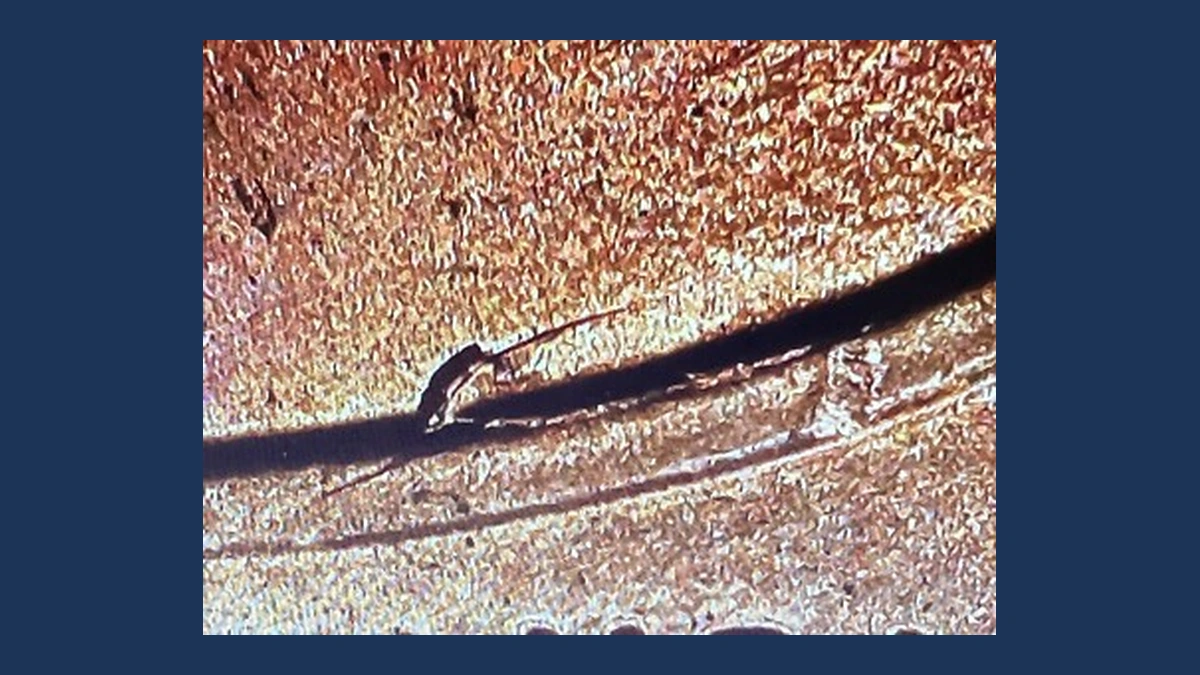
BIE describes a raised bar between B and E in LIBERTY. Separate 2018 reports describe bumps around ONE CENT or the shield.
Cracks in the stamping tool can also leave ridges running from Lincoln’s head toward the rim. Collectors sometimes call these Spiked Head lines.
A larger cracked section can remain in the tool instead of falling out. Coins can then show a bordered area that still carries some design.
Reports call certain Philadelphia examples PreCud and describe retained breaks separately. These are not automatically the same coin, or a smooth mound left after a whole tool fragment fell away.
Estimated Value
For minor chips or short cracks, estimate $2–$50. Clearer retained rim breaks can fit approximately $50–$400.
A 2021-D Shield cent with a retained cud sold for $186 in September 2025. Its PCGS MS64 Red grade means unworn with some marks and copper-red color.
That sale is a comparison for the larger break, not for every tiny BIE bar. The remaining design, movement of the cracked area, and overall condition change what collectors can see.
How to Identify
Identify the shape before using a nickname: a bar, small bump, ridge, or bordered rim area. Photograph the entire face so the location stays clear.
Under a 10× magnifier, a tool crack should appear as a raised line rather than a cut. Do not press bumps to test for fragile plating blisters.
For a retained break, look for a cracked boundary enclosing design that remains present. One line alone does not prove the section moved.
Use a scale and calipers when safely accessible to compare with 2.50 g and 19.05 mm. The normal edge is smooth.
The retained-break clue is surviving design inside a rim-connected cracked area, unlike an isolated chip or a featureless raised cud.
7. 2018 Lincoln Penny Missing Copper Plating (Estimated Up to $400)
A gray patch on Lincoln’s side can expose the zinc beneath the penny’s copper coating. A 2018 report describes this front-side loss of copper.
The name does not establish when the coating disappeared. Copper might be missing before striking, split during striking, or come away after the coin entered circulation.
A plated zinc penny is not built like a copper-nickel layered dime. Calling the problem a missing clad layer can therefore confuse two different metal structures.
Look at the remaining coating as well as the gray area. Acid treatment, later plating, and corrosion can imitate an unusual mint-made surface.
Estimated Value
For a genuine small original plating defect, estimate $10–$50. More extensive original missing copper on an attractive coin can fit approximately $50–$400.
These ranges compare copper-plated zinc errors from other dates. They do not claim a sale for the reported 2018 front-side example.
A chemically stripped penny has no missing-plating error premium. Its gray appearance alone cannot justify the estimate.
The amount missing and the quality of the original design matter once the cause is established.
How to Identify
Inspect the front, back, and edge together under matching light. A genuine coating difference should remain visible without relying on an unusually bright photograph.
A 10× magnifier can show the border between copper and zinc. Look for pits, abrasion, or roughness that may reflect later chemical or mechanical damage.
The normal penny weighs 2.50 g and measures 19.05 mm with a smooth edge. Check with a scale and calipers when safely accessible.
Copper plating is thin, so a small loss may barely change the reading. Do not scratch or chemically test the surface.
The convincing feature is original design and texture at an actual coating boundary. A silver-colored face by itself does not prove an unplated blank.
8. 2018 Lincoln Penny Off-Center Strike (Estimated Up to $500)
A blank crescent can occupy part of the penny while Lincoln’s portrait runs out of room. The blank was not centered when the tools struck it.
Both faces should show effects of that misplaced metal. This differs from the one-face shift caused by a misaligned tool.
Year guides report off-center 2018 cents without establishing one mint, direction, or measured percentage. General percentage price bands do not describe a particular certified coin.
The surviving date is useful because some of the intended design may be absent. The unstruck area remains original metal rather than a piece removed from the edge.
Estimated Value
An estimated $15–$75 covers modest, genuine shifts with readable dates. Stronger attractive examples can fit approximately $75–$500.
The estimates use other modern Lincoln off-center errors as comparisons. They are not recorded sales for a specific 2018 percentage or mint.
A dramatic offset can lose so much design that the date becomes hard to identify. Surface marks also affect appeal.
The price should follow the complete coin’s appearance and identity, rather than a fixed dollar amount per percentage point.
How to Identify
Keep the full 2018 date visible when documenting the coin. A guess based on a partial last digit does not establish the year.
Compare the outlines and surviving designs on both sides. An uneven border on just one face belongs to the misalignment check instead.
At 10× magnification, inspect the boundary between the struck design and the plain metal. Later grinding leaves signs of working rather than an untouched blank surface.
A normal blank is 2.50 g and 19.05 mm across. Use a scale and calipers when accessible, allowing for changes in outline during striking.
Inspect the smooth edge too. Original plain metal adjoining incomplete designs on both faces is the feature that distinguishes a true off-center strike.
9. Reported 2018 Lincoln Penny Wrong-Planchet Error (Estimated Up to $2,000)
A coin can receive Lincoln’s design on metal intended for something else. This is a wrong-planchet error, with planchet meaning a prepared coin blank.
The 2018 listing discusses the possibility without identifying a confirmed example for that year. It does not establish a 2018 penny on an old copper blank.
That distinction matters when a scale gives an unexpected reading. Dirt, altered plating, or a faulty scale can make a normal penny seem unusual.
The proposed blank must explain the whole coin. Its metal, size, weight, and the way the design meets the edge need to agree.
Estimated Value
For an authenticated example on an identified wrong blank, use an estimated $300–$2,000 range. This is conditional pricing for the reported category.
An 1981-D cent on a clad dime blank sold for $372 in September 2025. PCGS graded it MS62, meaning unworn with noticeable marks.
The older coin has another back design and a known blank. Its result offers a comparison without proving a 2018 wrong-blank discovery or a particular 2018 metal.
How to Identify
Check the scale with a normal coin before interpreting an unusual weight. A regular 2018 penny should be near 2.50 g.
Calipers can compare the diameter with 19.05 mm when the coin is safely accessible. Study the smooth edge and outer design through a 10× magnifier for cutting or filing.
A smaller original blank may never have received some outer lettering. Later trimming instead damages a completed coin.
Gray color could come from exposed zinc or added plating, so metal identification needs more than a photograph. Even the cent from the 2018 silver collector set remains copper-plated zinc.
An identified wrong blank must fit all the measurements and original striking features together, not just one unexpected color or scale reading.
Conclusion
An ordinary smooth edge and a missing Philadelphia mint letter are useful starting points, not errors. Compare the unusual feature with the correct date, mint, and finish before giving it a name.
The estimated ranges here span $2 for minor chips to $2,000 for an authenticated wrong-blank coin. The latter remains a conditional category for 2018.
Clear images of the design, coating boundaries, and edge help distinguish a mint-made feature from later damage.