2021 Penny Error List with Pictures

Three 2021 pennies show why an error’s shape matters: a small missing edge sold for $114, blocked detail for $84, and a retained rim break for $186 in September 2025.
The 2021 penny errors below include these mechanisms alongside doubled details and misplaced strikes. Estimated values range from $2–$500, depending on the visible feature and condition.
A raised line, a hollow, and a plain crescent tell different stories. Read on to learn where to look and which comparisons fit each coin.
1. 2021 Lincoln Penny Doubled Designs (Estimated Up to $150)
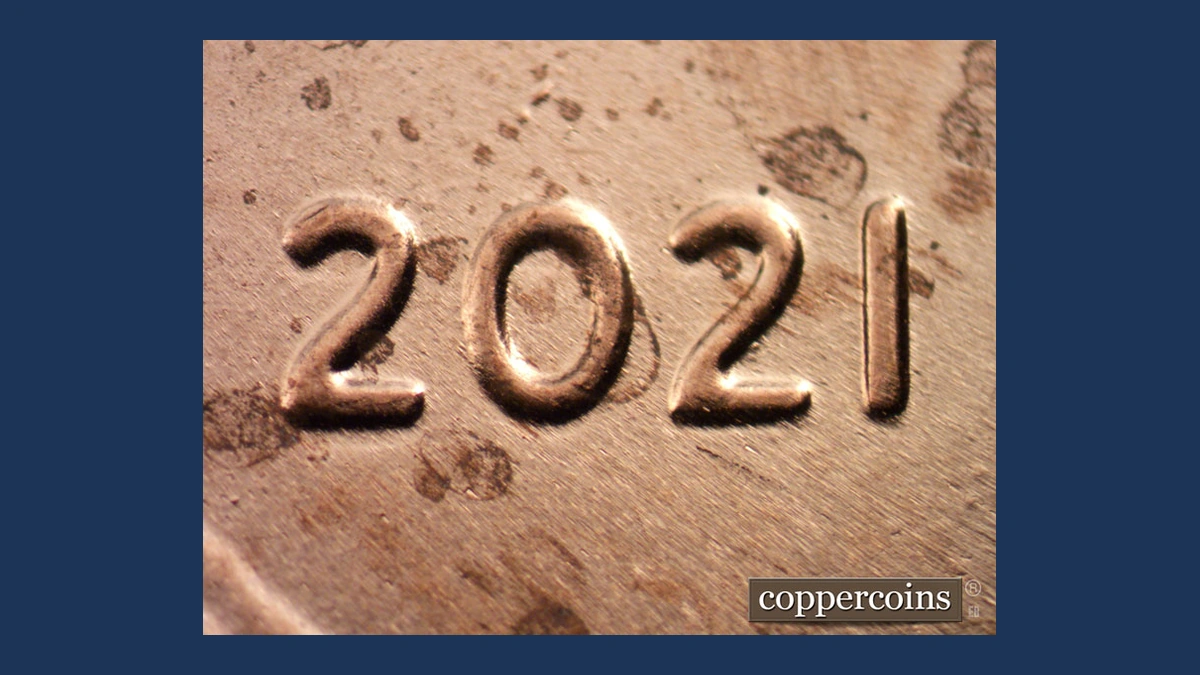
The corner of a letter can show a small split, or part of Lincoln’s ear may appear repeated. Such details can come from a doubled design in the stamping tool.
That tool is called a die. The extra shape is already present before it strikes the blank, so later coins can repeat it.
The 2021 reports include front-side lettering, dates, and ear details. Separate back-side reports point to shield stripes or E PLURIBUS UNUM.
These descriptions do not establish one coin carrying every feature. Each mint and face needs its own comparison, with flat ledges from strike movement kept separate.
Estimated Value
For minor identifiable doubling, estimate $5–$30. Stronger patterns on attractive unworn coins can fit approximately $30–$150.
These are estimates based on modest modern Shield-cent varieties, rather than a sale record for a named 2021 tool. Clear separation matters more than a generally thick letter.
A common faint pattern may add little to a worn penny. If one coin has features on both faces, value the complete example rather than adding separate front and back price ranges.
How to Identify
Photograph the date and mintmark area before enlarging a small feature. A Philadelphia penny has no mint letter, while Denver uses D.
At 10× magnification, follow a suspected extra outline around the letter or ear. Compare the back independently, using the exact shield stripe or wording shown for that variety.
A flat shelf may cut into the normal letter instead of forming a rounded second contour. Reflections can also make an edge seem thicker.
Use a scale and calipers against 2.50 grams and 19.05 mm for an accessible coin. Its edge is normally smooth.
A matching repeated contour in the same place is more useful than thickness across unrelated parts of the design.
2. 2021 Lincoln Penny Die Clash (Estimated Up to $200)
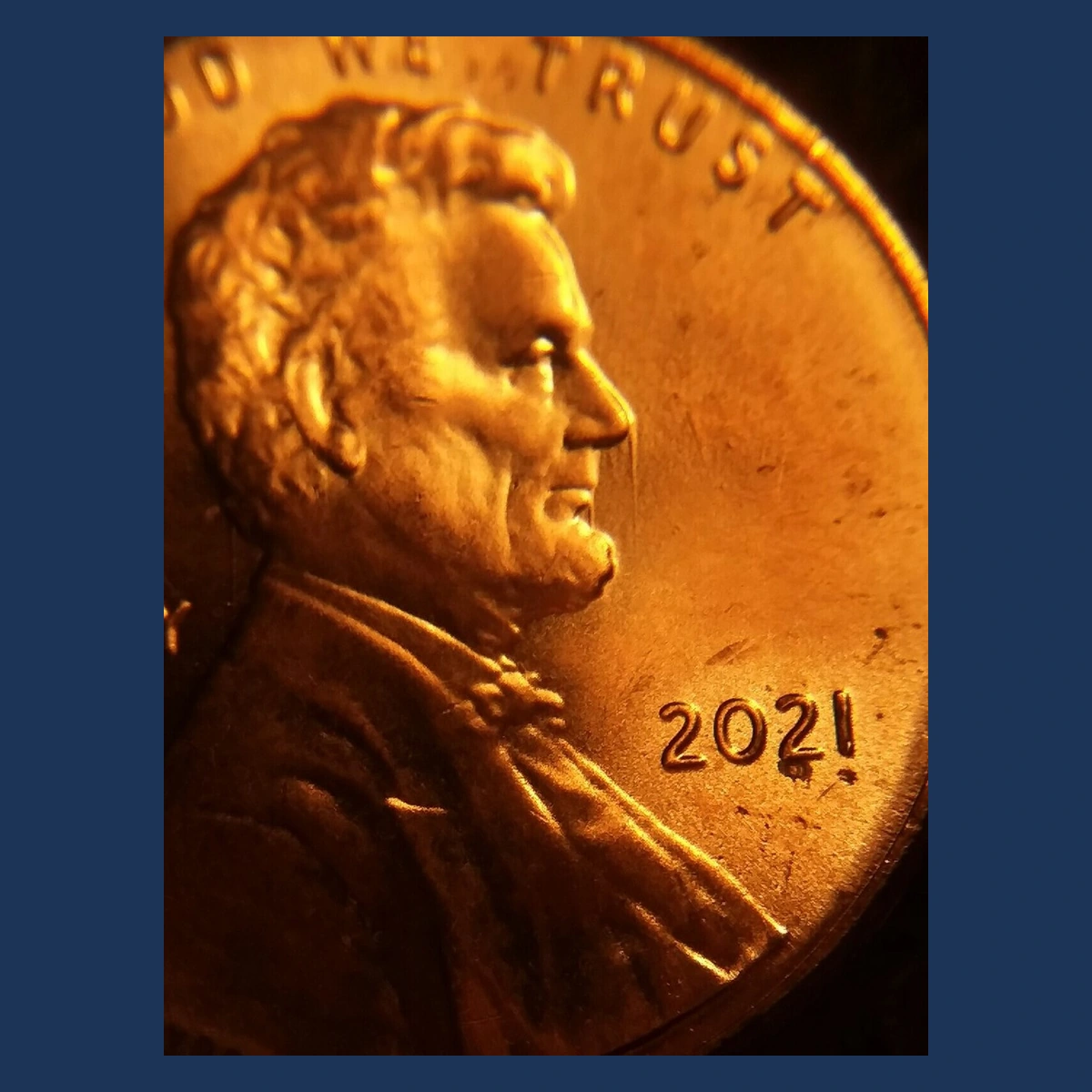
A faint outline can appear beside Lincoln even though it belongs to the shield side. Contact between the two stamping tools can transfer such traces.
With no blank between them, the tools strike each other. The resulting marks can then appear on coins made afterward.
A specialist catalog records a Philadelphia 2021 clash. Its photographs provide the comparison, rather than a rule that all coins show one fixed line at one location.
The important connection is to the opposite design. Scratches, polishing marks, and wrinkles in copper plating can make unfamiliar lines without the tools ever having clashed.
Estimated Value
For clear 2021 clashes, estimate $10–$50 for faint but recognizable traces and $50–$200 for stronger examples. This compares similar transferred-design marks on modern Lincoln cents.
The catalog entry identifies the type without supplying a sale amount used here. A recognizable shield or portrait fragment is easier to collect than unexplained parallel lines.
The whole surface still matters. Wear or scratches can obscure a genuine clash, leaving a less attractive example even when the cause can be identified.
How to Identify
Keep images of both normal designs beside the coin. Decide which part of the opposite face could explain the unusual outline.
Under a 10× magnifier, compare the shape with the cataloged 2021 clash. Follow a continuous feature instead of joining distant scratches into a familiar picture.
Shift the lighting slowly and inspect the surrounding surface. A pressed-on mark from another finished coin can have a different depth and damage pattern.
A scale and calipers can check an accessible coin against 2.50 grams and 19.05 mm. Inspect the smooth edge as well.
A recognizable opposite-design fragment in the correct position provides the direct clue to tool contact.
3. 2021 Lincoln Penny Struck-Through Error (Estimated Up to $250)
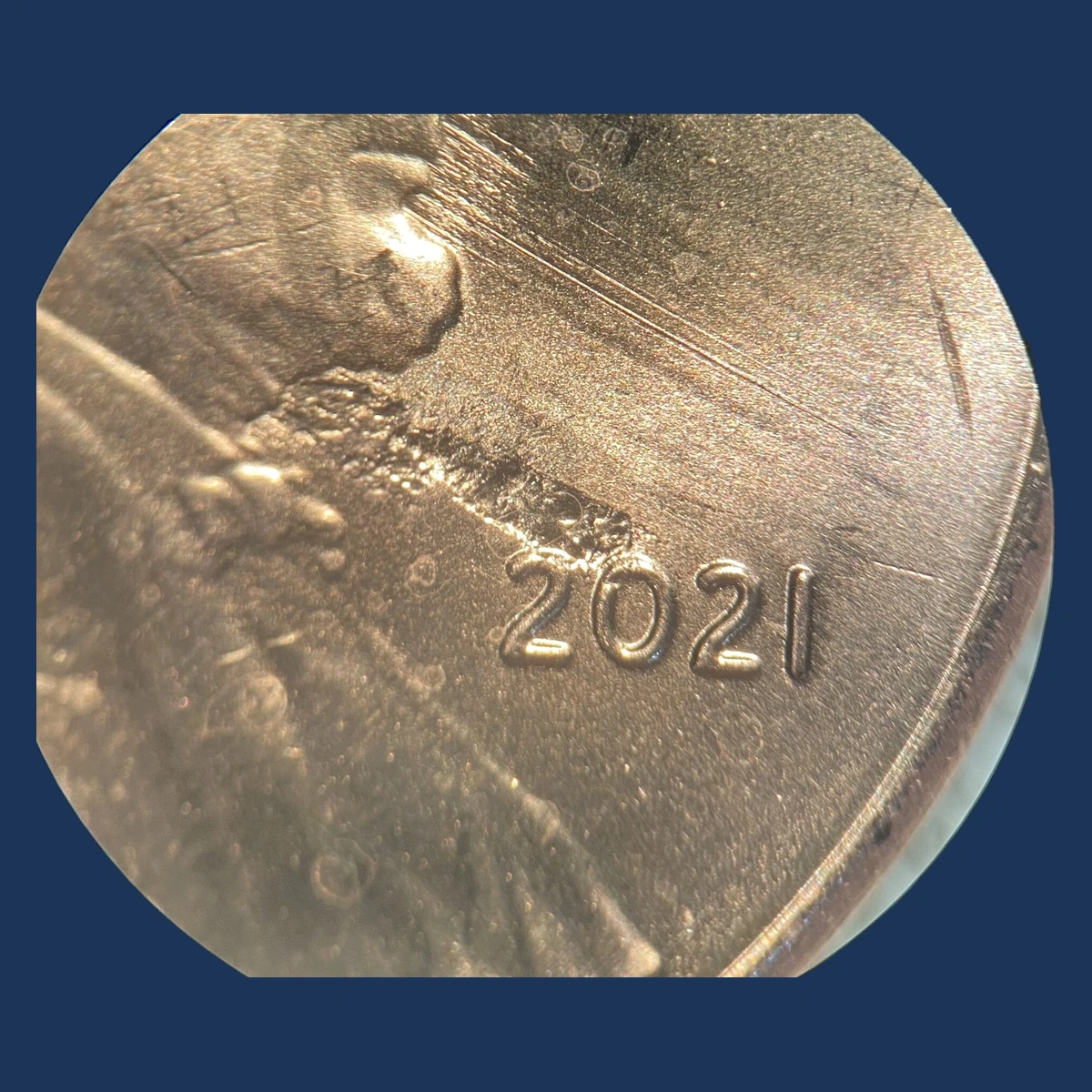
Letters across the upper back can become weak when grease blocks the stamping tool. A firmer object can instead leave a narrow impression near Lincoln’s head.
Both are forms of a struck-through error. Material interrupts the design as the blank receives its strike.
Philadelphia reports describe weak back lettering, while a Denver report concerns a line-shaped object. The report does not establish that the material remains inside the finished coin.
These are separate examples rather than two required marks on one penny. A later scratch through the head or worn lettering needs a different explanation.
Estimated Value
A 2021-D penny struck through grease sold for $84 in September 2025. PCGS graded it MS64 Red, meaning unworn with some marks and original copper-red color.
Estimate $5–$50 for smaller clear blocked areas and $50–$250 for stronger impressions. This range allows for differences in the amount and shape of interrupted design.
The sold grease example is not automatically the reported Denver line-shaped impression. Compare each coin’s actual surface instead of treating all struck-through marks alike.
How to Identify
Start where a sharp letter meets weak detail, or where the portrait meets an impression. A 10× magnifier can show whether the design was blocked as it formed.
Inspect nearby high points for ordinary wear. A later scrape may cross completed design and leave displaced metal along its sides.
Photograph both faces, keeping the date and mintmark attached to the affected area. Do not name wire or cloth solely from a line’s shape.
Normal measurements are 2.50 grams and 19.05 mm, checked with a scale and calipers where accessible. The edge is smooth.
An original interruption surrounded by clearer struck detail is the useful first comparison, followed by checking for later damage.
4. 2021 Lincoln Penny Clipped Planchet (Estimated Up to $250)
A blank can be incomplete before Lincoln’s design is added. A curved gap may form when the cutting punch overlaps a hole left by an earlier blank.
A straight gap can form at the edge of the metal strip. Both belong to clipped planchets, meaning prepared blanks with metal missing.
The 2021 year reports include Philadelphia and Denver clips. A separately auctioned 2021 example has a five-percent straight clip and a PCGS MS64 Red grade.
That grade describes an unworn copper-red coin with some marks. Its straight edge should not be substituted for a curved clip when matching photographs.
Estimated Value
The five-percent straight-clipped penny sold for $114 in September 2025. It provides a same-year result for a clearly identified incomplete blank.
For genuine 2021 clips, estimate $20–$250 across modest worn examples and stronger, attractive unworn coins. The missing segment’s shape and the remaining design affect appeal.
The sale does not set a dollar amount for each percentage point. A later cut can also remove metal, but it does not receive the same mint-error value.
How to Identify
Inspect both ends of the gap with a 10× magnifier. Original rim metal should meet the opening naturally rather than end in a fresh saw cut.
Check the opposite rim for weakness caused during blank preparation. That clue can help, but it is not equally strong on every genuine clip.
A scale should read below the normal 2.50 grams when metal is missing. Measure intact spans with calipers against an ordinary 19.05-mm penny.
Look along the surviving smooth edge for filing and squeezed metal. A low weight alone also fits a coin cut after minting.
The useful combination is original struck detail meeting a pre-existing gap, with weight loss that fits the missing metal.
5. 2021 Lincoln Penny Broadstrike (Estimated Up to $350)
An unusually wide penny can retain all its outer lettering. That combination can indicate a broadstrike, where the blank spread without normal restraint.
The collar is the ring that limits a coin’s width during striking. When it fails to contain the blank, pressure can move the metal farther outward.
The 2021 year list includes broadstrikes without assigning a specific mint or enlarged diameter. Measure the actual specimen rather than assuming a fixed percentage increase.
A smooth edge is normal on a penny. The diagnosis depends on the expanded outline and original design, not on smoothness by itself.
Estimated Value
For genuine broadstrikes, use an estimated $30–$350 range. Smaller visible expansion falls lower, while a clear oversized border on an attractive unworn coin can support more.
This comparison-based estimate concerns modern Shield-cent broadstrikes. It is not a recovered auction amount for a named 2021 example.
Condition and the amount of spreading affect the display. A coin flattened afterward may also be wider, but crushed lettering and altered surfaces make it a different kind of object.
How to Identify
Follow the outer lettering around both faces. A broadstrike should keep the intended designs on the metal despite its enlarged border.
Use calipers in several directions against the normal 19.05-mm diameter. A scale should remain near 2.50 grams if the blank kept all its metal.
With a 10× magnifier, inspect letters and high points for crushing. Hammering or squeezing a finished penny can enlarge the outline while damaging detail.
Examine the smooth edge for tool marks and disturbance of the thin copper coating. Do not remove a graded coin from its holder to take measurements.
Look for complete, naturally struck designs surrounded by original outward spread, with no later flattening explaining the extra width.
6. 2021 Lincoln Penny Die Cracks and Retained Cuds (Estimated Up to $400)
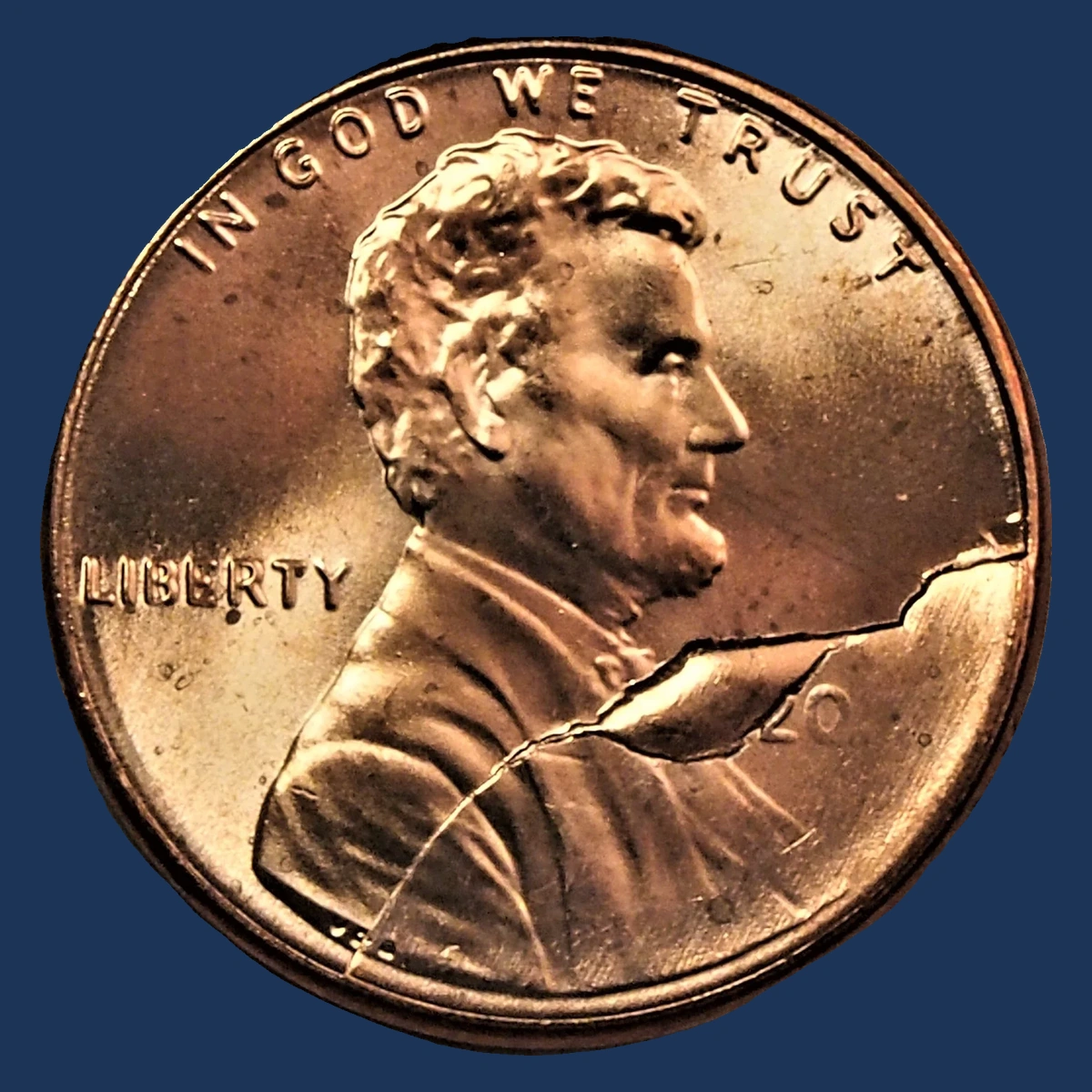
A raised bar between B and E in LIBERTY gives the BIE nickname. Other reports describe lines from Lincoln’s head toward the rim or across the portrait.
Metal fills a crack or small missing area in the stamping tool. The finished penny shows a raised feature rather than a cut.
A larger rim-connected break can produce a cud. If the cracked piece stays in the tool, a retained cud can preserve some design inside its boundary.
Philadelphia reports describe areas below the date and above UNI on the back. A separately sold Denver retained cud needs its own comparison.
Estimated Value
A 2021-D retained-cud penny sold for $186 in September 2025, graded PCGS MS64 Red. It was unworn, copper-red, and had some visible marks.
Estimate $2–$50 for minor chips or cracks, and $50–$400 for larger, clear rim breaks. The auction comparison concerns the larger type.
A tiny BIE bar should not receive that price just because both came from damaged tools. Compare the size, surviving design, and condition of the whole coin.
How to Identify
Identify whether the feature is a line, a bar, or a broad patch. Use a 10× magnifier under side lighting to establish that it rises from the coin.
For BIE, inspect the gap between B and E. For a retained cud, follow the boundary around an area that still carries part of the design.
Check whether the larger break joins the rim. An internal bump or copper-plating blister needs a different explanation, so do not press it.
Normal figures are 2.50 grams and 19.05 mm, measured with a scale and calipers where accessible. Inspect the smooth edge for dents.
A raised original ridge or defined rim-connected break is more useful than the nickname attached to it.
7. 2021 Lincoln Penny Off-Center Strike (Estimated Up to $500)
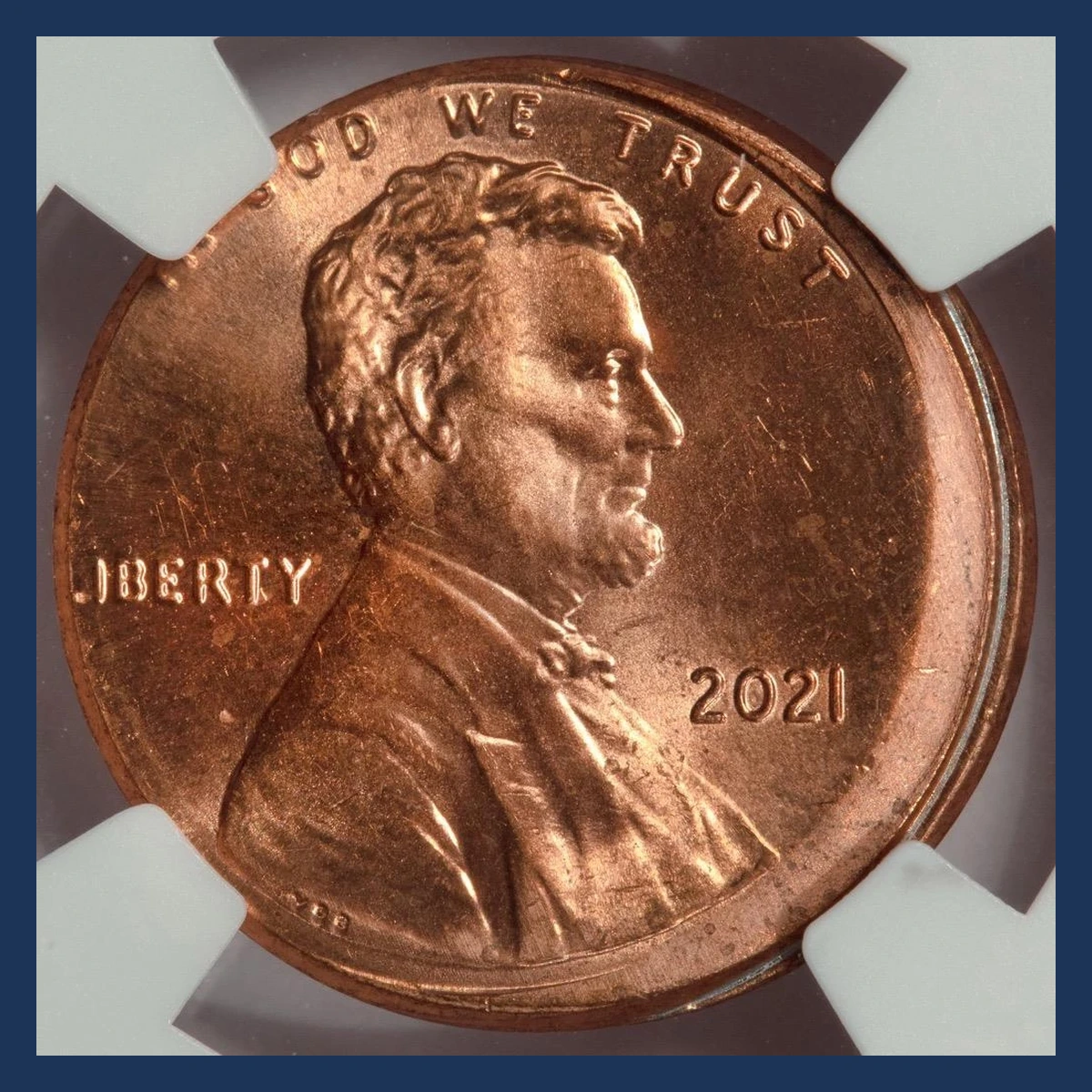
The intended design can extend beyond one edge while another part of the blank stays plain. That shows the blank was not centered between the stamping tools.
Both faces should fit the same misplaced piece of metal. The empty-looking part is still present, unlike the missing metal of a clip.
The 2021 reports do not establish one exact mint, direction, or percentage for all examples. A clear date ties an individual coin to this year.
A shifted tool can move only one face’s design instead. Compare the front and back together before treating a wide border as an off-center strike.
Estimated Value
For readable-date examples, estimate $15–$75 for modest shifts and $75–$500 for stronger, attractive offsets. These ranges compare modern Lincoln off-center errors.
A large plain crescent makes a visible display, but keeping the year readable can be equally useful. Wear, corrosion, and later scratches can lower appeal.
No specific 2021 auction result is assigned to this category here. The complete coin should guide the comparison instead of a fixed price for each percentage of displacement.
How to Identify
Find the surviving 2021 date, then inspect both faces at the same scale. The incomplete designs should meet the same area of original plain metal.
Look at that boundary with a 10× magnifier. A ground or polished area can imitate missing design but leave signs of working on the surface.
Compare a scale reading with the normal 2.50 grams. Calipers can document the changed outline against an ordinary 19.05-mm penny.
Inspect the smooth edge for cuts and do not infer a mint from an area that never received its design. A coin with only one face shifted needs the misalignment check.
The direct clue is an intact plain crescent beside incomplete designs on both faces of a readable-date coin.
Conclusion
The same year can produce a tiny tool crack, a missing section of blank, or a design that never reached part of the metal. Start with the shape before choosing the error’s name.
Estimated values run from $2–$500. The actual 2021 sales offer useful reference points, but each coin’s condition and the strength of its feature still determine the closest comparison.