2024 Penny Error List with Pictures

Lincoln’s shoulder is a useful starting point for 2024 penny errors. Reports describe an extra W-shaped mark, doubled details, and faint or missing VDB initials, each needing a different check.
The eight groups below have estimated values from $2–$750. For perspective, an older 1979 double-struck cent sold for $204 in September 2023; that is a comparison, not a 2024 sale.
Read on to connect each feature with the way it forms and the evidence to look for.
1. 2024-D Lincoln Penny W-Shaped Shoulder Mark (Estimated Up to $50)
A raised W-like shape on Lincoln’s shoulder is not a mint letter. Reports for 2024-D describe it as a mark from damage to the stamping tool.
That tool, called a die, can acquire a small groove in its surface. Metal enters the groove during striking and produces a raised line on the coin.
The resulting shape may resemble a familiar letter without having been deliberately engraved as one. Its position on the coat matters.
A scratch made after minting usually cuts into the surface. Check the height and outline before calling a W-shaped mark a tool defect.
Estimated Value
For a clear original shoulder mark, use an estimated $5–$50 range. This compares small recognizable tool marks on modern Lincoln cents.
A neat W-like shape on an unworn coin can be more appealing than a faint line on a damaged example. The estimate does not imply that the mark identifies a rare mint.
No named 2024 auction result is assigned here. The raised feature must be part of the original struck metal rather than a cut or attached material.
How to Identify
Find the D near the date before moving to the shoulder. Keep both the date and coat visible in a full-front photograph.
Use a 10× magnifier and light from the side to examine the W-like mark. A raised line should cast a different shadow from a groove cut into the finished coin.
Compare its shape and position with the reported shoulder feature. Do not treat any pair of crossing scratches as a match.
The normal coin weighs 2.50 grams, measures 19.05 mm, and has a smooth edge. Check a loose example with a scale and calipers.
A fixed raised W-like line on the coat, separate from the actual D mintmark, is the useful first clue.
2. 2024-D Lincoln Penny Weak or Missing VDB Initials (Estimated Up to $75)
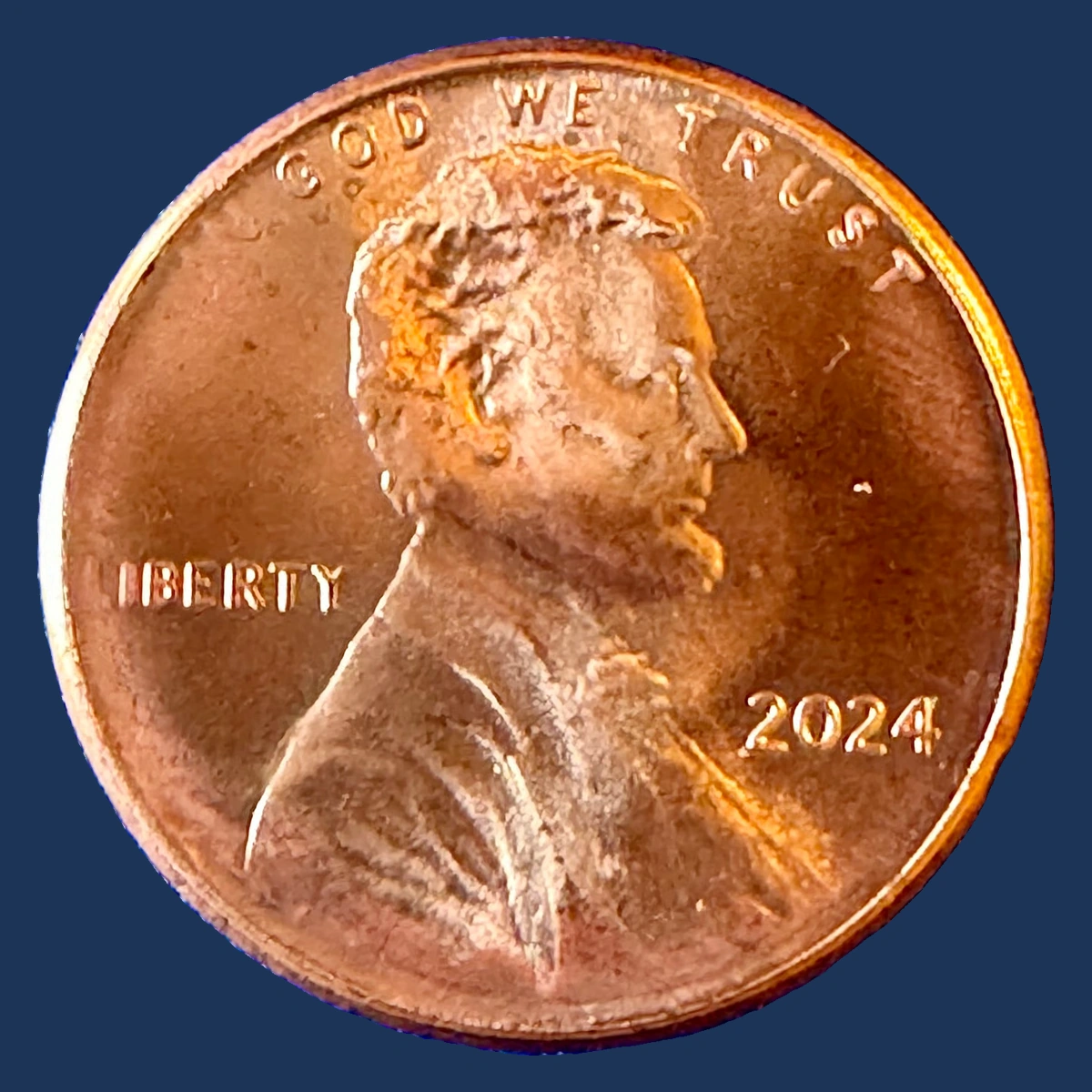
The tiny VDB initials can be faint or absent while nearby parts of Lincoln’s shoulder remain visible. Year reports describe this feature on 2024-D pennies.
VDB names the portrait’s designer through his initials. It is normally part of the design, not an optional mintmark.
Material blocking the tool or excessive polishing of the tool can weaken small details. The missing letters alone do not identify which process affected a particular coin.
Ordinary wear and later rubbing can also erase them. This feature should not be described as a separate intentional no-VDB design without evidence for that claim.
Estimated Value
For clearly mint-made weak or missing initials, estimate $5–$75. This range compares minor blocked or weakened details on modern copper-plated zinc cents.
An otherwise sharp shoulder provides a more useful example than a heavily worn portrait. The upper portion assumes that later rubbing or scraping does not explain the missing letters.
The range is not a recorded 2024-D sale. A blank-looking patch where VDB belongs should be priced only after the surrounding surface and design have been examined.
How to Identify
Put an ordinary 2024-D penny beside the candidate or use matching photographs. Locate VDB at the shoulder on the normal coin before inspecting the same area on the other.
A 10× magnifier can reveal faint surviving strokes. Change the light to avoid mistaking shadow for a missing letter.
Check the surrounding coat for scratches and compare wear on the cheek and other exposed high points. A polished patch can remove several small details together.
Use a scale and calipers against 2.50 grams and 19.05 mm where accessible, and inspect the smooth edge. The strongest initial clue is weak VDB beside otherwise original, sharp shoulder detail.
3. 2024-D Lincoln Penny Doubled Die Obverse (Estimated Up to $150)
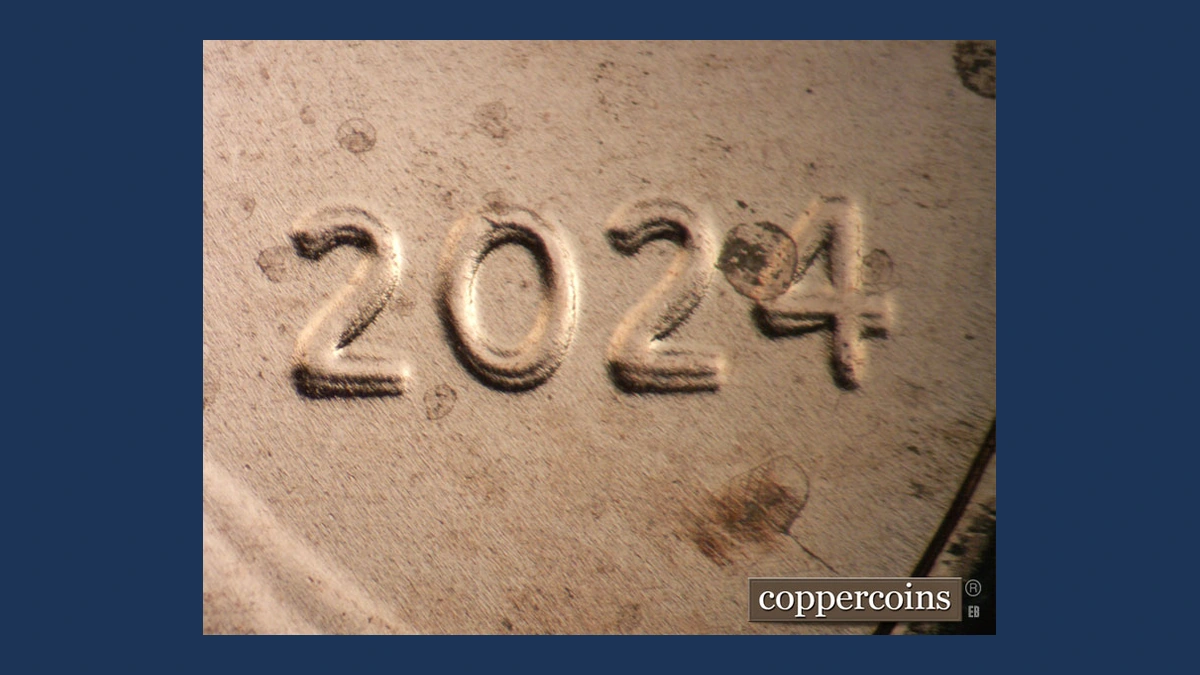
Extra raised outlines near VDB or LIBERTY may come from a doubled design in the stamping tool. The coin can receive that repeated detail in a single strike.
This is called a doubled die, and obverse means the portrait side. The 2024 reports point to Denver examples without assigning one exact catalog pattern here.
Compare the particular extra strokes rather than expecting every letter to double equally. A thick edge by itself proves little.
Movement during striking can leave low, flat shelves beside normal letters. Those shelves differ from a tool that already carried two overlapping design details.
Estimated Value
Minor identified front-side doubling has an estimated $10–$50 range. Clearer examples on attractive unworn coins can fit approximately $50–$150.
These estimates compare modest modern Shield-cent varieties. They do not attach an auction result or rare-variety catalog number to a reported 2024-D coin.
The repeated detail needs to remain visible in a useful close-up. Wear, surface marks, or a barely thickened letter can reduce the appeal and make a confident match harder.
How to Identify
Start with the D mintmark and a readable 2024 date. A photograph of doubled letters without the year cannot establish this particular report.
Inspect VDB and LIBERTY with a 10× magnifier. Follow an extra stroke around a corner to see whether it fits a repeated part of the original letter.
Move the lamp and compare several nearby details. Reflections change position, while extra metal remains fixed.
A scale and calipers can compare an accessible coin with 2.50 grams and 19.05 mm. Check the smooth edge for signs of alteration.
A repeated raised contour matching the correct Denver example is more useful than simply calling the lettering thick.
4. Reported 2024 Lincoln Penny Struck-Through Grease (Estimated Up to $200)
Grease can fill small recesses in a stamping tool and stop letters from forming fully. The coin may show a weak patch beside otherwise clear design.
This is one form of a struck-through error. It does not require metal to be scraped away from the finished penny.
The type appears in 2024 error lists, but a sale held in 2024 does not establish that the coin itself has that date. The year must be visible on the specimen.
For a candidate, examine the shield and surrounding letters together. Wear, weak striking, and later polishing can produce similar missing detail.
Estimated Value
For genuine grease-blocked detail, estimate $5–$50 for smaller affected areas and $50–$200 for stronger examples. These are comparison estimates for modern Shield cents.
A 2021-D struck-through-grease penny sold for $84 in September 2025. Its PCGS MS64 Red grade describes an unworn coin with some marks and original copper-red color.
That is a different-year result. It helps price the mechanism without turning an older coin sold recently into a documented 2024 error.
How to Identify
Check the date on the front before studying the weak back. Keep both faces in the same photograph set so the error stays tied to the correct coin.
Use a 10× magnifier around the boundary between weak and sharp detail. Compare nearby high points to see whether ordinary wear could explain the missing letters.
Later scraping may leave straight marks or a smoothed patch across the design. Do not name grease solely because one letter is absent.
Normal weight and diameter are 2.50 grams and 19.05 mm, measured with a scale and calipers where accessible. Inspect the smooth edge.
Look for original weakly formed detail beside sharper design, with no later removal explaining the difference.
5. Reported 2024 Lincoln Penny Rotated Dies (Estimated Up to $300)
The shield can end up tilted even when Lincoln was upright before the correct flip. That happens when one stamping tool has turned to the wrong angle.
The outline and both designs can otherwise look normal. The fault concerns their angle relative to each other.
Year lists mention the type for 2024 without supplying one established angle for a specific coin. A candidate needs a repeatable alignment check.
Turning the penny like a book produces a different view from flipping it top to bottom. Keep the motion controlled so that your hands do not create the apparent tilt.
Estimated Value
For genuine rotations, estimate $20–$100 for smaller clear angles and $100–$300 for larger, easily demonstrated examples. These ranges compare modern Lincoln errors with the same type of misalignment.
NGC cites a 1943 cent that sold for $114 in September 2023 with an unworn details grade. A details grade also notes a condition problem.
That older steel coin is a broad comparison. It does not establish a 2024 auction result or a particular angle for this year.
How to Identify
Hold Lincoln upright and secure the left and right edges. Flip the top down around that fixed horizontal line, without twisting the coin sideways.
The shield should now be upright. Try the same movement with a normal penny to check your method.
Repeat the motion and photograph the setup. A coin turning inside its holder can change what appears to be the top.
Use a 10× magnifier to examine the faces and smooth edge for seams or alteration. A scale and calipers can compare 2.50 grams and 19.05 mm where accessible.
A shield that repeatedly lands at the same incorrect angle after the controlled flip provides the rotation to measure.
6. 2024 Lincoln Penny Die Cracks and Retained Breaks (Estimated Up to $400)
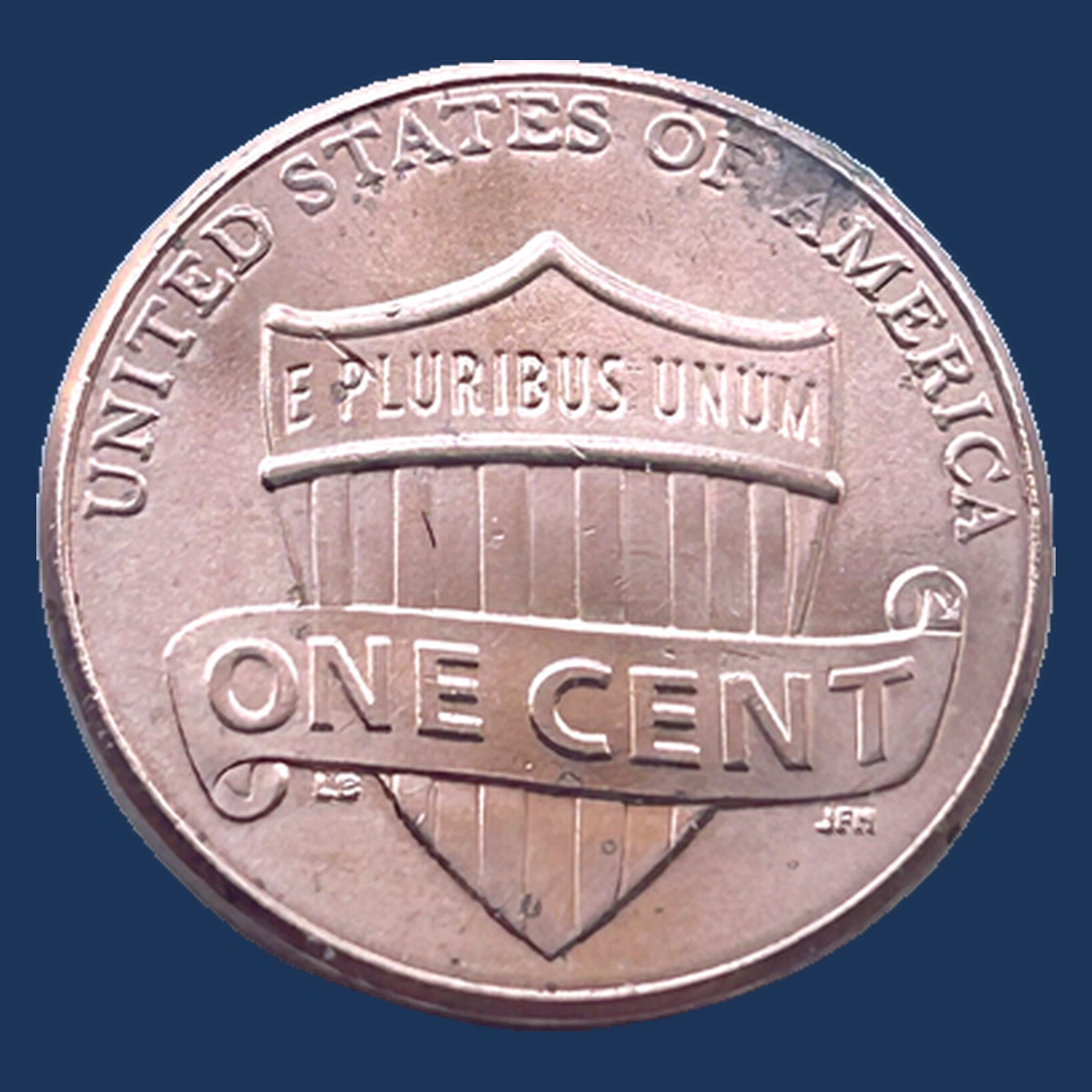
A raised line from Lincoln’s head toward the rim gives some coins the nickname Spiked Head. A different line near the mouth is often called Spitting.
These marks can form when metal fills a crack in the stamping tool. They are not proof that the penny itself has split.
Reports also describe a larger retained break on a Denver coin. Part of the tool cracked but remained in place, so some normal design may survive.
Keep these examples separate when matching photographs. A full cud reaches the rim and replaces design; a retained break needs closer attention to its boundaries.
Estimated Value
For small raised lines or chips, estimate $2–$50. Larger clearly identified retained breaks or rim-connected cuds can fit approximately $50–$400.
A different 2021-D Shield cent with a retained cud sold for $186 in September 2025, graded PCGS MS64 Red. That describes an unworn copper-red coin with some marks.
Its larger break is not a price for every Spiked Head line. The extent of missing or shifted design matters more than a dramatic nickname.
How to Identify
Trace the line from the head or mouth with a 10× magnifier. Side lighting helps separate a raised ridge from a scratch cut into the coin.
For a larger patch, follow the full boundary and check whether it reaches the rim. Note any normal design still present inside the affected area.
Compare the Philadelphia Spiked Head report separately from Denver break reports. The Philadelphia coin normally has no P mintmark.
Check 2.50 grams and 19.05 mm with a scale and calipers on accessible coins, and inspect the smooth edge. Match a continuous raised line or defined break boundary, not an isolated blister in the copper coating.
7. Reported 2024 Lincoln Penny Off-Center Strike (Estimated Up to $500)
A blank placed partly outside the stamping tools can receive only part of Lincoln and the shield. The portion that misses them stays plain.
This is an off-center strike. It leaves metal without a design, rather than removing that metal as a clip would.
The type appears in year lists, but general examples from other Shield-cent dates do not identify a particular 2024 coin. Keep the actual date visible in the evidence.
An uneven border on just one face can instead come from one misplaced tool. Compare the two designs and the full outline before deciding what happened.
Estimated Value
For genuine readable-date examples, estimate $15–$75 for smaller offsets and $75–$500 for stronger, attractive strikes. This uses comparable modern Lincoln errors.
The higher figures assume a clear original plain area and enough surviving design to identify the coin. A heavily damaged example makes a weaker comparison.
These estimates do not represent a recorded 2024 sale. The visible percentage alone cannot set the price without considering the date, surfaces, and how both designs meet the blank.
How to Identify
Photograph the full outline before enlarging the date. Look for the same misplaced blank beside incomplete designs on both faces.
With a 10× magnifier, inspect the transition into plain metal. Grinding can remove detail later, but usually leaves surface marks or changes in texture.
A scale should relate to the normal 2.50-gram blank if its metal remains intact. Calipers can compare the distorted outline with an ordinary 19.05-mm cent.
Inspect the smooth edge for cutting, and do not infer a mint from a missing mintmark area. The key check is original plain metal beside incomplete designs on both sides, tied to a readable 2024 date.
8. Reported 2024 Lincoln Penny Double Strike (Estimated Up to $750)
A penny may remain in the press or return to it after receiving its first strike. A later blow can place another design across or beside the first.
This is a double strike; more than two blows produce a multiple strike. It differs from small doubled details already present in one stamping tool.
The 2024 lists discuss the type without supplying one established arrangement of overlapping impressions. A candidate needs visible evidence of both placements.
Marks pressed into a finished coin afterward can imitate a second image. Their height, direction, and effect on the original surface need careful comparison.
Estimated Value
An older 1979 double-struck cent sold for $204 in September 2023. NGC graded it MS63 Brown, meaning unworn with noticeable marks and brown color.
For a genuine comparable 2024 double strike, estimate $100–$750. The earlier coin has a different back design and metal composition, so its price provides context rather than an exact match.
The separation and clarity of the impressions affect appeal. Two faint marks do not automatically make two genuine strikes.
How to Identify
Locate one recognizable design first, then trace the second placement without switching between unrelated lines. Repeated letters or parts of Lincoln should fit the proposed positions.
Use a 10× magnifier where the designs overlap. A backward sunken copy can indicate a different process from an ordinary second raised strike.
Photograph both faces and the readable date. Do not require the same visible amount of each impression on both sides without checking how that specimen formed.
A scale and calipers compare an accessible coin with 2.50 grams and 19.05 mm. Inspect the smooth edge for squeezing or alteration.
Two recognizable designs struck into the same dated coin are more persuasive than scattered extra lines.
Conclusion
On a 2024 penny, a W-shaped shoulder mark does not mean a W mintmark, and missing VDB does not establish a new design. Start with the coin’s full date, mintmark, and original surface.
Estimated values span $2–$750. Small raised lines and larger striking mistakes need different comparisons, so identify what happened before using the highest figure in any range.