1893 Quarter Error List with Pictures

Liberty’s head and the eagle identify the Barber quarter covered here. The Isabella commemorative also bears 1893, but it is a different coin.
For a same-series price comparison, a different-year 1901 off-center quarter sold for $862.50 in January 2001. Estimated values for the 1893 quarter errors below run from $35–$5,000, depending on the mint, condition, and confirmed feature.
Follow the date, mintmark, and metal surface in the sections below to choose the right comparison.
1. 1893 Barber Quarter New Orleans Lamination
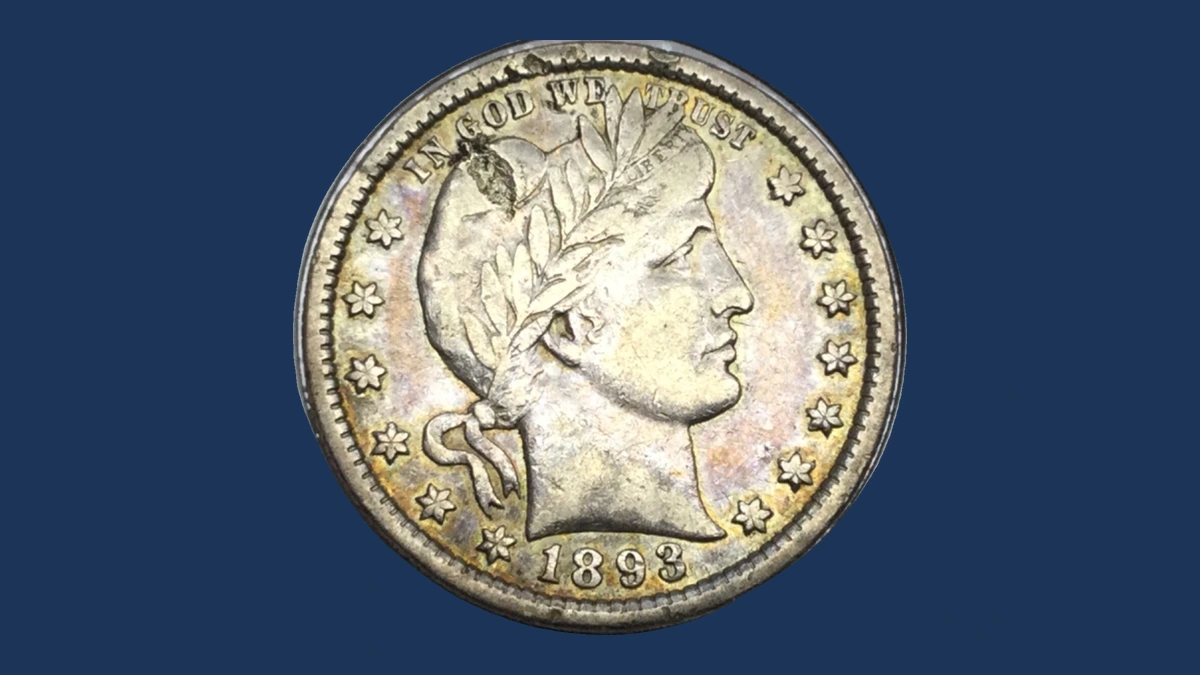
A small piece of surface metal can loosen when a weak area lies inside the silver alloy. The result may be a raised flap, a narrow split, or a shallow patch left after a flake falls away.
This is called lamination. The weakness begins in the material used for the blank, rather than in the finished coin’s design.
A published sale-listing summary describes a minor example on an 1893-O quarter. Its exact face and position are not established.
Examine the broken surface itself. An ordinary scrape or corrosion patch can look similar.
Estimated Value
An authenticated minor lamination on a worn 1893-O is estimated at $35–$600. The preserved design and originality of the surface matter more than the mere presence of a missing patch.
For a different-year comparison, a 1913 Barber quarter with back-side lamination brought $504 in June 2019. It was graded PCGS MS63, meaning unworn with noticeable marks.
That is a better-preserved comparison, not a sale of the reported 1893-O piece.
How to Identify
Look closely at the edge of the affected patch with a magnifier before deciding that the surface has peeled. A thin lifted lip or layered break can support that explanation better than color alone.
Leave any loose metal attached and photograph it under light from opposite sides. Compare the nearby design with the patch, noting whether letters or other details continue into the affected area.
Check for deep tool cuts, pushed-up metal, and widespread corrosion that could explain a similar hollow after minting. Confirm the O beneath the eagle, then have the broken boundary examined to distinguish a weak layer from later surface damage.
2. 1893 Barber Quarter Clipped and Ragged Blanks
A ragged gap removes part of the edge from a reported Philadelphia example. Other year reports describe a curved bite, though the mint and exact position are not established.
Both belong to incomplete blanks. The missing metal was absent before the stamping tools pressed the picture into what remained.
A curved gap can arise when the blank cutter overlaps an earlier hole in the metal strip. An irregular strip edge can produce a rougher outline.
Look beyond the missing shape. The rim and letters beside it should show how the incomplete blank behaved during striking.
Estimated Value
For genuine worn examples, estimate $40–$700. A small gap on a heavily worn coin usually offers less to display than an obvious missing section with the date intact.
The Philadelphia ragged-clip account describes a sale listing, not a verified completed auction. The range here is an editorial estimate for authenticated pieces.
Normal wear and damage still count. Several missing areas on one coin do not create separate prices that should be added together.
How to Identify
Begin where the notch meets the raised rim, rather than at the deepest part of the gap. Examine both junctions with a magnifier for the softened metal flow of an incomplete blank.
A straight saw line, fresh burrs, or letters sliced across their finished surfaces suggest later cutting. Ragged shape alone cannot separate a mint defect from damage.
Compare the rim opposite the gap with the rest of the coin. A weak area there can support a genuine clip, although it may not be obvious on every specimen.
Photograph the edge and both faces together, keeping 1893 and any mintmark readable. The nearby original strike is more useful evidence than the missing outline alone.
3. 1893 Barber Quarter Die Cracks and Rim-Connected Breaks
A narrow raised line can cross the date, connect stars, or run near the eagle’s wing tips. These are the locations named in year reports of cracked stamping tools.
Metal pressed into a crack in the tool forms a raised line on the coin. A larger piece breaking away at the tool’s edge can instead leave a lump connected to the rim.
That rim-connected lump is called a cud. A fine line reaching the rim is not automatically the same thing.
The reported 1893 examples lack exact mint assignments. Each visible path needs its own coin comparison.
Estimated Value
Use an estimated $35–$1,500 range for authenticated worn examples, including modest cracks and more obvious rim breaks. A fine line usually adds less interest than a clearly defined lump interrupting the edge design.
The mint and overall condition still affect the whole-coin price. An attractive San Francisco quarter and a heavily worn Philadelphia piece are different comparisons.
No single large crack guarantees the top figure. Scratches, cleaning, and uncertain identification can substantially reduce buyer interest.
How to Identify
Tilt the coin until light catches the suspected line. A genuine die-crack trace stands above the smooth background rather than cutting below it.
Follow it across the date, stars, or wing area without assuming that all reported paths occur on the same coin.
If you see a larger lump, trace its connection to the outer rim. An isolated interior lump is a different form of tool damage, not a rim-connected cud.
Use a magnifier on the boundary to look for attached material or metal pushed inward by an edge impact.
Compare the opposite face and nearby design for signs of later squeezing or hammering. The raised line or rim-connected mass must fit an original strike, not merely resemble its outline.
4. 1893 Barber Quarter Repunched Date Digits
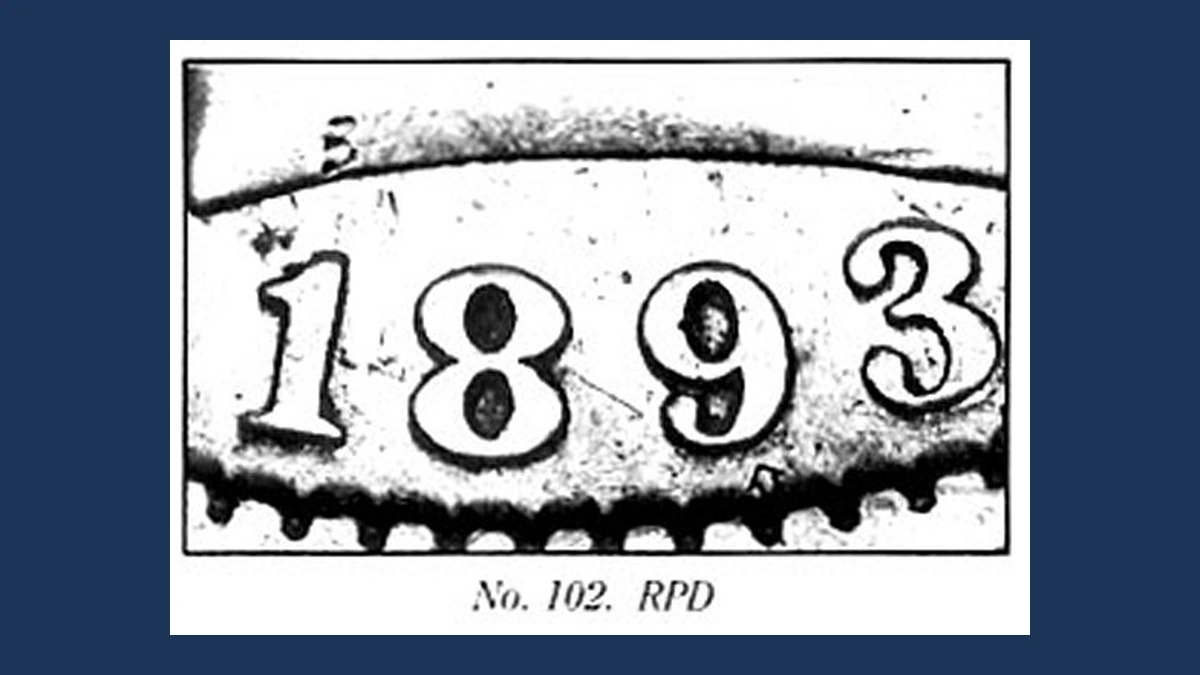
An extra curve inside the 3 can be easy to miss among the normal date shapes. Other reported examples have remnants below several digits instead of a single repeated curve.
The Barber Coin Collectors’ Society lists Philadelphia and San Francisco repunched dates. Its descriptions include downward repeats and a San Francisco pattern with remnants above and below parts of the date.
Repunching happened while workers placed the date into a stamping tool. The earlier impression was not completely removed.
The patterns differ. A faint line beside any digit should not be assigned to all of them.
Estimated Value
For authenticated worn through modest unworn examples, estimate $50–$2,000. San Francisco coins need comparisons from that mint, while Philadelphia candidates should be matched with Philadelphia pieces of similar preservation.
A visible second digit or curved remnant is more useful than a vague shadow. Original surfaces help a collector see the feature without confusing it with scratches.
This is an editorial whole-coin range. It does not assign one price to every cataloged date pattern or to exceptional high-grade rarities.
How to Identify
Photograph the whole date at useful magnification before focusing on one curve inside the 3. Check the other digits for corresponding remnants, and record whether each lies above or below its main outline.
Compare those positions with a known example from the same mint, using the tooth-like marks beside the rim as reference points. Different date placement without an extra digit fragment does not establish repunching.
Under angled light, look for raised numeral-shaped remnants rather than cut lines or flat ledges. Read QUARTER DOLLAR on the back as well: an 1893 overdate described on a dime is not evidence for this quarter.
5. 1893 Barber Quarter Repunched O and S Mintmarks
The earlier O appears to the right of the final mintmark on the reported New Orleans variety. The San Francisco example has an earlier S farther to the right.
The society’s variety survey calls these eastward repunched mintmarks. East describes the earlier letter’s position on an upright back view.
Workers added the small mint letter to a stamping tool by hand. A repeated punch in another position could leave part of the first impression behind.
A lone letter placed far right is different. Repunching requires evidence of the earlier letter too.
Estimated Value
Estimated whole-coin values of $60–$3,000 cover authenticated worn through modest unworn O/O and S/S examples. A clear surviving earlier letter and pleasant surfaces strengthen the comparison.
A different-year 1916-D repunched-mintmark quarter graded ANACS AU50 sold for $149 in December 2021. That lightly worn coin provides one same-series example of the market for repunching.
The two 1893 mints have different base values. Neither the sale nor this estimate makes an ordinary far-right mintmark an error.
How to Identify
Hold the eagle upright and locate the mintmark above QUARTER DOLLAR. Now examine the space to its right rather than moving the whole letter mentally toward the center.
For New Orleans, look for part of another O’s rounded outline. On San Francisco coins, seek a remnant that follows an S curve farther right.
Use a magnifier and include both marks in the same view. A photograph showing only the main letter cannot demonstrate their relationship.
Check that the extra shape rises from the original surface rather than sitting on it as dirt or added metal.
Compare the shape with an authenticated example of the same pattern. One unusually positioned letter, however clear, is not two punch impressions.
6. 1893 Barber Quarter Reported Off-Center Strike
A blank crescent beside an incomplete picture is the main clue to an off-center strike. The metal disc was misplaced when the stamping tools came together.
The intended design then extended beyond the blank at the opposite edge. Both faces should reflect the same position of that disc.
Year guides report this category for 1893 Barber quarters, without fixing the mint, direction, or percentage of a particular example. Those details need to be established on the actual coin.
A broadstrike can also show an uneven empty margin. It retains the complete design within metal that spread farther outward.
Estimated Value
For an authenticated dated 1893 off-center quarter, estimate $300–$5,000. Readable identity and a clearly displaced picture are important when comparing the coin with other Barber errors.
A 1901 quarter struck five percent off center sold for $862.50 on January 4, 2001. PCGS graded that different-year coin AU55, indicating light wear.
That comparison does not establish a five-percent 1893 specimen. Larger movement, damage, mint identity, and missing date digits can all change the appropriate estimate.
How to Identify
Check which part of the picture is cut off before measuring the blank crescent. Follow the outer letters and stars until they meet the original metal edge.
Compare the back without cropping away its rim. A displaced portrait with a centered eagle may indicate one shifted tool rather than an off-center blank.
Look for grinding lines or flattened letter remnants in the empty area under a magnifier. Removing a finished design can create a misleading patch of apparently blank metal.
Keep the date and any surviving mintmark in the full-coin photograph used for identification. The decisive comparison is missing intended design opposite genuinely unstruck metal, supported by both faces.
Conclusion
The estimated $35–$5,000 range runs from modest surface flaws to major displaced strikes. Mint identity, wear, and the actual feature determine where a genuine example belongs within that spread.
Check missing metal at its boundary, repeated digits against a matching date, and mintmark remnants beside the main letter. Keep ordinary mintmark placement and the separate Isabella design out of those error comparisons.