2015 Quarter Error List with Pictures

Homestead’s water pump can leave an extra outline inside a window. That small detail is very different from a quarter made on the wrong metal blank.
This 2015 quarter error list spans estimated values of $0.25–$5,000. A reported 2024 seller’s asking price was about $488.55 for a Kisatchie coin described as split and struck through material.
That was an asking price, not an auction result. Compare the five park designs below to see which marks deserve a closer look.
1. 2015 America the Beautiful Quarter Misaligned Design on Bombay Hook
One side of a quarter can sit too close to the edge while the other remains normally centered. That difference can come from a stamping tool shifted sideways.
The tool is called a die, and this error is a misaligned die. It changes the design’s position on one face without requiring the whole blank to move off center.
A year-error guide reports this on a Denver Bombay Hook quarter. Both faces are needed to examine that claim.
A narrow rim by itself proves little. Uneven wear, edge damage, or a poorly centered photograph can give a misleading first impression.
Estimated Value
For a genuine one-face misalignment, estimate $10–$150, with a more obvious shift generally more appealing than a slight uneven rim. Both faces should remain clear enough to demonstrate the difference.
The estimate concerns the mint-made position of the design. A dented edge or broad area of wear is a separate condition problem.
Original surfaces and a readable park name help. A tiny shift may attract little interest even when the coin is otherwise attractive and unworn.
How to Identify
Take straight-on pictures of both faces at the same size. Compare the distance from the outer lettering to the edge all the way around, using a normal Bombay Hook quarter beside them.
If one design is shifted while the other stays centered, inspect that relationship with a 10× magnifier. A shift affecting both designs instead suggests the blank was misplaced during striking.
Inspect the rim and grooved edge for a dent, squeeze mark, or filing that changed the outline after minting. A local impact may push metal inward without shifting the entire face design.
The contrast between the two faces should remain visible after correcting the photographs’ angle. That is more useful than measuring one narrow rim alone.
2. 2015 America the Beautiful Quarter Doubled Designs and Mint-Letter Look-Alikes
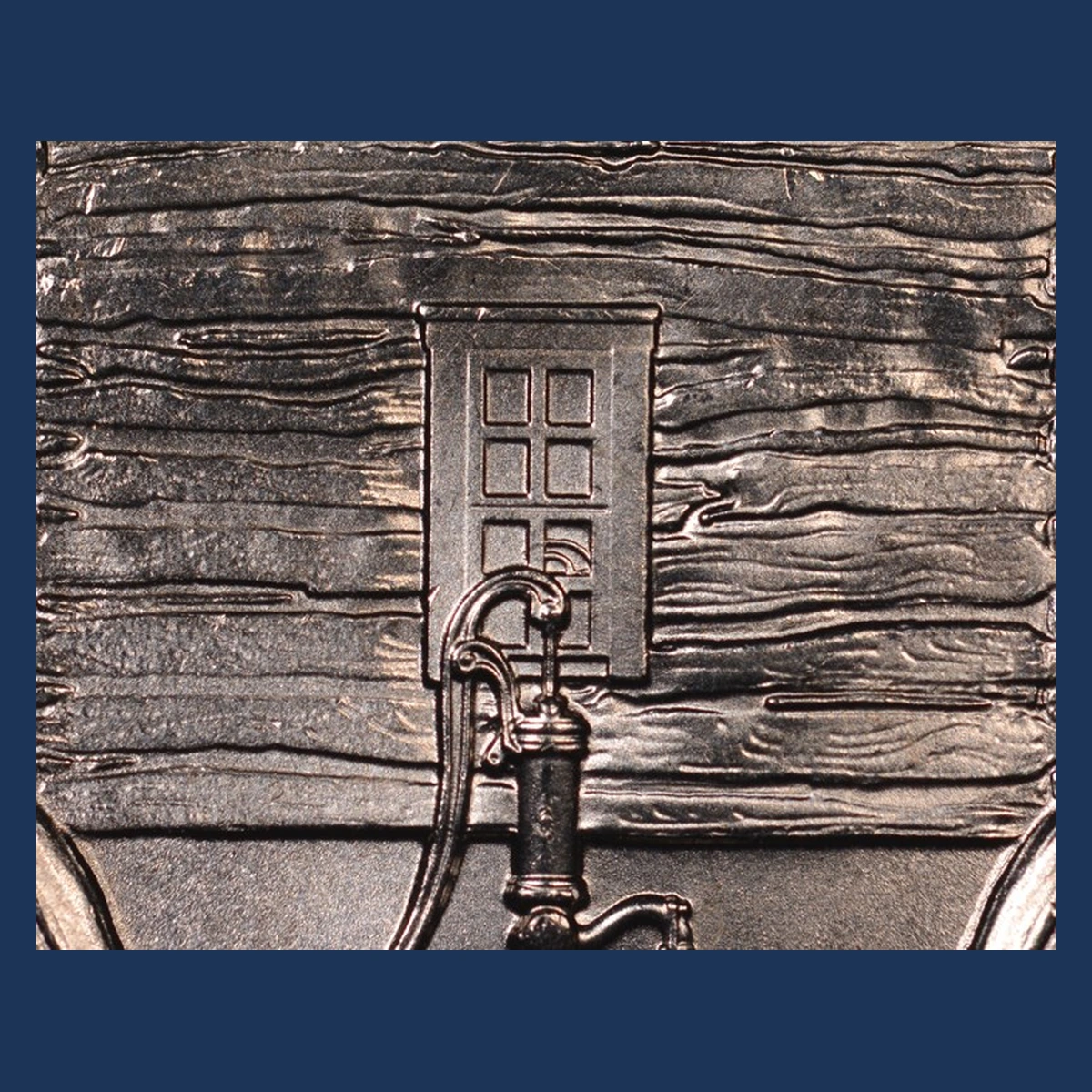
A second pump outline inside Homestead’s window comes from the steel tool that stamped the design. That repeated tool detail is called a doubled die.
NGC documented the Philadelphia variety in 2015. The extra outline comes from the top of the water pump and appears in a right-side window pane.
Other reports concern Philadelphia Kisatchie’s LIBERTY, Denver Kisatchie’s motto and back lettering, and Saratoga back details. Homestead front doubling needs its own evidence.
A doubled-looking P on Kisatchie is also reported. Modern mint letters were already part of the design, so this is not the old hand-repunched-mint-mark process.
Estimated Value
For a clearly matched doubled design, estimate $5–$150, depending on visibility and condition. The Homestead pump outline provides a concrete feature to compare rather than a general impression of thick lettering.
A normal or mechanically doubled P may remain worth only $0.25–$2 as an ordinary coin. It should not receive a premium based on an old-style mint-mark explanation.
Attractive unworn surfaces can improve appeal. Price a coin with front and back doubling as one specimen, not as two separate errors.
How to Identify
For Homestead, compare the right-side window with the NGC close-up. A 10× magnifier should reveal the extra pump-top shape inside the pane, beyond the normal window framing.
That back feature does not identify a doubled front. Examine any front claim separately.
On Kisatchie, keep Philadelphia LIBERTY examples apart from Denver motto and back-lettering reports. Saratoga also needs a photograph matched to its actual mint letter.
Flat shelves beside letters can result from movement during striking. For a doubled-looking P, compare other details before deciding whether the extra shape belongs to the tool or that movement.
Keep the P visible beside the nearby portrait details in your photograph. A repeated-looking letter should be judged from its actual outline, not assigned an old mint-mark name simply because it looks doubled.
3. 2015 America the Beautiful Quarter Cracks, Chips, and Rim Breaks
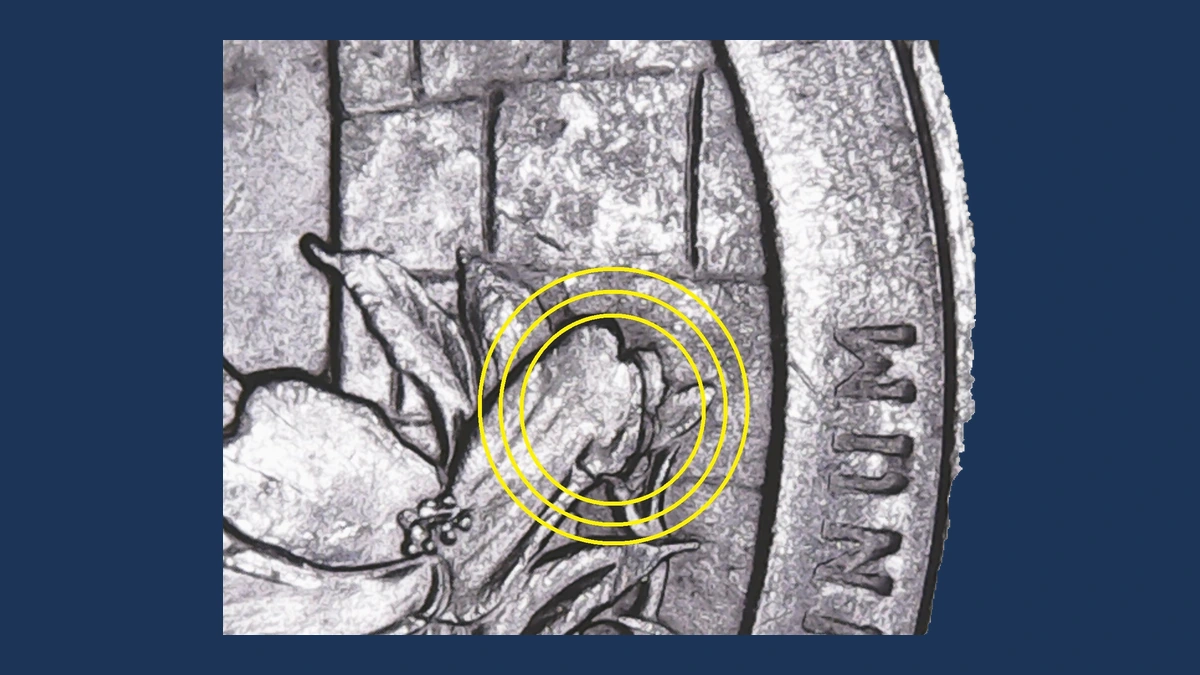
The “leaky bucket” appearance on Homestead comes from extra raised metal below the bucket, not from added artwork. Raised roof marks are another reported appearance.
Small pieces missing from a steel stamping tool can leave these lumps on coins. Cracks in the tool leave raised lines instead.
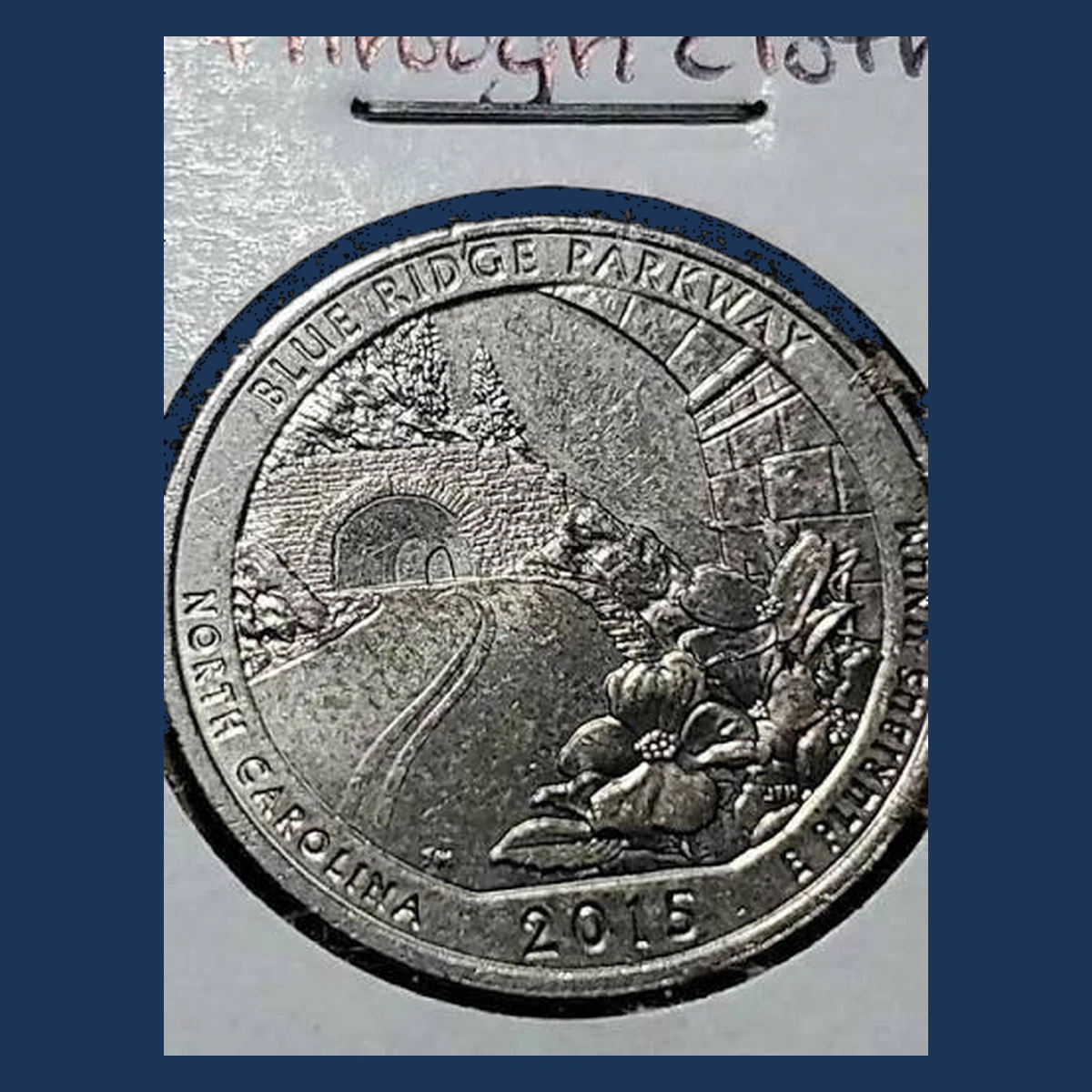
Bombay Hook reports include a lump behind the heron’s eye, creating a second-eye appearance. Blue Ridge examples involve the tunnel, blossoms, or leaves; Saratoga has an interior lump report.
A Homestead lump that joins the rim is a different shape, called a cud. An interior chip does not need that rim connection.
Estimated Value
Small chips can fit an estimated $2–$30 range, including many Homestead bucket or roof examples. Larger visible breaks may bring $30–$300, depending on size, condition, and collector interest.
The heron’s second-eye appearance can make a Bombay Hook chip easy to recognize. Its nickname does not turn every small lump into an expensive rarity.
Compare the actual shape and remaining design. Original surfaces help, while corrosion, added material, or a later impact should not be priced as a mint-made break.
How to Identify
Check whether the mark is raised before deciding what nickname fits it. A 10× magnifier under low side lighting separates a lump from a scratch cut into the surface.
Compare the raised shape with an undamaged coin of the same park. Normal roof lines, leaves, and the heron’s face can create shadows that look like extra metal in a blurred photograph.
Now compare the location with the correct park: under Homestead’s bucket, behind Bombay Hook’s heron eye, or at the reported Blue Ridge features. Different mints need separate specimen photographs.
A Saratoga interior lump remains an interior chip. To call a Homestead break a cud, follow it to a genuine connection with the rim rather than assuming every large blob has the same cause.
4. 2015 America the Beautiful Quarter Kisatchie Struck Through Material
A patch of missing or depressed detail can form when an object comes between the blank and a stamping tool. The tool cannot put its normal design into the blocked area.
Collectors call this a struck-through error. The object may leave its own texture or fall away after striking.
A year guide reports a Denver Kisatchie example without establishing the affected face or the material involved. The whole coin should be examined before naming a particular object.
A cut made after striking removes already formed detail. The boundary between normal design and the patch helps distinguish those two events.
Estimated Value
An estimated $20–$300 range covers genuine local struck-through errors on ordinary clad examples. A clear interruption with original surrounding surfaces is more useful than an unexplained rough spot.
A larger impression or recognizable texture can increase interest, but its size alone does not establish value. Wear and cleaning can obscure the evidence.
Compare the actual coin with another obstruction error of similar size and condition. A stain, gouge, or later deposit should not receive the same mint-error price.
How to Identify
Photograph the boundary of the affected area under several light angles before handling the surface further. A 10× magnifier can show whether nearby letters formed around an obstruction or were cut away afterward.
Do not pull at anything still attached. A retained object and the metal around it may preserve the best evidence of the strike.
Compare the nearby high points with the interrupted patch. Ordinary wear tends to flatten exposed details, while an object blocking the strike can leave a local gap beside otherwise sharp design.
Keep Kisatchie’s turkey design and the D visible in the same set of photographs. Identify cloth, wire, or another material only when the impression itself supports it.
5. 2015 America the Beautiful Quarter Broadstrike
A broadstrike spreads the coin outward because the blank was not fully contained by the collar ring. That ring normally controls the width while the design is struck.
The result can have an expanded border or an uneven outline. Unlike an off-center strike, the main intended design should remain complete.
A 2015 year list includes this error without identifying a particular park or mint. The park name on a candidate must therefore be read directly from the coin.
A large-looking photograph is not evidence of extra width. Actual measurements and an edge view matter more than the image size.
Estimated Value
For a genuine clad broadstrike, estimate $25–$300. A clearly expanded border with a full date and readable park design gives collectors more to compare than a slightly uneven rim.
The amount of spread and the condition of the surface help place a coin within the range. An attractive unworn example can command more than a scratched circulated piece.
This estimate does not identify the unnamed park in the year-list report. Each candidate needs its own complete design and edge examination.
How to Identify
Use calipers on a loose candidate to record its widest and narrowest diameters, comparing both with 24.26 mm. Check the weight against 5.67 grams on a scale to see whether normal coin metal has simply spread.
Follow the complete lettering on both faces beside a normal quarter of the same park. If part of the intended design is missing beyond the metal and a blank crescent survives opposite, consider off-center striking instead.
Under a 10× magnifier, inspect the edge grooves and the transition from design into the expanded border. Flattened finished letters or hammer marks suggest a later blow, while a broadstrike forms its design as the metal moves outward.
6. 2015 America the Beautiful Quarter Clipped Blanks
A quarter may begin as an incomplete metal blank, leaving part of the rim absent after striking. This is a clipped-blank error.
A curved gap can form when the cutting punch overlaps a hole already in the strip. Other incomplete blanks can have straighter or irregular missing sections.
The 2015 reports include Homestead and Kisatchie examples without fixing every gap’s shape or position. Those details should come from the actual coin.
A neat curve is not enough by itself. Cutting a finished quarter can also leave a smooth gap, but the cut affects design that had already been struck.
Estimated Value
Use an estimated $30–$350 range for genuine clad clips, with size and preservation guiding the comparison. A modest gap on a worn coin usually belongs toward the lower end.
A readable date, recognizable park, and original edge surface make a larger clip easier to display. Harsh cleaning or damage around the missing section can lower appeal.
The Homestead and Kisatchie reports do not establish identical clips. Their actual outlines matter more than assigning a price solely from the park name.
How to Identify
Begin with the two ends of the gap under a 10× magnifier. Look for original metal flow and compare it with fresh tracks left by a saw, file, or cutting tool.
Photograph the gap from the edge as well as from both faces. A weakened rim opposite the clip can support the diagnosis, but need not appear on every genuine example.
If loose, weigh the coin and compare an intact span with normal clad standards of 5.67 grams and 24.26 mm. Use a scale and calipers without forcing their tips across the gap.
Follow the surviving edge grooves into the missing area. The remaining design should have formed on an incomplete blank rather than been severed after the coin was finished.
7. 2015 America the Beautiful Quarter Reported Kisatchie Split with an Obstruction Mark
A split within the blank can expose an internal metal surface. A separate obstruction during striking can also interrupt the design, and a seller described a Kisatchie coin as having both features.
The year guide repeats that listing without establishing a grading-service identification. The two claimed features therefore need to be visible on the coin itself.
A partly attached layer should remain untouched. Pulling it away can destroy the connection that helps explain the split.
The accompanying obstruction mark is another observation to examine. It should not be inferred merely because part of the coin’s surface looks rough.
Estimated Value
The year guide records a seller’s asking price of about $488.55 in mid-2024 for the combined Kisatchie description. It does not establish a completed sale.
For a genuine split with a clear accompanying obstruction mark, use an estimated $50–$600 range. The amount of separated metal, readable design, and condition of the remaining surface all matter.
Value the object as one coin. Adding separate full prices for the split and the obstruction would count the same specimen twice.
How to Identify
Keep any attached layer supported and do not pry into the opening. Side lighting and a 10× magnifier can reveal where the separation runs within the metal.
A boundary following a metal layer differs from a fresh gouge across finished design. Photograph the connection and any exposed inner surface.
Next examine the claimed obstruction area independently. Its design should show blockage during striking, rather than ordinary damage created by the split.
If safe to rest loose on a scale, compare weight with the normal clad 5.67 grams. Missing metal can lower it, while an attached split may leave the total close to normal.
Compare an undamaged span with 24.26 mm using calipers, keeping clear of fragile metal. Include the grooved edge and Kisatchie design in the photographs.
8. 2015 America the Beautiful Quarter Off-Center Strikes
A blank that sits off center under the stamping tools can receive only part of the design. Untouched metal remains as a crescent on the opposite side.
A year guide describes a Philadelphia Blue Ridge Parkway example as about 25% off center. The date and park lettering help tie that displaced design to the right issue.
Homestead is also listed with off-center errors, without one fixed percentage or mint assigned to every example. Its own outline must be examined.
This differs from a shifted tool affecting only one face. The misplaced blank should explain the design’s position on both sides.
Estimated Value
For genuine dated off-center examples, estimate $50–$1,000, from small displacements to stronger, attractive coins. The reported Blue Ridge 25% example represents a more obvious shift than a slightly uneven rim.
Condition and readable identification remain important. A large blank area is less useful if nearly all of the date or park name has disappeared.
Use a comparable percentage and state of preservation when judging a Homestead candidate. Later cuts and heavy scratches can reduce appeal without changing the original displacement.
How to Identify
Compare the candidate’s whole outline with a normal example of the same park before estimating a percentage. Look for missing design at one side and untouched blank metal opposite.
Inspect both faces with a 10× magnifier to see whether the same misplaced blank explains them. If one face is normally centered, consider a shifted stamping tool instead.
For a loose ordinary clad quarter, use a scale and calipers to compare with 5.67 grams and 24.26 mm. An off-center strike need not remove metal or make the coin lighter.
Check the edge grooves for cutting or grinding, then photograph the surviving park name, date, and mint letter. The 25% figure belongs to the reported Blue Ridge example, not every 2015 offset.
9. 2015 America the Beautiful Quarter Missing Outer Clad Layer
The pale outer metal of an ordinary quarter covers a copper core. A missing outer layer can expose copper where the design was struck.
Philadelphia Homestead reports describe partial exposure on Washington’s side. A separate Philadelphia Blue Ridge Parkway report concerns the back.
The Blue Ridge example was described as uncertified, so its color should be examined together with its edge and weight. It should not be treated as a confirmed graded coin.
This mechanism applies to clad metal. The 2015 silver Proof, a specially prepared collector coin, contains 90% silver and does not have that copper-core construction.
Estimated Value
Estimate $100–$1,500 for a genuine missing outer layer, with larger original exposure and attractive surfaces supporting stronger prices. Partial loss and a full missing face need different comparisons.
The design should still explain how the exposed copper received the strike. Grinding or chemical removal after minting can produce a brown surface without creating this error.
For the uncertified Blue Ridge report, apply the range after authentication. The condition of the whole coin matters alongside the size of its exposed area.
How to Identify
An S-mint silver Proof can weigh 6.25 grams without having any clad error. Establish the coin’s metal before comparing an unusual face with copper-layer loss.
For a loose ordinary clad example, use a scale to compare weight with 5.67 grams and calipers to check the normal 24.26 mm diameter. A partial loss may change weight less than a completely absent face layer.
Under a 10× magnifier, follow the copper exposure from the grooved edge into the affected design. Look for intact struck detail, and check for scrape tracks that removed finished metal rather than a layer missing before striking.
Compare Homestead’s front and Blue Ridge’s back with their separate photographs. Brown color alone cannot establish either reported error.
10. 2015 America the Beautiful Quarter Reported Wrong Blank
A quarter design can land on a blank intended for another coin. Its weight, size, metal, or the way the design fits may then differ from normal.
Homestead appears in a wrong-blank report, and a broader 2015 list includes the same error category without naming a park. Neither description establishes a particular replacement denomination or metal.
A smaller blank can cut off outer lettering; a different alloy can alter weight or color. Those are possible clues, not measurements of the reported coins.
The blank’s actual identity needs to explain the whole object. A color change by itself cannot do that.
Estimated Value
For an authenticated wrong-blank 2015 quarter, use an estimated $500–$5,000 range. The blank’s identity, readable design, and condition would determine the appropriate comparison.
A different-year example shows the potential of this category: a 2022-P Sally Ride quarter on a nickel blank sold for $10,181 in April 2023. It was an exceptionally well-preserved coin.
That sale does not prove a nickel blank for 2015. The estimate remains tied to identifying the actual metal and blank, rather than borrowing another coin’s description.
How to Identify
Record measurements before proposing another denomination. A loose clad quarter normally weighs 5.67 grams and measures 24.26 mm; use a scale and calipers to test both.
An S silver Proof instead starts at 6.25 grams, so normal collector metal must be ruled out first. The large five-ounce silver pieces are also separate products, not oversized quarter errors.
Under a 10× magnifier, compare the design’s fit and inspect the edge for grooves, layers, filing, or plating. A smaller original blank should meet the design naturally rather than show lettering cut away afterward.
Have a specialist test the alloy without scratching it. The metal, measurements, and strike should agree before the coin is assigned to a different blank.
Conclusion
The estimated $0.25–$5,000 range includes minor look-alikes and genuine errors of very different importance. An extra pump outline, a heron-side chip, and an unusual blank need different tests.
Photograph the park name and mint letter before enlarging the feature. Keep partly separated metal untouched, and compare both faces when a design looks shifted.
Remember that the reported $488.55 Kisatchie listing was an asking price. It does not establish what another coin will sell for.