1801 Dime Error List with Pictures

An 1801 dime with raised crack lines across its eagle sold for $8,050 in 2007. A different, much more worn example preserves traces of being struck twice.
These 1801 dime errors show two different mint problems: a coin receiving another blow and a cracked tool leaving extra lines. Estimated whole-coin prices run from $1,000 to $10,000 for worn examples.
Use the checks below to tell repeated pictures from raised cracks before comparing values.
1801 Draped Bust Dime Double Strike (Estimated Up to $5,000)
This 1801 dime was struck twice, even though years of wear have removed much of its detail. It belonged to the Ed Price Collection and was graded PCGS AG3, a heavily worn grade.
A second blow pressed another impression into an already struck coin. Surviving parts of the design can therefore overlap in two positions.
That is different from a repeated image already present in the stamping tool. Here, the coin itself received the extra blow.
The recorded example does not establish an exact angle or percentage of movement. Its remaining design must be studied closely.
Estimated Value
The PCGS AG3 double strike sold for $2,185 in Heritage’s 2008 Ed Price Collection sale. The estimated range is $1,500–$5,000 for heavily worn examples with a clear second impression.
A double-struck 1802 dime in the same collection brought $3,450. It was graded Fair 2, an even more worn grade.
That is a different-year comparison. These figures do not price an unworn example, and each coin’s surviving overlapping design affects its appeal.
How to Identify
Do not expect two complete portraits on a coin this worn. Use a 10× magnifier to compare its surviving details with photographs of the graded example.
Look on both sides for pieces of the design appearing in two positions. Irregular worn areas alone do not prove another strike.
A normal early dime started at 2.70 g and about 19.8 mm across. Use a scale and calipers when safely accessible, allowing for weight lost through wear.
Inspect the edge grooves for cuts or damage from later squeezing. Such damage can move metal without creating the same relationship between the two struck faces.
The useful evidence is a repeated design element that belongs to a second impression, rather than an isolated lump or scratch.
1801 Draped Bust Dime Reverse Die Cracks (Estimated Up to $10,000)
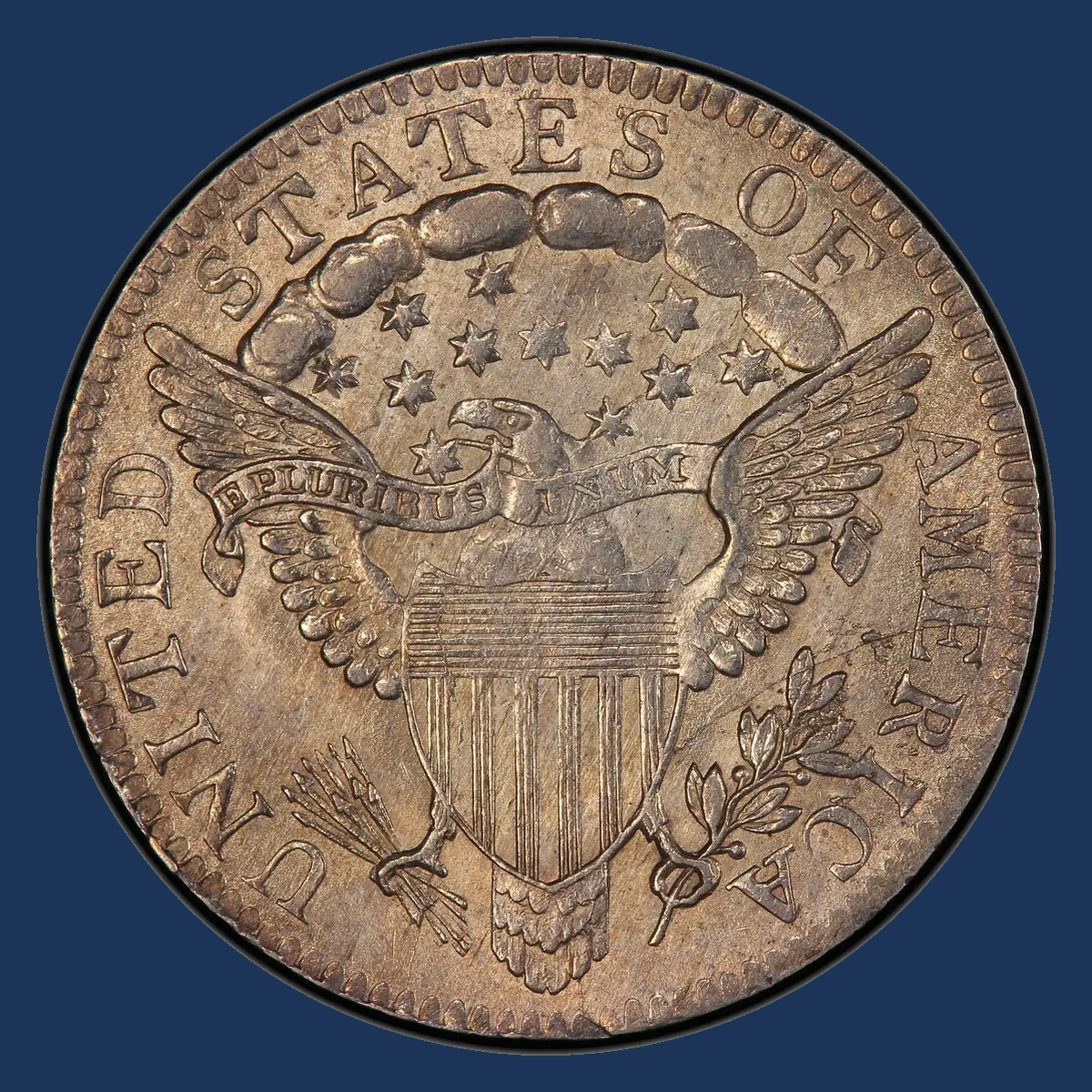
Several raised lines cross the eagle on the back of the recorded coin. One curves from the shield’s right side toward the E in AMERICA.
Another enters from the rim, passes through the arrows and the eagle’s leg, and reaches the shield. Two smaller lines run from the tail toward the rim.
These marks came from cracks in the die, the steel tool that stamps coins. Metal entered those narrow openings during striking and became raised ridges.
The silver coin itself did not split along those paths. The ridges copy damage in the tool that made it.
Estimated Value
The recorded coin sold for $8,050 at Heritage on August 9, 2007. PCGS graded it XF45, meaning noticeable wear with much detail remaining.
The estimated whole-coin range is $1,000–$10,000, from heavily worn examples to examples with much detail remaining. The scarce date itself contributes much of that value.
Cleaning or other surface problems can change the price substantially. The 2007 result is a historical sale, not a recent price for the raised lines alone.
How to Identify
First check the eagle design. An 1801 dime has the large eagle with a shield, not the small eagle found on earlier Draped Bust dimes.
Compare the scale reading with the original 2.70 g standard and use calipers against about 19.8 mm. Check the edge grooves when the coin is safely accessible.
Then place the light low across the back. Raised ridges should cast a different shadow from scratches cut into the silver.
Follow the line from the shield toward E with a 10× magnifier. Check the separate route through the arrows and leg, then the two smaller tail lines.
Several matching routes provide a useful identification. One unrelated scratch pointing toward a letter does not reproduce that network.
Conclusion
Worn 1801 error dimes fall within an estimated $1,000–$10,000 whole-coin range. Their age, scarcity, and remaining detail contribute to those prices alongside the mint error.
For the double strike, look for surviving pieces of a second design. For the coin made with a cracked tool, follow raised lines across the eagle.
Wear can hide either feature, so clear photographs of both sides are more useful than a label alone.