1802 Dime Error List with Pictures

One 1802 dime sold for $24,150 in July 2008 with three features: an unusual star, faint extra design traces, and raised cracks. NGC graded it AU55, meaning light wear.
These 1802 dime errors have estimated whole-coin values of $2,000–$30,000 across collectible worn examples of the JR-2 variety. Its number identifies a particular pair of stamping tools.
Read on to check each feature without counting the same coin’s price three times.
1. 1802 Draped Bust Dime Recut Reverse Star (Estimated Up to $30,000)
Count the points on the second star on the back. The JR-2 variety has eight instead of the intended six.
The star was cut again while workers prepared the die, the steel tool that stamps coins. The altered outline then appeared on coins made with that tool.
Each extra point should join the star itself. A nearby scratch or bright reflection does not become another point.
Later damage to the same tool produced other marks. The star can therefore appear alongside clash traces and raised cracks, although it began for a different reason.
Estimated Value
Estimate $2,000–$30,000 for collectible worn JR-2 dimes bearing this star. The lightly worn NGC AU55 example brought $24,150 in July 2008.
That price includes the entire scarce early dime and all its features. It is not a separate price for the star.
Condition and original surfaces strongly affect value. Finding clash marks or a rim break on the same coin does not mean adding this auction price again.
How to Identify
Place a clear JR-2 photograph beside your coin and find the second star on the back. Use a magnifier to count each point.
Follow every tip back to the same star. Reflections, nearby design details, and scratches can make the count look wrong.
Compare the surrounding design too, so a similar star on another early dime does not become a false match. Look for fresh cuts that might show later carving.
A scale and calipers can check roughly 2.70 grams and 19.8 mm, allowing for wear. The coin contains about 89.2% silver and has edge grooves.
The quick check is eight original points on the second star, matching the surrounding JR-2 design.
2. 1802 Draped Bust Dime Clashed Dies (Estimated Up to $30,000)
Faint extra shapes appear above and below Liberty’s bust, including near her throat. They are traces of the opposite design, rather than another complete portrait.
The two stamping tools hit each other when no blank sat between them. Marks from that collision could then pass onto later coins.
This is called a die clash. On the known JR-2 example, its traces are less obvious than the strong cracks on the back.
A line near the throat is not enough by itself. Its shape and position must fit the opposite design shown on the reference coin.
Estimated Value
The same JR-2 AU55 sold for $24,150 in July 2008. Estimate $2,000–$30,000 for worn examples with matching clash evidence.
The scarce early date, variety, and condition contribute much of that price. Faint extra traces may add little on their own.
Wear can make the marks hard to follow. Compare the entire coin with similarly preserved examples rather than treating each trace as another valuable error.
How to Identify
Shine a lamp across the coin from a low angle. Through a magnifier, inspect the areas above and below Liberty’s bust and around her throat.
Compare a suspected shape with the opposite design and the auction photograph. It should fit a recognizable fragment in the correct position.
A scratch can cross the same area without matching any design. A raised crack also has a different cause, even if both occur together.
Use a scale against about 2.70 grams and calipers against 19.8 mm. Check the edge grooves for damage; the original alloy contains about 89.2% silver.
Begin with one recognizable opposite-design fragment near the bust or throat, then check that the rest of its outline matches.
3. 1802 Draped Bust Dime Shattered Reverse and Rim Break (Estimated Up to $30,000)
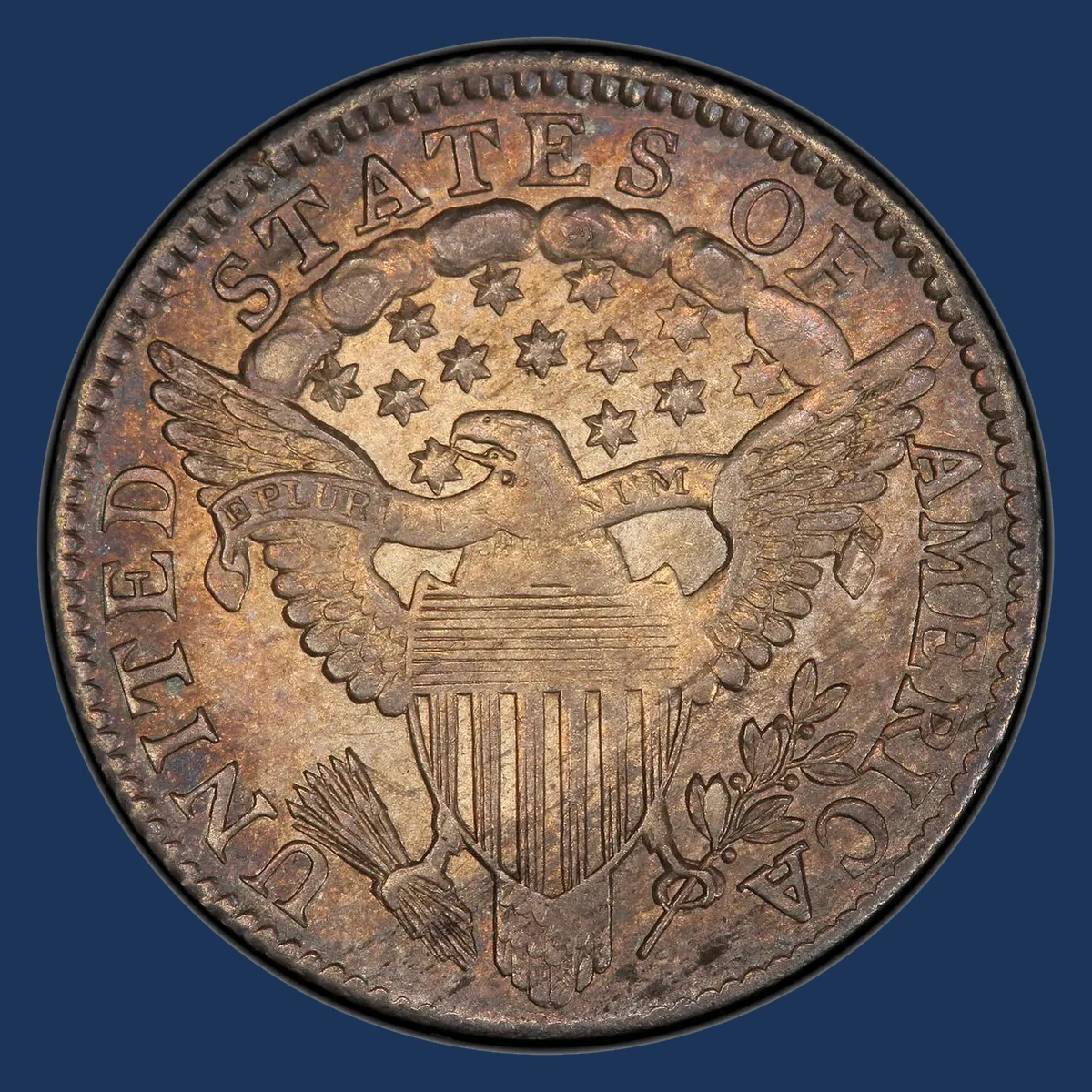
Several raised lines branch across the right half of the eagle side. One reaches the rim below the right wingtip and meets a small triangular raised patch.
These marks show a stamping tool breaking during use. Silver entered its cracks and the opening at its edge when the coin was struck.
The triangular patch connects to the rim. That connection separates a rim break from a small raised lump inside the design.
The known coin also keeps its eight-pointed star. The star and branching lines record different changes to the tool, rather than separate coins.
Estimated Value
Estimate $3,000–$30,000 for worn JR-2 dimes with this later crack pattern. Clear lines, a visible triangular rim break, and original surfaces help the appeal.
The AU55 example sold for $24,150 in July 2008. That single price already includes the star, clash marks, and broken back design.
A heavily worn or damaged example should not inherit the same price simply because its rim patch survives. Match condition as well as the break.
How to Identify
Keep the right wingtip and rim together in a close photograph. A magnifier can help trace the raised lines toward the triangular patch below that wingtip.
Check that the patch really joins the rim. A mark seen from only one angle may hide a dent or damaged border.
Turn the coin on edge and inspect the grooves for crushing or fresh tool marks. A later impact can distort the rim without matching the branching cracks.
Use a scale and calipers against roughly 2.70 grams and 19.8 mm. The original alloy is about 89.2% silver.
For a quick match, follow the raised crack into the small triangular rim break below the right wingtip.
Conclusion
The JR-2 dime can show an eight-pointed star, faint clash traces, and strong cracks on the same coin. Check each in its own location before deciding what you have.
Estimated whole-coin values span $2,000–$30,000. The $24,150 auction result covers one lightly worn example with several features, so it cannot be added three times to price a similar coin.