1852 Dime Error List with Pictures

An 1852 dime with a raised line through DIME sold for $5,040 in January 2025. PCGS graded the F-112 variety MS65, meaning unworn with relatively few marks.
Other 1852 dime errors include a slightly turned back design, repeated date marks, and raised rim breaks. Estimated whole-coin values range from $25 to $6,000.
The examples below show where to look and how to keep each coin’s marks separate from those on another variety.
1. 1852 Liberty Seated Dime Mild Die Rotation (Estimated Up to $1,000)
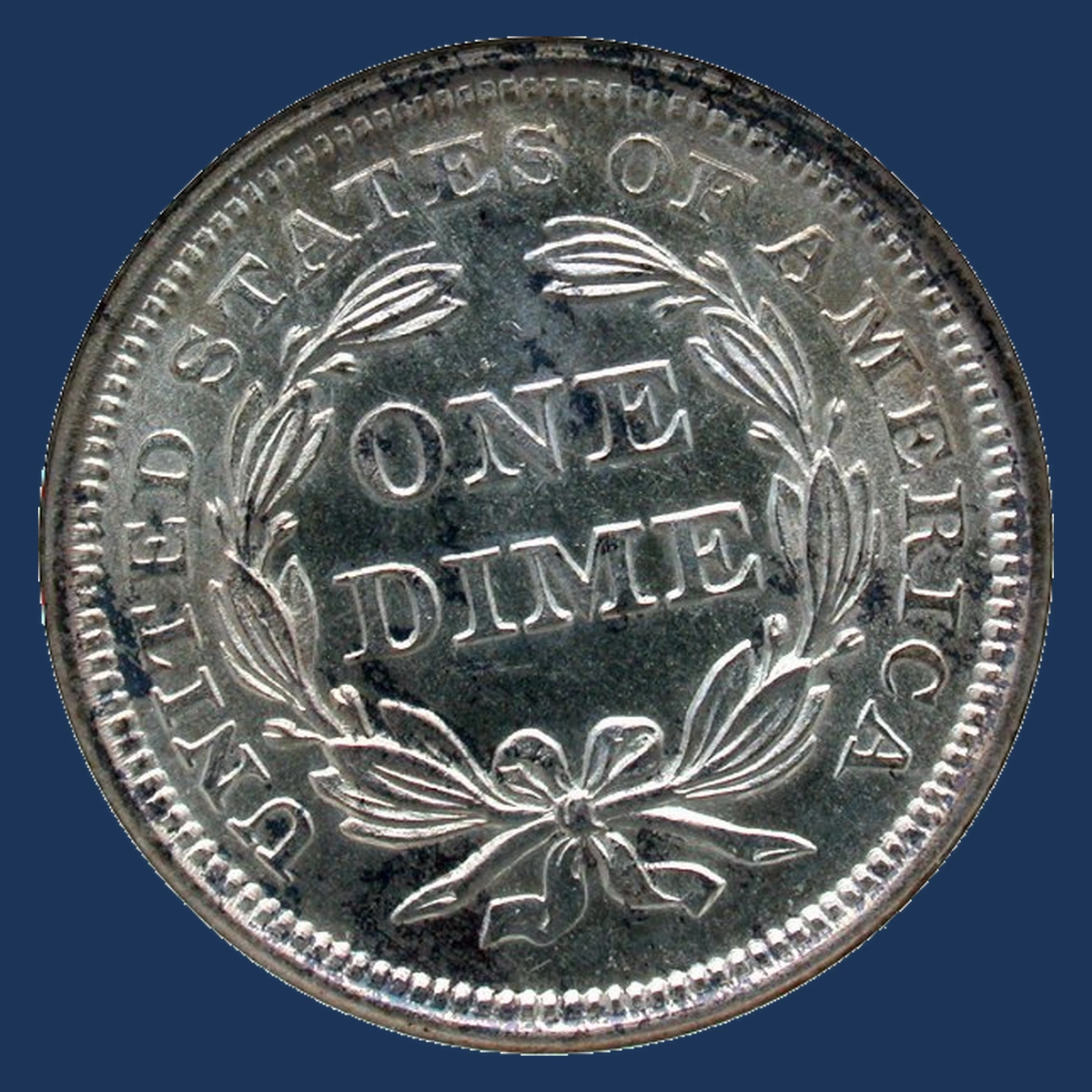
The back design of the F-109 variety leans about eight degrees to the right. This is a small rotation, rather than a picture shifted sideways across the coin.
The two dies are steel tools that stamp the front and back. A change in their alignment can leave the two designs facing slightly different directions.
The matching coin has a high, level date. Those details help separate it from other 1852 examples.
Check the turn on the actual coin. Separately straightened photographs can hide a real rotation or make an ordinary coin appear tilted.
Estimated Value
The estimated whole-coin range is $25–$1,000, from worn examples through lower unworn grades. An eight-degree rotation adds modest interest compared with a dramatic half-turn error.
Greysheet reports a $149 sale for an ordinary PCGS EF40 in June 2026. EF40 describes a worn coin with much detail remaining.
That sale was not identified as F-109. It gives a condition comparison, rather than a price for this small rotation or a separate large bonus for it.
How to Identify
Hold Liberty upright in a transparent holder and turn it from top to bottom. Avoid twisting the holder sideways.
The back should normally appear upright. Repeat the turn and check whether the same slight rightward lean returns each time.
A short unbroken video shows that relationship better than two pictures rotated separately. Compare the high, level date and remaining design with an F-109 photograph.
If safely accessible, use a scale and calipers against about 2.67 g and 17.9 mm. Inspect the edge grooves with a 10× magnifier for seams or signs of alteration.
The useful test is a repeatable lean of about eight degrees when the same controlled turn is made, rather than a tilt visible in just one photograph.
2. 1852 Liberty Seated Dime Repunched Date (Estimated Up to $3,000)
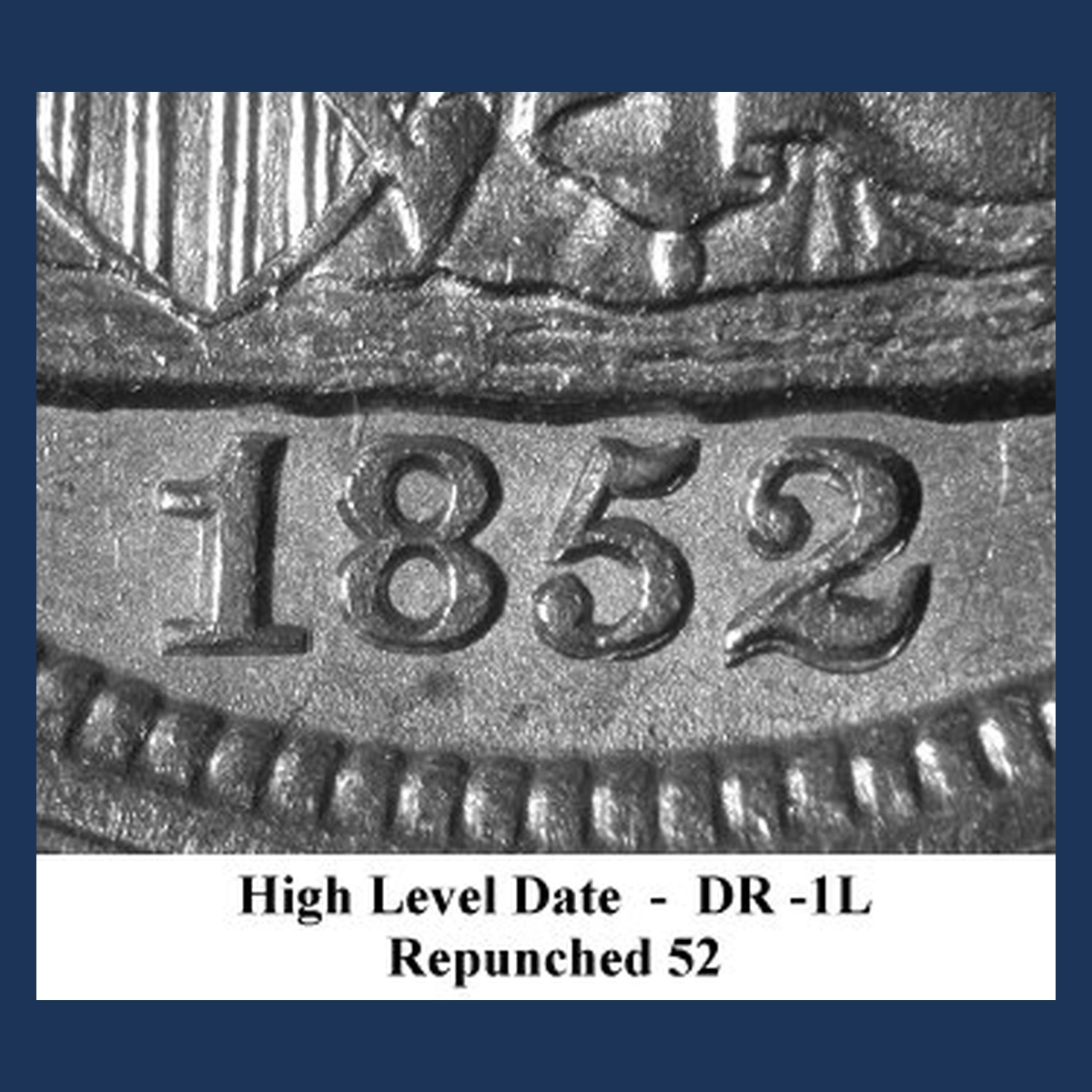
Extra pieces of the 5 and 2 can remain from an earlier date impression. The mark below the 2 is especially clear on the reported 52 variety.
A separate front design has a repeated 1 instead. The numeral you inspect therefore depends on which stamping tool made the coin.
These marks formed when the date punch entered the tool more than once. Later coins reproduced the remaining pieces without receiving another complete blow.
Some examples with the repeated 52 also show cracks. The date marks came from preparing the tool, while the cracks developed as it was used.
Estimated Value
Estimated values are $50–$500 for worn examples and about $600–$3,000 for attractive unworn coins. Readable numeral remnants and original surfaces help support the comparison.
Greysheet reports ordinary 1852 sales of $630 for NGC MS63 and $2,640 for PCGS MS65 with CAC quality approval. Both took place in May 2025.
These grades describe unworn coins, with MS65 generally better preserved. Neither sale was identified as a repunched date; they compare the underlying date and condition.
How to Identify
Begin below the 2, then compare the neighboring 5 with a clear picture of the repeated-52 variety. Use a 10× magnifier to follow shapes that resemble pieces of the original numbers.
For the separate repeated-1 example, keep the whole date visible and compare that numeral instead. A flat shelf or an engraved line does not make the same match.
The Philadelphia coin lacks an O mint letter and has stars, drapery, and no arrows beside the date. Its metal is 90% silver.
Check an accessible coin with a scale and calipers against about 2.67 g and 17.9 mm, and inspect the edge grooves. For the 52 variety, start with the raised fragment below 2 and confirm the matching extra shape on 5.
3. 1852 Liberty Seated Dime Die Cracks and Shattered Dies (Estimated Up to $6,000)
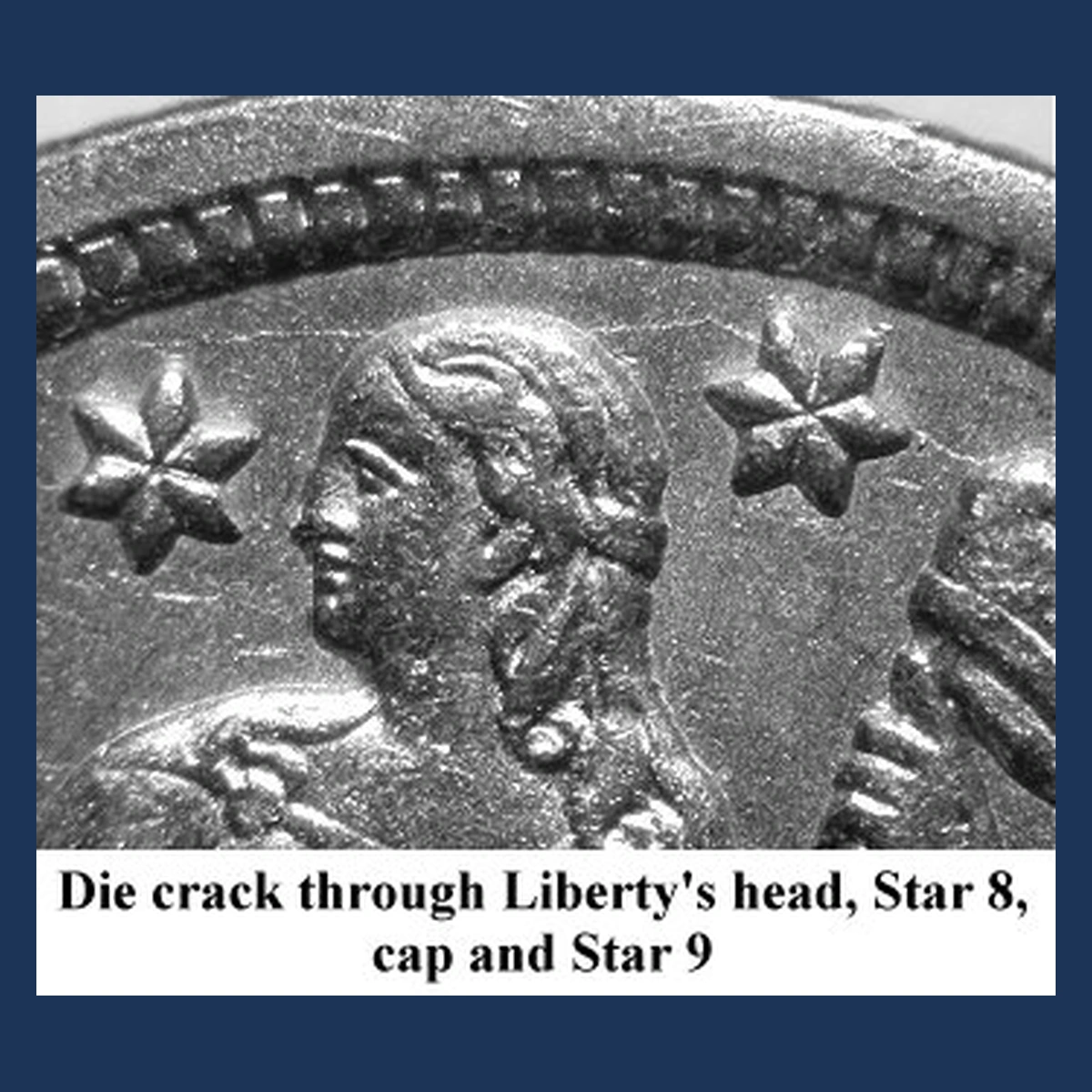
A long raised line crosses the back of the F-112 variety. It runs from the UNITED side through the wreath and DIME toward the opposite wreath.
Other Philadelphia examples have cracks below the date or around the front stars. Those belong to separate tools and stages of wear, not extra branches required on every F-112.
The lines formed when silver entered narrow cracks in the stamping tool. They stand above the finished coin’s surface.
A long crack is not automatically a large rim break. The rim must show its own raised, bounded area before that different feature can be identified.
Estimated Value
The PCGS F-112 record lists $5,040 for an MS65 in January 2025. Estimated values are $50–$600 for worn cracked-die examples and about $800–$6,000 for attractive unworn coins.
The sale prices the entire F-112 dime. Its condition contributes much of that amount.
A crack on a heavily worn coin does not inherit the MS65 price. Compare the location, surrounding detail, and original surface as well as the visible line.
How to Identify
Place the complete back in view and trace the F-112 line through DIME with a 10× magnifier. Check that it follows the pictured route across the surrounding design.
Light from the side should show a raised ridge. A split in the coin itself or a scratch cuts into metal instead.
For cracks on the front, choose the matching date or star photograph rather than borrowing the F-112 back-side route. Keep separate examples separate.
When safely accessible, compare a scale reading with 2.67 g and use calipers against about 17.9 mm. Inspect the edge grooves where a line approaches the rim.
The strongest check is the complete raised path through the correct design details, not simply the length of a line.
4. 1852 Liberty Seated Dime Rim Cuds and Retained Die Breaks (Estimated Up to $6,000)
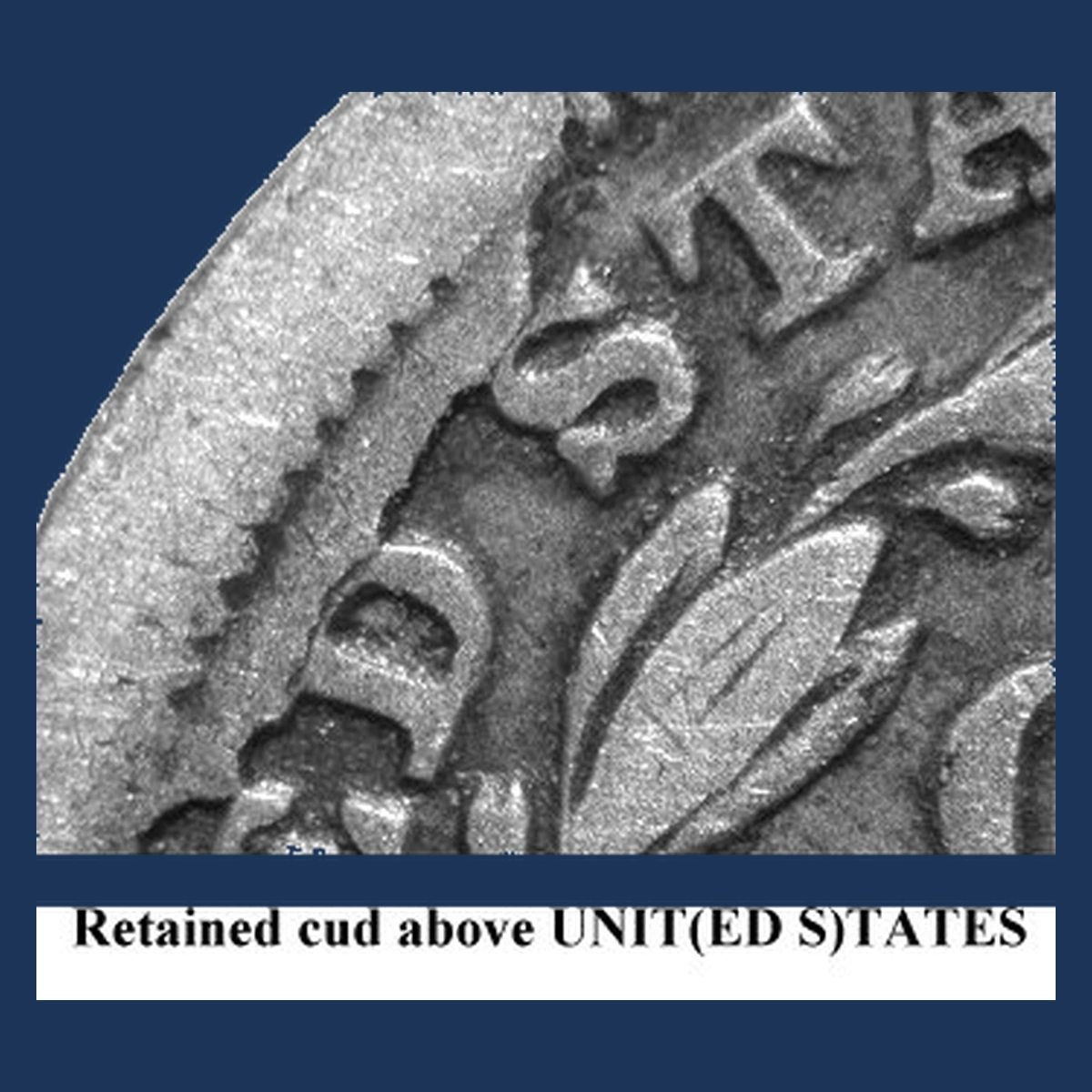
A raised patch at the rim can replace part of the normal design when a piece breaks from the stamping tool. Collectors call this a cud.
If the broken piece stays in place, some design can still appear inside the affected area. That is a retained break, even if the piece has shifted.
Reported 1852 examples occur beside star one, below the date, and near ED S or the UNITED side on the back. Each location belongs to its own example.
A thin crack at one of those places does not prove the larger break had formed yet.
Estimated Value
The estimated range is $100–$1,000 for worn examples with a clear rim break. Attractive unworn coins can fall around $1,000–$6,000.
The $5,040 F-112 sale is a related cracked-die comparison. It does not specifically establish that the auction coin had developed the later partial rim break.
Price the feature actually present, together with condition and original surfaces. A variety number alone cannot turn a thin crack or an ordinary rim dent into the larger error.
How to Identify
Look for a boundary around the affected rim section. Some shifted design may remain inside it when the broken tool piece stayed in place.
If the piece fell away, a raised area can replace more of the normal design. Compare the exact location with the matching 1852 photograph, rather than combining several examples.
Use a 10× magnifier on the adjoining edge grooves. A later knock can push finished metal inward without creating the pictured broken-tool shape.
Record weight and diameter with a scale and calipers when safely accessible, comparing with 2.67 g and 17.9 mm. A cud moves the silver; it does not cut away a section of the coin.
The visible boundary and its connection to the rim make the important match.
Conclusion
Estimated whole-coin values for these 1852 dimes run from $25 to $6,000. A small rotation, an earlier numeral, and a broken tool leave different kinds of evidence.
Repeat the same turn to test alignment, or compare the date and raised lines with a matching photograph. A larger rim break needs its own visible boundary.
Condition remains central to price, even when several interesting features appear together.