1956 Dime Error List with Pictures

Two countries’ designs can survive on one tiny coin. A 1956 Roosevelt dime stamped over a finished Honduran centavo sold for $4,080 in October 2022.
Other 1956 dime errors are easier to recognize: a straight missing edge, a peeling surface, or two overlapping strikes. The ten types below span estimated values of $15–$6,000.
Start with the full outline before moving to small letters. Read on to see why a copper-colored dime, a silver clip, and a doubled collector Proof need different checks.
1. 1956 Roosevelt Dime Lamination (Estimated Up to $150)
A thin piece of the surface can lift away while the rest of the dime stays intact. This peeling within the metal is called lamination.
The normal 1956 dime is a mixture of silver and copper throughout. It does not contain a separate copper center sandwiched between outer layers.
A weakness in that mixture can allow a flake to separate during or after striking. Year guides report this type without naming one fixed location.
A scraped hollow is different. The actual boundary of the loose layer helps explain what happened to the coin.
Estimated Value
For a genuine minor peel, estimate $15–$50. Larger clear separations on attractive silver Roosevelt dimes can fit an estimated $50–$150 range.
A different silver-dime comparison is a 1942 Mercury example with major front peeling that sold for $89 in March 2023. Its design and condition differ from a 1956 dime.
The range is an estimate for the complete coin. Extensive loss across the portrait may reduce appeal even when the defect is genuine.
How to Identify
View the loose edge from the side with a 10× magnifier. Leave it in place; lifting a flap can break off original metal.
Look for a thin sheet joined to the surrounding surface. Pitting, scraping, and material stuck on top need different explanations.
The normal weight is 2.50 grams and the diameter 17.9 mm. A scale and calipers help document a loose coin, while recorded measurements serve for a sealed example.
Examine the grooved edge for filing and check the other face for damage. A normal weight is possible if the loose metal remains attached.
The useful first clue is an actual metal layer lifting from within the silver alloy.
2. 1956-D Roosevelt Dime Repunched Mintmark (Estimated Up to $250)
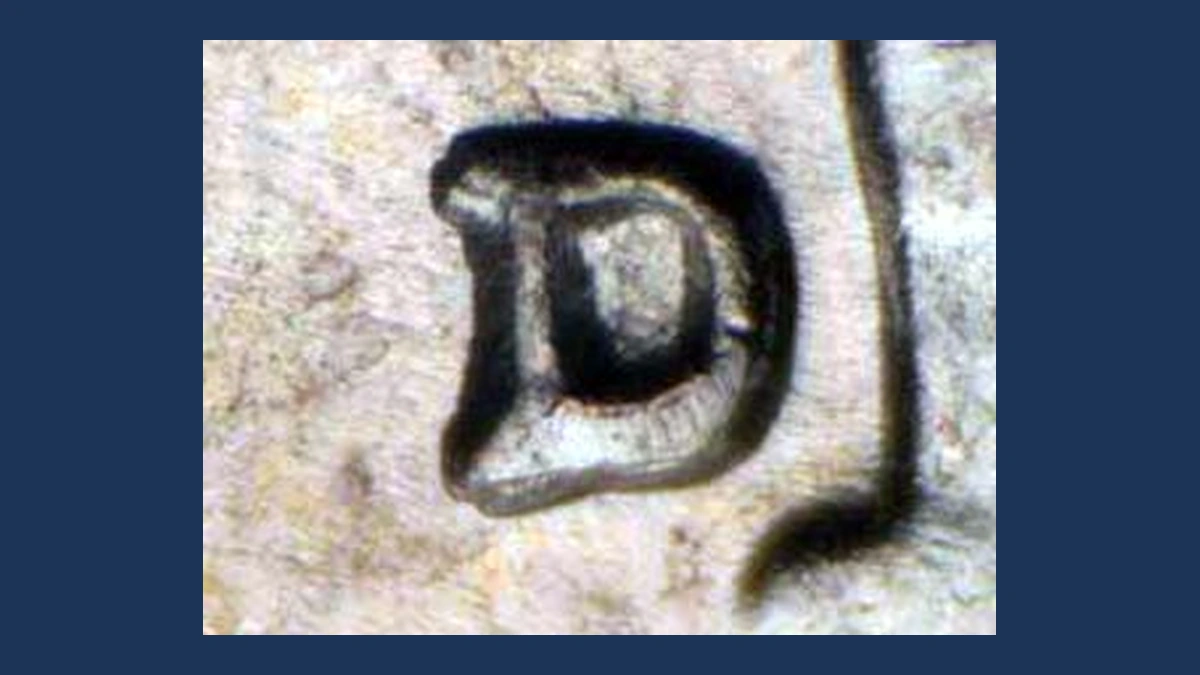
An extra curved stroke near the D can be part of an earlier mintmark impression. Workers added the letter to a die, the steel stamping tool, with a separate punch.
When the punch landed again in a slightly different position, both impressions could remain. Later coins repeated the overlapping letter shapes.
This is a repunched mintmark, often abbreviated RPM. Reports for 1956-D include D over D without one fixed direction assigned here.
The small letter belongs on the back, left of the torch. A bump elsewhere on the coin does not identify this variety.
Estimated Value
Clearly identified minor D/D examples have an estimated range of $20–$250 from worn coins through attractive unworn pieces. This uses comparable repunched letters on nearby silver Roosevelt dates.
The second letter needs to be visible. A faint edge on a heavily worn coin usually draws less interest than a recognizable earlier D.
This is not a recorded sale of one specific 1956 variety. A scratch or flat shelf beside the letter should not receive the same premium.
How to Identify
Locate the D to the left of the torch on the back. Keep the entire letter in your first close-up so its orientation stays clear.
With a 10× magnifier, follow the suspected extra curve. It should fit part of another D rather than a random lump or scratch.
Compare with an identified 1956-D example, since different punch positions can leave different parts visible. A flat ledge beside a letter can instead come from movement during striking.
Use a scale and calipers against the normal 2.50 grams and 17.9 mm, and inspect the edge grooves. Tracing a recognizable second D in the correct position is the quickest useful mintmark check.
3. 1956 Roosevelt Dime Die Cracks and Rim Breaks (Estimated Up to $400)
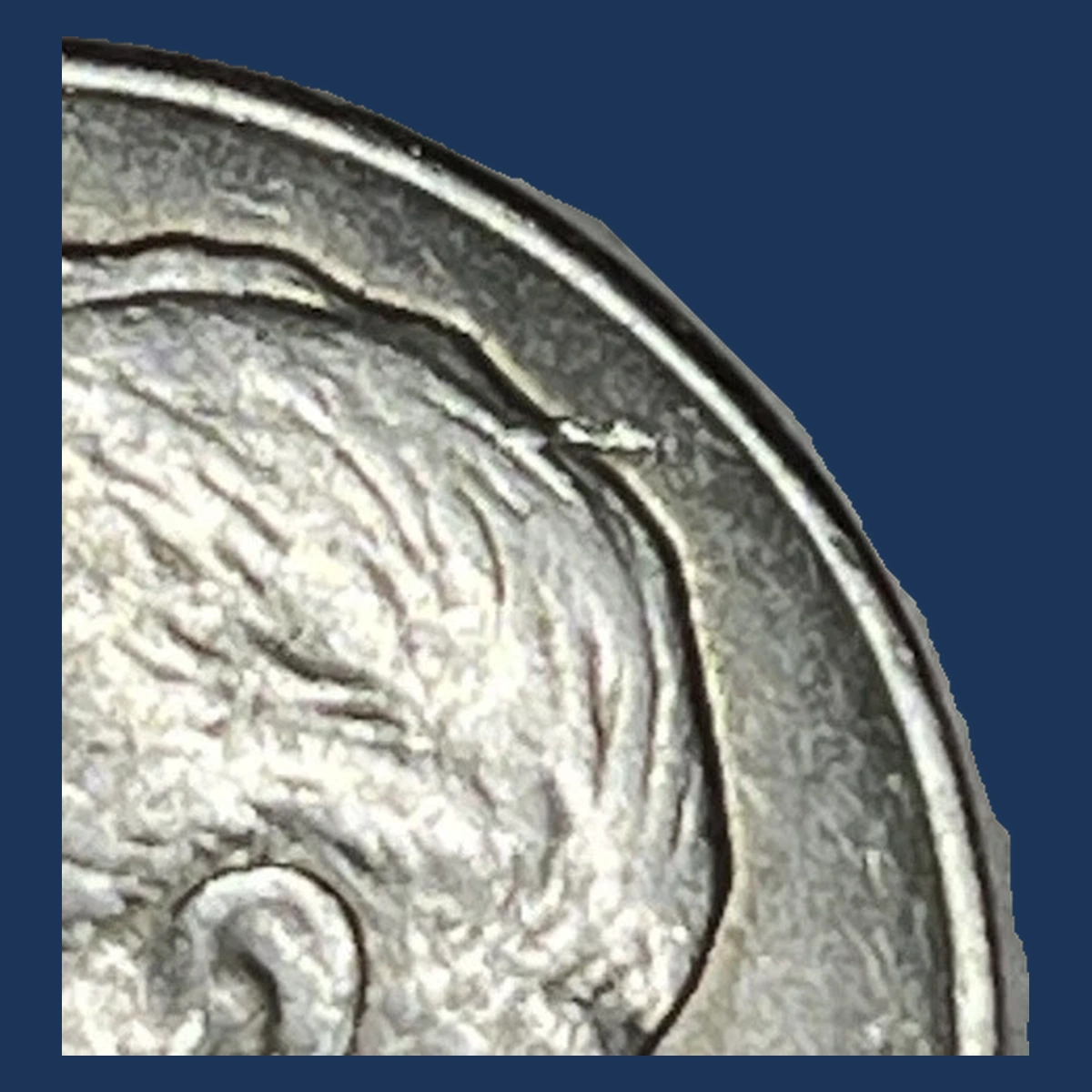
A fine raised line through the lettering can come from a crack in the die. Silver fills the split during striking and leaves a ridge on the coin.
A larger piece breaking from the tool’s edge produces a different shape. The resulting rim-connected patch is called a cud.
The 1956 reports include lines near LIBERTY, the portrait, and back-side details without establishing one universal route. Those locations need separate comparisons.
A crack in the steel tool does not split the coin open. It adds raised detail, while a scratch usually cuts into the finished surface.
Estimated Value
Small die cracks have an estimated whole-coin range of $15–$100. Larger genuine rim breaks on attractive examples can fit $100–$400.
The estimates reflect comparable minor and major tool breaks on silver Roosevelt dimes. They are not auction prices for a named 1956 specimen.
A faint ridge may add little beyond the ordinary dime’s value. A clear rim connection and missing normal design help make a larger break easier to recognize and display.
How to Identify
Determine whether you have a line or a patch before choosing a comparison. A 10× magnifier under low light helps reveal the feature’s height.
Follow a narrow ridge through nearby letters without joining unrelated scratches. For a broad patch, check whether it reaches the rim and replaces normal detail.
Added material can cover an otherwise complete design. A rim hit can also push up metal beside a dent, so inspect the opposite face and edge grooves.
Normal silver dimes weigh 2.50 grams and measure 17.9 mm; use a scale and calipers where accessible. Start with a raised original ridge or rim-connected patch, rather than a cut or dent.
4. 1956 Roosevelt Dime Straight Clip (Estimated Up to $400)
A straight section missing from the edge can show where the blank overlapped the end of the metal strip. The design was struck only after that incomplete disc was cut.
Heritage lists a Philadelphia straight clip weighing 2.35 grams. NGC graded it MS65, meaning unworn with relatively few marks.
That coin appeared with another dime in a two-coin lot. Its recorded weight should not be assigned to its companion.
A separate Philadelphia coin has a sixteen-percent straight clip and a broadstrike together. The two faults affect different parts of the same coin’s shape.
Estimated Value
Estimate $40–$400 for genuine straight clips from worn through attractive unworn condition. Larger gaps can improve the display, but condition and natural-looking edges still matter.
The separate sixteen-percent clip with a broadstrike sold for $126 in July 2021. PCGS graded that combined-error coin MS64, an unworn grade with visible marks.
Its price covers both features together. The 2.35-gram MS65 listing was a two-coin lot, so a group result should not be assigned entirely to that dime.
How to Identify
Follow the straight boundary to each end with a 10× magnifier. Examine how the finished rim meets the missing segment.
A later cut can slice through completed letters or edge grooves and leave file marks. An incomplete blank changes how the nearby metal moves during striking.
Weigh a loose coin with a scale and compare the 2.35-gram example with the usual 2.50 grams. Use calipers across intact metal against the normal 17.9-mm width.
A weakened rim opposite the gap can help, but is not required on every genuine clip. The best starting point is original struck metal meeting both ends of the straight gap naturally.
5. 1956 Roosevelt Dime Broadstrike with a Straight Clip (Estimated Up to $500)
Two mistakes changed the outline of this Philadelphia dime. The blank lacked a straight segment, and its remaining metal spread outward during striking.
The collar is a ring that normally limits the coin’s width and forms the edge grooves. It did not properly contain this blank.
Heritage calls the PCGS MS64 example sixteen-percent straight clipped and broadstruck. That grade describes an unworn coin with noticeable marks.
The clip explains the absent metal, while the broadstrike explains expansion elsewhere. Do not mistake design missing at the clip for a separate off-center strike on an intact blank.
Estimated Value
The combined-error coin sold for $126 in July 2021. Its value belongs to one coin, even though both a clip and a broadstrike are visible.
For genuine comparable examples, estimate $100–$500. Clear expansion beyond the normal border and attractive surviving design can improve collector interest.
The upper estimate allows for differences in condition and strength of the error. Adding the separate straight-clip range to this figure would count the same coin’s value twice.
How to Identify
First locate the straight missing segment. Then inspect the surviving outline away from that gap for metal that spread beyond the normal border.
Calipers can record several spans against an ordinary dime’s 17.9 mm. A scale will read below the normal 2.50 grams if metal was missing from the blank.
Use a 10× magnifier to examine the expanded edge and its grooves. Compare the lettering in intact areas with an ordinary 1956 dime.
Later hammering may flatten already finished letters and the portrait. The missing segment alone cannot establish a broadstrike.
Look for natural expansion outside the surviving design, separately from the straight gap that identifies the clip.
6. 1956 Roosevelt Dime Off-Center Strike (Estimated Up to $750)
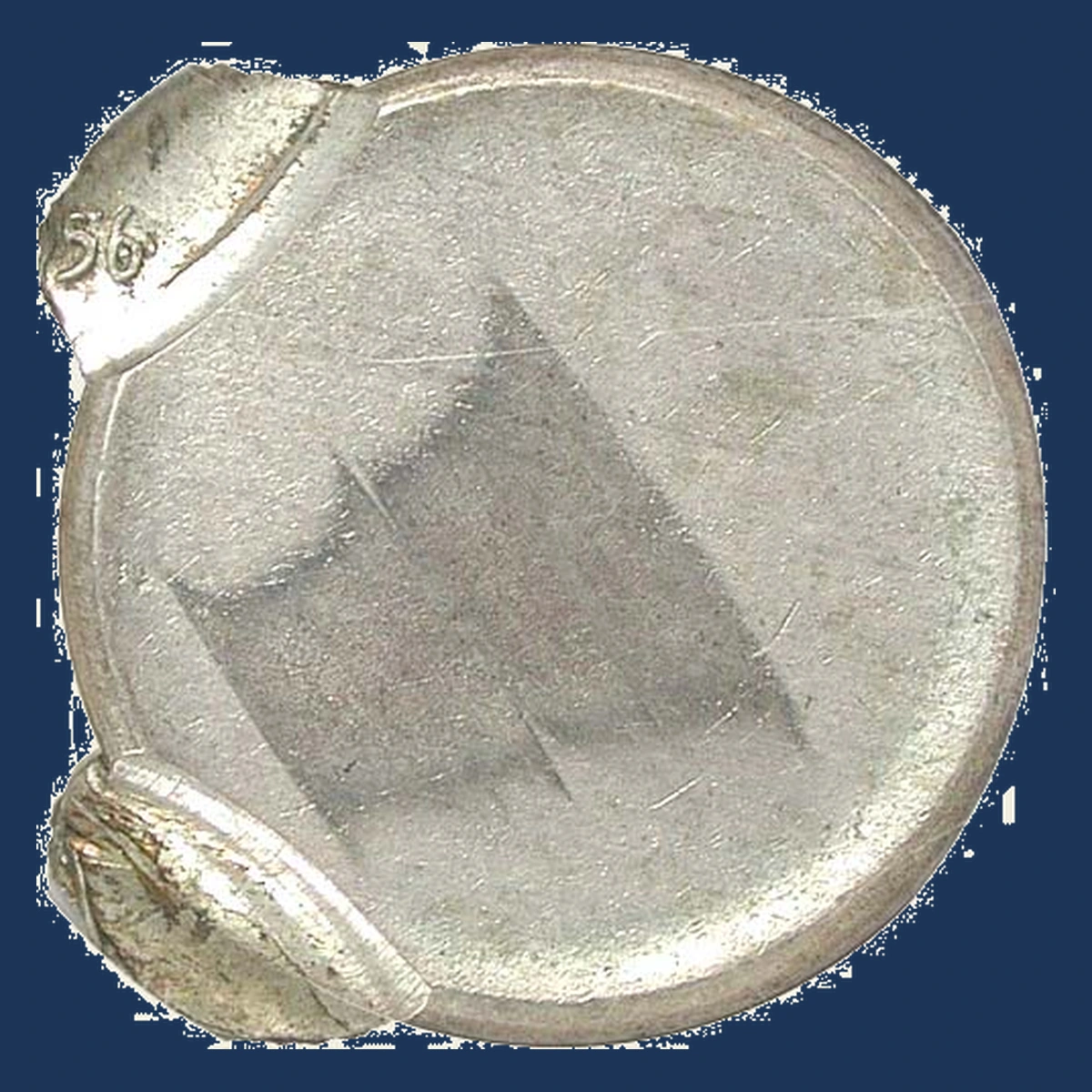
More than half the intended design missed the documented Philadelphia dime. Heritage describes the coin as fifty-five percent off center and graded NGC MS62.
MS62 means unworn but with noticeable marks. The blank was far out of place when the stamping tools came together.
Only the part caught between them received the designs. The rest remained plain metal, instead of being removed as it would be by a clip.
Denver examples are reported separately in year guides. Their percentages and shapes should not be borrowed from this particular Philadelphia coin.
Estimated Value
For genuine examples with readable dates, estimate $75–$750 across modest offsets and bold, attractive strikes. The amount of surviving design and the coin’s surfaces both affect the comparison.
A 1964 silver dime struck sixty percent off center sold for $134 in December 2025. ANACS graded that different-year coin MS65, a well-preserved unworn grade.
That recent result provides context for a strong offset. It does not assign a fixed price to each percentage point or to the 1956 specimen.
How to Identify
Keep both faces and the entire edge visible in photographs. Find the surviving date before assigning the coin to 1956.
Use a 10× magnifier along the boundary where the design stops. A plain crescent of metal should remain beside an incomplete design on both faces.
Check weight with a scale against the ordinary 2.50 grams. Measure the outline with calipers against a normal 17.9-mm dime, allowing for changes from the strike.
Look for filing or grinding around the edge grooves and plain area. A missing mintmark area cannot establish which mint made a coin.
Matching incomplete designs beside untouched metal on both sides provide the direct off-center check.
7. 1956 Roosevelt Dime Proof Doubled Die Obverse (Estimated Up to $800)
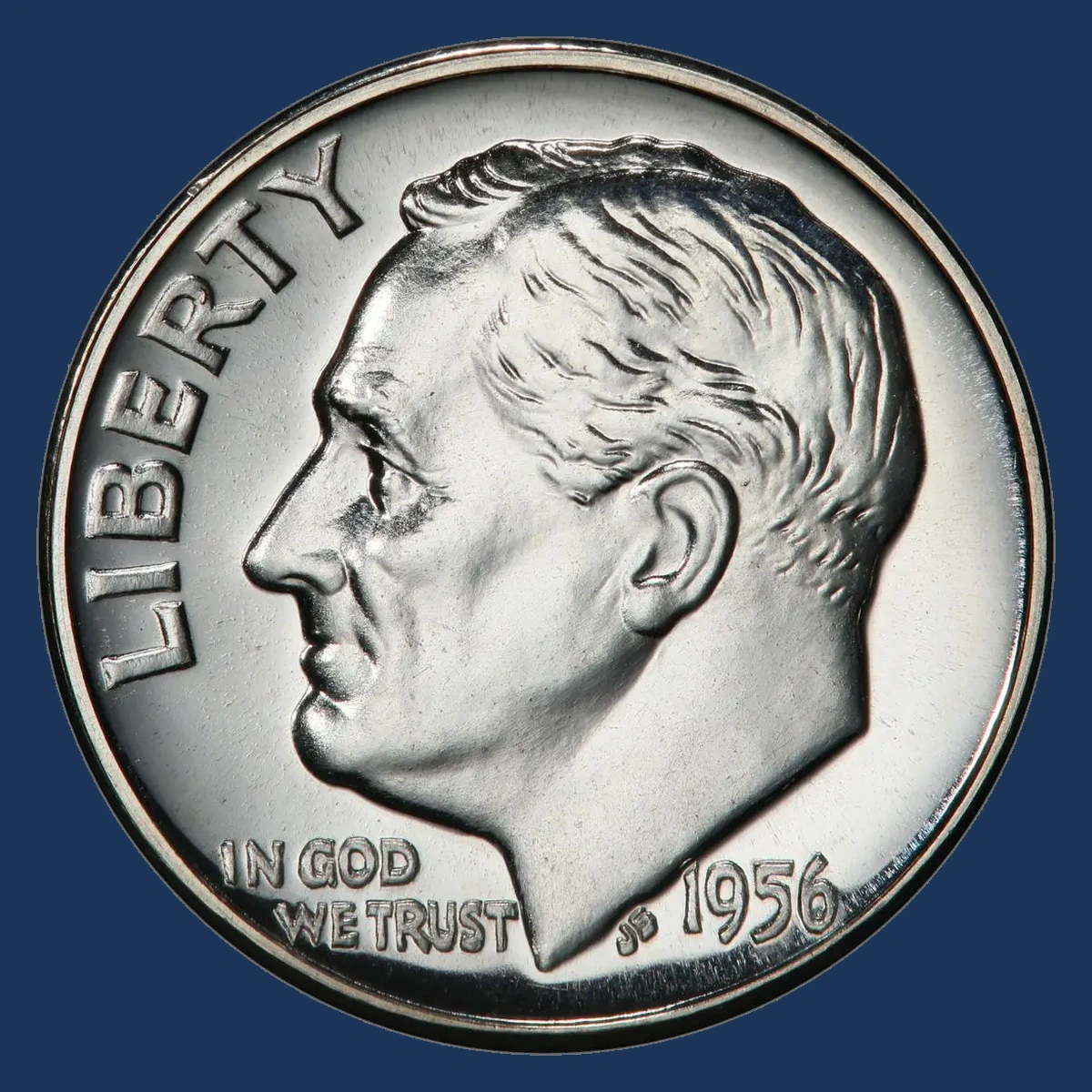
Extra raised strokes can appear around lettering on a 1956 collector Proof. A Proof is specially made with a sharp design and a reflective background.
The recognized front-side doubled-die variety carries the catalog label FS-101. Obverse means the side with Roosevelt’s portrait.
Its doubled pattern began in the die before the coin was struck. The normal repeated blows used to make a Proof do not themselves explain these extra outlines.
Compare LIBERTY, the motto, date, and designer’s small JS initials with the identified example. Not every bright edge in a mirrorlike surface is extra metal.
Estimated Value
Use an estimated $75–$800 for correctly identified FS-101 Proofs, from scratched or marked coins through attractive well-preserved coins. Scratches across the reflective background can reduce the value.
GreatCollections has listed a PCGS Proof-67 example, but no sale amount is used here. The estimate compares similar silver Roosevelt Proof varieties.
A 1960 doubled-back Proof sold for $533.50 with a Proof-68 Cameo grade. Cameo describes frosted designs against a mirrorlike background; this different-year result provides only a comparison.
How to Identify
Set a normal 1956 Proof beside the suspected coin or use equally sized photographs. A 10× magnifier helps compare the ends and corners of the letters.
Follow the date and motto before moving to LIBERTY and JS. Match the particular FS-101 pattern rather than expecting all details to be equally doubled.
Philadelphia Proofs normally have no mintmark. Their silver weight and size are the same as regular dimes: 2.50 grams and 17.9 mm.
Use a scale and calipers only where accessible, and inspect the edge grooves. Reflections move when the light changes.
Fixed extra outlines that match the catalog photographs provide a better identification than general shine.
8. 1956 Roosevelt Dime Double Strike (Estimated Up to $1,250)
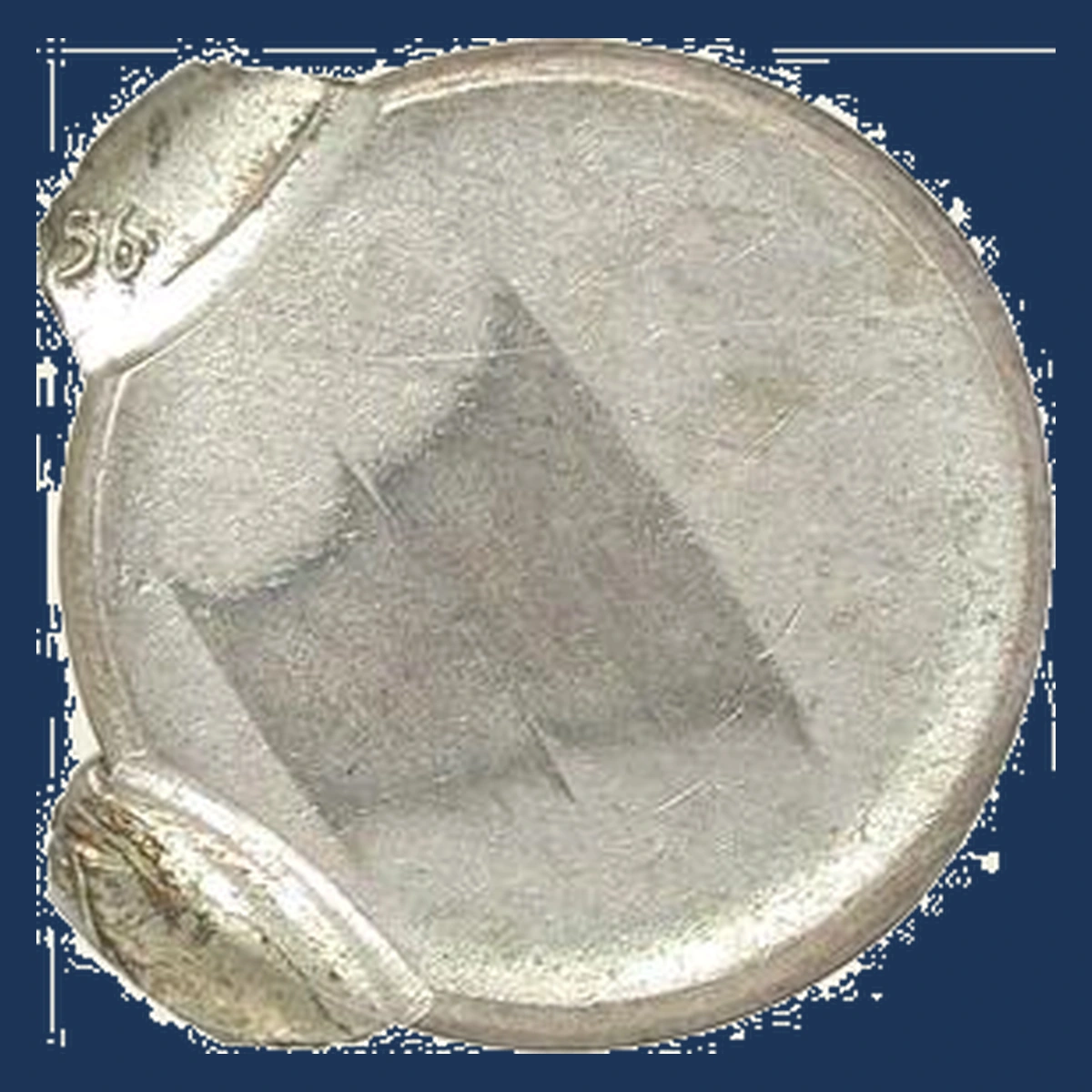
Two small sets of design can survive on a coin that received two badly misplaced blows. A collector-listed 1956 dime shows this kind of double strike.
Its NGC description identifies both strikes as off center and gives an MS63 grade. That is an unworn grade with visible marks.
The owner describes both offsets as greater than ninety percent. Only the last two date digits, 56, remain visible, so the complete year depends on the recorded identification.
This is different from a doubled die, where extra detail already exists on one stamping tool before it touches the blank.
Estimated Value
A genuine double strike with clearly separated impressions has an estimated range of $200–$1,250. Readable details and an appealing arrangement of the two strikes can attract collectors.
A 1964-D silver dime with its second strike seventy-five percent off center sold for $312 in March 2023. NGC graded that different-year example MS64.
The listed 1956 coin has no price used here. Its two offsets are not separately priced coins, and they differ from the comparison’s displaced second strike.
How to Identify
Find two placements of the design with a 10× magnifier. A repeated piece of portrait or lettering should show where each blow landed.
Compare the surviving 56 with the recorded coin rather than claiming that the full 1956 date is visible. Keep the entire blank outline in the photographs.
A normal silver blank weighs 2.50 grams and measures 17.9 mm before distortion. Use a scale and calipers on an accessible coin, and examine the remaining edge grooves.
Pressure from another finished coin can leave reversed, sunken marks after minting. The strongest visible clue is two genuine struck impressions in separate positions on the same original blank.
9. 1956 Roosevelt Dime on a Honduran Centavo Blank (Estimated Up to $5,000)
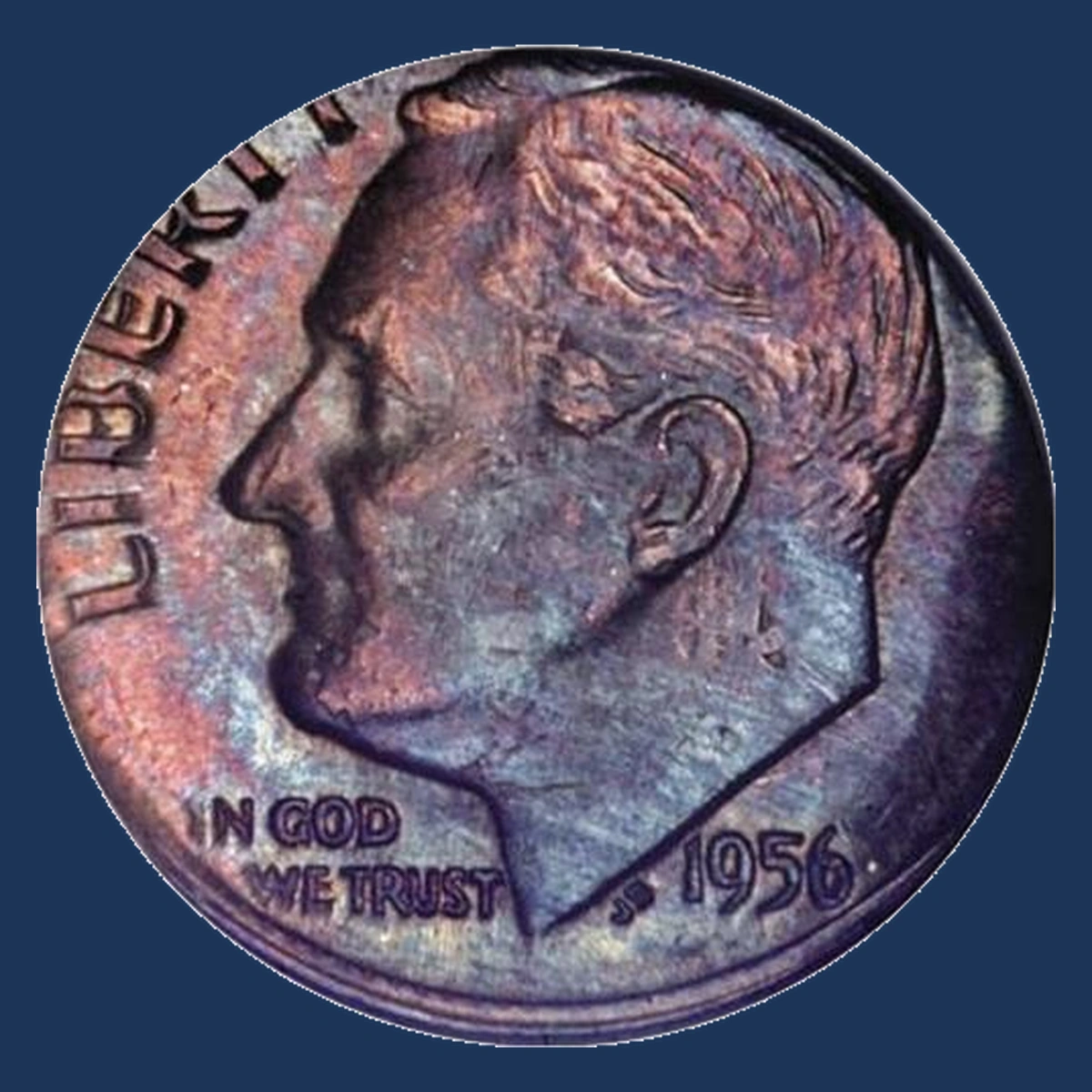
A small copper blank received Roosevelt’s design instead of becoming a Honduran one-centavo coin. The reported 1956 error weighs 1.5 grams, far below a normal silver dime.
NGC graded it MS65 Brown. That describes an unworn copper coin with relatively few marks and a brown surface.
The blank was intended for a different coin before the U.S. dime tools struck it. Its small size can leave outer design details beyond the metal.
This is not the same as a dime struck over an already finished Honduran coin. The unused blank has no earlier foreign design underneath Roosevelt.
Estimated Value
For a genuine dime on this foreign blank, estimate $1,500–$5,000, depending on condition and how clearly the error is identified. The 2008 offering of the MS65 Brown coin did not sell.
A related 1956 dime struck over a finished Honduran centavo brought $4,080 in October 2022. That coin has an additional earlier design and a different grade.
Its result helps frame the estimate without establishing a sale price for the unused-blank example. Copper color alone does not justify either range.
How to Identify
Start with weight and the amount of design that fits on the coin. The listed blank weighs 1.5 grams, compared with a normal dime’s 2.50 grams.
Use a scale and calipers on a loose example to record its weight and outline. Compare the size with the usual 17.9 mm without assuming the error kept a normal dime diameter.
Inspect the surface and edge through a 10× magnifier for plating, filing, or grooves altered after striking. Brown color can have several causes.
A grading service’s metal and blank identification matters for this unusual error. The key combination is the small original blank, matching weight, and genuine dime design without an earlier foreign image.
10. 1956 Roosevelt Dime Struck Over a Honduran Centavo (Estimated Up to $6,000)
The Roosevelt design can sit over traces of a different country’s finished coin. On this error, a 1956 Honduran one-centavo coin entered the U.S. dime press after receiving its own design.
The second design did not erase every earlier mark. Surviving foreign letters, symbols, or date details can reveal the original coin underneath.
Heritage lists the overstruck dime as NGC MS63 Brown, an unworn copper coin with noticeable marks. It is a different example from the MS65 coin made on an unused blank.
The older design is the crucial distinction between them.
Estimated Value
The NGC MS63 Brown example sold for $4,080 at Heritage on October 10, 2022. For comparable genuine overstrikes, estimate $2,500–$6,000.
How much of each design survives affects the appeal. A clear connection between the two countries’ coins can be more informative than color or a low weight alone.
The estimate concerns the complete overstruck coin. It should not be added to a separate price for a wrong blank or the underlying centavo.
How to Identify
Search for part of the earlier Honduran design beneath Roosevelt with a 10× magnifier. Compare any surviving letters or symbols with the correct 1956 centavo.
A copper-colored dime without those traces may have a different explanation. Do not invent a foreign date from a few random scratches.
Record a loose coin’s weight and diameter with a scale and calipers. The ordinary dime reference is 2.50 grams and 17.9 mm, but this error began as a different coin.
Inspect the edge for seams, added metal, and later damage. Keep sealed examples in their holders.
A recognizable older Honduran design underneath the genuine dime strike is the fastest meaningful distinction from an unused foreign blank.
Conclusion
The most unusual 1956 example here combines a U.S. dime design with traces of a finished Honduran coin. Smaller errors can be interesting too, especially when their original edges or doubled details remain clear.
Estimated values span $15–$6,000. Identify the cause before choosing a price comparison, and count one coin’s auction result once even when its clipped blank also spread during striking.