1924 Nickel Error List with Pictures

Mint Error News lists a $28,200 auction result for a 1924 Buffalo nickel struck on a cent blank. That exceptional coin had remarkably well-preserved copper surfaces.
The 1924 Buffalo nickel errors below also include a missing designer’s initial and a coin with two different edge problems. Estimated values span $15 to $30,000.
Read on to compare the metal, portrait details, and edges before choosing a price.
1. 1924 Buffalo Nickel Rotated Dies
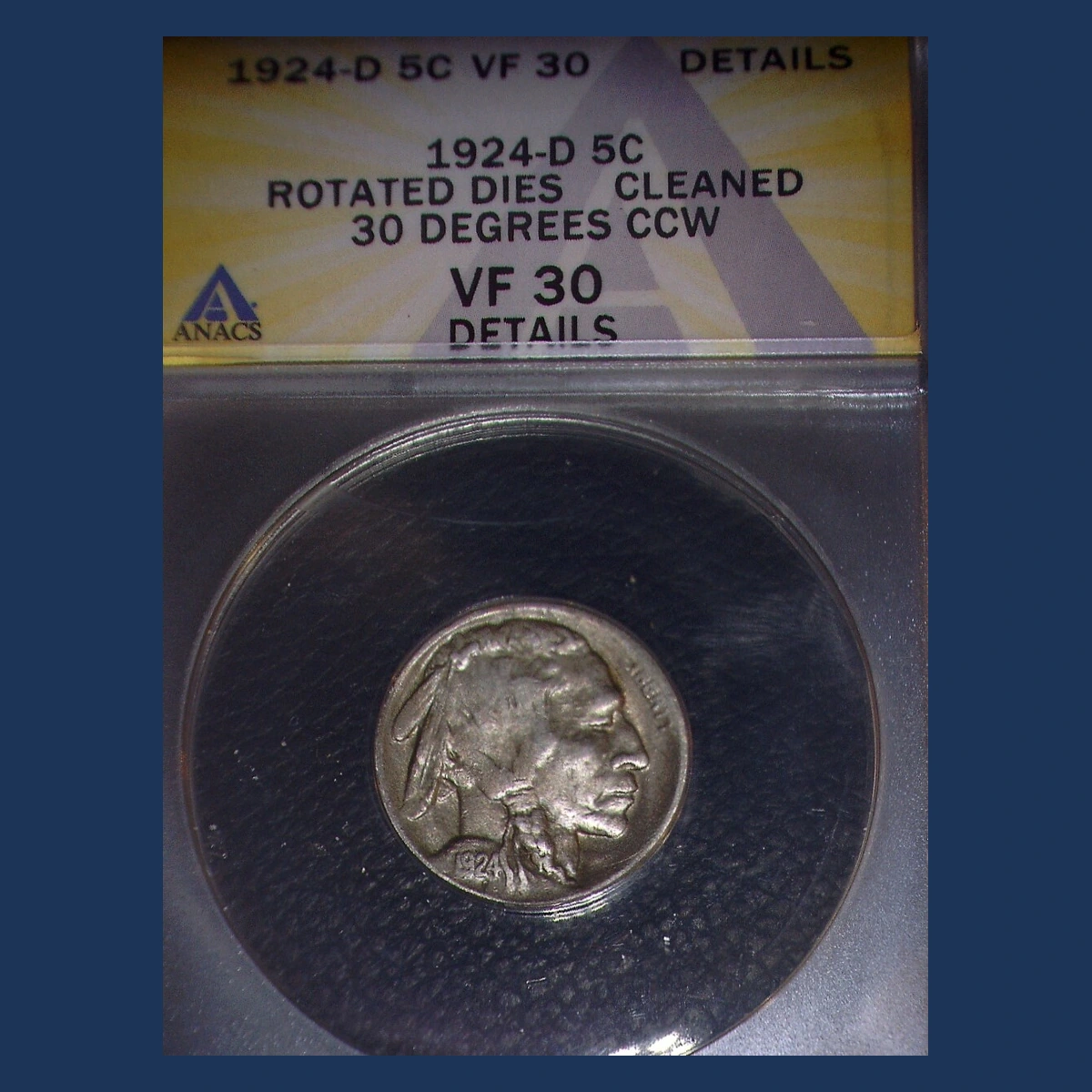
The buffalo can lean after the portrait is held upright and the coin is flipped correctly. This happens when the two stamping tools are turned away from their intended relationship.
A seller reported a 1924-D example in Fine condition, meaning clear circulation wear. No exact angle was established for that reported coin.
The error concerns the direction of the two designs, not a bent coin or an off-center picture. Both faces can otherwise look normal.
Photographs taken at different angles can create the same appearance. The way the coin is turned matters.
Estimated Value
If a clear rotation is confirmed, estimate $25–$150 for a worn 1924-D example of the reported kind. This range does not assign a selling price or an exact angle to the seller’s coin.
A large, easily repeated tilt usually draws more interest than a tiny alignment difference. Surface damage can reduce the appeal.
The two faces must be compared using the same controlled flip. An angled photograph alone does not support an error premium.
How to Identify
Hold the portrait upright and flip the coin from top to bottom, like turning a calendar page. A normal buffalo should then stand upright too.
Repeat the movement without turning your wrist sideways. If the buffalo keeps leaning by the same amount, photograph both positions with a fixed camera.
A protractor can measure the tilt; a 10× magnifier checks for altered surfaces or a seam around an inserted face. Use a scale and calipers on a loose coin against the usual 5.00 grams and 21.21 millimeters.
Keep the D below FIVE CENTS visible when documenting the example. The repeatable difference between the two upright positions is the important feature, rather than the angle of one photograph.
2. 1924 Buffalo Nickel Doubled Die Obverse
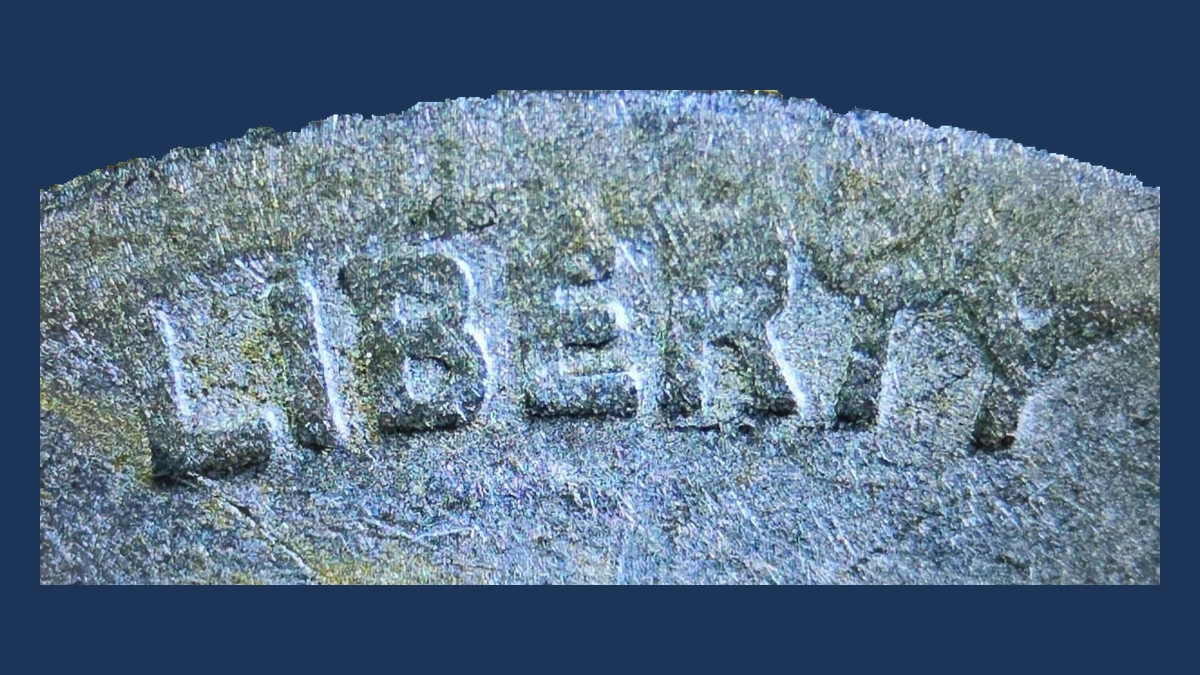
The small details of the face provide the clue for this variety. A faint second outline appears at the eyelid and nostril.
CONECA records the Philadelphia coin as DDO-001. The doubled design was already on the steel stamping tool, called a die.
One strike could therefore place both outlines on a coin. This is different from feeding the same coin through the press for another blow.
The effect is slight and local. It does not mean every number in the date or every letter of LIBERTY must be doubled on the same example.
Estimated Value
An estimated $25–$250 is a practical range for clearly identified examples of this subtle variety. Wear and the visibility of the small facial details strongly affect buyer interest.
No individual auction result is assigned to DDO-001 here. The estimate concerns a matched variety, not any coin whose eye looks thick.
A bright reflection or an ordinary sculpted line can imitate a second edge. Compare both the eyelid and nostril before paying more.
How to Identify
Focus a 10× magnifier on the eyelid, then shift to the nostril without changing the lighting. Compare their extra outlines with CONECA’s 1924 DDO-001 photographs.
Look for the same small separations in both places, rather than assuming a doubled date is required. Check the back for the absence of D or S below FIVE CENTS, since this listing is Philadelphia.
A scale and calipers should show roughly 5.00 grams and 21.21 millimeters on a loose example. These normal measurements cannot confirm the doubled eye, but they establish the expected coin.
Change the lamp angle to remove reflections. The extra eyelid and nostril outlines should remain part of the metal, not disappear with the glare.
3. 1924 Buffalo Nickel Lamination
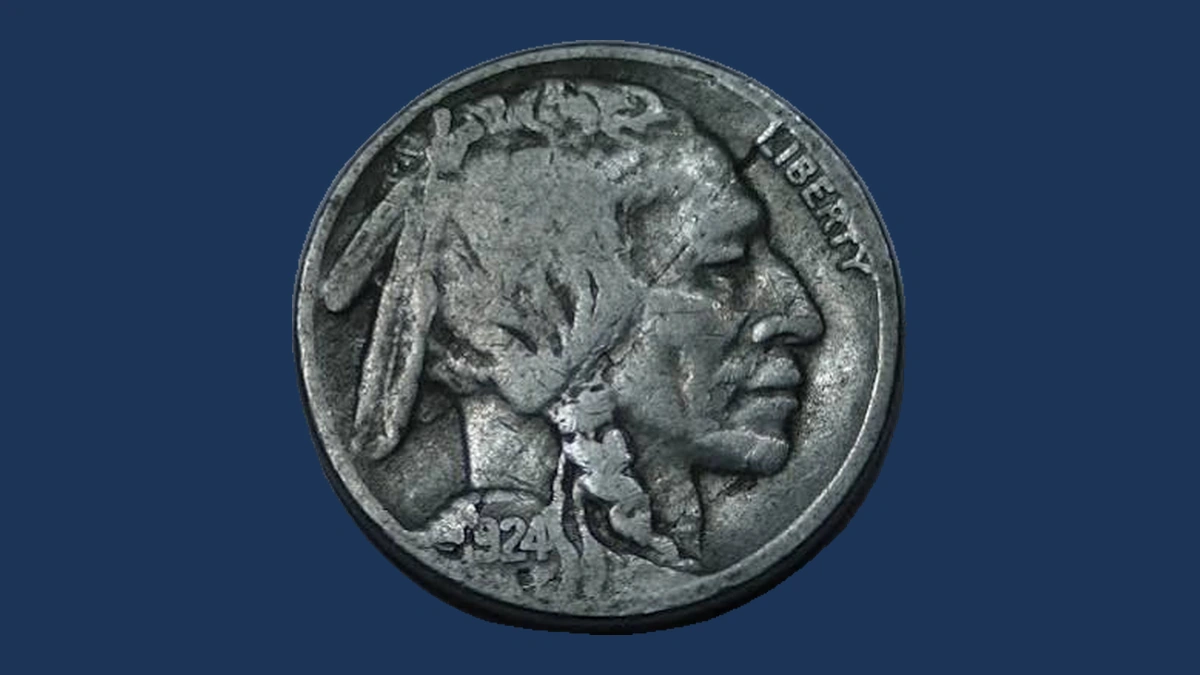
A peel or a shallow split can reveal a weak layer inside the coin’s metal. This separation is known as lamination.
Several 1924 reports show different examples. One San Francisco coin, graded ANACS AU50, has a reverse lamination; another has a small front flake and a long peel on the buffalo.
A Philadelphia auction listing describes a front lamination. These positions belong to separate coins.
Buffalo nickels use a mixed copper-nickel alloy, not a coated core. A surface layer can separate because the original metal did not bond cleanly, without any coating being involved.
Estimated Value
An estimated $15–$500 covers worn to better-preserved 1924 laminations across the reported mints. The wide range includes the value of the underlying coin, especially stronger San Francisco examples.
A dealer listed a heavily worn 1924-S with two peels at $11. That was an asking price for that particular coin, not a general auction result.
The AU50 reverse example belongs in a different condition comparison. A larger peel does not automatically outweigh wear, damage, or mint identity.
How to Identify
Identify which surface is peeling before comparing photographs. The ANACS AU50 San Francisco report concerns the back, while the Philadelphia listing concerns the front.
With a 10× magnifier, follow the thin edge of a flap or the shallow step left by a missing layer. A dark streak alone does not establish separated metal.
Leave any attached piece in place. Touching it can change the feature.
For a loose coin, compare its weight with 5.00 grams on a scale and its sound edges with 21.21 millimeters using calipers. A small flake may make little measurable difference.
Inspect nearby letters or buffalo details for metal that continues onto the peeling layer. That connection helps distinguish a real surface separation from something stuck to the coin.
4. 1924 Buffalo Nickel Struck Through Material
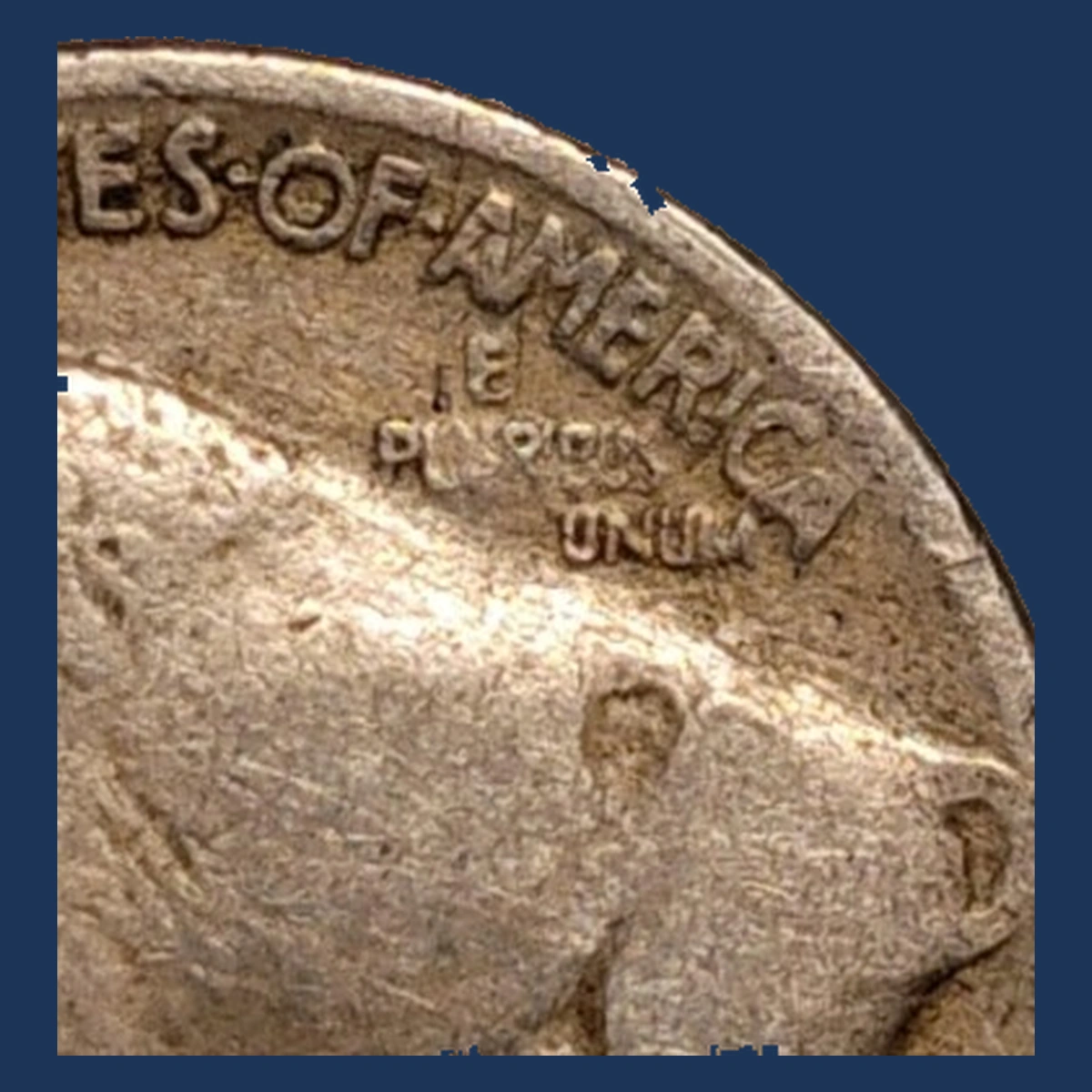
Material caught between a blank and a stamping tool can leave part of the design weak or absent. The coin is described as struck through that material.
Reported 1924 examples include a heavily worn Philadelphia coin with a front interruption and a VF25 Philadelphia coin with a reverse interruption. VF25 means considerable wear with many details still visible.
A separate Denver MS61 report concerns the back. MS61 describes an unworn coin with noticeable marks.
The reports do not identify one shared object or location. A cloth texture, retained fragment, or exact mark shape should not be assumed.
Estimated Value
For identified 1924 strike-throughs, use an estimated $30–$600, depending on mint, grade, and how clearly the interruption appears. The affected area needs to be distinguishable from ordinary wear.
The heavily worn Philadelphia NGC G4 example was offered at $212.70 or best offer. That is an asking price, not a completed sale.
A stronger-grade Denver coin needs its own comparison. Its underlying date-and-mint value can contribute substantially to the whole price.
How to Identify
Compare an affected area with the remaining design on the same face. On a heavily worn coin, flat features elsewhere can make an ordinary worn patch look like a strike-through.
Use a 10× magnifier to inspect the transition into the missing detail. A later dent can leave a raised lip; corrosion often leaves pits extending into nearby metal.
For sealed examples, compare the stated side with the photographs rather than assuming every weak patch is the labeled error. A loose coin can be checked with a scale and calipers against 5.00 grams and 21.21 millimeters.
Look for a local interruption that fits the original struck surface. Do not name the missing object unless its actual shape or texture supports that identification.
5. 1924 Buffalo Nickel Clipped Planchet with a Partial Collar
This nickel has both an incomplete blank and an unevenly formed edge. Heritage described the missing metal as a four-percent clip.
During striking, the coin also met the collar only partly. The collar is the ring that limits how far metal spreads outward.
Where support differed, the edge formed a step between the contained area and the spreading area. Collectors call this a partial-collar strike.
The documented coin was graded PCGS MS64, an unworn grade with some marks. Its clip and collar problem are two features of the same piece, so they share one selling price.
Estimated Value
The MS64 clip and partial-collar coin brought $345 on January 9, 2011. Estimate $150–$650 for a similar identified combination, allowing for condition and visibility.
That amount covers the entire coin. It should not be repeated as a separate realized price for each of its two features.
A small clip alone or an ordinary damaged edge does not reproduce this combination. Clear photographs of both the opening and the step help buyers judge it.
How to Identify
Inspect the plain edge from the side, turning the coin slowly under a lamp. A partial-collar step separates metal constrained by the ring from metal that spread beyond it.
Use a 10× magnifier to check whether the step belongs to the struck edge rather than a rolled or battered rim. This nickel has no normal edge reeds, so reeding is not part of the test.
Then examine both ends of the clip for original rim formation. A scale should show less than the normal 5.00 grams if metal is missing; calipers compare undamaged spans with 21.21 millimeters.
Keep the two checks connected to the same coin. The small original opening and the stepped edge should both fit how its metal behaved in the press.
6. 1924 Buffalo Nickel Missing Designer’s Initial
A small F normally sits below the date on the front of a Buffalo nickel. It stands for designer James Earle Fraser, not a mint.
A Philadelphia MS65 example appears in a collector registry as a No F minor variety. MS65 means no circulation wear and relatively few marks.
The missing initial is the reported feature. That record alone does not prove exactly how the tool lost or failed to transfer the letter.
Heavy wear, blocked detail, or later scraping can also hide the F. The surrounding date and surface must be compared with a recognized example.
Estimated Value
For a properly identified 1924 No F example, estimate $75–$750 across worn to attractive unworn coins. The high end allows for the quality of an MS65 coin, not merely the absence of one letter.
The collector’s MS65 example has no individual sale price used here. This is an estimated range for a matched variety.
A worn or scraped space under the date does not establish the same identity or justify the same premium.
How to Identify
Examine the space immediately below the date through a 10× magnifier. Compare it with a normal 1924 nickel so you know exactly where the F belongs.
Now look at all four date digits and the nearby raised details for general wear, scraping, or polishing. An apparently blank spot is more convincing when the surrounding surface still preserves its original texture.
The normal coin remains 5.00 grams and 21.21 millimeters; use a scale and calipers on a loose piece. Those measurements cannot establish No F, so the main comparison must still be the tiny area beneath the date and its surrounding details.
7. 1924 Buffalo Nickel Off-Center Strike
The design can land away from the center when a blank is badly positioned in the press. Part of the coin remains untouched while details on the opposite side miss the blank.
A collector registry shows a Philadelphia example described as ten percent off center and graded MS63. A separate Denver example is described as twenty-five percent off center with cleaning.
The Denver coin received an AU Details description rather than a problem-free numerical grade. That matters when comparing prices.
Other recorded percentages describe other specimens. They should not be treated as different views of these same two coins.
Estimated Value
Estimate $100–$900 for identified 1924 off-center examples, with grade, surviving date, and the size of the shift affecting the result. Cleaning can lower the price of an otherwise dramatic coin.
The registry’s ten-percent MS63 and twenty-five-percent Denver examples have no individual sales assigned here. The range is an estimate for those kinds of pieces.
A readable date helps collectors identify the year. A larger offset is not automatically more valuable when it removes important details.
How to Identify
Check the bare area and missing design on both faces. They should fit a blank displaced within the press, not two unrelated surface injuries.
Use a 10× magnifier on the surviving date and mint-letter area. If the mint position is outside the struck portion, the missing letter does not prove Philadelphia origin.
With a loose coin, a scale can still read near the normal 5.00 grams because metal need not be missing. Calipers record the changed outline against the usual 21.21 millimeters.
Inspect the surface for cleaning before comparing the Denver Details coin with an unworn example. The strongest visual check is original bare metal beside a genuinely displaced design, with the remaining year readable.
8. 1924 Buffalo Nickel Struck on a Cent Blank
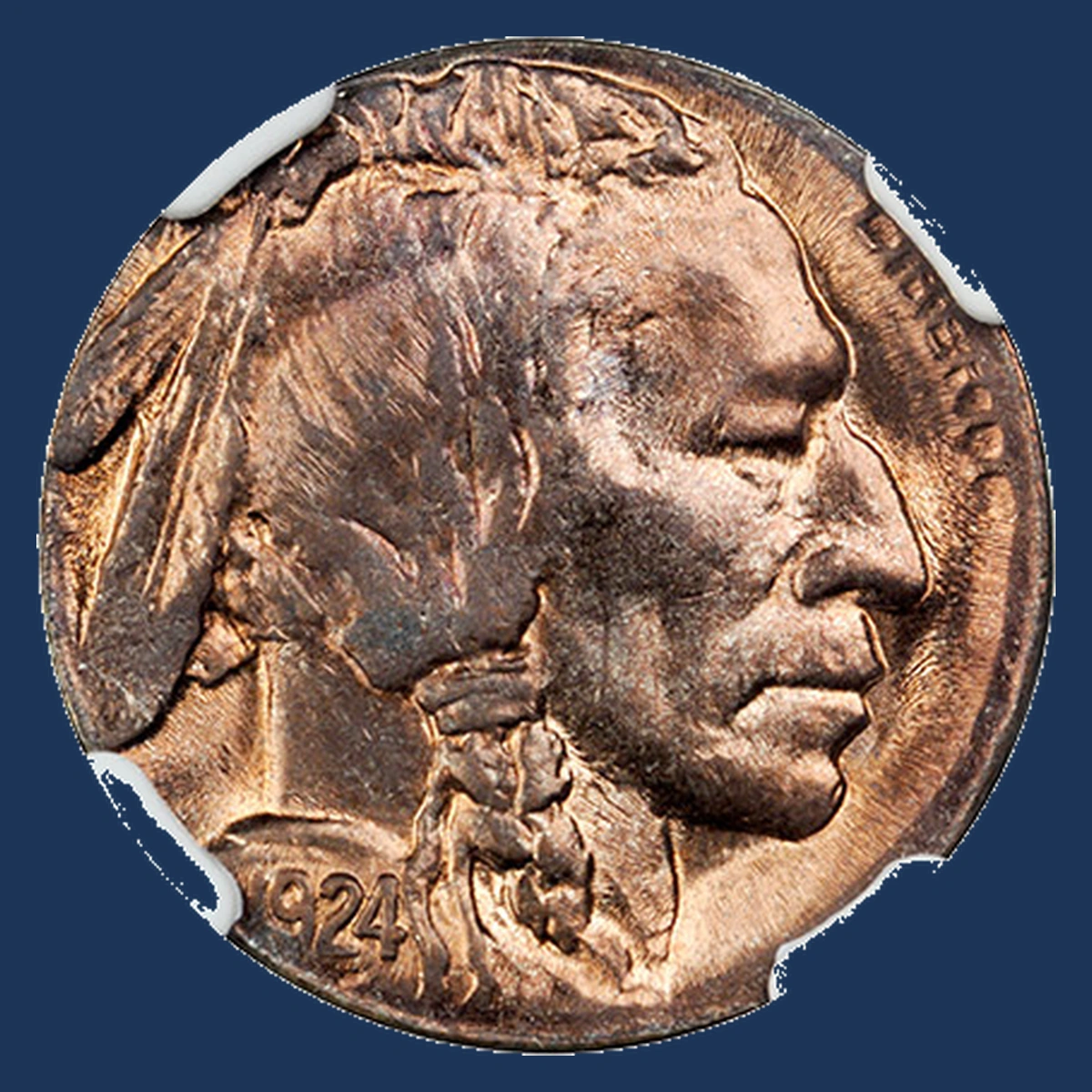
A copper cent blank is too small to hold the usual nickel design. When one enters the nickel press, parts of the portrait and outer lettering can extend beyond its edge.
A 1924 NGC MS62 Brown example actually weighed 3.2 grams. Its date remained visible, but the designer’s F and the upper portion of the reverse country name missed the blank.
Other examples include higher-grade red-and-brown coins. Those color words describe remaining copper color and toning.
The missing F on this small blank is not the separate normal-size No F variety. Its location simply fell outside the available metal.
Estimated Value
The MS62 Brown example sold for $3,290 in January 2014. Mint Error News lists a much finer MS67 Red and Brown example at $28,200.
Estimate $3,000–$30,000 across comparable confirmed examples, with exceptional preservation needed near the top. MS67 indicates no wear and very few marks.
The huge difference shows why one wrong-blank price cannot cover every grade. Copper plating on a normal nickel does not reproduce the smaller blank or its missing design.
How to Identify
The 3.2-gram figure belongs to the documented MS62 coin. Compare it with a normal nickel’s 5.00 grams and a contemporary cent blank’s approximate 3.11-gram standard.
Use calipers on a loose candidate to compare its size with the cent’s starting 19.05 millimeters and the nickel’s 21.21 millimeters. The copper blank may spread during striking.
Under a 10× magnifier, follow LIBERTY toward the edge and inspect which outer details failed to fit. Check the plain edge for grinding that could imitate a smaller disk.
Color can be altered, so it should support rather than replace measurements and metal testing. The date, cropped outer design, and copper body must belong to the same struck coin.
Conclusion
Estimated values run from $15 to $30,000, with exceptional copper-blank pieces far above most small errors. The original surface and the coin’s grade help explain that wide gap.
Check the actual feature before relying on its name. No F, a shallow strike-through, and peeling metal can each remove visible detail in different ways.
When a clip and a stepped edge occur on one coin, assess their combined appearance and one whole-coin price.