1930 Nickel Error List with Pictures

Extra detail and missing detail can both interest a Buffalo nickel collector. In 1930, repeated designs and the San Francisco “Two Feathers” variety offer two very different places to look.
A high-grade doubled-back example sold for $3,290 in October 2014. The 1930 Buffalo Nickel errors below span an estimated $5–$5,000, including less expensive metal and striking faults.
Check the date and mintmark first, then follow the section that matches your coin’s visible feature.
1. 1930 Buffalo Nickel Peeling Metal
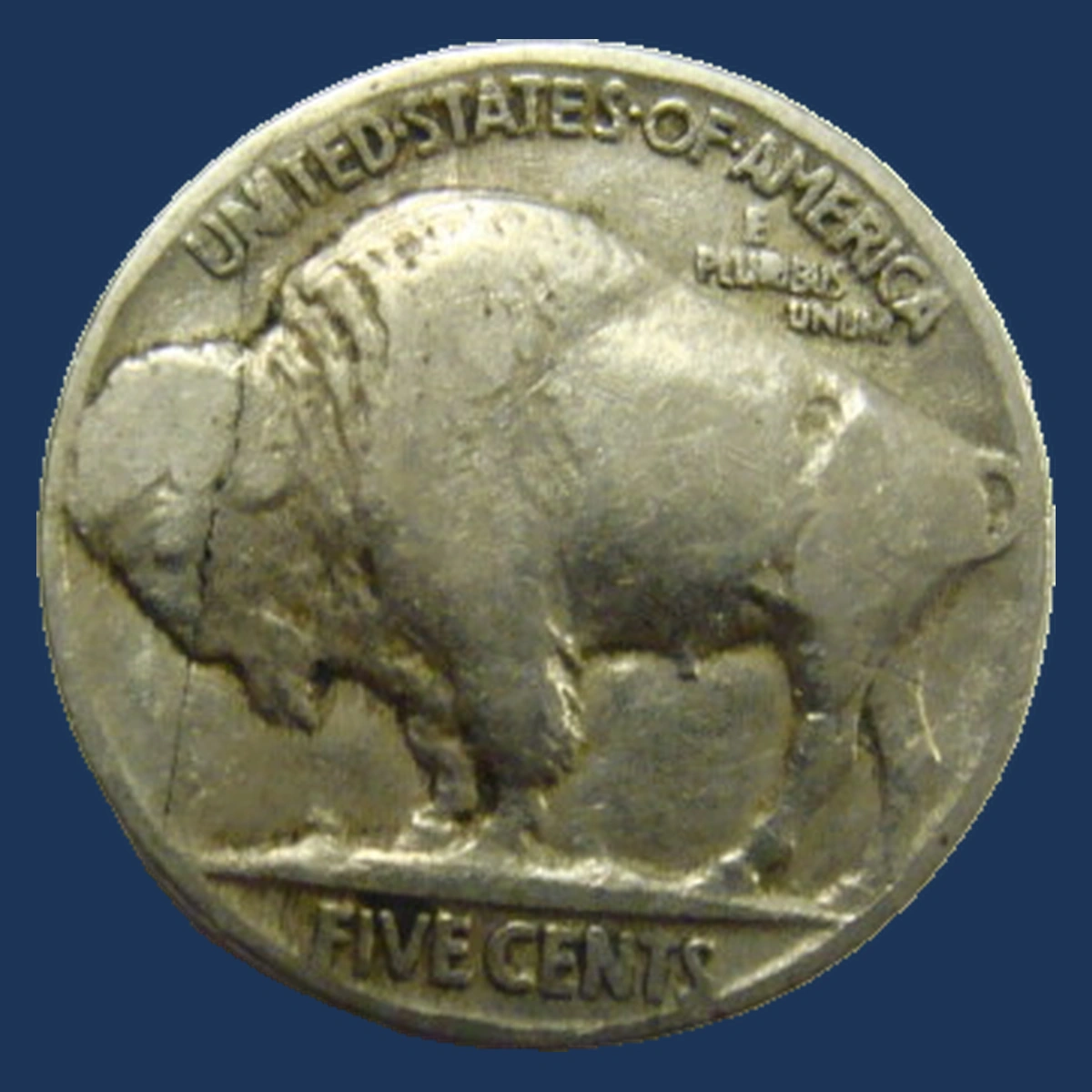
A thin opening or peeling patch can form where the coin’s metal contains an internal weakness. Collectors call this lamination, whether the loose layer remains attached or has fallen away.
The feature is reported for 1930, without a fixed location on the portrait or buffalo. It should be examined as a shallow separation rather than assumed to be a whole coin split into two matching halves.
Normal Buffalo nickels contain copper and nickel mixed throughout. A peeling patch does not mean an ordinary plated coating has come off to expose a different core.
Estimated Value
An estimated $5–$40 covers small, plainly visible faults, with larger attractive examples around $40–$200. These ranges are for the entire coin and depend on wear and the clarity of the separation.
The 1930 report does not provide a confirmed individual sale. A rough worn patch should not be priced like a large original flap that clearly shows how the metal separated.
An attached piece should remain untouched; enlarging the opening creates damage rather than extra collector value.
How to Identify
Keep an attached flap in place and examine the opening with a 10× magnifier. Light from the side can reveal a thin layer separating from the coin, rather than a deep cut.
Compare any design on the loose layer with the neighboring surface. Added coatings can peel above finished details without following a weakness inside the original alloy.
Use a scale to compare the remaining coin with 5 grams. A lost piece can reduce its weight, while a small attached flap may leave it nearly unchanged.
Calipers should show about 21.2 mm across, and the edge should be plain. Look for an actual layered opening instead of identifying the error from roughness or color alone.
2. 1930 Buffalo Nickel S-over-S Mintmark
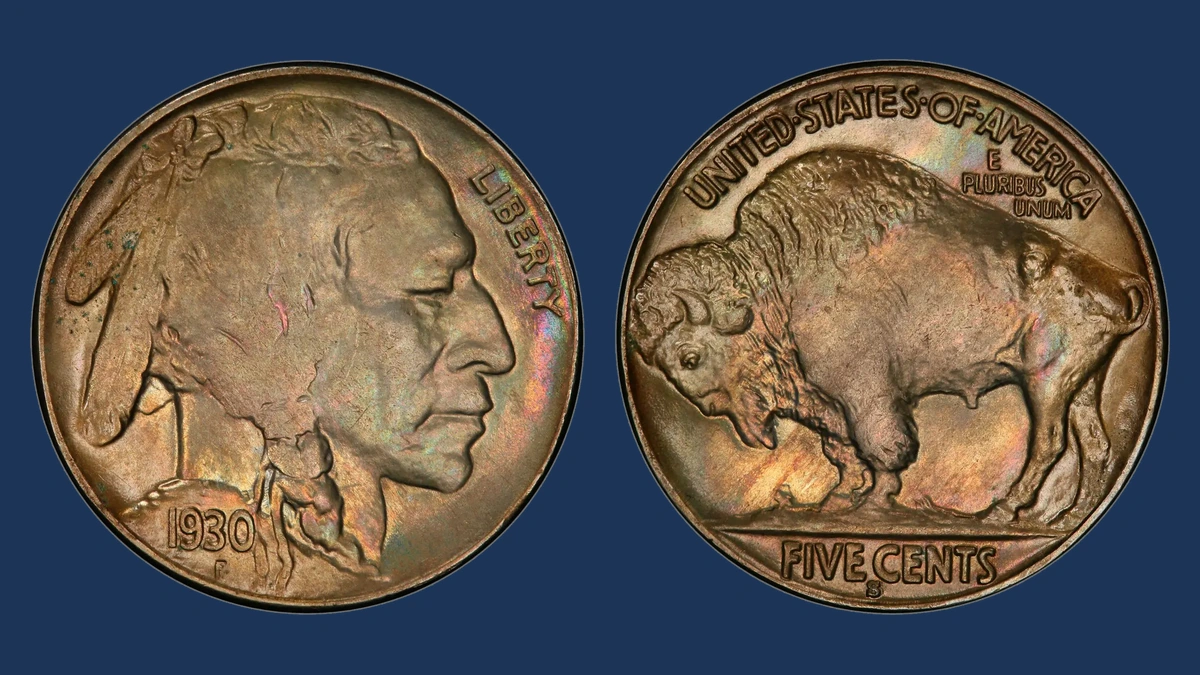
The small S beneath FIVE CENTS can have a second outline on its right. This is the 1930-S repunched mintmark known as FS-501.
The extra impression began when a worker punched the mintmark into the steel stamping tool more than once. That tool then copied the overlapping letter onto the coins it struck.
The word east in a variety description simply means toward the right when the back is upright. It does not describe a coin struck twice, and a hit beside the mintmark can leave a misleading lump without a recognizable second S.
Estimated Value
Estimate $25–$150 for worn but identifiable examples and $150–$500 for attractive unworn coins with clear extra strokes. The mintmark must match the actual variety before those ranges apply.
PCGS records a Heritage sale of about $431 in October 2011 for an MS62 example. That is an unworn grade with noticeable marks, not the price of every coin carrying an S.
Scratches, cleaning, and wear around the tiny letter can reduce how easily a buyer recognizes the feature.
How to Identify
Find the S below FIVE CENTS and hold the back upright. Check the right side of that letter with a 10× magnifier, following the extra curve rather than a shadow or a bright spot.
The date must read 1930, and the mintmark must be an S. Philadelphia coins have no letter there, while Denver did not produce nickels that year.
Compare the overlapping shape with an authenticated FS-501 photograph. A damaged swollen letter may have no separate stroke to follow.
Check a loose example with a scale and calipers against 5 grams and 21.2 mm, including its plain edge. Confirm the rightward second S instead of assigning a variety from any nearby bump.
3. 1930 Buffalo Nickel Raised Cracks and Rim-Connected Blobs
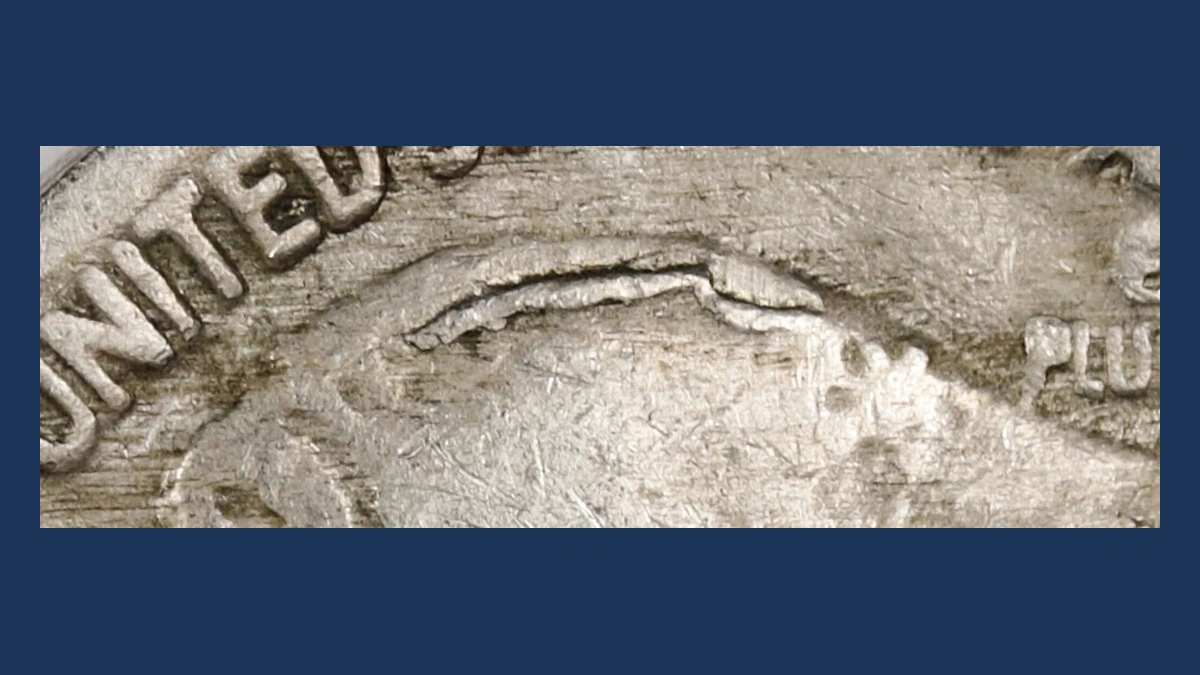
A raised line can record a crack in the stamping tool. Metal fills that narrow opening during striking and becomes a ridge on the finished coin.
A bigger break at the tool’s edge can leave an untextured raised blob joined to the rim. This is called a cud, and it can cover part of the intended design.
Both appearances are reported for 1930 without one established position or mint. They should be separated from scratches, edge hits, or material stuck to the surface, all of which can make an otherwise normal nickel look unusual.
Estimated Value
Small raised cracks can fit an estimated $5–$40, while a substantial original cud may reach $50–$600. The amount of visible tool damage and the rest of the coin’s condition influence value.
A later 1959-D Jefferson nickel with a cud sold for $504 in May 2021. That different-design result is a general comparison, not a sale of a 1930 Buffalo example.
An added lump or metal pushed up by a blow should not receive the same Mint-error premium.
How to Identify
For a suspected cud, check whether the blob actually reaches the rim. An isolated lump in the center of the design does not establish this particular kind of edge break.
Examine its surface under a 10× magnifier and look at the opposite face for evidence of a later impact. Do not scrape a lump to test whether it is attached dirt.
A thin crack requires another check: the line itself should rise above the coin rather than form a groove.
Use a scale and calipers against 5 grams and 21.2 mm, then inspect the plain edge. An original raised feature should connect naturally with the struck design, without a seam or tool marks from later work.
4. 1930 Buffalo Nickel Broadstrike
A nickel can spread wider than normal if the ring around its edge fails to restrain it during striking. The ring is called the collar, and the expanded result is a broadstrike.
The design remains complete inside the wider outline, even when the border is uneven. That separates it from a strike where part of the design missed the blank.
The error is reported for 1930 without a measured specimen or stated mint here. The coin’s original metal flow must still be distinguished from a finished nickel flattened with a hammer or other tool.
Estimated Value
Use an estimated $75–$250 for modest or worn broadstrikes and $250–$800 for attractive examples with strong natural spread. These estimates do not claim an individual 1930 sale.
A 1999-P Jefferson broadstrike sold for $89 in March 2025. It is a later-design comparison, and its price does not settle what an older Buffalo example should bring.
Complete lettering and undamaged raised details help show the error clearly, while later crushing or edge work reduces appeal.
How to Identify
Check the shape with calipers before trying to explain a wide rim. Compare the widest and narrowest spans with the normal 21.2 mm diameter, then weigh the loose coin against 5 grams.
A broadstrike spreads metal rather than deliberately removing it. Follow the outer lettering on both faces to see whether the entire design survived within the expanded outline.
Use a 10× magnifier on the plain edge and surrounding metal, watching for hammer marks or a flattened portrait. A complete design on naturally spread metal supports the identification better than width alone, especially when an uneven border makes the coin appear off center.
5. 1930 Buffalo Nickel Off-Center Strike
An off-center nickel has a solid empty area beside a design that runs beyond the other edge. The unstruck metal disc, or blank, was misplaced between the tools when they came together.
A visible crescent alone is not enough: the intended design should also be missing from the opposite boundary. The same misplaced blank affects both faces.
This error is reported for 1930 without a particular percentage, direction, or mint assigned here. Keep the year readable when comparing examples, because a partial Buffalo design without a date cannot automatically be called a 1930 coin.
Estimated Value
Estimate $75–$300 for modest examples, with stronger attractive dated strikes around $300–$1,200. The higher end assumes a clear, genuine shift and original surfaces.
A 1939 Jefferson nickel struck 10% off center sold for $252 in March 2021. That later coin provides a comparison, but its percentage and price are not measurements of a reported 1930 Buffalo example.
Wear, missing dates, and later scratches can reduce collector interest even when the striking error is real.
How to Identify
Read the remaining date first, then turn the coin over while keeping track of the empty crescent. Look for the same misplaced striking area on both faces.
If only one design shifts while the other stays centered, a misaligned stamping tool may be responsible.
A 10× magnifier can show whether the empty area is original unused metal or a scraped patch. The edge should be plain, without cutting marks.
Check approximately 5 grams on a scale and record the outline with calipers against 21.2 mm. Spreading can change shape without removing metal.
Solid unstruck metal beside displaced designs on both faces is more useful than a narrow rim on one side alone.
6. 1930 Buffalo Nickel Repeated Portrait and Buffalo Details
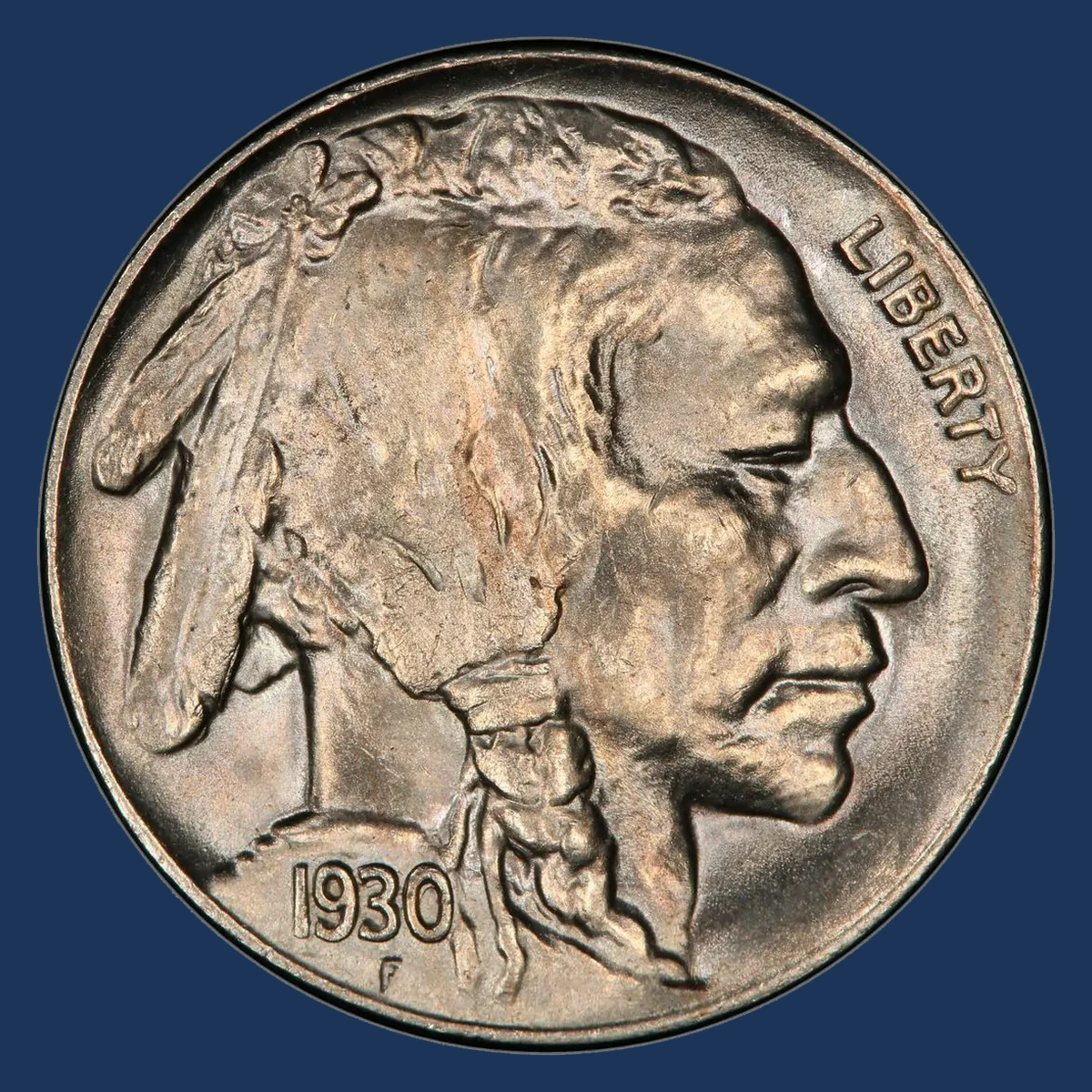
On one Philadelphia variety, extra outlines appear at the eyelid, nostril, two large feathers, and LIBERTY. A separate San Francisco variety has unusually thick lettering and date details.
The repeated design was present on the steel tool before it struck coins. That faulty tool is known as a doubled die.
Other Philadelphia front and back patterns have their own catalog numbers. The back variety FS-801 is listed separately from FS-802 and FS-803, so a general impression of extra buffalo legs is not enough to identify all three as the same pattern.
Estimated Value
Modest identified varieties can fit an estimated $25–$200, with attractive stronger examples around $200–$1,500. Especially well-preserved scarce varieties may reach $1,500–$4,000.
A Philadelphia FS-801 back variety graded MS66 brought $3,290 in October 2014. A separate San Francisco front FS-101 coin graded MS66 sold for $1,680 in January 2018.
Those sales belong to different varieties. Their identical grade numbers do not make their designs, mints, or prices interchangeable.
How to Identify
Separate Philadelphia from San Francisco before comparing close-ups: the latter has an S below FIVE CENTS. No 1930 nickels were made as Proof collector coins.
For Philadelphia front FS-101, use a 10× magnifier to inspect the eyelid, nostril, large feathers, and LIBERTY. The San Francisco FS-101 requires its own lettering and date comparison despite the shared number.
Photograph enough surrounding design to keep an extra outline in its proper position.
A scale and calipers should show roughly 5 grams and 21.2 mm, with a plain edge. Normal measurements do not establish the variety.
Match multiple repeated details to the same catalog photograph instead of relying on thick letters or an apparent extra buffalo leg.
7. 1930 Buffalo Nickel San Francisco Two Feathers
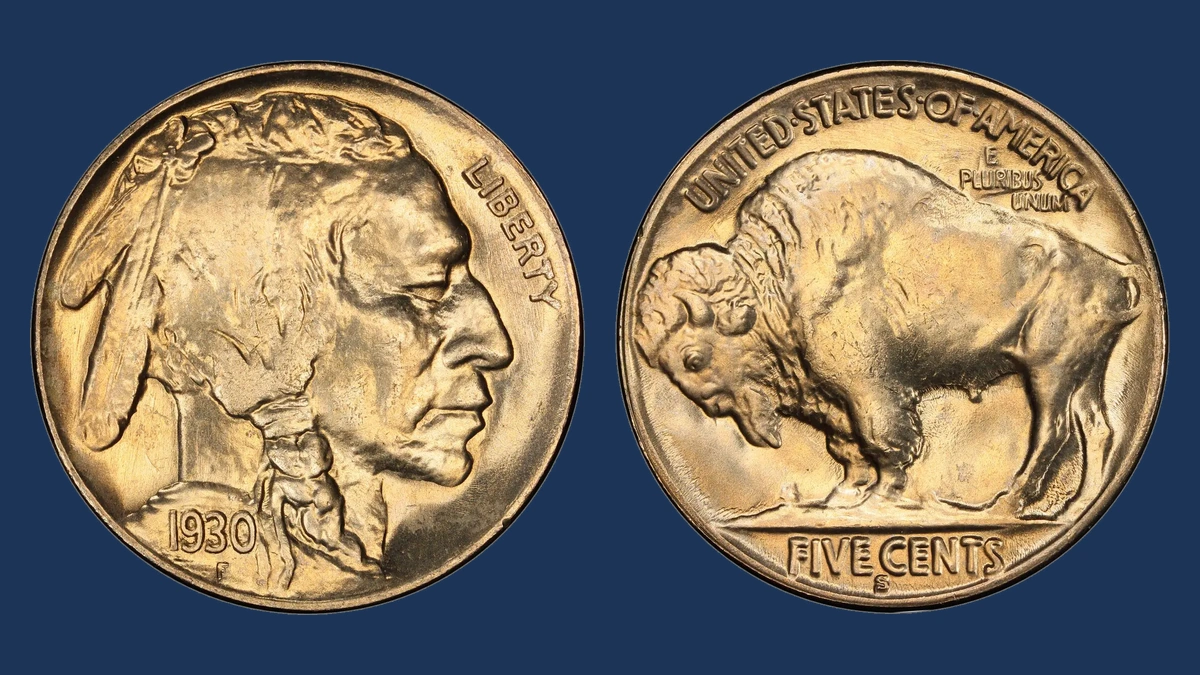
The small feather between the portrait’s neck and the long feathers is missing on the 1930-S Two Feathers variety. The two large feathers remain, making the gap easier to understand beside a normal example.
This loss came from polishing the stamping tool too heavily. Removing the shallow detail from that tool prevented it from appearing on later coins.
The variety is known as FS-401 and requires a San Francisco mintmark. Wear or later scraping can also make a small feather disappear, so the missing feature needs more than a quick count.
Estimated Value
For identified worn examples, estimate $40–$250, rising to $250–$1,500 for attractive lightly worn or unworn pieces. Exceptional high-grade coins may reach an estimated $1,500–$5,000.
PCGS lists an MS66 marketplace result of about $4,227 from February 2023. That eBay record is distinct from the auction sale quoted for the doubled-back variety above.
The whole coin’s preservation matters; a heavily worn or scraped feather area does not deserve a high-grade variety price.
How to Identify
Place a normal Buffalo nickel beside the suspected Two Feathers coin. Locate the small feather between the neck and the long feathers on the normal coin before judging what is absent on the other one.
Check the 1930 date and the S beneath FIVE CENTS. The missing feather must belong to the matching San Francisco variety.
With a 10× magnifier, inspect the gap and surrounding portrait for scraping or widespread wear. A deliberately rubbed area may disturb neighboring details as well.
Use a scale and calipers against 5 grams and 21.2 mm, and inspect the plain edge. Confirm the missing small feather on an otherwise matching 1930-S design, rather than identifying it from two visible feathers alone.
Conclusion
A missing small feather needs a different comparison from a repeated eyelid or a raised crack. Start with the specific feature and the correct mint, remembering that 1930 nickels came from Philadelphia and San Francisco, not Denver.
The estimated range is $5–$5,000. Clear original surfaces make the differences easier to judge, so keep cleaning and scraping away from the coin while recording its shape, weight, and unusual detail.