1940 Nickel Error List with Pictures

Monticello’s steps help explain the biggest price here. A specially prepared collector coin, called a Proof, with the older 1938 back design sold for $28,750 in January 2011.
These 1940 nickel errors include that variety alongside extra mintmark outlines, incomplete blanks, and repeated strikes. Estimated prices span $5–$30,000; the exceptional Proof price is not a premium for every faint doubled letter.
The following examples show what to look for and how each price comparison works.
1. 1940 Jefferson Nickel Uneven Alloy
Bands or patches of different color can suggest that the metals in a blank were not mixed evenly. Normal 1940 nickels contain 75% copper and 25% nickel throughout the coin.
The reported defective-alloy type does not identify one tested composition or a particular foreign blank. It concerns a possible problem within the nickel’s metal, rather than a proven wrong-denomination coin.
Color is only the first clue. Staining, coatings, and later heat can also change appearance, so a candidate needs its metal and surviving surface examined before those bands are accepted as a mint-made feature.
Estimated Value
A modest estimated $5–$100 is appropriate for a genuine uneven-alloy appearance, from faint bands to a clearer pattern on a well-preserved coin. This range does not price a rare confirmed foreign or experimental blank.
The 1940 report has no individual material-tested auction result attached to it here. Bright stripes alone do not support the upper end; original surface quality and convincing evidence that the variation belongs to the metal determine the collecting interest.
How to Identify
Describe the visible problem before deciding which metal test to request: a band of color is different from a missing surface layer. For a loose coin, use a scale and calipers against 5 grams and 21.2 millimeters, and examine its plain edge.
An unusual reading should be checked for corrosion or removed metal, while normal dimensions do not explain the colored bands. Under a 10× magnifier, follow a band across the portrait or lettering to see whether the original surface continues through it.
Leave residue and coatings untouched instead of scraping a test patch. A specialist can then decide whether the metal itself needs testing; no fixed foreign composition has been established for the reported 1940 type.
2. 1940 Jefferson Nickel Altered Color from Heating the Blank
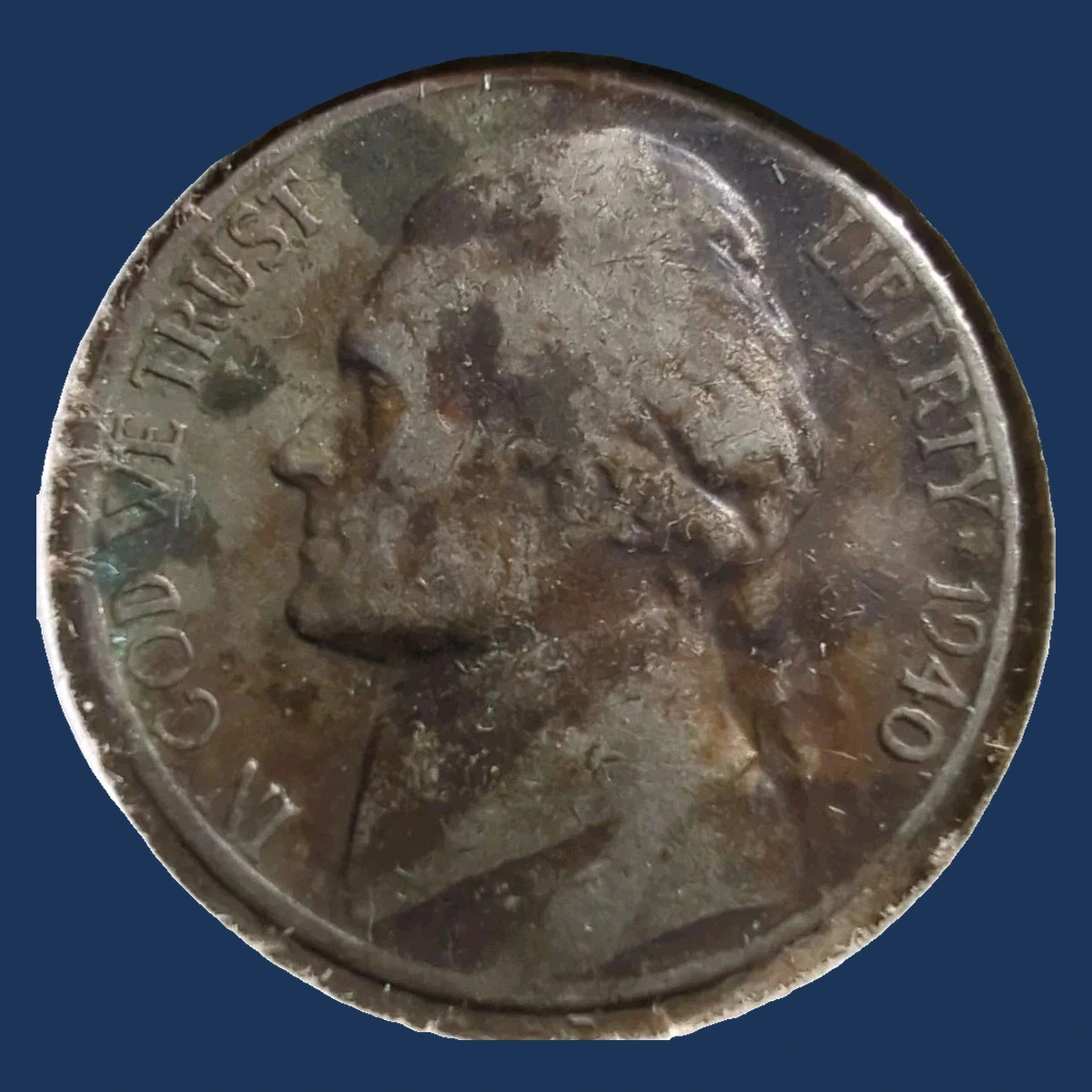
A blank is heated to soften its metal before striking, a process called annealing. Poor heating conditions can change its surface appearance and leave a finished coin darker than expected.
The 1940 type is reported as an annealing problem, without one established mint or tested specimen. Gray or black color can be a clue, but it is not a diagnosis on its own.
Later fire damage, chemical treatment, and ordinary staining can produce similar shades. A genuine example needs evidence of a mint-related surface change rather than a story based only on how dark the nickel looks.
Estimated Value
Estimated values of $15–$150 apply to a convincing mint-heating error, with better-preserved surfaces and a distinctive appearance toward the upper end. Ordinary dark staining does not receive the same premium.
A related 1960 Philadelphia nickel described as improperly annealed sold for $89 in June 2026. That is a later-date comparison, not a sale of a 1940 piece; it supports a modest range rather than treating any black nickel as a major rarity.
How to Identify
Look at protected recesses beside the letters as well as the dark open surface. Under a 10× magnifier, compare pits, coatings, and surviving shine before deciding that a heating error explains the color.
A loose candidate can be checked with a scale and calipers against 5 grams and 21.2 millimeters, including its plain edge. A much smaller copper-colored piece needs a wrong-blank investigation instead of having every difference attributed to heating.
Next, turn the coin beside a normally colored nickel under neutral light and photograph how their surfaces reflect it. Keep the original surface intact for examination, because cleaning away the darkness also removes evidence that could distinguish mint heating from later staining or fire.
3. 1940 Jefferson Nickel Clashed Dies
An unexpected outline beside Jefferson may have started on the tool for Monticello. If the two steel stamping tools, called dies, hit without a blank between them, each can pick up marks from the other.
Later coins may carry those transferred traces. Collectors call the result a die clash.
The 1940 report does not establish one mint or a precise outline. The marks need to correspond to the opposite design; a complete sunken mirror-image portrait made by contact with another coin is a different error, not simply a stronger version of a clash.
Estimated Value
The estimated range is $10–$175 for a genuine 1940 clash with recognizable traces. Faint but matchable outlines belong lower than a clear arrangement that collectors can readily follow.
An unexplained line should not be priced as a major error. Later Jefferson clashes have sometimes brought more, but those coins can carry much stronger images.
No specific 1940 sale is assigned here. The estimate depends on how clearly the opposing design can be recognized.
How to Identify
Begin with a normal coin’s opposite face, not a guess about the strange line. Compare where the building or portrait would meet the candidate’s surface when the two designs face each other.
A mirrored photograph can help align their shapes, and a 10× magnifier can show whether several traces fit that arrangement. Random scratches rarely reproduce connected parts of the other design.
The normal size remains about 5 grams and 21.2 millimeters, with a plain edge. A scale and calipers can check a loose coin while the design comparison addresses the actual suspected error.
Do not insist that every clash line must have the same raised or sunken appearance. The recognizable relationship between the two coin designs is the feature that needs to be demonstrated.
4. 1940 Jefferson Nickel Struck Through Material
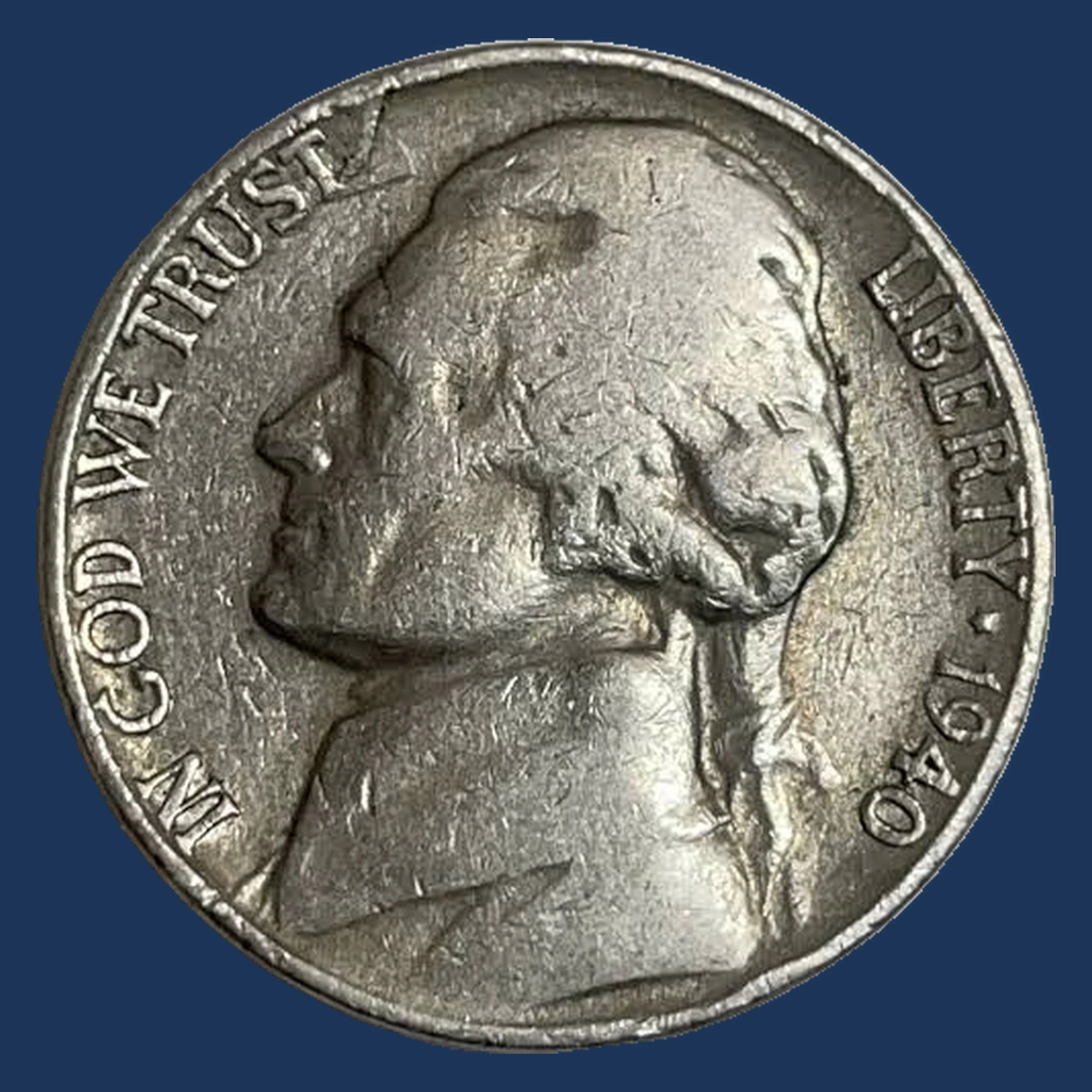
A patch can remain weak because the stamping tool never fully reached the metal there. Grease or other debris between the tool and blank can block part of the design during the strike.
This is called a strike-through. A soft obstruction may blur letters, while a firmer object can leave a more sharply defined depression or texture.
The general 1940 report does not establish one object, face, or mint. It should not be described as a raised flat block in every case, and missing letters by themselves do not identify a particular material.
Estimated Value
Distinct edges or a recognizable impressed shape usually attract more interest than slight weakness. An estimated $15–$200 covers modest genuine 1940 strike-throughs of those different strengths.
A 2000 Philadelphia nickel struck through material brought $84 in February 2015, offering a later-year comparison. The substance and appearance of that coin should not be assigned to a 1940 candidate; worn, polished, or chemically damaged detail does not gain the same value merely by looking incomplete.
How to Identify
Look beyond the missing letter to the surface around it. If nearby detail remains sharp, inspect the boundary with a 10× magnifier for the outline or texture of an obstruction.
Wear usually affects exposed high points elsewhere too. Grinding may leave lines and disturbed metal where the design was removed.
For a loose coin, compare its scale reading with 5 grams and caliper width with 21.2 millimeters. Inspect the plain edge, but remember that normal dimensions do not tell you what blocked the strike.
Leave any remaining material in place rather than pulling it free. A photograph that includes both the affected patch and adjacent normal detail is more informative than a close crop of the weak area alone.
5. 1940 Jefferson Nickel Broadstrike
A broadstruck nickel can look as though the coin has spread beyond its normal border. The collar, a ring that contains the metal during striking, failed to keep the blank to its intended size.
The design remains on the metal, unlike an off-center strike that sends part of the design beyond the blank. Expansion may be uneven rather than forming a perfect larger circle.
The 1940 type is reported without a specific mint or finish. A large diameter alone is not enough, because hammering or other later treatment can also change the outline.
Estimated Value
For a recognizable 1940 broadstrike, estimate $30–$250. Attractive surfaces and clear outward spread can support more than a slight or damaged expansion.
A 1999 Philadelphia broadstrike sold for $89 in March 2025, a useful recent comparison from the same coin series. Its price is not a recorded 1940 result, and an expanded piece with cut-off design may instead belong with off-center errors; the correct mechanism should be established before applying the range.
How to Identify
Trace the entire outer inscription on each face before measuring the coin. If design actually runs off the metal, investigate an off-center strike instead of explaining every wide border as broadstriking.
For a loose piece with its design retained, use calipers at several angles against the normal 21.2-millimeter diameter. Compare its scale reading with 5 grams, since ordinary outward spreading changes shape without normally removing metal.
Under a 10× magnifier, follow the expanded border into the plain edge and look for filing, hammer marks, or later squeezing. Save both a whole-coin image and a side view so the complete design can be assessed together with the way the metal spread.
6. 1940 Jefferson Nickel Clipped and Ragged Blanks
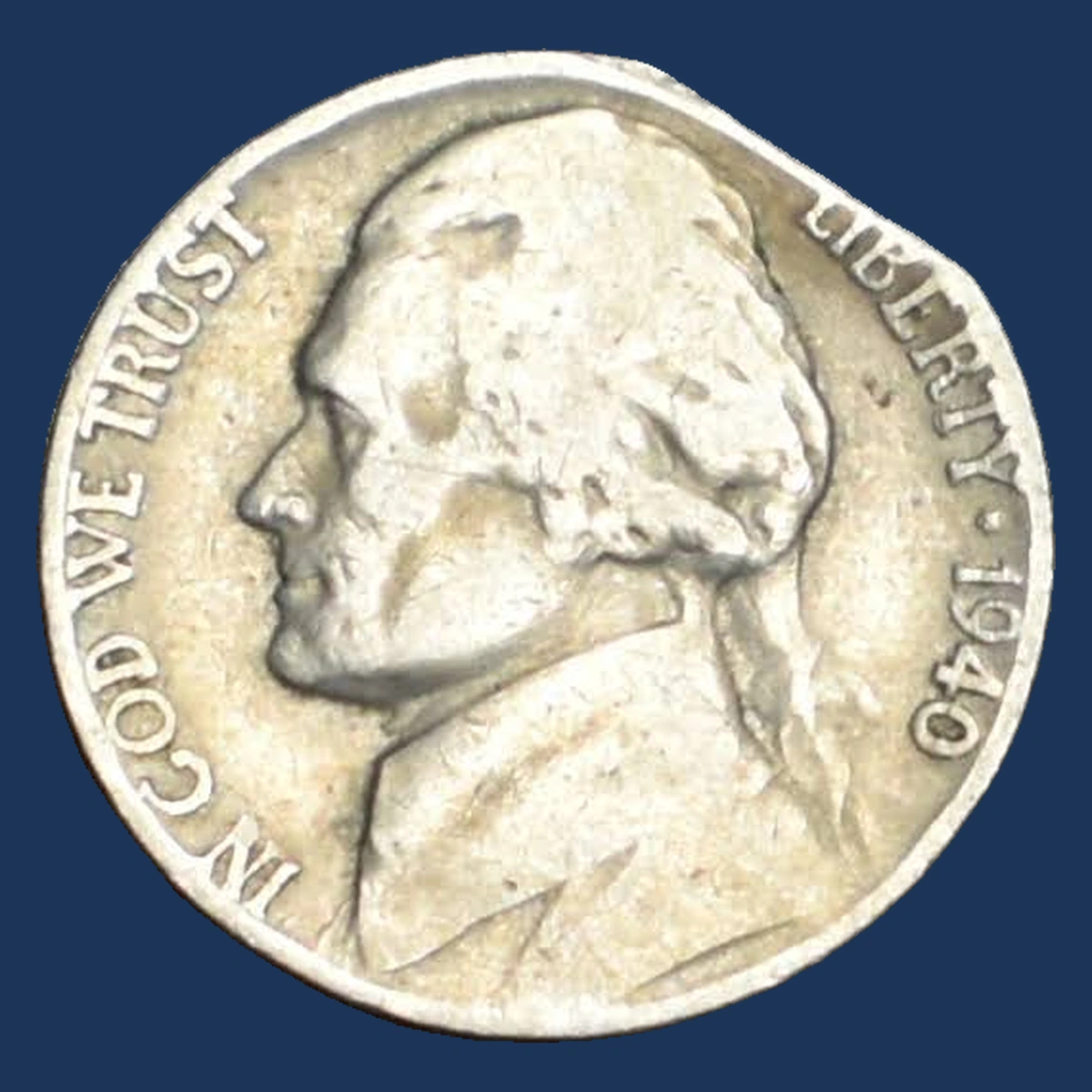
A piece can be missing from the blank before any design reaches it. Overlapping blank punches can produce a curved gap, while an irregular strip edge or defective metal can leave a ragged boundary.
Both shapes are reported for 1940 nickels. The rough-edged type needs particular care because a later break can imitate missing metal from the original blank.
A curved clip may show weak rim detail across from the gap. That supporting clue is not present on every example, and the different gap shapes should not be forced to share an identical edge pattern.
Estimated Value
Estimated values run $20–$300 for genuine incomplete blanks, with small worn examples lower than large cleanly preserved errors. The date and enough design to identify the coin should remain clear.
For comparison, a 1997 Philadelphia nickel with a 20% clip sold for $124 in March 2025. That later coin does not establish the size or mint of either reported 1940 type, and a cut or broken edge made after minting does not qualify for the range.
How to Identify
Examine how the design approaches the missing section before deciding whether the edge is a clip. A blank that lacked metal before striking should show a natural transition at the gap, rather than letters abruptly sliced later.
Use a 10× magnifier on both faces and the exposed edge. Saw lines, file marks, or bent metal suggest later alteration, while an irregular fracture needs expert examination rather than an automatic ragged-clip label.
A loose normal nickel measures about 5 grams and 21.2 millimeters, with a plain edge; use a scale and calipers to record the surviving metal. Lower weight supports missing material but does not establish when it disappeared.
For a curved gap, also photograph the opposite rim. Weakness there is useful supporting evidence, not an absolute requirement.
7. 1940 Jefferson Nickel Die Break
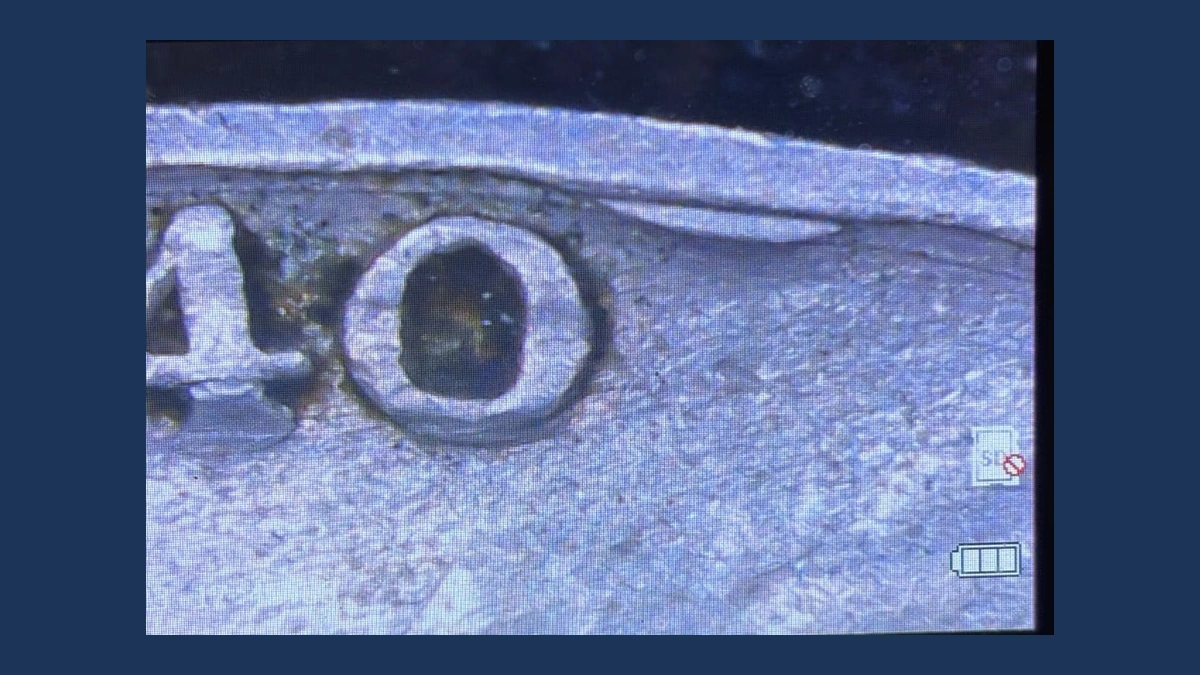
A raised lump can appear where part of a stamping tool breaks away. The die is the steel tool that carries the design, and metal can fill its new gap during striking.
A known San Francisco example has a break on the front. NGC graded it MS64 Five Full Steps, meaning unworn with some marks and five clear steps on Monticello.
That step description concerns strike detail, not a second error. The front break must be matched to the actual specimen rather than assigned a position from another nickel in the same auction group.
Estimated Value
The San Francisco die-break coin appeared in a four-coin lot that sold for $143.75 in August 2010. That is the entire group’s price, not a single-coin result.
Estimate $15–$350 for an identified 1940 break, with the raised area’s size and the coin’s condition guiding its place. A small chip carries less visual interest than a major break, while attached metal or impact damage should not be priced as a mint-made feature.
How to Identify
Compare the entire front with a photograph of the documented San Francisco coin before concentrating on a lump. Its exact location cannot be borrowed from another date or another coin in the auction lot.
Under a 10× magnifier, examine how the raised area joins the original surface. Added metal may show a seam, while a hit can push material up around a dent.
A loose coin should be checked with a scale and calipers against 5 grams and 21.2 millimeters. Inspect the plain edge wherever it approaches the affected area, without assuming every break must touch the rim.
Find the small S to the right of Monticello on the back. That mint and a matching raised outline connect the candidate to this particular recorded example.
8. 1940 Jefferson Nickel Lamination and Split Metal
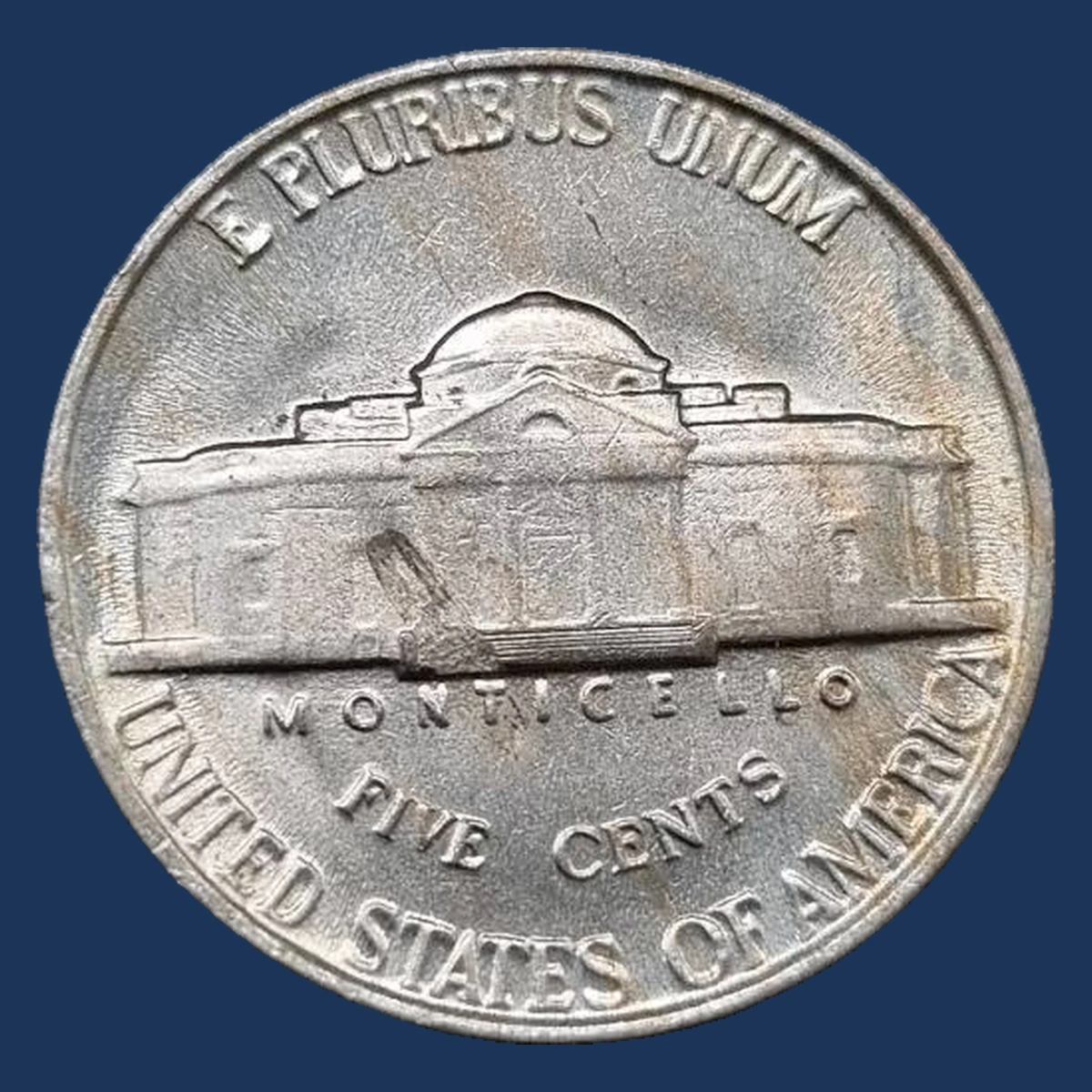
A surface flake can lift where the alloy is weak inside. A deeper separation can divide more of the blank into thin pieces, producing what collectors call a split planchet.
The 1940 reports cover both peeling and splitting but do not establish one shared specimen. They also do not establish whether a particular split happened before or after the coin was struck.
That timing matters because it changes which surfaces can carry design. Normal copper-nickel metal is mixed throughout, so neither form should be explained as an outer plated layer coming away from a different core.
Estimated Value
Small surface peels can fit an estimated $10–$100, while a substantial identified split piece or matched pair can justify roughly $75–$500. These are different presentations, not prices to add together.
A useful historical comparison is a complete 1952 pair split after striking, which brought $322 in August 2006. It concerns another year and two matching pieces; a lone 1940 fragment or shallow patch should not automatically inherit that complete-pair value.
How to Identify
Photograph both faces of a thin piece before naming the timing of its split. A rough exposed inner face tells a different story from a face that received a design after separation.
Use a 10× magnifier to compare that texture with grinding or cutting marks. The reported 1940 pieces do not already establish whether separation happened before or after striking.
For a loose fragment, use a scale to record its weight against the normal 5 grams. Calipers can compare its diameter with 21.2 millimeters and carefully record thickness.
Inspect the plain edge without squeezing a lifted flap. Keep matching pieces together, but do not rub their rough faces to make them fit.
The surviving impressions should support the proposed sequence of separation and striking.
9. 1940 Jefferson Nickel Repunched Mintmarks
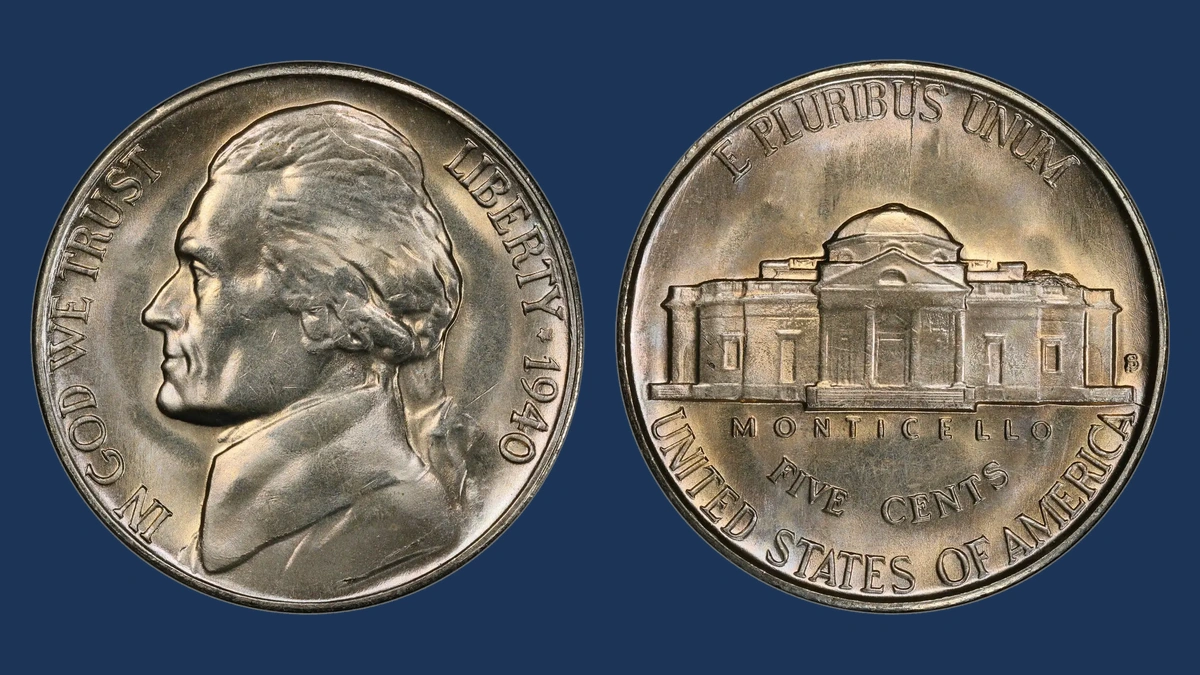
The small mint letter may show part of another punch underneath or at an angle. In 1940, workers added the D or S to the steel stamping tool separately, allowing a shifted repeat punch to leave overlapping outlines.
This is a repunched mintmark. Denver varieties include a lower D and tilted forms, while the San Francisco example shows an extra S below the main letter.
One Denver listing also discusses a possible inverted punch. That interpretation is not established by a thick-looking D alone; the actual extra outline must support whichever identification is made.
Estimated Value
For ordinary worn to attractive unworn examples, use an estimated $15–$500. Strong, clearly matched mintmark outlines sit above tiny remnants that are difficult to distinguish from wear.
The range covers different D and S patterns rather than one uniform rarity. A suspected inverted D does not deserve a special premium just because the explanation sounds unusual.
Clear matching details and overall condition matter more than an impressive name attached to an ambiguous shape.
How to Identify
Begin with the extra part of the letter, not its catalog label. Use a 10× magnifier to trace where a lower or tilted outline meets the main D or S beside Monticello.
Compare the connections with the 1940 mintmark photographs. A damaged corner can imitate a second curve, and a possible inverted punch requires more than a generally thick D.
Philadelphia coins have no mint letter here. For a loose coin, a scale and calipers can check roughly 5 grams and 21.2 millimeters, with a plain edge.
Photograph the letter upright from more than one lighting angle. A genuine extra raised outline stays in place when the light changes, while a bright reflection can create a misleading temporary edge.
10. 1940 Jefferson Nickel Off-Center Strikes
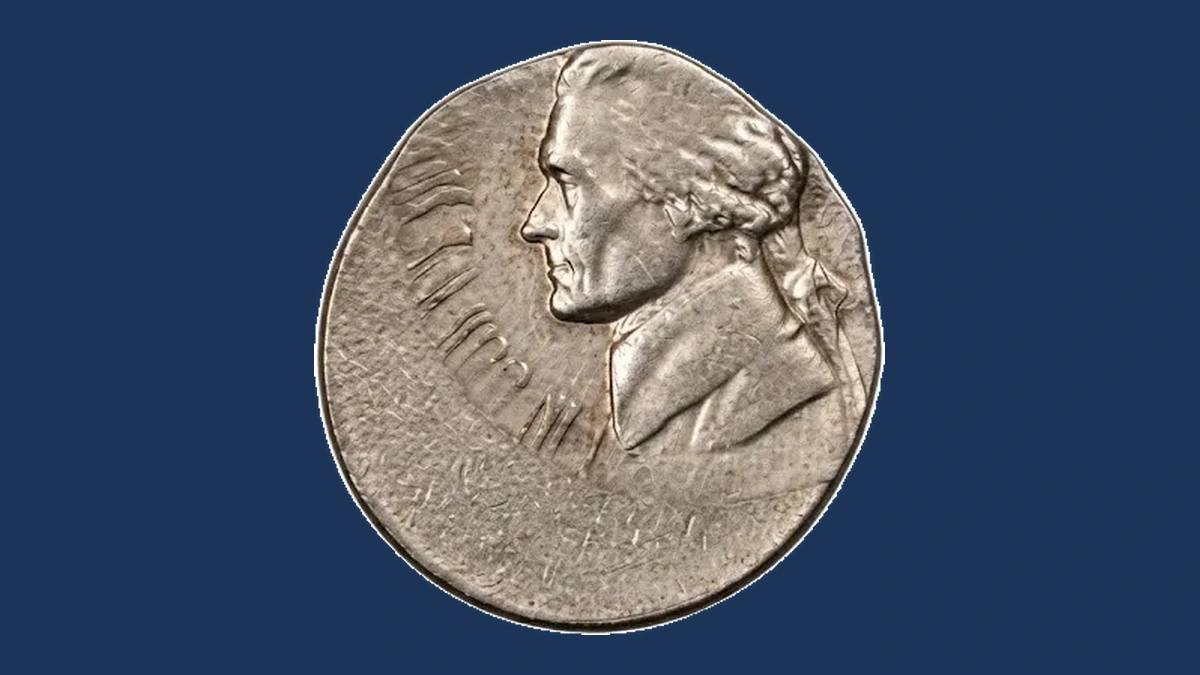
An off-center strike leaves blank metal on one side and loses design over the opposite edge. A Philadelphia example is displaced 15%, while a separate San Francisco collection record describes 55%.
Another San Francisco piece was listed as 60% off-center toward eight o’clock. Its back also has a major area struck through material, meaning an obstruction blocked the normal design.
These are different coins. The blocked area does not establish what the material was, and the larger San Francisco percentages should not be assigned to the more modest Philadelphia example.
Estimated Value
The Philadelphia 15% example sold for $218.50 in October 2010. It graded MS64 Full Steps, an unworn coin with some marks and clear building steps.
Estimate $75–$1,250 across modest through dramatic 1940 off-center errors. The separate 60% San Francisco coin had a historical minimum bid of $298, not a confirmed sale.
Its blocked back is part of the same coin’s value. The 55% collection example has no sale price assigned here.
How to Identify
Read the surviving date and mint before applying any displacement percentage. The Philadelphia 15%, San Francisco 55%, and San Francisco 60% reports concern different coins, and a missing mintmark area cannot prove Philadelphia origin.
With a 10× magnifier, follow where the design runs off the metal and compare the untouched area opposite. On a loose coin, use a scale and calipers against 5 grams and 21.2 millimeters, then photograph the plain edge beside those boundaries.
The reported 60% San Francisco piece also needs a separate examination of its back. Distinguish the obstructed patch within the struck area from blank metal left outside the strike, and do not name the blocking substance from a smooth patch alone.
11. 1940 Jefferson Nickel Double Strike and Partial Collar
The Philadelphia example combines two blows with an unevenly contained edge. The auction identifies a double strike in the collar and a partial-collar effect on the same coin.
The collar is the surrounding ring that controls diameter. When only part of the edge is contained, a ledge or step can remain where restrained and unrestrained metal meet.
PCGS graded the coin MS64, meaning unworn with some marks. The repeated design records the extra blow, while the edge records the collar problem; they should not be treated as two separately priced coins.
Estimated Value
This combination sold for $517.50 at Heritage on October 31, 2010. The price belongs to the whole double-struck, partial-collar coin.
An estimated $250–$1,500 allows for differences in repeated detail, edge shape, and condition. Clear impressions and a well-preserved edge can support a stronger price, while damage lowers appeal.
The auction result should not be divided into separate payments for two errors. Both effects contribute to the appeal of one coin.
How to Identify
Look at the edge from the side before studying the repeated portrait. A partial collar can leave a step in height where one portion was contained and another spread freely.
For a loose piece, measure several widths and edge sections with calipers against the usual 21.2 millimeters. A scale should be compared with 5 grams; neither test alone proves two blows.
Use a 10× magnifier on the faces to follow a recognizable repeated letter or design segment. This must be distinguished from small doubled outlines that were already present in a stamping tool.
Finally, connect the repeated design with the stepped plain edge. Later squeezing or grinding can alter an edge, but it does not explain a second genuine impression of the coin’s design.
12. 1940 Jefferson Nickel Copper Cent Blank
Brown copper and incomplete nickel lettering identify the known Philadelphia wrong-blank example. It was struck on a cent blank, a smaller metal disc than the nickel press was intended to receive.
The coin meets the collar near four o’clock. Parts of UNITED STATES OF AMERICA and IN GOD WE TRUST run off the metal, while surviving outer letters spread toward the edge.
PCGS graded it MS63 Brown, meaning unworn with visible marks and brown copper color. This was a blank receiving a nickel design, so remnants of an earlier Lincoln portrait are not required.
Estimated Value
The MS63 Brown example sold for $990 on September 10, 2019. Its date, condition, and surviving lettering make it a useful direct comparison for this early Jefferson error.
An estimated $600–$2,000 covers comparable confirmed cent-blank pieces. Stronger preservation or an appealing arrangement can support a higher figure, while wear or later damage reduces it; brown color on a full-sized normal nickel does not establish this value.
How to Identify
Follow the two outer inscriptions named in the auction description rather than looking only at color. On that example, parts of UNITED STATES OF AMERICA and IN GOD WE TRUST disappear beyond the smaller outline.
Use a 10× magnifier near the four-o’clock collar contact and compare the stretched letters. These details belong to that specimen, not a compulsory pattern for every nickel struck on a cent blank.
A loose copper-cent-blank candidate should be compared with approximately 3.11 grams and 19 millimeters using a scale and calipers. Normal nickel measurements are 5 grams and 21.2 millimeters.
Inspect the plain edge for plating seams or fresh cutting. Suitable measurements and natural truncated design are stronger evidence than a brown surface that could come from staining or a coating.
13. 1940 Jefferson Nickel Doubled Dies and the Proof Reverse of 1938
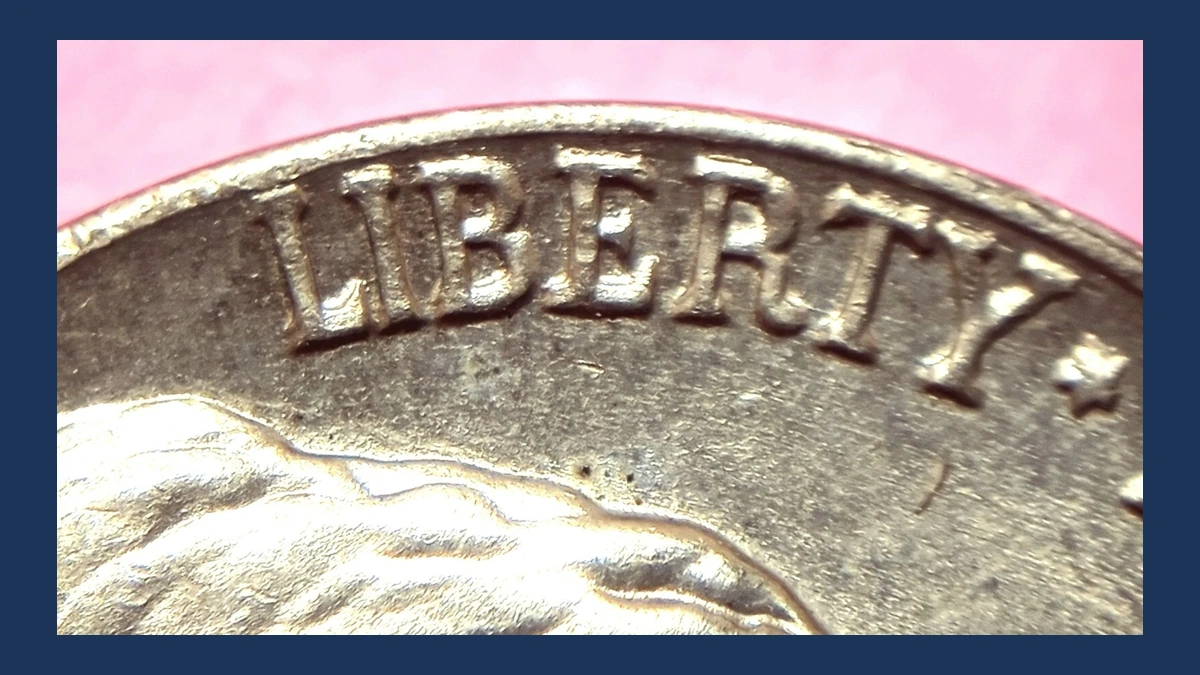
Extra letter edges can originate in a doubled die, the steel stamping tool. Denver and San Francisco varieties include repeated inscriptions, sometimes with three or four closely spaced outlines.
Philadelphia examples include ordinary and Proof coins; Proofs were specially prepared for collectors. A recorded Proof front variety has subtle motto doubling.
One Proof back variety combines slight doubling in E PLURIBUS UNUM with the older, wavy-step design used in 1938. The old step design is a separate feature from the doubled letters, and its rarity can matter far more to value.
Estimated Value
Estimate $15–$300 for modest ordinary doubled dies and $100–$750 for ordinary-design Proof examples, depending on condition. The scarce Proof Reverse of 1938 belongs in a separate estimated $1,000–$30,000 range.
PCGS records $28,750 for a PR68 example in January 2011, a very well-preserved Proof. That price reflects the rare back design and condition, not payment for slight doubled lettering, and cannot be applied to ordinary coins.
How to Identify
Check whether the coin was made as an ordinary strike or a collector Proof before comparing its doubled details. Keep a certified Proof in its holder; a polished ordinary coin can look shiny without being a Proof.
On the old Proof back, compare Monticello’s wavy steps with the later, straighter design. Inspect E PLURIBUS UNUM separately through a 10× magnifier for the reported slight doubling.
Other mints need their own lettering match in Brian’s 1940 catalog. Some Denver examples show repeated FIVE CENTS outlines without having the rare Proof back.
A scale and calipers can check a loose coin against 5 grams and 21.2 millimeters. Its edge should be plain.
Record finish, step shape, and doubled letters separately so the expensive Proof comparison is applied only to the appropriate coin.
Conclusion
Check a 1940 nickel’s actual shape, design, and finish before choosing a price comparison. An ordinary doubled letter and a rare Proof with the older back design belong at very different levels.
The estimated $5–$30,000 span reflects that difference. Keep group auction totals separate from single-coin prices, and leave thin flakes or unusual surface material untouched.
Clear pictures of both faces and the edge will help connect the visible mistake with the right example.