1944 Nickel Error List with Pictures

Silver belongs in a normal 1944 nickel. Steel does not: a worn Philadelphia nickel struck on a steel blank brought $8,050 at auction in 2003.
That difference makes metal identification especially important when checking 1944 nickel errors. Small doubled letters, peeling metal, and wrong blanks sit at very different price levels, with estimated values from $15 to $15,000.
Use the examples below to separate ordinary wartime features from mistakes worth investigating.
1. 1944 Jefferson Nickel Lamination
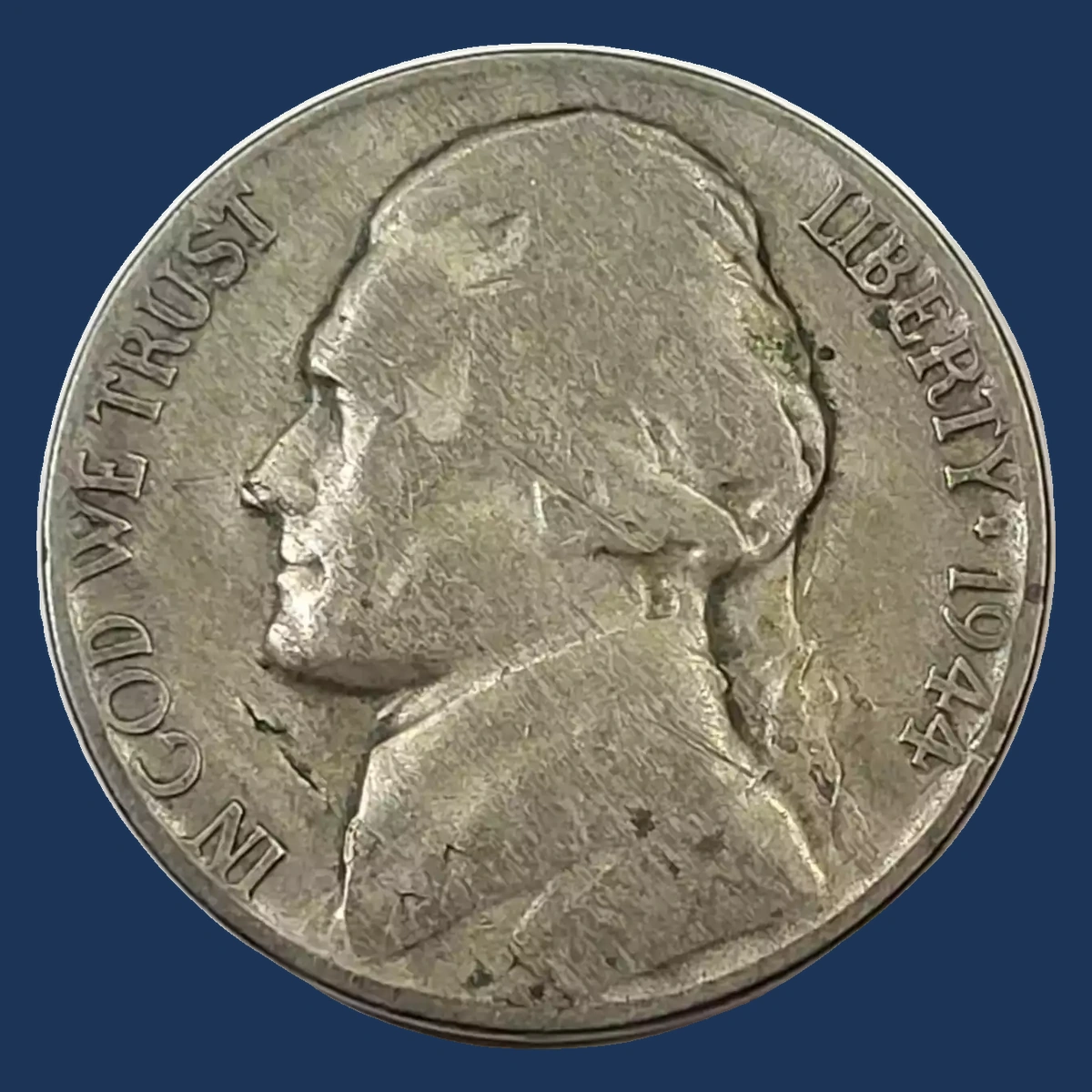
A rough missing patch on a wartime nickel can expose a weakness inside the alloy. When part of the surface separates or peels, collectors call the error a lamination.
The normal metal contains 56% copper, 35% silver, and 9% manganese mixed together. There is no separate silver coating to peel off.
A Denver example has a lamination on the back, while another recorded piece comes from Philadelphia. Their surface defects belong to different coins; neither a dark stain nor a gouge from later scraping should be called peeling metal without an actual separation.
Estimated Value
Estimated values are $15–$175 for recognizable surface laminations. Size, visibility, and preservation affect the price, while an unattractive damaged patch may add little interest.
The Denver MS65 example, an unworn coin with relatively few marks, sold for $27 in April 2008. PCGS also records a Philadelphia NGC MS66 example at $51 on eBay in May 2018.
These are separate specimens and historical prices. Neither result describes a complete pair split into front and back pieces.
How to Identify
Identify the mint above Monticello’s dome before comparing a photographed defect. The known Denver example is affected on the back, but the Philadelphia record must be examined as a separate coin.
Use a 10× magnifier along the edge of the rough patch. Look for metal separating beneath the original surface, rather than a smooth cut with pushed-up edges from a scraping tool.
For a loose coin, compare 5 grams and 21.2 millimeters with a scale and calipers. Missing fragments may reduce weight, whereas an attached flap can leave most of the metal present.
The normal edge is plain, and the silver is mixed through the alloy. Photograph any open layer without lifting it; a color change alone does not show that a layer has separated.
2. 1944 Jefferson Nickel Doubled Dies
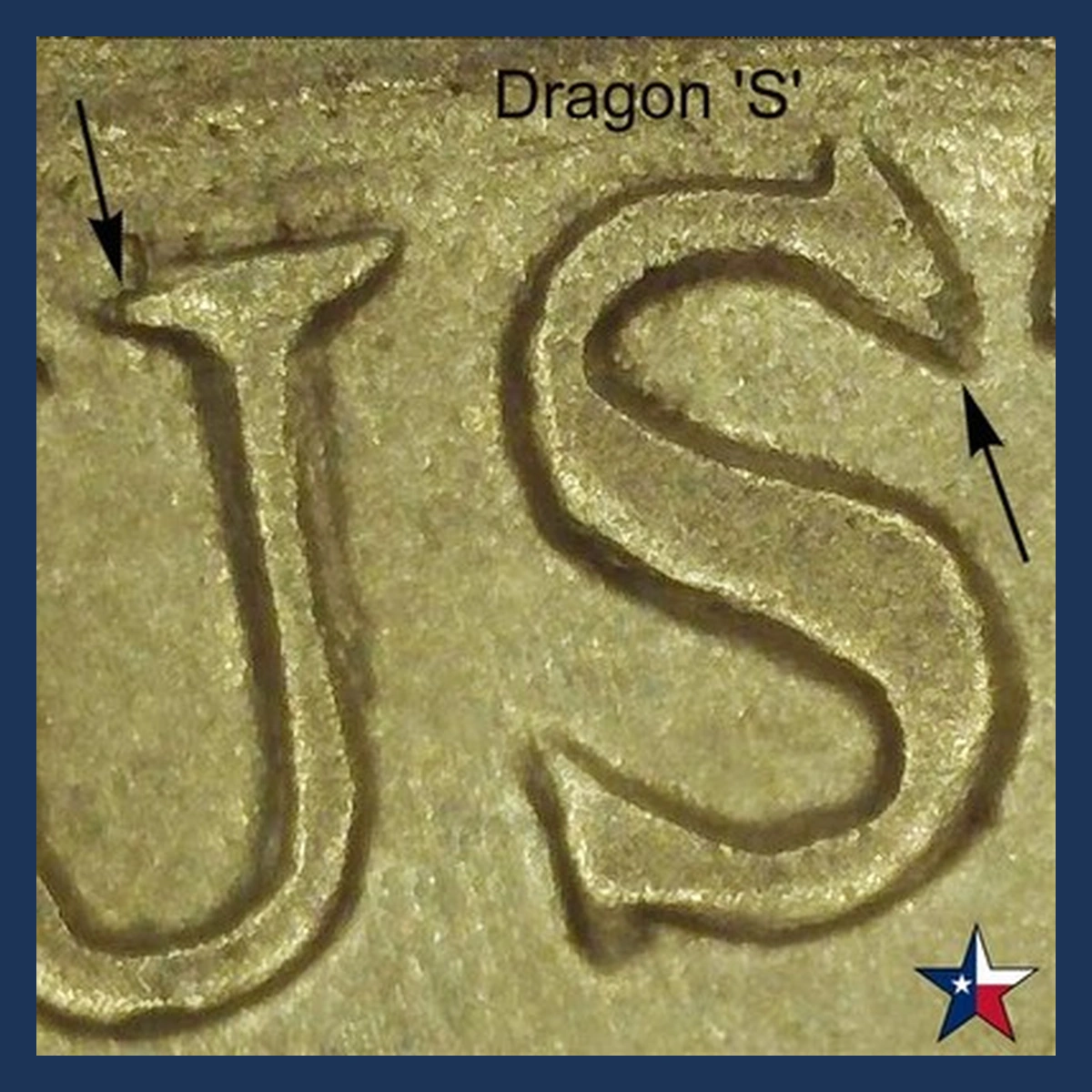
A doubled die is a stamping tool whose design carries extra edges or thickened details. The die is made of steel, and its altered design repeats on the coins it strikes.
For 1944, front varieties occur at Philadelphia, Denver, and San Francisco. Depending on the variety, look at the motto, LIBERTY, the star, or the date.
The back offers different clues, especially in the upper inscriptions and FIVE CENTS. Some Philadelphia varieties show stronger changes toward the right, while smaller Denver and San Francisco examples need close inspection around E PLURIBUS UNUM.
Estimated Value
Use an estimated $15–$300 for the doubled designs covered here. A tiny separation on a worn coin belongs near the lower end, while a strong, clearly matched variety can justify more.
The particular pattern and condition guide the price. These are estimated whole-coin ranges, not separate auction results for every catalog listing.
A normal silver wartime nickel does not earn an error premium merely because its letters look thick.
How to Identify
Separate a repeatable letter pattern from general softness before choosing a variety name. With a 10× magnifier, work across several letters and compare the changing outlines with Brian’s photographs of the 1944 varieties.
Some Philadelphia back varieties grow stronger toward the right, while Denver and San Francisco examples often need close inspection of the upper motto. Check the large mint letter above Monticello before matching either pattern, since all three mints used different tools.
A loose coin should measure near 5 grams and 21.2 millimeters on a scale and calipers, with a plain edge. Those normal measurements leave the lettering to decide the match; flat shelves beside letters or evenly worn thick edges do not reproduce the cataloged raised shapes.
3. 1944 Jefferson Nickel Curved Clip
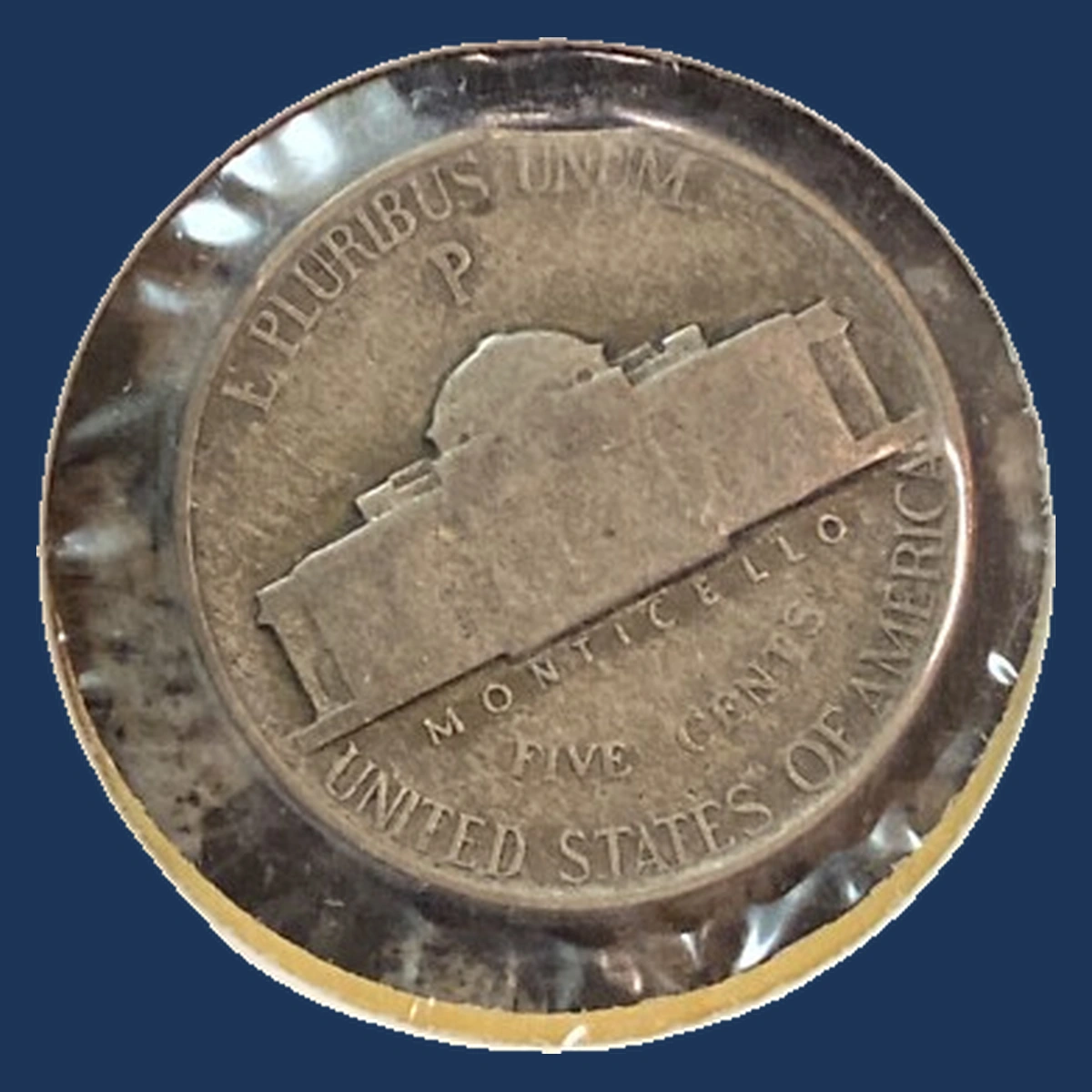
Two Philadelphia examples show curved sections missing from their blanks. One has a 15% clip and weighs 4.4 grams; the other is a more worn coin with its gap around eight o’clock.
The metal was missing before the design was struck. A misplaced punch can overlap a previously punched opening in the metal strip and produce a crescent-shaped gap.
The better-preserved piece graded MS64 Full Steps, meaning unworn with some marks and clear steps on Monticello. That description belongs to its striking detail, while the missing crescent is the actual blank-making error.
Estimated Value
For a genuine curved clip, estimate $25–$350, depending on the gap and the remaining coin’s condition. A clear date and an attractive surface make a larger example easier to appreciate.
The two documented 1944-P pieces appeared together, so their grades and measurements should not be exchanged. As a recent comparison from a different year, a 1997 Philadelphia nickel with a 20% clip sold for $124 in March 2025; its metal composition also differs from a wartime nickel.
How to Identify
Check the surviving rim directly opposite the missing crescent. A weak section there can support a genuine clip, although its absence does not by itself rule one out.
Now inspect both ends of the gap with a 10× magnifier. The struck design should meet the incomplete blank naturally, without saw marks, fresh filing, or a bent lip left by cutting.
Compare a loose coin with the normal 5-gram weight and 21.2-millimeter diameter using a scale and calipers. The plain edge deserves a side-view photograph as well as pictures of both faces.
The known 15% example weighs 4.4 grams, but its gap position is not established here. Eight o’clock identifies the separate worn specimen, so do not use that position as a requirement for the higher-grade coin.
4. 1944 Jefferson Nickel Repunched Mintmarks
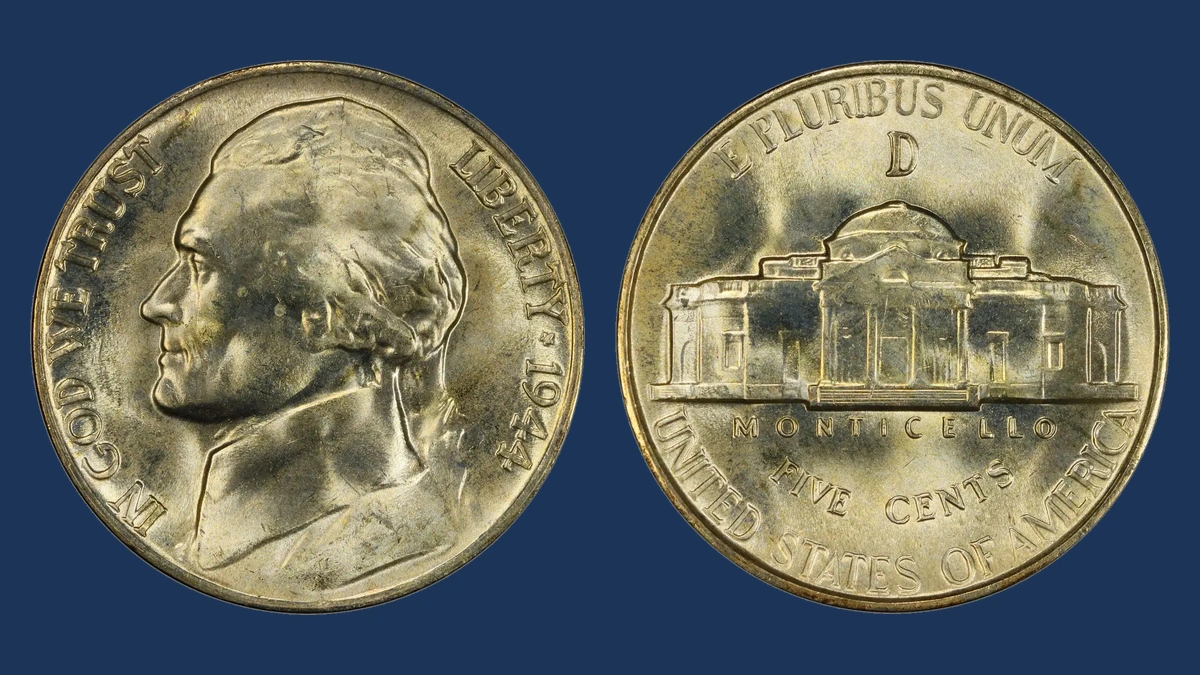
Unlike many other Jefferson nickels, a 1944 Philadelphia coin has a visible P. The large mint letters sit above Monticello’s dome, and examples from all three mints can show overlapping outlines.
The mint letter was punched into the die, the steel stamping tool. A shifted or tilted repeat punch left part of another letter beside the main one.
This is called a repunched mintmark. Philadelphia examples include sideways, lower, and tilted forms; Denver includes some triple-punched D letters, while San Francisco examples show different extra curves around the S.
Estimated Value
An estimated $15–$500 covers minor worn examples through attractive, clearly identified repunched mintmarks. Strong separated curves and better condition help support the higher end.
The large wartime letter itself is normal and adds no error value. These figures are estimates across several patterns, not auction records for every listing.
A scarce high-grade ordinary coin may already be valuable. Its full price should not be described as payment for the extra punch alone.
How to Identify
Photograph the entire large P, D, or S above Monticello with the coin held upright. This location matters: the tiny letter beside the building belongs to a different period of Jefferson nickel production.
Under a 10× magnifier, follow where an extra curve joins or crosses the main mint letter. A triple-punched Denver example can show remnants in more than one direction.
Match those connections with Wexler’s 1944 photographs. Direction by itself cannot distinguish all the varieties.
For a loose coin, use a scale and calipers against 5 grams and 21.2 millimeters. Inspect the plain edge for alteration.
Return to the extra curve and check that it is raised metal with a letter-like shape. A cut or lump beside the mintmark needs another explanation.
5. 1944 Jefferson Nickel Off-Center Strike
About half the intended design misses the blank on the known 1944-P off-center nickel. A broad unstruck section remains opposite the part where lettering and other details run off the edge.
The coin was graded MS64 by PCGS, meaning unworn with some marks. It is identified as a Philadelphia wartime nickel, with its date and large P providing the important identity clues.
The blank entered the press out of position. This differs from a clipped coin, which starts with missing metal, and from a merely uneven border around a complete design.
Estimated Value
Estimate $100–$1,000 for 1944 off-center nickels, with strong dated examples toward the upper part. The known 50% piece provides an example of the error, rather than a sale price used here.
A different-year comparison is a 1948-S nickel struck 15% off-center that sold for $391 in October 2010. Its smaller displacement, different alloy, and preserved step detail make it a comparison to weigh carefully, not a direct price for the 1944 coin.
How to Identify
An incomplete design needs to retain enough information to establish its year and mint. Read the visible 1944 date and large P before matching the photographed Philadelphia example.
Next, follow the border between the struck area and untouched blank on both sides. It should explain why the design disappears over the opposite edge, rather than looking like a patch polished smooth afterward.
The steel tools can reshape an off-center blank, so use calipers to record the loose coin’s outline against the normal 21.2 millimeters. Compare its weight with 5 grams on a scale, because displacement alone does not normally remove metal.
A 10× magnifier and side-view photograph should show the plain edge beside the untouched area. Look for natural metal flow instead of filing or a fresh cut.
6. 1944 Jefferson Nickel Double Strike with Broadstriking
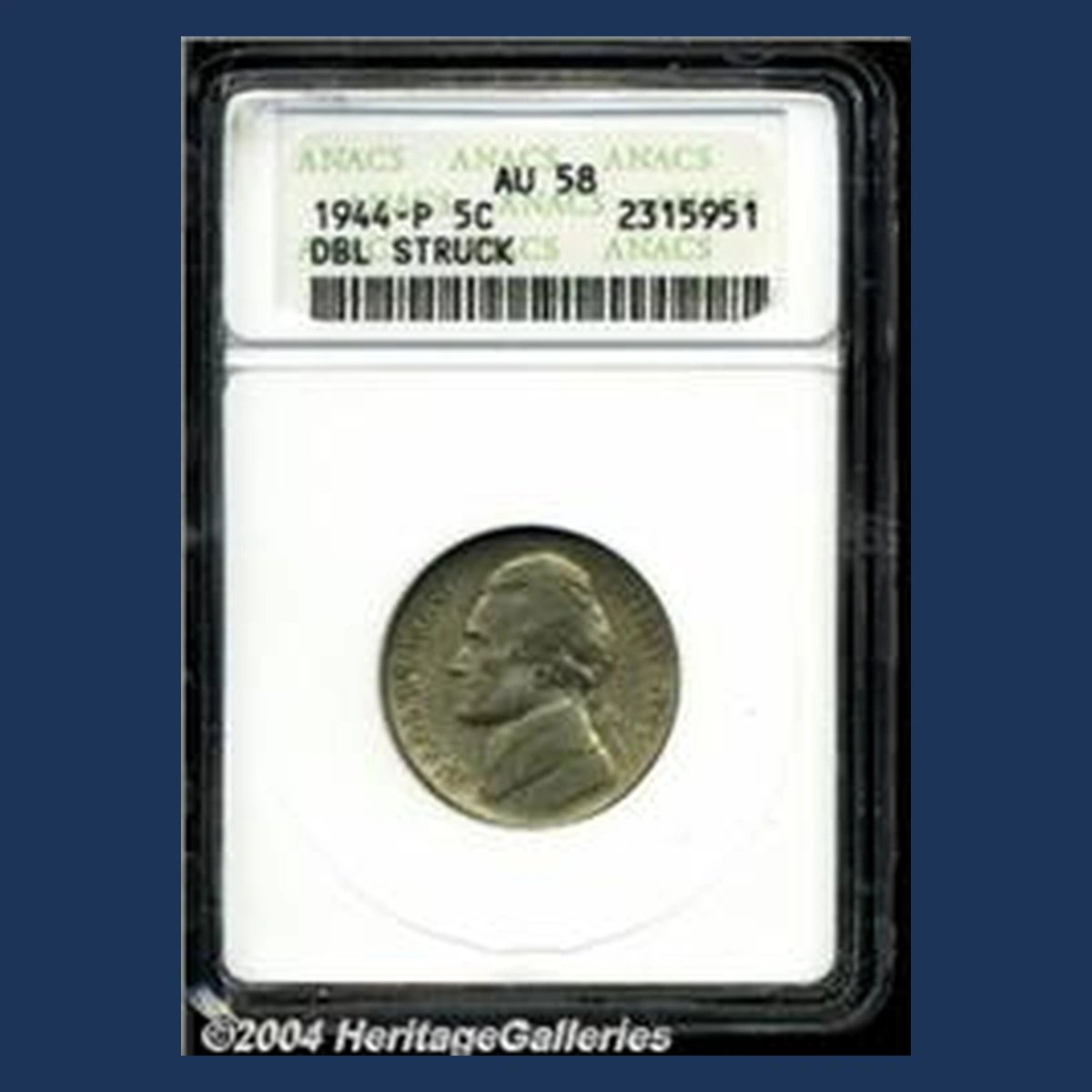
A 1944-P nickel received two blows while its metal also spread beyond the usual outline. The auction describes it as double-struck and broadstruck, two effects on the same coin.
Broadstriking means the collar, a ring that normally contains the metal, did not hold it to the intended size. The repeated blows also left overlapping design details that can be compared across the coin.
ANACS graded the coin AU58, meaning only slight wear. The published description does not establish the exact displacement of the second impression, so two full portraits or a specific direction should not be assumed.
Estimated Value
For a confirmed double strike of this kind, use an estimated $250–$1,500. Clear overlapping designs and attractive surfaces can support the upper portion of the range.
A later-year reference is a 1952 nickel whose second blow landed 90% off-center, recorded at $196 in October 2010. That different layout is not the 1944 broadstruck coin; its historical result offers context rather than a substitute sale, and the two effects on the 1944 piece should be valued together.
How to Identify
Measure the overall shape before trying to reconstruct the two blows. A loose normal wartime nickel is about 21.2 millimeters and 5 grams, so calipers and a scale can record how this candidate differs.
The expanded plain edge should then be compared with repeated design inside it. Use a 10× magnifier to trace one clear letter or portrait feature into the second impression.
A scrape can cross a design but does not stamp another recognizable piece of it. Check the other face for details that agree with the same sequence of blows.
Do not force the comparison to show a fixed rotation or percentage that the original description never supplied. A close-up of the overlap, alongside the wider outline, is more useful than an unsupported strike diagram.
7. 1944 Jefferson Nickel Silver Dime Blank
Silver content alone cannot identify this wrong-blank error because normal 1944 nickels already contain silver. The difference is a smaller dime blank carrying the much larger nickel design.
The known Philadelphia example graded AU50 at PCGS, meaning it shows light wear. Its reduced outline cuts off parts of the outer design.
A normal silver dime blank was about 2.5 grams and 90% silver, compared with a five-gram nickel containing 35% silver. The blank was meant for another denomination, but it need not have carried an earlier dime design before receiving Jefferson’s portrait.
Estimated Value
The AU50 example sold for $1,620 at Heritage on August 16, 2019. That price belongs to a nickel struck on a silver dime blank, not a normal silver wartime nickel.
An estimated $1,000–$3,500 covers comparable identified examples with different wear and appeal. A clear date, readable mint letter, and original surfaces help the comparison, while a merely reduced or damaged ordinary nickel cannot inherit the value of this documented wrong-denomination blank.
How to Identify
Compare the metal amount as well as the metal type. A dime blank starts around 2.5 grams and 17.9 millimeters; the normal wartime nickel is 5 grams and 21.2 millimeters.
Use a scale and calipers on a loose coin, allowing for spreading during striking. Then inspect the truncated outer letters with a 10× magnifier to see whether they naturally ran beyond the smaller blank.
Examine the edge for cutting or grinding that could make an ordinary nickel smaller. A nickel strike need not give the blank the edge grooves of a normally struck dime.
A specialist can test the silver proportion without damaging the surface. The combination of small size, appropriate metal, and a genuine 1944-P nickel design separates this error from an ordinary silver-colored coin.
8. 1944 Jefferson Nickel Copper Cent Blank
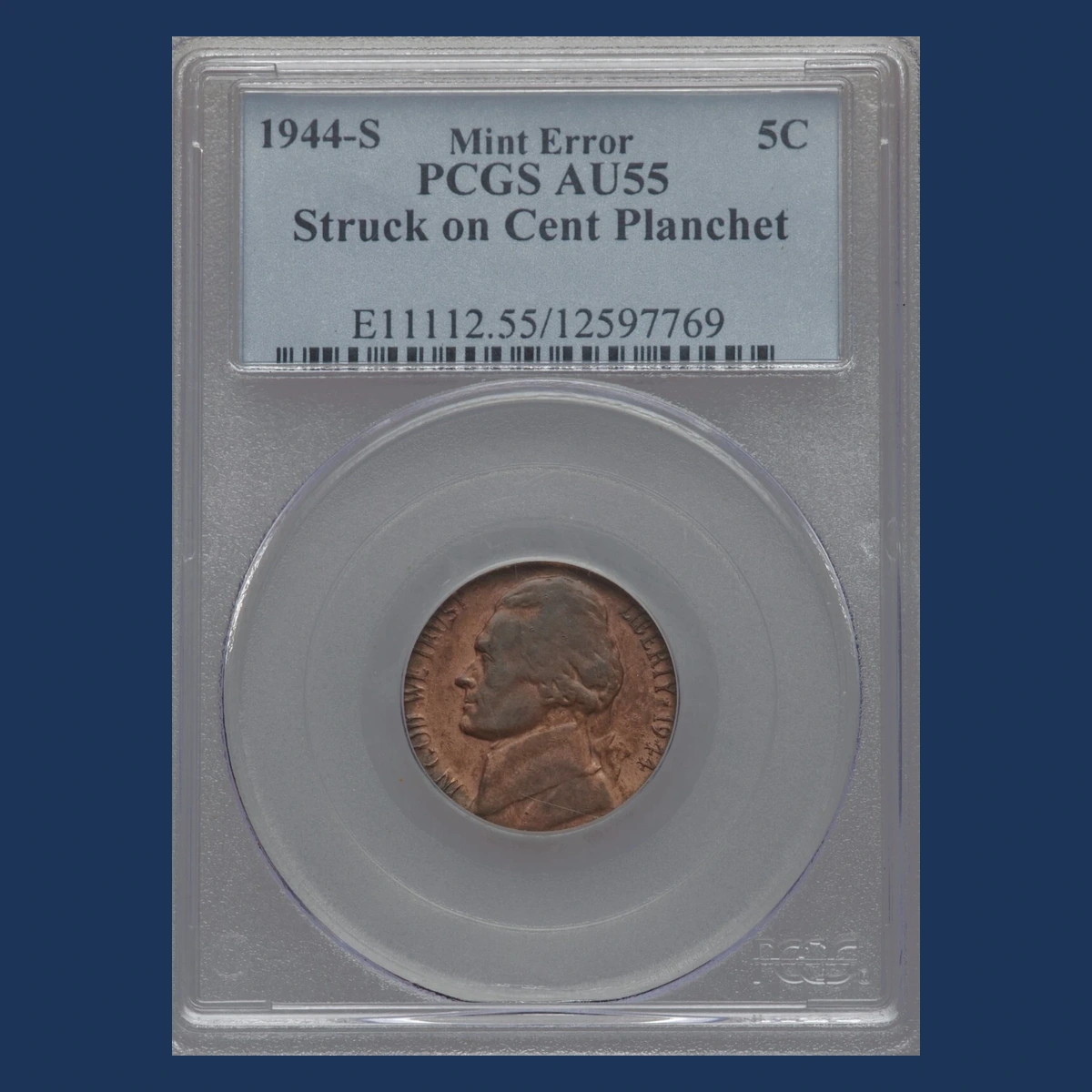
The known copper example retains much of the nickel lettering, but part of STATES OF runs off the smaller blank. Other letters are stretched by the way the metal filled the design.
Its lower edge met the collar at about six o’clock. That ring normally controls a nickel’s size, but a cent blank is smaller and lighter.
PCGS graded the coin MS61 Red and Brown, meaning unworn with noticeable marks and mixed copper colors. The wartime design and large P belong to the nickel tools, while the wrong blank supplied the copper body.
Estimated Value
The MS61 Red and Brown coin sold for $2,640 on November 21, 2022. This wartime specimen should be compared with its own design and condition, rather than assigned a common later-date wrong-blank price.
Use an estimated $1,500–$4,500 for a comparable confirmed copper-cent-blank error. Surviving lettering, original copper color, and the amount of wear affect the estimate; polishing or plating an ordinary nickel does not create the smaller copper blank represented by that sale.
How to Identify
Compare the lower border and the words STATES OF with the documented example. Its partial missing letters and contact near six o’clock are specific clues, not features required on every wrong cent blank.
For a loose candidate, use a scale against the cent standard of about 3.11 grams and calipers against roughly 19 millimeters. The normal nickel comparison is 5 grams and 21.2 millimeters.
With a 10× magnifier, follow the edge and the stretched surviving letters. A copper coating over a normal nickel can change color without creating the same small-blank design relationship.
Keep the plain edge and both surfaces intact for material examination. A blank cent has no Lincoln design to preserve, so absence of cent lettering does not count against this error.
9. 1944 Jefferson Nickel Copper-Nickel Alloy Blank
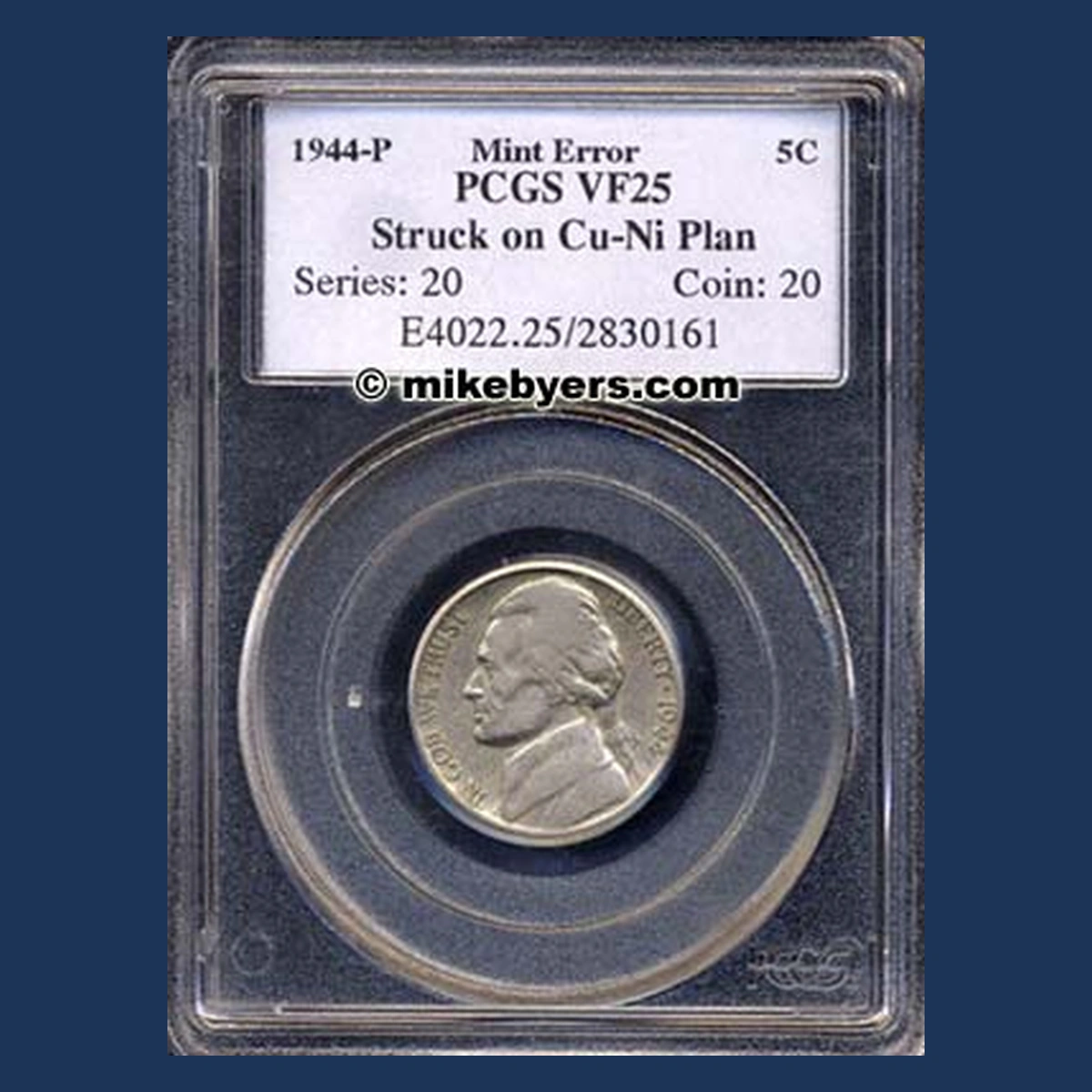
A normal-looking five-gram nickel can still contain the wrong wartime metal. One 1944-P example was struck on a copper-nickel blank instead of the required copper-silver-manganese mixture.
NGC graded that coin VF25, meaning noticeable circulation wear. A separate PCGS VF30 piece has reported proportions of 79.6% copper, 19.9% nickel, and 0.5% aluminum.
Those figures should not be assigned to the VF25 coin. They also differ from the usual prewar 75% copper and 25% nickel mixture, so the second specimen should not automatically be described as an ordinary leftover prewar blank.
Estimated Value
The five-gram VF25 example brought $6,300 at Heritage on December 21, 2022. Its result supports an estimated $3,000–$12,000 for authenticated 1944 copper-nickel wrong-alloy pieces, depending on the specimen and condition.
The separate aluminum-bearing VF30 example has a different composition record. No reliable sale price is assigned to it here; its estimate requires confirmation of that identity, rather than treating a generic online starting-price field as an actual auction result.
How to Identify
A five-gram reading cannot settle this case because both the normal alloy and a known copper-nickel error can weigh that amount. Start with a certified coin’s material report, or ask an experienced specialist to test the metal without damaging it.
The 1944 date and large P must also be genuine, so inspect them with a 10× magnifier against clear comparison photographs. For a loose coin, a scale and calipers can record weight and diameter against 5 grams and 21.2 millimeters, with a plain edge.
Keep the composition result attached to the particular coin that was tested. The separate VF30 example’s 79.6% copper, 19.9% nickel, and 0.5% aluminum cannot be assigned to another coin merely because it has similar color.
10. 1944 Jefferson Nickel Zinc-Coated Steel Blank
A magnetic 1944-P nickel needs a different explanation from an ordinary silver wartime piece. Documented examples were struck on zinc-coated steel blanks, a much smaller and lighter type of metal disc.
One example was graded XF40 by PCGS, meaning moderate wear; another graded VF20 has heavier circulation wear. They are separate coins.
The blank type served both 1943 United States cents and 1944 Belgian two-franc coins made in Philadelphia. The finished error cannot by itself show which supply provided its blank, so the Belgian connection is a possibility rather than a proven individual origin.
Estimated Value
Coin World reported an $8,050 auction result for the VF20 coin in 2003, including the buyer’s fee. A different XF40 coin had a $38,000 minimum bid in 2013, which was an asking threshold, not a reported sale.
An estimated $6,000–$15,000 provides a working range for authenticated steel-blank examples. Condition and documented identity matter greatly, and a seller’s ambitious minimum bid should not replace an actual comparable transaction.
How to Identify
Use a magnet as an initial check, without letting it scrape the surface or strike the coin. Attraction supports steel, but an attached steel object or an altered coin can also respond and needs to be excluded.
On a loose candidate, use a scale and calipers against the steel-blank standards of about 2.7 grams and 19 millimeters before striking. Compare these with a normal nickel’s 5 grams, 21.2 millimeters, and plain edge.
Then inspect the date, large P, zinc coating, and edge through a 10× magnifier for signs of alteration. Have the metal and nickel design examined together; confirming a steel blank does not establish whether it came from American-cent stock or the same type used for Belgian coins.
Conclusion
The large mint letter and silver content are normal features of a 1944 nickel. Extra letter outlines, missing metal, and a genuinely wrong blank need their own checks.
Estimated prices range from $15–$15,000, with common-looking surface errors far below rare steel or copper-nickel pieces. A normal five-gram reading cannot settle every case.
Keep the date, mint letter, measurements, and any material test together when comparing your coin with a documented example.