1981 Nickel Error List with Pictures

Two blanks went into the press together and came out joined at the edge. That 1981-P nickel pair brought $1,610 at auction in August 2010.
The range of 1981 nickel errors also includes tiny extra mint letters, thin split blanks, and coins carrying two denominations. Estimated values run from $10–$3,500 across the types below.
Use the visible clues in each section to work out which kind of mistake your coin may show.
1. 1981 Jefferson Nickel Repunched Mint Mark
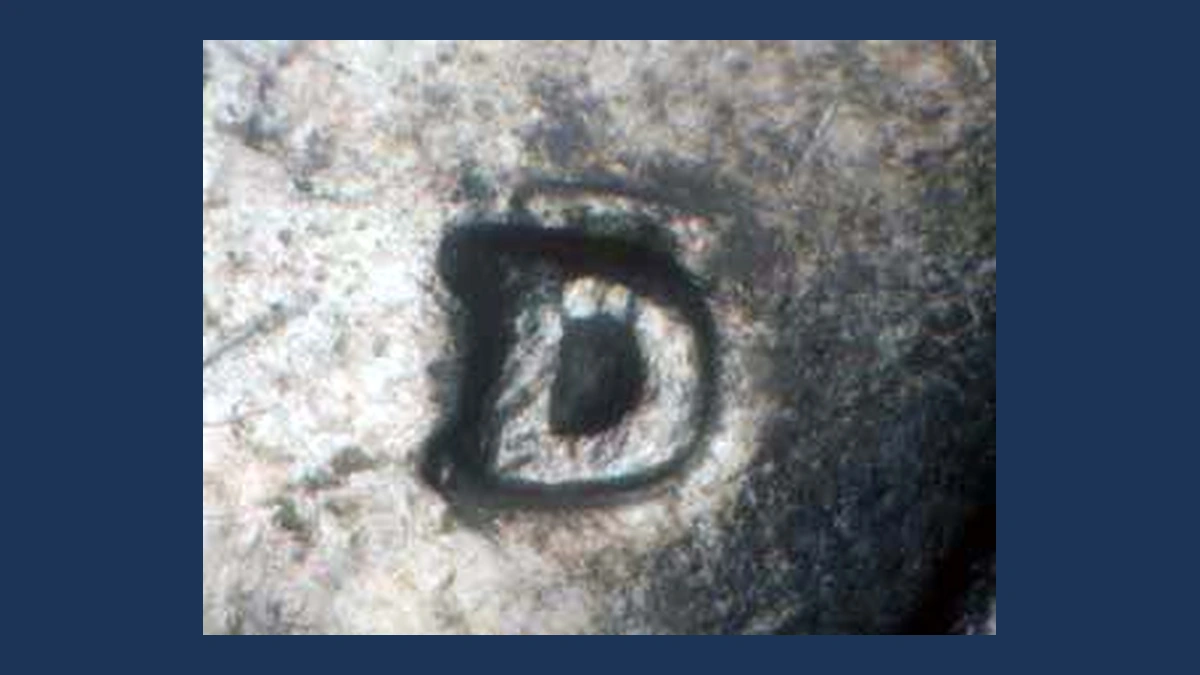
A second curved edge appears above the D below the date. It comes from an earlier punch used to place the mint letter into the die, the steel stamping tool.
The punch landed again in a slightly different position, leaving parts of both impressions. Variety Vista lists this upward D/D as RPM-001.
The extra detail is small, so wear can hide it. It is not a second mint letter added directly to the coin, and the rest of the design does not need to be doubled.
Estimated Value
For a clear 1981-D repunched mint mark, estimate $10–$100. Strong remains of the first D on an unworn coin should bring more interest than a worn, barely visible line.
This is an estimated range for the cataloged variety, not a specific auction result. The coin’s condition also contributes to its total price.
A thick D without the matching upper outline should not be priced as RPM-001.
How to Identify
The mint letter sits below the date on Jefferson’s side in 1981. With a 10× magnifier, compare the top of the D with the upright catalog photograph, looking for the extra curve above it.
An ordinary nickel weighs 5.00 grams and measures 21.21 millimeters, checked with a digital scale and calipers if loose. Those measurements help identify the coin, but the small raised outline is what identifies the repunched mint mark.
Move the lamp so a reflection does not imitate an extra stroke. A matching northern curve should remain visible as part of the D, rather than becoming a flat shelf or a random dent.
2. 1981 Jefferson Nickel Doubled Dies
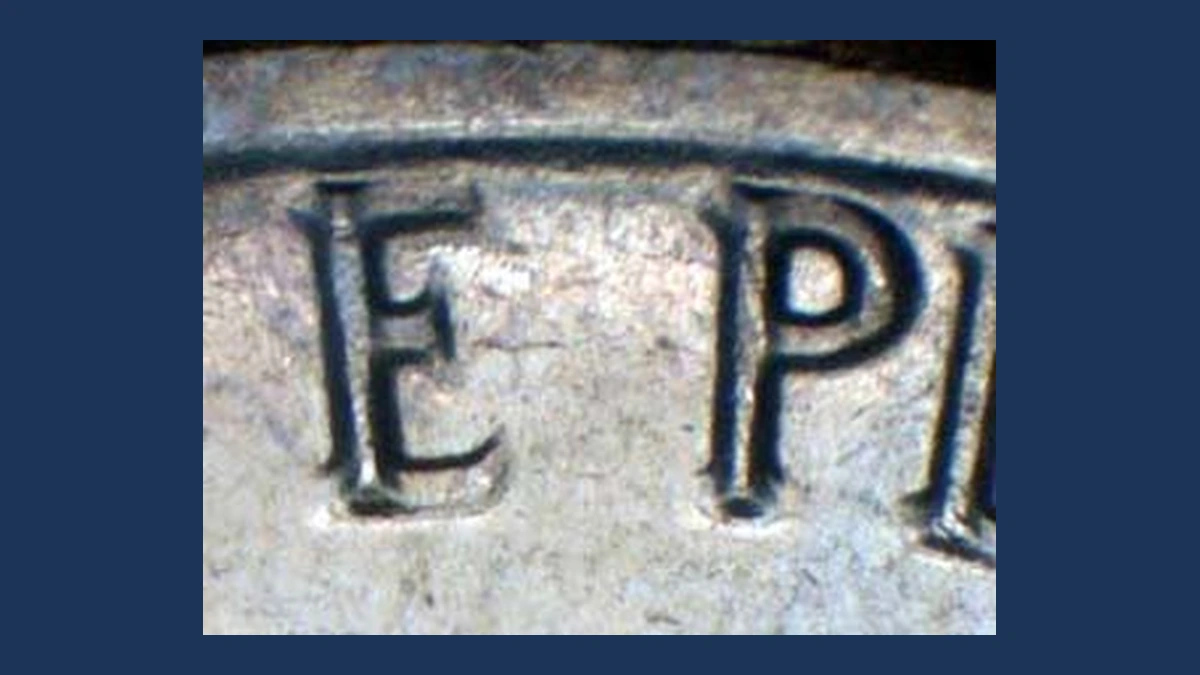
On the back, small extra edges can appear in E PLURIBUS UNUM and UNITED STATES OF AMERICA. Denver examples can also show doubling in FIVE CENTS and parts of Monticello.
The doubling was already in the stamping tool. The 1981 variety listings also include a San Francisco Proof, a specially made collector coin, with subtle doubling across the upper motto.
Front doubling is reported for Philadelphia coins as well. That report requires a matching example; ordinary thick letters alone do not establish a doubled die.
Estimated Value
Estimated values of $15–$150 cover clearly identified examples of these doubled designs. Visible separation, preserved lettering, and a match to a known pattern support the upper end.
The San Francisco Proof must be compared with other Proof coins rather than worn Denver nickels. Its normal S mint-mark shape can also affect collector interest.
These estimates do not turn the unconfirmed Philadelphia front pattern into a documented auction record.
How to Identify
Choose the correct mint and face before enlarging the photograph. Denver back varieties and the San Francisco Proof pattern are separate comparisons.
For Denver, use a 10× magnifier on the upper motto, country name, and denomination. One pattern also affects the first M and final O in MONTICELLO.
On the San Francisco example, inspect the upper motto from left to right, where the separation becomes stronger. Normal Type 1 and Type 2 S shapes are not doubled-die errors.
The normal specification remains 5.00 grams and 21.21 millimeters, checked with a scale and calipers if the coin is loose.
Compare actual split edges across several letters; uniform blur or a flat shelf beside one letter is a weaker clue.
3. 1981 Jefferson Nickel Clipped Planchet
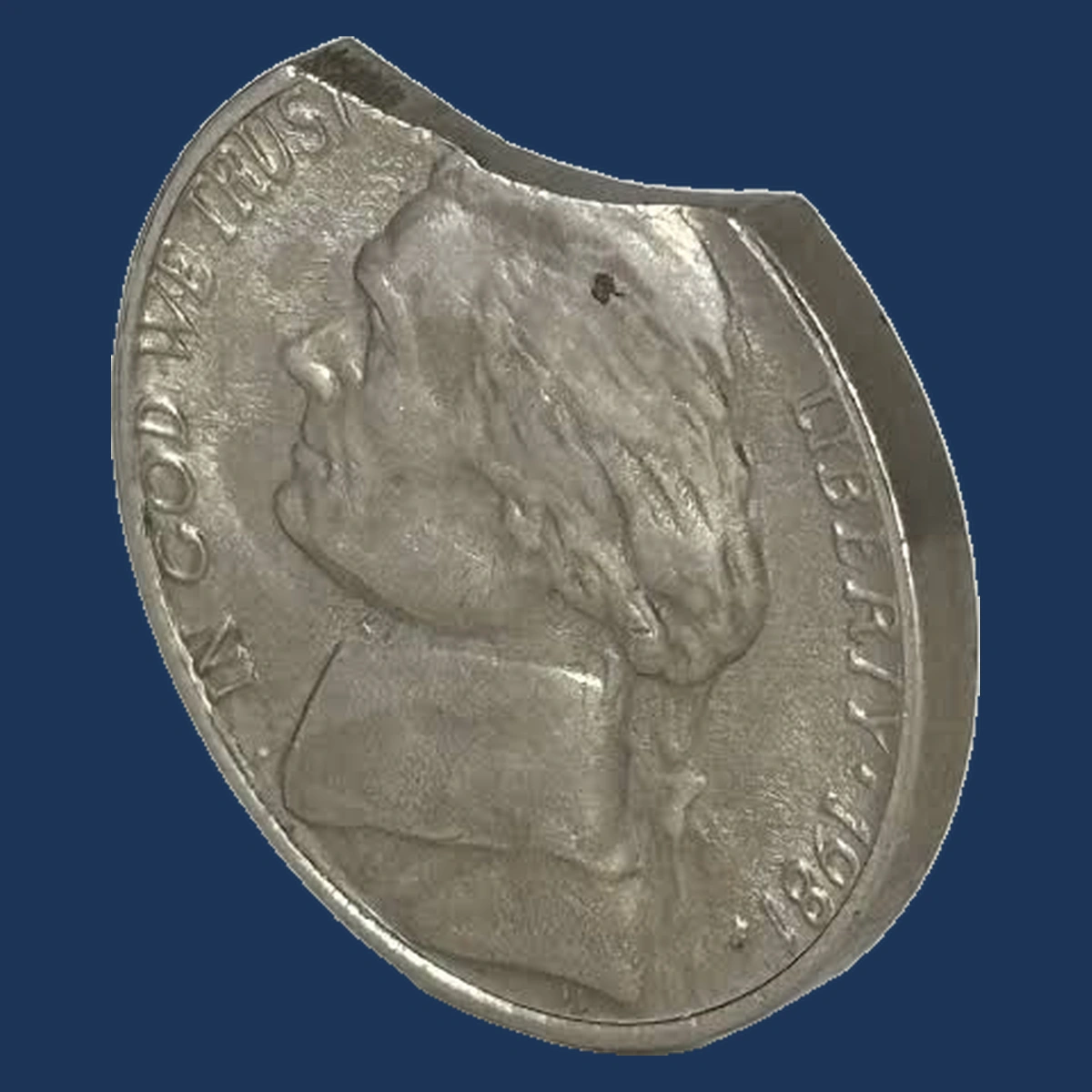
Two missing bites can make a nickel look as though something chewed its edge. On a clipped blank, those gaps existed before the coin was struck.
A 1981-P example graded NGC MS64 has two clips. That grade describes an unworn coin, although small marks can remain on its surface.
Single curved and straight clips are also reported for the year. Overlapping punches can create curved gaps when blanks are cut from metal strip; a blank cut across the strip’s outer edge can instead have a straight missing section.
Estimated Value
The double-clipped Philadelphia coin appears in a January 2024 sale record at $168. A reasonable estimated range across single and double clips is $20–$250.
Two well-formed gaps may create a stronger display than one tiny missing sliver, but size and condition still matter. The $168 result belongs to that particular double clip, not every 1981 nickel with two damaged spots along its edge.
How to Identify
Inspect each gap separately. Two missing sections do not become a double clip if one is natural and the other was cut later.
At 10× magnification, look along the walls and the ends of both gaps for saw grooves or sharp burrs. The nearby struck rim may weaken toward a genuine clip, and the opposite rim may also be weak.
A digital scale should show some loss from the normal 5.00 grams, depending on the missing area. With calipers, compare the surviving full width with 21.21 millimeters rather than measuring straight across a gap.
The important connection is between each missing section and its nearby struck rim, where the design should flow naturally toward the absent metal.
4. 1981 Jefferson Nickel Off-Center Strike
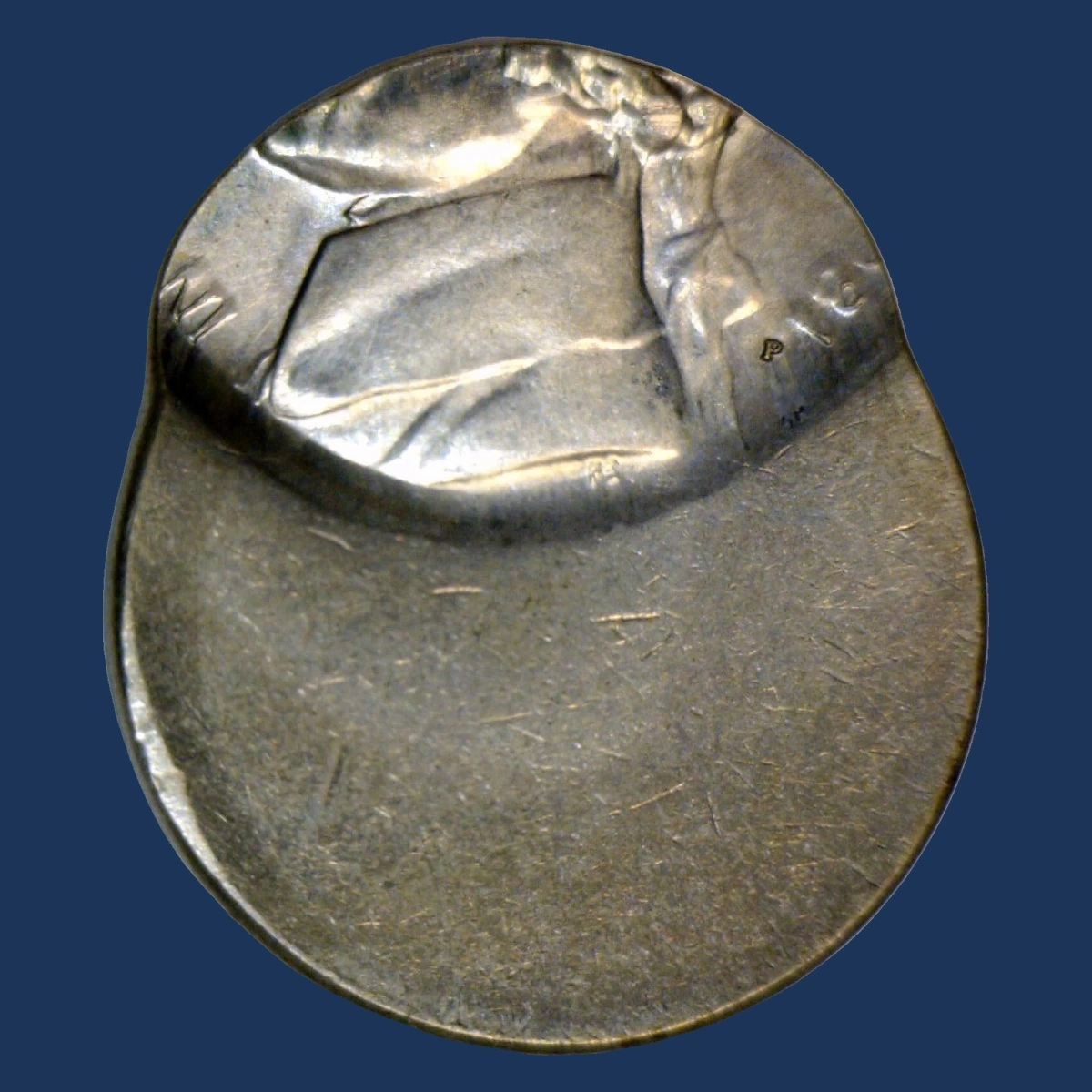
The blank area beside Jefferson is part of the original metal, not an erased piece of the design. A misplaced blank received the dies’ blow away from its center.
One 1981-P example was struck about 15% off center toward 11 o’clock. ANACS graded it MS63, indicating no circulation wear but more marks than higher Mint State grades.
Both faces belong to the same misplaced strike. A front design shifted inside an otherwise normal coin is different, because the reverse may remain centered when only one die moves.
Estimated Value
An estimated $25–$250 covers visible off-center 1981 nickels, with the cited 15% example toward the more modest end. More dramatic displacement can raise interest when the date remains readable.
The estimate depends on the amount of missing design and the condition of the open blank area. It is not a recorded price for that ANACS MS63 coin, and a small uneven rim alone does not justify it.
How to Identify
First turn the coin over. The blank crescent should relate to a similarly displaced striking area on the other face, rather than a normal centered reverse.
On the cited Philadelphia example, compare the roughly 15% shift and 11 o’clock direction with photographs. The date and P should belong to the struck portion, not an added label or guessed identity.
Use a 10× magnifier along the boundary of the open metal. Grinding marks or a sharply cut trench would be a reason to question the apparent blank area.
Calipers can record the changed outline against a normal diameter of 21.21 millimeters. A digital scale should remain near 5.00 grams, because an off-center blow moves the design without removing a crescent of metal.
5. 1981 Jefferson Nickel Struck through a Cap or Folded Metal
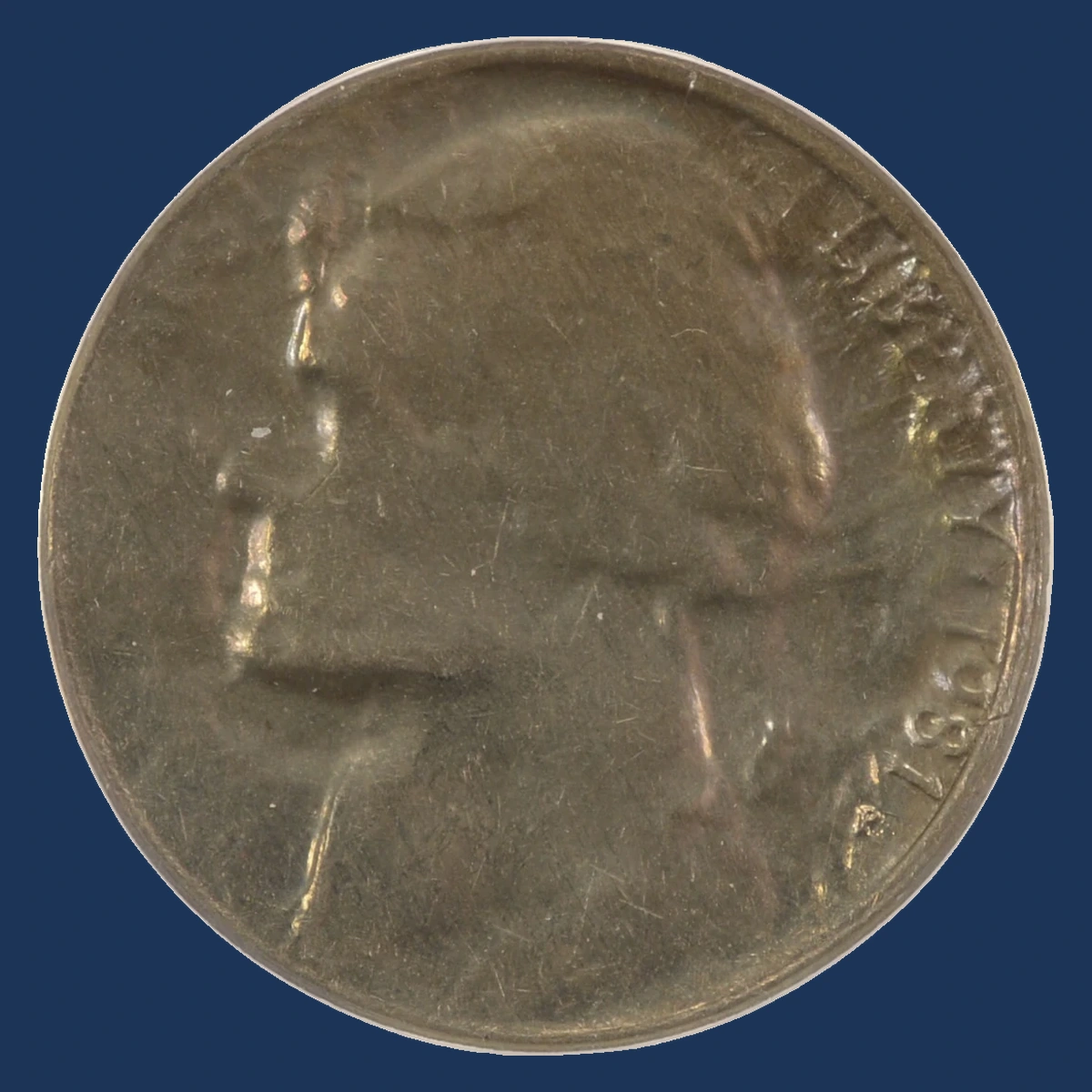
A thin layer between the die and a new blank can soften Jefferson into a faint outline. One 1981-P coin combines that blocked strike with raised evidence of a split stamping tool.
Another 1981 nickel shown by Error-Ref has a split toward one side and impressions from folded thin metal. A torn die cap is a possible source of that metal.
Late-stage cap strikes are also reported for Philadelphia. Here a previously struck coin has stayed on the tool, becoming a thin cover that affects later coins.
Estimated Value
The Philadelphia coin struck through a capped split die sold for $161 in August 2010. An estimated $40–$350 covers comparable blocked strikes, with an obvious split-die combination toward the stronger end.
The split and softened design on that coin share one sale price. They should not be valued as two separate purchases.
The folded-metal example and reported late-cap coins require their own comparisons with the depth and clarity of the affected design.
How to Identify
Two different clues can share the front: a raised split-die line and softened design from metal blocking the blow. Do not assume one explains the other.
Trace the raised line with a 10× magnifier under low light. It should stand above the surface, unlike a later scratch cutting into the metal.
Compare the faint portrait with the back next. A much clearer Monticello helps reveal how the front was obstructed.
A loose nickel normally weighs 5.00 grams and measures 21.21 millimeters, checked with a digital scale and calipers.
For the folded-metal example, study the shallow overlapping impressions in the blurred area. Their irregular boundaries offer more information than a generally dull or worn portrait.
6. 1981 Jefferson Nickel Broadstrike
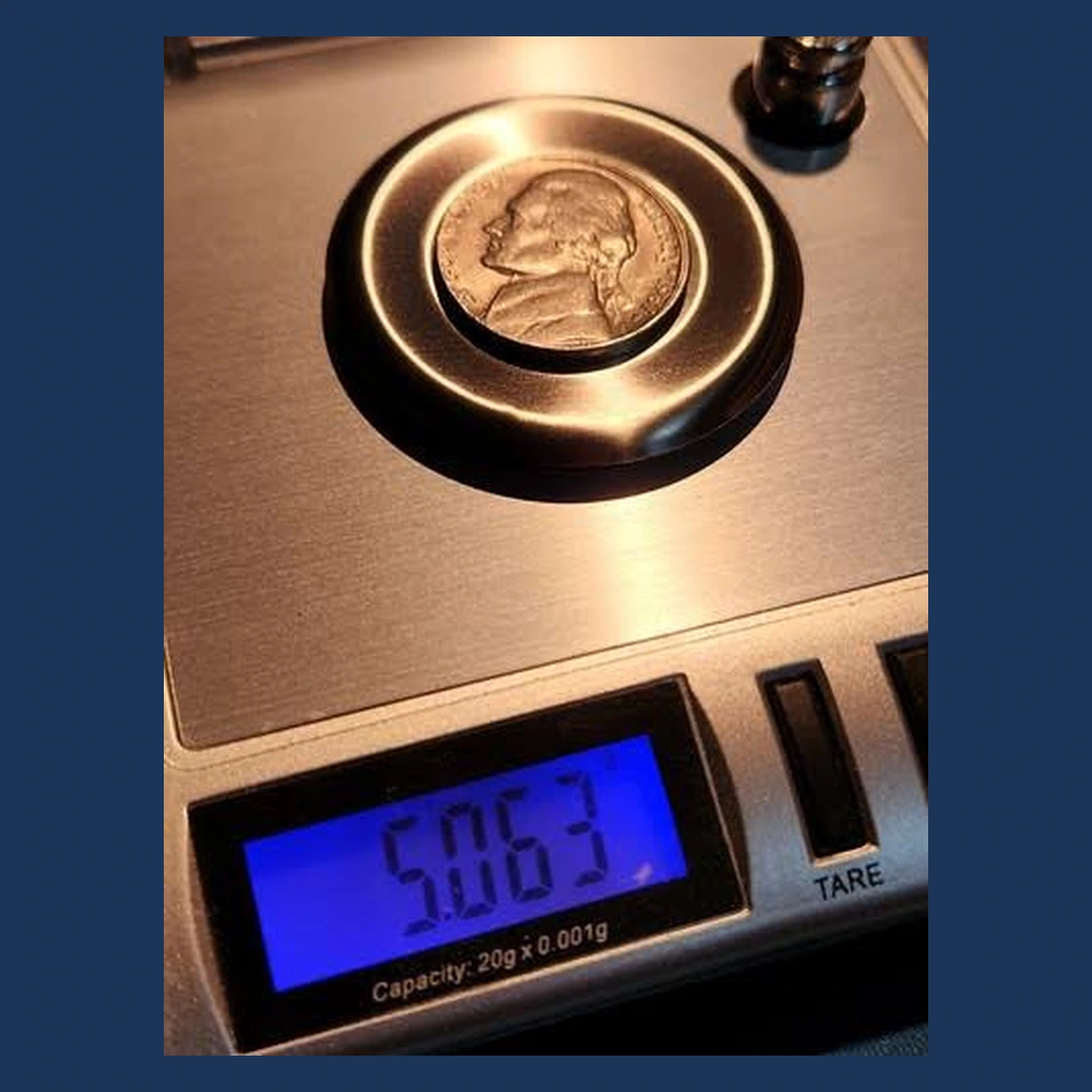
The letters fit, but the coin spreads beyond them. A broadstrike forms when the collar fails to contain the blank’s sides during the blow.
Philadelphia examples include an NGC MS66 coin and another described as a huge broadstrike, graded PCGS MS66. These are separate specimens with their own shapes.
An NGC MS65 example also carries the Full Steps designation, which refers to clear steps on Monticello. Those steps describe strike quality rather than a second error, and the ordinary plain edge does not itself identify a broadstrike.
Estimated Value
A Philadelphia broadstrike graded NGC MS66 sold for $115 in August 2010. A much wider PCGS MS66 example appears in a February 2015 sale record at about $282.
Estimate $40–$400, allowing for how far the border spreads and how well the surfaces survive. The word “huge” describes one coin, not a fixed measurement or a guarantee that another broadstrike will bring the same price.
How to Identify
Follow the outside letters around both sides. They should remain part of a substantially complete design, with extra metal beyond them rather than a large missing section.
Measure across several directions with calipers, using 21.21 millimeters as the ordinary diameter. A broadstrike may spread unevenly, so one measurement can miss its most obvious expansion.
The normal mass is 5.00 grams, which a digital scale can check without pressing on the coin. Under a 10× magnifier, inspect the border for signs that someone later hammered or squeezed it wider.
A natural spread carries struck detail into the enlarged shape. Flattened letters and smeared metal across the surface would call for a different explanation.
7. 1981 Jefferson Nickel Struck on a Split Blank
This nickel is much lighter than it looks. The metal blank separated into thinner pieces before striking, and one piece received the nickel design.
The documented 1981-P example weighs 2.91 grams and was graded ANACS MS60. A normal nickel weighs 5.00 grams, so the loss is far beyond a small weighing difference.
The split can leave a rough surface, yet the design was struck after that separation. This sequence differs from a layer peeling off a finished coin and from someone grinding metal away to make a thin novelty.
Estimated Value
For a confirmed 1981 nickel struck on a split blank, estimate $30–$400. The auction index lists the 2.91-gram ANACS MS60 coin at $30 in August 2021.
The wide range allows for stronger design, a more striking thin shape, and better surface preservation. A low weight by itself does not earn an error premium; the surviving surface must support separation before the coin was struck.
How to Identify
Examine the thin edge before deciding that this is a worn nickel. A split blank lost metal before striking, so its thinner body should still carry design impressed after the separation.
With a 10× magnifier, study how the letters and portrait meet any rough separated surface. Grinding after minting instead cuts through the already struck design and can leave parallel abrasive lines.
Calipers can compare the width with the normal 21.21 millimeters, while a digital scale checks the loss from 5.00 grams. Match the 2.91-gram reading only to this recorded Philadelphia specimen, then confirm that its design crosses the natural split surface rather than being ground away.
8. 1981 Jefferson Nickel Misaligned Die and Partial Collar
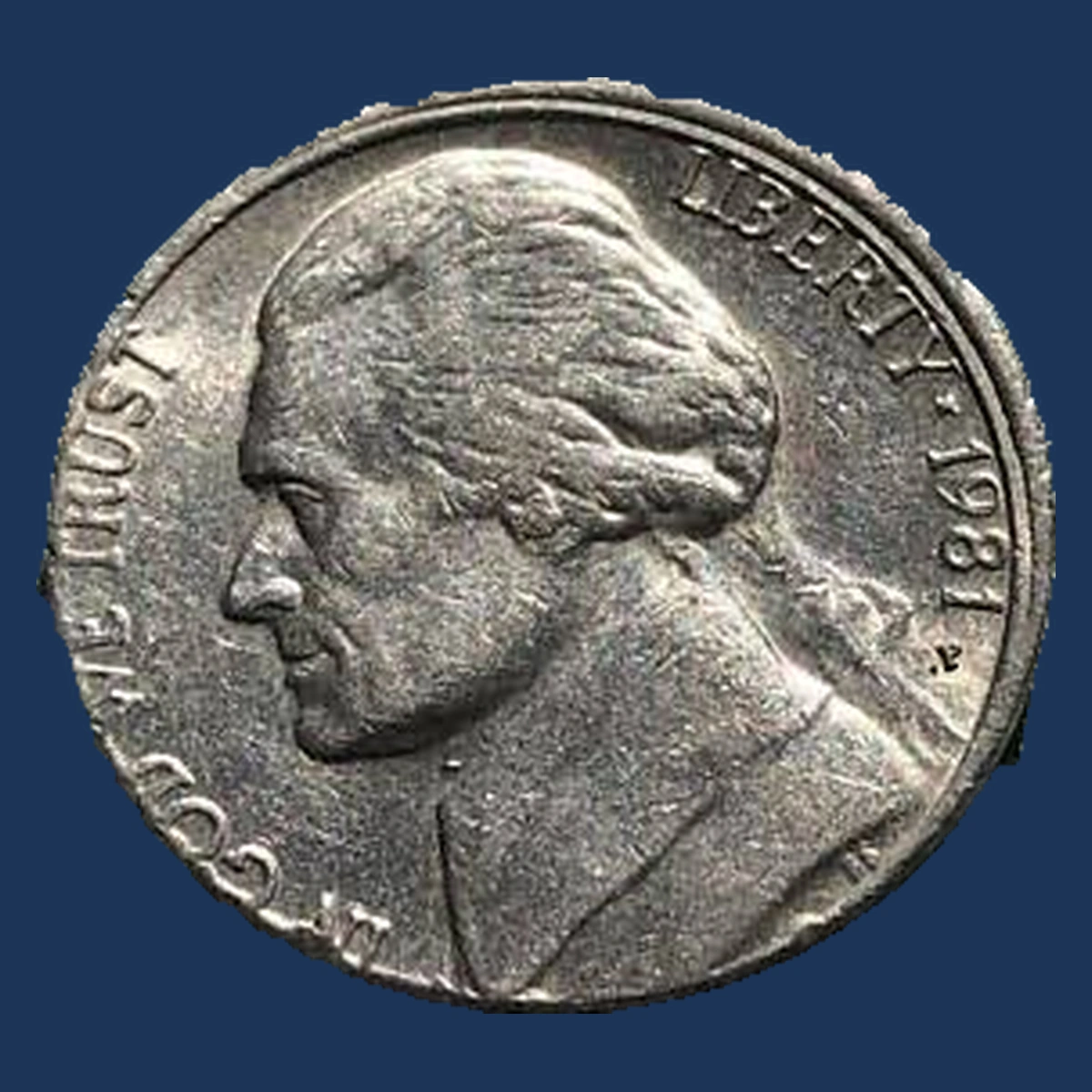
The front border can be wide on one side and narrow on the other while the reverse stays more centered. In that case, a die moved rather than the entire blank.
One Philadelphia example was graded NGC MS66 Full Steps. Another, graded ANACS AU58, combines a shifted front die with a partial collar strike.
The collar is the ring that contains the blank during striking. If the blank sits only partly inside it, the edge can develop a step where contained metal meets metal that spread more freely.
Estimated Value
The NGC MS66 Full Steps coin appears in a December 2023 sale record at $432. Its high grade and clear steps are part of the whole coin’s appeal.
Across these errors, estimate $10–$500, with slight circulated shifts at the low end. A 2012 listing including the ANACS AU58 partial-collar coin is recorded at $24, which is not a separate price for each feature.
How to Identify
Photograph both faces with the camera directly above them. A tilted photograph can make even a normal rim appear wider on one side.
Compare the front and back borders under a 10× magnifier. A displaced front beside a more normally centered back supports a misaligned front die.
For the partial-collar combination, turn the coin on edge and follow any step around it. Jefferson nickels have plain edges, so missing grooves are not the test.
Check a loose piece with a scale near 5.00 grams and calipers near the normal 21.21-millimeter width. The stepped edge should fit the striking shape, without a cut seam or an added ring.
9. 1981 Jefferson Nickel Cracked and Broken Dies
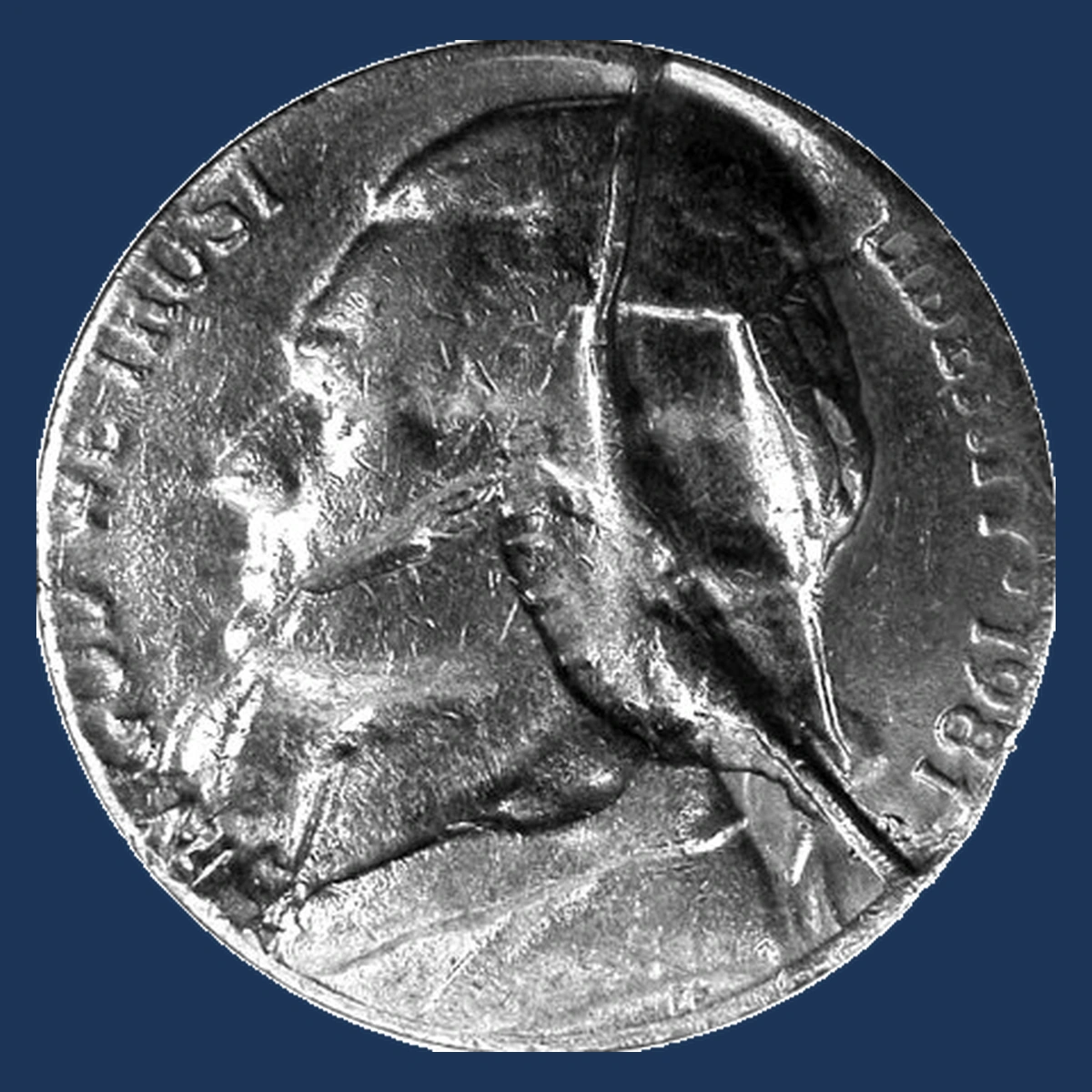
Raised lines can spread across Jefferson when the stamping tool starts to crack. Metal enters those narrow gaps during the strike and leaves ridges on the coin.
If part of the tool breaks away beside the rim, a larger raised patch can replace the design. Collectors call that rim-connected patch a cud.
Two Philadelphia cud patterns are cataloged for 1981, alongside an auctioned coin described as struck from a shattered front die. The branching lines and the two rim breaks belong to separate examples, not one required pattern.
Estimated Value
The shattered-die nickel graded NGC MS60 sold for $402.50 in August 2010. A separate Philadelphia cud example graded NGC MS65 brought $161 in the same auction.
Use an estimated $20–$600 across small cracks, obvious cuds, and strongly shattered designs. The shape and reach of the raised metal matter greatly.
An isolated fine crack should not inherit the price of the more dramatic shattered-die coin.
How to Identify
Pass the light sideways across the suspect lines. Raised branches cast small shadows on the coin, while scratches are grooves cut into it; a 10× magnifier makes the difference easier to see.
For a cud, follow the larger raised patch all the way to the rim. Check that it replaces the normal design and has no seam suggesting an attached lump.
Use a digital scale and calipers on a loose coin to compare with 5.00 grams and 21.21 millimeters. Then match the connected branches or the rim break’s outline to the appropriate photograph, keeping the two separate Philadelphia cud patterns distinct.
10. 1981 Jefferson Nickel Double Strike
A second blow can push part of Jefferson or the lettering into a new position. One Philadelphia example graded NGC MS63 has a second off-center strike.
Another 1981-P coin, graded ANACS MS60, received its second strike about 85% off center with one side blocked. The later striking area therefore lacks design on that side.
A Cornell collection description also records a 1981 nickel with a second strike called 100% off center. Its mint is not specified, and that wording should not be mistaken for two complete, readable designs.
Estimated Value
A Philadelphia double strike graded NGC MS63 appears in a June 2023 sale record at about $124. Estimated prices of $75–$650 allow for more dramatic overlaps and clearly visible second impressions.
The ANACS MS60 coin with the 85% blank-sided second strike sold within a five-coin group listed at about $164 in December 2014. That total is not its individual sale price, and it should not be divided evenly among the coins.
How to Identify
Find a design feature that appears in two different places, such as part of Jefferson’s face or a repeated word. Follow each impression outward rather than treating any doubled line as a second strike.
With a 10× magnifier, check the overlap for a natural crossing of the two impressions. A later stamp from another coin may instead leave an incuse, mirror-image design.
On the 85% example, compare the second-strike area on both faces to find the blocked side. Do not assume it is the front or back without the matching photographs.
Record its outline with calipers and weight with a digital scale, against the normal 21.21 millimeters and 5.00 grams. The overlap should explain how the second blow changed the first design.
11. 1981 Jefferson Nickel Wrong Planchet
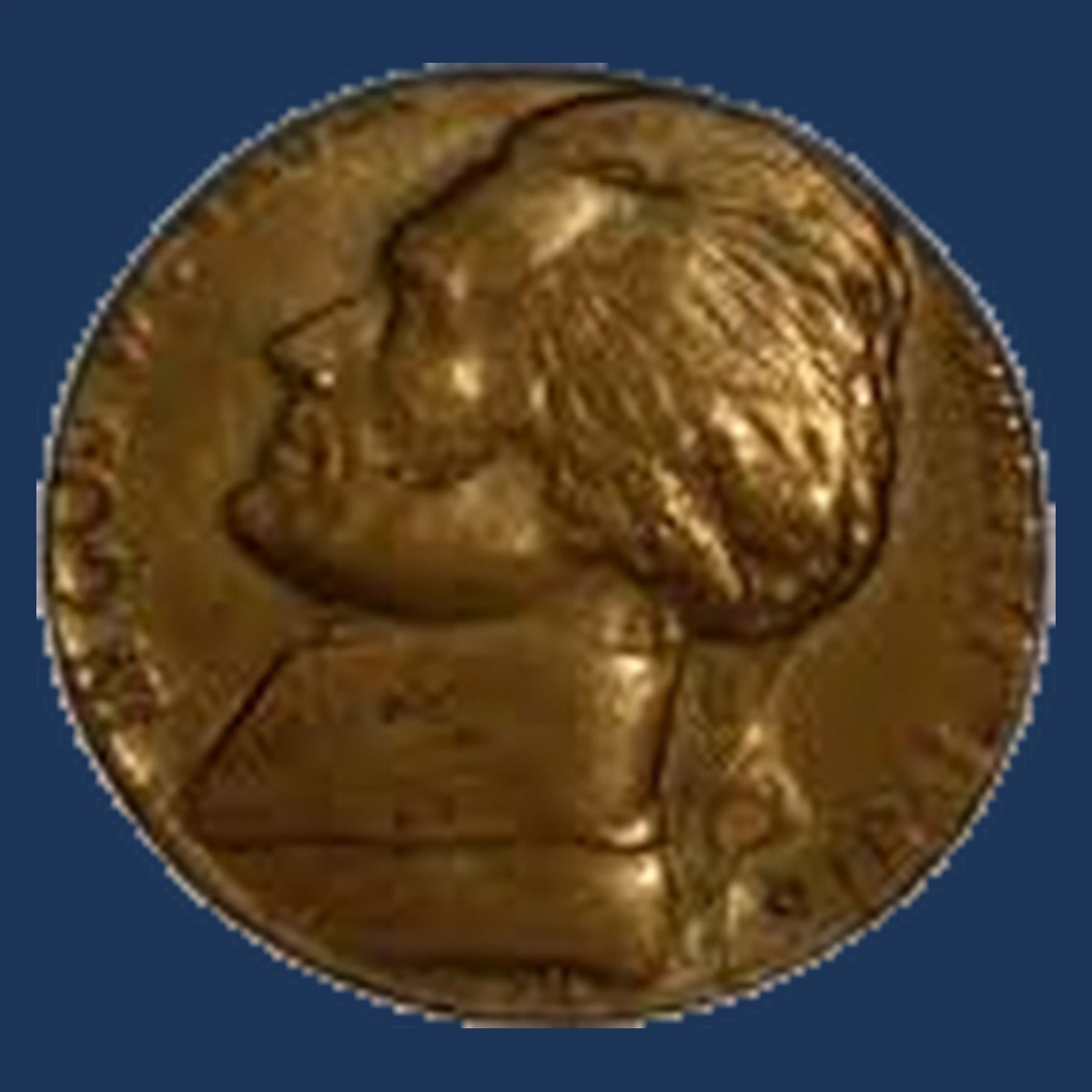
A small copper-colored nickel can have outer letters cut off because its blank belonged to another denomination. Several 1981-P examples were struck on cent blanks weighing around three grams.
The ordinary cent of that year was a copper alloy, with a normal weight of 3.11 grams. Individual error specimens have recorded weights of 3.03, 3.05, or 3.10 grams.
A different Philadelphia nickel was cataloged on a foreign blank weighing 3.82 grams. Its country was not identified, so that weight should not be used to invent a particular foreign denomination.
Estimated Value
Estimate $200–$1,000 for these wrong-blank 1981 nickels. Sale records list a 3.03-gram cent-blank example graded CACG MS63 Red at about $671 in June 2026.
The 3.82-gram foreign-blank coin, graded PCGS AU58, is listed at $312 in July 2022. They are different blanks and different coins.
Compare metal, retained design, and surface quality before treating one result as the likely value of another specimen.
How to Identify
Use a digital scale that reads hundredths of a gram. The ordinary 5.00-gram nickel is substantially heavier than either the cent-blank examples or the recorded 3.82-gram foreign blank.
Calipers add another useful measurement. A 1981 cent blank starts near 19.05 millimeters across, compared with a nickel’s 21.21 millimeters, although striking can change its final shape.
Inspect clipped-off outer letters and the remaining surface under a 10× magnifier. Added copper plating changes color without making a normal nickel into a smaller cent blank.
Check for any earlier Lincoln design, which would instead indicate a finished cent under the nickel strike. For the foreign example, identification requires the grading record and metal evidence, not weight alone.
12. 1981 Jefferson Nickel Bonded Pair
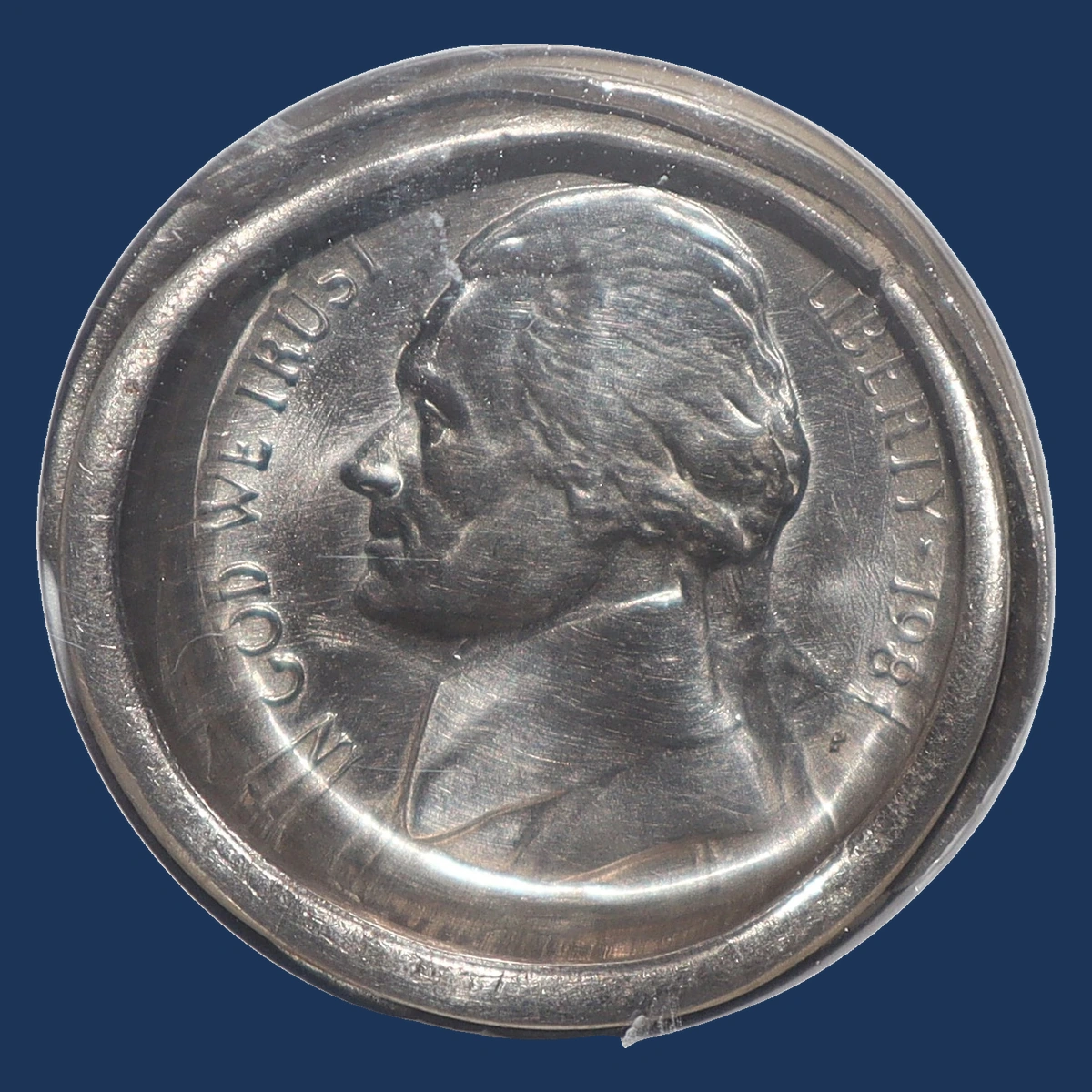
Two blanks entered side by side instead of one. Both were struck off center at the same moment, and moving metal joined their touching edges.
The result is a bonded pair rather than two loose coins from separate strikes. This 1981-P pair was graded NGC MS65 and retains strong main design details.
The outer lettering is heavily distorted, and rotating the piece helps reveal the date. The clear steps on Monticello are visible features, but this pair did not receive a separate Full Steps designation on its grading label.
Estimated Value
The bonded pair sold for $1,610 in August 2010. For a comparable 1981 pair with a sound connection and readable design, estimate $1,200–$2,500.
That price covers the joined object as a whole, not each blank separately. Damage to the connection or an attempt to pull the pieces apart would harm the feature that makes this striking error so unusual to see.
How to Identify
Leave the connection alone. Pulling or bending the pieces risks destroying the very feature you want to examine.
Start with side-lit photographs of the meeting edge and inspect them with a 10× magnifier. The metal should flow together without a visible glue layer or bead of solder.
Follow the stretched lettering away from the joint on each piece. Both designs need to fit the same simultaneous strike.
Each normal nickel blank starts at 5.00 grams and 21.21 millimeters. Record a loose pair with a scale and calipers only if that can be done without stressing its bond.
Rotate the photographs until the surviving date can be followed through the distorted lettering.
13. 1981 Jefferson Nickel Double Denomination
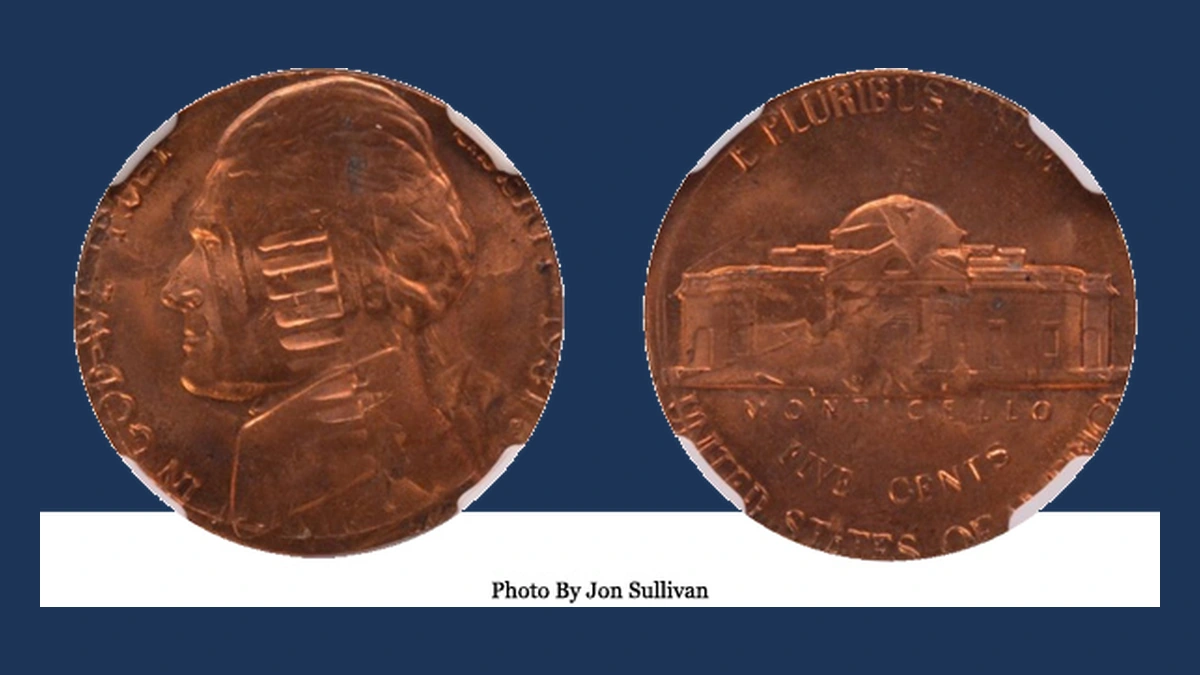
This mistake can work in two directions. A 1981-P nickel graded NGC MS63 Red was struck over a finished Lincoln cent, leaving parts of the cent underneath.
Another event began with a 1981 nickel, which was flipped over and struck by 1981-P quarter dies. Pieces of the nickel design survived beneath Washington’s denomination.
The original nickel’s mint is not established in that second case. Both involve an already struck coin receiving another denomination, but neither should be confused with a design struck on an unused blank.
Estimated Value
Estimate $300–$1,200 for a 1981 nickel over a cent, and $1,000–$3,500 for a confirmed quarter over a 1981 nickel. These ranges apply to the complete error coins.
A separate 1981-P nickel-over-cent example graded NGC MS64 Red and Brown is listed at $528 in September 2024. The larger estimate for a quarter-over-nickel reflects a different combination, rather than a sale price assigned to the documented nickel underneath.
How to Identify
Read the surviving earlier design before assigning a date to the whole error. The quarter’s 1981 date does not establish that the nickel underneath is also 1981 unless nickel details support it.
Use a 10× magnifier to follow which design crosses the other. Jefferson over Lincoln points to a nickel strike on a cent, while Washington over Monticello runs in the opposite direction.
A digital scale distinguishes a normal 3.11-gram 1981 cent from a 5.00-gram nickel. Calipers record the spread beyond their starting widths of about 19.05 and 21.21 millimeters, but the earlier design remains the clearest way to tell which coin entered the press.
Conclusion
Prices across these 1981 nickel errors are estimated at $10–$3,500, with tiny mint-mark differences at one end and major two-denomination mistakes at the other. Start with the feature you can actually see.
A rim gap, raised crack, or second design leads to a different set of checks. For thin or copper-colored coins, add weight and diameter measurements before seeking professional identification.
Keep every unusual surface and connection intact.