1811 Cent Error List with Pictures

A faint curve under the last digit can matter more than a dramatic misshapen outline. One 1811/0 cent with light wear brought $66,125 in September 2009.
These 1811 Classic Head cent errors range from peeling copper to a reversed portrait and two overlapping strikes. Estimated whole-coin values run from $150 to $70,000, depending on the error and the coin’s condition.
The examples below explain what to look for, why it happened, and how to choose a useful price comparison.
1. 1811 Classic Head Cent Peeling Copper
A thin flap or shallow missing patch can come from a weak layer inside the copper. Collectors call this a lamination.
The weakness may open before or after the coin receives its design. It differs from corrosion, which eats into the metal from the outside.
Lamination is reported for 1811 cents, without a specific position given for the affected area. Look at the actual coin rather than expecting a mark beside one particular letter.
A peeling strip does not mean the entire cent separated into two halves. Small surface flakes and a fully split coin are different physical conditions.
Estimated Value
For a genuine 1811 lamination, use an estimated $150–$6,000 across worn coins and better-preserved examples. This is the price of the whole cent.
An 1839 large cent with two peeling areas brought $600 before the buyer’s fee in January 2026. That later design had light wear.
The comparison shows that peeling need not ruin collector interest. The scarcity and condition of an 1811 cent still carry much of its value.
How to Identify
Do not lift a loose flap. Moving it can remove both original metal and the evidence of how it separated.
With a 10× magnifier, follow the edge of the peeling area under light from the side. A thin overlapping layer or a shallow break can reveal separation within the copper.
Compare that surface with nearby pits. Widespread rough holes suggest corrosion, while bright scratches and pushed-up metal suggest later scraping.
For a loose coin, use a scale and calipers to record weight and diameter against 10.89 grams and about 28 millimeters. Inspect the plain edge too; missing copper or wear can lower the weight.
2. 1811 Classic Head Cent Off-Center Strike
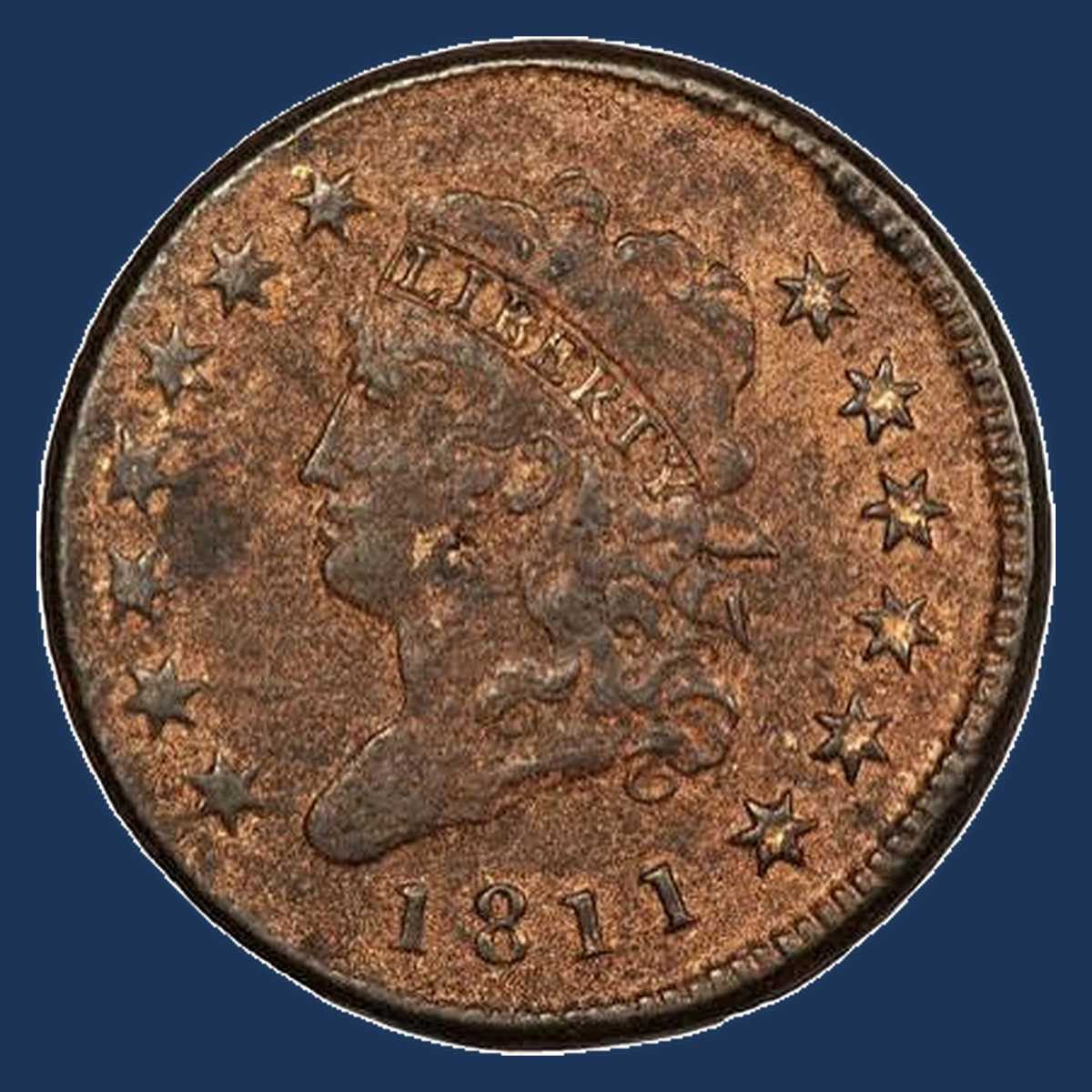
An off-center cent has part of its design missing because the copper disk sat outside the correct striking position. An unused crescent remains beside the impression.
The early-cent reference by Walter Breen records off-center examples for each year from 1809 through 1812. This includes 1811.
The amount of missing design varies between coins. A visible date helps show which year the coin belongs to.
One sideways impression is enough to create this error. A second overlapping design instead points to a repeated strike, even when that later blow also lands off center.
Estimated Value
An estimated $500–$8,000 suits identifiable 1811 off-center cents with moderate wear through sharper examples. A readable date and an obvious blank crescent make the error easier to appreciate.
A later 1855 large cent, struck 70% off center, sold for $1,092.50 in January 2009. It carried a PCGS F15 grade, meaning considerable wear.
That older sale is a comparison across different dates and designs, not a fixed price for every displaced 1811 strike.
How to Identify
Find the date before judging the size of the blank crescent. A severely displaced strike may leave too little of 1811 to read directly.
Then compare both faces: the stamped area should be displaced together, with missing outer design beside unstruck copper. One weak border alone is not enough.
Check the plain edge for a cut surface or fresh tool marks. For a loose coin, a scale and calipers allow comparison with the normal 10.89 grams and roughly 28 millimeters.
An uneven outline can change the measured span without proving that copper was removed.
Finally, scan the blank area and surviving design for a second impression. Two distinct sets of design call for a double-strike identification instead of a single off-center strike.
3. 1811 Classic Head Cent Reversed Portrait Brockage
A portrait appearing backward and sunk into the back of a cent is called a brockage. It forms when an already struck coin presses its raised design into a new blank.
The opposite face can receive the normal design from a die, the steel tool that stamps coins. This leaves one normal portrait and one reversed copy.
The Jack Beymer collection included an 1811 example cataloged as VG10 after allowing for damage. It had deeply cut initials over the reversed date.
Those initials are later damage. They are separate from the mint-made mirror impression beneath them.
Estimated Value
The Beymer example sold for $1,440 including the buyer’s fee. Another heavily worn 1811 brockage in the same auction brought $4,080, illustrating how damage can outweigh remaining detail.
Allow an estimated $1,000–$12,000 for genuine 1811 brockages, from worn or damaged examples to sharper coins with attractive surfaces.
The reversed design’s clarity matters. A deep cut through that design can reduce the appeal even when the portrait itself remains easy to recognize.
How to Identify
Photograph the two faces straight on, then compare the portraits. The unusual face should show a backward copy cut into the surface, not a second normal raised head.
Use a 10× magnifier to follow the reversed letters. A mirror image on a screen can make those letters readable again.
The Beymer coin’s engraved initials should look different from the original sunken design. Follow their cut edges rather than treating every depression as part of the mint error.
For a loose coin, record its weight with a scale and its diameter with calipers: the normal targets are 10.89 grams and about 28 millimeters. Check the plain edge and both faces for later squeezing.
Have an error specialist examine a valuable example before buying it. Pressure applied to coins after minting can also leave misleading sunken shapes.
4. 1811 Classic Head Cent Double Strike, Second 50% Off Center
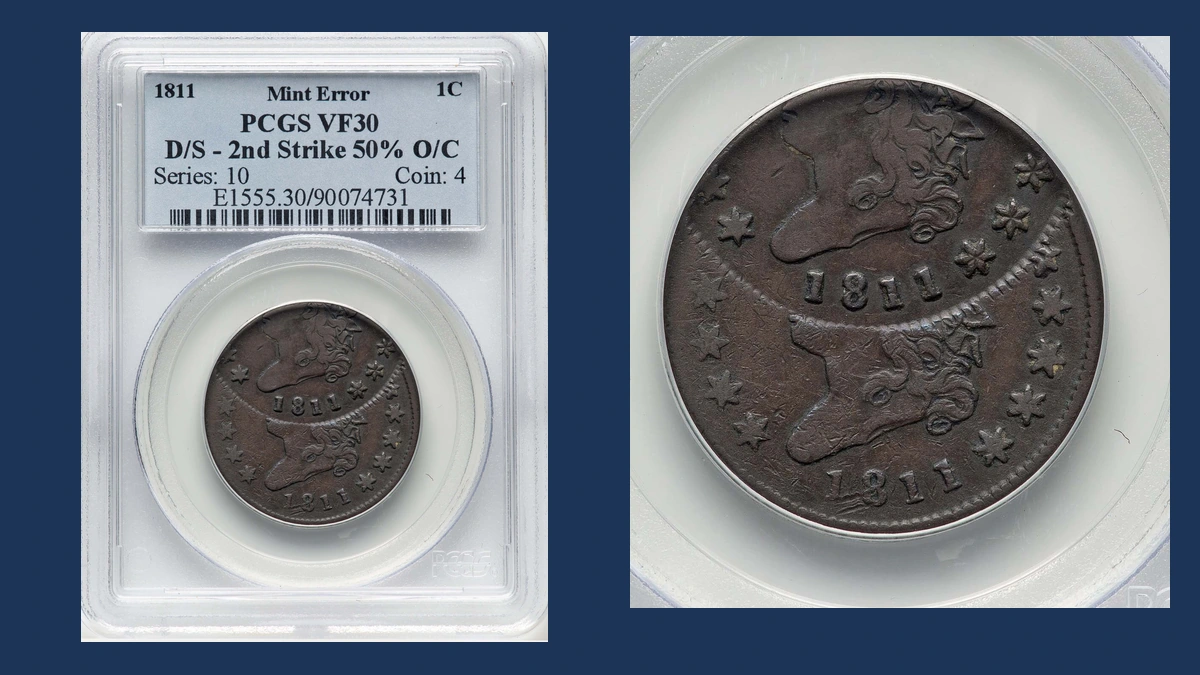
Parts of two separate impressions survive on a double-struck cent. The coin stayed in the press or returned to the striking area after the first blow.
The documented 1811 example moved far enough that its second strike landed 50% off center. Both the displaced impression and the surviving first design help explain what happened.
PCGS graded this coin VF30, a circulated coin with substantial detail remaining. Collectors also identify its normal design as the S-287 variety.
This is a whole-coin striking error. It is much larger than a doubled edge on one letter or digit.
Estimated Value
Mint Error News reported a $16,200 sale for this PCGS VF30 example in September 2025. The price covers the double strike and its off-center second impression together.
A working estimate is $3,000–$25,000 for comparable 1811 double strikes. Weaker or more worn impressions belong toward the lower portion.
A clearly readable first design, strong second impression, and pleasing copper surfaces support higher prices. Each coin’s two-strike pattern is worth examining closely.
How to Identify
Trace one complete set of visible design features before looking at the second set. This helps prevent ordinary damage from seeming like an extra strike.
With a 10× magnifier, follow displaced letters, portrait outlines, and border details across the area struck twice. Their positions should agree with a second impression of the same design.
The documented coin’s second blow landed halfway off center. Compare the layout with its auction photographs rather than estimating that percentage from a single cropped detail.
Measure a loose example with a scale and calipers, using 10.89 grams and about 28 millimeters as normal-coin comparisons. Inspect the plain edge for later trimming; repeated striking can alter the outline.
5. 1811/0 Classic Head Cent Overdate
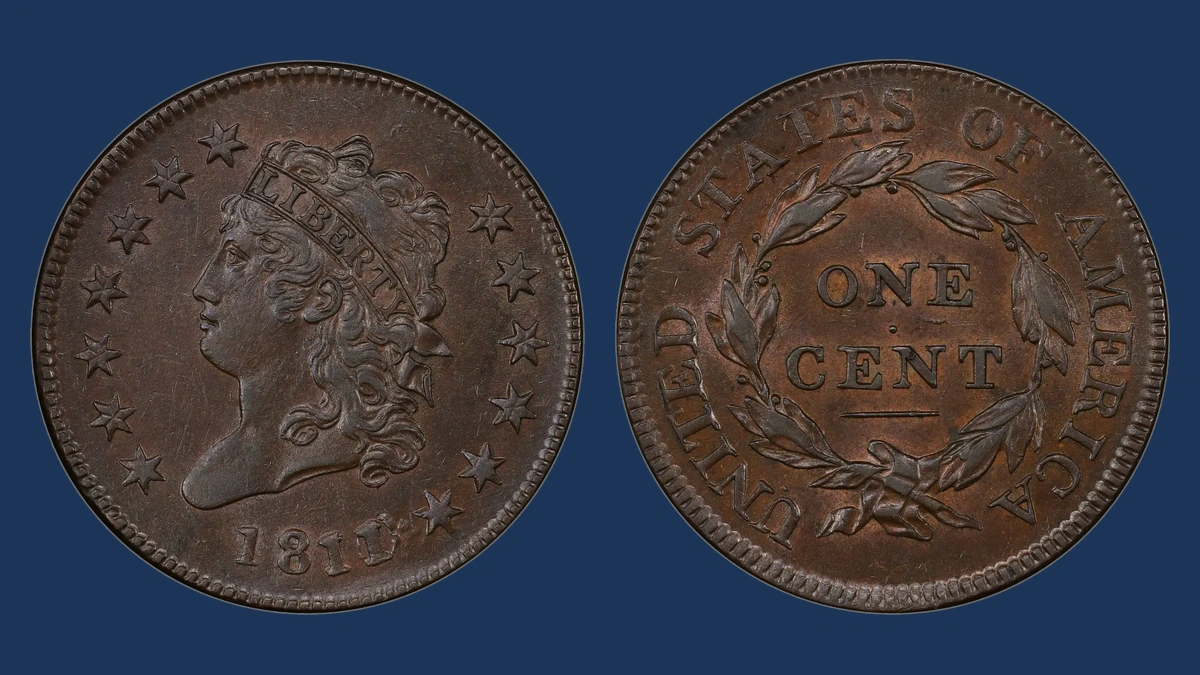
The last 1 can hide part of an older 0 on the 1811/0 cent. This feature is called an overdate because a new digit was punched over an earlier date on the steel stamping tool.
It did not turn an already minted 1810 coin into an 1811 coin. Every cent struck from that altered tool could carry the same trace.
Wear can soften the small curve beneath the final digit. A raised horizontal line below the E in ONE on the back offers another way to recognize this particular variety.
Estimated Value
PCGS lists a $66,125 auction record from Goldberg in September 2009. The coin was AU55, meaning light wear rather than an unworn surface.
Estimate $200–$70,000 from heavily worn identifiable examples through outstanding lightly worn coins. The upper end reflects the scarcity of well-preserved overdates.
A smooth surface and clear date matter greatly. This range values the complete coin, rather than adding a separate charge for the small remaining 0.
How to Identify
If the final digit looks almost normal, turn the coin over. Look directly below the E of ONE for the raised horizontal line associated with this overdate.
Return to the date under a 10× magnifier and trace the remaining curve beneath the final 1. Compare both details with close photographs of an authenticated 1811/0.
A scratch is a cut into the coin and will not duplicate the raised mark below ONE. Do not dig at the date or clean it to reveal hidden detail.
The same copper specifications apply to normal-date and overdate cents: 10.89 grams, roughly 28 millimeters, and a plain edge. A scale and calipers check a loose coin’s size, but cannot distinguish those two varieties.
Conclusion
An 1811 cent can show a tiny date change or a dramatic extra impression. Estimated values here span $150–$70,000, with the strongest overdates at the top.
The $16,200 double strike and $66,125 overdate are different coins with different reasons for collector demand. Neither price sets the value of a peeling patch.
Keep the whole coin in view, protect fragile copper, and compare both faces before choosing the matching error and price range.