1833 Cent Error List with Pictures

A tiny peel on the back did not stop one bright red 1833 cent from selling for $17,625 in January 2013. Its exceptional preservation drove that price; ordinary peeling copper is far less valuable.
This 1833 cent error list covers estimated whole-coin prices from $20 to $20,000, including that unusually well-preserved example. Other clues include a turned wreath, extra struck lettering, and a sunken mirror image.
The sections below explain what each feature looks like and how to check it.
1. 1833 Coronet Head Cent Raised Lines from Cracked Stamping Tools
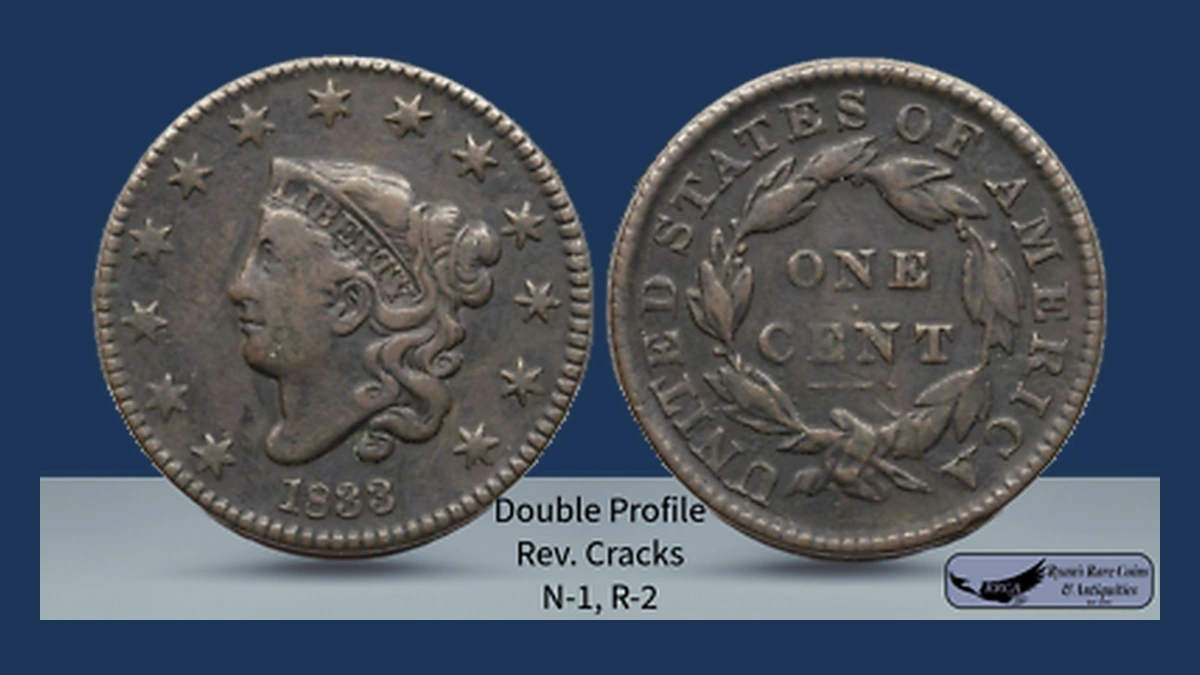
A thin raised line can cross the date area or run among the surrounding stars. This happens when a die, the tool that stamps the design, develops a crack.
Copper enters that opening under pressure. The finished coin keeps a raised copy of the crack.
The year guide reports worn 1833 examples with lines near the date and stars. A separate N-6 auction description records cracks through the lettering on the back.
These are different examples, so their lines need not follow the same route. A scratch cut into the finished copper has a different cause.
Estimated Value
Small cracks on worn 1833 cents fit an estimated $20–$400 whole-coin range. Much of that price buys the old cent itself, especially when the line is faint.
For a comparison, an 1840 cent graded VF35 sold for $288 including premium in May 2025. It had a strong front crack, moderate wear, and a smoothed back surface.
That is a different year and condition. It does not price every short line beside an 1833 star.
How to Identify
The N-6 has cracks through back lettering, while other reports concern the front date and stars. Choose the relevant side before using a 10× magnifier to follow a suspected line.
For a loose cent, a scale and calipers check the usual 10.89 g weight and roughly 28 mm diameter. Wear changes these measurements, so they support the coin’s identity rather than proving that a tool cracked.
Now shine light across the line from both directions and inspect where it meets the nearest letter or star. Copper raised above the surrounding surface fits a tool crack; a groove with pushed-up edges is more likely a scratch through the finished design.
2. 1833 Coronet Head Cent Small Blank Flaw below the Date
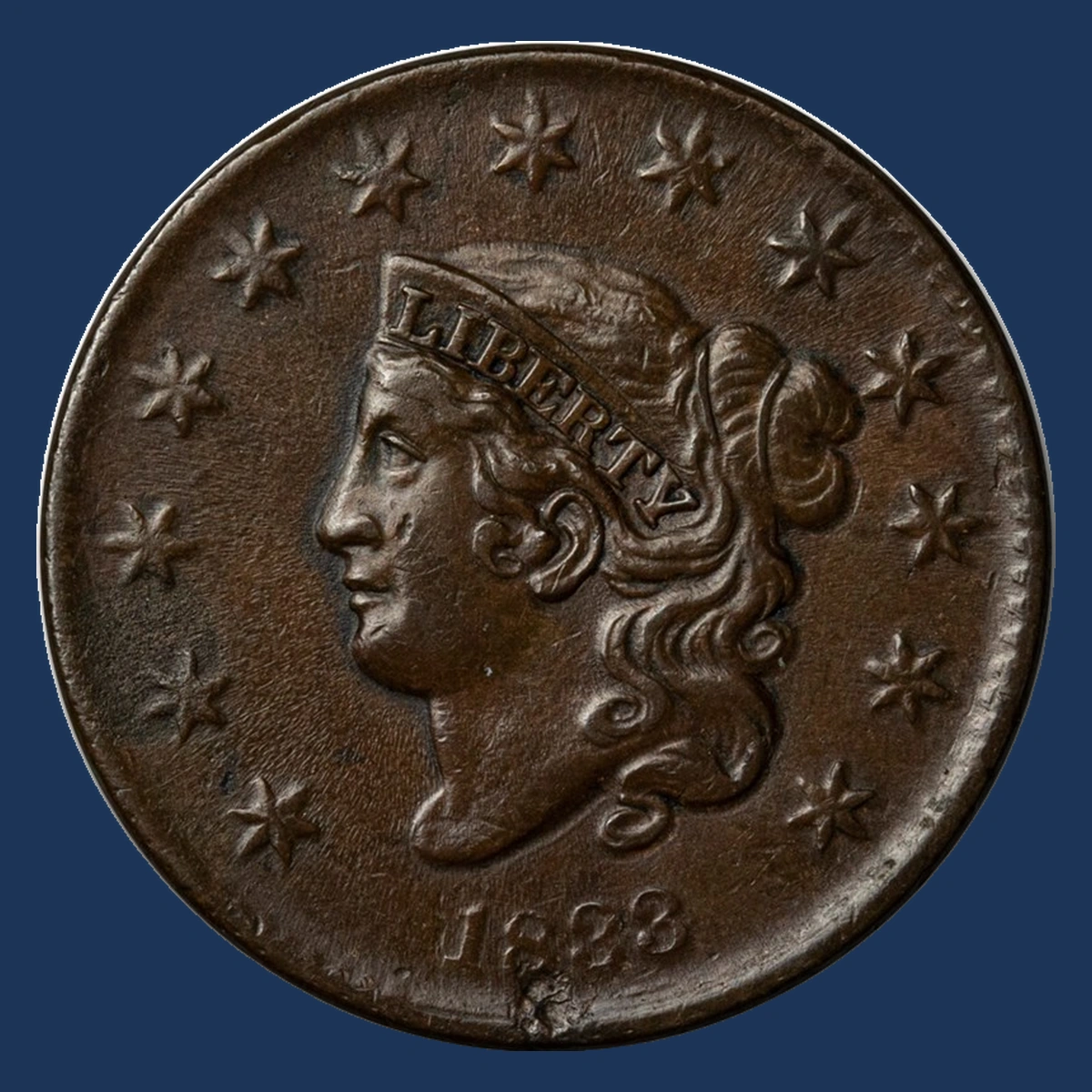
A small defect below the date appears in an APMEX description of an 1833 cent. The seller calls it a planchet flaw, meaning a flaw in the metal blank used to make the coin.
The listing describes light wear but does not name a more specific cause. A small hole, a split, and a peeling layer are not interchangeable descriptions.
That distinction matters when examining a similar mark. A later blow or corrosion can also leave a hollow below the date.
The location alone therefore does not prove that a defect began before the coin was struck.
Estimated Value
Allow an estimated $80–$600 for an 1833 cent with a small original blank flaw, depending on wear and surface quality. The flaw can lower eye appeal instead of adding a premium.
The APMEX example was described as AU, meaning only light circulation wear. Its listing supplies no sale price used here.
Treat this range as a whole-coin estimate. A tiny mark below the date does not by itself support a high error price.
How to Identify
First decide whether the hollow contains shaped coin detail or simply interrupts a finished surface. A 10× magnifier and light from opposite sides can reveal the edge of the depression.
Look for scraping, sharp cuts, or corrosion pits nearby. If a thin sheet remains attached, it may suggest peeling metal, but the seller’s general wording does not establish that diagnosis.
Keep the date and lower border in the same photograph as the flaw. Check that the pictured coin matches the seller’s description rather than assuming a general product image shows that example.
A normal copper cent has a plain edge and measures about 28 mm with calipers.
Weigh a loose example against 10.89 g on a scale, but expect a small defect to cause little measurable change. Its layered, cut, or pitted edge usually tells you more than a tiny weight difference.
3. 1833 Coronet Head Cent Back Design Turned from Its Normal Position
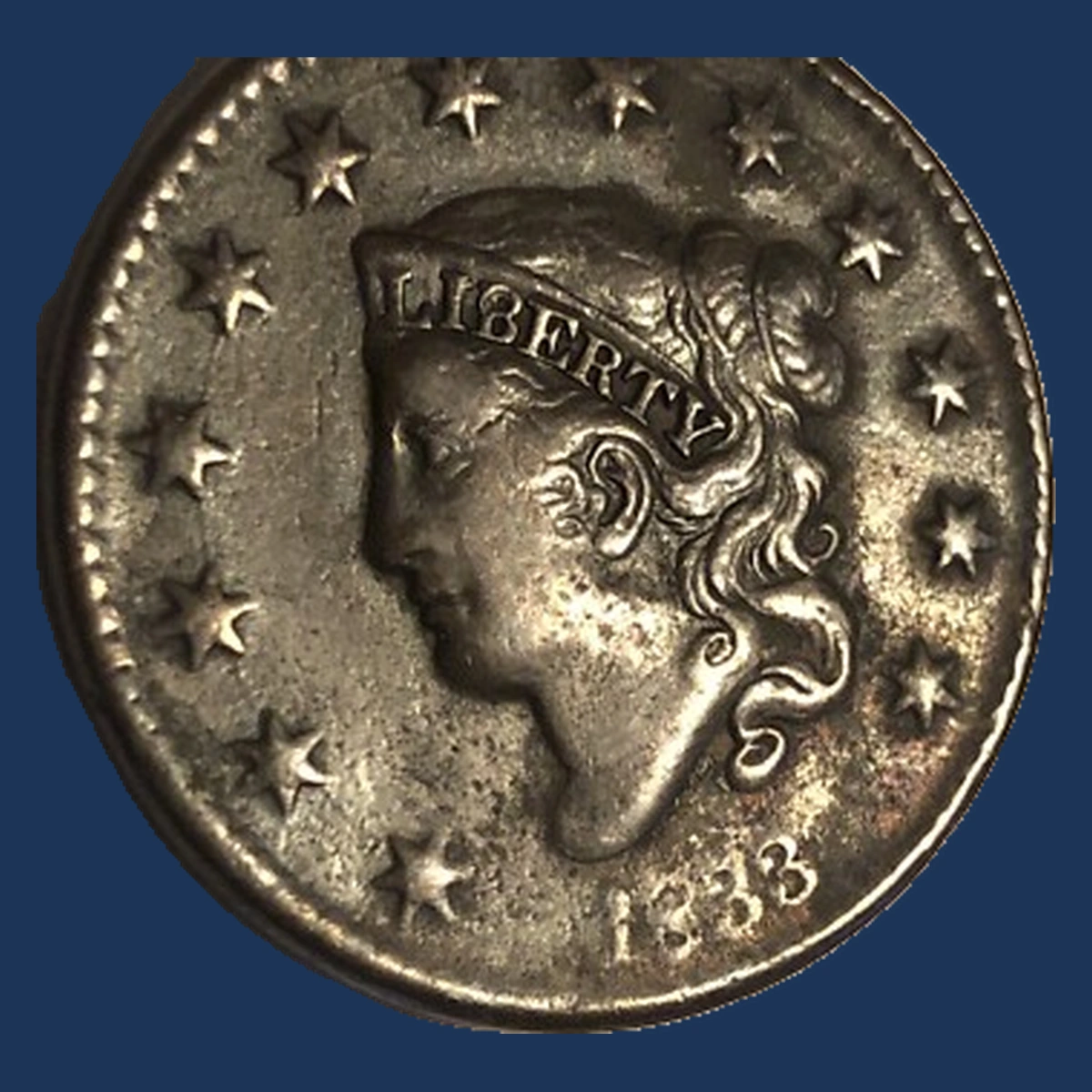
The wreath should stand upright when you turn an upright portrait over from top to bottom. If it leans instead, the two stamping tools were set at a different angle.
This is called rotated dies. The design on each side can still look normal when viewed alone.
An 1833 auction listing reports a rotated back without giving its angle. A year guide separately mentions thirty-degree and forty-five-degree examples.
Those measurements do not automatically describe the auction coin. A small lean and a large turn belong to the same error family, but each example needs its own measurement.
Estimated Value
Estimated prices span $40–$400 for worn examples with a clear turn, rising to roughly $400–$3,000 with stronger preservation. The angle and condition both matter.
A 2026 auction listing gave an 1833 rotated cent a $40–$400 estimate, not a published sale result.
For an actual comparison, a widely rotated 1852 NGC MS65+ Red-Brown cent sold for $2,350 in November 2014. That higher-grade, unworn cent is a different year.
How to Identify
Use a fixed vertical line behind the coin and a protractor beside the back photograph. Hold Liberty upright, flip top to bottom, and record where the wreath’s top now points.
Do not turn the coin sideways during the flip. Repeat the movement to check that your fingers did not introduce the apparent lean.
Wear can hide the topmost leaf, so a 10× magnifier helps locate the whole wreath’s central line. Measure that line rather than one bent-looking letter.
A loose 1833 copper cent normally weighs 10.89 g and measures about 28 mm; check with a scale and calipers. Keep the two faces linked in one controlled flip, because separately straightened photographs erase the angle you need to see.
4. 1833 Coronet Head Cent Second Strike Shifted across the Back
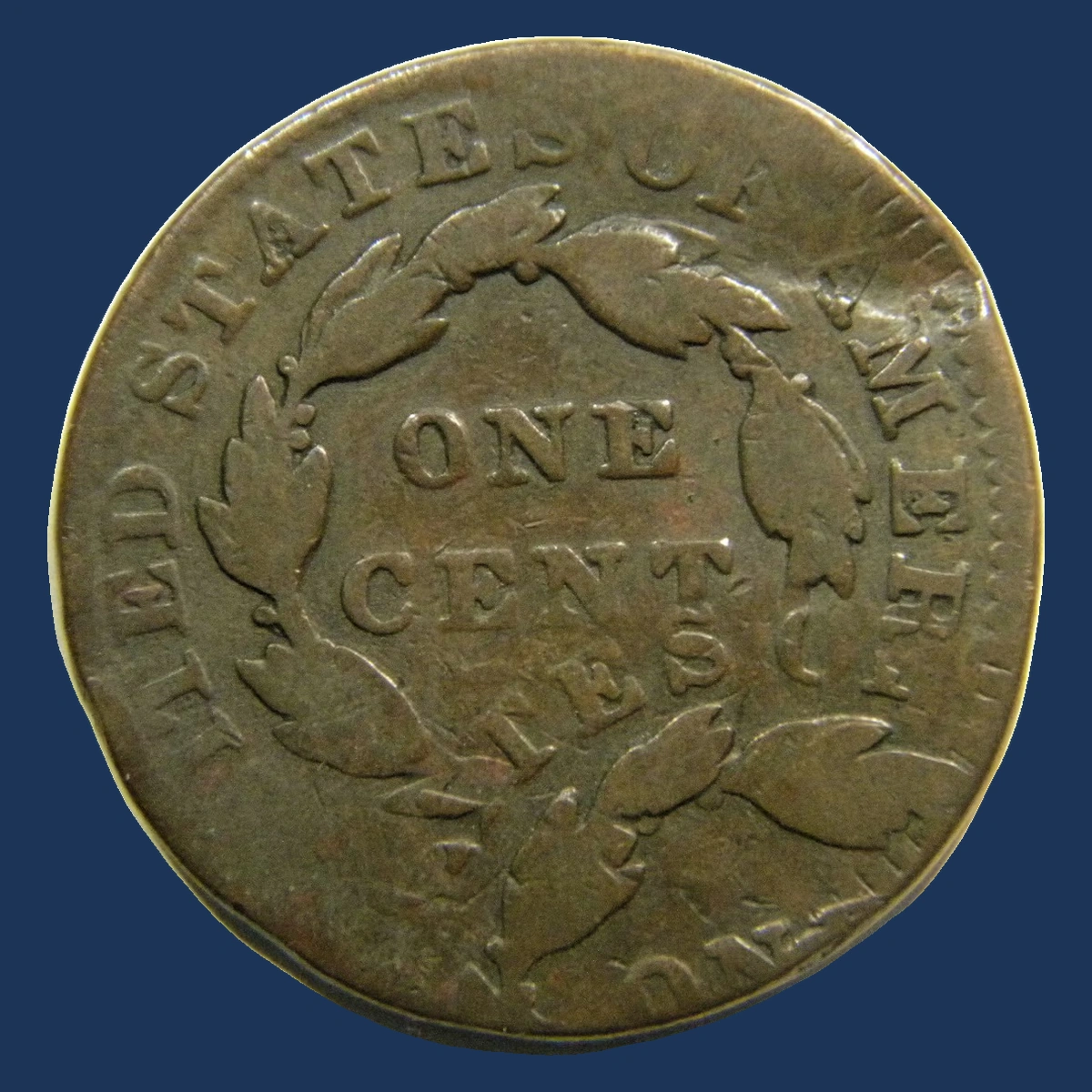
Extra lettering on the back and a flattened front tell different parts of the same accident. The Mervis auction catalog describes an 1833 cent struck twice, with its second back impression about 25% off center.
That impression shifted toward three o’clock. Another blank entered above the cent before the second blow and flattened its front.
The already struck cent could then press its design into the other blank. It is called a brockage maker for that reason.
This does not mean the maker itself has a sunken mirror image. Its documented clues are the displaced back strike and flattened front.
Estimated Value
A cleaned, worn 1833 double strike of this kind fits an estimated $500–$3,000. Clearer examples with more detail and better surfaces may reach roughly $3,000–$5,000.
The cataloged N-2 was graded NGC Fine Details because of improper cleaning. Its design had substantial wear, and no completed sale amount is assigned here.
These prices estimate the complete accident on one coin. The shifted second strike and flattened front should not receive separate prices that are then added together.
How to Identify
The flattened front is part of this accident, so inspect both faces before judging the extra back lettering. A scale and calipers can record a loose coin’s size against the original 10.89 g and roughly 28 mm standards.
An extra blow can spread the outline, while the incoming blank can flatten earlier detail. Photograph the whole edge, then use a 10× magnifier to separate the two back impressions.
The second impression lies toward three o’clock, which describes a displaced strike rather than a missing piece of blank. An error specialist should be able to explain both sets of letters and the flattened front together, instead of relying on one blurred letter.
5. 1833 Coronet Head Cent Sunken Mirror Image on the Front
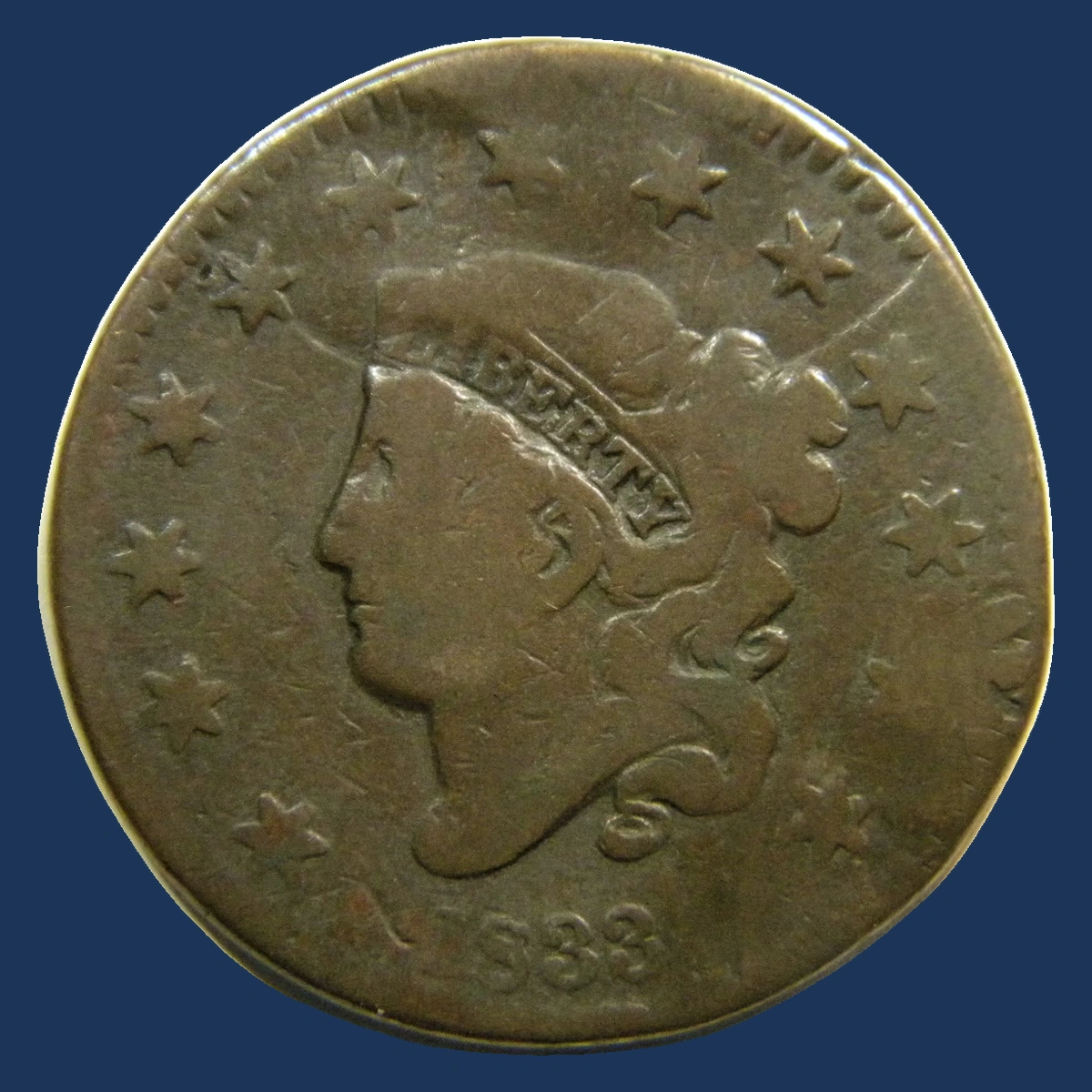
Backward, sunken design details are the key feature of a brockage. They form when a struck coin comes between a stamping tool and another blank, pressing its raised design into that blank.
A collector reports an 1833 N-5 with a front brockage and a double-struck back. N-5 identifies a particular pair of stamping tools, not a separate error mechanism.
This report describes the coin that received the sunken image. It differs from the N-2 cent that helped make one on another blank.
Another collector also reports an 1833 brockage, without establishing whether it is the same example.
Estimated Value
For a confirmed, worn 1833 brockage with readable mirrored detail, estimate $1,000–$4,000. A stronger, clearer impression on a better-preserved cent can fit roughly $4,000–$8,000.
These are estimated whole-coin prices, not sales of the collector’s N-5. The report does not provide a certified grade or a sale amount used here.
The back’s extra strike belongs to the same coin. Its effect on appeal is assessed with the brockage rather than sold as a second imaginary coin.
How to Identify
Under side lighting, determine whether the odd design sinks into the front. A 10× magnifier can distinguish recessed lines from the raised outlines left by a normal extra strike.
Compare a mirrored photograph of the matching normal design with the sunken impression. Letters should reverse direction, while their shapes still belong to the coin design.
A weighing scale and calipers check a loose copper example against 10.89 g and about 28 mm. These measurements support the coin’s identity but do not prove when the image was pressed into it.
Coins squeezed together outside the Mint can also leave sunken marks. Ask an error specialist to examine the edge and metal movement, along with the doubled back, before buying a costly example.
6. 1833 Coronet Head Cent Copper Layers Peeling from the Surface
Peeling copper may leave a ragged sheet or a shallow missing patch. Lamination is the name for this separation within the original metal.
An Early American Coppers catalog describes a heavily worn 1833 cent with a large front separation formed before striking. Its weak-looking design crossed already damaged metal.
A different example from the Cardinal Collection had a small peel at the bottom rim on the back. It retained unusually bright original red copper.
The two coins show how widely this defect can vary. A worn patch and a tiny peel on an unworn coin are not equal price comparisons.
Estimated Value
Worn 1833 laminations fit an estimated $25–$500, depending on size and appearance. Exceptional red examples can reach a different level: about $10,000–$20,000 for a highly preserved whole coin.
The Cardinal N-6, graded MS65 Red, sold for $17,625 in January 2013. That grade describes an unworn, well-preserved cent.
Its original color and condition explain the high comparison. The small rim peel is a flaw on that valuable coin, not a $17,625 error premium.
How to Identify
On the red N-6, the small separation is at the back rim near six o’clock. Keep a sealed coin in its holder and inspect that edge with a 10× magnifier.
A loose cent can be weighed on a scale against 10.89 g and measured with calipers around 28 mm. Do not touch a fragile flap with the caliper jaws.
The worn front example needs a wider view: one damaged area runs from star three through the bust toward star twelve.
Another crosses the hair between stars five and eight. Low light can expose layered edges that ordinary weak striking would not produce.
Never lift a remaining copper sheet. Where peeling happened before striking, look for design details impressed across the already lowered patch.
Conclusion
An 1833 cent can carry several clues to what happened inside the press. A second strike may shift the back design while another blank flattens the front.
Estimated whole-coin prices range from $20 to $20,000 here. The upper end includes exceptional original red preservation, not a huge reward for a tiny peel.
Start with the visible feature, then compare coins with similar wear and surfaces. Never add separate error prices for marks on the same cent.