1853 Cent Error List with Pictures

A cent can look off center even when only one stamping tool moved. An 1853 example with that problem sold for $276 in April 2007 and later for $110 in August 2018.
This 1853 penny error list shows how to separate that shifted design from missing detail, peeling copper, and broken-tool marks. Estimated whole-coin values for the examples discussed run from $25–$5,000.
Start with both faces of your large copper cent; one photograph can hide the difference between two errors.
1. 1853 Braided Hair Cent Raised Cracks and Rim Breaks
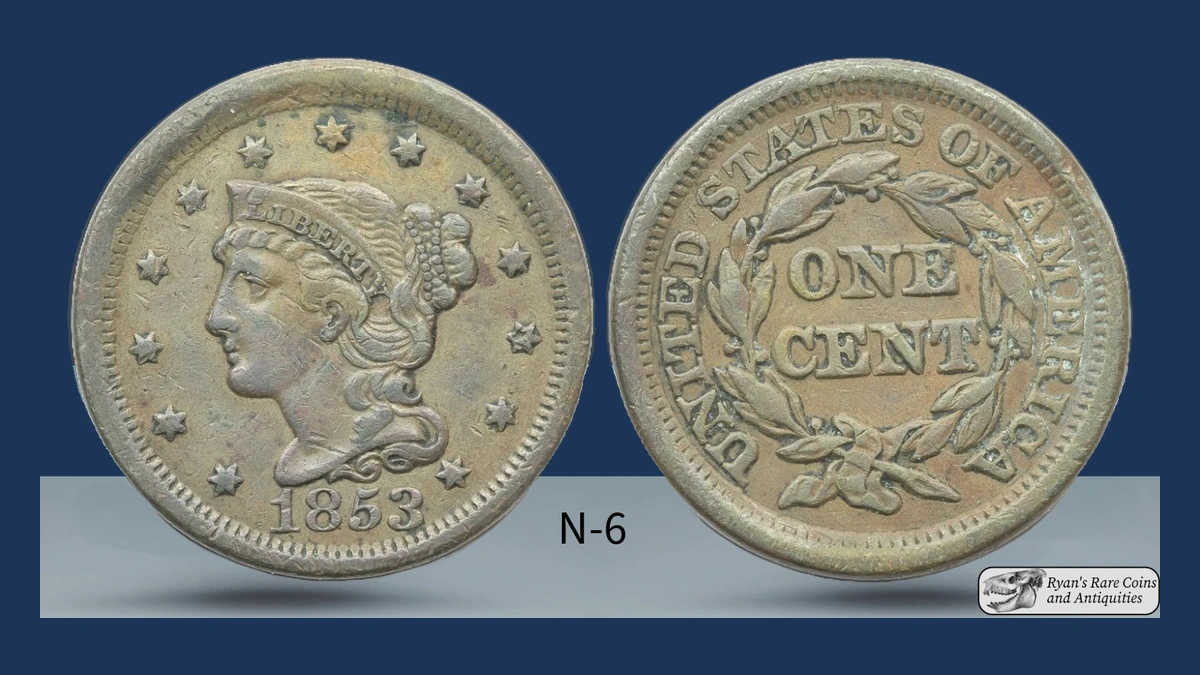
A thin line above the coin’s surface can begin as a crack in the tool that stamped it. Copper enters the opening under pressure and copies the crack as a raised line.
The year guide reports both cracks and larger breaks on 1853 cents. A broad raised patch touching the rim is called a cud.
In that case, a piece of the tool broke away and left a space for copper to fill. Part of the intended design may disappear beneath the patch.
A scratch cuts into the coin instead of rising above it.
Estimated Value
Estimate $25–$150 for worn 1853 cents with small cracks and $75–$500 for clearly formed rim breaks. These amounts include the value of the underlying coin.
The year guide describes an Extremely Fine example with a die break offered at $65. That is an asking price for a coin with substantial remaining detail.
A larger patch can attract more attention, but rough copper or a battered edge can offset that advantage.
How to Identify
Set a lamp low beside the coin and move the light across the suspicious line. A 10× magnifier will help show whether it rises above the surface or cuts into it.
For a broad patch, follow its outer boundary to the rim. A lump entirely within the design is not the same as a rim-connected break.
Look at the plain edge directly beside the patch. A dent can push copper over the face after minting, often leaving a crushed area along that edge.
The normal copper cent weighs 10.89 grams and measures about 27.5 millimeters. Use a scale and calipers on a loose example, then photograph the raised feature without rubbing or scraping it.
2. 1853 Braided Hair Cent Detail Blocked during Striking
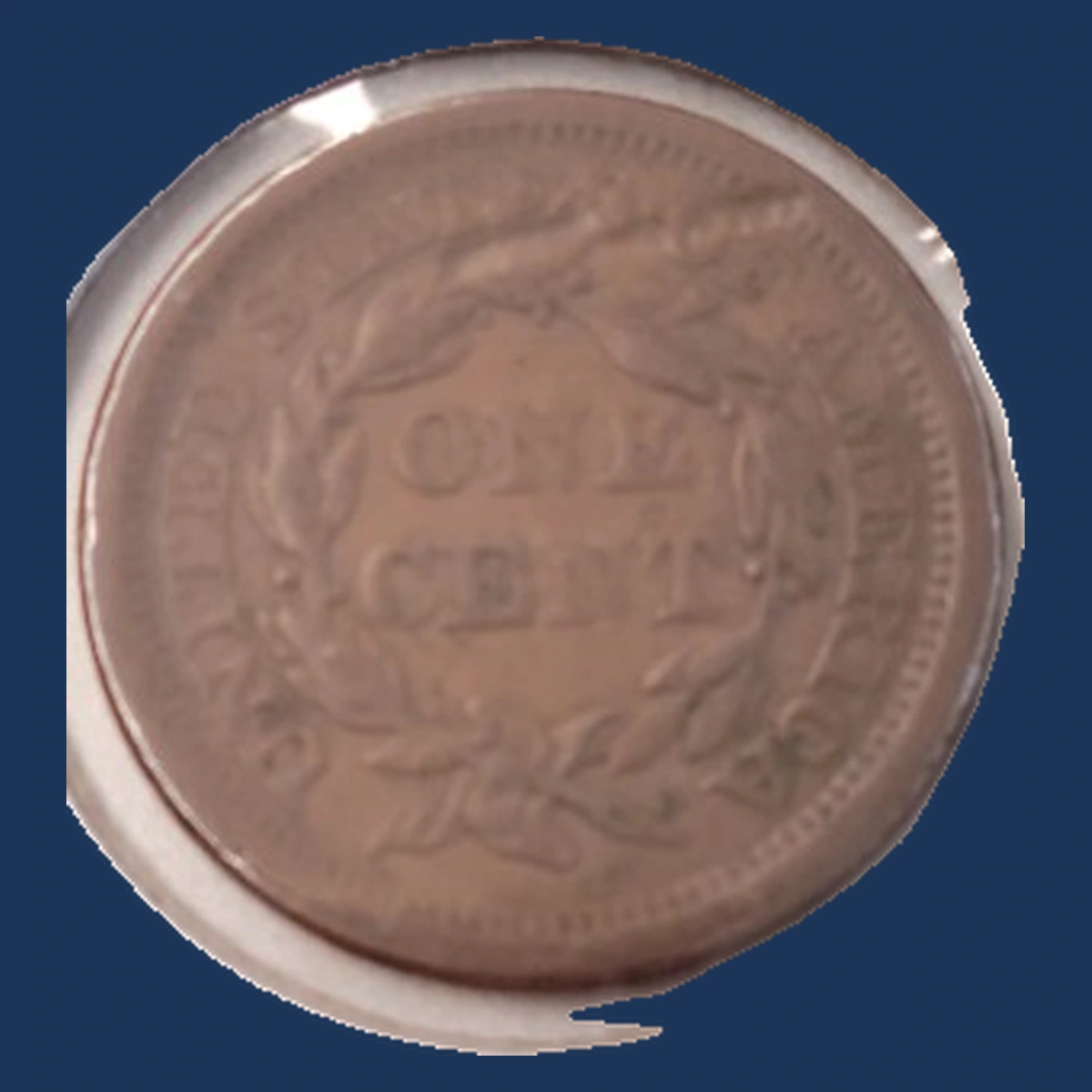
A coin may leave the press with a patch of missing detail even though the neighboring letters look sharp. Material between the blank and a stamping tool blocked part of the blow.
This is called a struck-through error. Soft grease can weaken the design, while a solid object may leave a more distinct hollow.
The type is reported for 1853 cents without identifying a particular object or affected letter. The surviving shape must guide any more specific description.
Ordinary wear and later scraping can also remove detail. Neither process requires an obstruction in the press.
Estimated Value
For a genuine 1853 struck-through feature, estimate $50–$300 on worn cents and $300–$750 for clearer examples with strong remaining detail. A recognizable object impression can be more appealing than faint lettering.
The year guide reports an uncertified example offered near $80. That figure is a seller’s asking price, not a completed transaction.
These estimates require an original mint-made feature. A scraped patch or ordinary wear does not receive the same error premium.
How to Identify
Compare the weak patch with nearby high points under a 10× magnifier. If all of them are worn smooth, circulation offers a simpler explanation than material blocking one part of the strike.
Check the plain edge for squeezing that could have flattened the design, and record a loose coin’s measurements before handling it further. A scale should be compared with 10.89 grams, while calipers check the normal 27.5-millimeter width.
Leave attached material untouched and photograph the patch with light from two directions. At its boundary, scrape lines or pushed-up copper suggest damage after minting, while the surviving shape may help a specialist identify an obstruction during striking.
3. 1853 Braided Hair Cent Peeling Copper and Surface Separation
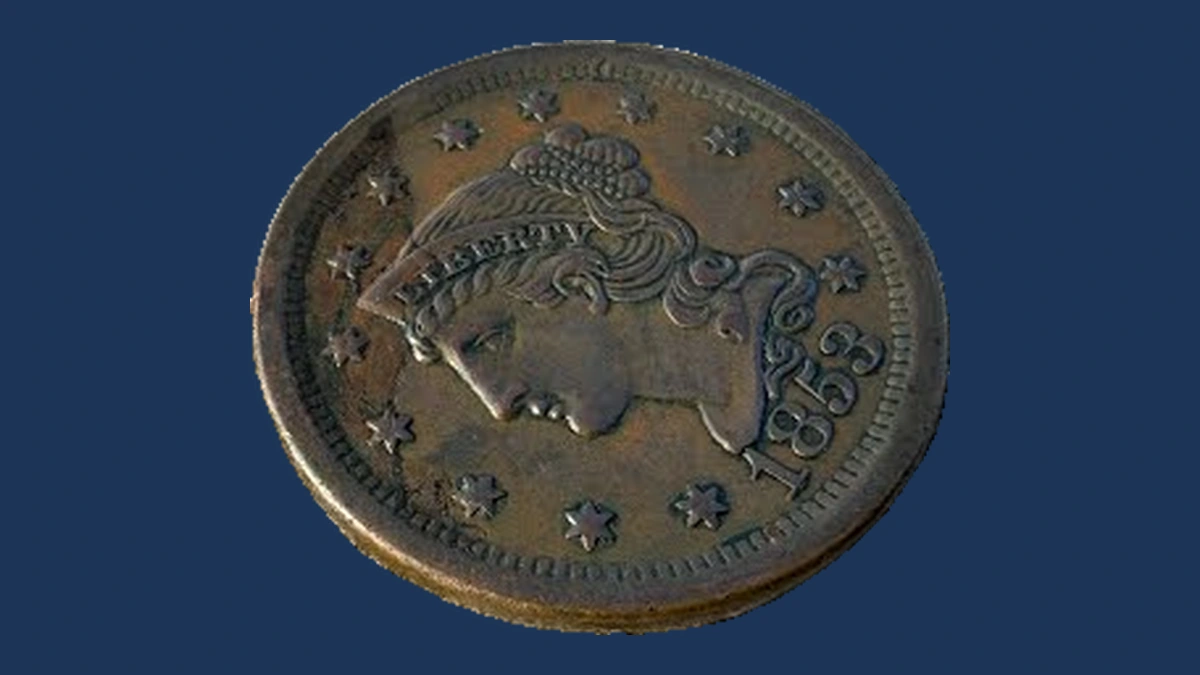
Copper can peel when a weak area inside the original blank separates from the surrounding metal. A flap may remain attached, or a shallow piece may fall away.
Collectors call this lamination. It concerns the coin’s metal, unlike a raised line copied from a broken stamping tool.
The year guide reports an 1853 example with light wear and a significant lamination. It also lists a worn coin combining a metal flaw with an offset strike.
Those are separate reports. Neither description establishes that an entire cent split into two complete thinner disks.
Estimated Value
An 1853 cent with a clear original lamination has an estimated whole-coin value of $50–$350 when worn. An attractive unworn example can fit $350–$1,000.
The reported lightly worn coin was offered at $145, while the worn piece with an additional offset strike was offered near $220. Both figures are asking prices.
An attached flap can make the flaw easier to recognize. Do not add a separate full strike-error value to the combined example.
How to Identify
A shallow copper sheet can be fragile even when it looks firmly attached. Do not lift it to discover how far the separation extends.
Find where the layer still joins the cent and examine that boundary with a 10× magnifier. The coin’s original design may continue onto the sheet or beside the opening.
If a loose coin can be weighed safely, compare it with 10.89 grams on a scale. Missing material may explain a lower reading, but both peeling and later damage can remove copper.
Use calipers only across intact areas, comparing the normal 27.5-millimeter width. Keep the jaws away from the separating layer.
Photograph the plain edge if the opening reaches it. Look for one separating sheet rather than treating scattered corrosion pits as the same feature.
4. 1853 Braided Hair Cent Front Design Shifted toward the Edge
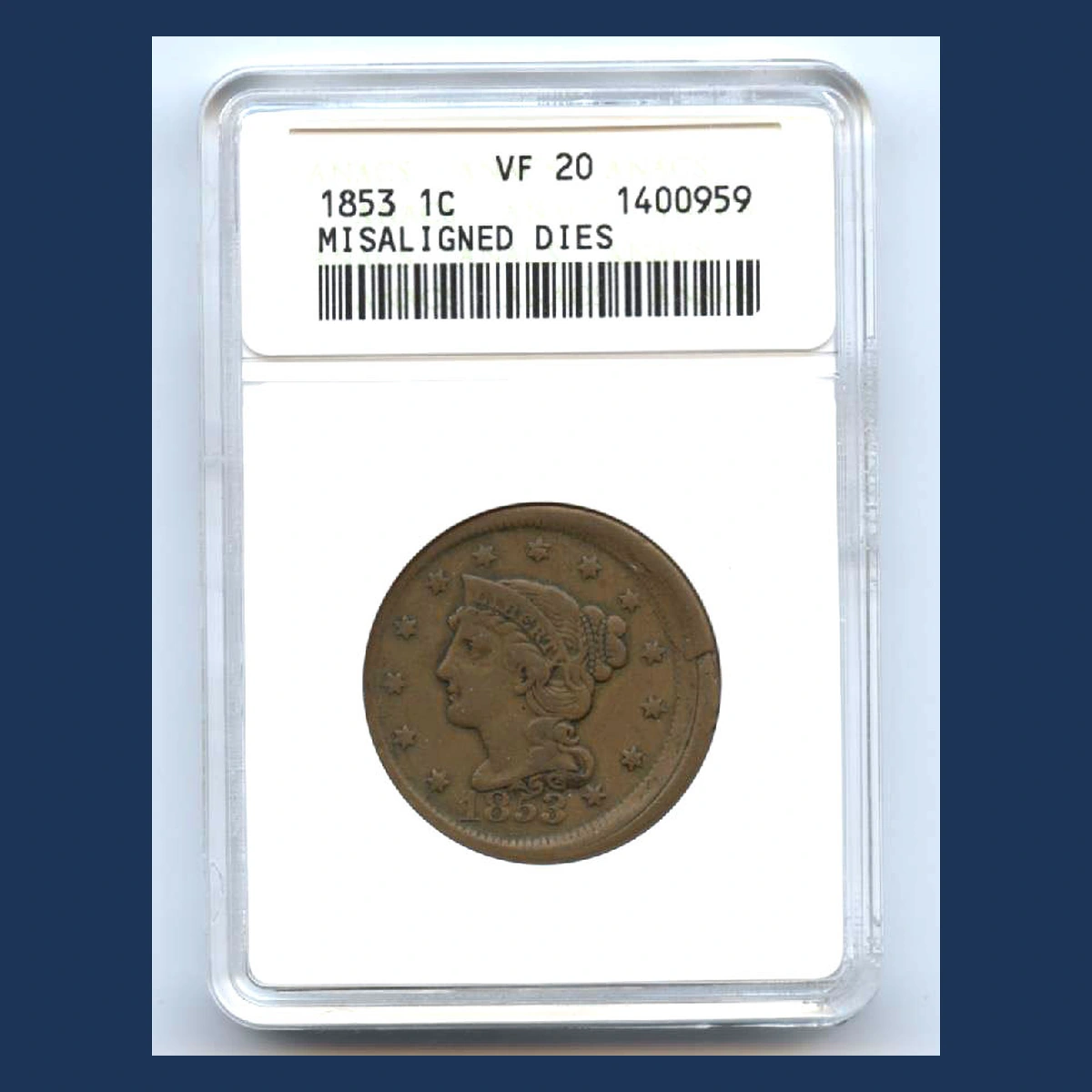
Liberty sits too far left on a recorded N-19 example, but the back remains centered. N-19 is the catalog label for a particular pair of stamping tools.
The front tool was out of position when it pressed the design into the copper. This is called a misaligned die.
An older auction heading called one example five percent off center, but its description correctly distinguished the one-sided tool shift. The front moved toward nine o’clock.
The same variety also has a recut date digit. That small date feature does not cause the portrait’s sideways movement.
Estimated Value
A PCGS AU58 Brown example sold for $110 in August 2018. The same price record lists an earlier $276 appearance in April 2007.
AU58 means only slight wear. The results cover the complete N-19 coin, including its condition and date variety.
Estimate $50–$400 for worn 1853 misaligned-tool examples and $400–$2,000 for attractive unworn coins. A slight uneven border alone should not be priced as a dramatic displaced strike.
How to Identify
Compare complete front and back photographs before enlarging a border. On the recorded N-19, the portrait crowds the left side while the wreath remains centered on the other face.
For a loose cent, a scale and calipers document its 10.89-gram, approximately 27.5-millimeter copper outline. Examine the plain edge for filing, since removing metal can make a normal design appear crowded toward one side.
Use a 10× magnifier along the left stars, then compare their spacing with the stars at the right. Keep the centered back visible during this check: the unequal front spacing and differently centered faces together distinguish the tool shift from a far-off-center blank.
5. 1853 Braided Hair Cent Design Struck Partly outside the Blank
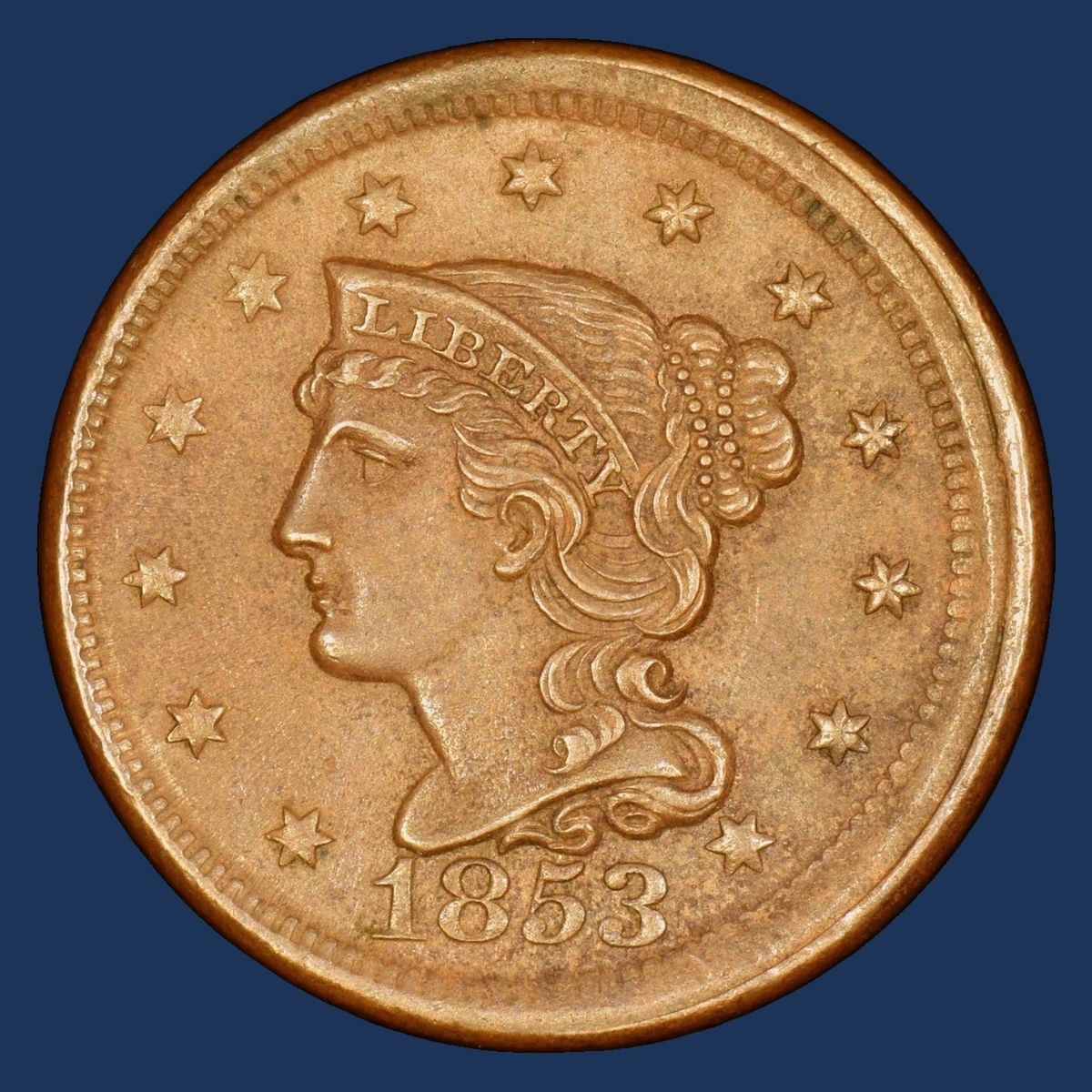
A blank that enters the press in the wrong position can receive only part of the intended design. Some copper remains unstruck while the portrait or lettering runs beyond the opposite edge.
Unlike the one-sided tool shift above, a true off-center strike involves the blank’s position between both stamping tools. Both faces help explain the displacement.
The year guide reports an 1853 cent with light wear struck thirty-five percent off center. It does not identify a clock direction.
The surviving date is especially useful when part of the coin’s design is missing.
Estimated Value
Use an estimated $150–$1,500 for worn 1853 off-center cents and $1,500–$5,000 for stronger, better-preserved examples. A clear date and an obvious unstruck area support the higher comparisons.
The reported thirty-five-percent example was offered at $1,289. This is an asking price, not a verified auction result.
Displacement alone does not set the value. Heavy corrosion, a partly missing date, or later cuts can reduce appeal even when the original off-center strike is genuine.
How to Identify
Find the date before estimating how much design missed the blank. The visible year should belong to the error coin itself, not to a normal cent used for comparison.
Photograph both faces with the same physical edge aligned. Look for design cut off by the outline and an opposite area that never received the strike.
Under a 10× magnifier, check that bare area for ghost letters, grinding lines, or flattened details left by later alteration. Untouched blank metal should not be confused with a design someone removed.
The original copper disk weighed 10.89 grams and measured about 27.5 millimeters. A scale and calipers record a loose example; include its plain edge to reveal any later trimming or compression.
Conclusion
Estimated values for the 1853 errors discussed range from $25–$5,000. A small crack may add little, while a clearly misplaced strike can make a much stronger visual impression.
Compare both faces before naming a shifted design. For surface flaws, check whether copper has lifted, something blocked the strike, or a raised line came from the tool.
Keep original surfaces intact and use clear photographs to match the feature before paying an error premium.