1869 Penny Error List with Pictures

The old name “1869/8” can send a collector looking for the wrong thing. The familiar date variety is explained by repunching, not by changing an earlier year’s 8 into a 9.
A superb red 1869 repunched-date cent sold for $31,200 in March 2025. This 1869 Indian Head penny error list covers estimated values of $40–$40,000, including misplaced digits, tool damage, a second strike, and a silver-blank example.
Use the visible feature and its correct coin identity to guide the comparisons below.
1. 1869 Indian Head Penny Die Cracks and Cuds (Estimated Up to $2,000)
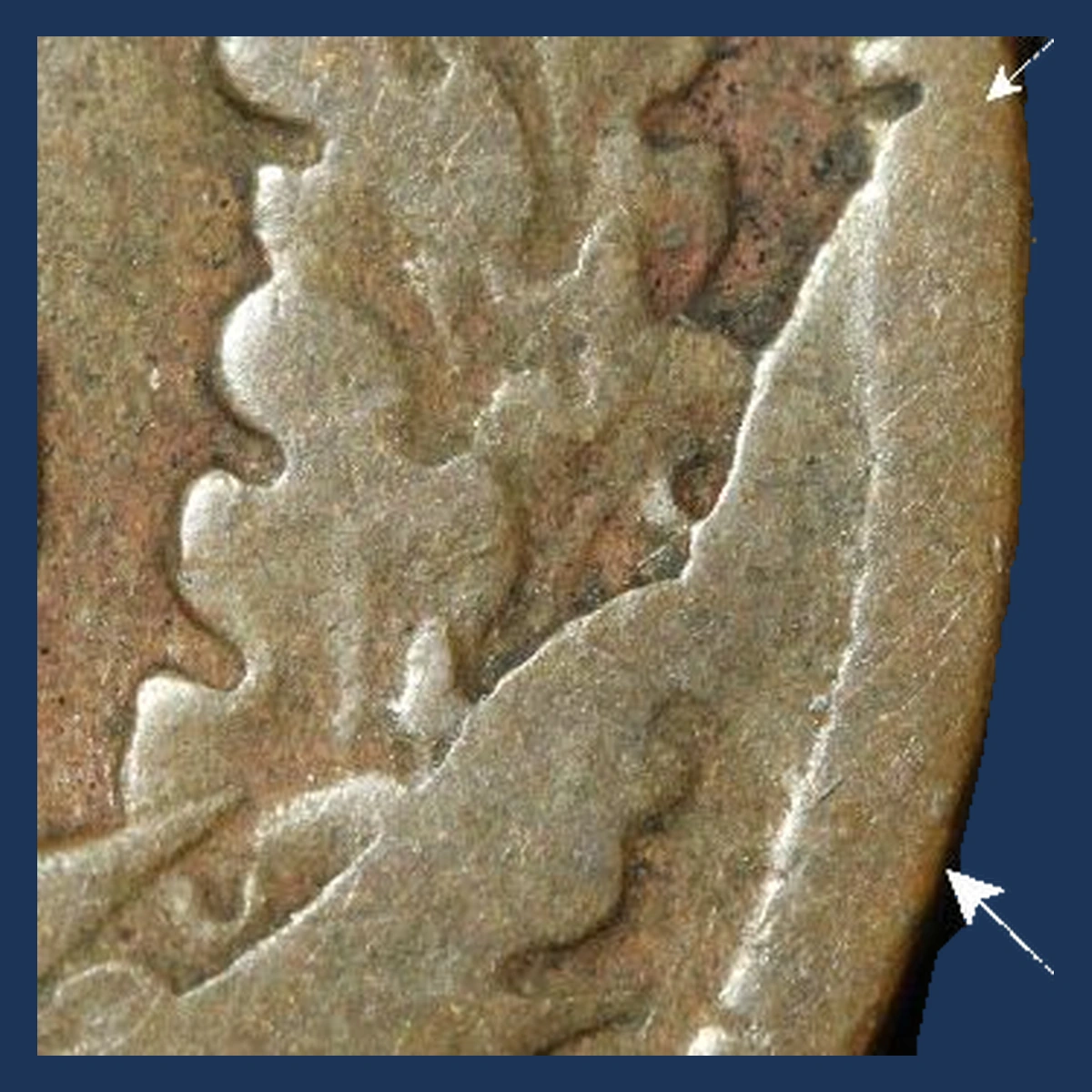
A raised ridge or rim-connected patch can record damage to the steel stamping tool, called a die. The 1869 catalogs include cracks, missing edge pieces, and broken sections that remained in place.
A missing piece leaves a raised lump called a cud. A retained cud can preserve some design inside a shifted or stepped area.
Examples occur at different positions on both faces, including the top and lower-right back rim. Those positions belong to separate coins, not one required set of defects.
A scratch or bent edge may also look raised from above. Its surface and boundary need closer examination.
Estimated Value
Modest cracks can fit an estimated $40–$300, while stronger cuds or retained breaks may fall around $100–$2,000. Those figures include the underlying 1869 cent and its condition.
A 1946-S Lincoln cent cud sold for $288 in March 2021. It offers context for a missing tool piece rather than an exact price for an 1869 location.
Compare like forms of damage. Surviving design within a retained break should not be priced from a completely blank lump without considering the difference.
How to Identify
Inspect the plain edge beside the affected area before deciding what caused a raised patch. Folded metal or an added piece can look convincing in a face-only photograph.
Weigh a loose coin against 3.11 grams and measure with calipers against about 19 millimeters. Those checks can reveal alteration but do not identify a particular broken tool.
Under a magnifier, distinguish a thin raised crack from a wider rim-connected section. Check whether recognizable design survives inside that section, supporting a retained piece rather than complete loss.
Choose the photograph matching that face and position. A lower-right back break, a top-back break, and a front break must not be combined into one imaginary example.
2. 1869 Indian Head Penny Misplaced Date (Estimated Up to $2,500)
The border beneath the date can contain extra numeral fragments. A date punch touched the wrong area of the stamping tool, and later strikes copied those misplaced fragments.
The 1869 catalog includes a group of date remnants among the border teeth. Another pattern shows a misplaced 1 below the normal 1.
They need separate matching photographs. One fragment does not require every other digit on the same coin.
This differs from repeating a digit close to its normal position. The misplaced feature lies outside the date, where a worn tooth or scratch can also imitate a number.
Estimated Value
A misplaced-date example can be estimated at $60–$2,500, depending on its pattern, remaining detail, and condition. The whole coin’s ordinary date value remains part of that amount.
A later 1908 misplaced-date cent graded MS65 Red and Brown has a recorded $1,187 eBay result from 2021. That unworn comparison does not establish a sale for an 1869 variety.
A fragment matched to its own photograph offers a useful basis for comparison. An unexplained border bump should not receive the same premium.
How to Identify
Inspect the date border and plain edge for cutting or added metal before explaining an extra numeral. For a loose coin, use a scale and calipers to check the 3.11-gram weight and roughly 19-millimeter width of an ordinary bronze cent.
With a normal date photograph beside the coin, follow the border teeth under a magnifier. For the misplaced-1 pattern, compare the fragment below the normal 1 instead of borrowing a more convincing mark from another location.
The separate group of date remnants needs its own photograph. Keep only the raised curves actually visible; a scratch or worn tooth may resemble a digit without matching one, and combining pieces of different varieties will not identify this tool.
3. 1869 Indian Head Penny Double Strike (Estimated Up to $5,000)
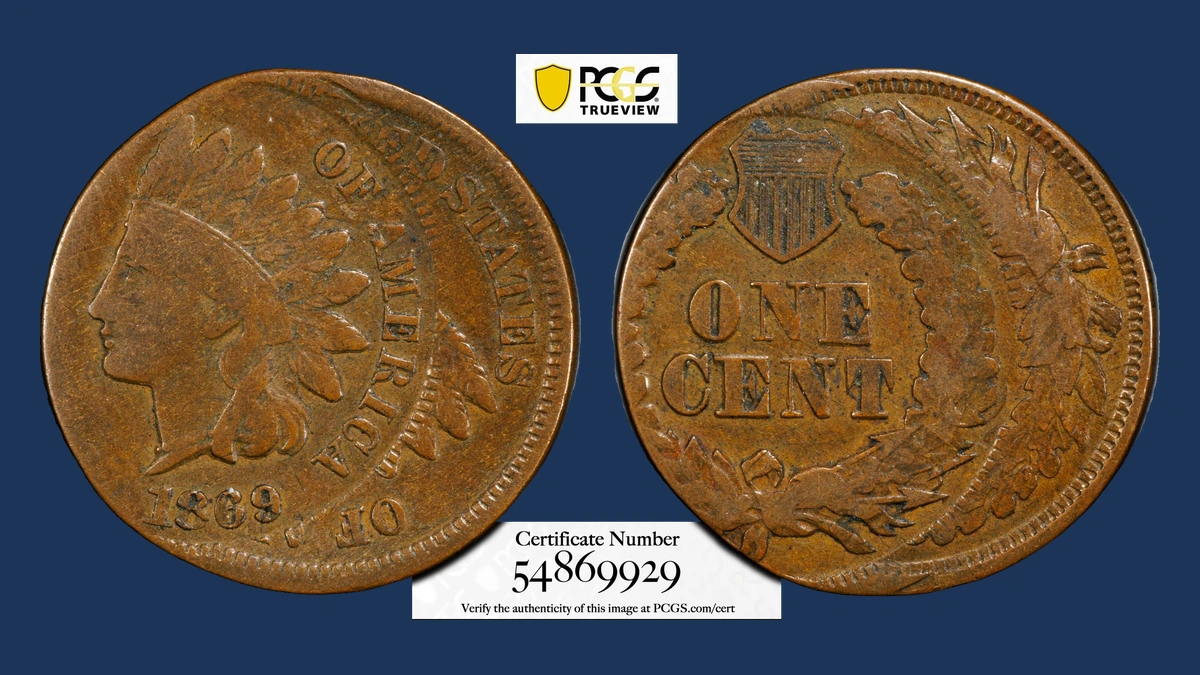
Part of a second image can overlap the first when a coin remains in the press and moves before another blow. The metal receives the design again in a different position.
A documented 1869 example was graded PCGS F12 Brown and described as double struck, with the second strike 25% off center. F12 indicates considerable circulation wear with major design details still recognizable.
The percentage belongs to this example. Its direction should come from the coin’s photograph rather than another year’s error.
This combines an extra strike with displacement. It should not receive two separate prices for those connected effects.
Estimated Value
Estimate $500–$5,000 for genuine 1869 double strikes across different wear and overlap. The documented F12 coin belongs toward comparisons with other worn examples, not pristine pieces.
An 1881 cent graded MS64 Brown with a second strike 70% off center sold for $1,880 in August 2013. That is an unworn, different-year coin with a much larger displacement.
Its sale does not price the 1869 F12 example directly. Readable date details and a convincing relationship between both strikes matter alongside the percentage.
How to Identify
Inspect the plain edge for a join before interpreting overlapping designs. For a loose coin, a scale can compare its weight with 3.11 grams while calipers record the outline beside a normal 19-millimeter cent.
On enlarged photographs, connect each possible portrait or letter group with its own border.
Use a magnifier to find where the later blow flattened the earlier design. A repeated date stroke alone does not provide that second surrounding image.
Check the back against the same arrangement. Keep the recorded 25% displacement without adding a clock direction that the photograph does not establish.
For this worn F12 example, rely on details that survive rather than drawing complete missing portraits. The readable date must belong to the same metal carrying both strikes.
4. 1869 Indian Head Penny Repunched Date, Including 1869/9 (Estimated Up to $35,000)
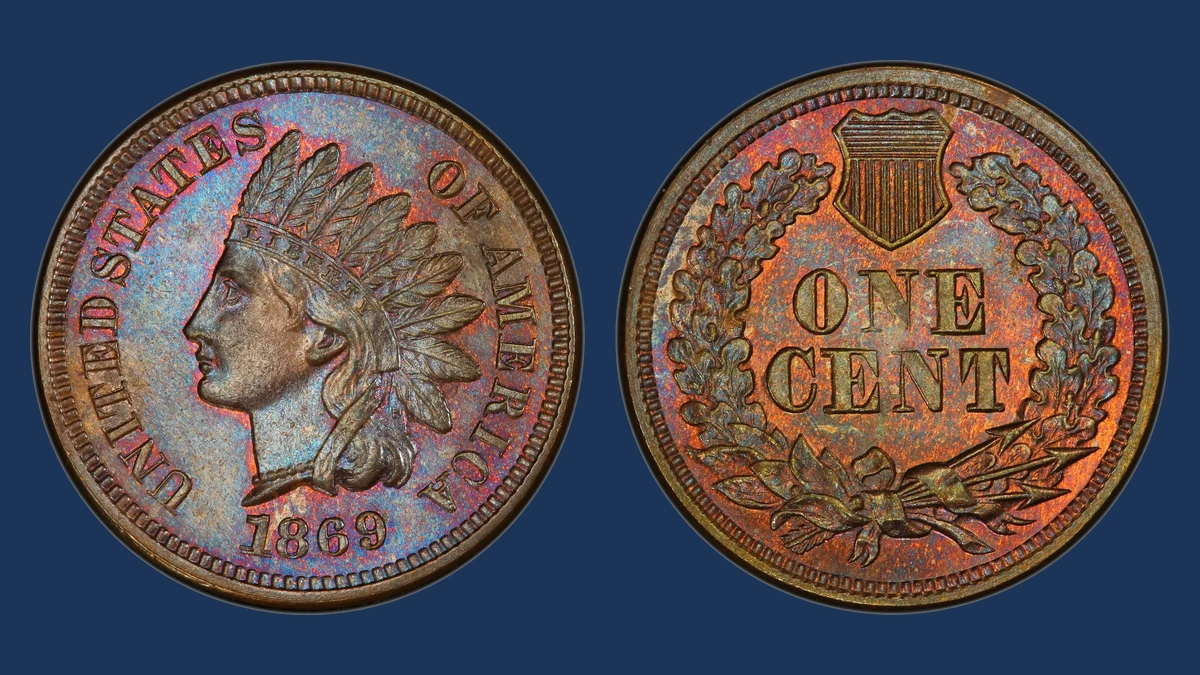
Extra raised strokes beside the date can come from repeating the punch. Part of an earlier position remained in the tool after the final date was entered.
The familiar variety once called 1869/8 is now explained as repunching of 9. It should not be presented as a confirmed 1869 date punched over an 1868 date.
Other listed patterns include remnants around 18 and 69 in different directions. Each needs its own comparison rather than one combined set of doubled digits.
Some coins show strong repeated shapes; others have small traces. Those differences affect identification and value even within one mechanism.
Estimated Value
A red FS-301 example graded MS66+ sold for $31,200 in March 2025, recorded by PCGS. That grade represents exceptionally well-preserved unworn surfaces.
Estimate $75–$35,000 across identified varieties and widely different conditions, with the high end reserved for exceptional examples. The $31,200 sale does not price every weak date remnant.
Match the specific pattern before comparing grade or color. An older 1869/8 label does not create a separate overdate premium when the visible feature is repunching.
How to Identify
Do not begin by trying to find a hidden 8 beneath 9. Compare the raised remnants beside the actual date with a matching repunched-date photograph under a 10× magnifier.
For patterns involving 18 or 69, keep their directions attached to their own examples. A low flat shelf that narrows a numeral can result from movement during striking instead of date-punch preparation.
Check the plain edge and date surface for alteration. For a loose coin, compare its weight and width with 3.11 grams and about 19 millimeters using a scale and calipers.
Photograph the whole date in one clear view after checking individual strokes. An old label cannot supply a shape missing from the metal.
5. 1869 Indian Head Penny Struck on a Silver Dime Blank (Estimated Up to $40,000)
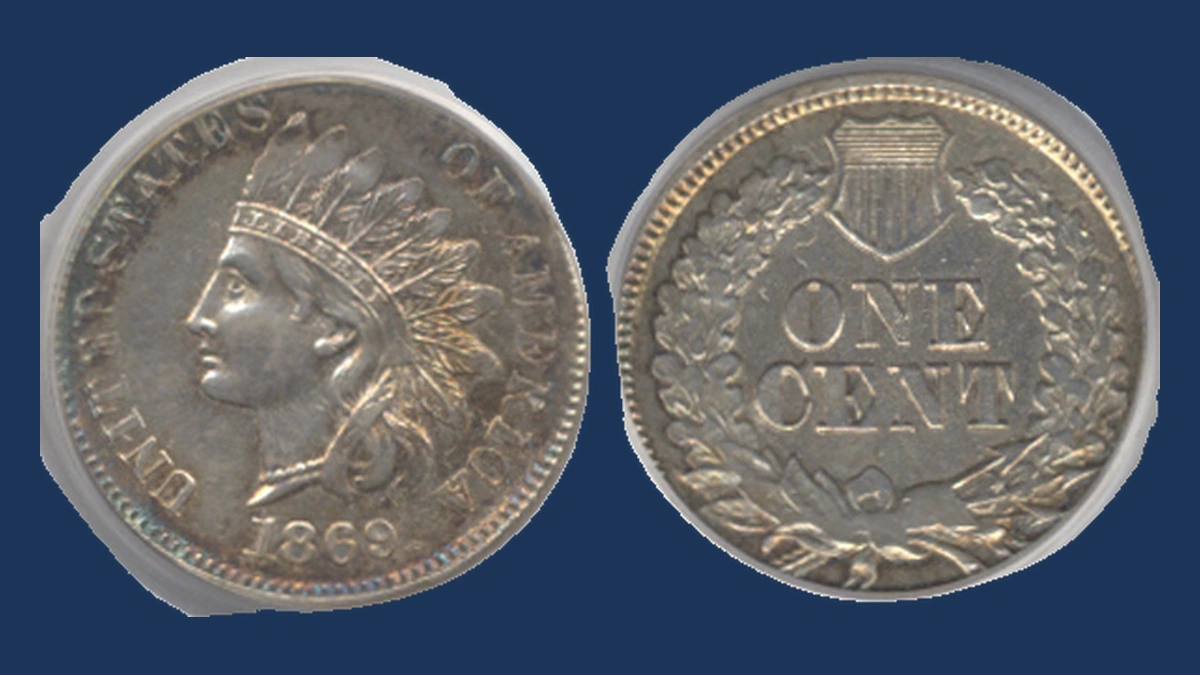
A cent design can appear on a smaller silver disc when the press receives a blank intended for a dime. The outer lettering may not fit the metal as on ordinary bronze.
The reported 1869 example was graded PCGS AU55, meaning light circulation wear. Its history includes earlier descriptions as a pattern, but that old label does not establish why it was made.
The coin is discussed as a cent on a silver dime blank. A separate copper-nickel pattern belongs to another category.
Color alone is insufficient. Plating can make bronze look pale without changing the original blank into silver.
Estimated Value
The PCGS AU55 silver-blank example brought $25,300 in January 2012, according to its history at USPatterns. That account also notes cleaning long before the sale.
Estimate $10,000–$40,000 for authenticated examples, depending on preservation and surviving design. The historical result is a whole-coin price, not a payment for silver content alone.
Material testing and a matching blank identity are essential to that range. A plated penny or a regular dime carrying its own design does not qualify.
How to Identify
Begin with recorded weight and a metal test, keeping certified coins sealed. Compare the period’s dime standard of about 2.48 grams and 90% silver with the bronze cent’s 3.11 grams; these are standards rather than measurements assigned to the pictured error.
A dime blank starts near 17.9 millimeters but can spread in the cent press, so calipers must record its actual width. Inspect the edge under magnification for plating, filing, or a join, and avoid scratching or acid testing to expose metal.
Then follow the cent lettering to its boundary and compare how the smaller blank limited the design. A pale coating can change color, but it cannot establish solid silver or explain missing outer detail as an original wrong-blank strike.
Conclusion
Estimated whole-coin values span $40–$40,000, from modest tool damage to the silver-dime-blank rarity. The $31,200 repunched-date sale reflects exceptional red preservation, while the separate silver example brought $25,300 in 2012.
Do not let an old variety name override the metal. Match actual date remnants, distinguish a shifted retained tool piece from a missing one, and check both overlapping designs before calling a coin double struck.