1880 Penny Error List with Pictures

Doubled letters on the headband and strange border shapes on the back can share the same 1880 penny. A high-grade example of that combined variety brought $3,450 at Heritage in August 2007.
The 1880 Indian Head penny errors below range from small surface flaws to a coin struck twice with an added indent. Estimated whole-coin values span $5–$5,000.
Explore the visible differences before choosing a price comparison for your coin.
1. 1880 Indian Head Penny Clipped Planchet (Estimated Up to $300)
A section of the rim is absent from the recorded 1880 penny. The auction description calls it a rim clip and describes the coin as lightly worn.
A clip can begin when the punch cutting metal discs overlaps an earlier hole or the edge of the metal strip. The incomplete disc may still be struck into a coin.
Collectors call that prepared disc a planchet. Missing metal at this stage affects how the nearby border forms.
The listing does not establish a particular clock position or clip size here. Those details belong to the individual coin.
Estimated Value
For a genuine 1880 clipped cent, estimate $25–$300. A small missing section on a worn penny generally attracts less than a strong clip on an attractive coin.
The recorded 1880 piece appeared with five other coins in an older auction lot. That group cannot supply a separate sale price for this penny.
As a different-year comparison, a 1939 clipped cent graded an unworn MS64 Brown sold for $180 in January 2023. Its price is not an 1880 transaction.
How to Identify
An empty space outside the coin and an empty surface still on the coin are different clues. Establish that metal is actually missing before calling the feature a clip.
Use a scale to compare the remaining coin with 3.11 g. Calipers should measure across an intact part of the circle against the usual diameter of about 19 mm.
Through a 10× magnifier, inspect the plain edge where it enters the gap. Filing or saw marks can expose a later alteration.
Nearby detail may weaken toward a genuine clip, and the opposite rim can sometimes look weak too. Inspect the struck border at both ends of the gap for a natural transition, rather than a cut through finished detail.
2. 1880 Indian Head Penny Die Cracks, Chips, and Rim Breaks (Estimated Up to $500)
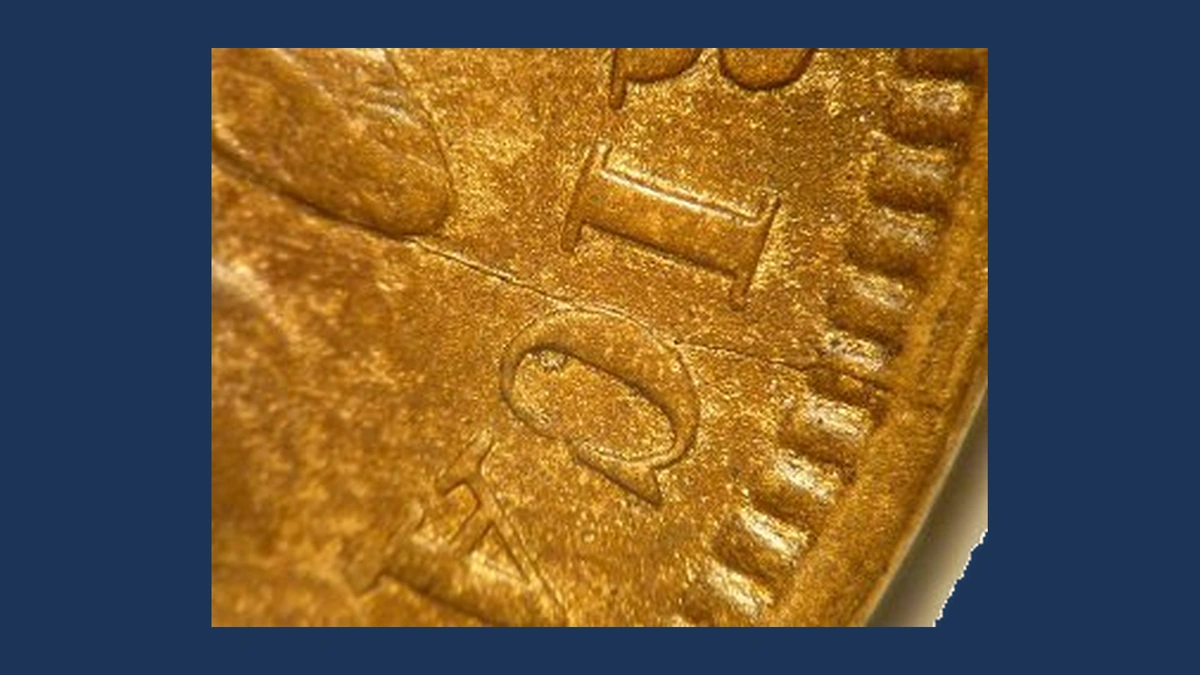
A ridge running inward from the rim can record a split in the steel tool that stamped the coin. That tool is called a die.
A deeper break may leave a broad raised patch instead of a line. If the broken piece stays in place, some of the original design can remain within the affected area.
The 1880 examples include a front crack from around 4:15 and a retained back rim break around 11:30–12:45. Smaller raised defects are recorded near the E in ONE and the E in CENT.
These are separate patterns, not one required set.
Estimated Value
Use an estimated $5–$500 for these whole coins. Fine cracks and small letter-area chips generally fall well below a bold, clearly matched rim break.
The range is not based on a separate auction result for each 1880 pattern. It reflects the difference between a minor tool mark and a large, visible failure.
Wear and corrosion make the boundary harder to read. A large lump caused by damage after minting does not qualify for the same premium.
How to Identify
Choose the face with the visible problem before searching for a catalog match. On the front, follow a raised line inward from about 4:15; on the back, inspect the upper rim and the two named E letters.
Hold a lamp low and examine the surface through a 10× magnifier. A crack should rise as one line, while a scratch cuts a groove that may have raised sides.
Check the plain edge for squeezing, and use a scale and calipers against 3.11 g and about 19 mm. At a suspected retained rim break, look for original design still lying inside the raised, outlined section rather than assuming every patch is featureless.
3. 1880 Indian Head Penny Misplaced Date (Estimated Up to $700)
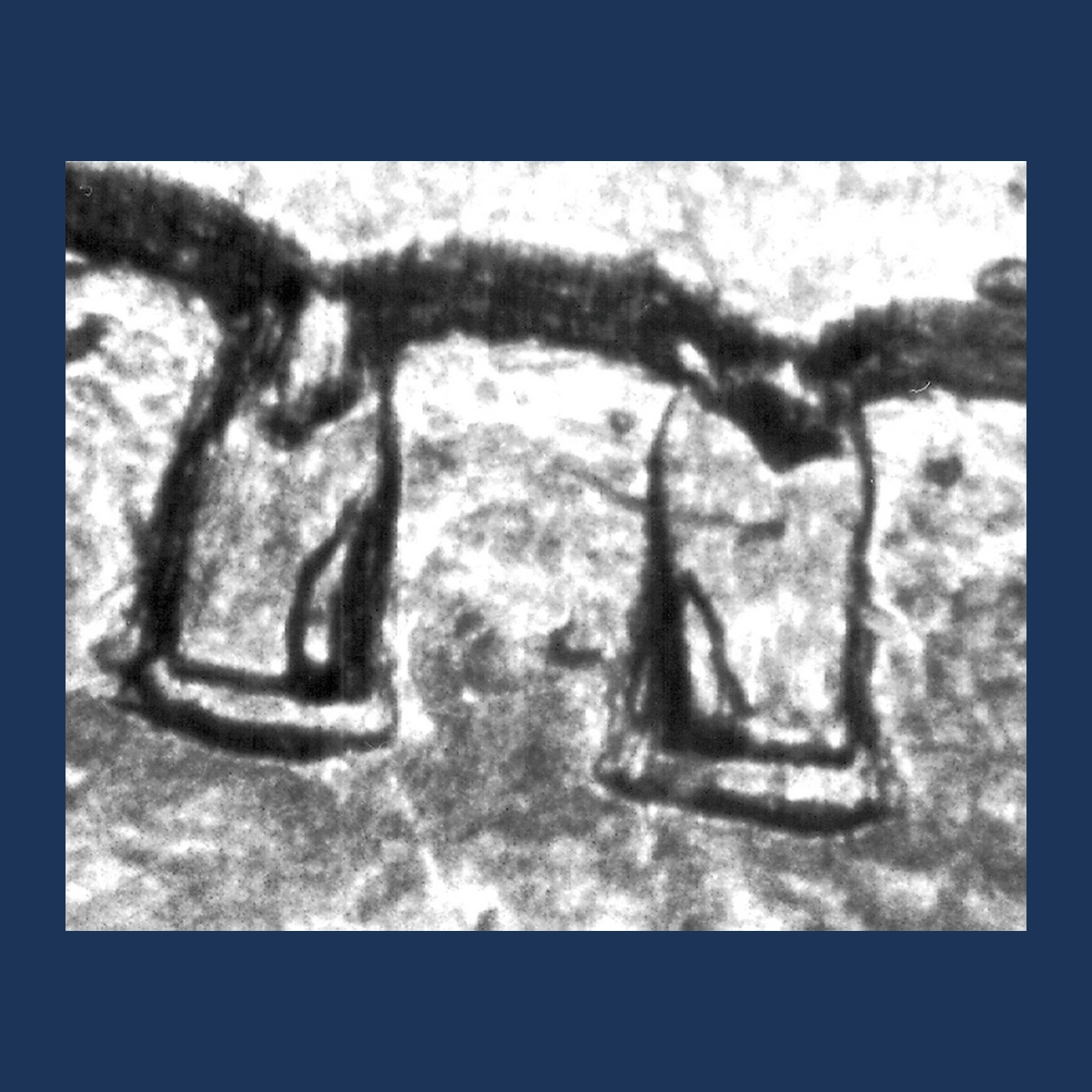
The lower border can contain pieces of two extra 8s. On the recorded 1880 form, these fragments sit below and left of the normal 88.
They came from a date punch placed incorrectly on the steel stamping tool. The correct date was added, but parts of the first impression survived.
The resulting pennies carried both the normal date and those stray fragments. This is called a misplaced date.
The border has many tooth-like shapes, which can make the fragments hard to see. Their position and curved digit shape matter more than an impression that the border looks crowded.
Estimated Value
An estimated $25–$700 covers ordinary 1880 misplaced-date examples with a clear match. Strong fragments and good surfaces support more than a vague mark on a worn coin.
A comparison is a 1908 FS-301 cent graded an unworn MS65 Red and Brown with a recorded $1,187 eBay price in December 2021. It is a different variety, not an 1880 auction sale.
The estimate stays below that high-grade comparison for most examples. A normal border tooth should not receive a date-variety premium.
How to Identify
Find the normal 88 and move down and left into the border with a 10× magnifier. Keep both normal digits visible while doing this so you do not lose the position of the extra fragments.
Tilt the coin gently rather than moving it out of the light. Small digit curves can become clearer when shadows fall across the border teeth.
A scale and calipers check the normal 3.11 g and about 19 mm, and the edge should be plain. Those measurements support basic identity but cannot prove a misplaced date.
Compare the two extra curved fragments with one photographed 1880 example, checking their spacing beneath and left of the normal 88.
4. 1880 Indian Head Penny Filled Die or Grease Struck-Through (Estimated Up to $800)
Part of the shield on the back looks weak while surrounding detail remains easier to see. The reported 1880 example was described as having a filled die.
A die is the stamping tool. Grease or compacted debris can block its recessed detail and stop that part of the coin’s design from forming.
The coin may leave the press without the material attached. The result is missing or softened detail rather than an extra raised design.
The report names an MS65 Brown example, meaning a well-preserved unworn coin. That description does not identify the exact material that filled the tool.
Estimated Value
For a modest filled-tool effect on an ordinary worn penny, estimate $5–$100. Weak detail alone often adds little to the value of the coin.
The reported MS65 Brown example has an estimated whole-coin range of $250–$800. Its high condition, rather than just the shield weakness, explains the larger figure.
Neither range is an actual sale assigned to that example. Broad wear, polishing, or a naturally weak strike should not be priced as a confirmed grease error.
How to Identify
Compare the shield with the wreath and lettering around it before using a magnifier. Similar wear across the entire back points toward circulation rather than a small patch of blocked tool detail.
The normal bronze penny weighs 3.11 g on a scale and measures about 19 mm with calipers. Inspect its plain edge for grinding or deformation, since later work can also change the shape of the coin.
At 10×, look for scraping or polishing around the shield, then move a lamp across the weak area. Compare that patch with a normal shield and test whether the loss of detail is concentrated beside otherwise sharp nearby design.
5. 1880 Indian Head Penny Off-Center Strike (Estimated Up to $2,000)
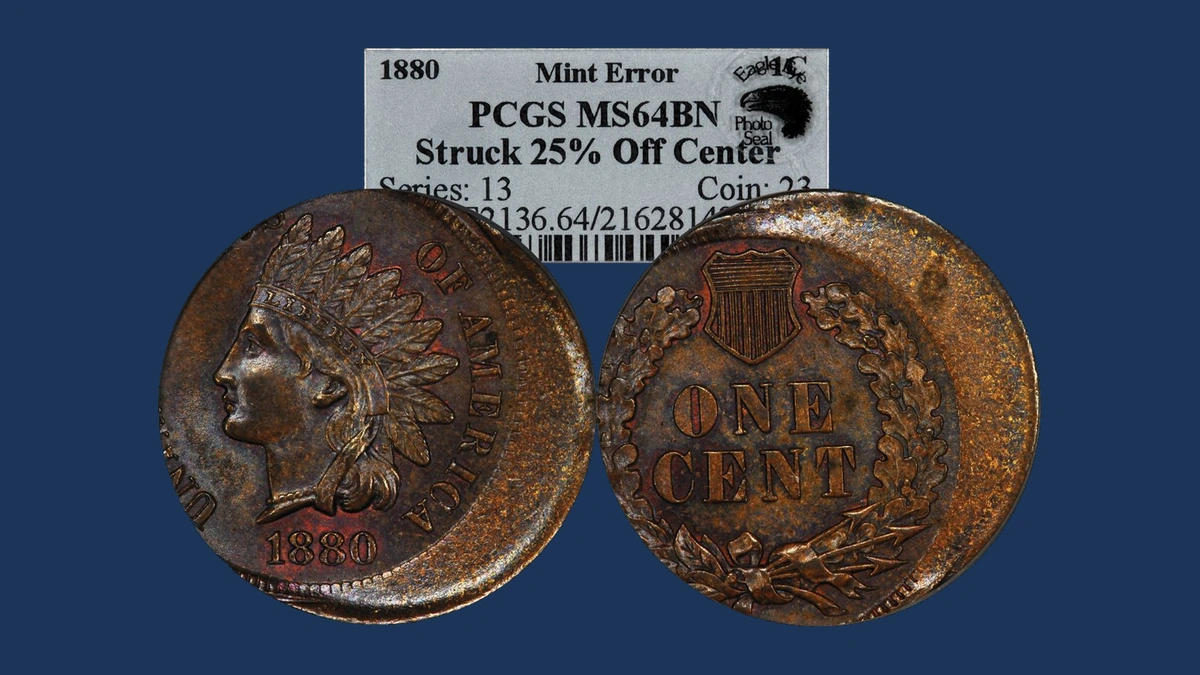
The left-side inscription runs off the edge of the recorded 1880 penny. It was struck 25% off-center toward 10 o’clock.
The metal disc was misplaced between the stamping tools. Most of UNITED and nearly all of STATES fell beyond the available metal.
PCGS graded the example MS64 Brown, an unworn coin with mostly brown surfaces. Traces of original copper color remained around protected parts of its design.
This is a displacement of the coin’s normal strike. It differs from the extra transferred outlines of an off-center clash, which can appear on an otherwise centered coin.
Estimated Value
The recorded 25% off-center example brought a $850 hammer price on January 7, 2006. The auction listing specifies an additional buyer’s premium, so $850 is not the all-in total.
Use an estimated $150–$2,000 across genuine dated 1880 off-center cents in different conditions. The complete date and attractive surfaces support stronger prices.
A worn example or a small shift can fit much lower. This range should not be applied to a centered coin with an off-center clash.
How to Identify
Use a scale to weigh the coin against 3.11 g and use calipers to record its outline around the normal 19 mm diameter. The faulty strike can distort that outline, but an off-center error does not by itself require metal to be missing.
Hold the date upright and examine the left inscription through a 10× magnifier. On the recorded example, the loss of UNITED STATES fits the displacement toward 10 o’clock.
Turn the penny over and inspect the plain edge around the unused metal, checking for filing or a later cut. Both faces should share a natural strike boundary beside a blank crescent that remains part of the original coin.
6. 1880 Indian Head Penny Lamination (Estimated Up to $2,000)
A thin part of the bronze surface can lift, split, or flake away. Collectors call this lamination.
The metal did not bond properly within the original strip, often because impurities or trapped material interrupted it. The weak layer can open during striking or later handling.
An 1880 front-side example has been listed as MS66 Red and Brown by CAC Grading. That high grade describes a very well-preserved coin despite its mint-made metal flaw.
A separate worn example is also reported. The same type of split can occur on coins with very different levels of wear and value.
Estimated Value
For a worn 1880 penny with a clear peel, estimate $15–$200. The high-grade front-lamination example needs a separate whole-coin estimate of $1,000–$2,000.
APMEX lists the MS66 Red and Brown coin at $1,359. That is a seller’s asking price, not a completed auction sale.
Much of its value comes from preservation and color. Do not assign the same amount to a heavily worn coin merely because both have a metal peel.
How to Identify
Do not lift a loose flap.
Use a 10× magnifier to look along its boundary and check whether a thin layer separates from the underlying metal. A scratch is a cut, while a dent usually pushes solid metal aside.
The normal bronze cent weighs 3.11 g and measures about 19 mm. Compare with a scale and calipers, allowing for wear or a small flake that has already fallen away.
Check the plain edge, but do not require every shallow surface peel to reach it. The reported high-grade example has its flaw on the front.
Tilt that surface under a lamp and look for an actual layer boundary, rather than judging the error from a dark stain alone.
7. 1880 Indian Head Penny Repunched Date (Estimated Up to $2,500)
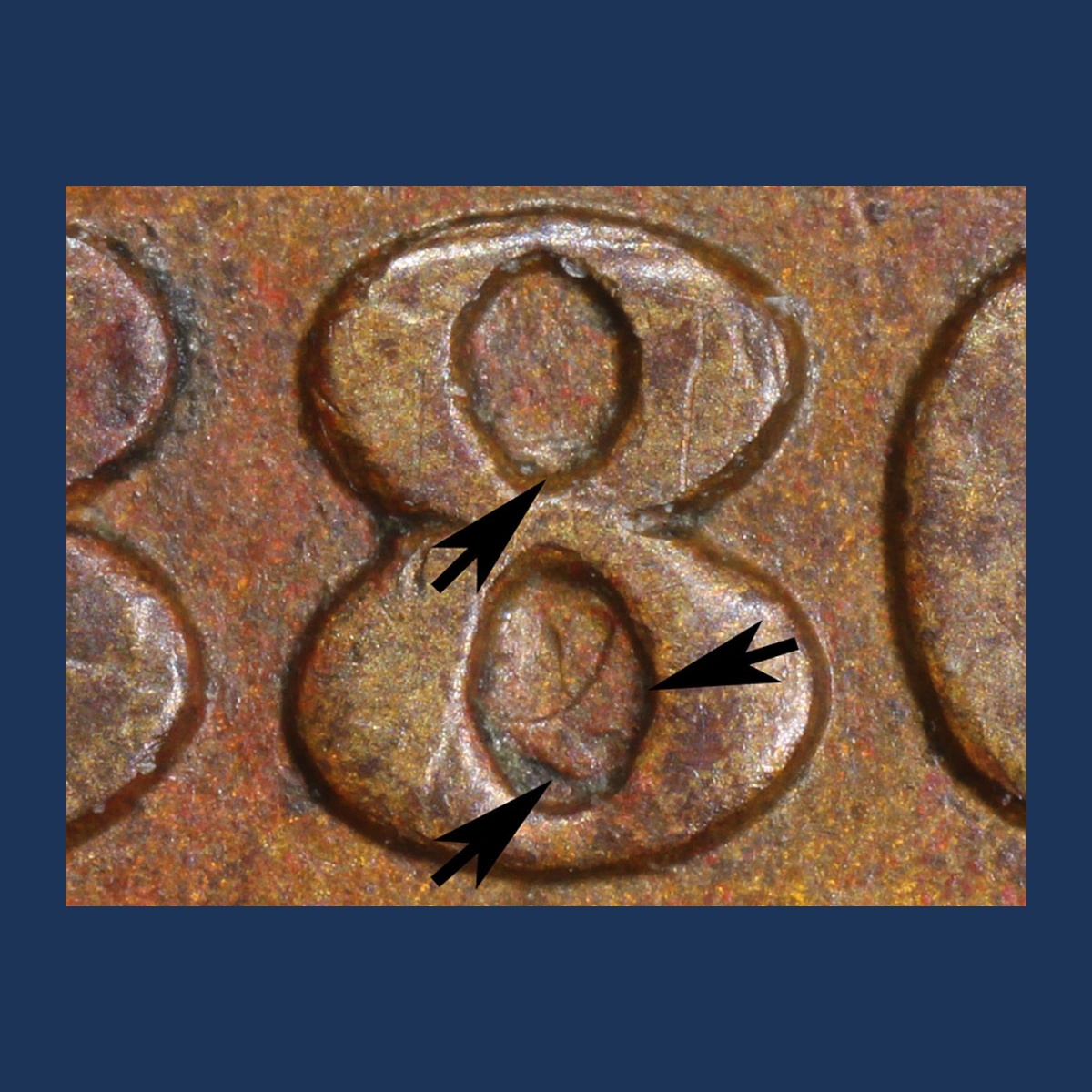
An inner curve of an 8 can have a second raised outline. This can record an earlier position of the date punch.
The punch impressed the date into the steel stamping tool. If it moved between blows, the later impression might fail to cover the first one completely.
Coins then repeated that doubled-looking number even though each received an ordinary strike. This is different from doubling already present across the wider design.
Both circulation and Proof examples are listed for 1880. Proofs are specially struck collector coins, and their extra trace below the 1 belongs to a separate comparison.
Estimated Value
For circulation examples, use an estimated $15–$500. Clear number remnants on a well-preserved coin can attract more than a tiny trace under heavy wear.
A different-year comparison is the $168 January 2019 sale of a 1904 FS-301 cent graded an unworn MS64 Brown. It does not set the price of each 1880 date pattern.
The Proof example has an estimated whole-coin range of $400–$2,500. That range includes the value of its special finish and condition, not just the extra stroke.
How to Identify
Separate the Proof comparison from the circulation comparison before examining the date. Use the correct photographs for the coin’s finish, rather than treating every extra mark near 1880 as the same variety.
Compare its weight and diameter with 3.11 g and about 19 mm using a scale and calipers. Inspect the plain edge for damage that might suggest an altered coin.
Now examine the inner outline of the 8 with a 10× magnifier, or the area below the 1 for the listed Proof. Follow the surviving curve or stroke into its clearest part and compare that exact position with the appropriate date photograph.
8. 1880 Indian Head Penny Doubled Headband Letters (Estimated Up to $4,000)
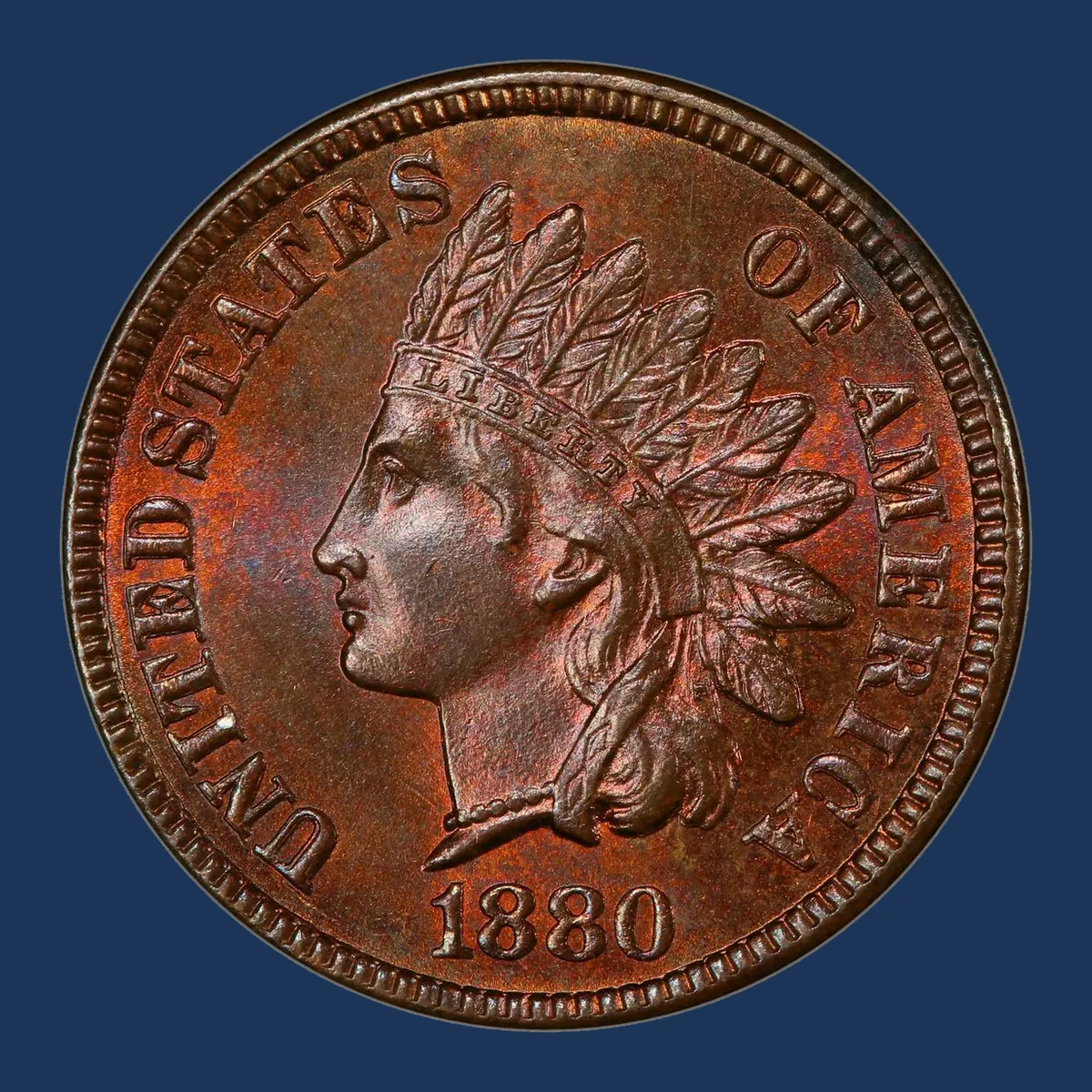
Letters within LIBER on the headband show extra outlines. The steel stamping tool carried that repeated detail before this coin was struck.
This is a doubled die, not two complete strikes on the penny. A second full strike can move much of the design, while this feature stays within particular letters.
The recognized 1880 variety is called FS-101 or Snow-1. It also carries a distinctive clash pattern on the back.
Those are two different visible features on the same variety. The doubled letters describe its front, while the clash explains the extra transferred shapes on the other face.
Estimated Value
For the identified variety, estimate $100–$4,000 across worn and high-grade examples. The strongest prices require much more than a vaguely thick headband letter.
PCGS records a $3,450 Heritage sale for an MS65 Brown example on August 8, 2007. That is an unworn coin with both the front doubling and the back clash.
The sale prices one whole penny. Do not add its amount again when discussing the clash on the same coin.
How to Identify
Look at the headband and the shield area on the back before choosing a variety photograph. FS-101 combines doubled headband letters with a particular transferred pattern, so a single thick-looking letter is not enough.
A normal bronze penny weighs 3.11 g and measures about 19 mm, which you can check with a scale and calipers. Inspect its plain edge for signs that an altered coin has been assembled or reshaped.
Under a 10× magnifier, move the lamp across LIBER and separate raised letter outlines from reflections or flat shelves. Compare the clearest repeated letter edges with FS-101, then check that the pictured back clash is also present.
9. 1880 Indian Head Penny Off-Center Clash (Estimated Up to $4,000)
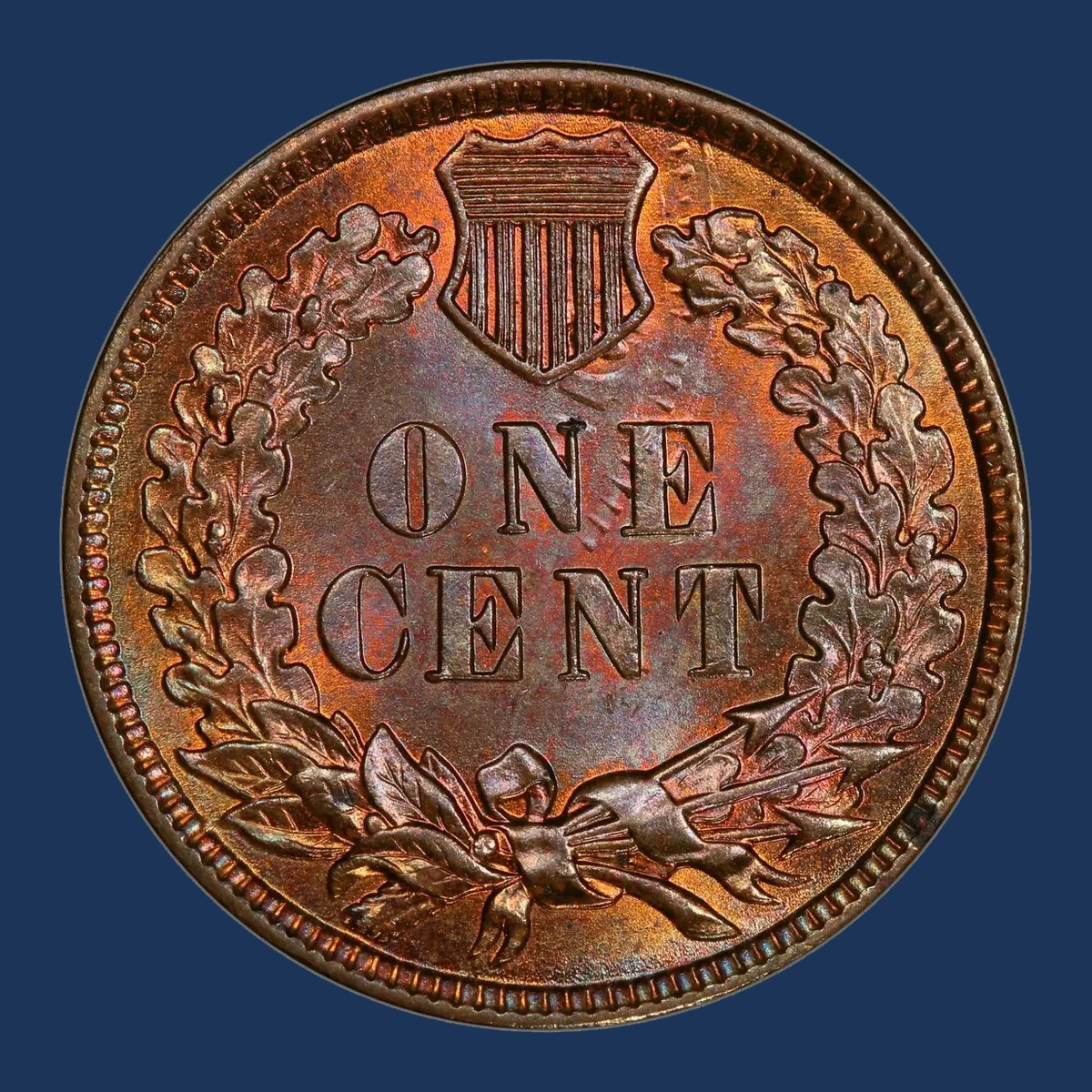
Extra tooth-like shapes cut across the back design instead of staying at the rim. They extend inward from around 1 o’clock toward the shield and nearby lettering.
These marks come from contact between stamping tools that transferred parts of one design onto the other tool. The contact was offset, leaving the unusual placement.
The 1880 pattern includes front-border and letter traces among the shield, upper-right wreath, and ONE CENT. It occurs with the doubled headband letters described above.
The exact circumstances of that tool contact are debated. The visible transferred design does not require calling the finished coin off-center.
Estimated Value
An identified 1880 FS-101/Snow-1 coin with this clash has an estimated whole-coin range of $100–$4,000. Clear traces and good preservation help make the pattern collectible.
The $3,450 Heritage result from August 2007 concerns an MS65 Brown example of the combined variety. It is the same comparison used for the doubled headband, not an additional amount to add.
A random raised streak or ordinary clash should not receive this variety’s price. The unusual transferred pattern must match.
How to Identify
The coin can be centered despite the offset clash.
Use a scale and calipers against 3.11 g and about 19 mm, then inspect the plain edge. The odd marks should be extra design traces, not evidence that a piece of the coin is missing.
Under a 10× magnifier, compare the normal border teeth with the strange tooth-like shapes near the shield.
The pictured 1880 clash runs inward from about 1 o’clock through the upper-right design. Follow that path toward the lettering before turning to the doubled headband.
Look for transferred border shapes crossing the normal shield-area design; an off-center coin instead loses normal design beyond the metal.
10. 1880 Indian Head Penny Double Strike with Indent (Estimated Up to $5,000)
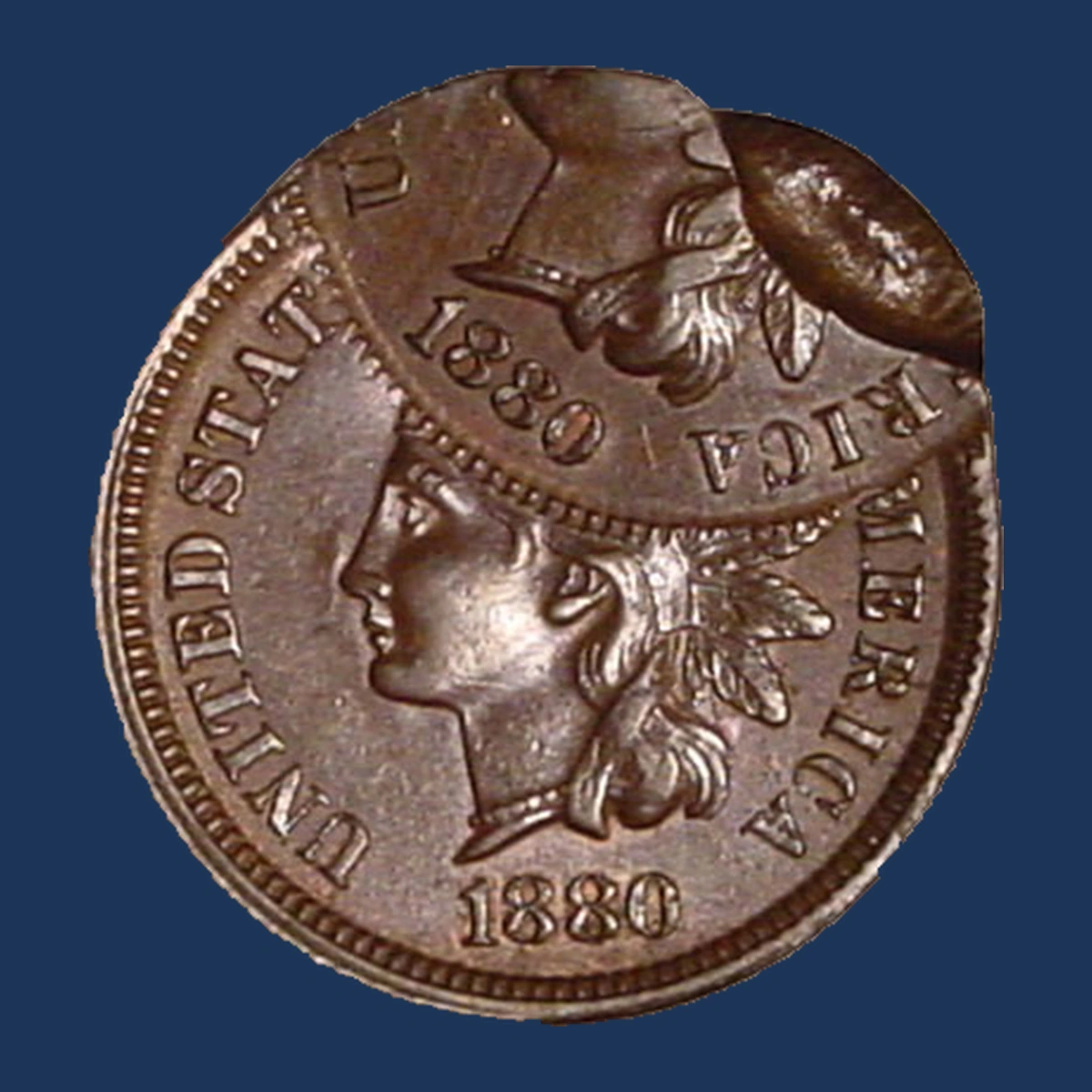
Two sets of coin detail overlap, and a separate small depression interrupts the second impression. The recorded 1880 example combines a double strike with an indent.
Its first strike was centered. The coin moved before the second blow, which landed 55% off-center toward 1 o’clock.
Another overlapping metal disc blocked about 5% of that later strike and left the indent. The depression is different from the overlapping designs created by the two blows.
NGC graded the pictured example AU58 Brown, meaning very light wear and brown surfaces. Both errors belong to this one coin.
Estimated Value
Allow an estimated $500–$5,000 for a genuine 1880 double strike with a clearly identifiable indent. The complete shape, surviving date, and preservation affect the price.
A different-year double-strike comparison is a 1908 cent graded an unworn MS62 Brown, sold for $4,080 in June 2024. It was not the recorded 1880 compound error.
No sale price is assigned here to the pictured 1880 AU58 Brown coin. The range estimates the whole piece, rather than adding separate full prices for each feature.
How to Identify
Find the centered first design.
Next, locate the later image toward 1 o’clock, where the second strike landed mostly outside the original coin. Trace a recognizable letter or portrait feature through both positions using a 10× magnifier.
Use a scale to compare with the normal 3.11 g. Measure the distorted outline with calipers rather than expecting a perfect 19 mm circle, and inspect the plain edge for added metal.
The small depression is a separate clue. It should interrupt the later strike where another metal disc overlapped.
Compare the two design positions with the recorded coin, then locate the distinct indent boundary within the second-strike area instead of calling every overlapping letter an indent.
Conclusion
An 1880 penny can carry more than one mint-made feature. Doubled headband letters and the unusual back clash occur together, while the recorded double strike also has an indent.
Estimated values in this guide run from $5 to $5,000. Price each complete coin once, even when it appears under two features, and choose comparisons that match its condition as well as its error.