1886 Penny Error List with Pictures

A second blow can leave a small extra design near a penny’s edge. One 1894 Indian Head cent with that mistake sold for $517.50 in January 2008, providing a same-series comparison for the 1886 double strike below.
The 1886 penny error list spans estimated values of $5–$5,000, from minor cracks to major layer separations. Its two normal portrait styles also matter when matching examples.
Continue below to separate those ordinary design changes from actual date, blank, and striking errors.
1. 1886 Indian Head Penny Raised Die Cracks
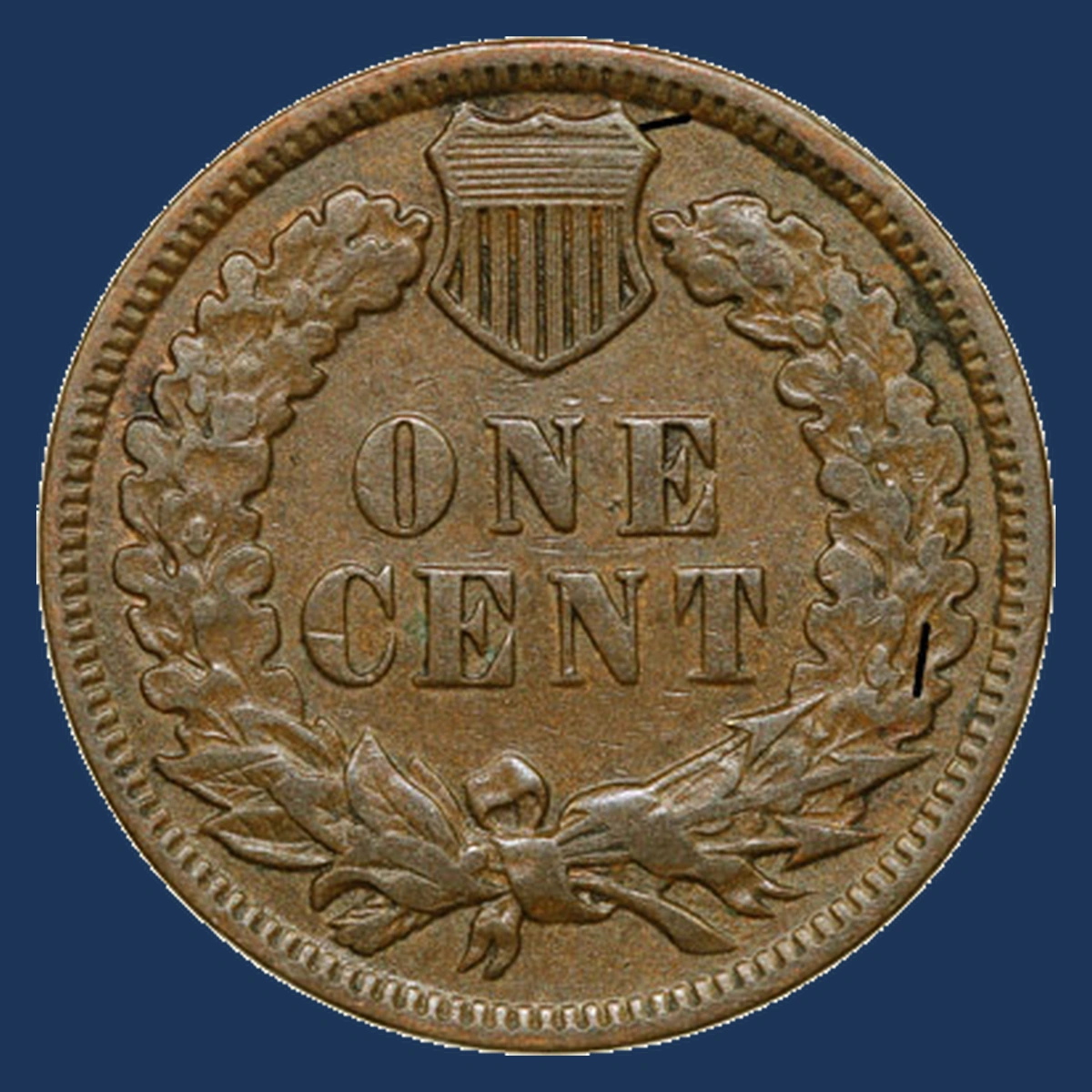
Fine raised lines can cross an 1886 penny where the die, the steel stamping tool, began to crack. Bronze entering the opening formed a narrow ridge on the coin.
A recorded Type 1 pattern has a crack beginning near twelve-forty-five. Type 2 Variety 11 has separate cracks on both the front and back.
The two portrait styles are normal designs, not errors themselves. Their lowest feather points toward different spaces in AMERICA.
A crack belongs to a particular tool, so a line recorded on one style should not be assigned to every 1886 penny.
Estimated Value
For modest cracks on circulated examples, estimate $5–$200. The date’s ordinary value and the distinction between Type 1 and Type 2 can account for much of the total.
This is an estimate for small raised lines, not a reported sale of each tool stage. Larger damage or an exceptional grade would need a different comparison.
On Type 2 Variety 11, the misplaced digits and the cracks are features of one coin, not prices to add together.
How to Identify
Compare the lowest feather with AMERICA under a 10× magnifier. Type 1 points between I and C; Type 2 points between C and the final A.
Choose a crack photograph of the same type, then follow the line as the light moves across it. A raised ridge differs from a scratch cut below the surface.
A scale and calipers check a loose bronze cent against 3.11 g and 19.05 mm. Inspect the plain edge for an impact that might connect to an apparent line.
For the Type 1 example, begin near twelve-forty-five. Type 2 Variety 11 needs its own two-sided comparison rather than that same starting point.
2. 1886 Indian Head Penny Curved Clip
The reported clipped 1886 penny has a curved gap near three o’clock. Its opposite rim also shows weakness, a feature that can support a blank-cutting error.
A curved clip can form when the punch cutting a metal disc, or blank, overlaps a hole already left in the metal sheet. The coin is then struck with that metal already absent.
The dealer lists this example as NGC AU Details. It has light circulation wear plus a condition problem, but the available description does not specify that problem.
The clip should be judged separately from any later damage.
Estimated Value
Estimate $50–$250 for a lightly worn Details example with a genuine curved clip. Better-preserved, problem-free 1886 clips can fit approximately $100–$500.
These ranges are estimates, not a reported sale of the dealer’s particular coin. The Details description matters because a surface problem can affect the whole penny even when the clip is genuine.
Check the portrait type, missing segment, and remaining condition before using a comparison from a different 1886 example.
How to Identify
Read the complete grading description, if available, before comparing the gap with later damage. Keep the certified coin sealed rather than removing it for measurements.
For a loose example, use a scale against 3.11 g and calipers across intact metal against 19.05 mm.
At 10×, inspect the rim as it reaches both ends of the curved gap. A cut made through a finished edge can leave grooves that interrupt the original rim.
Compare the weaker rim opposite the missing segment. It supports the clip only when the gap itself also looks original.
Look for metal folded inward by a blow; that can imitate a curved missing piece without being a blank-cutting error.
3. 1886 Indian Head Penny Broken Retaining Collar
A long edge feature can result from a break in the ring that normally surrounds the blank. That retaining ring is called the collar.
An older error listing records an 1886 penny with a collar break from nine-thirty to two o’clock. NGC graded the example XF45, meaning light-to-moderate circulation wear.
Metal can move into a damaged part of the ring during striking, changing the edge in that area. The front and back tools may still leave their ordinary designs.
This differs from a crack across the coin’s face and from a coin struck entirely outside the collar.
Estimated Value
The older listing priced the NGC XF45 collar-break penny at $195. That amount was a listed price, not a confirmed auction result.
Use an estimated $75–$750 for an identifiable 1886 collar break, depending on the size of the edge feature and preservation. The listed coin gives a circulated-condition comparison.
A damaged or squeezed edge can resemble an unusual collar feature, so a price based only on a raised-looking rim is not enough.
How to Identify
View the actual edge with a 10× magnifier rather than relying on a straight-on face photograph. On the listed example, the affected span runs from about nine-thirty to two o’clock.
Compare that span with the unaffected edge and inspect its junction with both faces. A seam, filing grooves, or a folded rim can point toward a later alteration.
For a loose coin, weigh it on a scale against 3.11 g and record several widths with calipers against 19.05 mm. A local collar break may change one part of the outline; trace the same uninterrupted edge feature instead of treating every raised border point as related.
4. 1886 Indian Head Penny Broadstrike
A broadstruck penny can look wider because the normal retaining ring did not restrain its metal. The design was struck while bronze spread beyond its intended outline.
The dealer’s 1886 example is Type 2 and graded NGC XF45. Its front and back designs remain present despite the expanded edge.
That complete design helps separate a broadstrike from an off-center strike that cuts away part of the intended image. The two can look similar in a tight photograph.
A broadstrike also differs from a local collar break, which affects a particular part of the edge.
Estimated Value
The Type 2 NGC XF45 broadstrike was listed at $350 by Northeast Numismatics. That is an asking price for a circulated coin, not a recorded final sale.
Estimate $150–$1,500 for comparable 1886 broadstrikes across different conditions and degrees of spreading. The normal Type 2 coin’s value also contributes to the total.
A wider outline alone does not justify that range if pressing, filing, or other later damage caused it.
How to Identify
Calipers are useful here: record widths across several parts of a loose coin against the normal 19.05 mm. Then weigh it on a scale against 3.11 g to see whether the wider shape still carries roughly the usual metal mass.
Inspect both faces at 10× and follow the design around the full edge. Parts cut off by the strike would point toward an off-center component instead.
Confirm Type 2 from the lowest feather’s position between C and the final A of AMERICA.
Examine the expanded border for scraping, squeezing, or a folded lip. Original metal spread during striking should be assessed together with the preserved designs, not from width alone.
5. 1886 Indian Head Penny Repunched Date
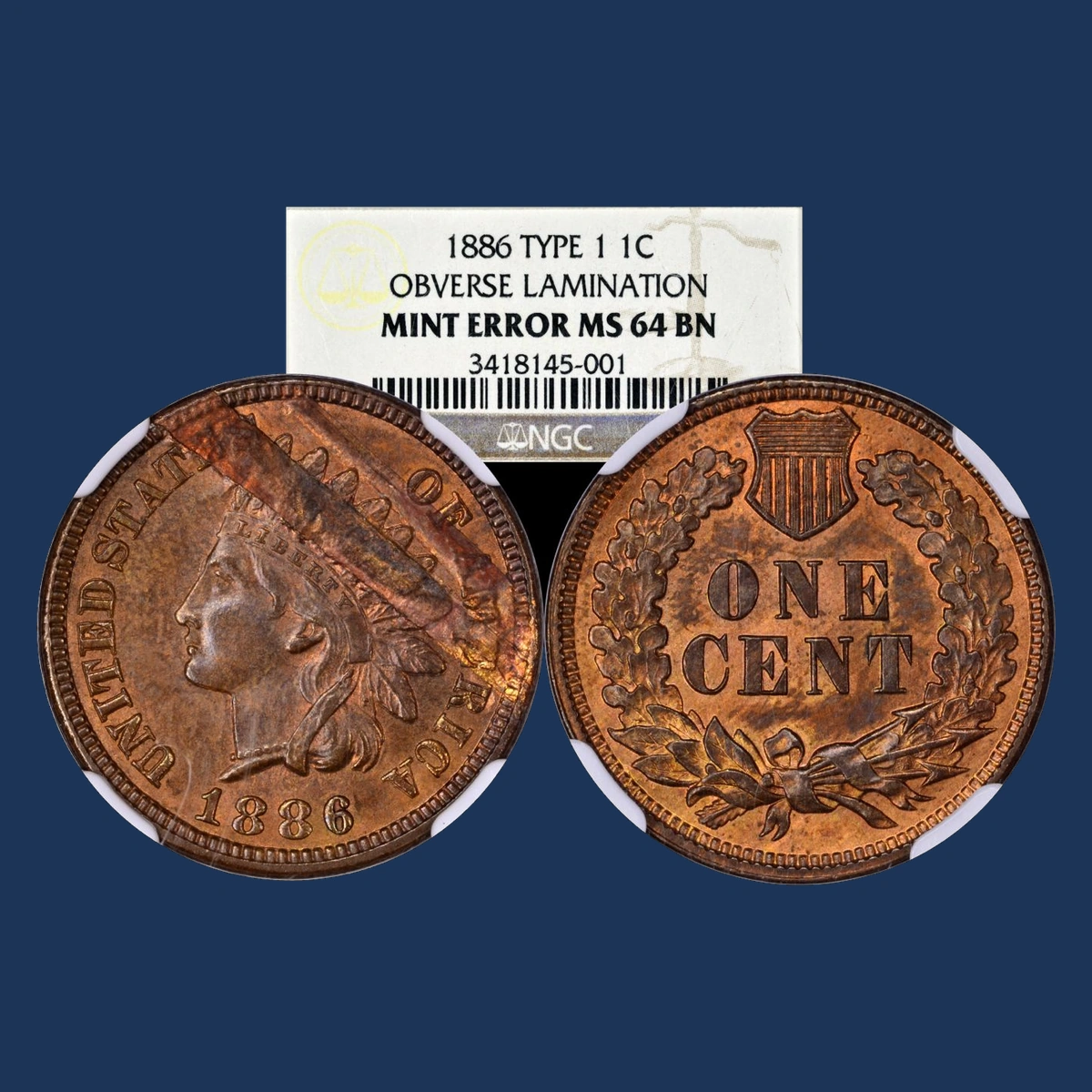
The lower loop of the 6 can contain an earlier stroke from another date impression. On other Type 1 examples, both the second 8 and the 6 show repeated detail.
The date was punched into the stamping tool more than once with a small change in position. Coins made from that tool copied the surviving earlier strokes.
Some recorded patterns lie below the normal detail, while another trace lies above it within the 6. Those directions distinguish separate varieties.
A thick loop caused by wear or a flat edge from movement during striking needs a different explanation.
Estimated Value
For identified 1886 repunched dates, estimate $30–$2,500 from worn examples to stronger, well-preserved varieties. The range applies to the whole coin, including its type, color, and condition.
The visible pattern should guide the comparison rather than the simple label “repunched date.” A small trace inside one loop need not match the value of a stronger 86 repunch.
When a coin also has lamination, assess that combination together; an extra feature does not create a second independent coin price.
How to Identify
Keep the second 8 and the entire 6 in one clear photograph under a 10× magnifier. Trace the extra stroke around the loop rather than inspecting only its brightest point.
Compare it with the correct Type 1 pattern. A trace below the normal detail should not be identified from a photograph showing a northward impression.
A loose cent normally weighs 3.11 g on a scale and measures 19.05 mm with calipers. These measurements cannot identify the date punch, so inspect whether the suspected extra stroke forms part of another numeral instead of a low flat shelf beside the existing one.
6. 1886 Indian Head Penny Misplaced Digits in the Border
Tops of extra digits appear among the border teeth below the 1 and first 8 on Type 2 Variety 11. The specialist describes traces from several misplaced impressions of the date punch.
An earlier 1 lies below the left base of the normal 1. Other fragments near the first 8 come from misplaced 8 digits.
These are not repeated strokes inside the main date. They sit lower, in a part of the tool where the date was not meant to go.
The same pairing later developed cracks on both faces, but the tiny digits identify a different feature.
Estimated Value
Use an estimated $75–$3,500 for identified 1886 Type 2 misplaced-date examples across circulated and stronger preserved grades. The scarcity and condition of the normal Type 2 coin contribute to that whole-coin range.
This is an estimate rather than a reported sale of Variety 11. Visible fragments that can be matched confidently provide a better comparison than one unclear bump beneath the date.
Accompanying cracks remain part of the same coin and should not have separate maximum prices added.
How to Identify
Confirm Type 2 before magnifying the low digits: its lowest feather points between C and the final A in AMERICA. The earlier Type 1 portrait needs different comparison images.
For a loose example, a scale and calipers check the usual 3.11 g and 19.05 mm.
Use a 10× magnifier to inspect beneath the left base of the 1.
Then examine both sides below the first 8, keeping the normal date and border in the same photograph. The Variety 11 images show how the fragments sit among the teeth.
Move the lamp to reveal the small curves without confusing shadows with raised metal. Match their positions as a group rather than naming the variety from one isolated dot.
7. 1886 Indian Head Penny Double Strike with a Displaced Second Impression
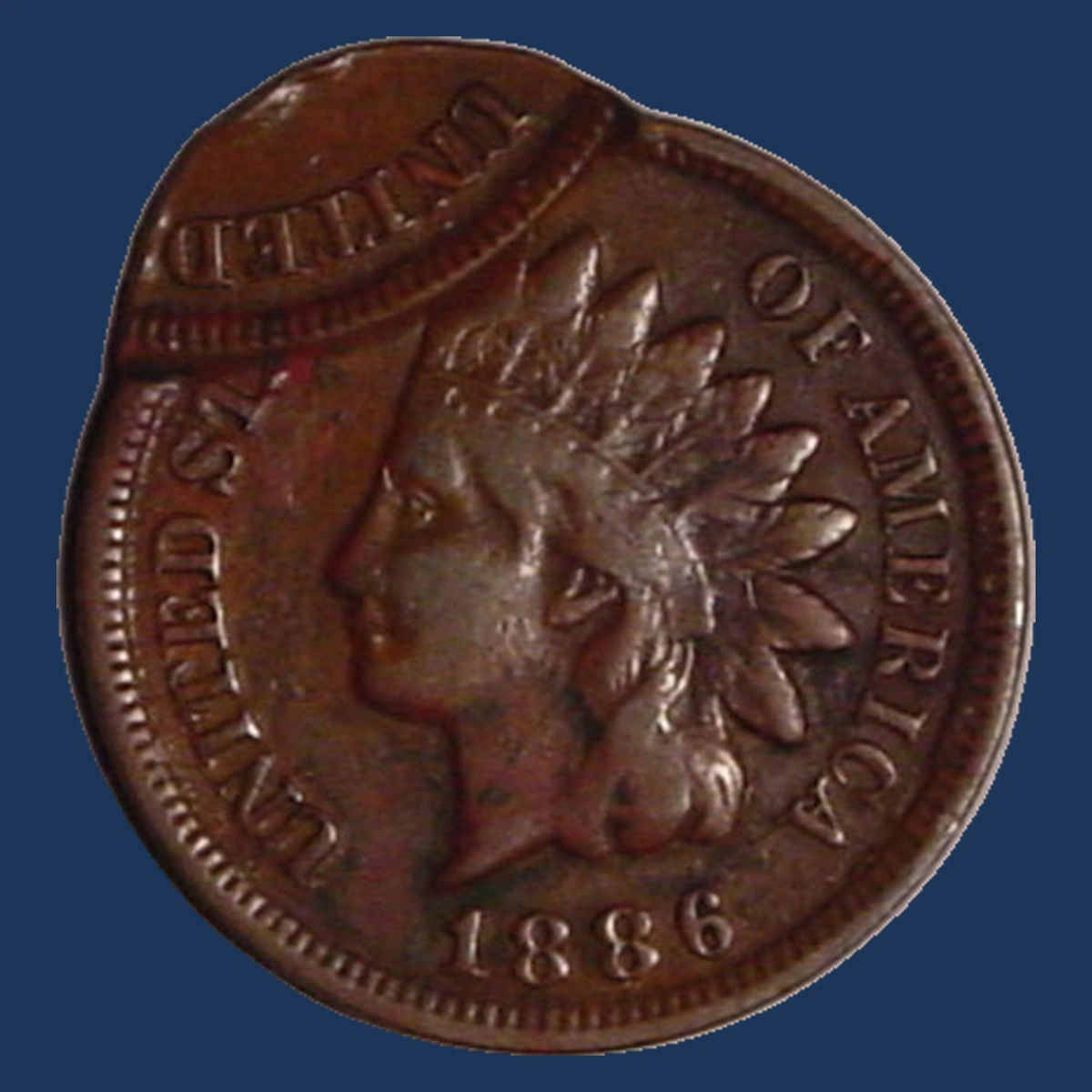
A small second impression near eleven o’clock records another blow from the press. The published 1886 Type 2 penny was first struck in the center, then struck again seventy-five percent off-center.
The coin had moved before the second blow instead of leaving the press normally. Parts of that later design can overlap the earlier image.
NGC graded the example AU55 Brown, meaning light circulation wear and brown surfaces. Its portrait type and striking sequence belong to this particular coin.
A few repeated date strokes alone would not establish two strikes across the whole penny.
Estimated Value
Estimate $500–$4,000 for a confirmed 1886 double strike of this kind, depending on preservation and how clearly both impressions can be seen. Type 2 identity also matters.
An 1894 NGC VF30 double strike sold for $517.50 in January 2008. It also had a seventy-five-percent second strike, but more circulation wear.
That is a different-year comparison, not a sale assigned to the 1886 AU55 coin. Stronger original surfaces can change the total considerably.
How to Identify
Photograph the small second impression near eleven o’clock together with the centered first design. A close crop can conceal where the second blow landed.
At 10×, separate recognizable letters or portrait lines from both strikes.
Compare the overlap on the opposite face as well. The repeated shapes should fit the same movement of the coin between blows.
A scale can compare a loose example with 3.11 g, while calipers record its outline against 19.05 mm. Additional striking may change the edge shape without adding metal.
Look beyond the date for the repeated design. A repunched numeral remains a small feature of the stamping tool, rather than evidence of another complete press blow.
8. 1886 Indian Head Penny Peeling Metal and Clamshell Separation
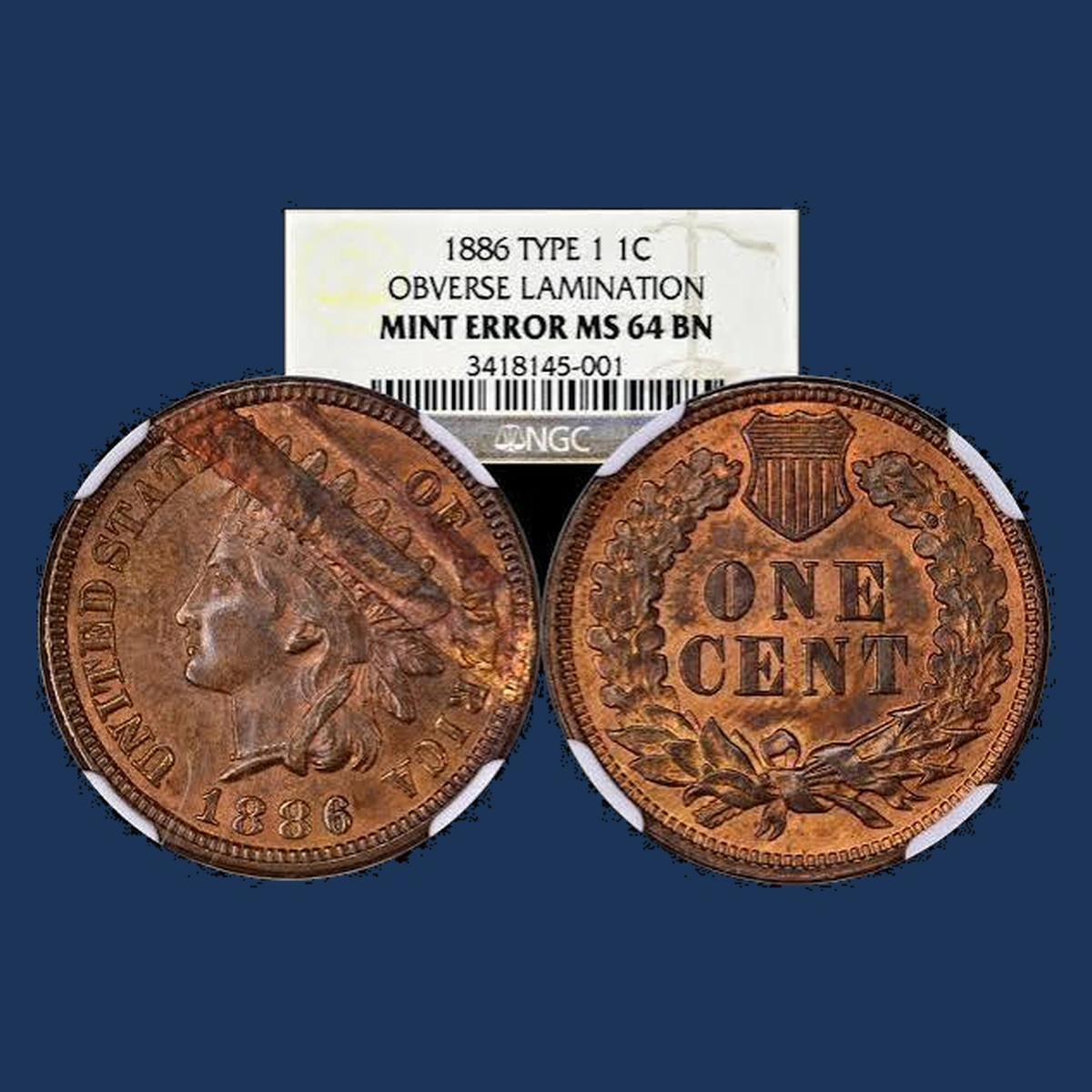
A layer defect can peel across the front or open along the edge like a shell. Both appearances begin with a weakness inside the bronze.
Mint Error News shows two separate Type 1 examples. One is an NGC MS64 Brown Snow-7 coin with an 86 repunch and front lamination.
The other is NGC MS65 Red-Brown with a clamshell-like separation. Both are unworn, but their colors, grades, and layer defects differ.
The edge opening belongs to the second coin. The repeated date and front peeling belong to the first.
Estimated Value
For modest 1886 surface laminations, estimate $30–$500 in circulated and suitable better-preserved grades. Stronger clamshell separations or high-grade combinations can fit roughly $300–$5,000.
These are estimates for the complete coins, not reported sales of the two collection examples. Their unworn grades and Type 1 variety identities contribute to the comparison.
A repunched date, attractive color, and a layer defect may share one penny, so judge that actual combination rather than adding individual maximum prices.
How to Identify
Handle a clamshell separation as fragile metal, keeping the opening in its existing position. Do not pry it wider to inspect the inside.
With a 10× magnifier, examine where the open layer still joins the rest of the coin. For the front-lamination example, instead trace the peeling boundary across the face and photograph its separate 86 repunch.
A scale may show nearly normal 3.11 g if all layers remain attached. Use calipers carefully away from loose metal when comparing the usual 19.05 mm width.
Check the opening for a continuous internal layer rather than a cut forced in from the edge. A sawed seam can imitate a split without the same natural boundary.
Conclusion
Match the normal portrait style first, then examine what happened to the date, edge, or metal layers. The examples in this 1886 list cover an estimated $5–$5,000 range, including coins whose condition contributes strongly to the price.
A clipped edge, a broken collar, and a spreading broadstrike leave different clues. Keep the two lamination examples separate, and compare each error with a coin of similar type and preservation.