1889 Penny Error List with Pictures

Three overlapping strikes and a tiny extra letter edge are very different finds. An 1889 cent struck three times brought $5,040 in December 2022.
This 1889 Indian Head penny error list covers both dramatic mistakes and small marks left by damaged or incorrectly prepared tools. Estimated whole-coin values run from $5 to $6,000, with ordinary coins and specially prepared Proof collector coins priced separately.
Use the comparisons below to decide which kind of feature you are seeing.
1. 1889 Indian Head Penny Uneven Alloy Mixing (Estimated Up to $150)
Long streaks of different color can cross the portrait and surrounding surface. Uneven mixing of the metals in the bronze can produce this wood-like appearance.
The specialist catalog notes this feature among 1889 cents. It is a feature of the coin metal, rather than an extra design cut into a stamping tool.
Color alone proves little. Cleaning, storage, and deliberate treatment can also change how an old penny looks.
A useful comparison follows the pattern across several parts of the coin. Streaks running through the metal need to be distinguished from separate surface scratches or patches of staining.
Estimated Value
An estimated $5–$150 suits ordinary examples with visible, natural-looking streaks across different levels of wear. The coin’s condition may account for most of that amount.
A dramatic pattern can interest collectors, but it does not automatically produce a large premium. This is an estimate for the reported appearance, not a recorded sale assigned to one 1889 specimen.
Artificial color, harsh cleaning, and corrosion can reduce value even when the remaining pattern looks striking.
How to Identify
Under the same light, compare your penny with an ordinary brown example and turn both together. Grain from the metal mixture should be followed across the portrait and surrounding lower surface, rather than judged from one colored patch.
With a magnifier, look for cut-in cleaning scratches or a coating at the plain edge; do not rub away anything. Safely accessible scale and caliper readings can be compared with 3.11 grams and about 19 millimeters, the ordinary bronze-cent standards.
If the apparent streaks consist of scraped lines through the finished surface, cleaning offers a different explanation. Color spread across damaged metal should not be accepted as an original alloy pattern merely because it resembles wood.
2. 1889 Indian Head Penny Die Cracks and Retained Cud (Estimated Up to $750)
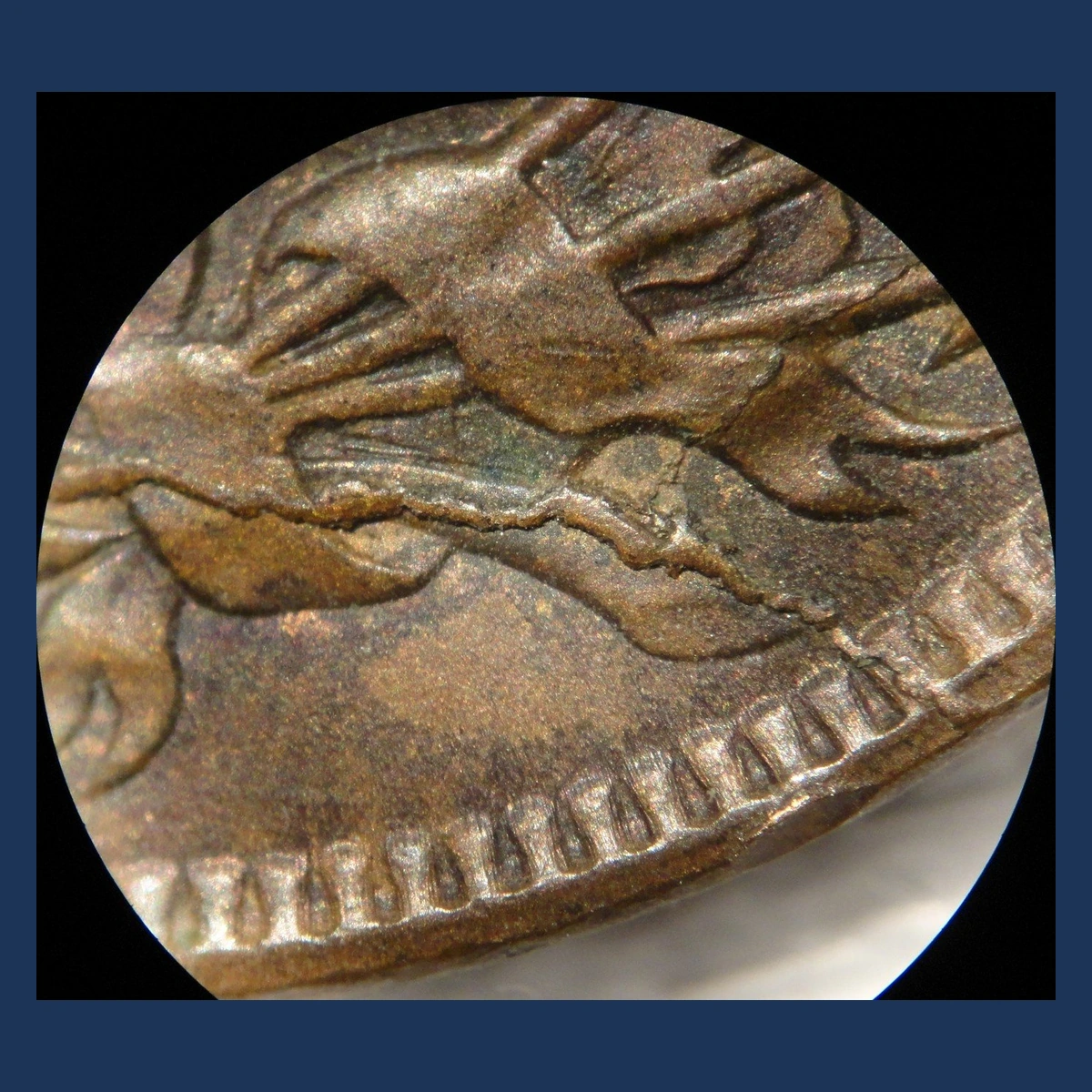
A raised line can show where the steel stamping tool, called a die, cracked. A larger broken section can move slightly while still staying in place.
The documented 1889 retained cud lies along the back rim from about 5:30 to 7 o’clock. Its step reflects movement of the broken tool piece, not its complete loss.
Other examples have thinner back cracks at different positions. These should be compared with their own paths through the wreath, ribbon, and arrows.
A long line is not automatically a retained cud. The stepped section adds evidence beyond the crack itself.
Estimated Value
Estimate $5–$75 for modest raised cracks and roughly $50–$750 for a clear retained rim break in better preservation. Both ranges include the value of the entire penny.
A later 1946-S Lincoln cent with a cud sold for $288 in March 2021. Its missing-piece type differs from the shifted, retained piece described on the 1889 coin.
Use that sale as broad price context, not an exact match. Strong visible relief matters more than simply finding a line near the rim.
How to Identify
View the lower back rim from the side before enlarging the crack. At 5:30 to 7 o’clock, look for a slight step across a section that still carries design.
Check the adjacent plain edge for a folded rim or added metal.
A scale and calipers can compare safely accessible weight and width with 3.11 grams and about 19 millimeters. Now follow the raised boundary under a magnifier.
A retained piece can preserve detail inside the affected area. A fully missing piece would leave a different patch.
For a thinner crack elsewhere, trace its own route instead of borrowing this lower-rim location. A scratch’s central groove cuts into the surface even when displaced metal rises beside it.
3. 1889 Indian Head Penny Doubled Dies (Estimated Up to $1,500)
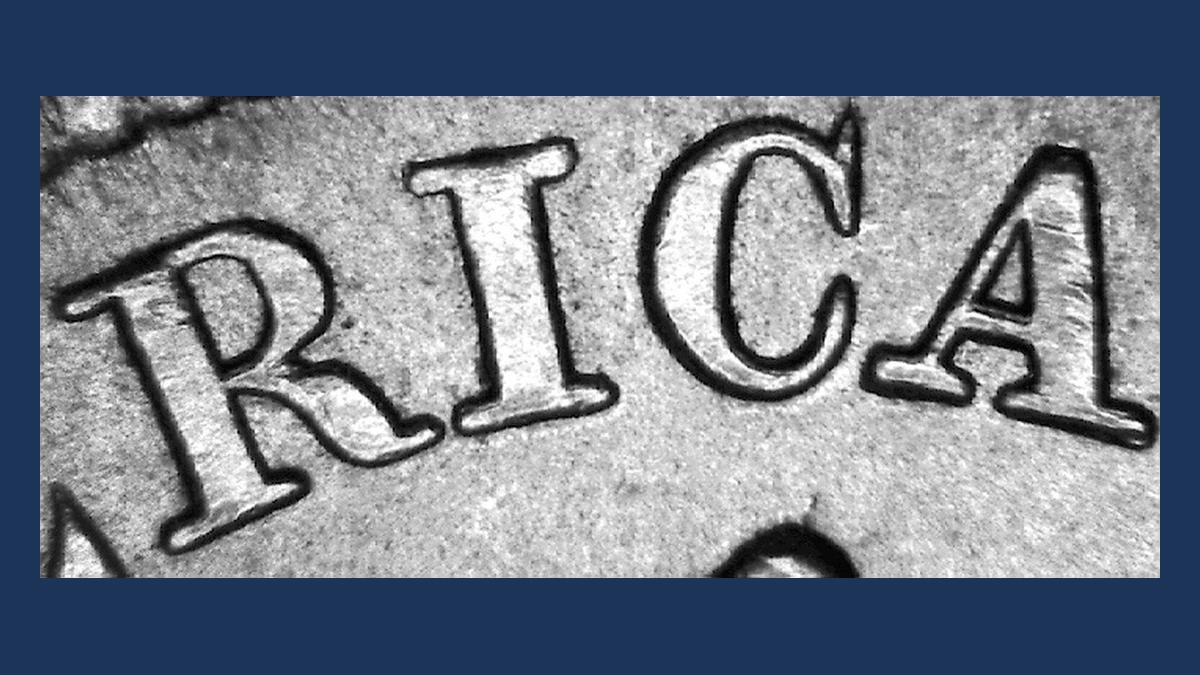
Small repeated edges can appear on either face, but the documented patterns differ. The front variety spreads ERICA in AMERICA inward, toward the coin’s center.
A separate back variety repeats detail toward the left on leaf veins, arrowheads, ribbon, shield, and ONE CENT. The right wreath offers a useful starting point.
These doubled dies are stamping tools that already contained repeated detail. A single strike could copy that detail onto a penny.
The front variety also has a repunched date from a separate date-punching step. Its repeated numerals cannot replace the required ERICA comparison.
Estimated Value
A back-doubled FS-801 example graded AU55 Brown sold for $240 in July 2025, according to PCGS. AU55 means light circulation wear.
Estimate $15–$1,500 for matched doubled-tool examples across different conditions and strengths. The $240 result belongs to the back variety, not the small inward spread on the front.
Clear repeated detail helps support a premium. On a front-doubled coin with date repunching, compare the complete coin once rather than adding two full price ranges.
How to Identify
Choose the affected face before comparing photographs. Under a 10× magnifier, look inward from ERICA on the front, or leftward from the right wreath’s leaf veins on the back.
For the back variety, compare arrowheads, ribbon, shield, and ONE CENT as well. A nearby portrait-shaped clash outline does not supply a missing repeated leaf edge.
Check the plain edge for pressing and compare safely accessible scale and caliper measurements with 3.11 grams and about 19 millimeters.
Return to the actual raised edges under different lighting. A low flat shelf can arise during striking; on the front variety, date remnants alone cannot establish the separate inward doubling of ERICA.
4. 1889 Indian Head Penny Misplaced Date (Estimated Up to $1,500)
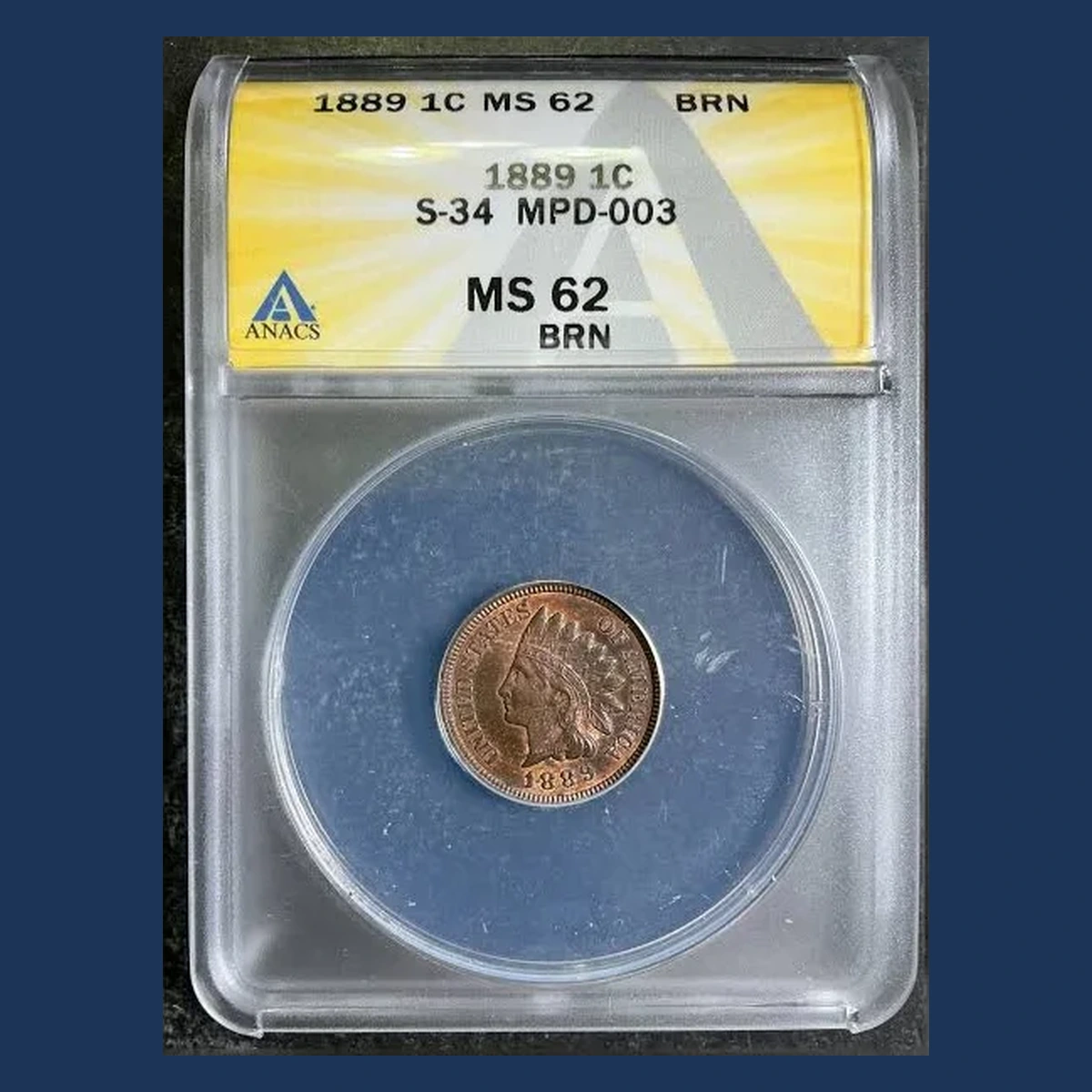
A number fragment outside the normal date can come from a punch touching the wrong part of the tool. The finished coin then repeats that misplaced fragment in raised metal.
The 1889 specialist list includes a misplaced-date variety paired with a repunched date. The two features should not be confused merely because both involve the date punch.
The exact extra-digit position needs a matching photograph of this variety. A random bump by the portrait or border cannot be assigned to it from the year alone.
A scratch, damaged border tooth, or small chip can imitate part of a numeral.
Estimated Value
Allow an estimated $20–$1,500 for a properly matched 1889 misplaced-date cent, with condition and visibility guiding the comparison. This range is conditional on identifying the raised number fragment.
A different 1908 Indian cent misplaced date in MS65 Red and Brown has a recorded $1,187 eBay result from 2021. That comparison is an unworn coin retaining some original red color.
It does not authenticate an unidentified 1889 bump. The misplaced fragment and any accompanying date repunching receive one whole-coin value.
How to Identify
First inspect the plain edge and suspect area for cutting or added metal. Safely accessible scale and caliper readings can check the basic 3.11-gram weight and roughly 19-millimeter width, but neither measurement identifies a misplaced digit.
Obtain an identified photograph of the listed variety before choosing a promising bump on your penny. Under a magnifier, follow the fragment’s actual raised curve beside the normal border and portrait, without extending it into an imaginary numeral.
The year alone does not tell you where that fragment should appear. If your visible extra stroke sits beside the normal date, compare repunching there first; a matching repeated date does not prove a misplaced digit elsewhere.
5. 1889 Indian Head Penny Off-Center Strike (Estimated Up to $1,500)
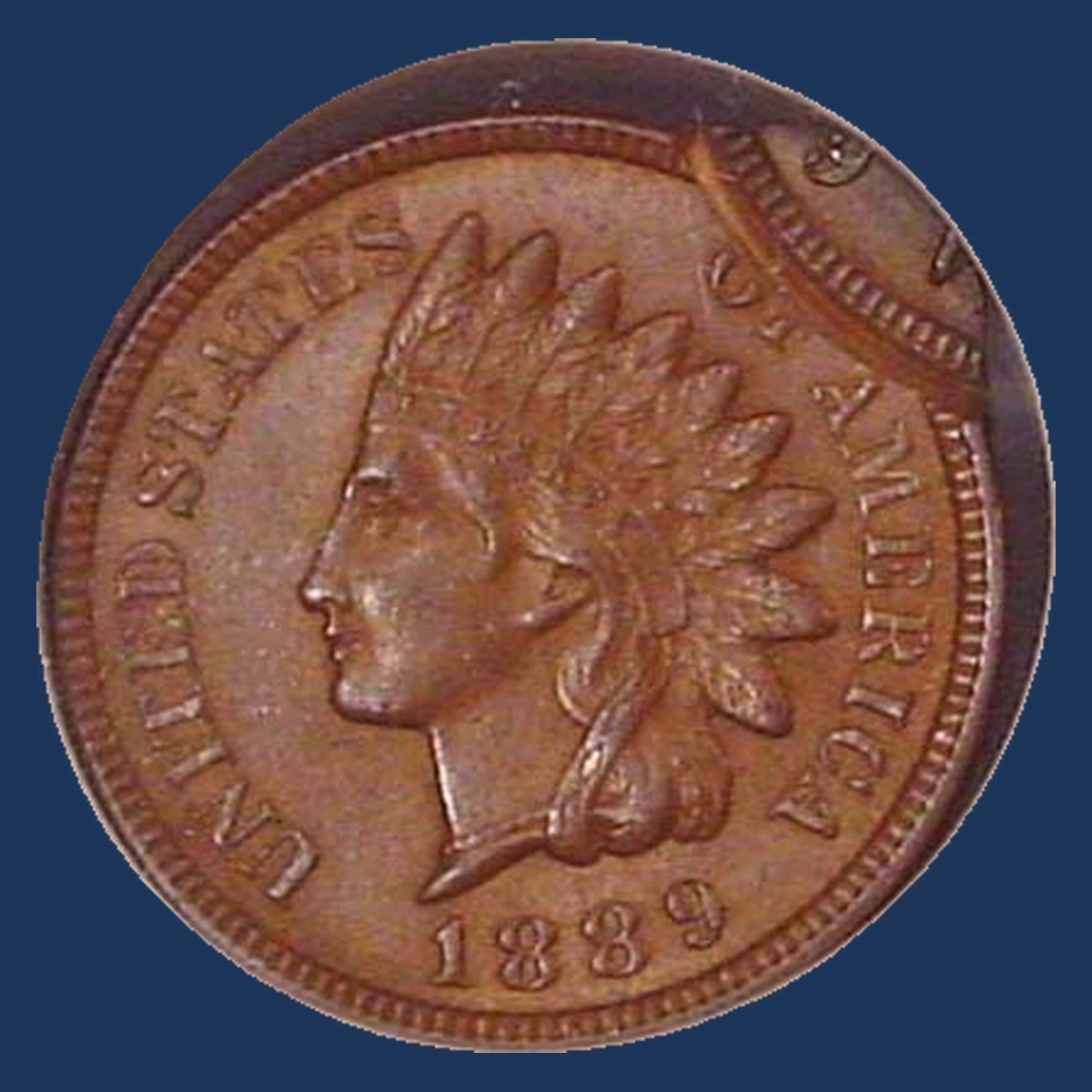
A blank struck away from its intended position can lose part of the design while leaving unused metal on the opposite side. Both faces need to fit that displaced blank.
Off-center strikes are reported for 1889, but the listing does not establish one percentage or direction. Those measurements belong to coins.
A penny with only its front design shifted may have a different alignment problem. Metal cut away later can also remove letters without leaving an original unstruck crescent.
A readable date helps connect the error to this year. The missing design should never be reconstructed from an assumed percentage.
Estimated Value
A genuine dated 1889 off-center cent can be estimated at $100–$1,500, allowing for different shifts and conditions. This is a range for the reported type, not a claimed 1889 auction result.
A nearby-year 1897 Indian cent struck 10% off center in AU58 sold for $280.60 in March 2026. AU58 means very slight wear.
That sale offers a bronze-cent comparison with a measured displacement. It does not supply a percentage for an unidentified 1889 example, especially one with missing date digits.
How to Identify
Compare weight and outline before estimating the missing design. A scale should be checked against 3.11 grams, while calipers record the unusual spans beside a normal cent’s roughly 19-millimeter size.
A cut-down coin may lose metal; an off-center strike does not automatically do so. Examine the plain edge for filing or a freshly cut surface.
Now photograph both faces straight on. Locate the blank crescent and follow where the struck design stops on each face.
With a magnifier, read the surviving date rather than assuming 1889 from a seller’s title. If only one face is displaced, compare a misaligned stamping tool instead of forcing it into the off-center category.
6. 1889 Indian Head Penny Die Clash (Estimated Up to $3,000)
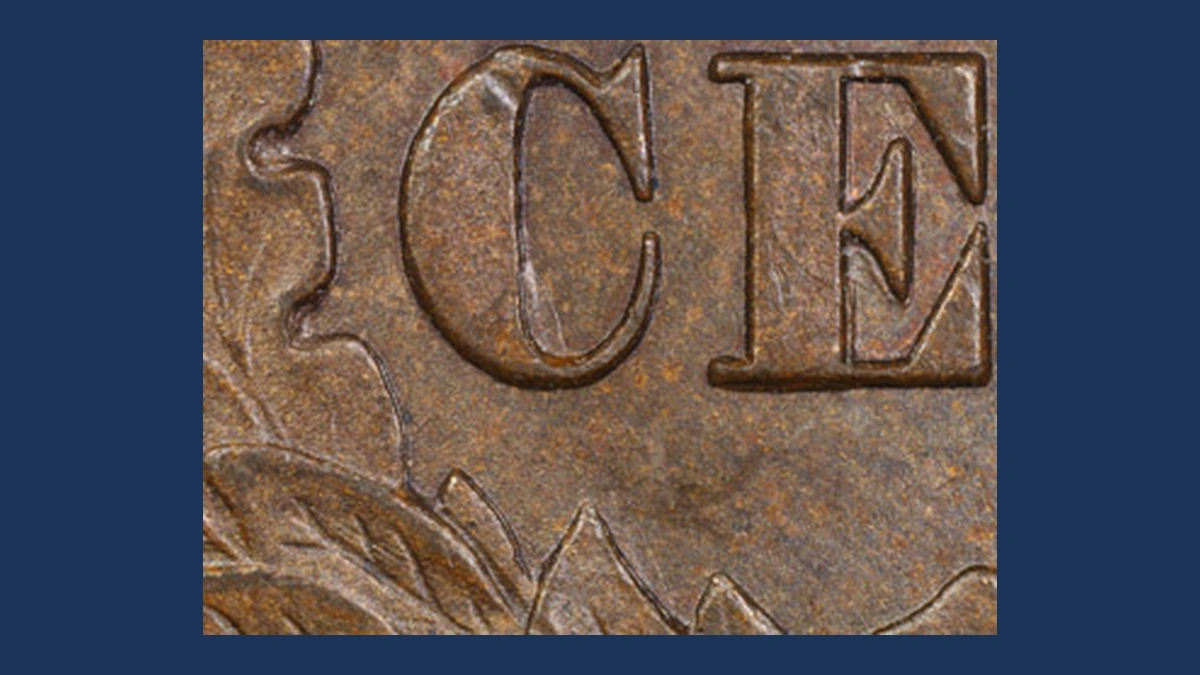
A portrait outline on the back can come from the tools touching without a blank between them. The marks left on those tools can pass to later pennies.
This is called a die clash. Some 1889 ordinary coins show displaced or repeated clash outlines, which differ from doubling of the original back design.
A Proof variety has clash marks on both faces. Proofs are collector coins made with special preparation, not ordinary pennies polished until shiny.
Each version needs its own comparison. A normal back-design line should not become a supposed hidden portrait merely because the year has known clashes.
Estimated Value
Estimate $15–$500 for ordinary examples with recognizable clashes, depending on their clarity and preservation. A suitable Proof carrying the documented marks may fit a whole-coin estimate of $200–$3,000.
The Proof’s preparation and condition account for much of that higher range. It is not a $3,000 fee for two faint outlines.
These are estimates, not reported sales for the individual 1889 tool pairs. On a coin with back doubling as well, compare the complete combination instead of adding prices.
How to Identify
Decide whether you are examining an ordinary coin or a Proof before choosing its comparison image. A certified label can help, but shine alone cannot make that distinction.
Both versions normally use a 3.11-gram bronze blank about 19 millimeters wide with a plain edge. Use a scale and calipers only when safely accessible; leave a certified coin sealed.
Align photographs of the front and back, then trace the suspected opposite-face outline under magnification. Displaced clashes need the matching displaced pattern, not an imagined normal portrait.
For the Proof variety, inspect both faces. For an ordinary coin also showing doubled back detail, separate the leaf’s repeated edge from the unrelated portrait-shaped line passing nearby.
7. 1889 Indian Head Penny Repunched Date (Estimated Up to $4,000)
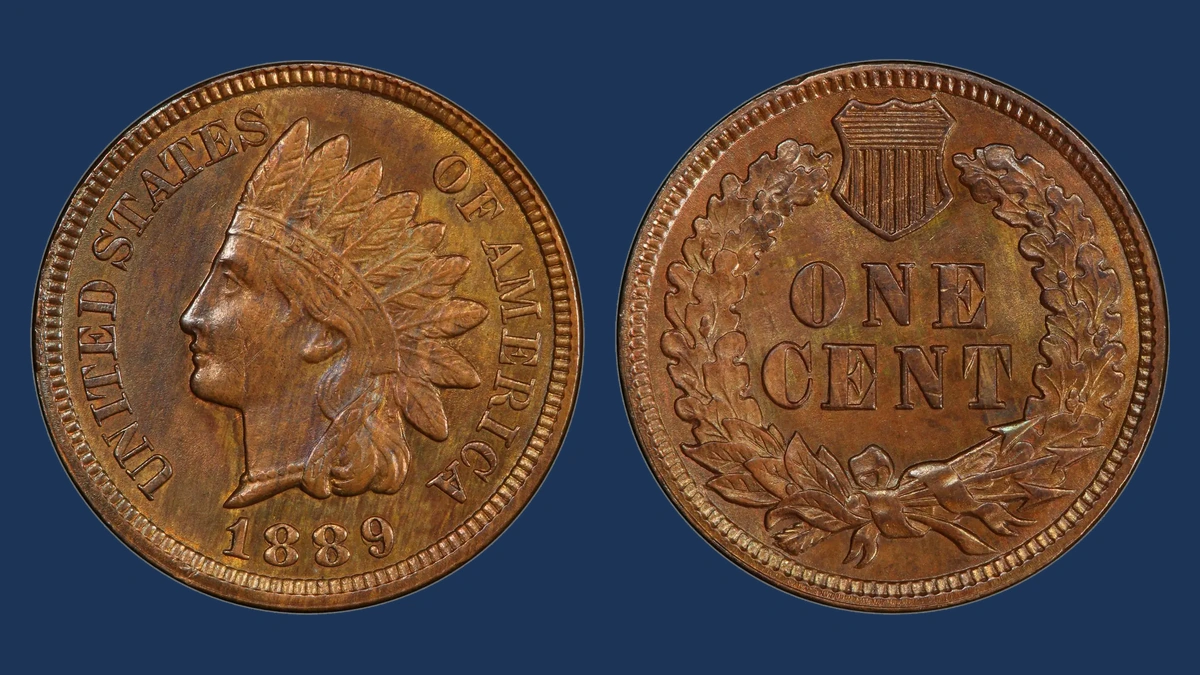
An earlier date-punch position can leave small raised remnants beside the final numerals. Applying the punch again changed the tool before any coins received its design.
One ordinary 1889 pattern shows remnants below or inside the four digits. A separate Proof pattern repeats parts of 18 upward.
These are not interchangeable directions. A Proof is a specially prepared collector coin, and its date must be compared with the correct Proof tool.
Some ordinary repunched-date tools also have front doubling or a misplaced digit. Those accompanying features are useful comparisons, but they do not turn the date remnants into multiple strikes.
Estimated Value
An ordinary FS-301 example graded MS64 has a recorded $405 eBay result from May 2015. MS64 describes an unworn coin with some surface marks.
Estimate $10–$1,000 for ordinary varieties and $200–$4,000 for suitable Proof examples. These are whole-coin ranges, with Proof quality contributing substantially to value.
The ordinary coin’s result does not price the separate upward-punched Proof date. Match the finish, direction, and surviving detail before comparing condition or expecting a variety premium.
How to Identify
Keep the date upright throughout the inspection. Under a magnifier, map the extra strokes beside all four digits rather than rotating the coin until one stray mark seems convincing.
For the cited ordinary pattern, compare the lower or inner remnants. For the Proof pattern, concentrate on extra strokes above 18 instead.
A flat shelf that narrows a digit can come from movement during striking. A matching earlier punch remnant belongs to the prepared tool.
Check the plain edge for alteration and safely accessible measurements against 3.11 grams and about 19 millimeters using a scale and calipers. If the coin has the correct date remnants but the wrong finish, return to its own ordinary or Proof comparison before accepting the match.
8. 1889 Indian Head Penny Triple Strike (Estimated Up to $6,000)
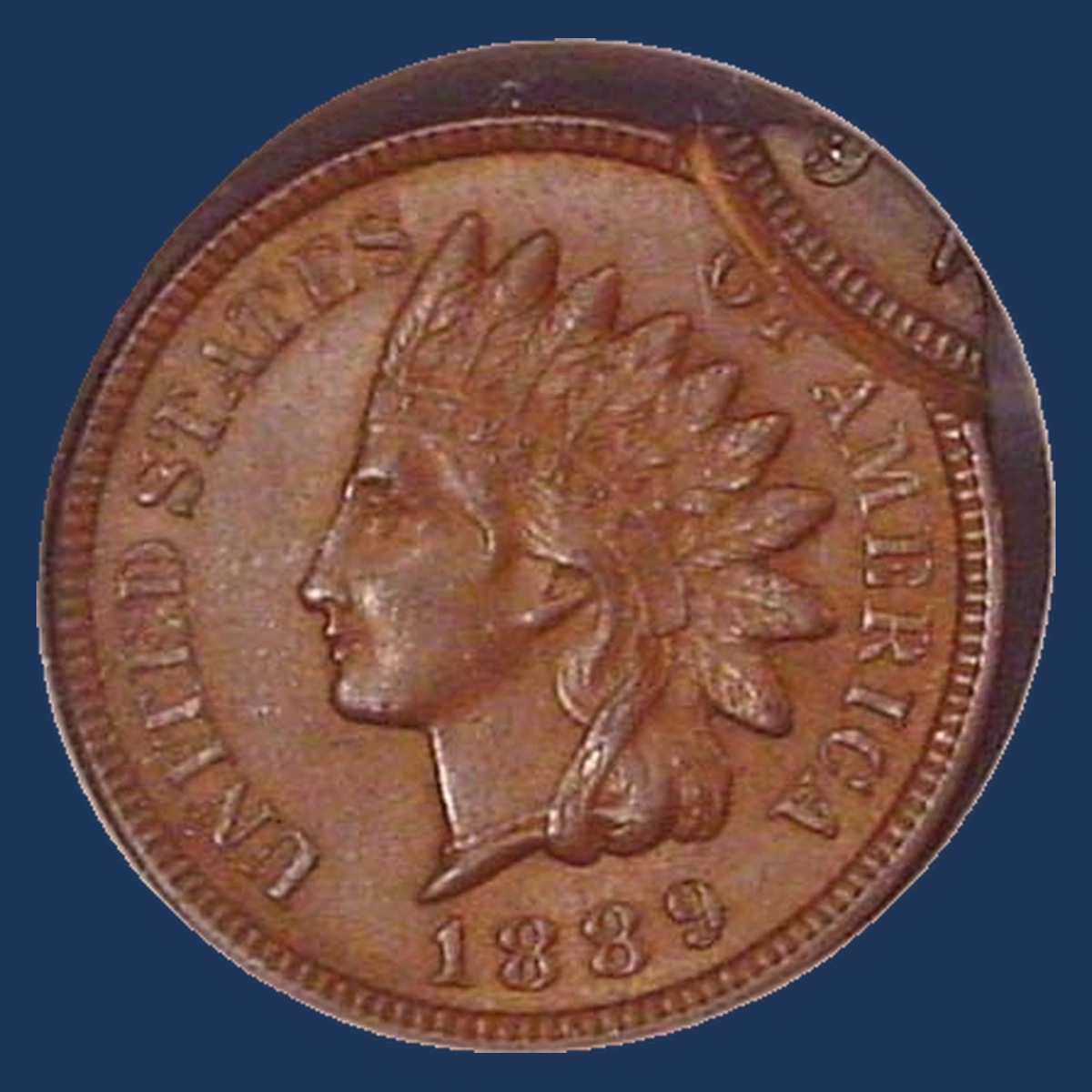
Three overlapping impressions can leave earlier portraits beneath a later design. The coin received three blows rather than one blow from a tool with slightly doubled detail.
An 1889 example was certified by NGC as MS62 Red and Brown and triple struck. MS62 describes an unworn coin with noticeable marks, while Red and Brown describes its remaining surface color.
Each surviving image belongs to the same piece of metal. Earlier designs may be partly flattened by later blows.
The three strikes do not have to remain equally clear. Their relationships across both faces matter more than finding three date-like marks.
Estimated Value
The NGC MS62 Red and Brown triple strike sold for $5,040 in December 2022, as reported in NGC’s error-coin article. That is a completed sale, including the buyer’s premium.
An estimated $1,000–$6,000 covers examples with different wear and surviving overlaps. The readable relationship between strikes is central to the comparison.
Three blows do not mean three prices. Damage, unclear earlier impressions, or a different arrangement can change the value of the complete coin considerably.
How to Identify
Number the possible design impressions on enlarged photographs while leaving the coin untouched. Trace each portrait into its own lettering or border, then find where a later blow has flattened an earlier image.
Before accepting those overlaps, examine the edge for a join and use a magnifier to check whether the metal belongs together. Safely accessible scale and caliper readings can test 3.11 grams and record any spread beyond the usual 19-millimeter size.
Turn to the back and test your proposed arrangement against the surviving designs there. Not every part of all three impressions must remain, but three bumps near the date cannot substitute for recognizable portions of three strikes.
Conclusion
An estimated $5–$6,000 covers the examples discussed here, from modest streaks and cracks to the triple-struck rarity. The documented $5,040 result shows what a clear, unusual striking mistake can bring.
Small details still deserve a close look. Keep ordinary and Proof date patterns apart, follow the leftward doubling on the back, and inspect the lower rim before calling a raised area a retained cud.