1918 Penny Error List with Pictures

Nine blows from a coin press left repeated outlines on one 1918 penny. The worn example sold for $2,070 at Heritage in January 2009, showing that an unusual striking error can matter more than a shiny surface.
This 1918 penny error list also covers missing edge pieces, peeling metal, and extra mintmark strokes. Estimated values run from $3 to $3,500.
Compare the visible features below to find the right explanation for your coin.
1. 1918 Penny Woodgrain-Like Alloy Streaks
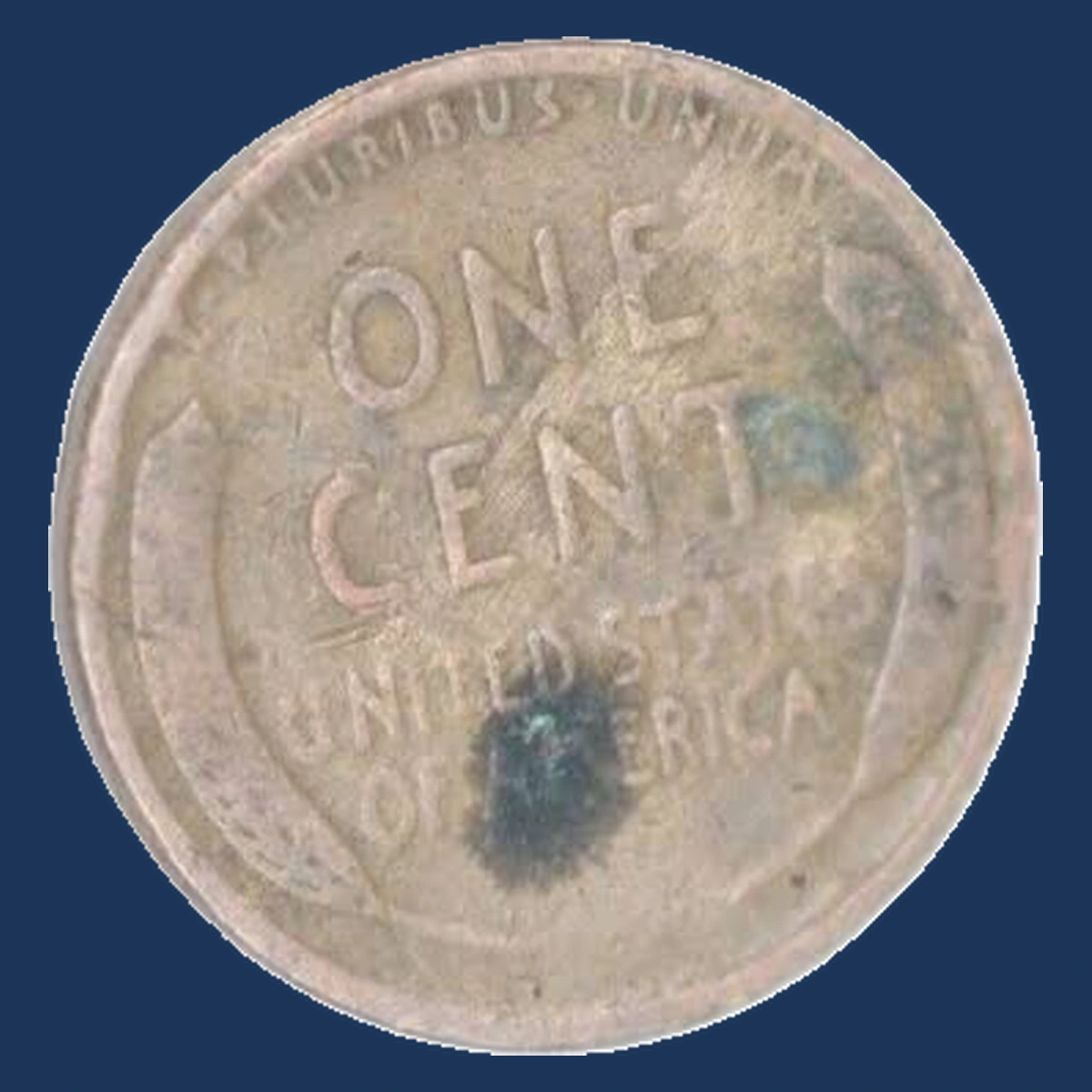
Long bands of color can make an old penny resemble wood. Uneven mixing of the copper alloy can produce these streaks as the metal is rolled into sheets.
The 1918 year report includes this woodgrain-like appearance. It is a pattern within the alloy rather than a thin copper coating peeling from a different metal.
A real mixing pattern does not make every colored stripe a mint error. Stains, cleaning, and later surface changes can also create streaks.
Unlike lamination, this feature need not have an opening or loose flap. The design may remain continuous across the color bands.
Estimated Value
Estimate $3–$100 for ordinary 1918 pennies with an attractive, original woodgrain-like pattern. The coin’s mint, wear, and remaining color can explain much of that price.
An obvious pattern may interest a specialist, but it is not automatically a rare wrong-metal strike. This range is an estimate rather than a reported sale of a particular striped 1918 coin.
Compare uncleaned examples with similar preservation. Artificial color or surface damage should not be priced as an original alloy feature.
How to Identify
Use low, moving light to see whether the bands are colors on an intact surface or actual openings in the metal. Under a 10× magnifier, look for a lifted edge before calling the feature lamination.
Keep the color intact; cleaning would destroy part of what you need to examine. A scale and calipers compare a loose cent with 3.11 grams and about 19 millimeters.
The edge should be plain.
Then follow the bands through letters and the portrait in photographs of both faces. Abrasive lines crossing finished details or a colored coating need a different explanation from uneven alloy, even when the measured size and weight appear normal.
2. 1918 Penny Lamination
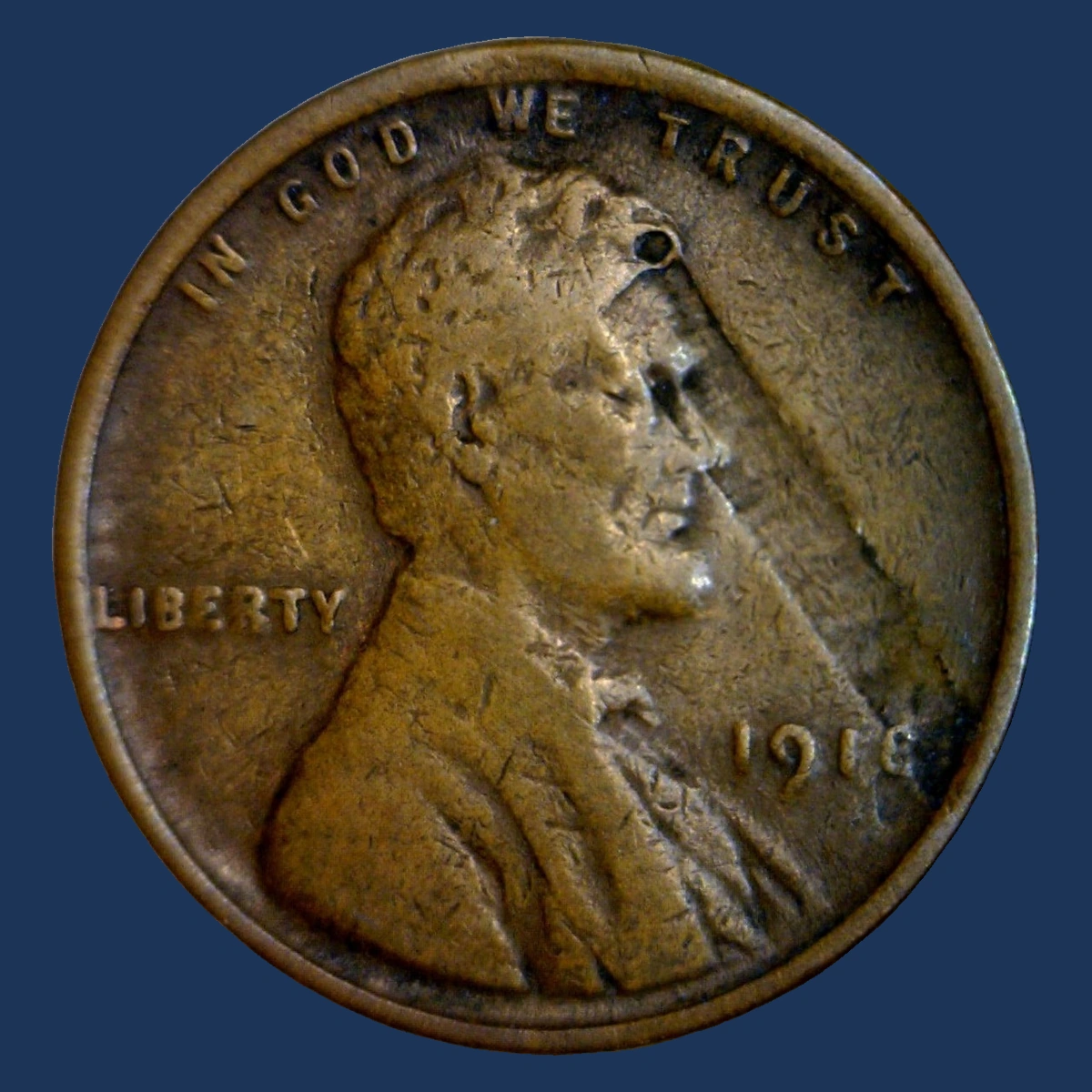
A thin layer of bronze can lift from the coin when a weakness lies within the metal. Collectors call this separation lamination.
The 1918 report describes a front separation extending across the coin without crossing Lincoln’s portrait or the date. That route belongs to the reported example, not every penny with peeling metal.
A layer may remain attached or leave an irregular opening after part breaks away. Neither appearance means the entire metal disc split into two complete coins.
The feature began within the solid alloy. It is different from peeling modern copper plating or a transparent coating applied afterward.
Estimated Value
An estimated $10–$300 covers modest through clearer 1918 laminations on otherwise ordinary coins. Extent, stability, and the remaining design all affect the comparison.
A Philadelphia 1916 cent with a retained layer near the neck and collar sold for $149.50 in May 2005. Its exceptional unworn condition contributed to that whole-coin price.
That nearby-year sale is context for a metal-layer defect, not a transaction for the reported 1918 example. A deeply gouged or corroded surface needs a different assessment.
How to Identify
Do not press a loose flap flat or lift it for a better view. Photograph the separation from the side with the layer still in its existing position.
At 10×, follow the boundary into intact metal. The reported front example avoids the portrait and date, so include those areas in the photograph.
Check whether the opening follows a thin layer rather than a scrape cut across finished detail.
A scale can compare a safely handled penny with 3.11 grams; an attached flap may leave nearly normal weight. Use calipers away from fragile metal against about 19 millimeters, and inspect the plain edge where the seam reaches it.
Dark color alone cannot show that a layer separated.
3. 1918 Penny Curved, Straight, and Ragged Clips
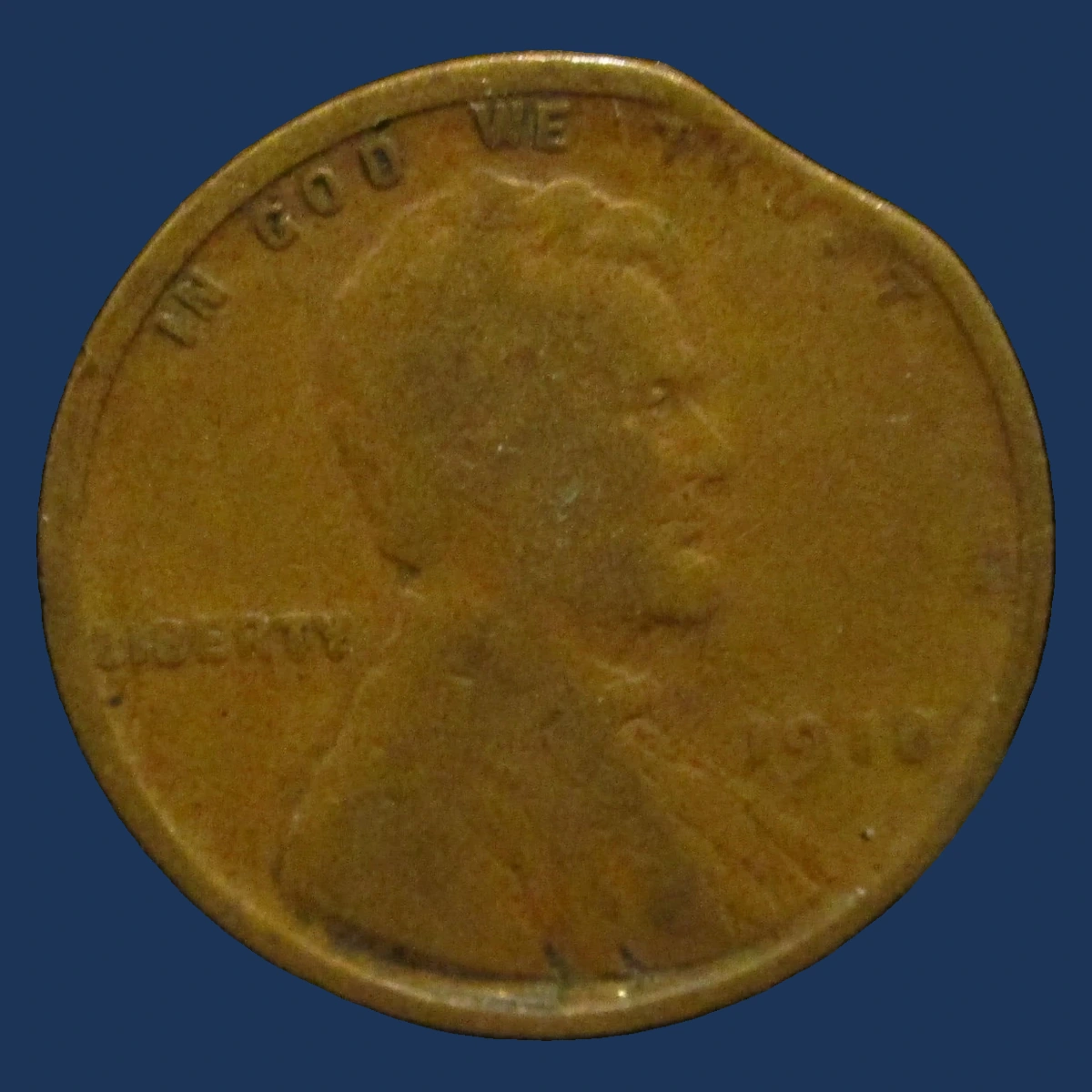
The blank is the flat metal disc prepared before the design is struck. If part is already missing, the finished penny can retain a curved, straight, or ragged gap.
A cutting punch that overlaps an earlier hole can leave a curved clip. A strip edge can instead leave a straighter or irregular missing section.
Year reports include all three shapes. They belong to the same basic error: metal missing from the disc before striking.
A seller’s date label is not enough when the date itself is missing. That coin needs a reliable identification before it becomes a 1918 comparison.
Estimated Value
Allow an estimated $15–$350 for identifiable 1918 clips, depending on the missing metal, preservation, and visible date. Larger gaps do not automatically outweigh surface problems.
A worn 1925 curved clip weighing 2.92 grams sold for $56 in March 2023. That nearby-year example offers a concrete comparison without supplying a weight for a 1918 coin.
The reported ten-percent clip with no visible date is not used as a 1918 sale here. Price the correctly identified coin rather than its label alone.
How to Identify
Confirm the year before measuring the gap. If 1918 cannot be read, check whether the holder or another reliable record establishes that identity.
Use a scale to compare the surviving metal with 3.11 grams, then measure an intact span with calipers against about 19 millimeters. Measuring across the missing section understates the original size.
At 10×, inspect the plain edge and each end of the gap. The rim and nearby letters should fit metal that was absent during striking, rather than a cut through completed detail.
Look for possible rim weakness opposite the missing piece, but use it alongside the boundary itself. A ragged gap also needs examination for later tearing.
4. 1918 Penny Repunched Denver Mintmark
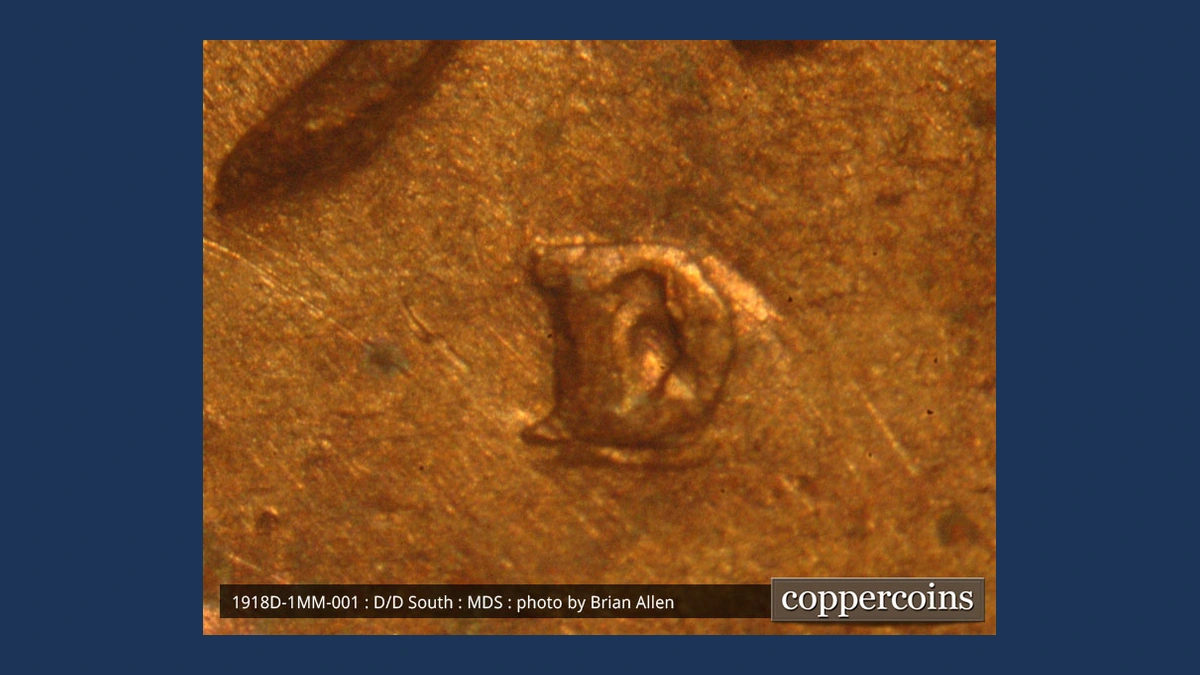
The D below the date was punched into the stamping tool separately. Repeating that punch after a slight movement could leave an earlier D partly visible.
The coin copied both outlines from that tool, called a die. This is a repunched mintmark, often shortened to RPM.
One 1918-D variety has the earlier D below the main letter. Another has it above, while several show tilted overlaps.
The tilted examples need different photographs even though their general description sounds alike. Chips beside LIBERTY can help identify some coins from the downward-shifted tool, but those chips were not present throughout its life.
Estimated Value
For a clearly matched 1918-D repunched mintmark, estimate $10–$500 across worn and better-preserved examples. Visibility and the particular variety matter alongside the condition of the Denver cent.
A 1946-S coin with a D beneath its S sold for $350 in January 2023. That later, unworn overmintmark is a broader punch-error comparison, not the same variety or a 1918 sale.
Use the estimate for an identified earlier D. A distorted mintmark from wear or a flat striking shelf does not qualify.
How to Identify
Photograph the D with the date upright before rotating the coin under a lamp. Keeping that orientation makes above, below, and tilted comparisons meaningful.
At 10×, follow the extra curve as part of a D, rather than accepting any nearby raised line.
The downward-shifted variety photographs provide one specific comparison. Select a separate reference for an upward or tilted overlap instead of turning that picture to make it fit.
A scale and calipers check a loose coin against 3.11 grams and about 19 millimeters, with a plain edge. Inspect around the mintmark for scraping or added metal.
Compare the small chips as well as the D when they are present. Their position must agree with the same documented stamping tool.
5. 1918 Penny Die Cracks and Rim Breaks
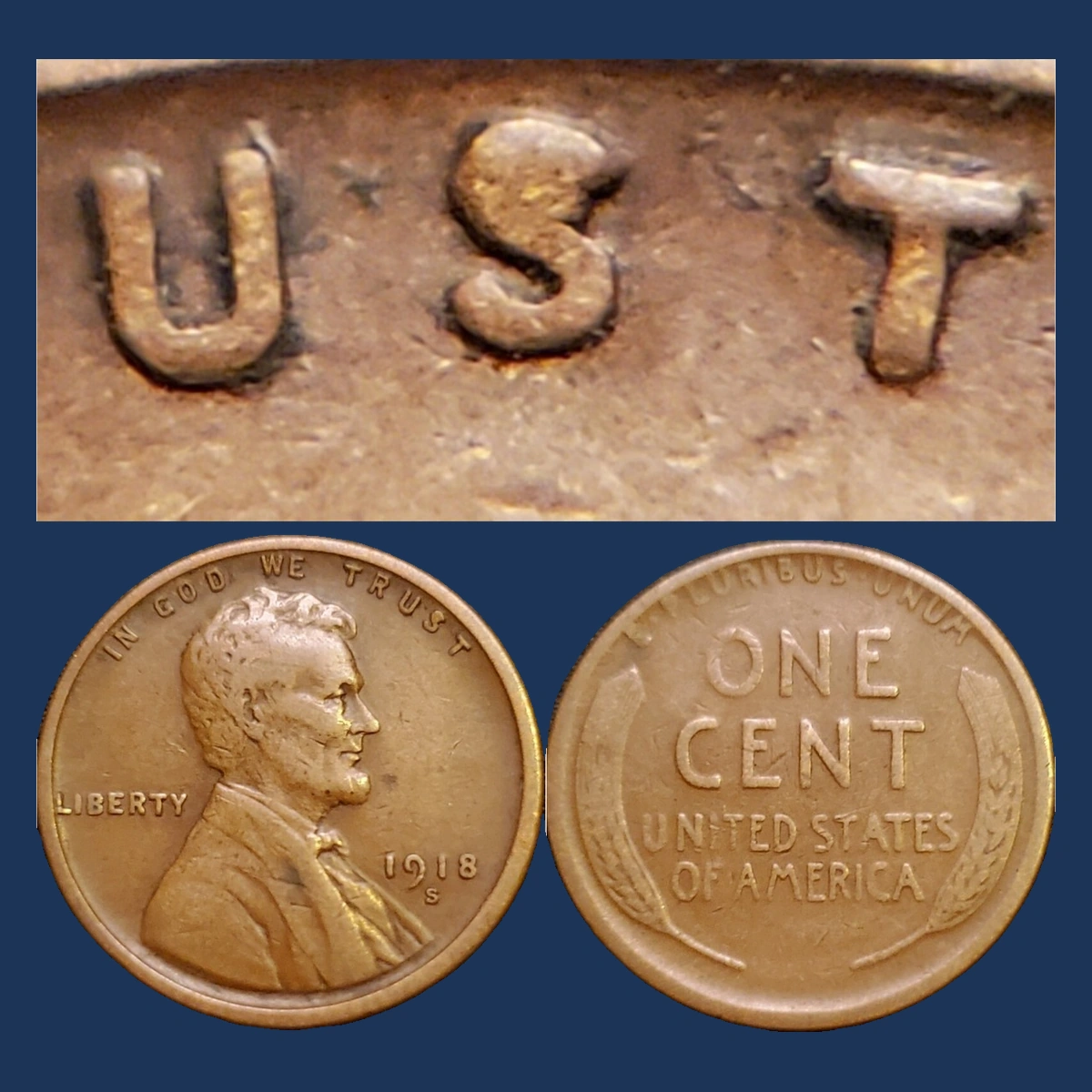
A narrow crack in a stamping tool can leave a raised line across the penny. A larger missing piece at the tool’s edge can leave a solid rim-connected patch called a cud.
The 1918 reports include a long front crack and a general cud category. The exact location of a full cud must come from its own example.
Two San Francisco back varieties instead involve retained breaks. The broken tool section stayed in place, so part of the design can remain inside the affected area.
Surviving design helps distinguish a retained section from an entirely missing tool piece.
Estimated Value
Estimate $3–$75 for modest raised cracks and $40–$750 for larger, clearly identified rim breaks. These are whole-coin ranges rather than amounts to add for every line.
A worn 1934 penny with a major tool break sold for $41 in August 2021. That comparison shows how modest a visible break’s price can remain.
The two 1918-S retained patterns require matches. A tiny crack and a broad displaced section should not receive the same estimate solely because both came from damaged tools.
How to Identify
Inspect the plain edge beside a suspected rim patch for a folded border or added metal. A scale and calipers compare accessible measurements with 3.11 grams and about 19 millimeters before the smaller marks are examined.
For a thin crack, move a lamp along the line at 10×. A raised ridge differs from a groove scratched into the coin, even when the scratch has slightly raised sides.
Turn to the back for the San Francisco retained varieties and select the matching catalog photograph. Look for design surviving inside the bounded section, while keeping a solid cud and the separately reported long front crack as different comparisons.
6. 1918 Penny Off-Center Strike
Unused metal can remain beside a design that partly missed the blank. The disc sat away from its intended position when the press struck.
A Denver example is 45% off-center toward one o’clock. Its motto and the lower wheat stems are missing.
Philadelphia reports include two separate 30% coins, one well worn and one lightly worn; the latter points toward twelve o’clock. A San Francisco report describes a different 35% example.
These are separate coins with different shifts. Their missing letters and grades should not be combined into one description, and a faint mintmark needs checking before choosing the mint.
Estimated Value
The Denver 45% example graded PCGS AU55 sold for $336 on September 10, 2019. AU55 describes light circulation wear.
An estimated $50–$1,500 spans modest through more dramatic dated 1918 off-center cents. The mint, readable date, amount of displacement, and preservation influence where a coin fits.
The Philadelphia and San Francisco reports do not inherit that Denver sale price. A stronger shift may be less useful to a collector if it removes the year or leaves serious surface problems.
How to Identify
Weigh an accessible penny on a scale against 3.11 grams, then record its outline with calipers beside the normal 19-millimeter diameter. Original unused metal remains part of the coin; grinding away a design removes metal.
Read the date and mintmark before matching a reference. Keep the separate Philadelphia grades and the San Francisco 35% report apart from Denver’s 45% coin.
Inspect the bare area and plain edge at 10× for scraping or filing.
For the Denver example, compare the missing motto and lower wheat stems on opposite faces. For another shift, trace its own design boundary instead of demanding that same missing-letter pattern.
7. 1918 Penny Multiple Strikes and Flipover Double Strike
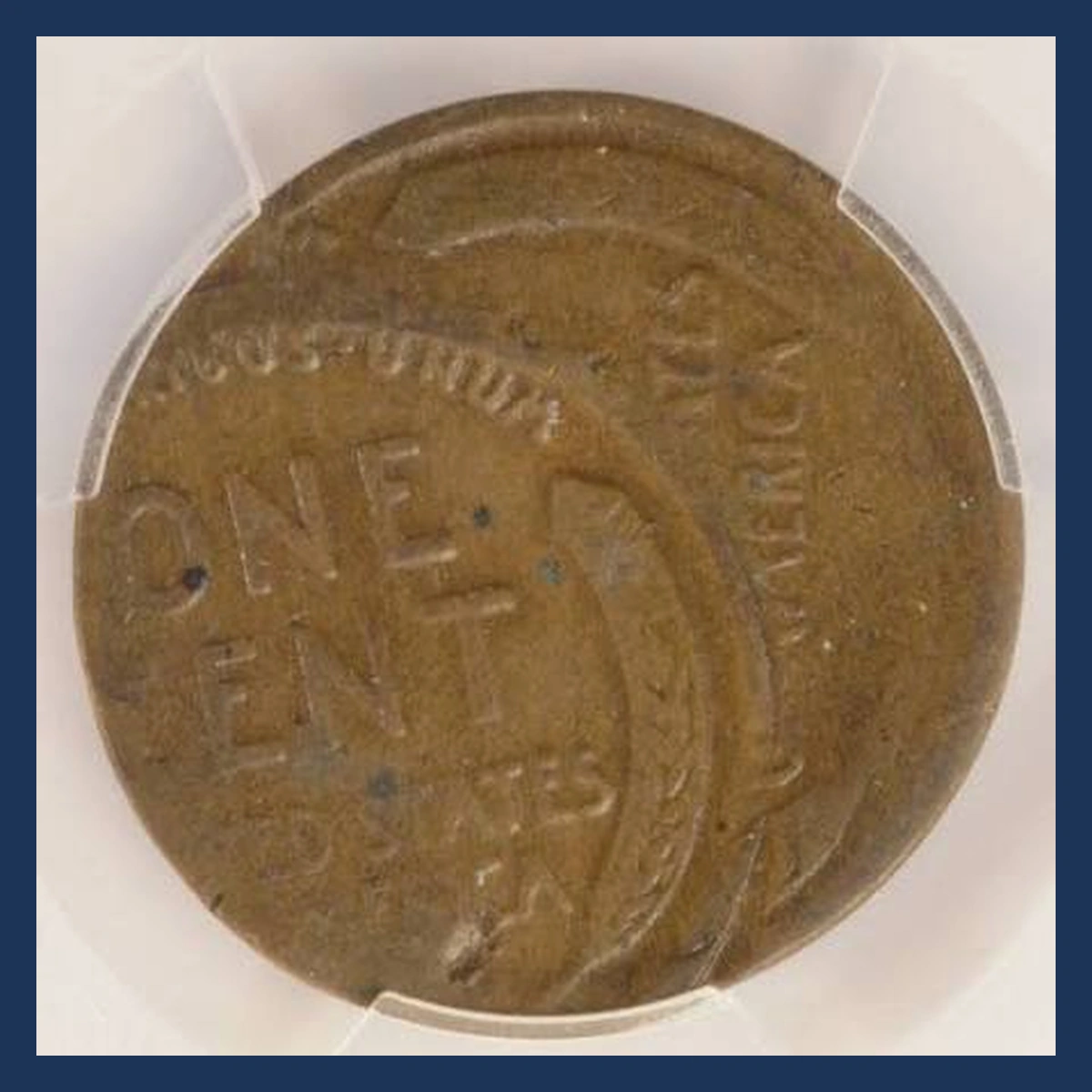
One Philadelphia penny failed to leave the press after its first apparently normal strike. It turned slightly clockwise and moved toward one o’clock as later blows added more images.
The recorded total is nine strikes. Repeated bases of Lincoln’s portrait and extra PLURIBUS impressions help show the sequence.
A separate Philadelphia coin has only two strikes, with the second 85% off-center. Its unworn grade and smaller second impression belong to that different example.
The Denver flipover report describes another event: the penny turned over before the second blow. Parts of opposite-face designs can therefore overlap on the same surface.
Estimated Value
The ANACS Fine 15 nine-strike penny sold for $2,070 in January 2009; a nine-strike F15 auction listing brought $1,680 in September 2025. F15 means substantial circulation wear.
The separate 85% second-strike NGC MS63 Brown example sold for $288 in August 2020. MS63 describes an unworn coin with noticeable marks.
Estimate $250–$3,500 across these multiple-strike types. Clear surviving images and condition matter more than simply counting apparent dates.
How to Identify
Lay photographs of both faces together and label recognizable repeated design parts. On the nine-strike example, begin at the portrait’s lower edge and the word PLURIBUS rather than trying to count nine complete dates.
At 10×, trace how later images cross earlier ones.
For the 85% second strike, expect a much smaller overlap from the second blow. A flipover instead needs earlier opposite-face detail beneath the later design.
Check a loose coin on a scale against 3.11 grams and use calipers to record its distorted outline relative to 19 millimeters. Inspect the plain edge for a join between separate pieces.
The proposed sequence should explain both faces. A small flat shelf beside one letter cannot demonstrate several complete press blows.
Conclusion
Follow the metal before following a price: a missing edge, a lifted layer, and a repeated portrait point to different events. A second outline of the D concerns the stamping tool, not another blow to the whole penny.
The estimated $3–$3,500 range includes modest surface features and dramatic multiple strikes. Match the mint, surviving design, and condition before choosing a comparison, and keep separate examples’ directions and grades apart.