1922 Penny Error List with Pictures

A tiny missing letter can make a large difference. A 1922 No D cent with a sharp back design sold for $82,250 at Heritage in April 2013.
Every genuine penny of this date came from Denver, even examples without a visible D. This 1922 penny error list covers that famous variety alongside cracks, missing metal, and other reported striking mistakes.
Estimated whole-coin values run from $30 to $85,000. Read on to compare the details that matter before applying a price.
1. 1922 Penny Die Cracks
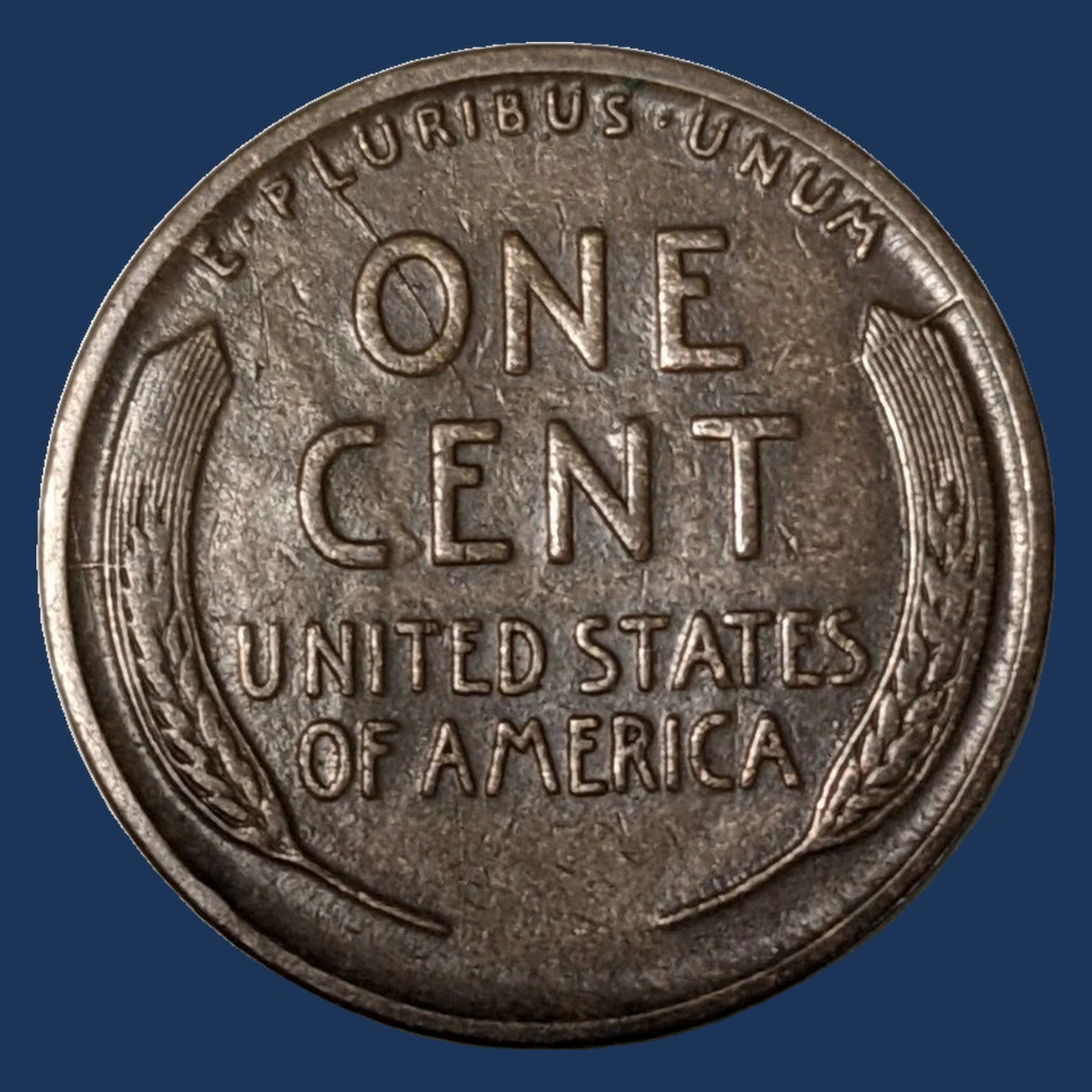
Turn the penny over before looking for this feature. A raised line can run from the L in PLURIBUS toward the O in ONE.
It began as a crack in a die, the steel tool used to stamp the design. Metal entered that narrow opening during the strike, leaving a line above the surrounding surface.
A bent version and a straight version are recorded in the same area. They should not be treated as the same tool.
One certified penny also has a rim clip. Its crack and missing edge belong to one coin.
Estimated Value
For a worn 1922-D with a visible D and a modest crack, estimate $30–$200. This includes the value of the ordinary date, not just the raised line.
A separate 1934 penny with a major tool break sold for $41 in August 2021. That different-year sale shows why a tool defect alone does not guarantee a high price.
If the 1922 coin also has a clip or a recognized No D identity, compare its full combination separately.
How to Identify
Locate PLURIBUS and ONE in a full back photograph. With a 10× magnifier, follow the line between their L and O rather than naming it from a short isolated segment.
Turn the lamp to confirm that the line rises above the surface. A scratch cuts into finished metal, sometimes leaving thin raised sides that can mislead the eye.
A scale and calipers check an accessible coin against 3.11 grams and about 19 millimeters. Inspect its plain edge for the separate clip if matching the certified combined example.
Use the pictured back cracks to distinguish the bent path from the straight one.
2. 1922 Penny Struck Through Material
A small area can lose its normal detail if material comes between the stamping tool and the blank. The blank is the flat metal disc that becomes the coin.
The result is called a struck-through error. A year guide includes this type for 1922, but the particular object cannot be identified from the name alone.
A depression may preserve texture from the obstruction. Soft material can instead leave a locally weak design.
The famous missing D needs its own variety check. A faint mintmark is not enough to identify a particular obstruction or prove a valuable No D coin.
Estimated Value
Estimate $40–$300 for a confirmed, modest struck-through feature on an otherwise ordinary 1922-D. Depth, visibility, wear, and surface quality affect the comparison.
A 1933-D bronze cent with a struck-through feature sold for $30 in October 2022. That later-date comparison supplies context, not a sale for a 1922 example.
The ordinary 1922 date already carries collector value. A coin with a recognized No D identity should be valued as that whole coin rather than using this generic range.
How to Identify
Leave any material still attached to the coin in place. Check the plain edge for an impact that might explain a nearby dent before examining the depression itself.
If safe to handle, use a scale and calipers to compare with 3.11 grams and about 19 millimeters. Neither measurement identifies the obstruction.
Now place a normal penny with similar wear beside it. Compare the affected patch with the exposed high points of Lincoln’s portrait.
At 10×, follow letters into the patch to see whether they failed to form or were crushed afterward. Inspect any surviving texture without trying to clean it.
A missing D still needs the separate date, motto, and back-design checks described below.
3. 1922 Penny Doubled Die
A doubled die is a stamping tool that already carries repeated design detail. A coin can copy that detail in a single strike.
This differs from hitting the coin twice. It also differs from movement during striking that leaves a low, flat ledge beside a number or letter.
The 1922 year report lists front and back forms. Any extra outline needs to match a correctly identified example before it can be called a doubled-tool feature.
A thick date alone is not a diagnosis. Wear and worn tools can soften or broaden otherwise ordinary outlines.
Estimated Value
An identified minor doubled-tool feature on an ordinary 1922-D can be estimated at $40–$500. Apply the range only when the repeated raised design matches the identified variety.
For comparison, a minor 1936 doubled-die cent sold for $70 in June 2024. Its different date and recognized pattern do not prove the identity of a 1922 penny.
Condition and visible strength matter, while a separate No D identity can dominate the whole-coin value. A flat striking shelf does not earn this premium.
How to Identify
First check the basic coin with a scale, calipers, and an edge inspection: about 3.11 grams, 19 millimeters, and a plain edge. Then choose a normal 1922 cent showing the same face and similar wear.
Place enlarged views beside each other and follow the suspected extra outline around letter corners at 10×. A low, flat shelf that trims the original shape points toward movement during striking rather than a doubled tool.
Photograph the surrounding design as well as the extra edge so the comparison remains tied to that exact letter. Keep the Wheat design visible on back photographs; a doubled Peace dollar dated 1922 cannot serve as a cent reference.
4. 1922 Penny Clipped Planchet
A gap in the original metal disc remains a gap after striking. Collectors call the incomplete prepared disc a clipped planchet.
One 1922-D example certified by ANACS has a rim clip and cracks on the back. Its AU53 grade means the coin has light circulation wear.
A different auction listing describes two clips on a weak-D penny. That coin has heavier wear and scratches, which are separate from its original missing metal.
The number of gaps belongs to each example. A single-clip photograph should not be used to supply the location of the two gaps on the other coin.
Estimated Value
For identified 1922-D clips, estimate $50–$750, allowing for the date, condition, and how much metal was missing before striking. Damage can lower the whole-coin price.
A curved clip on a worn 1925 penny sold for $56 in March 2023. It is a nearby-year comparison, not the sale price of either 1922 coin.
The ANACS example’s cracks share its price with the clip. The weak-D double clip likewise needs one combined assessment rather than three separate premiums.
How to Identify
Count the missing sections before matching a photograph. Keep the one-clip ANACS coin apart from the weak-D example with two gaps.
Use calipers across an intact span instead of the missing section, comparing with roughly 19 millimeters. A scale can compare the remaining metal with the original 3.11 grams.
At 10×, examine where each gap meets the stamped rim and lettering. A later cut across finished detail can leave a different boundary from metal that was absent during striking.
Check the plain edge for file marks.
Then compare the back cracks or weak mintmark with the correct example. They help identify the whole coin but cannot prove that every edge notch is original.
5. 1922 Penny Off-Center Strike
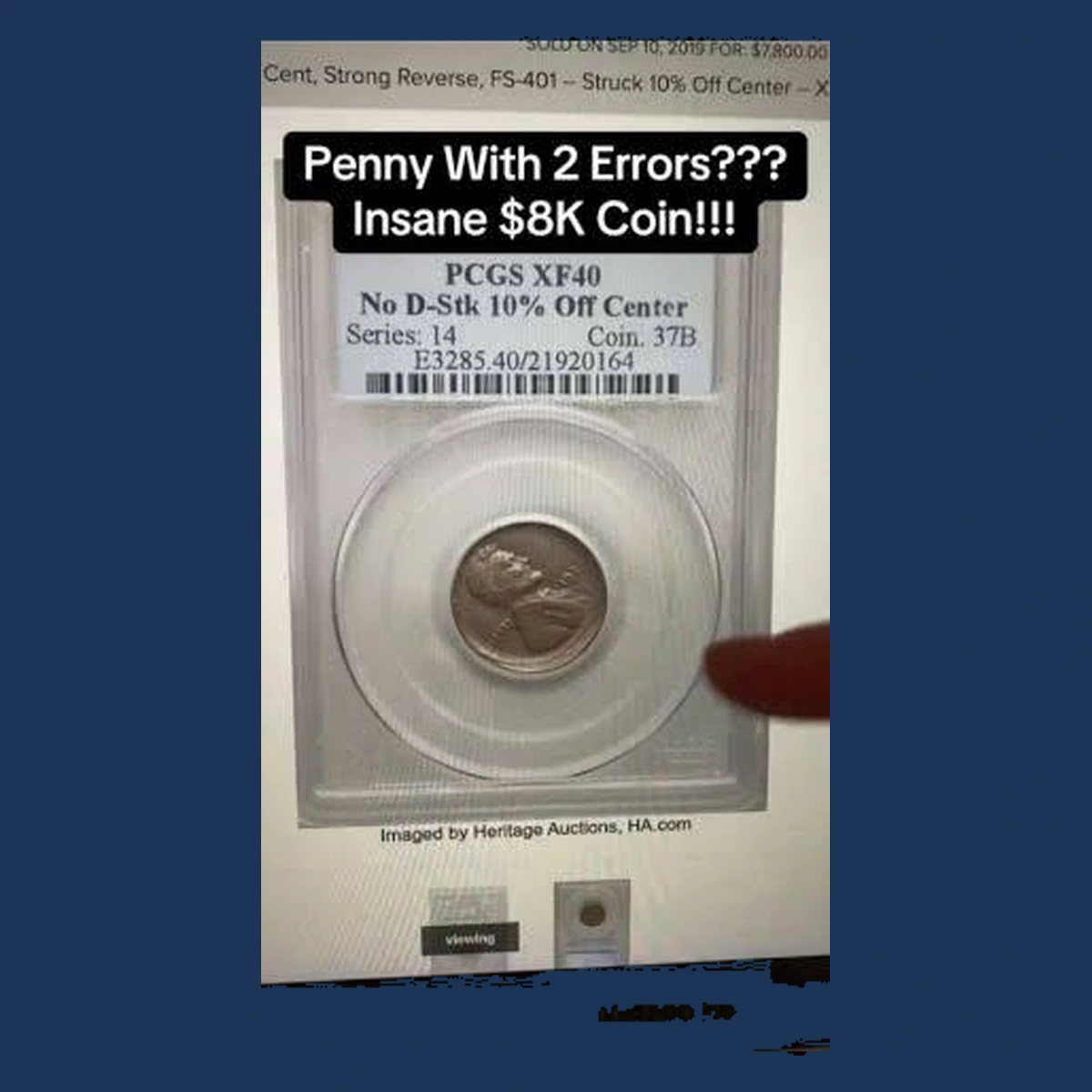
The blank can sit partly outside its position when the press closes. Some of the portrait and lettering then miss the metal, while an unused crescent remains.
The 1922 listing reports this off-center type. The amount and direction of displacement must come from the coin.
All genuine cents of this year were made in Denver. If the displaced strike cuts off the area below the date, the missing D does not establish the famous No D variety.
That distinction matters even when the date survives. A missing design area and a missing mintmark in a completed area have different explanations.
Estimated Value
Allow an estimated $100–$1,500 for genuine dated 1922 off-center cents, with the shift and preservation determining the comparison. This range is an estimate, not a reported sale of a 1922 example.
A Denver 1930 cent shifted 20% and graded AU58 sold for $109 in January 2022. AU58 describes very slight circulation wear.
That nearby-date result provides context. Do not add a No D premium simply because an off-center strike omitted the normal location of the mintmark.
How to Identify
Use a scale to compare the penny with 3.11 grams before judging the empty area. Grinding away a design removes metal, while a misplaced but complete blank can keep nearly its original weight.
Calipers record the changed outline relative to an ordinary 19-millimeter cent. Inspect the plain edge and bare crescent at 10× for grinding or filing.
Now compare both faces in full photographs. The misplaced blank must explain where each design ends, and enough of the date must survive to establish 1922.
Check whether the area below the date received a strike at all. If that area missed the design, its absent D does not establish the valuable No D variety.
6. 1922 Penny Lamination
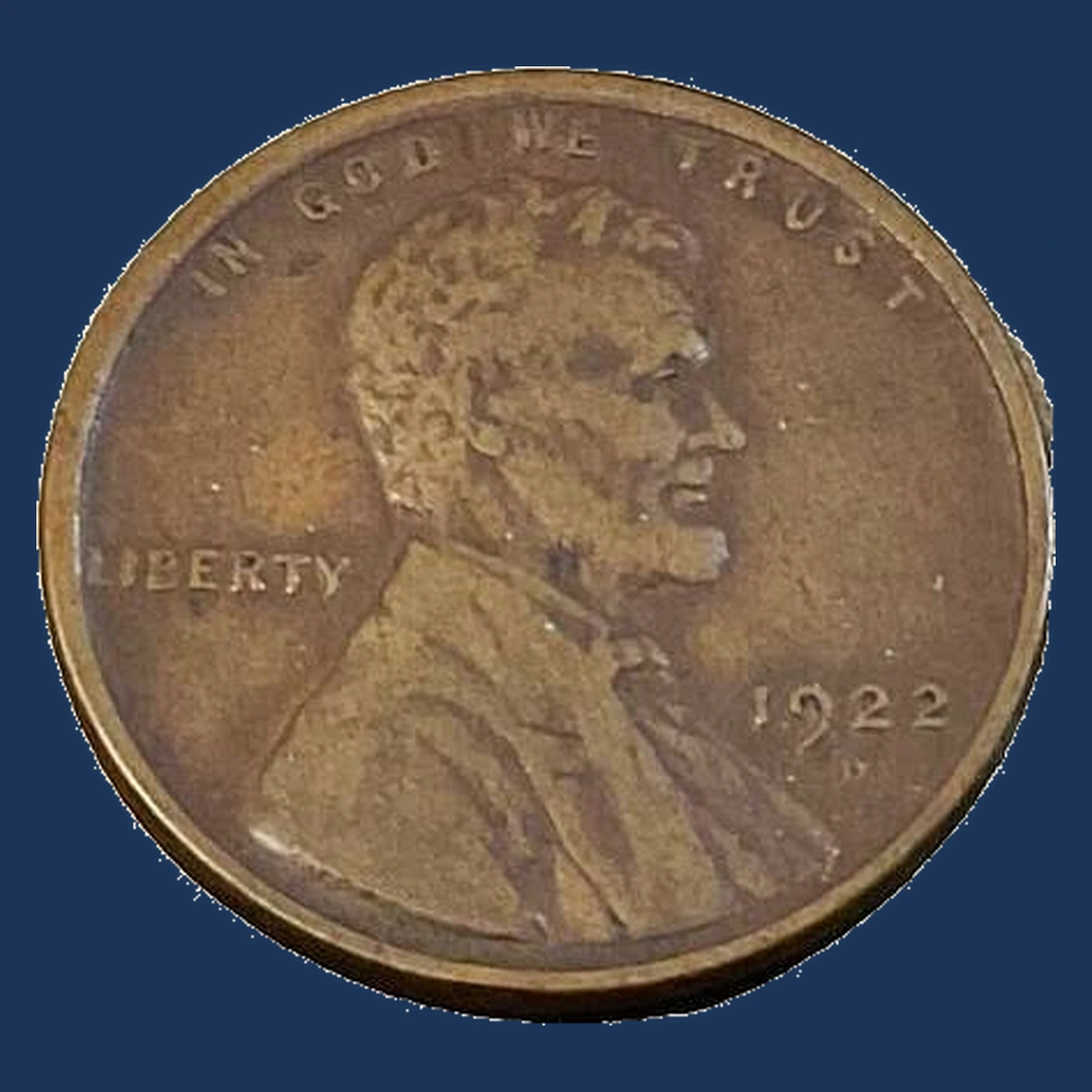
A thin layer of the coin’s metal can separate when the alloy contains an internal weakness. This peeling or splitting is called lamination.
A 2002 Stack’s catalog describes a short lamination on Lincoln’s chest on a 1922 No D Strong Reverse penny. The coin was described as Very Fine, indicating circulation wear with substantial detail.
The same listing mentions dark spots. Color marks are not automatically part of the separating layer.
Nor did the chest defect cause the missing mintmark. This example combines two different features: a recognized No D variety and a local weakness within the bronze.
Estimated Value
For a worn No D Strong Reverse with a modest chest lamination, estimate roughly $500–$3,500 as a whole coin. Its scarce variety explains much of that range.
The 2002 catalog describes this coin without a sale price used here. Peeling metal may reduce appeal to some collectors even when error specialists find it interesting.
A common-date lamination price cannot replace the underlying No D value. Inspect both the variety details and the surface quality before selecting a comparison.
How to Identify
A loose flap changes how the coin should be handled: keep fingers and calipers away from it. If safe, a scale can compare the weight with 3.11 grams, and calipers can check about 19 millimeters elsewhere.
Photograph the plain edge and chest under low side lighting. Do not lift the layer to make the opening easier to see.
Follow its boundary at 10×. A later gouge cuts across finished detail, while a dark spot alone has no separating layer.
An attached flap may leave the weight nearly normal.
Then inspect the second 2, TRUST, and the back wheat lines to confirm the valuable No D identity. The chest defect cannot establish that variety by itself.
7. 1922 Penny Weak D and No D
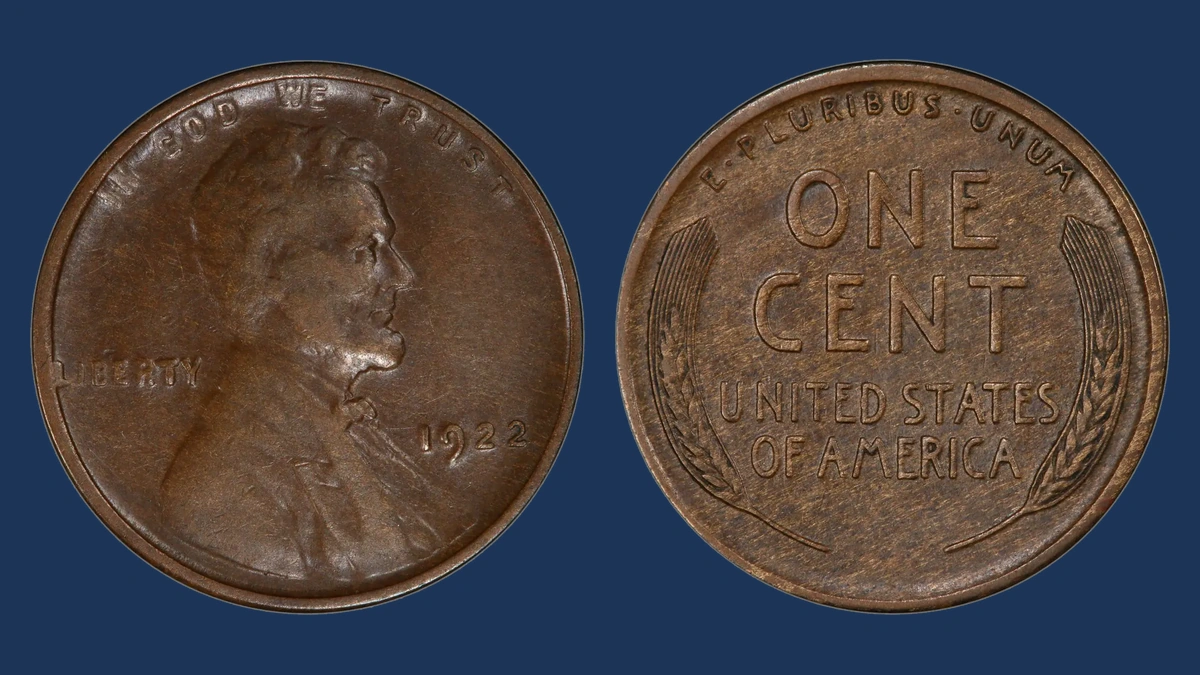
No D does not mean Philadelphia on a 1922 penny. Denver was the only mint making cents that year.
The best-known variety has no visible D but a sharply detailed back, giving it the name No D Strong Reverse. Its front tool is believed to have lost the mintmark during repair and polishing.
Other examples have a weak or missing D with a softer back design. Blocked or worn tools can explain those different appearances.
The missing letter alone cannot separate them. A D removed from a finished coin can also leave an empty area below the date.
Estimated Value
Estimate $30–$300 for ordinary worn weak-D examples, compared with roughly $500–$85,000 for genuine No D Strong Reverse coins across a broad condition range.
PCGS records $82,250 at Heritage in April 2013 for an MS65 Brown example. That grade describes an exceptionally preserved unworn coin, not a typical pocket-worn penny.
A weak back or an altered mintmark should not inherit that comparison. The variety and condition must both match the price being considered.
How to Identify
Compare the two 2s first: the final one should be sharper on the Strong Reverse variety. All of TRUST should be clear, and the back should show strong wheat lines despite the softer front.
Inspect below the date at 10× for any D remnant, scraping, or disturbed surface. These checks work together; a smooth-looking empty space alone is insufficient.
Keep a certified coin sealed and compare its label with photographs of both faces. For a loose coin, a scale and calipers check 3.11 grams and about 19 millimeters, with a plain edge.
Have a promising example professionally authenticated before comparing it with expensive certified pieces. Both altered mintmarks and ordinary weak coins can resemble the valuable form at first glance.
Conclusion
An empty mintmark area is only the beginning of a 1922 penny check. The date, motto, and Wheat design help separate the valuable No D Strong Reverse from weaker-looking examples.
Estimated values across these errors range from $30 to $85,000. Keep any clip, crack, or peeling metal with the coin on which it appears, and compare the combined features at one whole-coin price.