1926 Penny Error List with Pictures

Nearly half the design missed one Denver penny, yet its date and mintmark remained complete. That 1926-D off-center coin sold for $1,320 in September 2019.
Smaller features in this 1926 penny error list include an extra eyelid, a raised bar in LIBERTY, and a reported second rim. Estimated values range from $3 to $2,000.
Follow the checks for the actual shape on your coin; a missing piece and an unused piece of metal need different explanations.
1. 1926 Lincoln Penny Curved Clip (Estimated Up to $350)
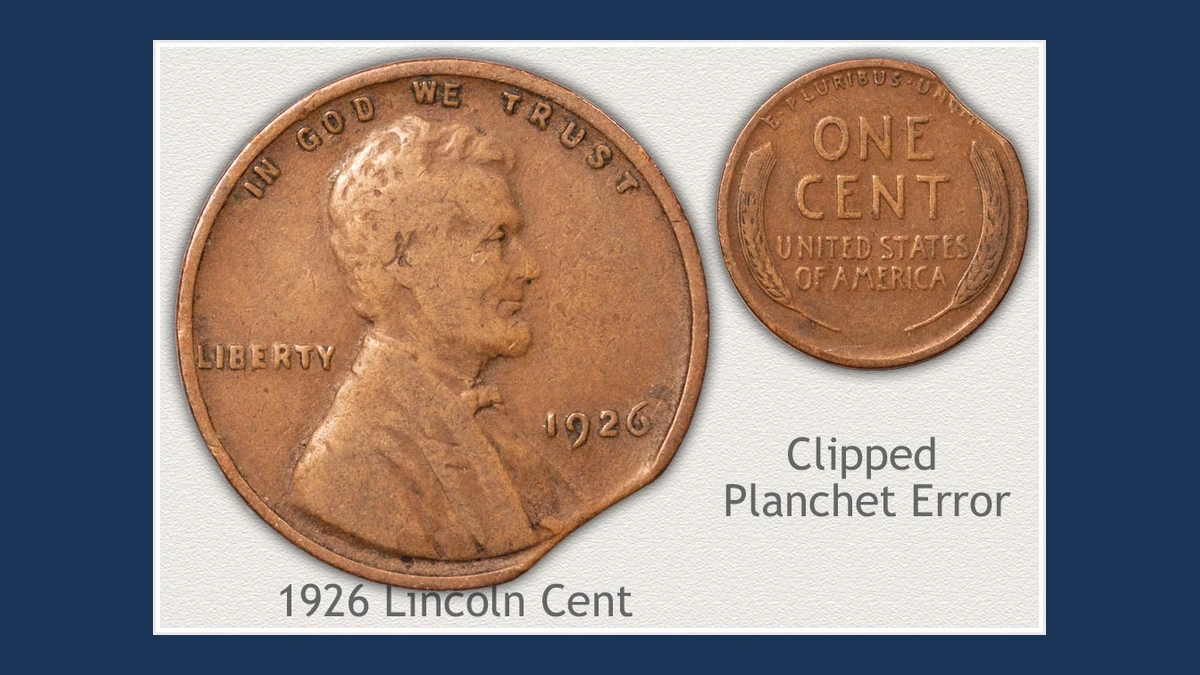
A curved bite can remain when the punch cutting flat metal discs overlaps an earlier hole in the sheet. The incomplete disc, called a blank, may receive the penny design.
The 1926 report describes this curved-clip type without establishing a mint or exact location for every example. Those details must be read from the coin.
The neighboring rim forms beside metal that was already absent. That relationship is different from a later cut across a finished design.
It also differs from the plain crescent on an off-center strike, where the unused metal is still present.
Estimated Value
For genuine 1926 curved clips, estimate $15–$350, depending on the missing section, preservation, and date clarity. A small worn clip usually offers a more modest comparison than an attractive larger one.
A 1925 curved clip weighing 2.92 grams and graded ANACS VF20 sold for $56 in March 2023. VF20 describes noticeable circulation wear.
That nearby-year example supplies a price comparison, not a measured weight or a fixed clip position for a 1926 penny.
How to Identify
Start at the two ends of the missing curve. Through a 10× magnifier, inspect how the rim and nearby design approach the gap, looking for cuts through already finished detail.
A scale compares the remaining metal with a normal cent’s 3.11 grams. Calipers should measure an intact part of the circle against 19.05 millimeters rather than spanning the missing piece.
Check the surviving plain edge for filing or saw marks, then look across the coin for local rim weakness opposite the gap. This weakness can support a clip.
Also inspect how the original strike fades beside the missing metal. The boundary needs to fit a gap that already existed during striking.
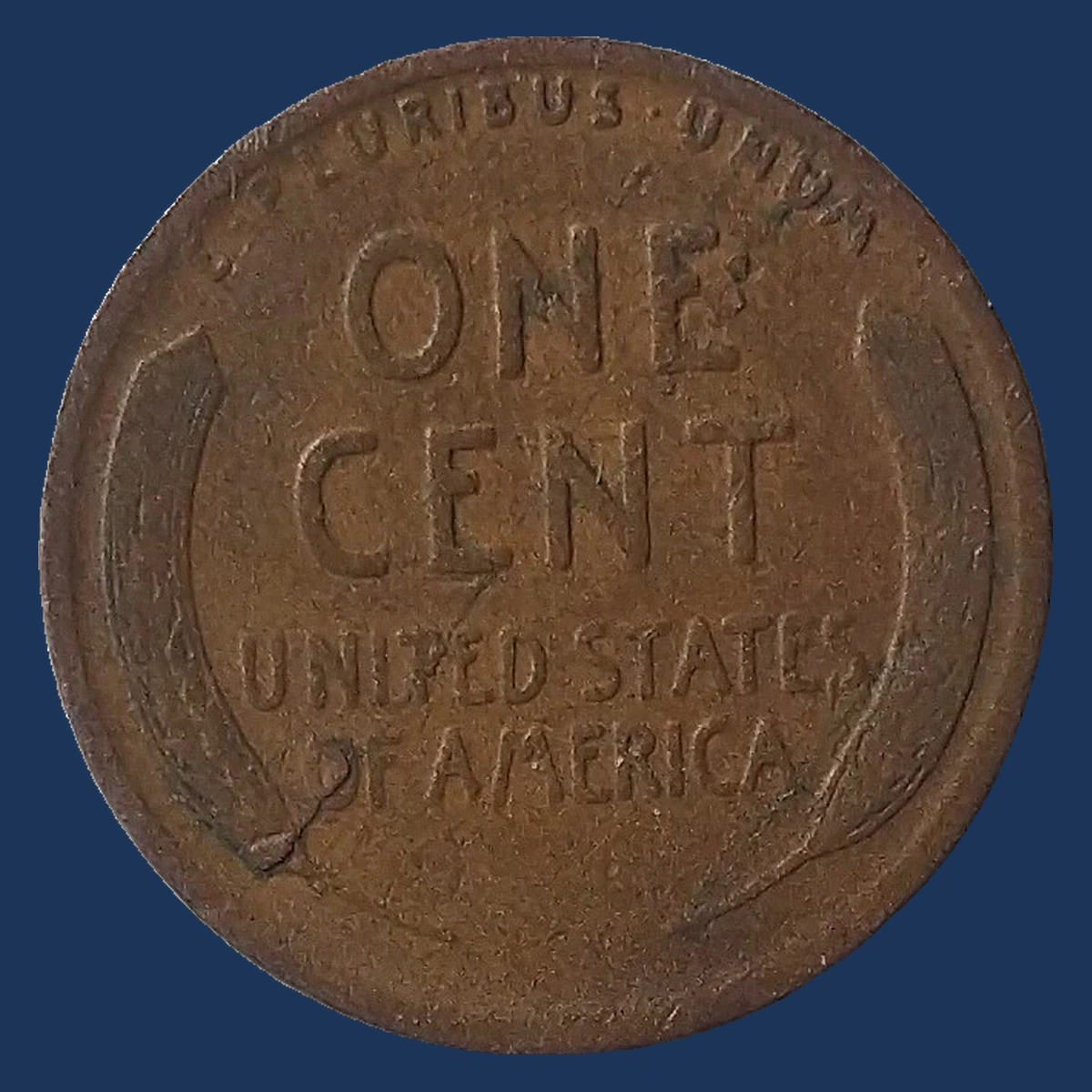
2. 1926 Lincoln Penny Reported Double Rim (Estimated Up to $400)
Two nearby raised borders can give the back a doubled-rim appearance. An auction catalog lists this feature on a Philadelphia 1926 penny.
The description names what is visible rather than establishing how it formed. It does not by itself prove a second strike or a shifted stamping tool.
Those explanations require their own evidence in the design and edge. Damage after minting can also push the rim into an unusual shape.
The second ridge is visible, but its cause needs to be established. Look for a second outline of a letter before treating the ridge as evidence of another strike.
Estimated Value
For a genuine mint-made extra rim, estimate $20–$400. The range depends on how it formed, how clearly it shows, and how well the coin has survived.
The older catalog entry does not provide a realized sale used here. Its wording is not enough to apply the higher price of a demonstrated double strike.
A rolled or squeezed edge would need a damage assessment instead. Compare the original surface and design relationship before assigning a mint-error premium.
How to Identify
Photograph the back straight on, then take a side view of the edge. Changing the viewing angle can distinguish a separate metal ridge from a bright reflection beside one normal rim.
Under a 10× magnifier, follow the two apparent borders around their full extent. Look for pressing marks on the plain edge and corresponding disturbance on the opposite face.
A scale and calipers compare an accessible coin with 3.11 grams and 19.05 millimeters. Normal figures cannot prove what made the extra ridge.
Next inspect nearby letters for a second, shifted outline of the same letter. Without that separate design evidence, describe the extra rim rather than labeling the coin double struck.
3. 1926 Lincoln Penny Doubled Eyelid (Estimated Up to $600)
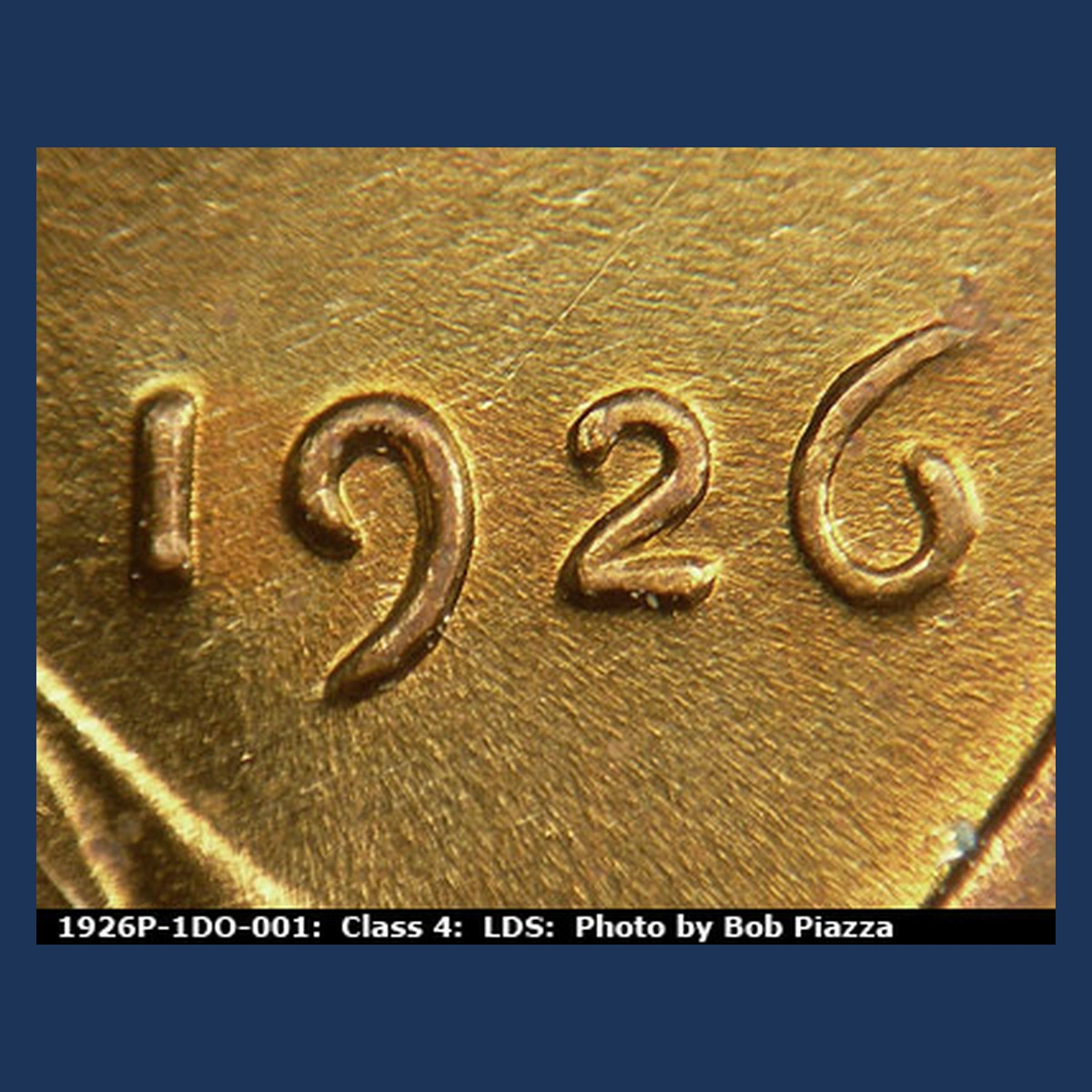
Lincoln’s eye can carry an extra line below its normal eyelid. The line belongs to a doubled design in the die, the steel tool that stamped the coin.
Several Philadelphia 1926 varieties show this effect. One has a strong extra eyelid toward the lower right, while another has two extra lines in that direction.
Other numbered forms show one lower line with their own smaller identifying marks. Sharing the same general direction does not make all these varieties identical.
The repeated design was already in the tool. It does not mean the coin received two separate press blows.
Estimated Value
Estimate $10–$600 for correctly matched 1926 doubled-eyelid varieties across different conditions. A sharp, well-preserved line offers a clearer comparison than a faint trace on a worn portrait.
A different 1936 doubled-front variety graded ANACS MS63 Brown sold for $70 in June 2024. That grade describes an unworn coin with marks and brown copper color.
Use that as a modest Wheat-cent comparison. It is not a transaction for each 1926 eye pattern or a guarantee for any doubled-looking line.
How to Identify
Confirm that the penny is the Philadelphia issue without a mintmark before selecting one of these eye comparisons. A scale and calipers can check its basic 3.11 grams and 19.05 millimeters, along with a plain-edge inspection.
Then examine below the main eyelid at 10× with the full date held upright. Count whether one or two extra lines are visible, allowing for wear that may soften the smaller line.
Move the lamp to separate a physical ridge from its shadow. Match the whole eye and surrounding marks with the appropriate variety photographs; lower-right doubling alone cannot choose among several different tools.
4. 1926 Lincoln Penny BIE Chips, Die Cracks, and Rim Breaks (Estimated Up to $750)
A small bar between B and E can make LIBERTY appear to have an extra I. Collectors call that chip in the stamping tool a BIE.
A narrow tool crack instead produces a thin raised line. Larger edge failures can leave a rim-connected patch, or a shifted section that still shows design if the broken tool piece remained in place.
Denver has several cataloged 1926 rim-break varieties, including a back example and a rim-only form. The separate retained-break entries need their own photographs.
Compare each patch’s shape and position. Different breaks can occur near the same part of the rim.
Estimated Value
Estimate $3–$50 for modest BIE chips and fine cracks. More substantial identified rim breaks can fit roughly $40–$750, depending on size and condition.
A worn 1934 major-break cent graded ANACS F12 sold for $41 in August 2021. That comparison shows why a named tool failure does not automatically imply a large price.
The 1926 Denver patterns must be matched individually. A tiny rim-only feature and a broad patch extending into the design need different comparisons.
How to Identify
For Denver rim breaks, read the complete catalog number and select the affected face first. A similar number in another list may identify a different pattern.
Inspect the plain edge beside the feature for squeezing or added metal. A scale and calipers compare an accessible coin with 3.11 grams and 19.05 millimeters before examining the smaller surface details.
At 10×, trace the boundary into normal design. A rim-only defect stays at the border, while a larger missing tool section can replace letters; retained sections may still show details inside the shifted area.
For a BIE instead, return to LIBERTY and verify that the raised bar occupies the B-to-E gap rather than another space.
5. 1926 Lincoln Penny Off-Center Strike (Estimated Up to $2,000)
The 1926 date and D remain complete on an unusually displaced penny. It was struck 45% off center toward seven-thirty.
LIBERTY and almost all of IN GOD missed the available metal. The back also lacks E PLURIBUS UNUM and parts of ONE, CENT, and UNITED on the left.
PCGS graded the coin MS64 Brown, meaning unworn with some marks and brown copper color. A separate Denver example is reported 20% off center toward nine-thirty.
Those descriptions belong to different coins. The amount and direction of displacement determine which details survive on each one.
Estimated Value
The 45% Denver example sold for $1,320 on September 10, 2019. Its complete year and mintmark help make the dramatic strike easy to identify.
Use an estimated $50–$2,000 across genuine dated 1926 off-center cents with different shifts and preservation. The separate 20% example should not inherit that exact sale.
Wear, cleaning, and missing digits can change the comparison. A larger blank area alone does not guarantee the higher price.
How to Identify
Read the full 1926 and D before measuring the displaced area on the 45% example. Then turn it over and compare the missing back motto and cut-off left lettering with its photograph.
With a 10× magnifier, follow the boundary between design and unused metal. Scraping or grinding after striking can remove letters but disturbs a surface that had already been finished.
Weigh the accessible coin against 3.11 grams and record its outline with calipers against 19.05 millimeters. Inspect the plain edge for cuts, remembering that unused metal is still part of the blank.
For the 20% Denver report, establish its own nine-thirty direction instead of transferring the stronger example’s missing-letter pattern.
Conclusion
The 1926-D off-center sale shows why a complete date and mintmark help make an unusual strike collectible. Smaller discoveries need equally specific checks, such as an extra eyelid below Lincoln’s normal eye or a bar in the B-to-E gap.
Estimated values run from $3 to $2,000. Keep each catalog pattern separate, and compare original metal and condition before treating a notch, ridge, or thick-looking feature as a Mint error.