1928 Penny Error List with Pictures

A missing set of tiny initials and a penny made from silver require very different checks. Both appear in this 1928 penny error list, alongside extra letter outlines and misplaced designs.
The silver-blank error has a firm auction example: an NGC XF45 coin sold for $3,120 in August 2025. XF45 describes a worn coin with much detail remaining.
The estimated ranges below run from $2 to $5,000. Read on to see which visible features support each type and its price.
1. 1928 Lincoln Penny BIE Die Chip (Estimated Up to $75)
LIBERTY can appear to contain an extra I between B and E. The added shape is raised metal, not a letter the Mint meant to put there.
A tiny piece can break from the steel tool that stamps the coin, called a die. Metal entering that small gap forms a bar on the next coins.
Collectors call this a BIE chip. The reported 1928 type concerns this letter gap, without assigning every example to one mint.
A line scratched into the same space is a different feature. It cuts down into the coin instead of standing above it.
Estimated Value
Small BIE chips belong near the affordable end of this list, with an estimated $2–$75 range. A clearly formed bar on an attractive coin is easier to compare than a faint lump.
This range follows minor Wheat-cent chip values. It is not a documented 1928 auction result or a price for a large rim break.
Wear can flatten the extra bar, while scratches can make the space confusing. Those changes affect how readily a collector can recognize the feature.
How to Identify
Put a normal cent beside the coin and read LIBERTY from left to right. Stop at the space between B and E rather than treating any nearby lump as a BIE.
Move a lamp across that space. A 10× magnifier should show whether the mark rises above the surface or cuts into it.
A raised bar can fit the chip explanation; a sunken line instead needs checking as a scratch. Inspect both faces and the smooth edge for squeezing or added material.
When safely accessible, use a scale and calipers to compare with 3.11 grams and 19.05 millimeters. Keep one photograph wide enough to show the full word beside the enlarged bar.
2. 1928 Lincoln Penny Grease-Filled Missing VDB (Estimated Up to $100)
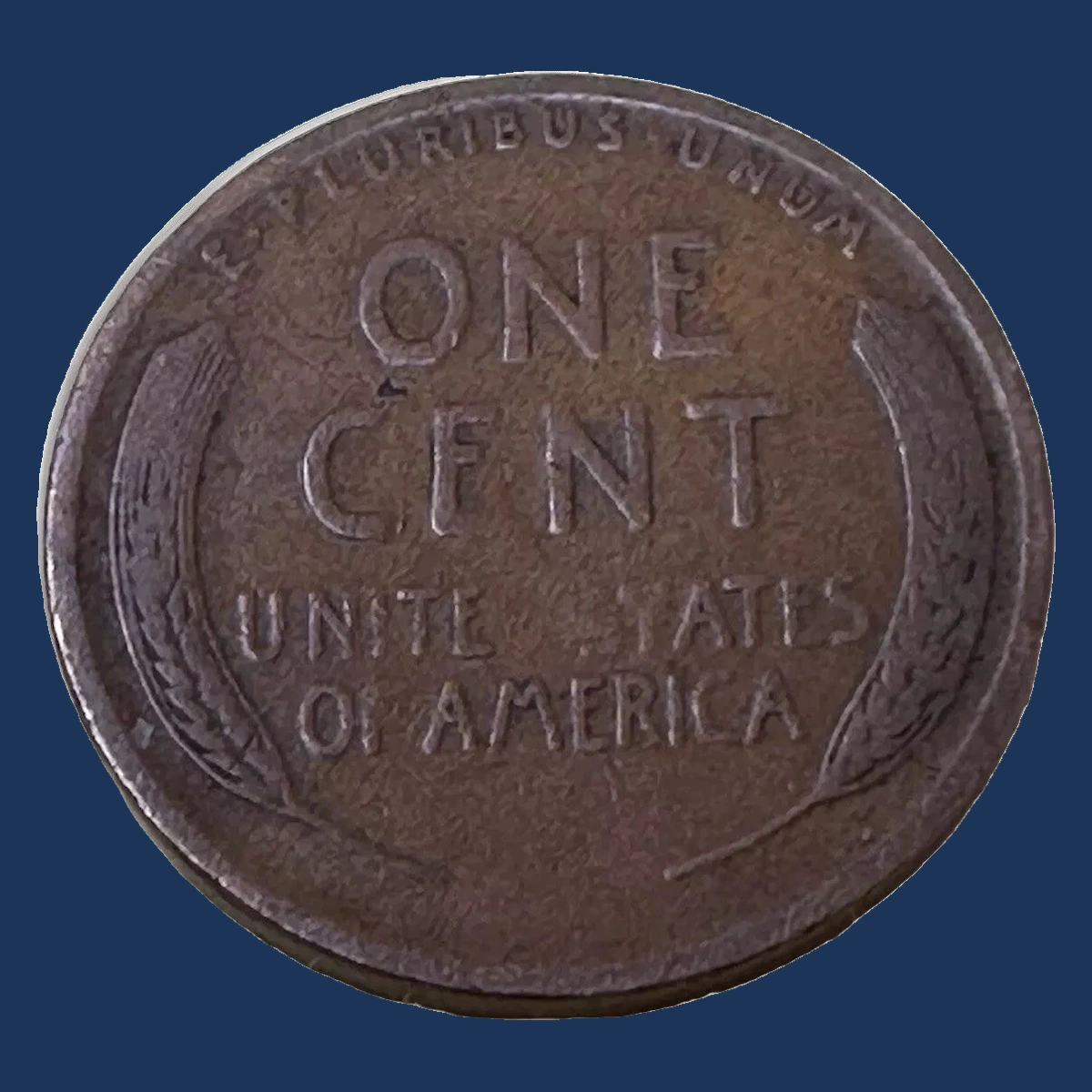
Look closely at Lincoln’s shoulder for VDB, the designer’s initials. Reports of this 1928 error describe the initials failing to appear when grease blocked their part of the stamping tool.
The initials are tiny. Wear or weak striking can also make them difficult to see, so their absence alone does not settle the cause.
A filled tool prevents metal from reaching part of the design during striking. Nearby features may still form normally.
This is not a separate 1928 design made without VDB. The question is why the expected initials are weak or missing on a particular coin.
Estimated Value
A clearly supported grease-filled example can fit an estimated $5–$100. Most weak or missing tiny details belong toward the lower end unless the surrounding coin is well preserved.
The estimate follows comparable minor filled-design errors on Lincoln cents. No specific 1928 auction price is being assigned to the reported missing initials.
Ordinary shoulder wear does not earn this error premium. Pay for the evidence of a blocked design, together with the coin’s condition, rather than the phrase “no VDB” alone.
How to Identify
Start with wear elsewhere on Lincoln’s portrait. If the exposed details are worn smooth, the tiny shoulder initials may have disappeared through ordinary use too.
Compare the shoulder with a normal 1928 cent of similar condition. Under a 10× magnifier, look for remaining letter traces and check the nearby detail.
Turn the lamp to reveal scraping lines across the shoulder. Do not clean the area to try to bring the letters back.
An accessible coin should be checked with a scale and calipers against 3.11 grams and 19.05 millimeters. Inspect its smooth edge as well; normal dimensions help identify the coin, but cannot prove grease caused a missing letter.
3. 1928 Lincoln Penny Repunched Mintmark (Estimated Up to $300)
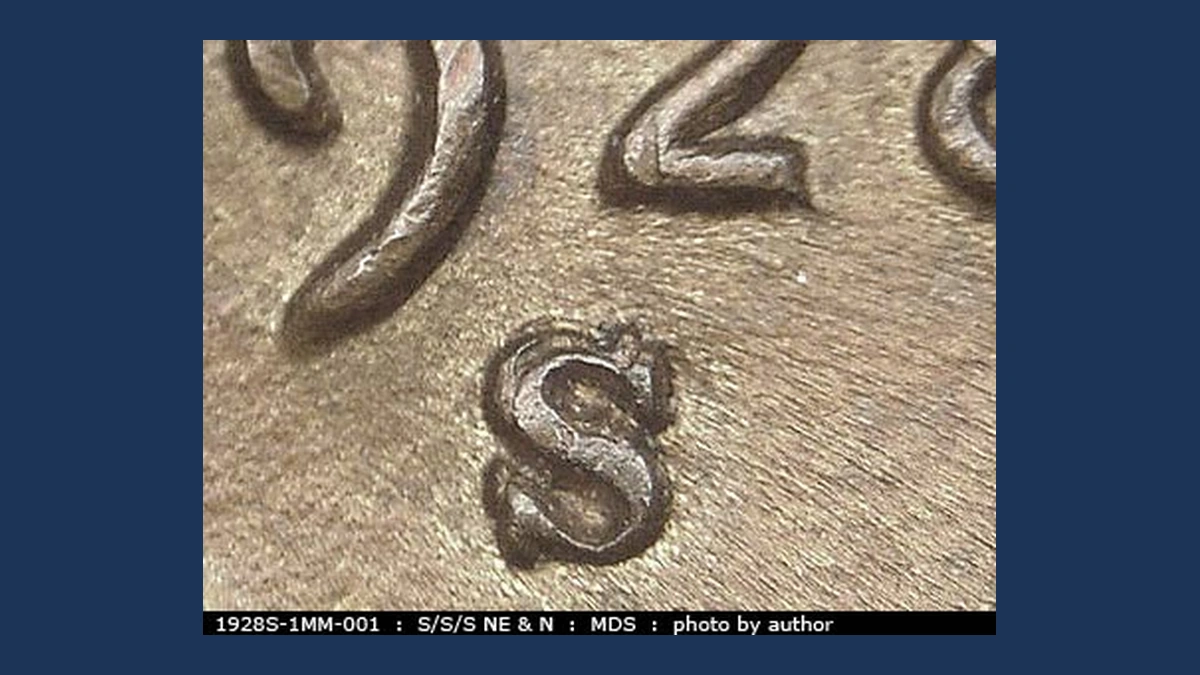
A D or S below the date can carry a second partial outline. That extra stroke can record more than one placement of the mintmark punch.
Mint workers added these letters to the stamping tools by hand. If the punch shifted between blows, part of the earlier letter could remain visible.
Reports include both Denver and San Francisco examples for 1928. This means D repeated over D or S repeated over S, not necessarily one mint’s letter over the other.
The normal large and small S shapes also need separate comparisons. Their size difference alone is not repunching.
Estimated Value
For a matched 1928 repunched mintmark, use an estimated $5–$300. This reflects comparable minor Wheat-cent repunches, including differences in strength and preservation.
The broad range does not price every extra-looking curve equally. An intact earlier letter stroke offers more than an uneven edge on a worn mintmark.
Compare D examples with D and S with the appropriate S shape. A normal large S should not receive a repunch premium simply because it looks larger than another coin’s mintmark.
How to Identify
First decide which normal mintmark shape you are examining. A large S and a small S need their own comparisons; neither becomes an error through size alone.
Trace the main letter under a 10× magnifier, then continue along the extra stroke. It should fit another placement of that same D or S.
A low flat shelf, scratch, or shapeless bump calls for another explanation. Take pictures under two lighting angles to separate raised metal from a bright reflection.
Check the 1928 date and smooth edge, and use a scale and calipers when accessible: about 3.11 grams and 19.05 millimeters are normal. Keep the full mintmark in each close-up so the relationship between both outlines remains visible.
4. 1928 Lincoln Penny Doubled Die Reverse (Estimated Up to $500)
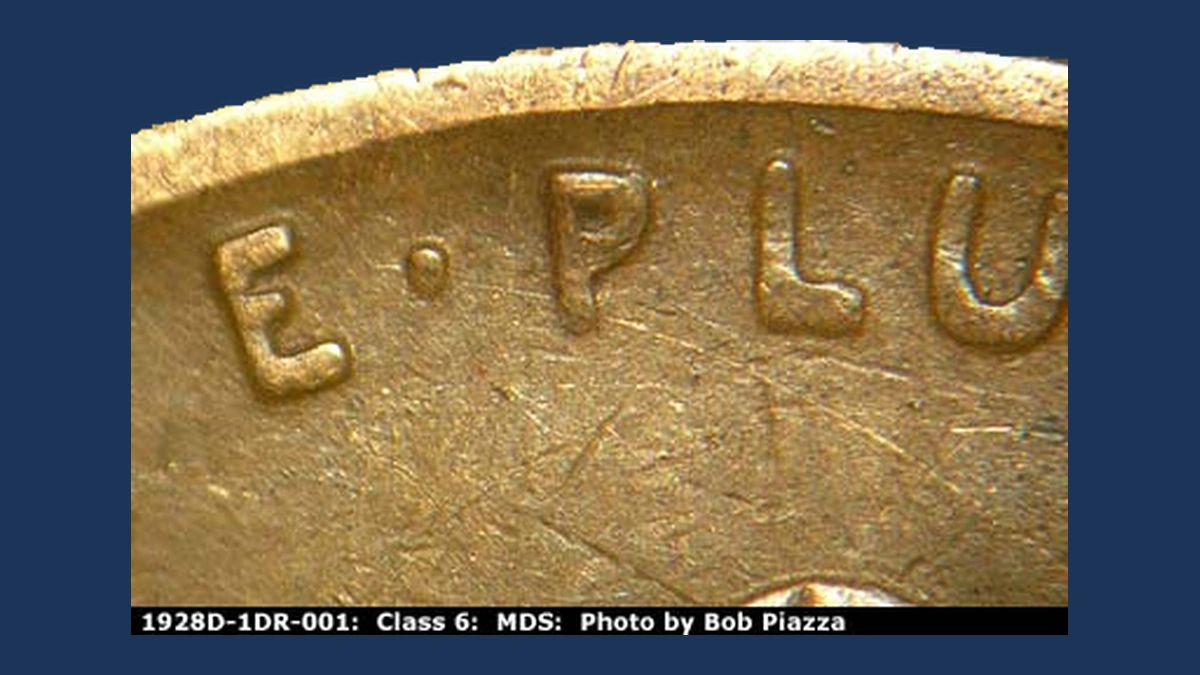
Extra outlines on the back can come from a repeated design in the stamping tool. Each coin struck by that tool then receives the altered pattern.
The reported 1928-D feature concerns E PLURIBUS UNUM and the Wheat design. The term doubled die reverse means a doubled tool design on the coin’s back.
It is different from a repunched D below the date. That smaller error involves the separately applied mint letter.
It also differs from a flat ledge beside a letter caused by movement during striking. The shape and position of the repeated detail must fit the actual doubled-back example.
Estimated Value
A correctly matched minor doubled-back variety can fit an estimated $10–$500. This is a comparison range for Wheat-cent doubled designs, not an invented sale of a 1928-D specimen.
The repeated feature must be visible enough to identify. Strong, clear outlines on an unworn coin support a different comparison from a faint mark on worn lettering.
Do not borrow a doubled-front penny’s record price. The mint, affected face, strength of doubling, and condition all need to match the coin being valued.
How to Identify
Turn the coin over after confirming the D below its date. The reported Denver back needs a Denver comparison, not a close-up from another mint’s penny.
Use a 10× magnifier on the upper motto and Wheat details. Photograph the specific line that appears repeated, keeping enough surrounding design to locate it.
Does the extra line form another raised outline, or a flat shelf beside a reduced letter? Comparing that shape with the matching example is more useful than calling every thick letter doubled.
For an accessible coin, record scale and caliper readings against 3.11 grams and 19.05 millimeters. Inspect the smooth edge, but remember that ordinary dimensions cannot identify which stamping tool made the back.
5. 1928 Lincoln Penny Off-Center Strike (Estimated Up to $1,000)
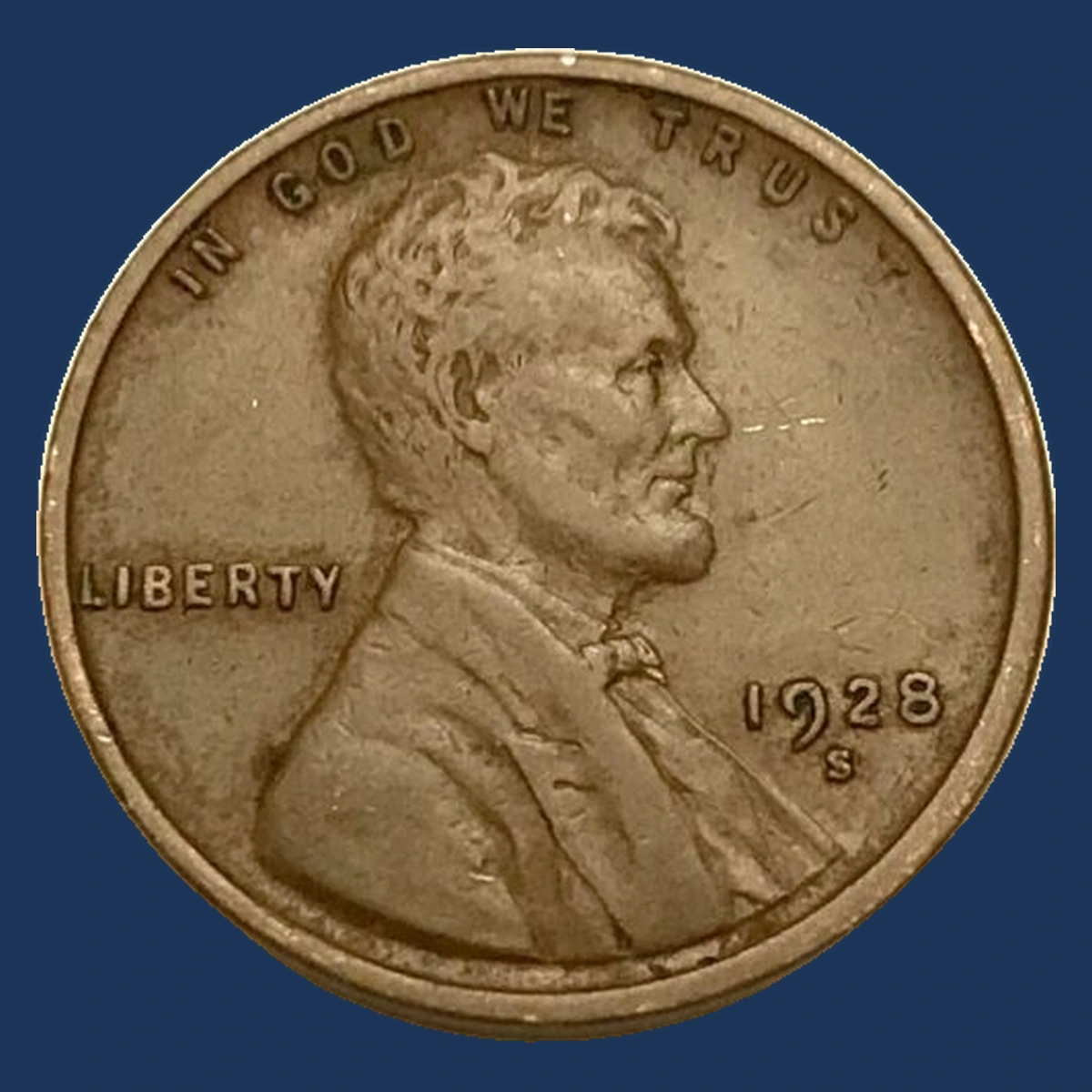
Some of the coin can remain blank even though the metal disc is complete. This happens when the blank sits partly outside the area covered by the stamping tools.
The design is cut short at one side, with unused metal beside the struck portion. Collectors call this an off-center strike.
Reports include 1928 examples from Philadelphia, Denver, and San Francisco. The direction and size of the shift belong to each individual coin.
A faint border on just one face is not enough. The same misplaced blank must explain the incomplete designs on both faces and leave a readable year.
Estimated Value
Use an estimated $30–$1,000 for dated 1928 examples, allowing for both the shift and condition. Large errors are more useful as year-specific collectibles when 1928 remains readable.
A nearby-year comparison is a 1936 cent struck 15% off center. It sold for $63 in January 2022, graded ANACS MS60 Brown, meaning unworn with noticeable marks and brown color.
That sale does not price a 1928 coin with a much larger shift. Compare the surviving date and original blank surface as well.
How to Identify
A scale can help distinguish an unused part of the blank from missing metal. A simple off-center cent can still weigh near 3.11 grams because nothing had to break away.
Measure its outline with calipers against the usual 19.05-millimeter width when safe. Then place full front and back photographs beside each other.
Look for incomplete designs that agree with one displaced blank. A centered back opposite a shifted front may instead suggest a misaligned stamping tool.
Use a magnifier to inspect the smooth edge and plain area for cutting or ground-away detail. Read the date directly on the coin before assigning the year; another dated example cannot supply a missing final digit.
6. 1928 Lincoln Penny Struck on a Silver Dime Blank (Estimated Up to $5,000)
A dime blank entered the cent press and received Lincoln’s design. Silver intended for a ten-cent coin became a penny instead.
The smaller blank could not fill the stamping tools normally. One documented example has a weak rim and an upper motto spreading toward the edge.
Its silver-gray appearance is striking, but color is only part of the identification. A plated copper cent can also look silver.
The genuine error combines the cent design with the smaller blank’s material and weight. This is a wrong blank, distinct from a cent design struck over an already finished dime.
Estimated Value
An NGC XF45 example sold for $3,120 on August 28, 2025 in Heritage’s sale. The grade describes a worn coin that retains much of its detail.
An estimated $1,500–$5,000 allows for different condition and clarity of the error. The recorded coin weighed 2.5 grams, matching a normal silver dime blank.
A copper cent with added plating is a different object. Professional confirmation of the metal and strike is essential before applying this range.
How to Identify
Weigh an accessible candidate before relying on its color. The normal copper-alloy cent is 3.11 grams; the documented silver-blank coin weighs 2.5 grams.
Use calipers to record the actual width rather than assigning the full cent’s 19.05 millimeters. A dime blank starts smaller and can spread when struck.
Check the edge under a magnifier for added coating, keeping a sealed holder intact. Do not scratch the surface to test the metal; professional testing can establish the silver alloy.
Next compare the outer design. On the documented coin, much of the rim is weak and the upper motto spreads outward.
The date, smaller-blank strike, measured weight, and silver composition must all belong to the same specimen.
Conclusion
Start with the part that looks different: the shoulder initials, the mintmark, the lettering, or the whole coin’s outline. Each leads to a different check, so a broad error label is not enough.
Estimated values range from $2 to $5,000, with the silver dime-blank sale at $3,120 providing a real 1928 example. Preserve the surface and photograph both faces before deciding whether a small mark deserves closer examination.