1942 Penny Error List with Pictures

Most 1942 pennies belong on copper-rich blanks, but one received its design on silver intended for a dime. That coin sold for $6,168.75 in June 2014.
You do not need a silver example to find something interesting in this 1942 penny error list. A small extra mintmark curve or a raised bar in LIBERTY can also reward a closer look.
Estimated values range from $3 to $10,000; follow the visible clues below to choose the right comparison.
1. 1942 Lincoln Penny Lamination (Estimated Up to $300)
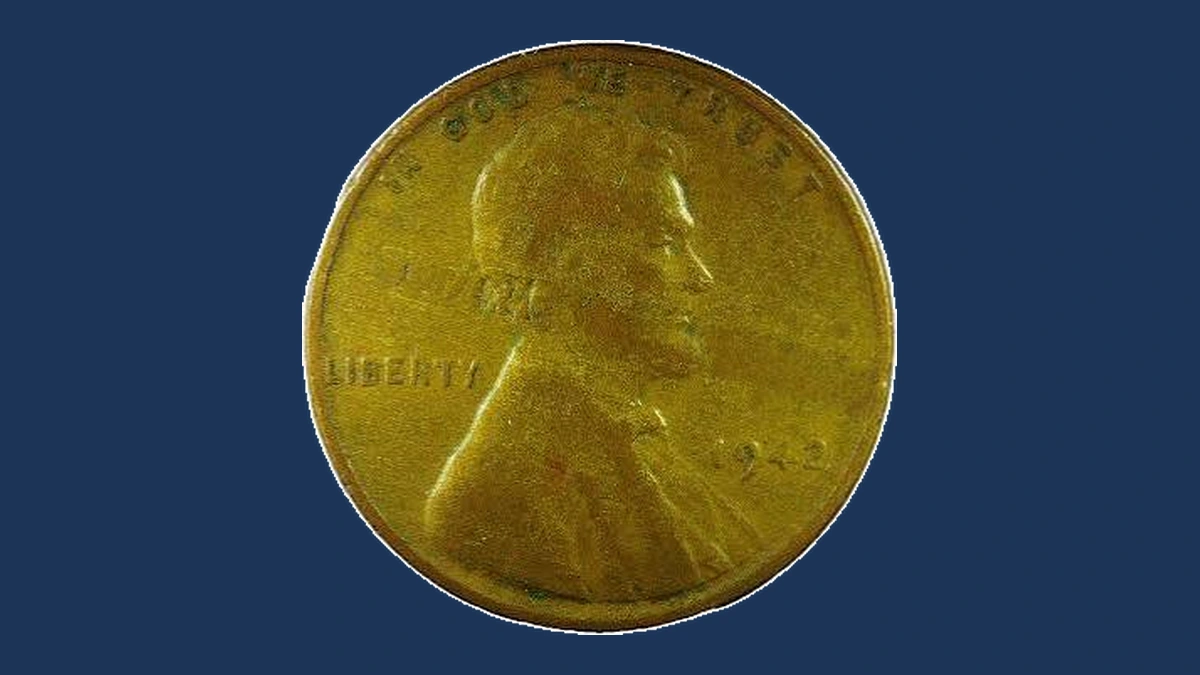
A peeling patch can begin inside the metal rather than on its surface. A weak layer separates from the surrounding alloy, leaving a thin flap or a rough exposed area.
This is called lamination. The 1942 penny is solid copper-rich alloy, so the defect is not a copper coating peeling from a zinc center.
Philadelphia examples appear in certified-coin photographs, and a worn ANACS XF45 coin appeared in a later auction group. These are individual metal flaws, so their outlines differ.
Some layers stay attached while others fall away, changing the amount of surviving metal.
Estimated Value
Use an estimated $5–$300 for genuine laminations, with larger visible layers and better-preserved surfaces supporting stronger comparisons. A tiny rough patch can add very little.
For context, a 1941-S retained back lamination graded PCGS MS66 Red sold for $69 in April 2020. That price concerns an unworn coin with its own attached layer.
The 1942 XF45 auction appearance was part of a group; its listing does not assign the entire group price to that penny.
How to Identify
Photograph the loose layer before moving the coin. Side lighting and a 10× magnifier can show where a flap joins the surrounding metal without lifting it.
If the layer has already gone, look along the rough boundary for signs of separation within the alloy. A fresh gouge may instead cut across completed letters and push copper up beside it.
Weigh the accessible coin against the normal 3.11 grams, allowing for any missing metal. Use calipers on sound areas to compare its width with 19.05 millimeters, and inspect the plain edge wherever the seam reaches it.
Keep the scale tray and caliper tips clear of fragile flaps. The existing boundary is more useful evidence than a newly opened crack.
2. 1942 Lincoln Penny Struck Through Debris (Estimated Up to $500)
Something caught between a blank and a stamping tool can interrupt the design. The obstruction may leave a depression, or prevent nearby details from forming normally.
Collectors call this a struck-through error. It concerns the way the design was made, rather than a dent inflicted after the finished penny left the Mint.
For a proposed 1942 example, the affected surface must establish that sequence. A rough patch alone cannot identify the material responsible.
A peeling layer has a different explanation, even when its exposed surface looks like a shallow impression left by an object.
Estimated Value
An authenticated modest debris impression can fit an estimated $10–$500. This conditional range depends on a genuine striking obstruction and does not value an ordinary damaged patch.
A 1920 cent struck through a loose metal layer, graded PCGS VG10, sold for $134 in March 2025. That heavily worn coin provides a same-series comparison.
Its identified metal fragment does not establish the material involved on a proposed 1942 coin, whose surface needs its own assessment.
How to Identify
Begin with photographs of the complete coin and a check of its plain edge for impacts. A scale and calipers compare a loose cent with the normal 3.11 grams and 19.05 millimeters.
Now choose one letter or portrait edge that approaches the patch. Through a 10× magnifier, follow whether the design was blocked during striking or cut away after it had formed.
Look for a thin layer separating from the coin itself. An opening beneath a flap points toward lamination rather than proving an outside object interrupted the strike.
Photograph the depression in angled light.
Preserve any material still present and seek a comparison showing the same kind of interruption. The shape alone cannot identify grease, cloth, or a metal fragment.
3. 1942 Lincoln Penny Die Cracks, BIE Chips, and Rim Cuds (Estimated Up to $500)
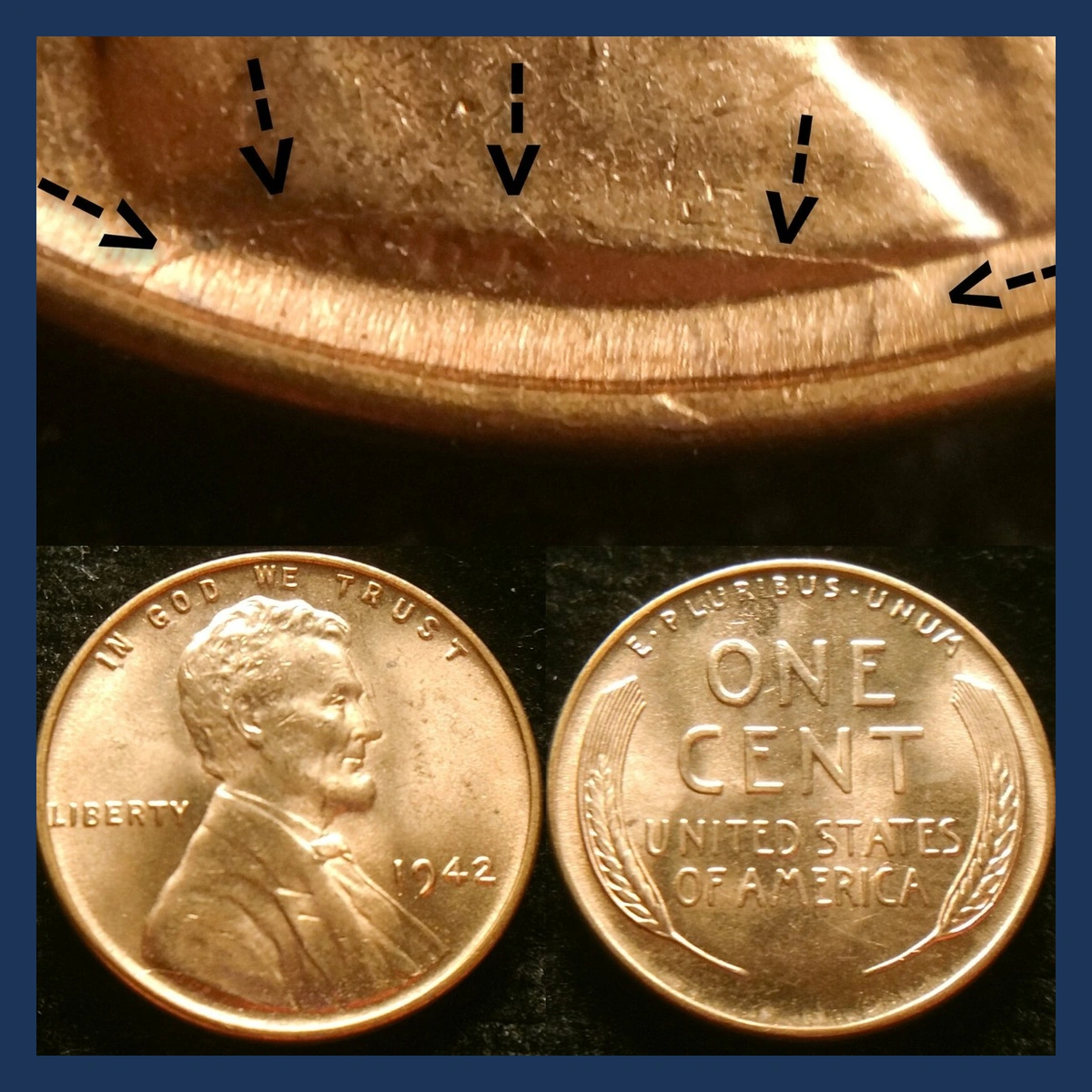
A die is the steel tool that stamps the coin. When it cracks, copper can fill the opening and leave a raised line on the penny.
A small chip between B and E makes LIBERTY appear to contain an extra I. This familiar defect is called a BIE.
A larger piece breaking from the tool’s edge creates a rim-connected raised patch called a cud. A recorded San Francisco front cud lies around seven to eight o’clock and accompanies a repunched S.
A separate San Francisco back break retained its broken tool section, allowing some design to remain.
Estimated Value
Estimate $3–$50 for small cracks and BIE chips, and roughly $40–$500 for clearly identified larger rim breaks. Size, preservation, and the remaining design affect the whole-coin comparison.
A 1946-S major break brought $288 in March 2021. That other-year sale provides context for a substantial Wheat-cent tool failure.
The 1942-S front cud and retained back break are different examples; their features and prices should not be added as though they belonged to one coin.
How to Identify
A BIE belongs between B and E, so read the surrounding letters before judging a small raised bar. Moving light and a 10× magnifier distinguish a raised feature from a scratched groove.
For the San Francisco front cud, examine the rim from seven to eight o’clock instead. Inspect the plain edge beside that patch for squeezing or added material that could imitate missing-tool metal.
A scale and calipers compare an accessible coin with 3.11 grams and 19.05 millimeters, but normal readings cannot identify the particular break. On the separate retained back example, use its own photograph to check whether original details continue inside the shifted area.
4. 1942 Lincoln Penny Off-Center Strike (Estimated Up to $800)
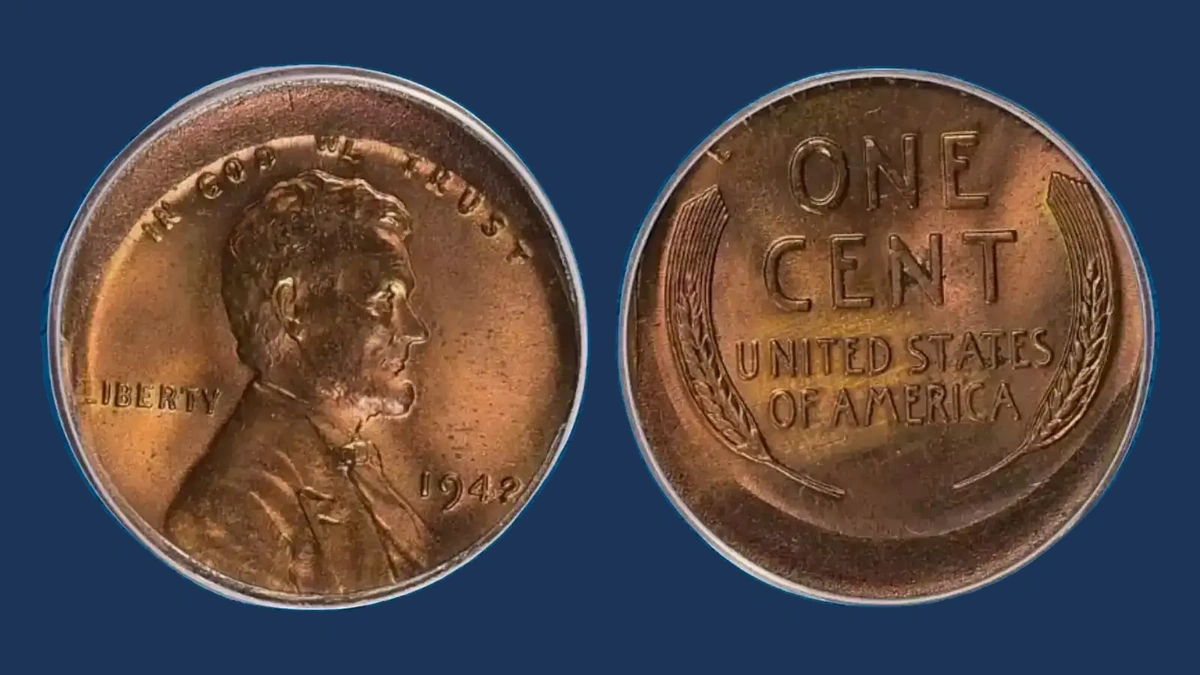
An unused crescent can remain beside a design that partly missed the blank. The metal sat away from its intended position when the press closed.
The documented Philadelphia example is about 40% off center toward twelve o’clock. From the front, it shows this familiar shifted appearance.
Its back adds a second feature: a sunken mirror copy of the front design. That combination is discussed separately below because it changes the whole coin’s appeal.
The blank crescent is still original metal. It is not a clipped piece, and the missing part of the design does not mean copper was removed.
Estimated Value
For a dated off-center cent without the added mirror impression, use an estimated $40–$800. Strong visible displacement and original surfaces generally provide better comparisons than a slight shift with damage.
A 1950-D cent struck 35% off center sold for $192 in October 2021. It supplies a same-series comparison for displacement alone.
The known 1942 combined error sold for $2,585 in November 2013, but its brockage prevents treating that amount as a plain off-center price.
How to Identify
Place photographs of both faces beside each other. A whole blank sitting away from the center should explain the missing design on both sides; one shifted face may involve a different tool problem.
Locate the surviving 1942 date, then examine the plain crescent under a magnifier. Grinding an ordinary coin can remove detail, but leaves disturbed finished metal rather than an area never struck with the design.
A scale should remain near 3.11 grams when the full blank survives. Calipers can record its altered outline against the ordinary 19.05-millimeter width, while a plain-edge inspection checks for filing.
On the documented coin, also turn to the back before estimating its value: the mirror impression is part of that same specimen.
5. 1942 Lincoln Penny Repunched Mintmark (Estimated Up to $2,500)
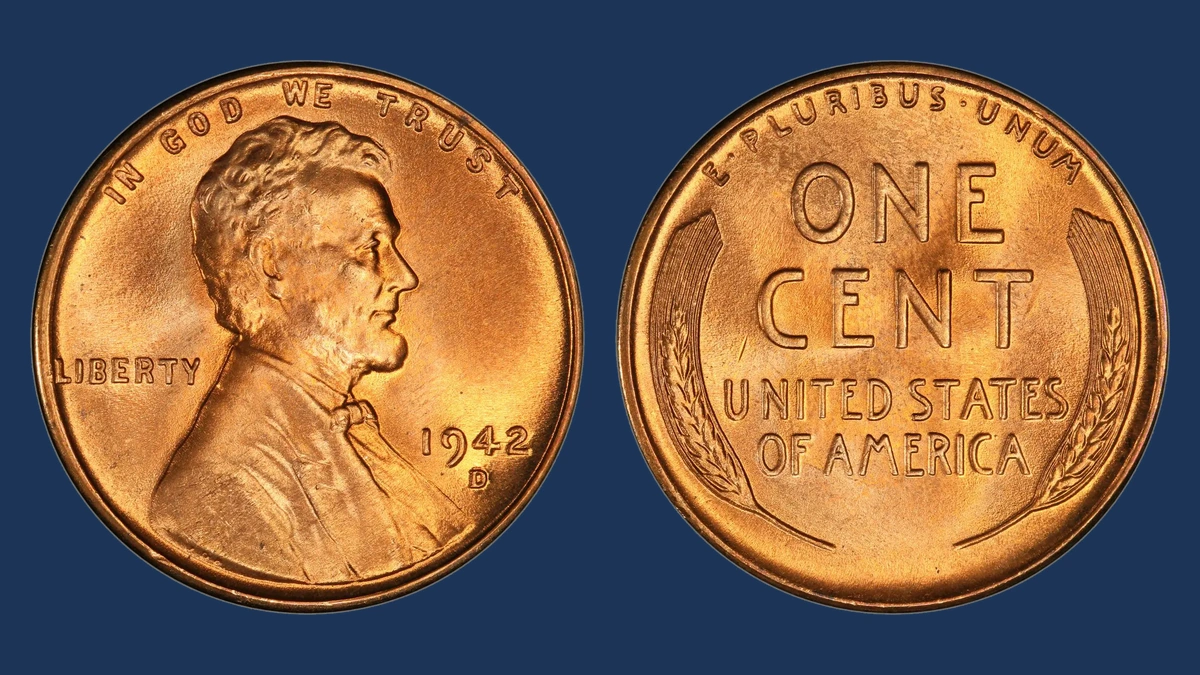
The D or S was punched into the stamping tool by hand. When repeated blows landed in different positions, the tool kept extra parts of the same letter.
Denver’s FS-502 has earlier D detail above the main D, while FS-504 shifts it toward the upper left. San Francisco has its own repeated-S patterns.
One S variety preserves three punch positions and also has a doubled front design. These are two features on one coin, not evidence that the penny was struck three times.
Other repeated letters may be tilted or shifted in different directions.
Estimated Value
Modest matched mintmark varieties can fit an estimated $5–$250. Stronger named examples with excellent preservation, including combined S varieties, can extend toward $2,500.
A 1929-S FS-501 graded MS65 Red brought $3,565 in June 2010. That grade describes a well-preserved unworn coin retaining its original copper color.
The sale illustrates how a notable variety and strong condition can combine. It concerns a different year and grade, so a 1942 candidate needs its own comparison.
How to Identify
Begin with the letter’s identity and keep the date upright. The Denver reference photographs separate the upward FS-502 pattern from the upper-left FS-504 pattern.
At 10×, trace an extra curve far enough to see whether it fits a former D or S outline. San Francisco’s triple-punched example has earlier detail toward the left and lower left; a random bump does not prove three letters.
A loose normal cent is about 3.11 grams and 19.05 millimeters, checked with a scale and calipers. Examine the plain edge and the mintmark’s base for alteration.
If the front design is also doubled, match that separately before assigning a combined variety number.
6. 1942 Lincoln Penny Doubled Die (Estimated Up to $3,000)
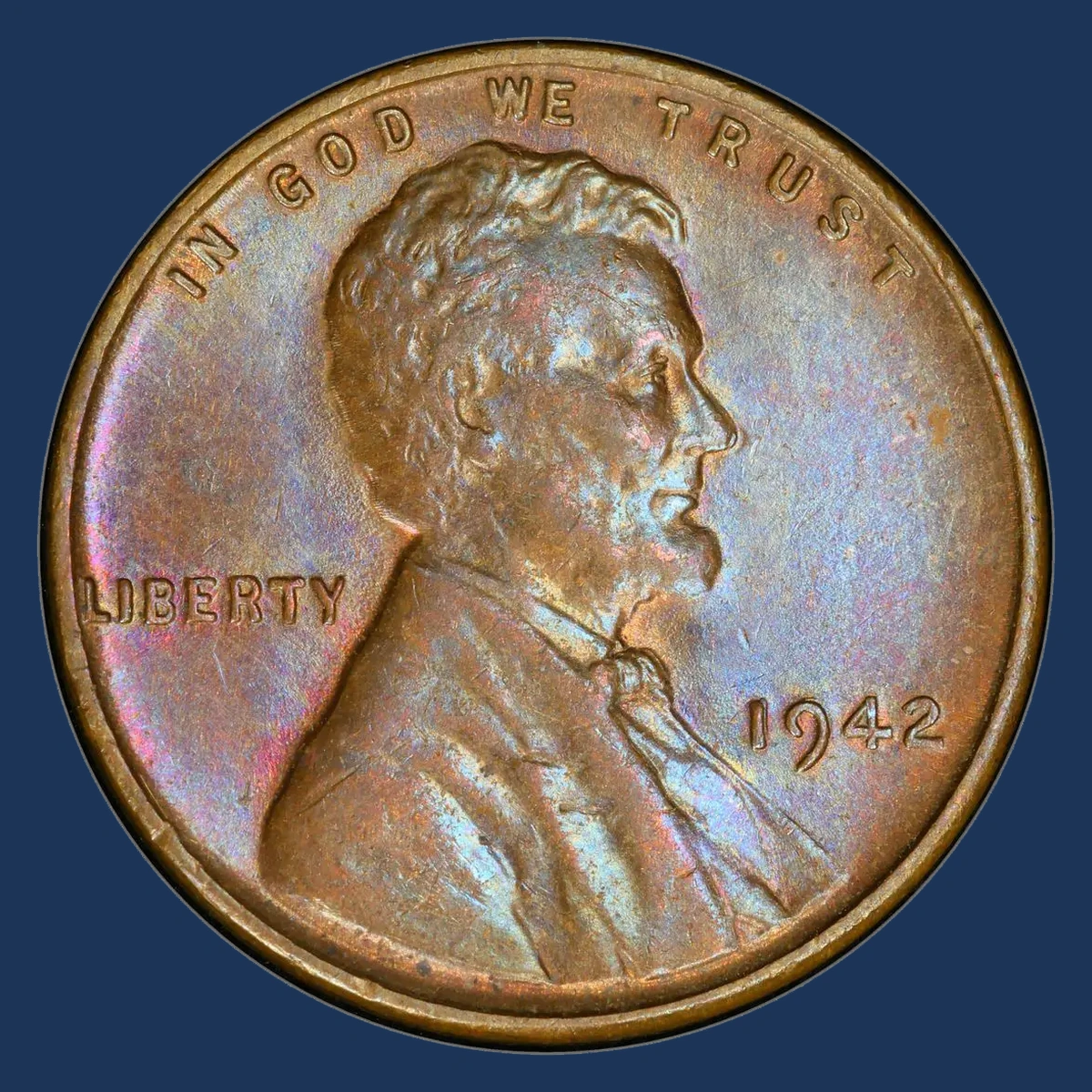
An extra eyelid or repeated letter edge can already be present in the stamping tool. It then appears on coins made with that doubled design.
Philadelphia’s FS-101 includes doubling around 19 in the date and parts of Lincoln’s face. Other numbered front varieties emphasize different letters or portrait details.
Back varieties can thicken the motto and Wheat details. A separate Proof back has inward doubling along the lower-right Wheat grains and stem.
Proof coins were specially made for collectors. They need their own comparisons rather than being identified from a circulation coin’s doubled eye.
Estimated Value
Estimate $5–$200 for modest matched varieties, with stronger named fronts and attractive Proof examples around $100–$3,000. The upper range includes condition and the underlying coin, not just the doubled line.
A 1941 FS-101 graded NGC MS66 Red sold for $2,070 in January 2012. That unworn, well-preserved example gives context for a strong named Wheat-cent variety.
For 1942, choose the actual mint, design pattern, and type of coin before applying the higher comparison.
How to Identify
Which feature repeats: the date, Lincoln’s eye, or the back design? Choose a photograph of that specific variety before enlarging a tiny line.
For Philadelphia FS-101, inspect 19 and the face for extra detail displaced toward the lower left. Its pattern differs from the San Francisco doubled front and from the Proof back’s lower-right Wheat doubling.
Move the lamp while examining these areas at 10×. A flat shelf created during striking differs from a stamping tool that already carried a doubled design.
The usual checks are 3.11 grams on a scale, 19.05 millimeters with calipers, and a plain edge. Normal measurements support the basic coin identity but cannot establish a doubled die; several matching details are more useful than one shadow.
7. 1942 Lincoln Penny Mirror Brockage with an Off-Center Strike (Estimated Up to $4,000)
A normal Lincoln portrait rises above the penny’s surface. A brockage instead carries a sunken mirror image, pressed into the blank by another coin caught in the press.
The 1942 example has that mirror copy on its back. Its front also shows the 40% off-center strike toward twelve o’clock described earlier.
PCGS graded the coin MS62 Brown, meaning unworn with noticeable marks and brown copper color. The auction description also notes several rim bumps.
The previously struck coin supplied the mirror impression; it is not attached as an extra coin in the recorded specimen.
Estimated Value
The combined 1942 error sold for $2,585 in November 2013. Its price covered the off-center strike and the brockage together.
Use an estimated $800–$4,000 for comparable dated combinations, considering wear, surface damage, and how much of the mirror design remains readable. Clear reversed detail can make the striking sequence easier to understand.
Do not add a separate maximum off-center estimate to this range. One unusual penny receives one overall assessment, including its rim bumps.
How to Identify
When safely accessible, use a scale to compare weight with 3.11 grams and calipers to record width against 19.05 millimeters. Allow for changes to the outline during striking.
Turn to the back and follow a recognizable reversed detail under a 10× magnifier. It should sit below the surrounding surface rather than form another normal raised portrait.
The documented coin’s 40% shift belongs with its own mirror impression. A similar-looking reversed head does not establish that exact combination.
A later coin pressed against a finished penny can imitate a mirror mark. Examine surrounding struck detail and the plain edge for squeezing, keeping full-face photographs so an expert can assess the impression in context.
8. 1942 Lincoln Penny Wrong Blank (Estimated Up to $10,000)
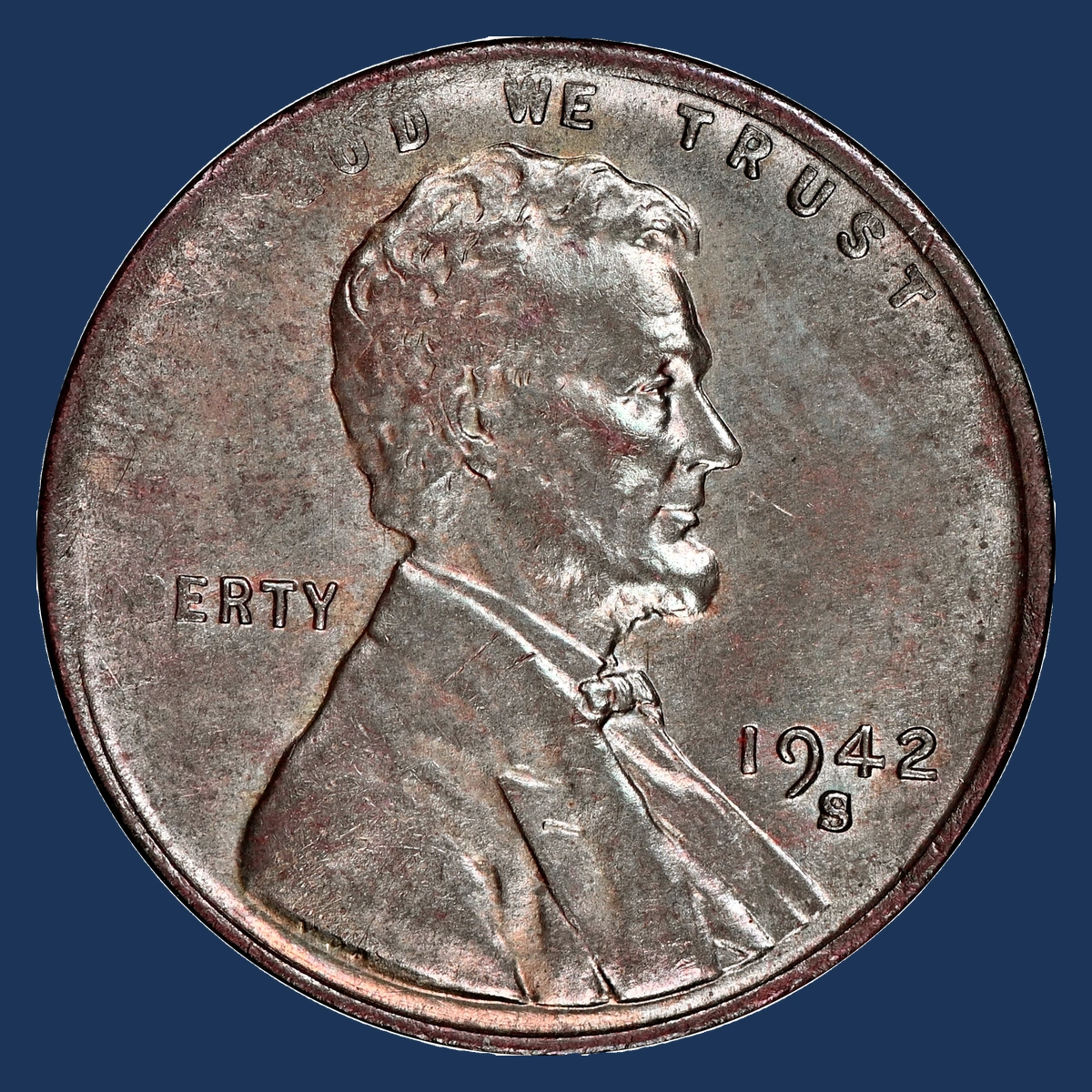
The wrong metal disc can reach a cent press and receive Lincoln’s design. Collectors call that disc a blank or planchet.
One Philadelphia 1942 cent uses a silver dime blank weighing 2.5 grams. NGC also identified another Philadelphia coin on an Ecuador 20-centavos blank.
A separate San Francisco example weighs 2.5 grams but is bronze: 95% copper, 4% zinc, and 1% tin. Its 19-millimeter width does not make it a normal-weight cent.
The two 2.5-gram coins therefore require different material comparisons. Neither a silver color nor a light weight identifies a foreign country by itself.
Estimated Value
The silver-blank PCGS MS63 cent sold for $6,168.75 in June 2014. Estimate $2,000–$10,000 for comparable silver-blank pieces and $1,500–$10,000 for the identified Ecuadorian type.
The light bronze San Francisco example fits a separate estimated $1,000–$6,000 comparison; its May 2026 auction listing records no sale. These estimates depend on established blank identity and preservation.
The Ecuadorian coin’s NGC MS63 grade describes an unworn coin with some marks, not a transaction price.
How to Identify
Start with weight and material together, using a precise scale for an accessible coin. Both the recorded silver coin and light bronze coin weigh 2.5 grams, compared with a normal cent’s 3.11 grams.
Use calipers to record width against the usual 19.05 millimeters and a 10× magnifier to inspect the plain edge for filing or coating. Professional metal testing can distinguish silver alloy from bronze without scratching the coin.
On the silver specimen, IN GOD WE TRUST remains complete while part of the back motto misses the small blank. Its shoulder and the O in ONE are also weak.
The Ecuadorian example needs its own measurements and comparison images; the San Francisco bronze coin’s figures do not identify it.
Conclusion
Copper is normal for a 1942 penny, so its color alone does not make it a rare wartime mistake. More useful clues include an extra mintmark curve, a natural peeling layer, or a design that does not fit its blank.
The estimated $3–$10,000 range covers very different coins. Compare the actual feature and condition, and keep the price of a combined error attached to the whole coin.