1947 Penny Error List with Pictures

A tiny extra eyelid and a piece of trapped scrap tell very different stories on a 1947 Wheat penny error. The first can repeat on many coins; the second records an object caught during one strike.
PCGS lists an exceptional repunched S with a $1,350 eBay sale in December 2018. The errors below have estimated values from $2 to $1,500, depending on their type and condition.
Read on to compare the visible features, prices, and simple checks that separate these finds from ordinary wear.
1. 1947 Lincoln Wheat Penny Lamination (Estimated Up to $100)
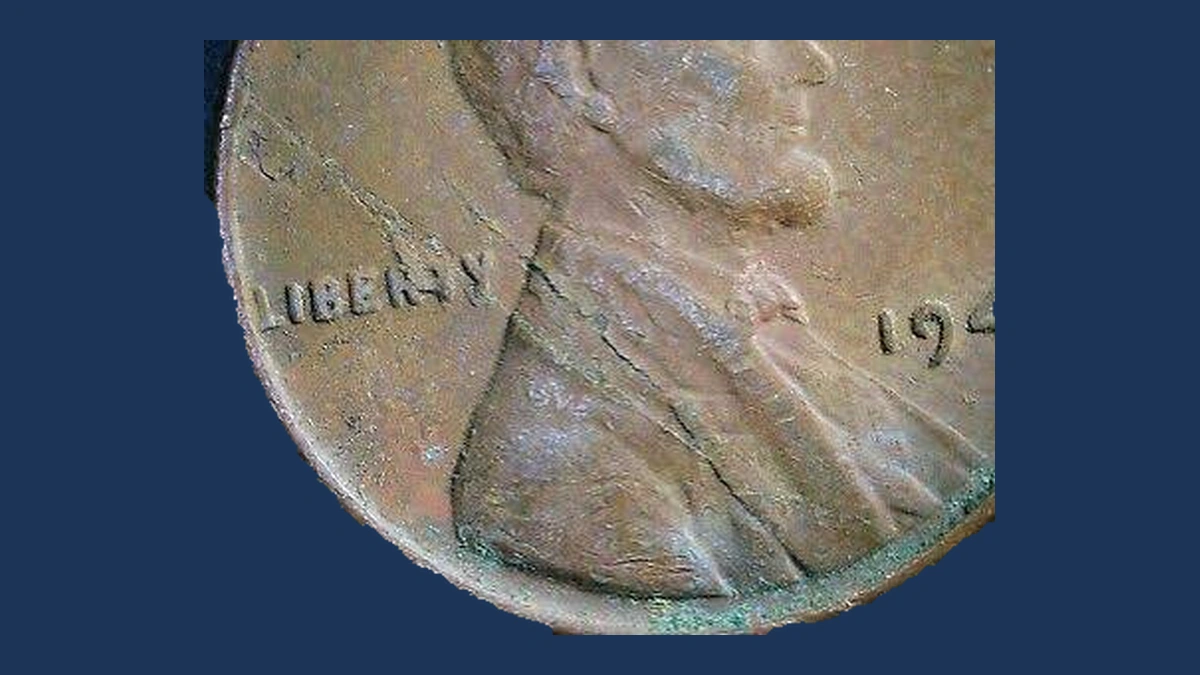
A thin flap or rough patch can appear where the penny’s metal has separated. This is called a lamination error.
The weakness began inside the copper alloy used to make the coin. Part of the surface could lift or fall away during production or later handling.
Reports for 1947 include this kind of metal failure. The affected area must be examined on each coin rather than expected in one fixed place.
These pennies are solid copper alloy, not coins with a separate copper coating. A peeled patch therefore does not reveal a modern zinc center.
Estimated Value
Minor 1947 laminations have an estimated range of $5–$100. A clear attached flap generally attracts more attention than a small rough spot.
For a later copper-alloy comparison, a 1966 cent with a front lamination sold for $61 in July 2021. Its NGC MS63 Brown grade describes an unworn brown coin.
That sale helps set expectations for the error, but it is not a 1947 transaction. Severe corrosion reduces appeal instead of adding an error premium.
How to Identify
Leave a lifted flap alone. Bending it can destroy the evidence that connects it to the original coin.
Under a 10× magnifier, follow the shallow separation and look for a layer of metal rather than scattered pits. Compare the affected surface with nearby undamaged areas.
A scale and calipers help check the normal 3.11 g weight and 19.05 mm diameter. Missing metal can reduce the weight; a small attached flap may change almost nothing.
Inspect the plain edge for related separation, cutting, or corrosion. A missing piece need not reach the edge.
Look for an original metal layer lifting from the coin, with a natural split beneath it, rather than a scraped hollow.
2. 1947 Lincoln Wheat Penny Clipped Planchet (Estimated Up to $150)
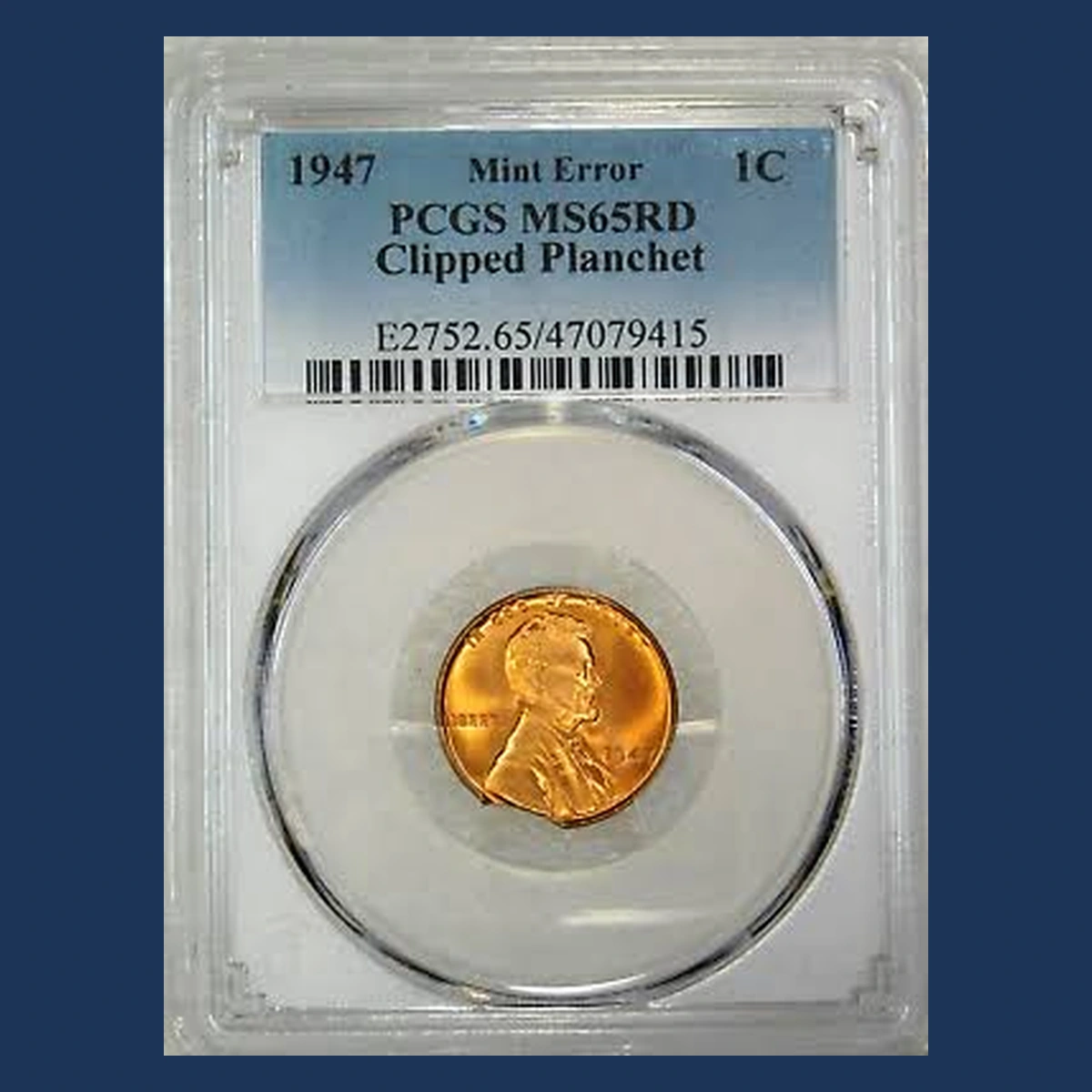
A clipped penny has a section missing from its outline. The metal disc was incomplete before the design was stamped onto it.
That prepared disc is called a planchet. A cutting mistake in the strip of coin metal can leave it short of material.
The 1947 error reports include clips, although their exact shapes and sizes vary with the actual coin. A smooth-looking curve alone does not prove a mint error.
Later cutting can make a similar shape. Genuine examples must show how the missing area affected the nearby design and rim during striking.
Estimated Value
An estimated $15–$150 covers small to more noticeable genuine 1947 clips. A readable date and an attractive surface support the price.
A 1955 cent with a ragged clip, graded NGC MS66 Red, sold for $124 in March 2026. That is a different-year Wheat cent comparison, not the price of a recorded 1947 specimen.
Large missing areas can be appealing, but size alone is not enough. A sawed or filed coin does not belong in this range.
How to Identify
Put the coin beside an ordinary 1947 penny to see how much of the outline is missing. Do not assign a percentage from a loose visual guess.
The standard measurements are 3.11 g and 19.05 mm; use a scale and calipers to check the remaining metal. A genuine clip usually lowers the weight.
With a 10× magnifier, inspect the cut boundary and the surviving plain edge for file marks or repeated saw lines. Look at the rim opposite the gap as well.
That opposite rim may be weak, but weakness by itself is not proof. Check that the nearby stamped detail fades naturally toward an original missing section rather than ending at a later cut.
3. 1947 Lincoln Wheat Penny Broadstrike (Estimated Up to $200)
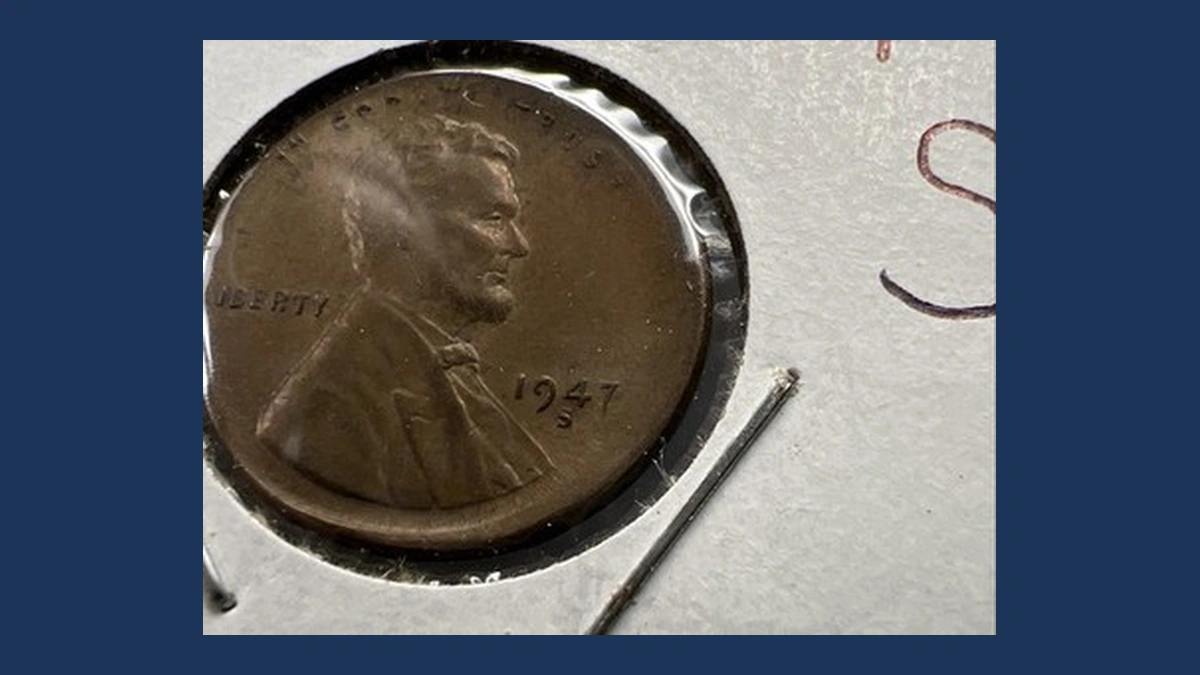
The coin looks too wide, yet the design remains complete. This combination points toward a broadstrike rather than an off-center strike.
During normal production, a ring called the collar limits outward metal movement. Without its support, the disc can spread under the stamping tools.
Year-specific reports include broadstruck 1947 pennies. The widened shape may be uneven, so the portrait does not have to sit perfectly in the middle.
Merely measuring a little over 19 mm is insufficient. The whole coin must show natural spreading without the crushed lettering or battered edge caused by later flattening.
Estimated Value
$25–$200 is an estimated range for genuine 1947 broadstrikes with readable dates. More obvious spreading and cleaner surfaces usually improve their appeal.
A much later 1999 cent graded PCGS MS65 Red sold for $67 in March 2023. It offers a general broadstrike comparison, despite its different design and metal construction.
The 1947 range is an estimate rather than a claimed sale record. A slightly large coin with ordinary dimensions elsewhere may have no broadstrike premium.
How to Identify
First trace every word and the outer parts of the design on both sides. If the strike leaves part of that design off the disc, assess an off-center error instead.
Use calipers across more than one direction to check the spread. A normal 1947 penny measures 19.05 mm, while a scale should remain close to its usual 3.11 g.
Examine the plain edge and enlarged border with a 10× magnifier. Sharp dents or crushed detail can reveal later hammering.
Compare the central design with an ordinary example to make sure it was not flattened along with the rim. Match complete stamped detail with a naturally expanded outer border on both sides.
4. 1947 Lincoln Wheat Penny Die Cracks, Chips, and Cuds (Estimated Up to $250)
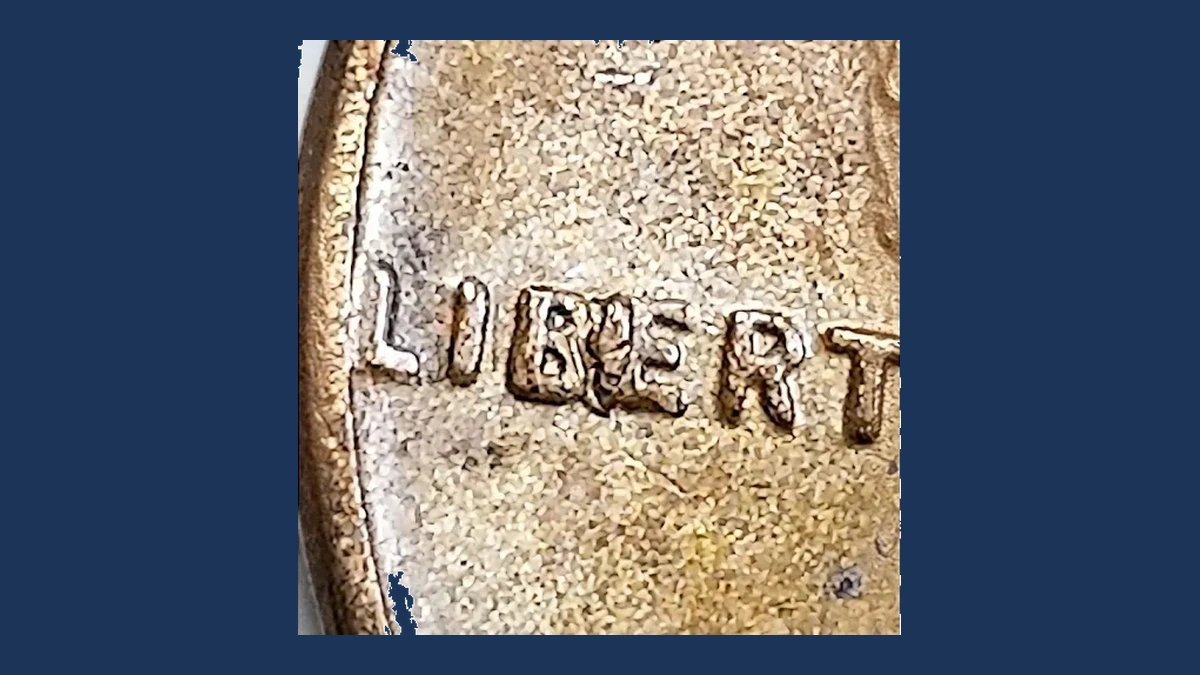
A thin raised line or a small metal bump can come from damage to a die, the steel tool that stamps coins. The coin fills the damaged space.
A crack produces a line; a missing chip produces a lump. A larger broken area reaching the rim is called a cud.
Another 1947 report concerns a narrow bump between B and E in LIBERTY. This BIE feature resembles an extra upright letter but is simply a small chip.
Location matters. An interior bump does not become a cud unless the broken area connects with the rim.
Estimated Value
Small cracks and BIE chips are estimated at about $2–$30, while prominent rim-connected cuds can reach $25–$250. These ranges cover the coin, not an extra fee added to every ordinary penny.
The estimates compare minor and larger Lincoln cent tool breaks. They do not treat every raised dot as a scarce variety.
An obvious shape, original surfaces, and strong remaining detail help. Tiny breaks on heavily worn coins can attract little additional money.
How to Identify
Turn the light sideways to see whether the suspicious mark rises above the surface. Scratches usually cut into the coin instead.
A 10× magnifier helps follow a crack and locate the ends of a small chip. For BIE, inspect the gap between B and E; for a cud, trace the lump to the rim.
Weigh and measure the coin with a scale and calipers against 3.11 g and 19.05 mm. Tool damage normally does not remove a section of the disc.
Inspect the plain edge for squeezing that may have pushed metal upward. Confirm a raised feature formed with the design, and require an actual rim connection before calling the lump a cud.
5. 1947 Lincoln Wheat Penny Partial Split Before Striking (Estimated Up to $300)
Part of the metal disc can split before it reaches the stamping tools. The resulting coin may carry design detail across a disturbed or lowered surface.
This is more specific than simply finding a peeling patch. The important difference is that the split already existed when the coin was struck.
A recorded 1947-S example was graded AU58 by PCGS, meaning it retained nearly all its detail with slight wear. It was described as a partial split before striking.
Only part of the disc separated. That description does not mean the coin broke completely into two thin pieces.
Estimated Value
The recorded 1947-S partial split sold for $144 at Heritage on June 29, 2026. An estimated $50–$300 allows for less attractive pieces and stronger examples of this same kind of error.
How clearly the struck design crosses the split matters more than an alarming-looking crack alone. Surface damage can reduce the price.
This range uses the same-year sale as its main guide. It does not assign a separate value to any loose fragment.
How to Identify
Find the S below the date and examine the split before judging the overall grade. A 10× magnifier should show how the stamped design meets the separated area.
Use a scale to compare the coin with the normal 3.11 g standard. Weight alone cannot tell when a split happened, especially if the separated metal remains attached.
Calipers check the usual 19.05 mm diameter; inspect the plain edge where the separation reaches it. Do not pull the layers apart.
Fresh tearing across finished letters suggests damage after striking rather than this error. Follow stamped detail onto the disturbed surface to establish that the split was already present when the design was made.
6. 1947 Lincoln Wheat Penny Off-Center Strike (Estimated Up to $400)
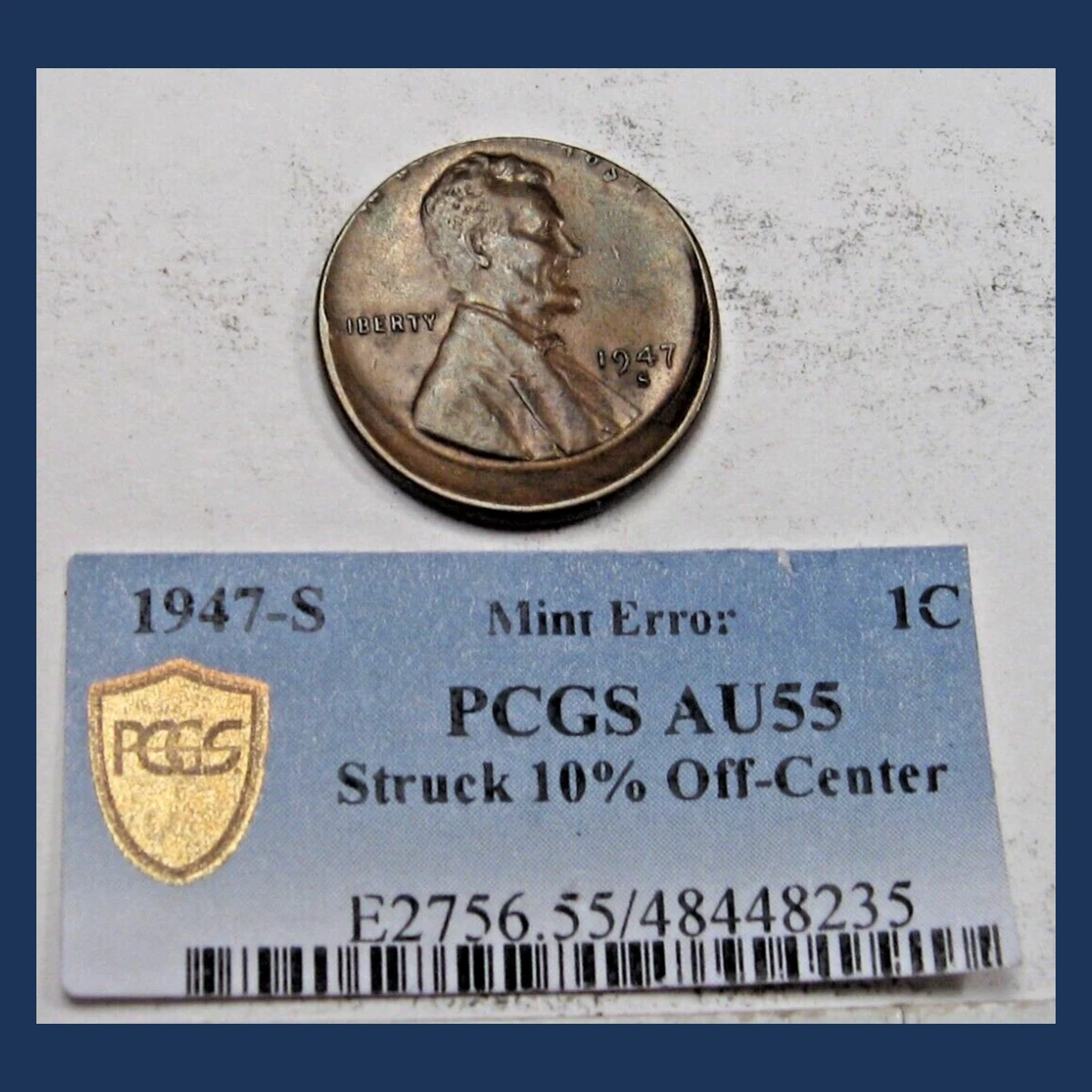
Part of the penny is blank, while part of the intended design is missing from the other side of its outline. The disc sat out of position during striking.
This differs from a broadstrike with a complete design. An off-center coin loses some of the stamped picture or lettering beyond the disc’s boundary.
The error is reported for 1947, without one fixed direction or percentage applying to every example. The surviving date must identify the coin itself.
A full date makes a dramatic error easier to collect. A later cut cannot create the original unused strip of metal.
Estimated Value
For a genuine 1947 off-center penny, an estimated $25–$400 covers modest shifts through stronger examples with a readable date. The amount of missing design and the coin’s condition both matter.
A later 1968-D cent struck 60% off center sold for $47 in July 2021. Its NGC MS62 Red and Brown grade and different year limit direct comparison.
That result also shows why a large shift does not automatically produce a huge price.
How to Identify
Keep the date in view while comparing both sides. A blank crescent should accompany design that extends beyond the available metal, rather than a portrait merely sitting off center.
Use a 10× magnifier to inspect the boundary between struck and unstruck areas. Look for natural metal movement rather than polishing lines that erased part of the design.
The original disc normally weighs 3.11 g, so check it on a scale. Calipers provide a comparison with 19.05 mm, although striking can distort the shape.
Inspect the plain edge for cutting or hammer damage. Find unused metal and missing design together, with enough of 1947 remaining to identify the date.
7. 1947 Lincoln Wheat Penny Struck Through Retained Scrap (Estimated Up to $600)
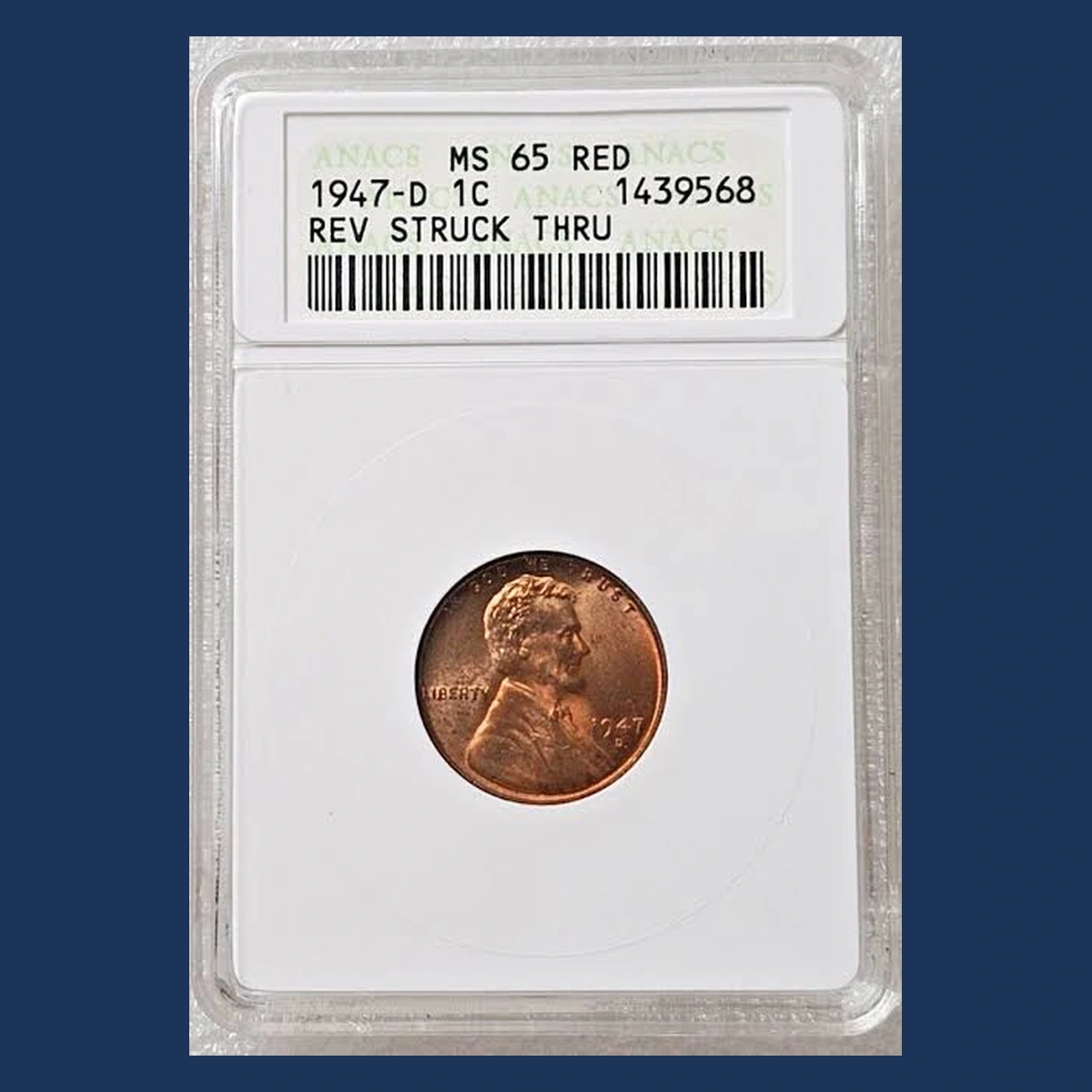
A foreign piece can become trapped between the metal disc and a stamping tool. If it stays pressed into the coin, collectors call the error a retained struck-through.
The visible clue is material embedded in the surface, with the coin’s design affected around it. It is not simply an empty depression.
A Philadelphia 1947 penny was sold with this error and an ANACS XF40 grade, which describes a circulated coin with substantial detail. The scrap remained attached.
The description does not identify the scrap’s material. Its presence should not be turned into a claim about a particular wire or staple.
Estimated Value
Heritage sold the XF40 example for $324 on March 20, 2023. A practical estimated range for comparable genuine 1947 pieces is $150–$600.
The retained object helps explain the error and can make it more appealing than a plain shallow depression. Its size, appearance, and security affect the price.
The estimate does not apply to glued-on debris. A damaged coin with foreign material added later is a different object.
How to Identify
Do not try to remove the object. Its boundary with the coin is essential to understanding whether it was present during striking.
Shine light from several directions and use a 10× magnifier to inspect the pressed-in edges. Look for interrupted design and metal shaped around the scrap, rather than glue or a fresh attachment.
A normal 1947 cent is 3.11 g and 19.05 mm; record the actual measurements with a scale and calipers. Added material may alter the weight.
Check the plain edge and both faces for other damage without assuming where the scrap should be. Match the embedded material and affected design to the certified coin’s photographs.
8. 1947 Lincoln Wheat Penny Doubled Die (Estimated Up to $800)
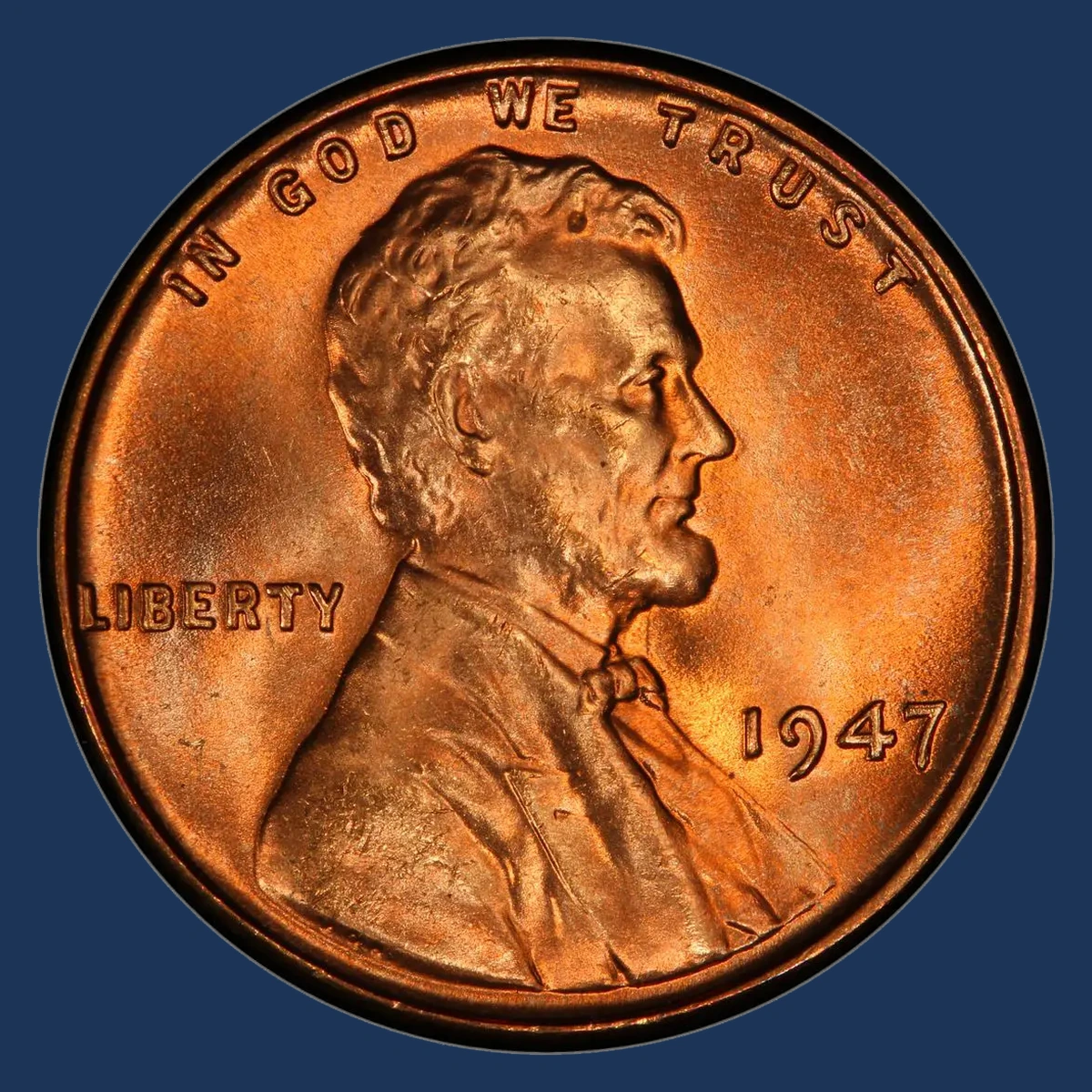
An extra eyelid line or a second letter edge can belong to a doubled die. The steel stamping tool carried the duplicate detail before making the penny.
Philadelphia examples include the FS-101 front variety, several eyelid varieties, and thickened back lettering. Different coins need different comparisons.
Denver reports include an extra eyelid and a back variety with stronger doubling toward the right. The San Francisco WDDO-006 variety shows doubled front inscriptions.
Some coins also have a doubled mint letter. That feature comes from a separate mintmark-punching mistake and should not be mistaken for the doubled design itself.
Estimated Value
Confirmed minor varieties are estimated around $10–$100, with stronger or better-preserved examples extending toward $100–$800. These are ranges for correctly identified coins.
PCGS records a $550 GreatCollections sale for a Philadelphia doubled-front example graded MS65 on August 31, 2014. MS65 describes a well-preserved unworn coin.
The result does not price every extra eyelid equally. A clear match to the correct variety and attractive original surfaces matter more than an unsupported label.
How to Identify
Choose the correct mint before comparing enlarged pictures: no mint letter means Philadelphia, while D and S appear below the date. A 10× magnifier is useful for the small eyelid lines.
For Philadelphia FS-101, compare the doubled front details with its own photographs. Do not transfer that pattern to another Philadelphia eyelid variety or to Denver.
San Francisco WDDO-006 requires inscription doubling, not merely a doubled S. Flat, shaved-looking ledges can be mechanical doubling instead.
Check 3.11 g and 19.05 mm using a scale and calipers, and examine the plain edge for alteration. Match the extra outlines to the same mint and exact catalog variety before accepting the identification.
9. 1947 Lincoln Wheat Penny Repunched Mintmark (Estimated Up to $1,500)
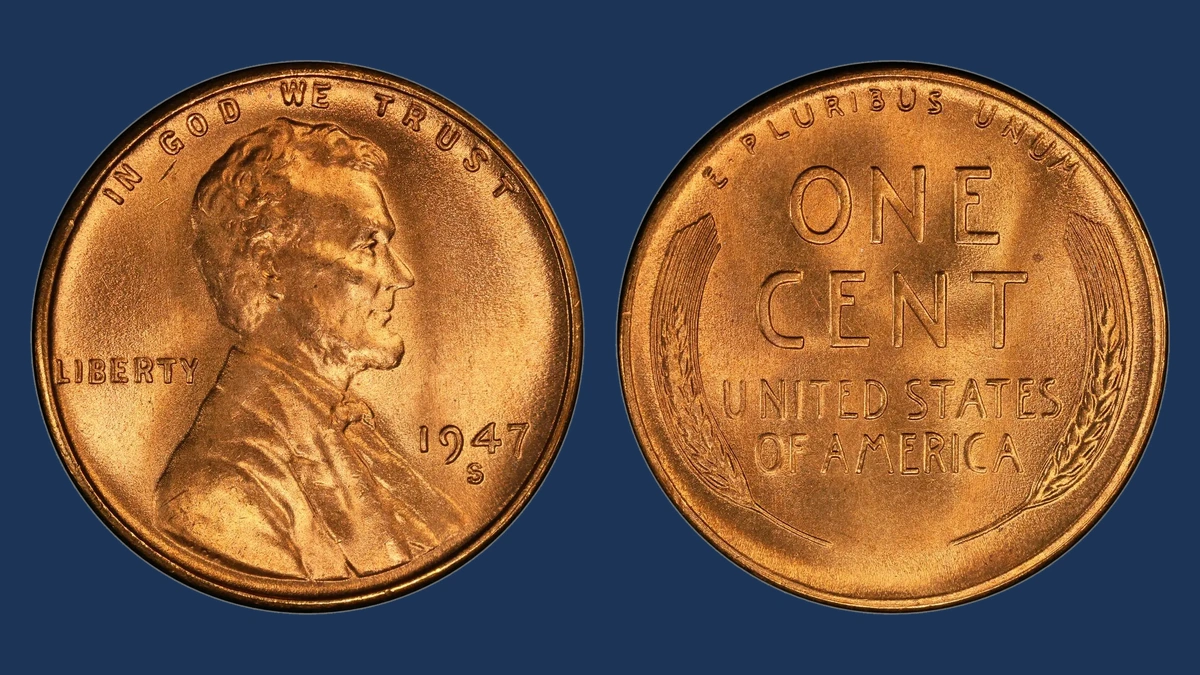
The D or S below the date may have a second outline, sometimes tilted or shifted sideways. Mint workers punched these letters into the stamping tool by hand.
Another punch landing in a different position could leave part of the earlier letter visible. Some 1947 examples show three impressions instead of two.
The 1947-S FS-504 is especially distinctive: a short-ended S overlaps an S with a flared end. Both marks are still the letter S.
Other Denver and San Francisco varieties show different directions of overlap. They are not all the same mistake or the same collectible variety.
Estimated Value
An estimated $5–$100 suits many minor 1947 repunched mintmarks, while strong examples such as FS-504 can reach $100–$1,500. Condition creates a wide spread.
PCGS lists a $1,350 eBay result for an MS67 Red FS-504 on December 25, 2018. That high-grade result is not a typical circulated-coin price.
A weak extra curve can bring much less. The lettering must match the named variety rather than merely look untidy.
How to Identify
Place the mintmark under a 10× magnifier and rotate the light, not just the coin. A raised remnant of another D or S should remain visible as the shadows change.
On FS-504, compare the short-ended S and the earlier flared-ended shape. Other S varieties, including an inverted earlier S, require their own pictures.
The normal plain edge, 3.11 g weight, and 19.05 mm diameter remain useful checks with a scale and calipers. Inspect the mintmark for a seam suggesting it was added later.
Philadelphia coins have no mint letter to repunch. Compare the surviving extra letter strokes with the correct D/D or S/S variety, rather than treating any nearby bump as a second letter.
Conclusion
Begin with what you can actually see: a second outline, missing metal, a raised lump, or trapped scrap. Then compare the right mint and the correct error type.
These 1947 Wheat penny errors have estimated values from $2 to $1,500. Clear features and original surfaces usually help, while damage lowers appeal.
Use magnification and basic measurements together, and leave attached metal or foreign material undisturbed.