1967 Penny Error List with Pictures

No mintmark is normal on a 1967 penny, so the interesting clues lie elsewhere. A cent bent into a saddle-like shape by three strikes sold for $1,200 in July 2021.
This 1967 penny error list covers estimated prices from $2 to $5,000, including small raised chips and a Special Mint Set error on a dime disc. Keep reading to compare the shapes, extra design, and metal that separate these finds from ordinary damage.
1. 1967 Lincoln Memorial Penny Doubled Designs (Estimated Up to $100)
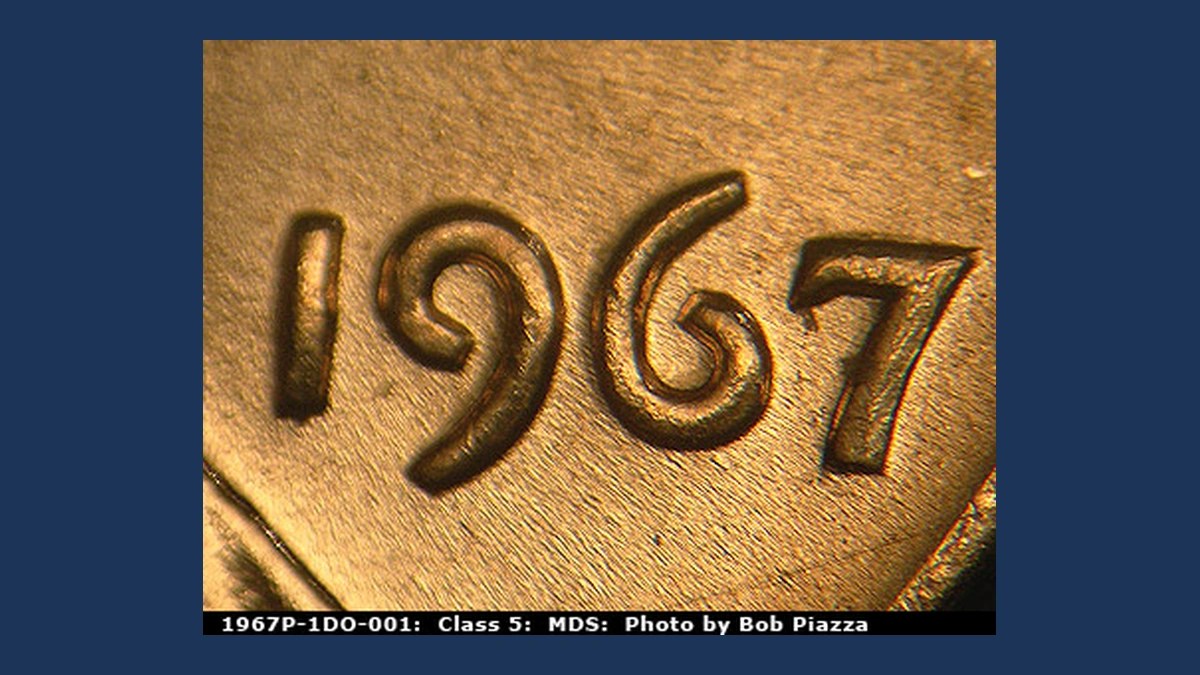
Tiny forks at letter corners are more useful than lettering that merely looks thick. They can reveal an extra design outline already present on the die, the steel tool that stamps coins.
Reports for 1967 include small front-side varieties and doubling on the back. Possible checking areas include the date, lettering, and Memorial details.
These are called doubled dies. They need not show the bold separation seen on famous Lincoln cent varieties from other years.
A loose tool moving during a strike can leave flat extra-looking ledges instead. Those ledges do not establish a doubled die.
Estimated Value
Confirmed minor 1967 doubled-die varieties have an estimated value of $5–$100. Strong, readable extra details and a clean surface help a small variety appeal to collectors.
This range is a comparison-based estimate for minor Lincoln cent varieties, not a verified sale for every reported 1967 design. It also does not turn any faint double-looking letter into a valuable error.
An ordinary cent with flat strike doubling should be valued without this variety premium.
How to Identify
Place the coin beside an ordinary 1967 cent under the same light. Decide exactly which letter or design edge differs before looking for supporting scratches.
A 10× magnifier should show the height and outline of any extra stroke. Rounded extra edges and forked corners deserve closer attention than flat shelves beside reduced lettering.
If the suspected doubling is on the back, compare the relevant lettering or Memorial detail rather than borrowing a front-side example. Collector-set and ordinary coins should not be assumed to share a variety.
Check 3.11 g and 19.05 mm with a scale and calipers, and inspect the plain edge. Match the extra raised design to a confirmed 1967 example in the same location.
2. 1967 Lincoln Memorial Penny Clipped Discs (Estimated Up to $150)
A missing section can leave one side of the penny straight instead of round. The coin may have started with an incomplete metal disc.
When a blanking punch reaches the edge of the rolled metal strip, it can cut a disc with a straight side. Overlapping an earlier punched hole can produce a curved gap instead.
A recorded 1967 example has a 13% straight clip. Another has a smaller clip of about 7%.
A cut made after minting can imitate either shape. The rim and metal flow around the missing section help separate a genuine clip from damage.
Estimated Value
The 13% straight-clip coin sold for $39 in July 2021. Its PCGS MS63 Red grade means unworn, with marks and retained copper-red color.
Estimate $15–$150 for comparable 1967 clipped cents, with larger convincing gaps and better surfaces generally bringing more. A separate 7% example sold within a two-coin lot, so its individual price cannot be taken from that total.
Fresh cuts and filing do not earn a mint-error premium.
How to Identify
Inspect the missing edge before measuring anything. With a 10× magnifier, look for saw teeth, fresh filing, or a sharp raised burr that would suggest a later cut.
A genuine clip may leave a weak rim opposite the missing section. Its strength varies, so consider it with the edge and surrounding design rather than by itself.
A scale should show less than the normal 3.11 g when a significant amount of metal is absent. Calipers can compare the surviving round portion with the usual 19.05 mm diameter.
Check the plain edge where it meets the gap. The strongest quick clue is a rim and design that formed naturally around metal already missing before the strike.
3. 1967 Lincoln Memorial Penny Overlapping-Disc Indent (Estimated Up to $200)
A broad, smooth hollow can replace part of Lincoln’s design. Another unstruck metal disc overlapped the cent while the stamping tools came together.
The overlapping disc blocked part of the design and pressed into the lower coin. Collectors call the resulting hollow an indent.
A 1967 example with an indent on the front was graded NGC MS65 Brown. Its surface should be examined as an impression formed during striking, rather than a later dent.
An ordinary indent does not contain a clear backward picture. A transferred mirror design would point toward a different error called a brockage.
Estimated Value
For a confirmed 1967 indent, use an estimated range of $20–$200. The size and clarity of the hollow, remaining design, and overall condition influence its appeal.
The documented MS65 Brown example appeared in a two-coin auction lot with a different-year cent. That combined sale cannot establish an individual price for the 1967 coin.
This range therefore compares ordinary Lincoln cent indents instead of assigning half a lot total to each coin.
How to Identify
Examine the hollow with a 10× magnifier and turn it under low light. Look for a smooth curved boundary and metal pushed naturally around the overlap.
Inspect the opposite face too. A vise or a heavy blow after minting may leave paired damage, scraped metal, or flattened surrounding details.
The normal copper-alloy cent weighs 3.11 g and measures 19.05 mm; check with a scale and calipers. An indent displaces metal, so a large unexplained weight loss suggests another problem.
Follow the plain edge for signs of squeezing and keep the coin uncleaned. Identify a smooth overlap-shaped hollow made during striking, rather than a dent containing tool marks or a backward coin design.
4. 1967 Lincoln Memorial Penny Off-Center Strikes (Estimated Up to $250)
When Lincoln and the date sit too far to one side, check for a blank crescent opposite them. The disc may have entered the striking area in the wrong position.
Only part of its surface then received the design. Some outer letters or other features fell beyond the metal and never appeared.
Off-center strikes are reported for 1967. The remaining date is important because a large shift can remove the year completely.
A wide border alone is not enough. A coin that spreads but keeps its entire design may instead have been struck outside its normal retaining ring.
Estimated Value
Estimated prices of $20–$250 cover ordinary 1967 off-center cents with readable dates. A larger shift can help, but an attractive shape and clear year are often more useful than percentage alone.
A nearby-year 1968-D cent struck 60% off center, graded NGC MS62 Red and Brown, sold for $47 in July 2021. That is a comparison, not a sale of the 1967 example.
Damaged or dateless pieces should not automatically receive the upper estimate.
How to Identify
Read the date before deciding how impressive the missing design looks. A large blank area has limited usefulness if the coin cannot be tied to 1967.
Compare both faces and identify which outer design elements were lost. A complete design with extra metal around it suggests a broadstrike instead.
Using a 10× magnifier, check the boundary between blank metal and the struck area for natural spreading. A ground-down coin may show parallel scratches or an unnaturally flat patch.
Weigh against the normal 3.11 g and compare dimensions with a 19.05 mm cent using calipers. Inspect the plain edge, then verify that the design truly ends beyond the original disc beside a blank crescent.
5. 1967 Lincoln Memorial Penny Die Cap (Estimated Up to $750)
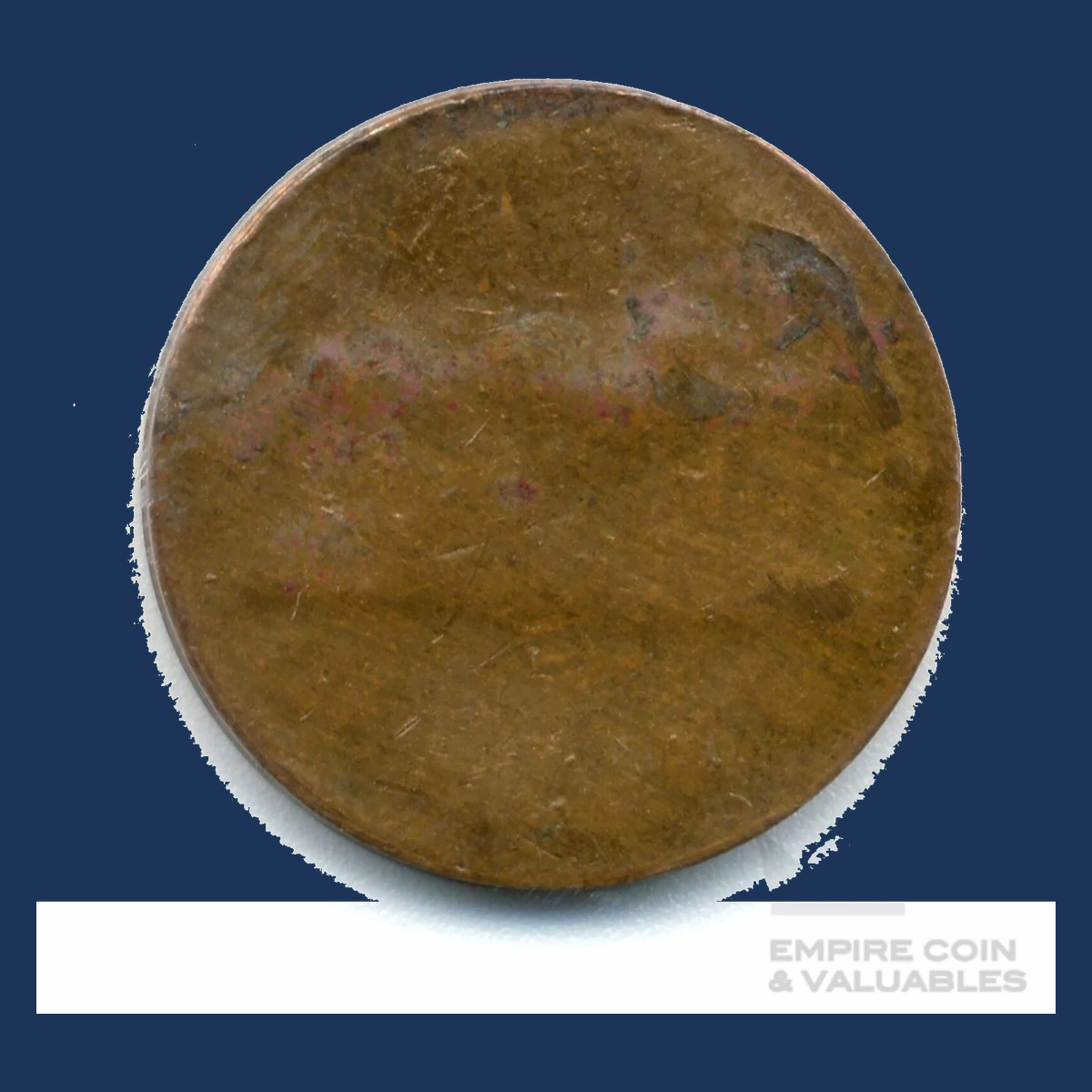
A penny with a wall rising around its outside may have become a cap over a stamping tool. It stuck instead of dropping away after a strike.
As the press continued, the trapped coin spread and wrapped around the tool. Collectors call this object a die cap.
The year-specific reports include this type for 1967. A claimed example still needs a natural cap shape and surviving struck detail, since an ordinary cent can also be bent.
A flat coin struck beneath an existing cap is different. It may have a weak design without having become the cap itself.
Estimated Value
An authenticated 1967 die cap has an estimated value of $150–$750. Deep walls, recognizable design, and natural surfaces usually attract more interest than a shallow or damaged example.
A 1979-D front-side cap graded PCGS MS64 Red sold for $329 in January 2016. This supplies a comparison from another copper-alloy year, rather than a confirmed sale for the reported 1967 cap.
The estimate applies to the cap itself, not every flat cent with soft lettering.
How to Identify
Study how the raised wall joins the center of the coin. Sharp folds, plier marks, and scratches across the bend suggest later shaping.
Compare the surviving design with a certified cap using a 10× magnifier. Striking should explain the spread and distortion, rather than the coin merely resembling a small bowl.
An ordinary cent weighs 3.11 g and measures 19.05 mm. Check weight with a scale and use calipers gently to record the changed outline without pressing the walls inward.
Inspect the plain edge and both faces for added metal or fresh damage. Follow original struck detail into naturally stretched walls to distinguish a genuine cap from a bent cent.
6. 1967 Lincoln Memorial Penny Raised Chips, Cracks, and Cuds (Estimated Up to $1,200)
LIBERTY may seem to contain an extra I between B and E. The apparent letter is a small raised chip of metal, giving the familiar nickname BIE.
Part of the stamping tool broke away, and coin metal filled the empty space during striking. Cracks in a tool can leave thin raised lines instead.
If a larger piece breaks away at the tool’s edge, the coin can show a raised lump joined to its rim. This is called a cud.
Reports for 1967 cover these tool-damage features. Their size and shape matter more than the nickname alone.
Estimated Value
Small BIE chips and thin cracks have an estimated range of $2–$40. Substantial rim-connected cuds may bring about $75–$1,200 when the break is clear and the coin remains attractive.
A 1979 cud cent graded PCGS MS64 Brown sold for $1,020 in May 2021. It shows what a major copper-alloy cent cud can bring, not the value of an ordinary 1967 BIE.
A tiny bump should never inherit the price of a much larger break.
How to Identify
For a BIE candidate, concentrate on the actual space between B and E. Use a 10× magnifier to decide whether the apparent bar rises naturally from the surface.
For a suspected cud, follow the lump all the way to the rim. A freestanding blob may be solder or a different kind of chip.
Light thin lines from the side: a tool crack leaves a raised line, while most scratches cut downward. Do not pick at a bump to see whether it comes off.
A scale and calipers check the usual 3.11 g and 19.05 mm, and the plain edge should show no manipulation. Confirm raised coin metal shaped by a crack or missing piece of the stamping tool.
7. 1967 Lincoln Memorial Penny Repeated and Saddle Strikes (Estimated Up to $1,500)
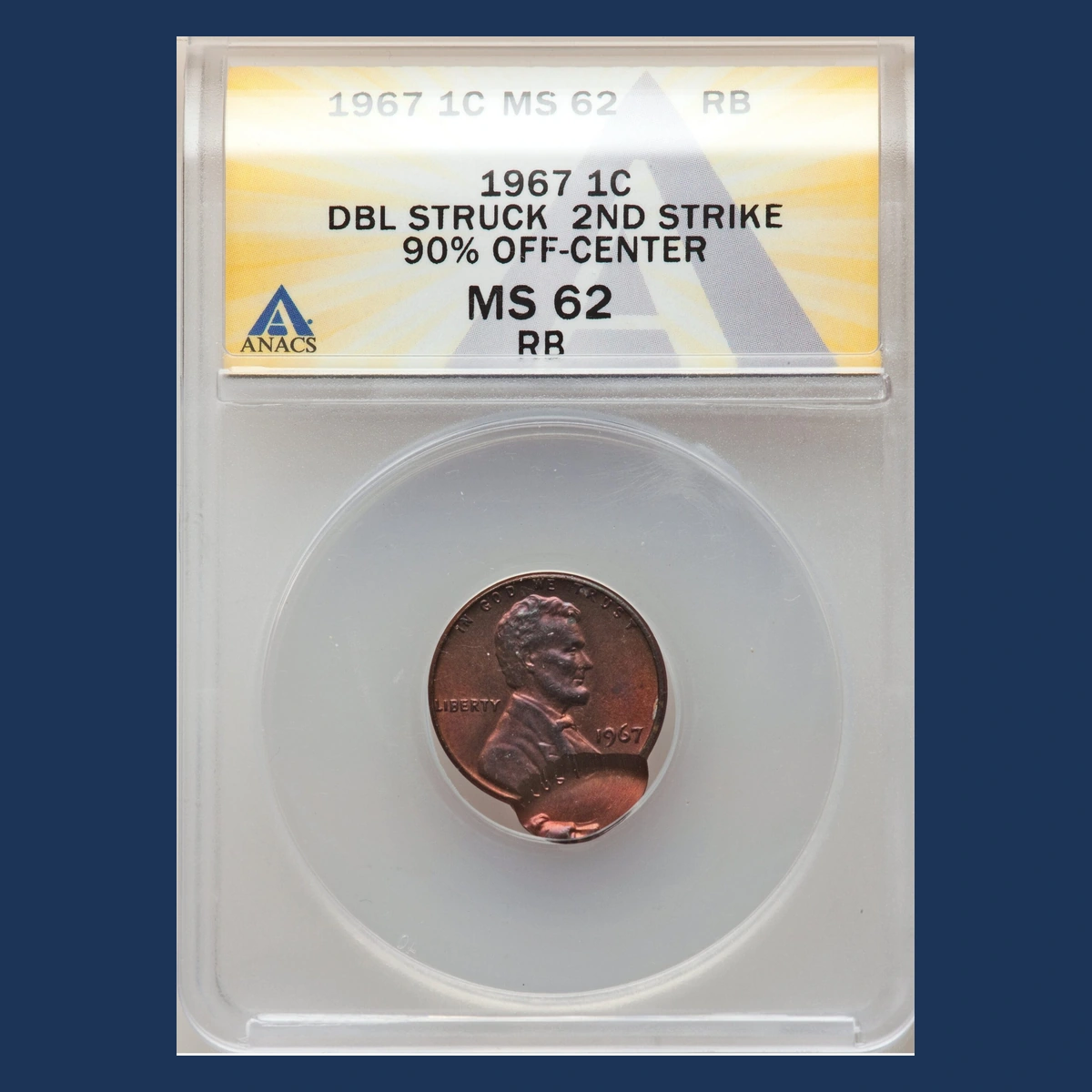
A small second impression at the edge may accompany an otherwise complete cent design. One recorded 1967 example received its second strike about 95% off center.
Its separate wheel mark is later surface damage, not another mint error. The extra strike must be identified from actual design remnants.
A different 1967 cent has three strikes and a saddle-like shape. Adjacent struck areas and the raised middle help explain its unusual outline.
Both coins received repeated impressions, but their shapes are very different. Bending a normal cent cannot create the additional genuine design needed for either identification.
Estimated Value
The saddle triple-strike cent, graded PCGS MS66 Red and Brown, brought $1,200 in July 2021. The double-struck example with wheel damage sold for $79 in March 2025.
An estimated $60–$1,500 covers comparable 1967 repeated-strike errors. These Heritage results illustrate how strongly shape and condition can change the price.
The damaged coin received an authenticity and details description, not a numerical unworn grade; its low result should not price the better-preserved saddle example.
How to Identify
Look for a second connected set of design features, not just one doubled letter. A 10× magnifier helps trace the small extra impression on the extreme edge.
On the saddle example, inspect the separate struck areas and the bridge of metal between them. View its outline from the side without attempting to flatten it.
Use a scale to compare with the usual 3.11 g. Calipers can record its changed shape beside an ordinary 19.05 mm cent, while the plain edge should be checked for cutting or joining.
Treat wheel scratches as damage rather than extra design. Trace the repeated coin images and the metal joining them before accepting a multiple-strike identification.
8. 1967 Lincoln Memorial Penny Dime-Disc Errors (Estimated Up to $5,000)
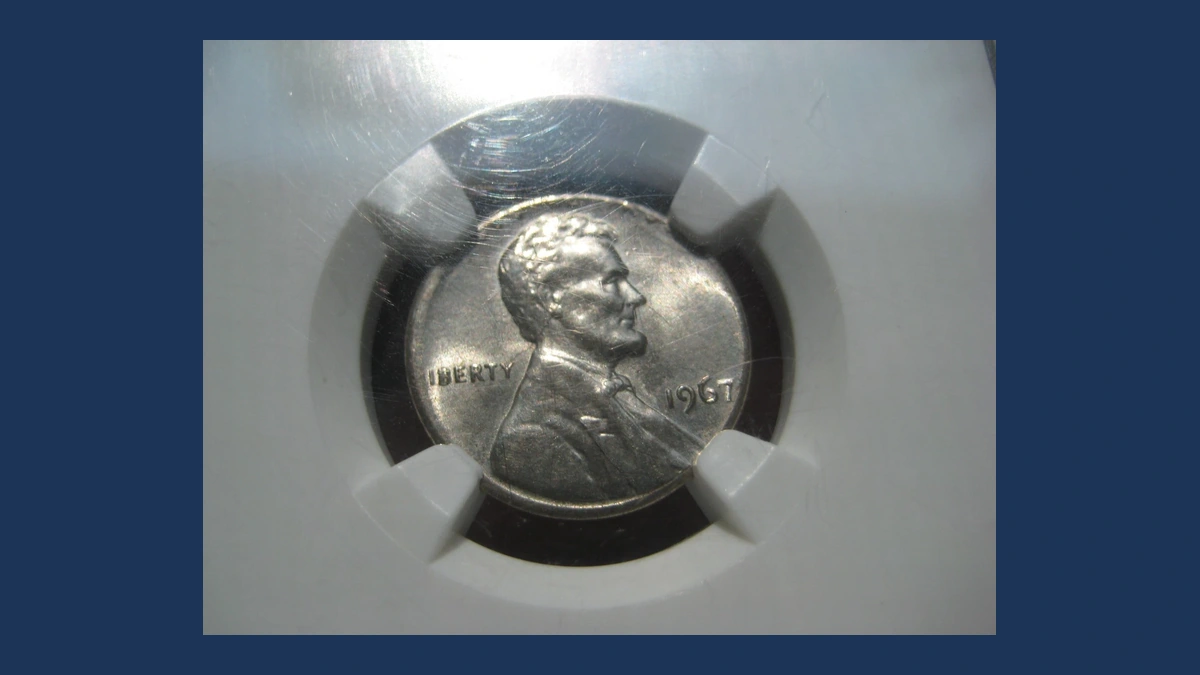
A pale cent with crowded outer lettering may have been struck on a disc intended for a dime. Its smaller size and layered metal differ from the normal copper-alloy penny.
One ordinary 1967 example has a split near UNITED that exposes the copper center beneath its outer layers. The split belongs to that particular coin.
A separate Special Mint Set example received multiple strikes on a dime disc. These sets contained specially made collector coins, often shortened to SMS.
Faint earlier images on that coin lie nearly half a turn from the final design. Shine alone cannot establish SMS production.
Estimated Value
Ordinary 1967 dime-disc cents have an estimated range of $300–$1,500. A 1966 example graded PCGS MS66 sold for $1,020 in July 2021, providing a nearby-year comparison.
For the rarer SMS multiple-strike combination, estimate $2,000–$5,000. Its May 2008 Heritage offering ended unsold, so this is an estimate rather than a realized price.
The added collector-set identity and repeated strikes require separate confirmation; a silver-colored ordinary cent does not qualify for that higher range.
How to Identify
Weigh a pale-looking candidate before judging its color. A normal cent is 3.11 g, while a standard dime disc is about 2.27 g.
Calipers compare the usual cent diameter of 19.05 mm with a dime disc’s original 17.91 mm. Striking may spread the smaller disc, so final measurements can differ.
Use a 10× magnifier to examine clipped-off design details and the edge for layered metal or added plating. The normal cent edge is plain; do not assume a dime disc must retain a finished dime’s grooves.
Do not scrape or enlarge any split. Confirm the smaller disc and its metal first, then require separate proof of SMS manufacture and rotated extra impressions for the collector-set combination.
Conclusion
A tiny raised BIE chip and a multiply struck collector-set cent are very different finds. Their estimated values help span this list’s $2–$5,000 range.
Check the actual design and metal before focusing on a dramatic label. The missing mintmark is normal for 1967, while genuine clips, extra strikes, and wrong discs need their own visible evidence and the correct comparison coin.