2004 Penny Error List with Pictures

A small extra outline on the back of a 2004 penny can be worth a closer look. One recognized doubled-back variety sold for $360 at Heritage in August 2021.
The 2004 penny errors below also include weakened letters, expanded shapes, and a coin missing most of its copper coating. Estimated values range from $2–$500.
Use the different checks for each type, especially when a gray surface or uneven rim first catches your eye.
1. 2004 Lincoln Penny Die Cracks and BIE (Estimated Up to $75)
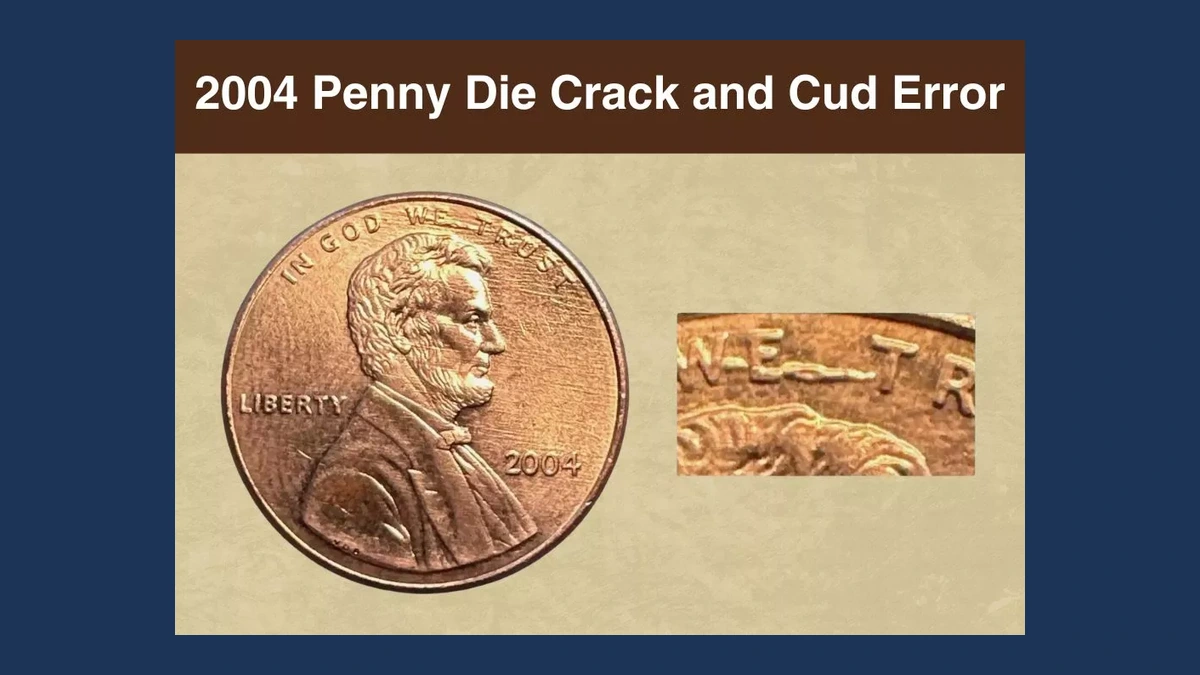
What looks like an extra I in LIBERTY may actually be a small mound of coin metal. When it stands between B and E, collectors call the feature BIE.
A tiny piece broke from the die, the steel tool that stamps the design. Metal entered that space while the penny was struck.
A crack in the same kind of tool leaves a thin raised line instead. Reports for 2004 cover small breaks on Philadelphia and Denver coins.
The nickname describes a visible shape. It does not make every bump near LIBERTY part of the same variety.
Estimated Value
Small cracks and BIE bumps usually fit an estimated $2–$25. A more obvious, attractive example can reach roughly $25–$75.
These amounts compare minor modern cent tool breaks. They do not come from a verified auction of one particular 2004 BIE coin.
An easy-to-see feature helps, but the surrounding condition still matters. Several tiny cracks on one penny should be valued as part of the whole coin rather than multiplied into separate premiums.
How to Identify
Keep LIBERTY upright and find B and E. A BIE bump belongs in that gap, where an I-shaped addition changes the word’s appearance.
Check with a 10× magnifier under low side lighting. The feature should rise with the coin’s metal, unlike a scratch or loose dirt.
For other cracks, follow the ridge across the design rather than treating unrelated marks as one continuous line. Thin copper bubbles can also create raised spots.
Normal pennies have smooth edges and measure 19.05 mm at about 2.50 g. A scale and calipers can check those figures when safely accessible.
The quickest BIE check is a genuine raised metal bar directly between B and E.
2. 2004-D Lincoln Penny Reported Feeder-Finger Lines (Estimated Up to $100)
Several raised lines moving in the same direction can look like scratches in reverse. Instead of cutting into the penny, they stand above its surface.
The reported 2004-D marks are linked to a feeder finger, a machine part that moves blanks through the press. Contact with the stamping tool can scratch that tool.
Later coins may then show raised copies of those scratches. This differs from a machine part being trapped directly against a blank.
The cause still needs examination. Lines left when a tool was polished can resemble feeder-related marks.
Estimated Value
A clearly identified Mint-made line pattern can be estimated around $5–$100. Strong, visible marks on a clean coin tend to attract more interest than faint lines.
That estimate compares minor tool-damage errors on modern Lincoln cents. It does not establish a completed sale for the reported 2004-D example.
The name alone is not the valuable feature. Raised lines need to be separated from ordinary polishing lines and from scratches made directly on a finished penny.
How to Identify
Run the light across the lines without rubbing the coin. If they cast small shadows as ridges, they differ from ordinary scratches cut into the surface.
Use a 10× magnifier to follow where each line meets letters or the portrait. Record the full pattern before assigning a cause.
An accessible cent can be weighed with a scale and measured with calipers against 2.50 g and 19.05 mm. The normal edge is smooth.
Compare the marks with a confirmed tool-damage example, since parallel direction alone also fits polishing. Do not call a sunken direct impression the same thing as these raised lines.
The essential first observation is whether the reported lines truly stand above the surrounding metal.
3. 2004 Lincoln Penny Blistered or Peeling Plating (Estimated Up to $150)
A bubble or peeling flap reveals a weakness in the penny’s outer copper skin. Modern cents have a zinc center covered by a very thin copper layer.
If that coating does not bond well, it can lift or separate. The reported Philadelphia 2004 example concerns this kind of surface problem.
Some descriptions use the word lamination, but the construction differs from older solid-alloy cents splitting internally. Here, the thin copper coating is the part to inspect.
Later corrosion can also lift copper. The surrounding surface and the flap’s attachment help show whether the defect began during production.
Estimated Value
Estimate $5–$30 for small confirmed plating defects, and about $30–$150 for larger, clearer original separations. These prices compare modern copper-plated cents.
The visible area and its condition matter more than a dramatic seller’s label. A fragile flap left intact is easier to examine than one pulled away.
This estimate does not cover corrosion or chemical stripping as Mint errors. No completed sale amount is assigned to the reported 2004 Philadelphia peeling-plating example.
How to Identify
Leave a bubble or flap alone. Pressing it can break the attachment that helps explain when and how it formed.
Examine the boundary with a 10× magnifier, looking for powdery corrosion, gouges, or scraped-away copper. Compare the design immediately beside the affected skin.
Use a scale and calipers on a safely accessible coin. A normal 2004 cent is about 2.50 g and 19.05 mm with a smooth edge.
A tiny copper loss may barely change the weight, while a much lighter coin may have additional damage. Distinguish lifting copper from a blank that was never fully coated.
The visible clue here is an original thin copper layer separating at an undisturbed boundary, not gray color alone.
4. 2004 Lincoln Penny Partial-Collar Strike (Estimated Up to $200)
A stepped edge can form even when Lincoln’s portrait looks almost normal from above. Only part of the blank was held by the collar during striking.
The collar is the ring that limits the coin’s outward spread. An exposed part of the edge can expand farther than the part still inside that ring.
This leaves two levels visible from the side. The reported 2004 example is a Philadelphia circulation coin, normally without a mintmark.
A later blow can also deform an edge. The step must fit the original struck shape, rather than a fresh dent or rolled rim.
Estimated Value
An estimated $15–$200 covers genuine partial-collar strikes of this modern cent type. Clear side-view separation and clean surfaces support the stronger prices.
The 2004 report supplies the error category rather than a verified selling amount. This range uses comparable modern collar errors.
An edge that is only slightly uneven usually offers less visual appeal. A price should follow the identifiable step, not a claim that any extra rim line proves an unusual Mint event.
How to Identify
A side photograph is more useful than another enlargement of the date. Compare the suspected step with the edge of an ordinary penny.
Under a 10× magnifier, follow the division around the edge and note where it starts or changes. Look for metal pushed inward by later squeezing.
The normal edge is smooth, so grooves are not part of this test. A scale and calipers can compare an accessible coin with 2.50 g and 19.05 mm.
Do not force a measuring tool against a projecting part. The edge may spread unevenly rather than keeping a perfectly round outline.
A real difference in level between held and expanded metal is the feature that distinguishes a partial collar.
5. 2004-D Lincoln Penny Struck Through Grease (Estimated Up to $200)
Back-side letters can fade while nearby details remain visible. A soft obstruction in the stamping tool can stop metal from filling its small recessed shapes.
This is commonly called a struck-through-grease error. The term describes the blocking effect without proving the exact contents of the material.
The 2004-D report concerns weak or missing detail on the Memorial side. No single letter needs to disappear on every example.
A worn penny can lose detail too, but wear usually affects exposed high points. Grease blockage may produce uneven weakness with more of the original surface still present.
Estimated Value
Smaller confirmed blocked areas can be estimated at $5–$40. More conspicuous missing detail on an attractive coin can fit roughly $40–$200.
A 2021-D Shield cent struck through grease sold for $84 in September 2025. Its different back design makes it a price comparison, not a matching photograph for 2004.
The estimates assume an original production error. Wear, grinding, or corrosion should not receive the same value simply because some lettering has become difficult to read.
How to Identify
Compare the weak back-side letters with the Memorial’s higher details. If every high area is worn down, ordinary circulation may explain the appearance.
Look through a 10× magnifier for original surface around the weak design. A filled tool can leave soft transitions, so a sharp boundary is not required.
Check the portrait side too, especially its high points. Grinding or chemical damage may leave clues away from the most noticeable missing letters.
An accessible normal penny should be near 2.50 g and 19.05 mm; use a scale and calipers and inspect its smooth edge. Local weakness beside preserved original detail is the practical clue to compare first.
6. 2004-D Lincoln Penny Broadstrike (Estimated Up to $350)
The design can fit completely on a penny that is wider than it should be. A broadstrike forms when the collar fails to restrain the blank normally.
Pressure moves metal outward, sometimes leaving an unevenly placed design inside the expanded outline. Being off-center within that outline does not by itself change the classification.
The 2004-D report describes a broadstruck circulation coin. Complete design and natural spreading are its important features.
A penny flattened after minting can also grow wider. Its crushed letters and altered high points provide clues that the change happened later.
Estimated Value
For a genuine 2004-D broadstrike, estimate $20–$350 across modest expansion and stronger, attractive examples. A clear wide border makes the effect easier to display.
The figures compare modern Lincoln broadstrikes; they do not claim a recovered auction price for the reported coin. Surface preservation can matter as much as extra width.
Do not pay the upper range for a penny whose enlarged shape comes from later flattening. The original struck design must support the error.
How to Identify
Measure several widths with calipers rather than relying on a large-looking photograph. An ordinary cent is 19.05 mm across.
If safely accessible, use a scale to check against 2.50 g. Broadstriking moves the blank’s metal outward rather than deliberately removing a section.
The edge is normally smooth, and it may spread unevenly. With a 10× magnifier, inspect the date and outer wording for signs of later crushing.
Check that the intended designs remain on both faces. A plain crescent with missing design suggests a different misplaced-blank error.
The direct broadstrike test is complete original design within an expanded outline, even when the design is not perfectly centered.
7. 2004 Lincoln Penny Doubled Die (Estimated Up to $400)
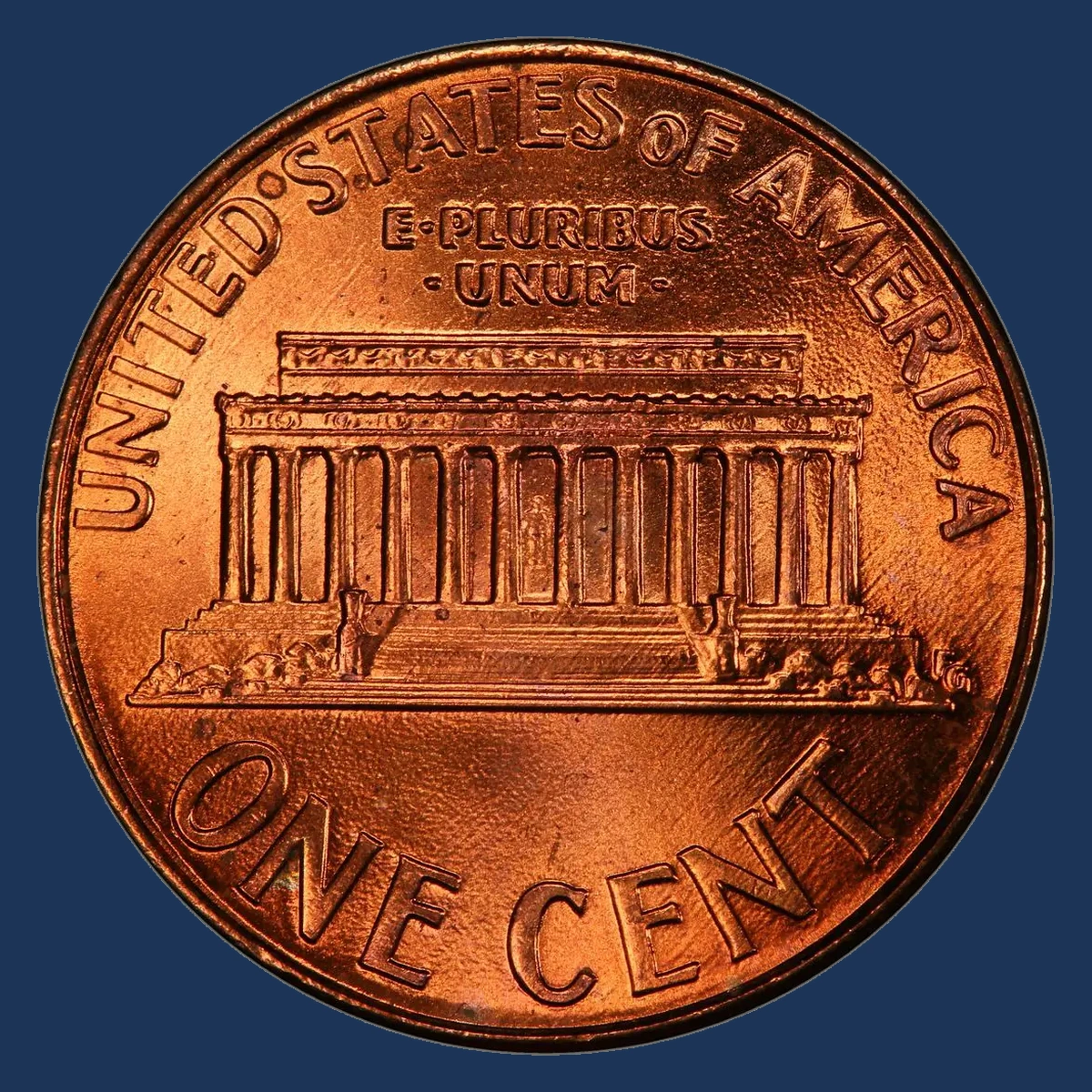
The 2004 FS-801 variety shows repeated detail on the Memorial side. Its extra outlines affect lettering and smaller details rather than requiring two separate blows to the coin.
The doubling was already present in the stamping tool. Identified examples direct attention to E PLURIBUS UNUM, ONE CENT, and nearby back-side details.
Separate front-side varieties show thickening and split corners in LIBERTY, especially ERTY. A Denver report should not inherit Philadelphia’s exact letter pattern without a matching example.
Some coins can show both faces affected. Brown and red examples remain color differences, not additional error mechanisms.
Estimated Value
PCGS records a $360 Heritage sale in August 2021 for an FS-801 graded MS65 Red. That means unworn with relatively few marks and original copper-red color.
Estimate $40–$400 for identified FS-801 examples across condition levels. Minor separate front-side varieties can fit approximately $5–$75.
The actual sale belongs to the back-side variety. It should not be transferred to every thick letter or added twice when one coin has both patterns.
How to Identify
For the back, compare the edges of the motto and ONE CENT under a 10× magnifier. A correct FS-801 match needs its specific repeated outlines, not general softness.
For front-side doubling, Coppercoins’ Philadelphia example shows thick LIBERTY with split corners in ERTY. Keep its location separate from other reported varieties.
Normal measurements are 2.50 g and 19.05 mm, with a smooth edge. Check with a scale and calipers when safely accessible.
Flat shelves from striking movement and exposed zinc beside split plating can imitate doubling. Change the light to distinguish real shape from reflection.
Match the exact raised letter corners on the correct face and mint before using a variety’s price.
8. 2004 Lincoln Penny Off-Center Strike (Estimated Up to $500)
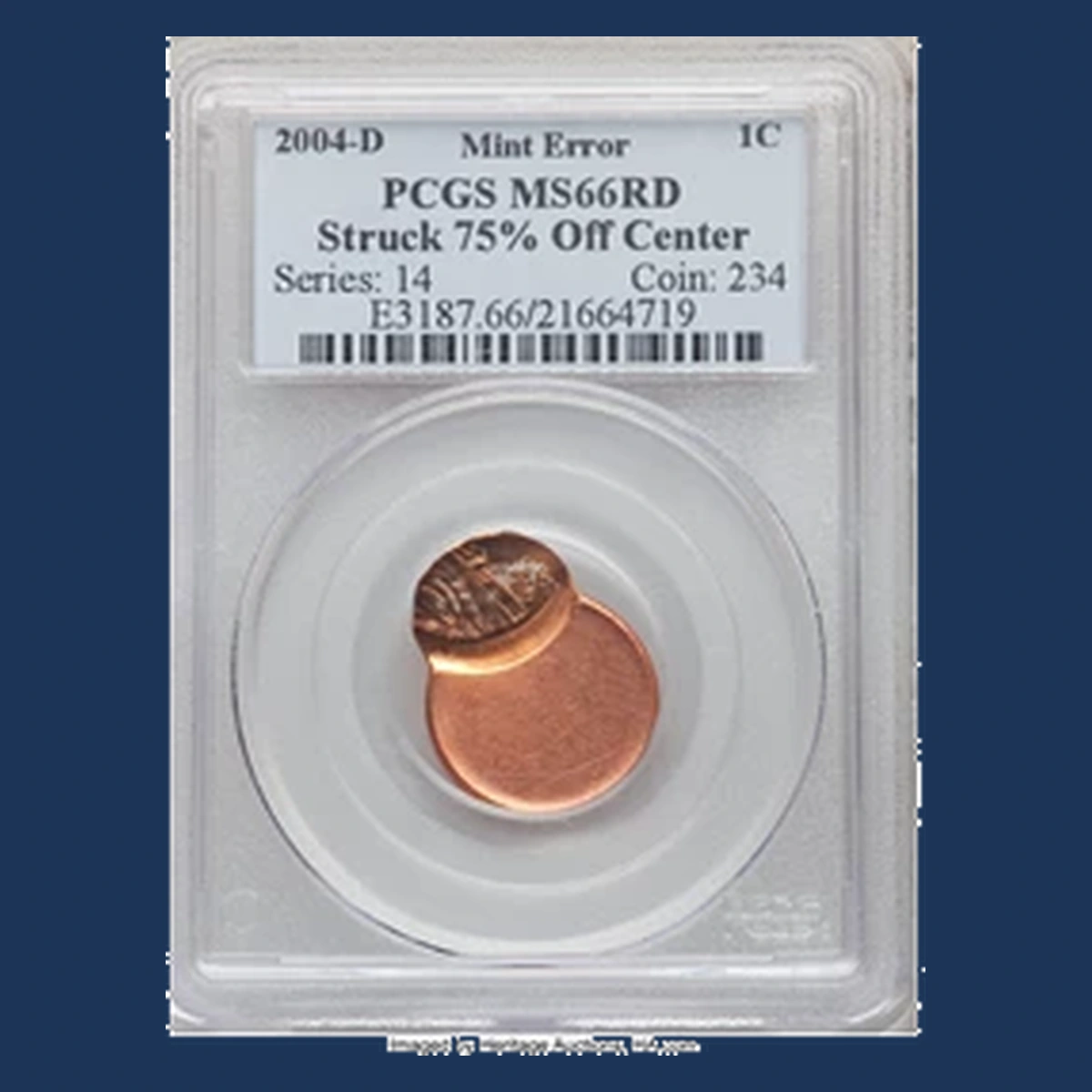
The reported Philadelphia 2004 example is about 30% off center. Part of its blank missed the normal striking area, leaving a plain crescent beside the design.
The displaced blank affects both faces. Some intended detail falls beyond the available metal rather than being weakly stamped onto it.
The amount of displacement does not establish a clock direction. A full view of the actual coin must show which part of the design survived.
A shift in only one stamping tool can produce an uneven border on one face. That requires a different comparison from a misplaced blank.
Estimated Value
Allow an estimated $20–$100 for smaller clear offsets, and roughly $100–$500 for stronger examples with a readable 2004 date. Condition and surviving design affect each price.
These values compare modern cent off-center strikes. The reported 30% description does not provide a verified auction result for the Philadelphia example.
An intact date can matter greatly to a collector building a year set. A more dramatic shift is not automatically more valuable if it removes the coin’s identity.
How to Identify
Find 2004 before following the blank crescent around the coin. A date partly lost in the strike may be harder to establish than the error itself.
Compare the back with the front at the same scale. Both designs should be incomplete in a way that fits the same misplaced blank.
A scale and calipers can compare an accessible coin with the normal blank’s 2.50 g and 19.05 mm. Its final shape may have spread during striking.
Inspect the smooth edge and plain area using a 10× magnifier. Grinding can imitate missing detail but leaves a different surface.
The strongest first view shows a readable date and original unstruck metal beside matching design loss on both sides.
9. 2004 Lincoln Penny Struck on an Unplated Blank (Estimated Up to $500)
A mostly gray penny need not be silver. One 2004 Philadelphia cent was certified as struck on an 85% unplated zinc blank.
The usual copper coating was missing over much of its surface before striking. Some copper remained, so the description is different from a completely unplated blank.
PCGS graded the coin MS63, meaning unworn with noticeable marks. The percentage describes that particular specimen, not a required pattern for every unplated penny.
This also differs from copper peeling away later. The timing of the missing coating is what the surface examination must establish.
Estimated Value
Estimate $75–$500 for authenticated substantial unplated-blank errors on 2004 cents. Coverage, remaining color, and surface preservation help determine where an example fits.
The certified 85% unplated coin sold at GreatCollections in May 2026, but its price is hidden from public view. The estimate is not that undisclosed result.
These amounts compare similar original plating omissions. A penny stripped with chemicals after minting does not receive the same value merely because it looks gray.
How to Identify
The certified example provides a useful starting point: an 85% unplated blank, rather than a silver or dime-metal penny. Compare the gray areas and surviving copper with that identity.
Use a 10× magnifier to inspect where the design crosses the surface. Look for corrosion, rough chemical stripping, or scraped edges that could explain missing copper later.
A normal plated cent is 2.50 g and 19.05 mm with a smooth edge. A scale and calipers can check an accessible example, allowing for the small amount of coating absent.
Keep a certified coin sealed. Original design struck into an incompletely coated zinc blank is the distinction that supports this error.
Conclusion
On a 2004 penny, extra lettering and missing copper tell very different stories. The FS-801 sale offers a real $360 example, while the broader estimated ranges run from $2 to $500.
Follow the feature itself: compare letter corners, look sideways at an edge step, or inspect how the design meets exposed zinc. Keep the surface untouched so the evidence remains visible.
Correct identification makes the price comparison useful.