1898 Quarter Error List with Pictures

A cup-shaped quarter with a sunken, backward portrait is the standout among this year’s errors. The 1898 example graded PCGS MS62 brought $15,275 in February 2014.
Smaller details deserve attention too. This 1898 Barber Quarter error guide covers repeated letters and digits, raised breaks, and misplaced designs, with estimated whole-coin values of $30–$30,000.
Follow the checks below to separate a striking accident from wear, damage, or a misleading shadow.
1. 1898 Barber Quarter Raised Cracks and Rim-Connected Breaks
A line standing above the design can reveal a crack in the steel tool that stamped the coin. Silver pressed into that opening, leaving a raised copy of it.
If a piece of the tool broke away at its edge, the coin could develop a larger raised area touching the rim. Collectors call that a cud.
Both forms are reported for 1898, although no single route identifies every example. A narrow crack and a broad rim break should be judged by their own visible shapes, not treated as interchangeable marks.
Estimated Value
Estimated whole-coin values are $30–$300 for a clear small crack and $75–$800 for a substantial rim-connected break. Size alone is not the deciding factor.
A natural raised feature on clean, readable surfaces is more useful than a larger lump surrounded by damage. Mint and wear also affect the underlying quarter’s value, so compare similar coins before deciding how much extra the raised fault contributes.
How to Identify
First rule out an impact at the rim. A dent with metal pushed to one side can create a lump without any broken stamping tool.
Under angled light, inspect whether the raised area replaces part of the original design and joins the border. An isolated interior lump is not a rim-connected cud.
For a thin line, follow it across the picture and the surrounding open surface. Its height should remain visible as you move the light, unlike a dark scratch cut into the silver.
Check nearby details for later scraping or attempted repairs. A continuous raised line or natural rim-connected patch is stronger evidence than a mark identified only by its dark color.
2. 1898 Barber Quarter Repeated O and S Mintmarks
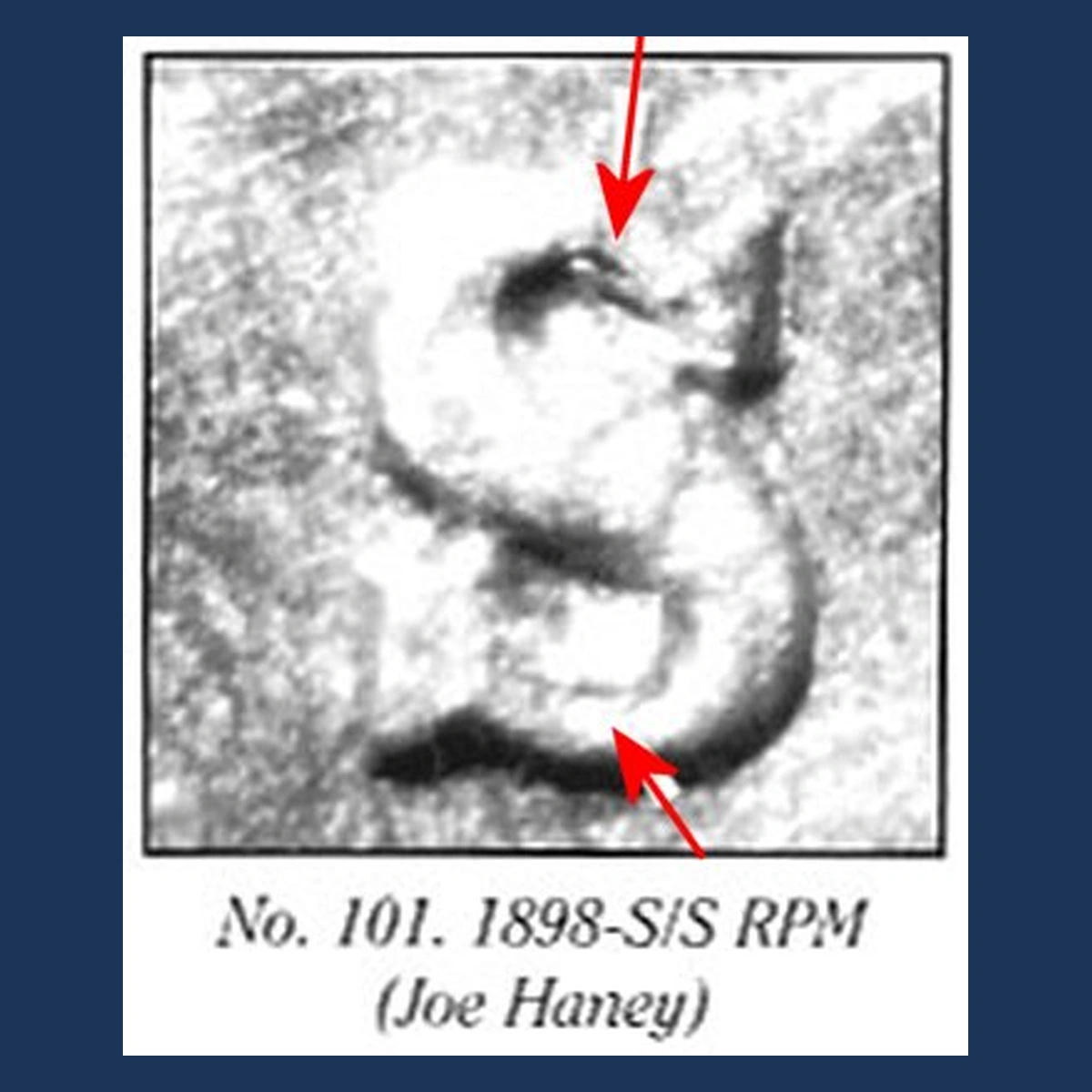
The small mint letter sits beneath the eagle on the back. An O stands for New Orleans; an S identifies San Francisco.
Reports for this year describe extra outlines around these letters, including an S over an earlier S. Workers then punched mint letters into each stamping tool by hand.
A moved punch could leave parts of its first impression visible beside the final letter. No single direction should be assigned to all 1898 reports, and a tilted or thick-looking letter by itself does not show that two punch impressions survived.
Estimated Value
For a confirmed repeated mintmark, estimate $40–$1,000 for the complete coin. A bold recognizable second letter generally attracts more attention than a weak projection visible only under strong magnification.
The O and S coins should be compared separately. Their normal date value, wear, and surface quality all matter, while a damaged mintmark adds no automatic premium.
The upper estimate suits a convincing, well-preserved variety rather than any coin with an uneven mint letter.
How to Identify
Use a normal O or S as your shape guide, not just as a position guide. The letter’s distance from the eagle can vary without an error.
Follow the extra outline around the actual curves of the suspected letter. A second O should explain part of another oval, while an S needs a curve or end that fits another S.
A 10× magnifier helps separate a rounded extra stroke from a flat shelf caused by movement during striking. Also inspect for fresh cuts around a possibly altered mintmark.
Photograph the full back along with the enlarged letter. Have any proposed variety matched to the same mint and pattern before assigning a premium.
3. 1898 Barber Quarter Repeated Date Strokes
The date can carry a thin extra stroke above or below a normal numeral. Such a mark may be a remnant of an earlier date-punch impression in the stamping tool.
Philadelphia repeated dates are reported for 1898. Their exact digit and direction need a matching reference, rather than a guess based on a nearby mark.
This concerns two placements of the date punch, not two complete strikes of the coin. A damaged border bead, a scratch beside an 8, or a flat doubled edge can imitate part of a number.
Estimated Value
A confirmed date-punch variety has an estimated whole-coin range of $50–$1,500. The clearest extra strokes and attractive original surfaces would support the stronger end.
Wear can erase small remnants before it removes the main date. That makes visibility important, but heavy enlargement alone does not make a tiny mark rare.
Compare the exact pattern and the coin’s condition; a different date variety or a different denomination is not a direct price match.
How to Identify
Keep a normal quarter beside the suspected coin, with both dates level and equally enlarged. Check that the comparison also says QUARTER DOLLAR on the back.
Inspect all four numerals before choosing one small mark to explain. A genuine earlier stroke should fit the shape of a date digit, rather than merely sit near it.
Turn the coin slightly under the light. Look for a raised remnant that stays in place, then examine the surrounding silver for cuts or disturbed surfaces.
Philadelphia coins have no mint letter under the eagle. Match that identity and the entire date pattern to a reliable quarter reference before calling a stray stroke a repeated date.
4. 1898 Barber Quarter Reported Doubled DOLLAR Lettering
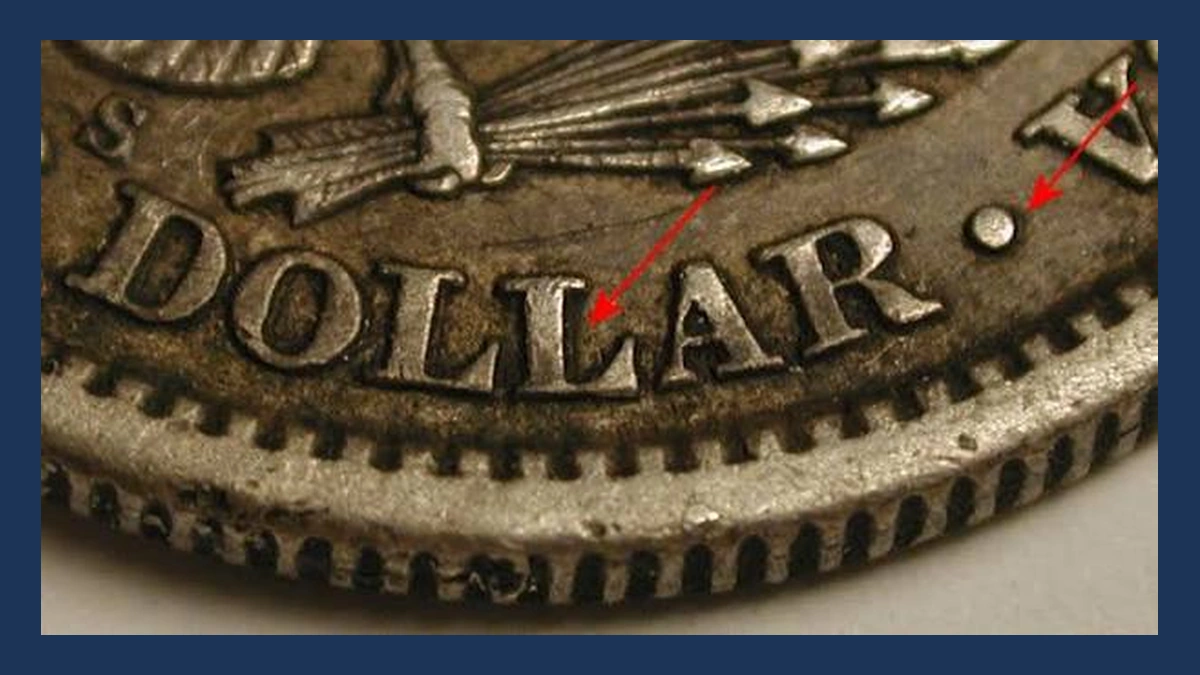
The reported San Francisco feature concerns doubled outlines in DOLLAR on the back. A true doubled die is a stamping tool that already carries overlapping versions of part of the design.
The coin can receive those shapes in one strike. This is different from a finished coin shifting during the blow and leaving a flat shelf beside a letter.
For the reported 1898-S pattern, the letter shapes need confirmation against a reliable example. Thick lettering, worn corners, and bright reflections do not establish the same cause simply because they resemble doubling.
Estimated Value
Estimate $75–$2,000 for a confirmed collectible doubled-back variety, with the range applying to the whole coin. Several clear matching letter details would be more useful than one weak edge.
The normal value of an 1898-S quarter is part of that total. A worn example can lose the very details needed to identify the variety, while cleaning may leave the doubling visible but reduce collector interest in the coin itself.
How to Identify
Focus on DOLLAR rather than searching every bright edge on the eagle. Compare each letter with the same word on a normal 1898-S quarter.
Use a magnifier to examine corners and curved ends. Separate raised outlines or splits should describe a repeatable letter shape, not just random thick spots.
If the extra edge looks flat and lower than the main letter, compare it with ordinary movement during striking. That effect can remove part of a letter’s outline instead of preserving two rounded versions.
Change the lighting, then take another photograph. A specialist needs several matching details and the S mintmark visible to identify the claimed variety; one shiny corner is not enough.
5. 1898 Barber Quarter A Slight Off-Center Strike
A heavily worn Philadelphia quarter was offered as a 3% off-center strike. That small percentage is the seller’s description of an uncertified coin, not an independent grading result.
True off-center striking places the metal disc outside the correct position when the tools close. Some design is lost at one side, with untouched metal left opposite it.
At a slight displacement, worn borders can make that distinction difficult. Both faces need inspection to separate the claimed error from a shifted stamping tool, an uneven ordinary rim, or a broadstrike with the design intact.
Estimated Value
The uncertified seller example was listed at $250 or Best Offer, then ended as unavailable. That is an asking price, not a confirmed sale.
For genuine dated off-center examples, estimate $100–$3,000 across slight displacement through clearer, more dramatic forms. This range is broader than the seller’s one worn coin.
A readable date, surviving design, original surface, and convincing displacement all affect where an individual quarter belongs.
How to Identify
Begin with two photographs, one of each face, and keep their physical positions matched. Look for design lost at the corresponding side of the metal disc.
Now check the opposite edge for original untouched metal. An off-center strike should explain both the missing picture and the remaining bare area.
On this heavily worn example, follow the outer lettering and border carefully. Wear may remove details that would otherwise show where the strike ended.
If one face alone is shifted, consider a misaligned tool; if every design element remains on expanded metal, compare a broadstrike. Treat the advertised 3% as a claim until the two faces show a genuine misplaced-disc strike.
6. 1898 Barber Quarter A Deep Cap with a Backward Portrait
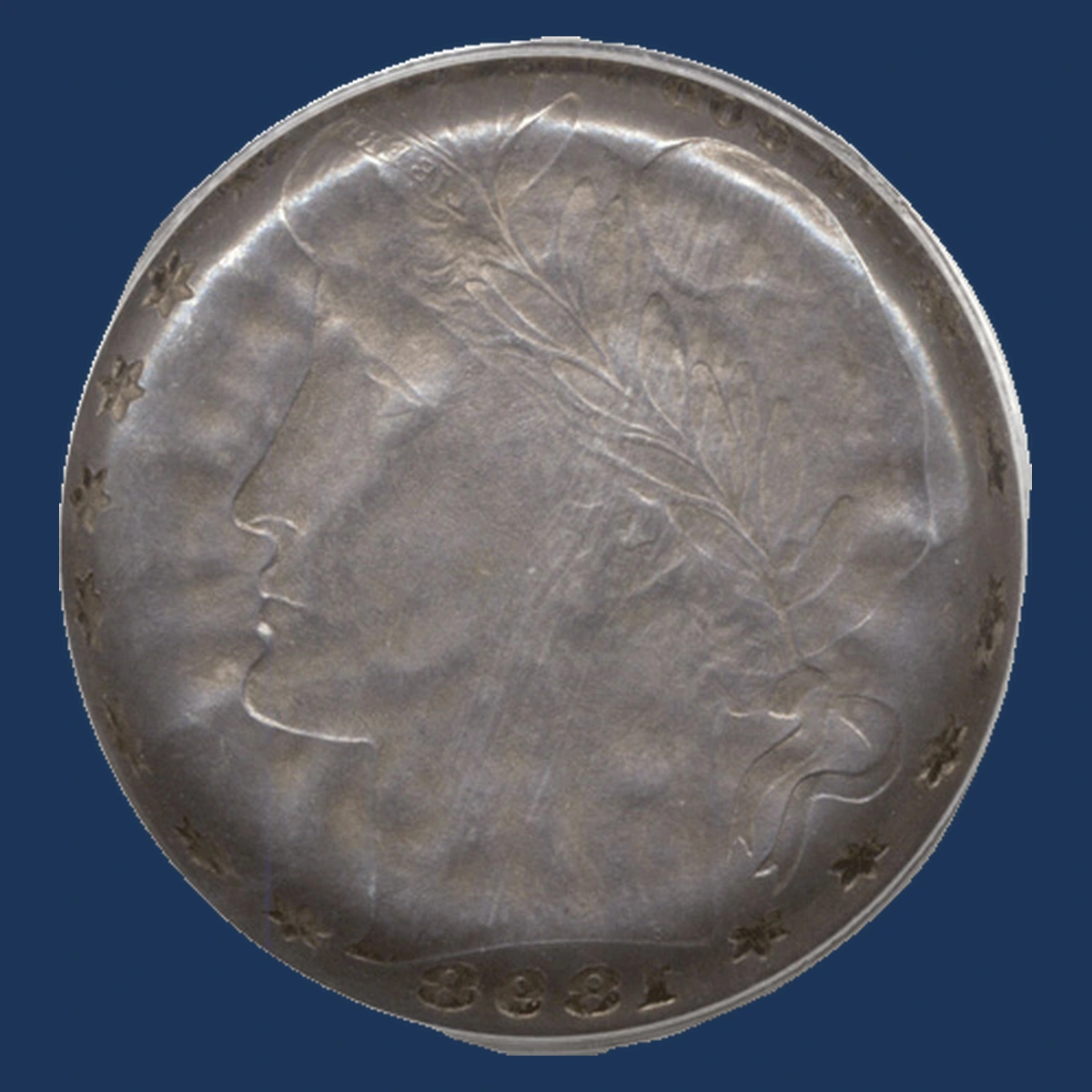
One 1898 quarter has deep cup-like sides instead of a normal flat outline. Its other face also carries a sunken, backward impression of the front design.
The cup formed when a coin stayed attached to a stamping tool and took further blows. As metal spread around that tool, the stuck coin became a die cap.
The backward impression is called a brockage and records contact with an already struck coin. Both features belong to the same PCGS MS62 Philadelphia quarter, so the impressive cup and mirror image should be examined together.
Estimated Value
This combined cap and brockage sold for $15,275 on February 27, 2014 at Heritage. MS62 describes an unworn coin with noticeable marks.
An estimated current whole-coin range is $10,000–$30,000 for a comparable genuine specimen. Depth, surviving portrait detail, surface condition, and buyer competition matter.
The price covers both features together. A later dealer page marked sold at a displayed price of $22,500 does not establish an auction result or disclose any negotiated amount.
How to Identify
A side view matters as much as a front photograph here. Examine the wall of the cup and how the design stretches into the changed shape.
Then inspect the sunken portrait on the other face. Its backward orientation distinguishes a brockage from an ordinary raised portrait that appears twice.
Do not press the coin flat or try to fit it into an ordinary tight holder.
A coin bent into a bowl later can have curved sides, but that does not explain a genuine struck mirror image. Surface folds, added seams, or sharp tool marks would need further investigation.
Have the cup and impression checked as one object by an error specialist. The combined natural shape and sunken backward design are the key comparison with the documented specimen.
Conclusion
An unusual shape is only the beginning of an error check. The 1898 cap combines its deep cup with a backward impression, while smaller varieties depend on the right letter or date detail.
Estimated whole-coin values run from $30–$30,000. The $15,275 cap auction and the $250 asking price for a claimed slight off-center coin serve different purposes; neither prices every unusual 1898 quarter.