1948 Quarter Error List with Pictures

An overlapping S beneath the wreath helped one 1948 quarter reach $3,999.60 in March 2018. The coin’s unworn condition also contributed to that result.
This 1948 quarter error list connects small tool differences with larger mistakes such as peeling silver and a nickel blank struck as a quarter. Estimated whole-coin values range from $25–$6,000.
Read on to match each visible feature with its price range. A loose flap, a wider edge, and a repeated letter each need a different check.
1. 1948 Washington Quarter Retained Silver Lamination
A flap of silver may stay attached where a thin surface layer begins to separate. Collectors call this a retained lamination, because the loose metal has not completely fallen away.
Philadelphia examples are reported for 1948. The flaw begins within the original alloy rather than from a separate outer coating.
This quarter contains silver and copper mixed throughout its metal. It does not have the layered copper center used on later circulating quarters.
An attached local peel is also different from a blank splitting into two large pieces. The visible extent of the separation determines which description fits.
Estimated Value
Estimate $25–$500 for authenticated 1948 Philadelphia laminations of ordinary collectible size and condition. The year guide reports a retained-flap example offered at about $44, an asking price rather than a completed sale.
A broad natural peel with readable surrounding design can be more appealing than a tiny rough spot. Cleaning or a broken-off flap can change that comparison.
The estimate prices the complete silver quarter. It does not assign a large premium to corrosion or metal scraped away after minting.
How to Identify
Leave the flap attached and avoid pressing it flat. With a magnifier and a low lamp, examine the thin layer and the exposed metal beneath it.
Follow any surviving picture from the flat surface onto the lifted piece. The way that detail crosses the boundary can help show whether the peel belongs to the original coin.
Inspect around the opening for parallel scratches or scrape marks that suggest later interference. Torn metal alone does not prove that the flaw began during manufacture.
A hollow with no attached layer could instead be corrosion or an impression left by material blocking the strike.
Photograph both faces and the edge, keeping the flap’s natural connection visible for comparison with a confirmed lamination.
2. 1948 Washington Quarter Front Struck-Through Impression
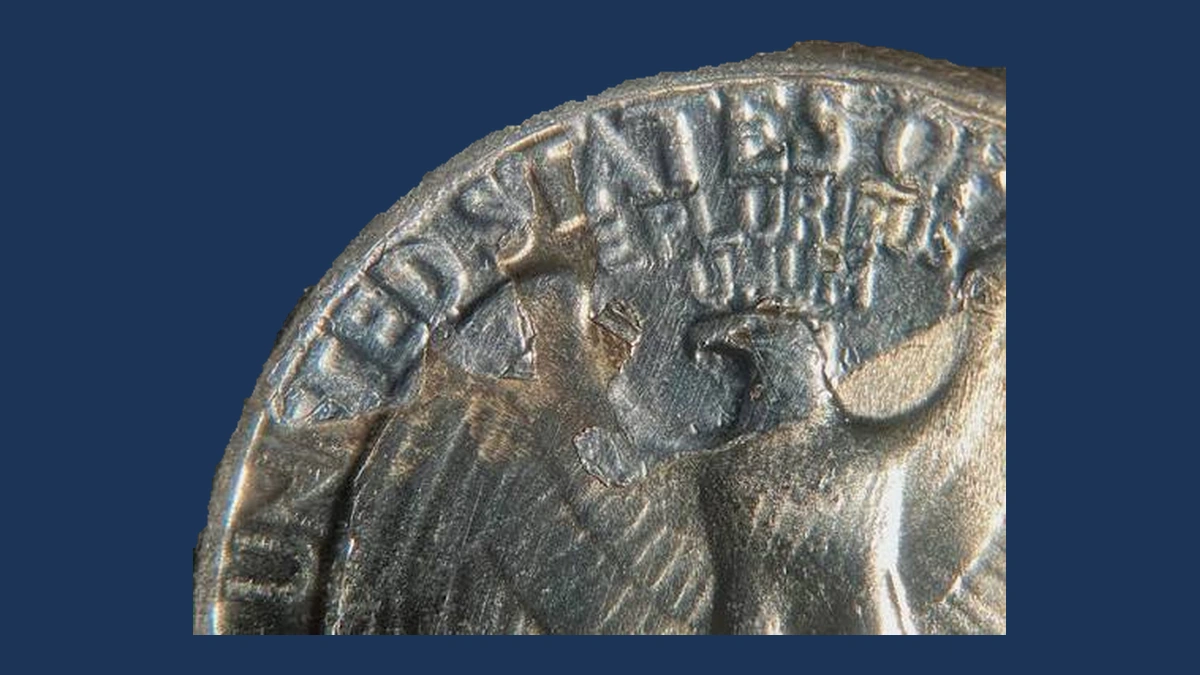
An object resting between a quarter blank and its stamping tool can leave a hollow or a patch of missing detail. The obstruction prevents the normal picture from forming underneath it.
A year guide reports a Philadelphia quarter with a front-side strike-through and light circulation wear. Its description does not identify the blocking material.
The shape and texture of the impression are the useful clues. A smooth hollow does not automatically mean wire, cloth, or grease was present.
A later impact can also interrupt the portrait. The way the surrounding design meets the patch helps explain when it formed.
Estimated Value
An authenticated front strike-through has an estimated range of $50–$1,000. The year guide reports an almost unworn Philadelphia example offered at $99.
That figure is an asking price, not a verified auction result. A larger clear impression can draw more interest than a shallow indistinct patch, especially when nearby design remains attractive.
The whole coin’s wear and surface problems belong in the comparison. A gouge or dent added afterward does not receive the same manufacturing-error premium.
How to Identify
Use angled light to inspect the surface inside the front impression before guessing what made it. Any texture there may offer a better clue than the outline of the hollow.
Under a magnifier, trace an intact portrait detail or letter toward the affected patch. Check whether it failed to form inside the area or was cut away after the coin was struck.
A later gouge may leave sharp cuts and a lip of pushed-up silver. Repeated scratches across the hollow can also point to scraping rather than an original obstruction.
Keep any attached material in place and do not probe the surface. Include the date and whole front when photographing how the normal design meets the impression.
3. 1948 Washington Quarter Broadstrike with an Expanded Edge
The metal can spread beyond the usual width when the collar fails to hold the blank during striking. This ring normally controls the diameter and forms the edge grooves.
A broadstrike retains the intended design inside its larger outline. That complete artwork separates it from an off-center strike that misses part of the design.
Philadelphia examples are reported, and an auction index records a San Francisco piece graded ANACS AU58. AU58 means slight wear rather than a completely unworn coin.
The direction and amount of spread vary. They must be checked on the quarter, not inferred from the broadstrike label.
Estimated Value
The San Francisco AU58 broadstrike is recorded at $138 in July 2006. A separate Philadelphia example was reported offered at $55, which is an asking price.
For authenticated examples, estimate $50–$1,500, depending on spread, preservation, and how clearly the full design survives. An attractive expanded edge can give the coin a strong display.
A later hammered rim requires a different comparison. Flattening a normal quarter after minting does not create the original outward flow of a broadstrike.
How to Identify
Check every outer letter on both faces before measuring the coin, since a broadstrike retains the complete intended design. The surrounding metal can spread unevenly without cutting off the picture.
Measure a loose quarter in several directions with calipers and compare with the normal 24.3-millimeter diameter. Examine the expanded edge under a magnifier, including how its grooves differ from a normal quarter.
Look for hammer marks, file lines, or a folded rim that could explain the changed shape after striking. Then read below the wreath for an S, so that the mint agrees with the coin used for your price comparison.
4. 1948 Washington Quarter Doubled Front and Back Designs
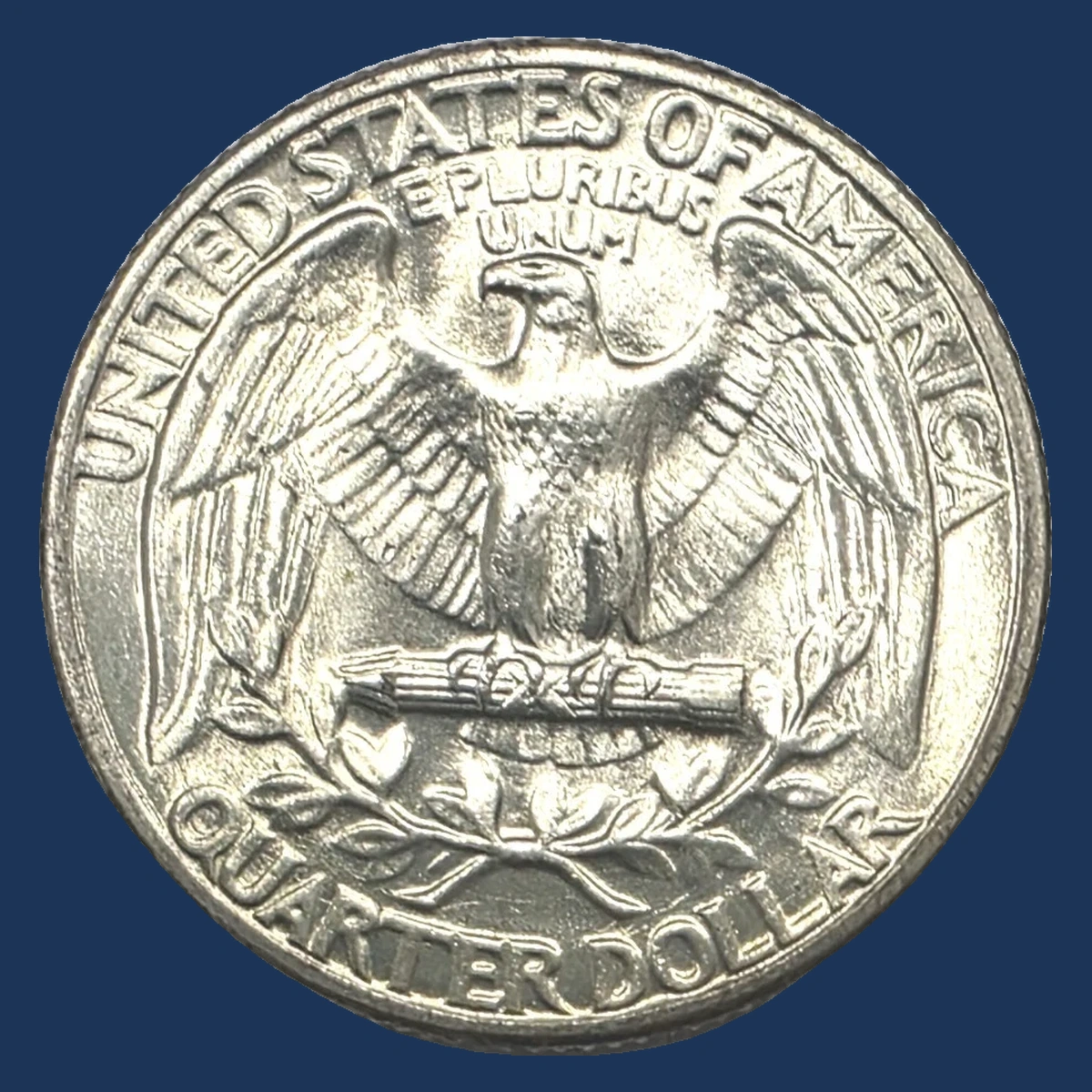
An extra outline can belong to the stamping tool, called a die, rather than to a second blow on the coin. A tool prepared with overlapping designs passes those repeated shapes onto later quarters.
The specialist catalog lists front doubling for Philadelphia and Denver in 1948. It also lists back doubling for Philadelphia and San Francisco.
Those mint-and-face combinations need separate photographs. The index alone does not identify one letter, feather, or date digit shared by every variety.
A thick-looking detail may also result from wear or movement during striking. The actual repeated pattern is what supports a doubled-tool identification.
Estimated Value
For matched doubled-design varieties, use an estimated $25–$2,000 across ordinary collectible conditions. Strong rounded separation and preserved surrounding detail make a variety easier to compare.
The estimate covers the complete coin and its particular pattern. A Philadelphia front variety should not inherit the price of an unrelated San Francisco back simply because both are called doubled dies.
Wear, cleaning, and flat striking-related shelves can obscure or imitate the feature. Confirm the matching cataloged outline before considering the upper end.
How to Identify
Read below the wreath for a D or S before choosing a matching photograph. Philadelphia normally has no mint letter, while D means Denver and S means San Francisco.
A doubled front needs comparison with the Philadelphia or Denver pattern. For the back, the listed mint combinations are Philadelphia and San Francisco.
Use a magnifier to inspect the exact shapes shown in the matching variety photograph. Do not assume that one letter or feather identifies every doubled design from this year.
Look for several repeated outlines that agree, then change the lamp angle to check whether each remains raised in the metal.
A reflection will shift with the light, while a low flat shelf may come from movement during striking. The cataloged raised shapes give the more useful match.
5. 1948 Washington Quarter Reported Off-Center Strike
An off-center blank receives only part of the quarter picture. The struck portion sits beside untouched metal, while some intended artwork falls beyond the opposite edge.
The type appears in a 1948 year guide, but an individually documented same-year specimen is not established by that listing. Its percentage and mint therefore need evidence from the coin itself.
The explanation requires both misplaced design and original blank metal. An uneven rim on its own is not enough.
A shifted stamping tool can mainly affect one face. A broadstrike can spread outward while preserving all of the original artwork.
Estimated Value
For an authenticated 1948 off-center quarter, estimate $100–$3,000, depending on displacement and condition. A clear 1948 date and a visible unstruck crescent make the error easier to show.
This is a comparison range for the reported type, not a claimed sale of a specific example. Larger shifts need comparisons with similarly dramatic silver-quarter errors.
The price should follow the coin’s actual appearance and authentication. An unverified percentage in a general guide does not establish what a candidate is worth.
How to Identify
Keep the entire coin in view and locate the surviving date before judging the shift. If the date or mintmark area is missing, do not fill in its identity from an unrelated example.
Compare front and back in the same alignment. Both should explain the blank’s displaced position, with unused metal on one side and lost artwork on the other.
Inspect the untouched crescent for an original surface rather than scraping or flattening. Then check the opposite edge for filing that removed a normal coin’s lettering.
If the complete picture still fits within an expanded outline, compare a broadstrike. That distinction is more useful than estimating a percentage from one wide margin.
6. 1948 Washington Quarter Repunched S and D Mintmarks
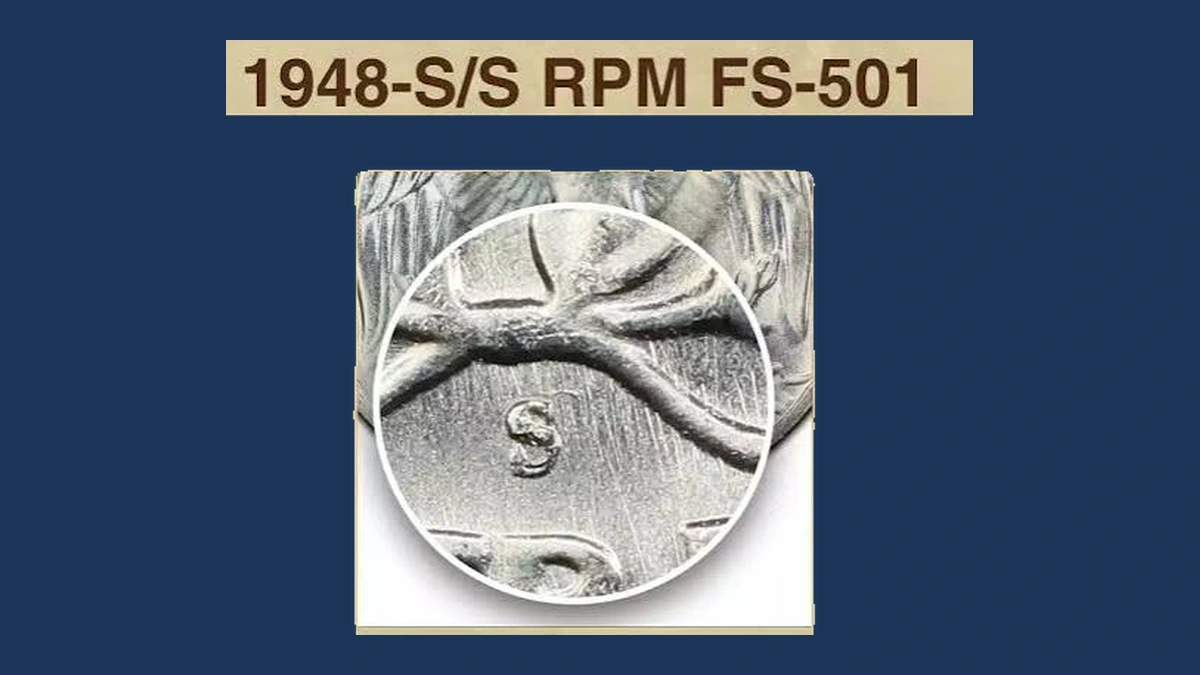
A worker could leave part of an earlier mint letter in the tool while punching its final position. Later quarters reproduced the combined outline.
The recognized San Francisco S-over-S variety is listed as FS-501. Denver also has repunched-mintmark listings, but those D shapes need their own comparisons.
The marks are on the back below the wreath. They do not record several strikes on the complete coin.
A thick or damaged letter alone does not establish a second punch. The earlier curve must fit the shape and position shown by an identified example of that particular variety.
Estimated Value
A PCGS MS64 FS-501 S-over-S sold for $3,999.60 in March 2018, as recorded in the Heritage archive. MS64 means an unworn coin with some visible marks.
Estimate $25–$5,000 across authenticated 1948 repunched mintmarks, with the recognized variety and condition controlling the comparison. A Denver example does not automatically share the strong San Francisco result.
The auction price concerns the complete certified quarter. Faint extra metal around a damaged S does not receive that value without a matching identification.
How to Identify
Locate the S or D below the wreath and enlarge the entire letter, including the opening within it. Trace the main letter first so an apparent earlier curve can be followed separately.
Compare an S candidate with the FS-501 reference photographs. A Denver candidate needs a Denver reference rather than the S pattern transferred to a different letter.
Inspect nearby metal for dents, dirt, and corrosion that could distort the outline. Move the lamp to test whether bright edges are reflections.
A raised remnant should fit an earlier letter shape. A flat shelf from movement during striking may widen a mintmark without proving another punch.
7. 1948 Washington Quarter Struck on a Nickel Blank at San Francisco
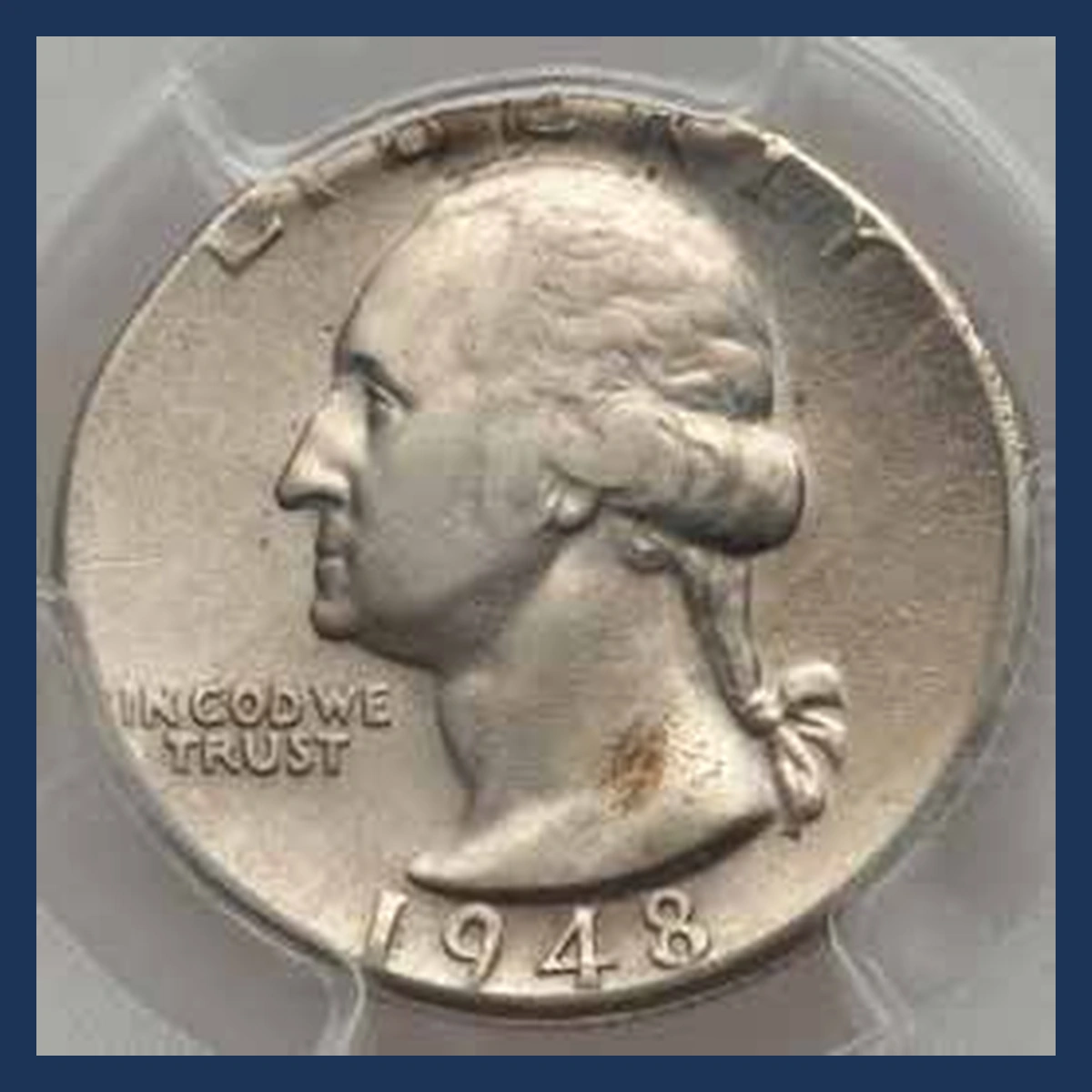
A blank prepared for a nickel entered the quarter press instead. The larger Washington design then had less room for its outer lettering.
The documented 1948-S example is graded PCGS AU55, meaning light circulation wear with much detail remaining. Its metal is the copper-nickel mixture used for ordinary nickels rather than the quarter’s silver alloy.
A normal nickel blank weighs about 5 grams, compared with 6.25 grams for a silver quarter. Those standards are comparisons, not a published measurement of this particular error.
The wrong blank carried no finished Jefferson portrait. The quarter design was stamped onto the unused disc.
Estimated Value
The PCGS AU55 example brought $3,600 in April 2020, reported in Mint Error News. Its light wear did not erase the appeal of the wrong-blank combination.
Estimate $1,000–$6,000 for comparable authenticated 1948-S nickel-blank quarters. Readable identity, original edges, and surviving design determine the most useful comparison.
A smaller silver quarter produced by filing is a different object. The size and weight must agree with the correct metal before this estimated range applies.
How to Identify
An alloy check is essential when a pale coin looks smaller than expected. Ordinary 1948 quarters are ninety-percent silver, while a normal nickel blank contains copper and nickel.
For a loose candidate, use a digital scale and compare with the usual 5-gram nickel-blank standard. That figure is a comparison, not the published weight of this particular error.
Measure its width with calipers, allowing for expansion under the larger quarter tools. Inspect how the outer lettering approaches the edge and look for filing that could have reduced an ordinary quarter.
Confirm the 1948 date and the S below the wreath, keeping both visible in photographs.
The smaller disc, correct metal, and original quarter strike must agree before accepting a nickel-blank error.
Conclusion
The recorded S-over-S and nickel-blank sales show why both tiny and obvious features deserve a careful look. Their prices belong to complete coins with specific grades, not to an isolated unusual mark.
Estimated values across these types run from $25–$6,000. Preserve a loose silver flap, photograph the entire edge, and compare the correct mint before choosing a price.
Original surfaces provide better evidence than a cleaned or polished appearance.