1952 Quarter Error List with Pictures

The small S on a Superbird quarter sits on the eagle’s chest, not where a mintmark belongs. One superbly preserved Proof, a specially made collector coin, sold for $9,600 in October 2020.
The 1952 quarter error list below also covers repeated letters, missing metal, and a small silver blank carrying a backward portrait. Estimated values span $25–$12,000.
Use the location of the unusual feature to choose your first check. Compare Proof finishes separately from ordinary quarters.
1. 1952 Washington Quarter Peeling Silver
A thin piece of the surface may lift where the original silver alloy contains a weakness. The separation is called lamination.
An attached flap and a patch where a thin sheet has detached can look different. Look at the broken edge of the layer as well as the exposed area beneath it.
A 1952 quarter is made from silver and copper mixed together. It does not have the layered copper center and outer sheets used for later circulating quarters.
A peeled surface therefore needs to be explained as a weakness within the alloy, rather than an ordinary missing clad layer.
Estimated Value
Estimate $25–$500 for authenticated 1952 laminations of ordinary collectible size and condition. A small flake may add little, while a larger natural peel is easier for a collector to appreciate.
The estimate covers the whole quarter and its remaining surfaces. An attractive coin with a visible layered boundary makes a better comparison than a corroded piece with unexplained missing metal.
Later scraping or lifting an attached flap can reduce appeal and remove evidence of the original separation.
How to Identify
If a flap still covers the affected area, leave it in place and photograph its edge with low angled light. Look for a thin sheet separating from the coin rather than a deep groove cut across it.
If the layer has already fallen away, inspect the exposed metal and surrounding surface for scrape marks or corrosion. A surviving piece of stamped design along the boundary can help show how the metal separated.
Weigh a loose candidate against the normal 6.25 grams only when substantial metal appears to be missing. A small flake may barely change the reading, while a rough patch or low weight alone does not prove lamination.
2. 1952 Washington Quarter Clashed Design Fragments
A piece of the opposite-side design may appear faintly in the open area of a quarter. It can begin when the two stamping tools hit each other without a blank between them.
That contact, called a die clash, marks the tools. Coins struck afterward may copy the unwanted fragments along with the intended picture.
The year guide reports clashes for 1952, but no single wing or portrait location identifies every candidate. The unusual shape must connect with recognizable artwork from the other face.
A random scratch, cleaning line, or unfamiliar normal detail needs a different explanation.
Estimated Value
For an authenticated clash, use an estimated $25–$750, depending on clarity and preservation. A recognizable design fragment supports stronger interest than a faint line with no convincing connection.
The whole quarter’s surfaces matter as well as the extra mark. Wear can weaken the evidence, and cleaning may introduce misleading lines beside it.
This estimate concerns a confirmed tool-contact feature. It should not be applied to marks simply because a seller has called an unusual-looking quarter clashed.
How to Identify
Study a clear photograph of the opposite design before magnifying the suspected mark. Decide which specific contour could have produced the extra shape, keeping the coin’s alignment in view.
Use a magnifier and move the lamp to follow the entire fragment rather than one bright end. Compare a normal quarter so that ordinary outlines and parallel tool-polishing lines are not mistaken for copied artwork.
A documented clash photograph should explain both the shape and its position. Inspect for scratches or metal pushed up by later contact, then compare the connected outline with the same type of transferred design before choosing a clash label.
3. 1952 Washington Quarter Repunched D and S Mintmarks
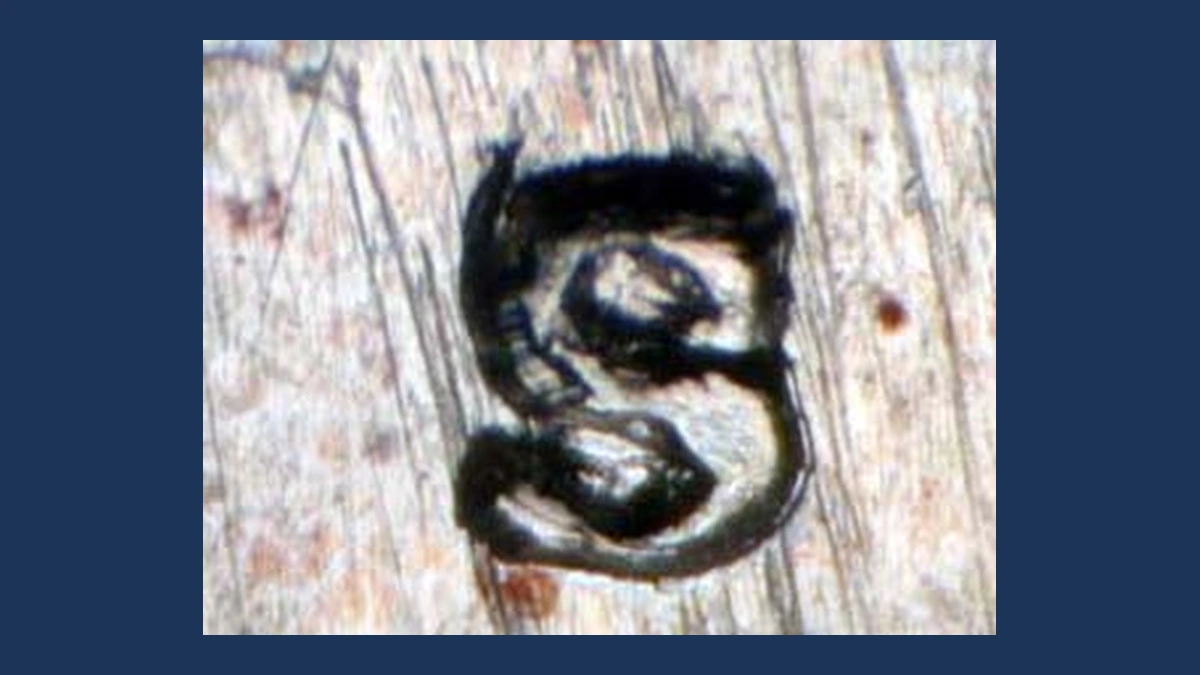
The small mint letter was punched into the stamping tool by hand. An earlier impression could remain visible if the punch moved before the final letter was completed.
Denver patterns include remnants above or below D, along with several turned impressions. San Francisco patterns include earlier S curves above, to the right, or at an angle.
Some S examples preserve three impressions rather than two. Each pattern needs its own photograph, even when two varieties share the same general direction.
The coin received these outlines together from the tool. They do not show multiple strikes on the finished quarter.
Estimated Value
An estimated $25–$1,500 covers authenticated 1952-D and 1952-S repunched mintmarks across ordinary collectible grades. Clear earlier curves and attractive surfaces make the feature easier to show.
The particular pattern matters more than simply counting apparent outlines. A scarce, well-preserved match can appeal more than a faint common remnant on a worn coin.
A worn coin with a flattened mintmark can remain collectible at the lower end. Several traces belong to one whole-coin value, not a separate price for each curve.
How to Identify
Photograph the D or S below the back wreath with the camera square to the coin. Keep the whole letter in focus so an extra curve can be followed into the rest of its shape.
On a candidate with a trace above the letter, compare the upper remnants against the matching variety photograph. On a turned impression, study where the earlier straight stroke or curve meets the final letter.
A three-impression S needs all surviving traces to fit together. Counting three random bumps will not establish that pattern.
Change the light to check for a flat shelf from movement during striking. Then compare nearby tool marks as well as the letter before settling on a particular variety.
4. 1952 Washington Quarter Clipped Blank
A gap can be present in the metal before the quarter’s design is stamped. When the blank-making punch overlaps a hole already cut in the strip, it leaves an incomplete disc.
The resulting curved clip is one form of missing blank metal. Other gap shapes need their own explanation instead of being identified from the number of notches alone.
Clipped blanks appear in the 1952 year guide without a fixed mint, percentage, or location. Those details must come from the coin being examined.
Its struck rim and surviving letters help distinguish an original incomplete blank from later cutting.
Estimated Value
Estimate $50–$1,500 for authenticated clips, with the amount missing and preservation of the quarter guiding the comparison. Small worn examples usually attract less than larger, clearly original gaps.
An intact date and natural transitions into the missing section help a buyer understand the error. The underlying coin’s surface condition remains part of the price.
The estimate does not apply to a quarter with a piece sawed or filed away. More missing metal alone does not establish a stronger Mint error.
How to Identify
Start inside the gap, looking for file lines, saw grooves, or burrs under a magnifier. These can reveal metal removed after the quarter was struck.
Then follow the rim into the two ends of the opening. A blank already missing metal can leave weakened or stretched detail beside that boundary.
Inspect the border opposite the gap for weakness, while remembering that this supporting sign can be faint.
Weigh a loose coin against the normal 6.25 grams and account for visible wear. A reduced reading supports missing metal but cannot tell you when it disappeared.
Photograph both faces and the gap’s edge. The combination of original rim formation and an unaltered missing section is more useful than its silhouette alone.
5. 1952 Washington Quarter Struck Through Material on Both Faces
Material trapped between a blank and a stamping tool can interrupt the picture. The blocked area may retain a depression or fail to receive its full design.
A 1952-D quarter graded PCGS MS62 is recorded with struck-through errors on both front and back. MS62 describes an unworn coin with noticeable surface marks.
The two affected faces belong to one specimen. They do not require two separate prices to describe its value.
An empty impression can preserve a useful outline after the blocking material has fallen away. Its shape must support any claim that cloth, grease, or another object caused it.
Estimated Value
For authenticated struck-through examples, estimate $75–$2,000, depending on the size, shape, and visibility of the affected areas. The documented Denver MS62 provides an unworn condition comparison.
Two faces with clear original impressions can make an interesting display. Small indistinct patches may attract much less attention even when they came from the same general process.
The range values the complete coin. An empty impression does not carry the same physical evidence as an object still retained in the silver.
How to Identify
Examine one affected face at a time, following a normal letter or design edge into the unusual patch. Decide whether the picture failed to form there or was cut away after the quarter had already been struck.
A hollow with torn silver or a pushed-up lip can come from a later gouge. Use angled light to inspect the boundary and any texture inside the depression.
Leave attached material untouched.
Repeat the check on the other face, then compare both areas with the certified Denver example’s photographs. Do not assume that similar-looking hollows were made by the same object.
Include the D below the wreath in the full-back photograph. Keeping both faces with their close-ups helps show that the two impressions belong to one quarter.
6. 1952 Washington Quarter Doubled Designs on Ordinary Coins and Proofs
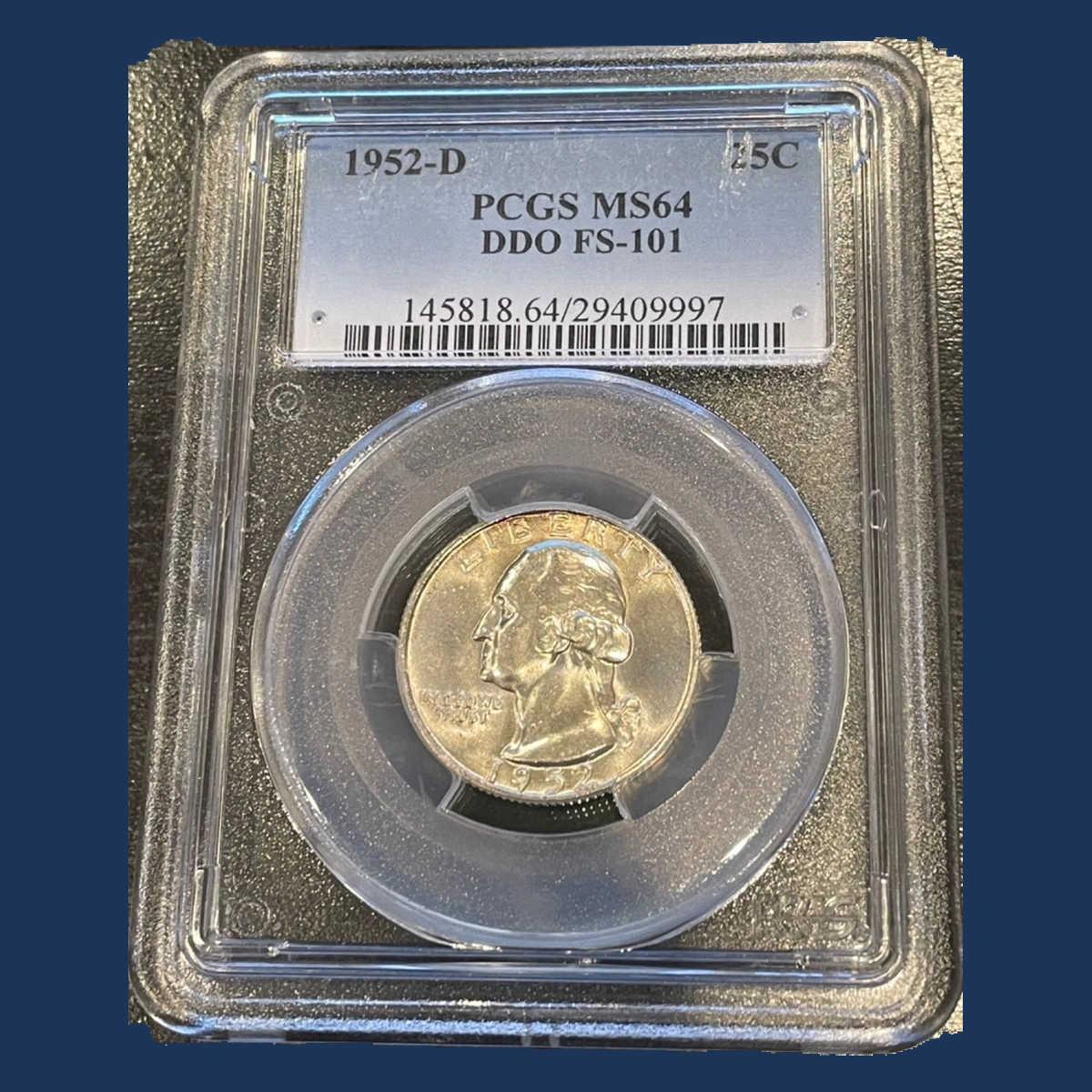
A letter can have an extra raised outline because its stamping tool already carried a doubled picture. One normal strike copies that repeated detail onto the quarter.
Denver FS-101 shows its strongest front separation in LIBERTY, with less in the date and motto. Philadelphia ordinary front varieties instead show noticeable thickening.
Other patterns affect the back wording, branches, and wings. Philadelphia Proofs have their own front and back varieties, including slight ERTY doubling and repeated back inscriptions.
San Francisco’s front pattern involves RTY. A shared word or catalog number does not mean these different coins carry the same doubled design.
Estimated Value
For matched doubled-design varieties, estimate $25–$3,000, allowing for differences in pattern, finish, and preservation. Strong separated letters usually present the feature more clearly than subtle thickness on a worn coin.
The estimate applies to complete coins, not a fixed amount for each doubled word. Several affected inscriptions can belong to one stamping tool.
Use an ordinary Denver comparison for FS-101 and a Proof comparison for a Philadelphia Proof pattern. Normal reflections and flat striking-related shelves belong outside this range.
How to Identify
For a Denver FS-101 candidate, begin with LIBERTY before moving to the date and motto. The relative strength of those three areas is part of the comparison.
On an ordinary Philadelphia front, inspect the thicker letter forms against the appropriate variety photograph. San Francisco RTY and Philadelphia Proof ERTY require different references.
For Denver back patterns, compare the denomination, lower wings, branches, and motto as listed for that tool. A Proof back showing repeated inscriptions or slight UNUM separation needs its own close-up.
Move the lamp to reveal rounded extra edges and notches. A flat shelf that merely widens a letter should not replace a complete match to the tool’s repeated pattern.
7. 1952 Washington Quarter Off-Center Strike
A quarter can be struck with part of its blank outside the space between the tools. The design then misses one edge while leaving untouched metal on the opposite side.
The blank crescent and missing artwork are two parts of the same positioning error. Both front and back should help explain it.
The 1952 year guide includes off-center strikes without a fixed mint or percentage for the reported type. Those details need to be read from the actual specimen.
An uneven rim alone may have another cause. A shifted tool or an expanded broadstrike requires a different comparison.
Estimated Value
Estimate $100–$5,000 for authenticated 1952 off-center quarters, from modest displacement to dramatic, well-preserved examples. A surviving date and clear untouched crescent make the error easier to identify.
Compare both the amount of missing design and the surrounding condition. A large shift on a damaged coin does not automatically outrank a smaller, attractive example.
The upper end favors a dramatic shift with original surfaces and a readable date. Later edge alteration does not qualify for the same premium.
How to Identify
Compare full photographs of both faces before estimating the shift. Look for unused blank metal on one side and design lost beyond the opposite edge.
If all the design fits inside an expanded border, compare a broadstrike instead. If only one face is displaced, consider a shifted stamping tool.
Read the surviving date and mint information, then magnify the boundary between the struck area and bare metal. A cut can remove design, but it does not explain an original unstruck crescent beside it.
Inspect that crescent for grinding or filing marks. Both faces should fit the same misplaced blank before the coin is valued as an off-center strike.
8. 1952 Washington Quarter Two Displaced Strikes
A quarter that fails to leave the press can receive another blow. If it moves between blows, some of the earlier picture may survive beside or beneath the later one.
The year guide lists double striking for 1952 without a particular certified specimen or angle. A candidate needs recognizable details that explain two genuine impressions.
This differs from a doubled stamping tool, which repeats close extra shapes during one ordinary strike. Two displaced pictures can cover a much broader area.
Later pressure against another finished coin can also leave confusing marks. Those need to be separated from another Mint strike.
Estimated Value
If authenticated as a double strike, estimate $500–$7,500 according to the separation of the pictures and the remaining condition. Readable repeated dates or portrait details make the sequence easier to appreciate.
This range uses comparable silver-quarter double strikes rather than a claimed auction result for an identified 1952 coin. A shifted second blow and a turned second blow need their own comparisons.
A coin with only a thick letter or an added backward impression should not inherit this estimated value.
How to Identify
Choose a clear date digit or portrait edge and trace which details belong to each possible strike. Several matching parts should fit one consistent movement between the pictures.
Check the back without independently rotating its photograph. Its surviving design should make sense alongside the sequence proposed for the front.
Examine the relief under a magnifier. A backward sunken image can come from later contact with another coin and needs a different explanation.
Include the edge and full coin in photographs instead of showing only the most convincing overlap.
If the repeated parts cannot be followed into two consistent pictures, ask a specialist to examine the coin. A thick letter alone is not enough to explain a second strike.
9. 1952 Washington Quarter Wrong Blanks, Including a Backward Portrait
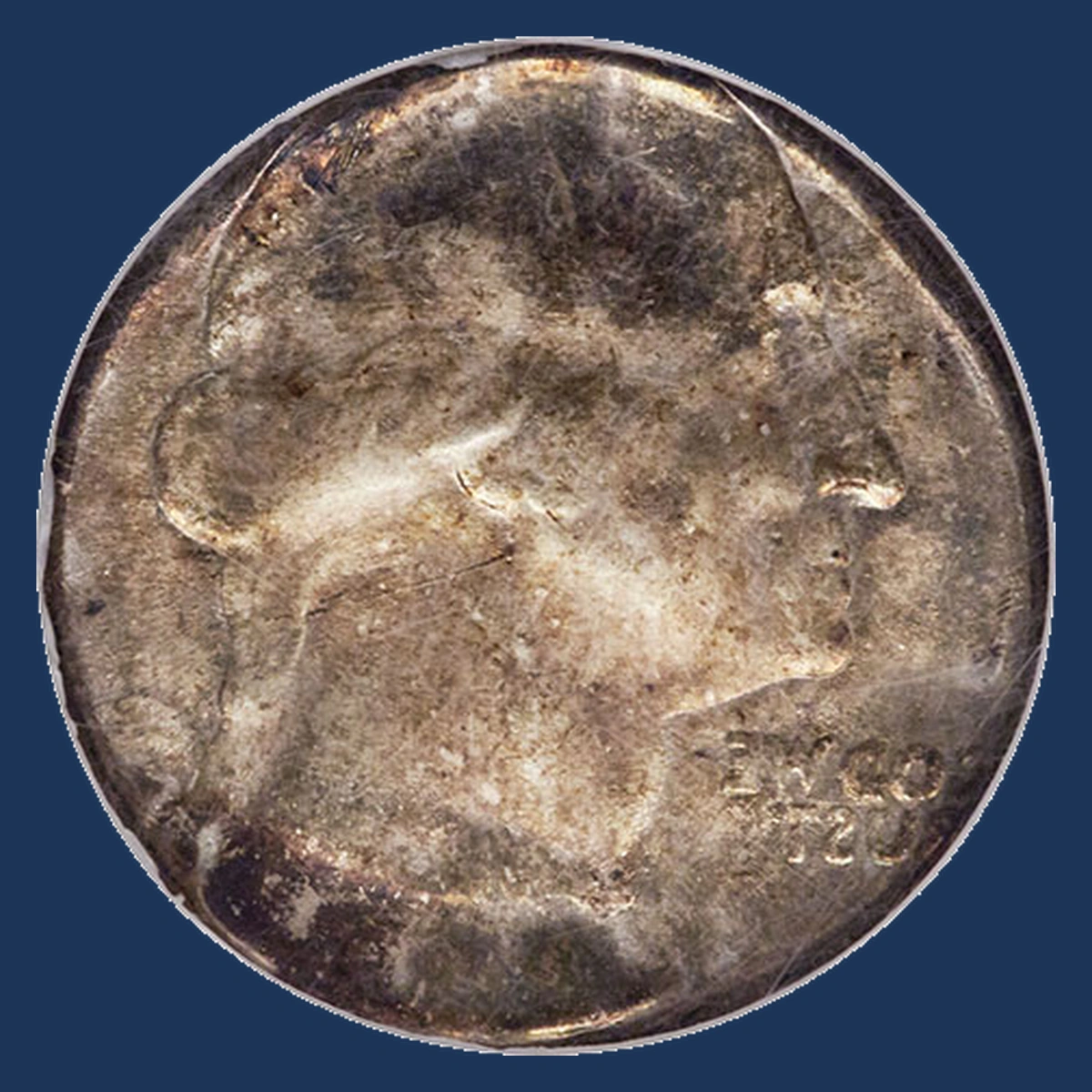
The quarter’s design can land on the smaller disc intended for another denomination. Two documented 1952 examples show very different results.
One silver-dime blank received a normal Washington front and a sunken backward Washington image on the back. Another already struck quarter produced that mirror impression, called a brockage.
The full 1952 date survives, but no readable mintmark identifies its mint. NGC graded it MS64.
A separate 1952-S quarter was struck on a nickel blank and graded NGC MS61. That specimen weighs 4.6 grams; it is not the dime-blank brockage with a different description.
Estimated Value
The dime-blank brockage sold for $4,700 in February 2016. The separate San Francisco nickel-blank example brought $1,260 in September 2024.
Estimate $500–$10,000 across authenticated wrong-blank examples, reserving the strongest comparisons for dramatic combinations with clear identity and original surfaces. MS64 and MS61 describe unworn coins with different amounts of visible marking.
The small blank and mirror impression on the first coin form one whole-coin value, not two prices to add together.
How to Identify
On the dime-blank specimen, start with the complete 1952 date and the missing portion of LIBERTY. Its blank sat against the collar near seven-thirty.
Turn to the back and look for a sunken, enlarged, backward Washington portrait and GOD WE TRUST. An eagle image would not match this recorded brockage.
For the separate nickel-blank example, confirm the S and inspect the cramped outer design. Its recorded 4.6 grams differs from the normal nickel-blank standard of about 5 grams.
Weigh and measure a loose candidate, then check for filing or plating. A normal quarter is 6.25 grams, but metal testing and an original edge must support the proposed wrong blank.
Do not assign a mint to the brockage from an unreadable back.
10. 1952 Washington Quarter Superbird and Hand-Engraved Tail Feathers
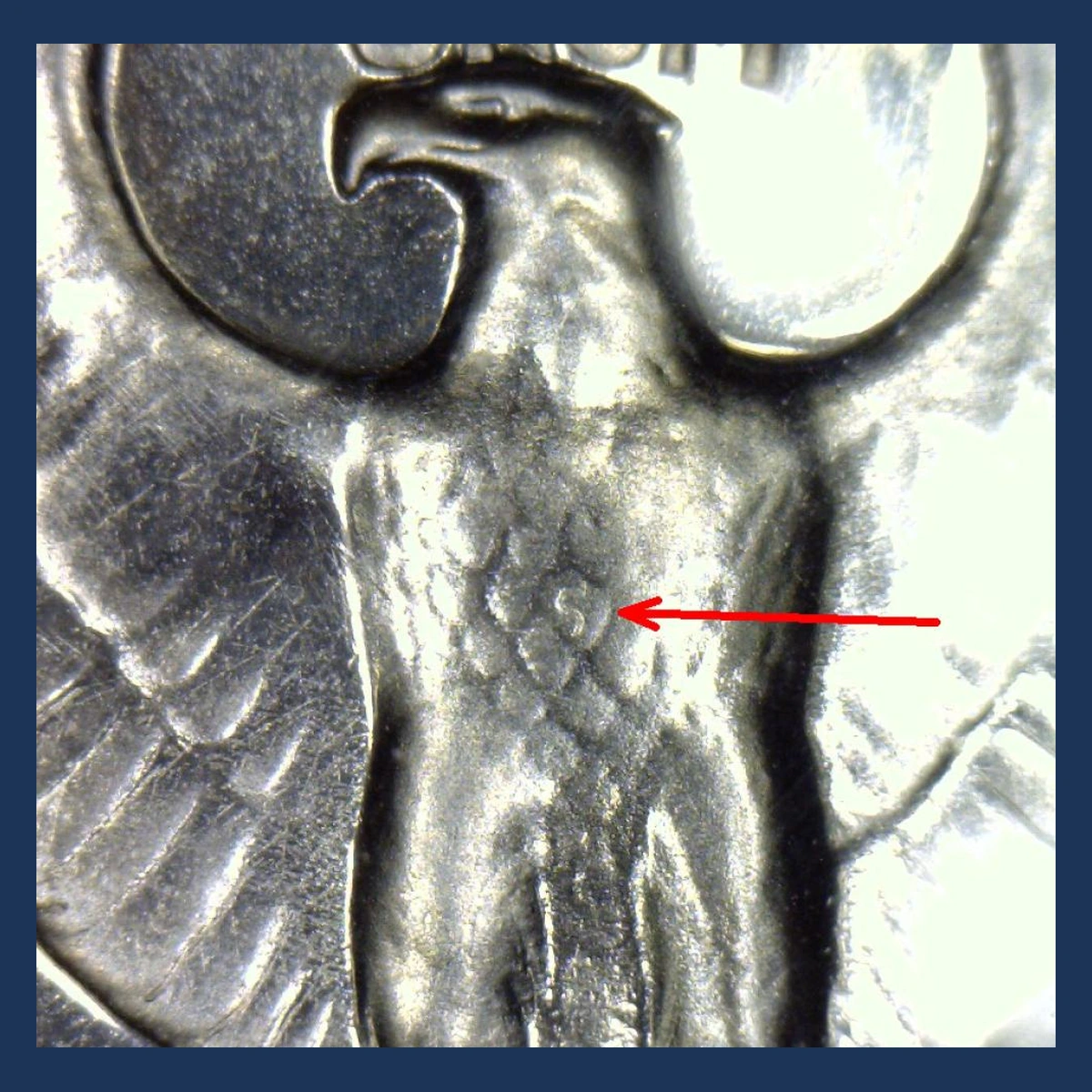
The eagle on a Superbird Proof carries a tiny S-shaped feature on its chest. This mark came from the stamping tool and is not a San Francisco mint letter.
The ordinary Superbird variety is called FS-901. A separate listed variety, FS-902, combines the chest feature with hand-engraved tail feathers.
FS-902 also has a matching front tool with slight repeated detail in ERTY. That companion feature should not be assigned to every Superbird.
Both belong to Philadelphia collector Proofs. The actual mintmark position is below the wreath, so the location of the chest mark is essential to identification.
Estimated Value
Estimate $150–$2,500 for ordinary collectible Superbird Proofs and $3,000–$12,000 for exceptionally preserved, strongly contrasting examples. Match engraved-tail FS-902 coins with that specific variety.
PCGS records $9,600 for a PR67 Deep Cameo Superbird in October 2020. Deep Cameo describes strong contrast between the frosted picture and mirrored background.
That price includes the exceptional Proof’s preservation and finish. The small S alone does not give an ordinary or damaged quarter the same value.
How to Identify
Focus on the eagle’s chest rather than the mintmark area below the wreath. Compare the tiny S-shaped feature with an authenticated Superbird photograph under magnification.
Check the whole coin’s date and Proof finish before moving to the tail. Normal Proofs are specially made, but not every bright quarter is one.
For FS-902, compare the reworked feather lines with that variety’s photographs and examine the companion ERTY detail on the front. The chest S alone identifies neither those tail lines nor that front tool.
Inspect the S for a later scratched imitation and keep the reflective surfaces uncleaned. A complete match needs the correct chest feature, finish, and any additional details required for the specific variety.
Conclusion
An S on the eagle’s chest tells a different story from an S below the wreath. Location matters just as much as shape when identifying these quarters.
Estimated whole-coin values range from $25–$12,000. The strongest Proof prices also reflect exceptional preservation, while the dime-blank brockage combines two visible mistakes on one coin.
Keep both faces and the edge in your photographs, and compare the same mint, finish, and physical feature.