1989 Quarter Error List with Pictures

LIBERTY is completely missing from one valuable 1989 quarter, yet its date and P remain clear. The quarter was struck on a much smaller cent blank and sold for $2,280 in January 2018.
This 1989 quarter error list also includes faint mintmarks, repeated designs, clipped edges, and unusual strike shapes. Estimated values run from $2–$5,000, with the highest range reserved for authenticated major errors.
Explore each visible feature below before deciding which comparison fits your coin.
1. 1989 Washington Quarter Misaligned Front Design
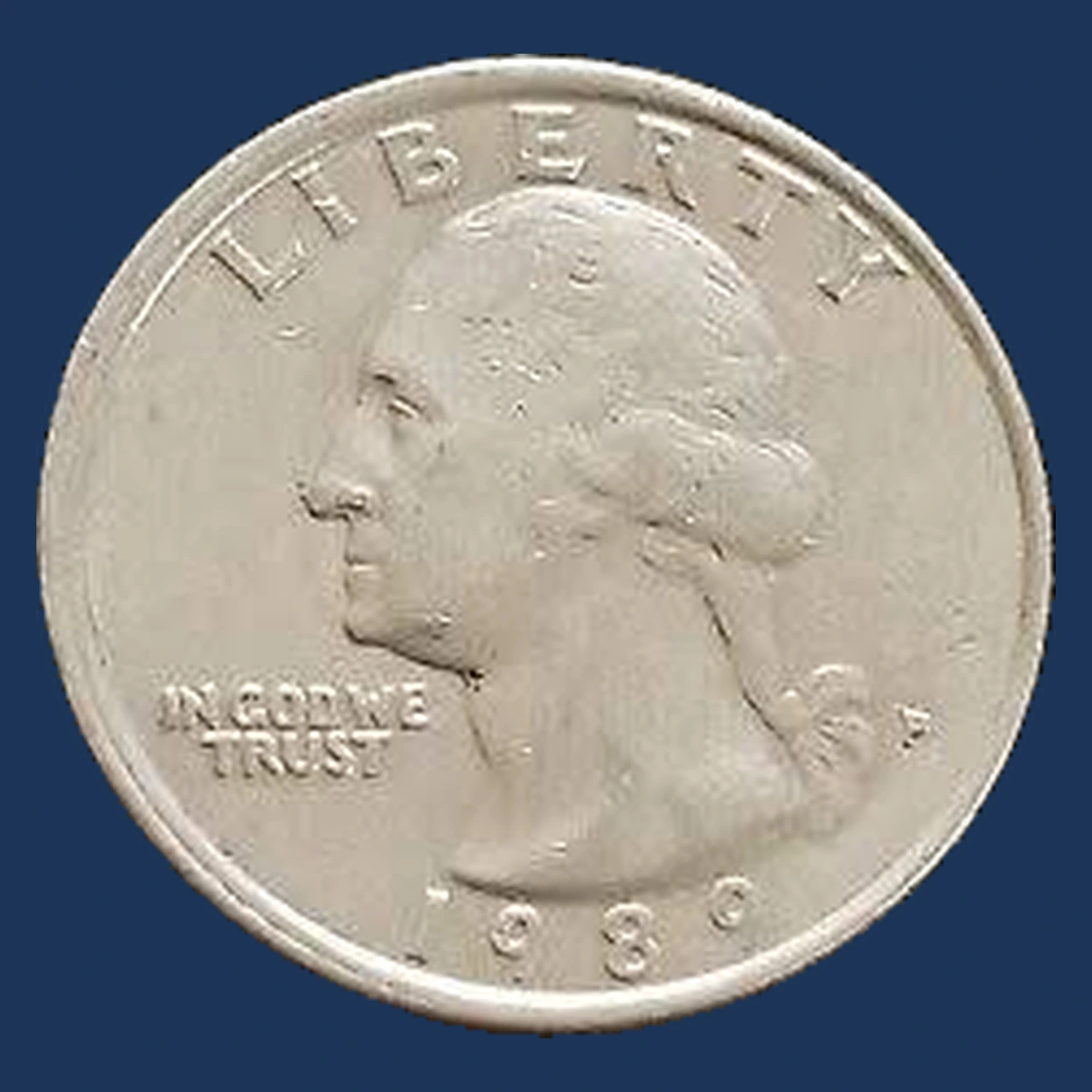
One side of a quarter can have an uneven border while the other looks centered. A stamping tool that shifted sideways can move just its own picture.
The Philadelphia report draws attention to the right and lower-right front border. It needs comparison with the eagle side before being called a misaligned die.
A die is the steel tool that stamps the coin. Its movement differs from the entire blank sitting off center between both tools.
A wide-looking rim alone cannot decide the cause. Camera angle and damage can also make one side of the border look narrower.
Estimated Value
A clear, authenticated minor tool misalignment has an estimated value of $5–$75. Very slight border differences often attract little additional interest.
The reported Philadelphia candidate needs the two faces compared before this estimate applies. A photograph cropped close to Washington cannot show what happened to the opposite picture.
Sharp original rims make the shift easier to assess. A damaged edge or a tilted camera should not turn an ordinary quarter into a higher-priced error.
How to Identify
Photograph Washington from directly overhead, keeping the entire rim visible and the camera level with the coin. Compare the right and lower-right spacing with the opposite border before changing the view.
Turn the coin over and photograph the eagle at the same scale. If its picture is centered while Washington’s is shifted, the difference supports a misplaced front tool rather than an off-center blank.
Inspect the narrow border with a magnifier for folded edges or metal flattened by an impact. Keep those damaged spots separate from the design’s position; both complete faces must show that the displacement is confined to one side.
2. 1989 Washington Quarter Faint or Missing P and Grease-Blocked Detail
The P beside Washington’s hair ribbon can be faint or absent while nearby detail survives. Grease filling the mintmark recess in the stamping tool can prevent the letter from forming.
PCGS describes this explanation for the 1989 No-P quarter. It differs from a worker forgetting to add the mintmark to the tool.
Separate Philadelphia quarters have been certified as struck through grease without a particular missing letter specified. Those examples are not automatically No-P coins.
A P with a filled center is different again. Its outer letter remains present rather than disappearing.
Estimated Value
For genuine grease-blocked detail, estimate $5–$150, depending on the size and clarity of the affected area. An obvious No-P example can attract more attention than one slightly weak letter.
The older PCGS article mentioned $25–$60 for No-P coins at the time it was written. Those figures are historical guidance, not recent completed sales.
A sharp surrounding design helps establish that the letter was blocked during striking. Heavy wear or deliberate removal weakens the comparison.
How to Identify
A filled P still has a visible outer letter. Set that possibility aside first when comparing a faint or apparently absent mintmark.
The expected P sits just to the right of Washington’s hair ribbon. Find that position on an ordinary Philadelphia quarter beside the candidate.
Use a magnifier and shift the lamp around the area. A few faint parts may remain even when the letter seems missing at first glance.
Check whether nearby portrait detail survives and whether the background has a scraped hollow or disturbed surface. Those marks could explain a letter removed after minting.
Other grease errors need their own weak patch located. Follow the transition from clear design to missing detail without assuming every grease-struck quarter lost its P.
3. 1989 Washington Quarter Rotated Back Design
An eagle that appears upside down after a controlled top-to-bottom flip may indicate a rotated stamping tool. The normal front and back have a fixed relationship.
One year guide reports a half-turn, or 180-degree rotation, without an established mint. A separate collector recalled a Philadelphia example turned about 140 degrees clockwise.
These accounts need their own specimens confirmed. They do not establish that the two descriptions concern the same coin.
Turning the tool’s design around its center differs from changing which tool moves in the press. The unusual Denver broadstrike discussed below concerns that separate machine arrangement.
Estimated Value
Estimate $10–$300 for a genuine 1989 rotation, with large, clearly measured turns usually attracting the most interest. This is conditional guidance for the reported examples.
Neither a quoted angle nor a seller’s sideways photograph establishes an auction value. The actual relationship between the two faces must remain the same when the test is repeated.
Original surfaces and readable designs make the effect easier to demonstrate. A coin rotating loosely inside its holder can create a misleading display.
How to Identify
Use an ordinary quarter to practice a top-to-bottom flip, keeping Washington upright before you turn it. Bring the top edge toward you around a horizontal axis without adding a sideways twist.
The eagle should finish upright on the ordinary coin; repeat the same motion with the candidate several times. Photograph the two positions against fixed guide marks, leaving the images unrotated afterward.
The Philadelphia account describes about 140 degrees clockwise, while the separate half-turn report has no established mint. A coin moving inside a loose holder can confuse the test, so track its physical edge as well as the pictures during each flip.
4. 1989 Washington Quarter Doubled Front and Back Details
LIBERTY is the starting point for the cataloged Philadelphia front-doubling variety. Denver has a back variety affecting the country name, QUARTER DOLLAR, and the right branch stem.
A doubled die carries repeated detail in the stamping tool itself. Coins struck by it can copy the same extra outlines.
The San Francisco Proof, a specially prepared collector coin, has light separation at TY, the braid, mintmark, and ribbon ends. Its pattern should not be copied onto ordinary coins.
Additional reports cover Denver’s front and Philadelphia’s back without exact catalog matches established. Those require their own comparisons.
Estimated Value
For confirmed ordinary-strike varieties, estimate $10–$250. The Proof comparison has a working range of $20–$400, giving the group a total span of $10–$400.
These are estimates for recognizable patterns, not prices for any vaguely thick letter. The mint and face determine which comparison belongs with a candidate.
An unworn surface helps preserve small separations. Scratches, flat strike doubling, and heavily worn details can make a convincing identification more difficult and reduce collector interest.
How to Identify
The mintmark determines which close-up belongs beside your coin. A Philadelphia front should be checked at LIBERTY; Denver’s cataloged back variety affects the inscriptions and right branch stem.
On the San Francisco Proof, inspect TY, the braid, mintmark, and ribbon ends. Use a magnifier to compare their small raised separations with the same points on a known example.
Keep the finish in mind. A shiny ordinary quarter is not automatically a specially made Proof.
The less specific Denver-front report mentions LIBERTY and the eye or ear area. Philadelphia’s back report includes QUARTER DOLLAR, but neither report establishes a precise catalog match.
Photograph the actual repeated edges for a specialist, including nearby normal design. Rounded separation differs from the flat shelf produced by movement during striking.
5. 1989 Washington Quarter Repunched Mintmarks
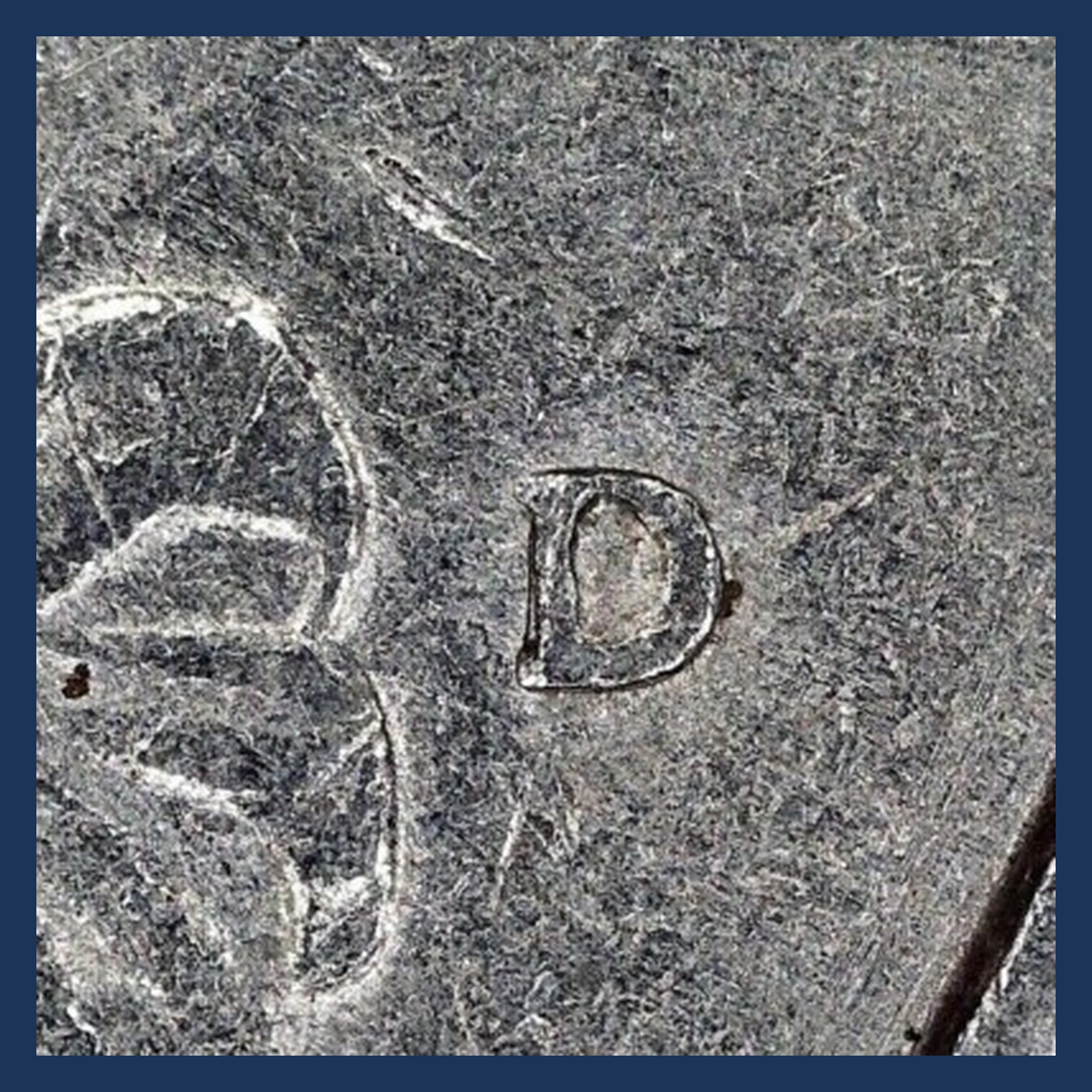
A second curved edge to the left of D can reveal an earlier mintmark impression. Workers used a letter punch to add the mintmark to the stamping tool.
If the punch was applied again in a slightly different position, part of the first letter could remain. The coin then copied both outlines from that tool.
The cataloged 1989-D variety has its earlier outline toward the left, or west. A Philadelphia repunched-P report has no specific matching pattern established.
This is not the same as a filled center or a missing P. Each changes the mintmark’s appearance differently.
Estimated Value
A range of $10–$500 covers a confirmed 1989 repunched-mintmark example from modest to clear quality. The strongest end needs a convincing match and attractive preservation.
The Denver catalog attribution provides a specific shape to compare. The Philadelphia report remains conditional until its own earlier P outline is established.
Do not pay the same premium for dirt beside a letter or a flat strike shelf. The value follows identifiable evidence of an earlier punch, not the size of a random lump.
How to Identify
Trace the left-hand curve beside D with a magnifier, then compare it with the curve of the main letter. The older impression should make sense as part of another D.
Move the lamp while holding the coin upright. Raised metal stays fixed; a reflection can seem to shift across the letter.
For the separate Philadelphia report, look for an additional P-shaped outline instead. Its direction is not established, so the Denver variety is not a map for that candidate.
Inspect the meeting point between the extra outline and the normal letter for dirt, corrosion, or displaced metal from a cut. Keep the complete mintmark in the photograph so the two letter shapes can be compared.
6. 1989 Washington Quarter Raised Cracks, Chips, and a Filled P
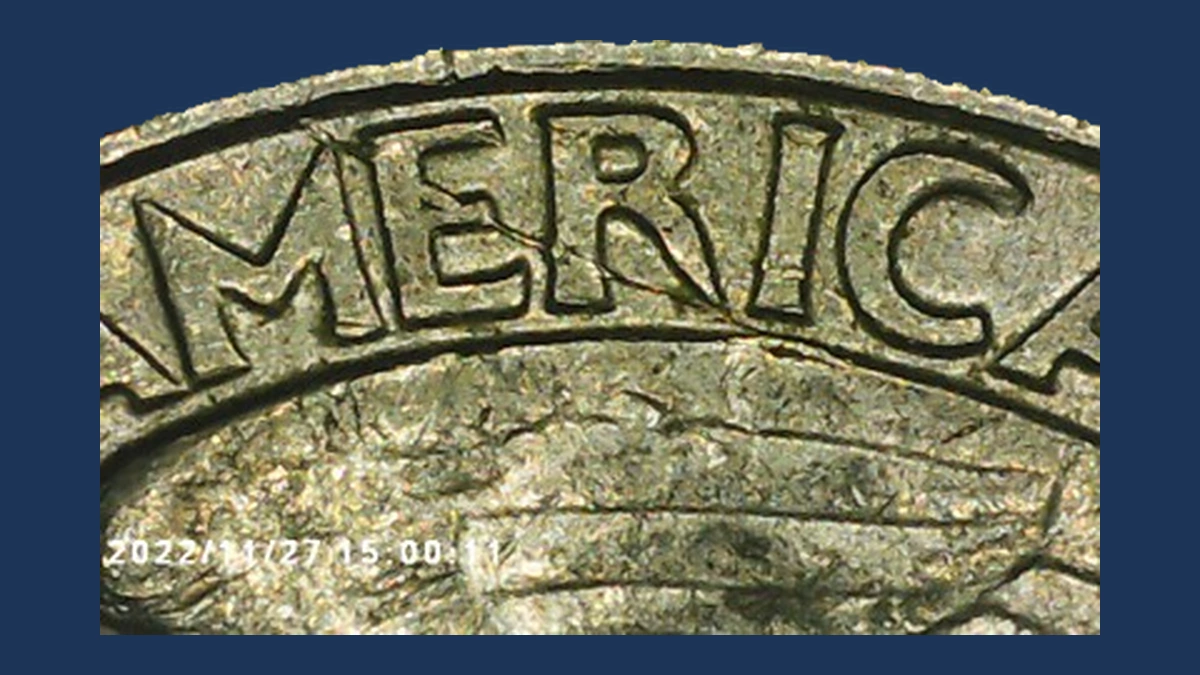
A split in a stamping tool can leave a raised line on the coin. A small missing piece can create a lump, while an edge break can produce a patch joined to the rim.
That rim-connected patch is called a cud. The 1989 reports include back cracks and a cud without fixed mint or location established.
Philadelphia reports also show a small dot in front of Washington and a P with a filled center. The filled-P cause needs examination rather than an automatic cracked-tool label.
A raised feature differs from a missing letter. The P’s outer outline can remain visible.
Estimated Value
Tiny authentic cracks or chips may bring about $2–$25. Larger, clear rim-connected breaks can extend the estimate to $50–$500.
The filled-P candidate needs its cause established before any error premium is assigned. Dirt packed into a letter or added material is not a tool failure.
Visibility and preservation explain much of the difference across the overall $2–$500 range. A dramatic nickname does not make a small ordinary bump worth the price of a substantial missing-tool patch.
How to Identify
A claimed cud must join the rim, so start by finding that connection and the design replaced by the raised patch. A small dot in front of Washington is an interior feature and needs a different comparison.
Examine the dot under a magnifier without scraping at it; attached material can resemble metal raised by a chipped tool. For a filled P, trace the outer letter before examining what occupies its center.
On a reported back crack, change the light until you can distinguish a raised ridge from a scratch cutting into the surface. Photograph the relevant whole face with the feature enlarged beside it, preserving the rim connection or letter outline that explains its shape.
7. 1989 Washington Quarter Curved and Double Clips
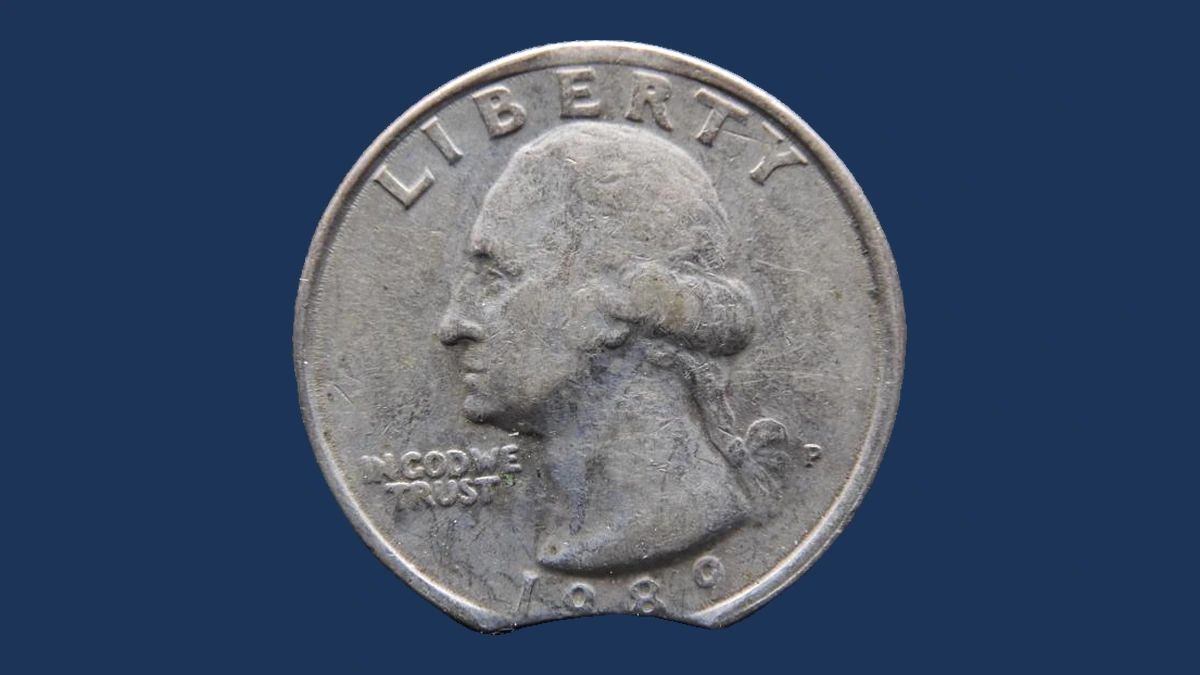
A curved bite can form when a blank cutter overlaps a hole already punched in the metal strip. The missing area is present before the quarter receives its design.
The year reports describe single curved clips without one established mint. A specific Denver example has two gaps: about five percent at two-thirty and three percent at eight o’clock.
Those percentages belong to that coin. Other missing-edge shapes should not inherit its measurements or positions.
Look at how the rim formed beside each opening. Cutting or grinding a finished quarter can remove metal without reproducing an original incomplete-blank strike.
Estimated Value
For authentic 1989 clips, estimate $15–$600. Small single gaps generally belong below large or clearly displayed combinations.
The two Denver gaps form one double-clipped coin. Their values should not be priced separately and then added together.
A readable date, clean notch surfaces, and undamaged surrounding design help a buyer understand the error. The highest estimate needs a convincing specimen, while tiny clips on worn quarters can remain inexpensive.
These are comparison estimates, not a recorded sale of the Denver example.
How to Identify
Locate both Denver gaps on the same full-face view before zooming in. Compare the larger two-thirty opening with the smaller one near eight o’clock.
Inspect the junctions where each gap meets the raised rim. Original metal flow should be considered alongside any weak rim area opposite the opening.
Now inspect the missing edge for fresh saw lines, burrs, or filing. Later cutting can reproduce the general curve but changes an already finished surface.
A single-clip candidate should be matched with its own outline, not forced into the Denver arrangement. Follow the rim into the notch on both faces to distinguish missing blank metal from later damage.
8. 1989 Washington Quarter Reported Partial-Collar Strike
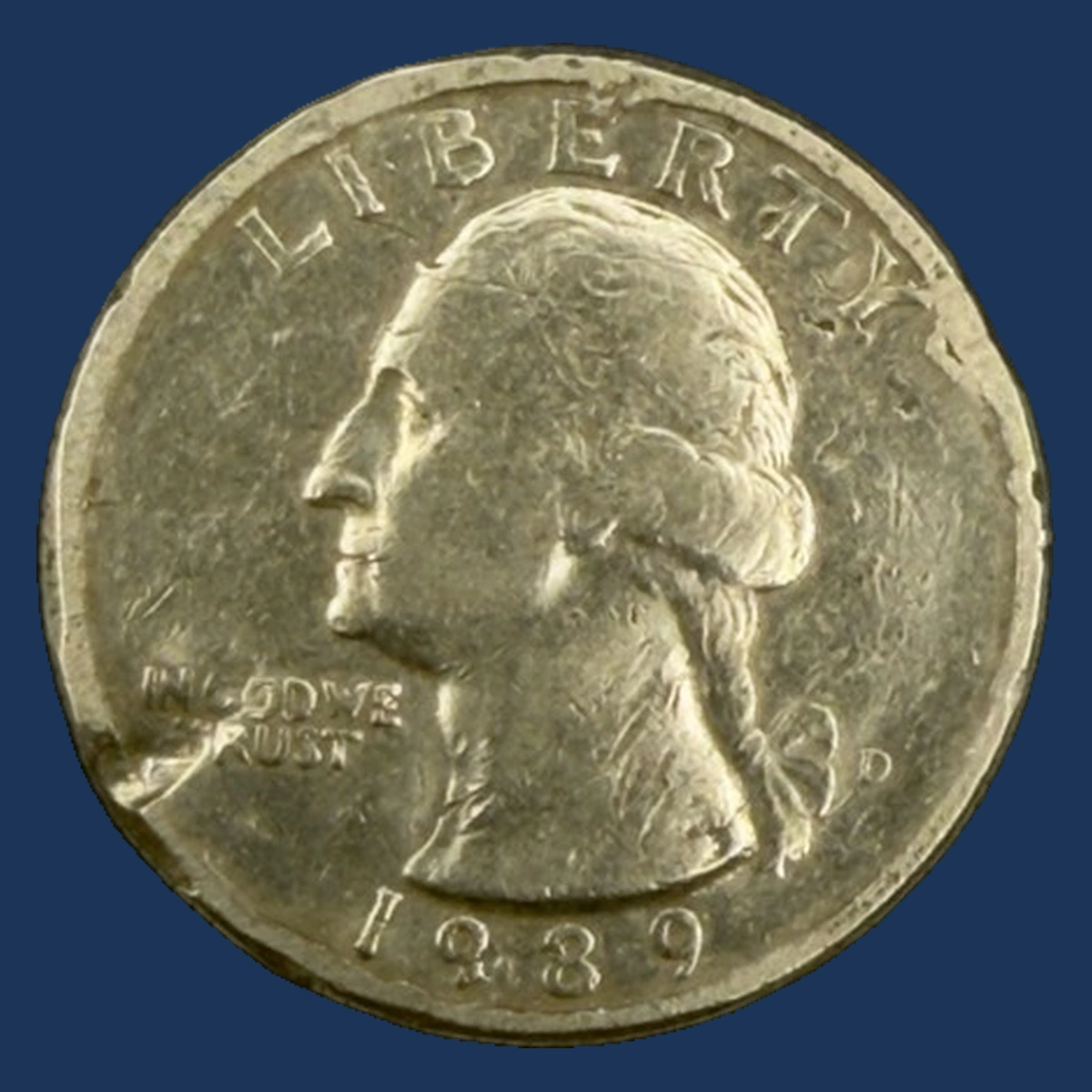
The edge can show a step where one band spread farther outward than another. A partially engaged collar, the ring surrounding the blank, can create this uneven side profile.
The Denver candidate has been described as a partial-collar strike by a seller. That description needs to be checked against the actual edge.
Some accounts also call it a broadstrike. The important question is whether part of the metal remained confined while the rest escaped the ring.
A dented or rolled edge can look stepped too. The side view matters more than the name attached to the listing.
Estimated Value
An authenticated Denver partial-collar quarter has a working estimated range of $50–$600. The reported candidate should meet the physical edge test before receiving that comparison.
A clear transition between confined and expanded metal makes the error easier to display. An uneven rim with no supporting groove pattern is less persuasive.
The range is not a recorded sale for this specimen. Its price would depend on how distinctly the step survives, alongside the coin’s general preservation and any later edge damage.
How to Identify
Turn the coin slowly while viewing its edge at eye level. Look for two bands at different widths rather than judging the outline from a front photograph.
Compare the narrow band’s grooves with an ordinary quarter. Partial collar contact can leave a boundary where normal grooves give way to expanded metal.
Use a magnifier and move the light to check that the apparent step remains visible. Reflections can suggest a ledge that is not actually there.
Flattened grooves, folded metal, and impact marks point toward later edge damage. Check the neighboring faces for the same disturbance.
Photograph several sections of the edge with both complete faces. The step should follow an original band of collar contact, rather than a locally crushed rim.
9. 1989 Washington Quarter Broadstrikes with Expanded Edges
A quarter can spread outward while retaining its intended design because the collar did not fully contain the metal. This is called a broadstrike.
A Philadelphia example was cataloged as ANACS MS64, an unworn grade with marks. A separate Denver coin has an uncentered picture inside its expanded outline.
The Denver example has a strong back rim and four short strike lines between about two-forty-five and four o’clock. These formed during one downward stroke, not four complete strikes.
Marks on both faces helped identify which stamping tool moved in the press. That machine arrangement is not itself a rotated-design error.
Estimated Value
Estimate $50–$1,000 for authentic ordinary broadstrikes and particularly clear uncentered examples. The amount of expansion and how well the design survives guide the comparison.
The Denver coin’s extra strike lines provide interest beyond its overall shape. They do not turn it into four separate errors or justify pricing four strikes independently.
This is an estimated range rather than a sale result for that studied example. Heavy rim damage or flattened lettering can make a wide coin a poor comparison.
How to Identify
The Denver coin’s four short lines belong on the right side of the back, between about two-forty-five and four o’clock. Compare them with its strong back rim before examining the front’s outer blank margin.
The American Numismatic Association explanation identifies a collar-contact trace at that front margin and explains the single downward stroke. Those marks help reconstruct how the tools met the coin, not four separate strikes.
For the separate Philadelphia example, follow the outside lettering on both faces to establish that the full design remains. Inspect the expanded edge under a magnifier for crushed detail, which can reveal later hammering rather than spreading during the original strike.
10. 1989 Washington Quarter Missing Outer Metal Layers
A copper-colored patch can appear where the pale outer metal is missing from a clad quarter. The normal coin has two outer layers bonded to a copper center.
The 1989 reports include complete layer loss without an established face-and-mint combination. A separate Denver report describes partial loss rather than a whole missing face.
With partial loss, some pale metal remains. Complete loss exposes a whole face, which creates a different-looking surface.
A 1989-S Proof also normally uses clad metal, not silver. Brown color by itself still cannot distinguish a missing layer from staining or later damage.
Estimated Value
For authenticated partial or complete layer loss, allow an estimated $50–$1,000. The area affected, surviving design, and original surface determine the strongest comparison.
For context, a different-year 1993-D missing-layer quarter graded ANACS MS62 Red sold for $156 in November 2020. That is not evidence of a specific 1989 mint-and-face combination.
The smaller the exposed patch, the more carefully its boundary needs examination. A normal clad coin with chemical discoloration does not receive a missing-layer premium.
How to Identify
Copper showing along a normal quarter’s edge is expected. For a missing-layer candidate, examine the affected face as well as the edge beside it.
The Denver partial-loss report needs a visible boundary between copper and surviving pale metal. Use low light and a magnifier to follow that boundary through the struck design, looking for an actual layer ending there.
Chemical pits or scraping across finished detail suggest another cause. If the coin is loose, a scale can check whether it weighs less than the normal 5.67 grams, though damage also removes metal.
Photograph the layer boundary without cleaning it. Compare how the original design formed across the exposed and covered areas.
11. 1989 Washington Quarter Partial Mirror Impression with a Broadstrike
An eagle’s head, neck, and wing outlines can appear where Washington’s front-side design belongs. On the recorded Philadelphia coin, those extra shapes are backward and sunk into the surface.
The coin also spread outward beyond its normal outline. ANACS graded the combined error MS63.
A previously struck coin acted as an unintended stamping surface, transferring the reversed picture. This kind of impression is called a brockage.
The affected area covers about thirty percent of the front near one o’clock. The other coin that made the impression was not included with the documented example.
Estimated Value
The documented brockage and broadstrike sold for $69 on September 11, 2004. It is an older result for the complete combined error.
An estimated $50–$1,500 spans comparable authentic partial impressions, with clarity and preservation affecting collector interest. A strong recognizable eagle image makes the cause easier to understand.
The two features belong to one coin. An expanded edge and a mirrored impression should not be priced as separate objects or compared with an ordinary scratched quarter.
How to Identify
Find the extra eagle outline near one o’clock on the front. Check that its head, neck, and wing shapes are recessed and reversed rather than normal raised artwork.
Keep Washington and the surrounding rim in the photograph so the transferred image’s location remains clear. A close-up alone can hide which face carries the mark.
Compare the wider outline separately to establish the broadstrike. The recorded example combines both features.
Coins squeezed together after minting can also leave backward impressions. Have the surface examined for pressure damage and disturbed original detail, using the complete documented example rather than treating any reversed shape as proof of a brockage.
12. 1989 Washington Quarter Repeated Strikes and a Flip-over Candidate
A second strike can leave another set of letters or portrait details after a coin moves. The repeated design is larger in scale than the extra edges of a doubled tool.
Year reports list double strikes without fixing the mint of an example. A separate Philadelphia seller claim describes a coin that turned over between blows.
That candidate reportedly shows eagle-wing and inscription traces on Washington’s side, with motto remnants on the back. The proposed sequence still needs authentication.
A clash between empty tools or later squeezing between coins can imitate some cross-face marks. Their surface shapes must be distinguished.
Estimated Value
Use $150–$1,500 for confirmed ordinary double strikes and a conditional $500–$3,000 for a convincing flip-over example. The overall estimated span is $150–$3,000.
The Philadelphia seller’s proposed angle does not establish a verified striking sequence or a sale price. Readable overlapping designs must support that identification.
An intact date and understandable relationship between impressions strengthen the display. Vague cross-face traces should be assessed before comparing them with authenticated multiple-strike coins.
How to Identify
For an ordinary double strike, follow a repeated large letter into nearby repeated design. The remnants should explain one consistent second impression.
On the Philadelphia flip-over candidate, compare the claimed wing near the neck and chest with the inscription traces between Y and 9 and between L and 1.
Then inspect the back’s alleged motto remnants. Opposite-face marks must fit the same turning sequence, rather than being selected independently because they resemble familiar letters.
Check whether the extra shapes are raised or recessed, and look for later pressure damage. A specialist should separate possible clashing, squeezing, and actual additional strikes before confirming this complex candidate.
13. 1989 Washington Quarter Design Struck on a Smaller Blank
Washington’s portrait can be crowded onto a copper-colored disc much smaller than a normal quarter. A cent blank entered the quarter press instead of the intended metal.
The documented 1989-P example weighs 2.5 grams and was graded NGC MS63 Red. Its date and P fit on the metal, while all of LIBERTY lies beyond the edge.
The blank is copper-coated zinc, not solid copper. The finished picture still comes from quarter tools.
A separate dime-blank report has no established mint or certified specimen here. It needs a different size-and-metal comparison from the cent error.
Estimated Value
The cent-blank quarter sold for $2,280 on January 5, 2018. Its readable year and mintmark help preserve a clear identity despite the missing outer word.
Estimate $800–$4,000 for comparable genuine cent-blank errors and a conditional $300–$2,000 for an authenticated dime-blank example. The group spans $300–$4,000.
A plated or trimmed quarter is a different object. The estimate requires identification of the actual blank and its original struck design.
How to Identify
Washington’s recognizable quarter portrait must fit the small blank, with its outer design cut away. On the documented cent error, all of LIBERTY is missing while the year and P remain.
For a loose coin, use a scale and inspect the edge under a magnifier. The recorded cent example weighs 2.5 grams; a normal quarter is 5.67 grams.
The copper color belongs to a thin coating over zinc. Scratching it to expose the center would damage the coin.
A dime blank normally weighs 2.27 grams and has clad layers. That standard is a separate comparison, not a measured weight for the reported 1989 candidate.
Look for filing around the edge or an added coating before requesting professional metal testing.
14. 1989 Washington Quarter Off-Center Strikes
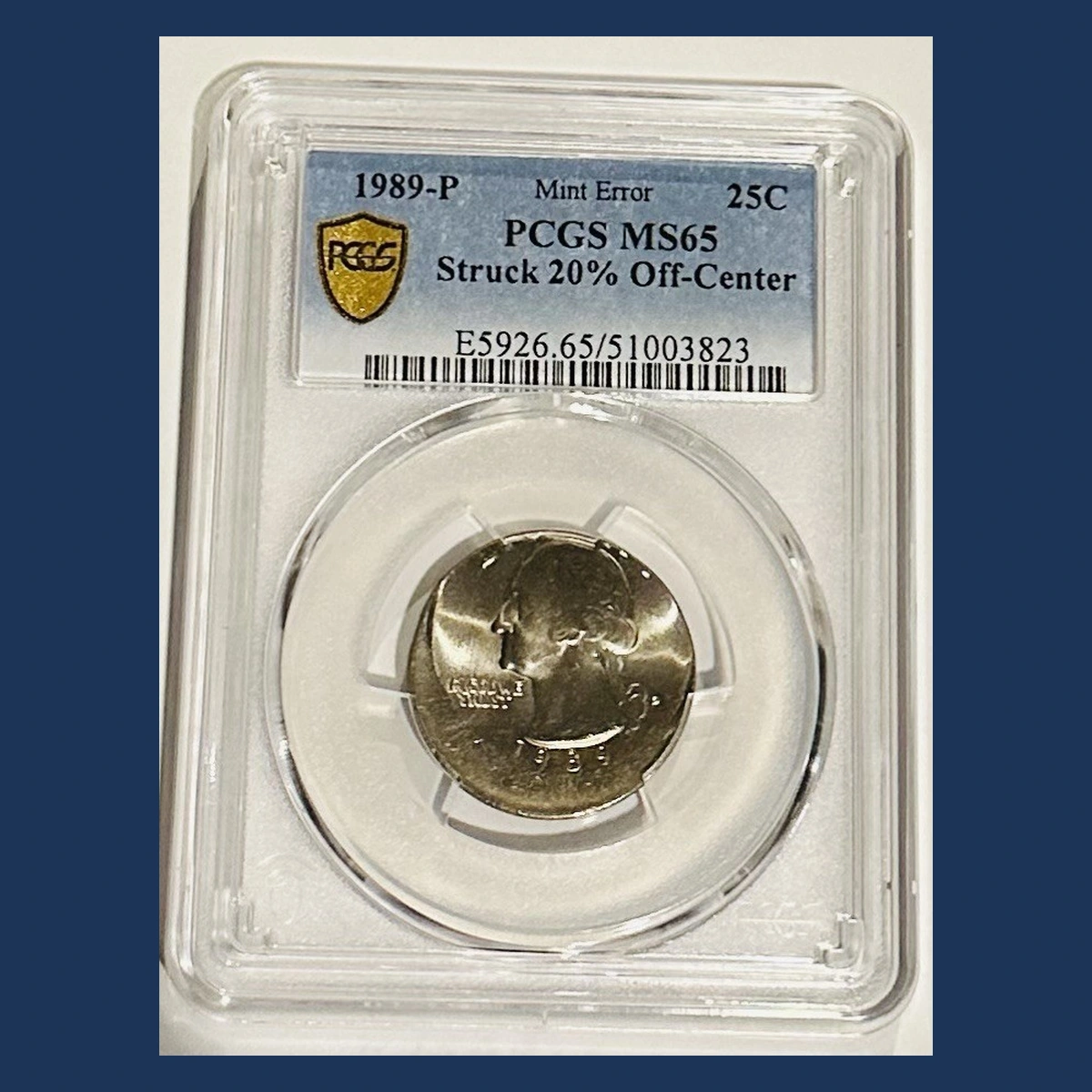
A large unstruck crescent can sit beside a quarter picture that runs off the opposite edge. The entire metal blank was misplaced between the tools.
Philadelphia examples include shifts of ten, fifteen, twenty, thirty-five, and fifty-five percent. Those are different specimens, not stages of one coin.
Denver also has a year-specific report without a fixed amount of movement. A reported San Francisco example would be a Proof and needs its own authentication.
All 1989 Proof quarters normally use clad metal. Verify the original collector finish and S together; a shiny Philadelphia coin is a different comparison.
Estimated Value
Ordinary off-center examples have an estimated range of $25–$1,500. For an authenticated San Francisco Proof error, use a conditional $500–$5,000 range.
The combined span is $25–$5,000, with mint, finish, displacement, and preservation determining the comparison. The Proof range does not imply a verified sale or specimen.
A clear date and an attractive balance between struck and blank metal help the display. The largest percentage does not automatically command the highest price.
How to Identify
Locate the design cut off by the edge before estimating the blank crescent’s size. Turn the coin over and check whether both faces fit the same displaced disc.
A wide margin surrounding complete design can be a broadstrike instead. One shifted picture with the other centered points toward a misaligned tool.
Keep the individual Philadelphia examples separate when comparing percentages. The Denver report does not inherit their directions or amounts of movement.
For a claimed San Francisco Proof, verify the original collector finish and surviving S independently. The decisive check combines incomplete design, an original unstruck area, and enough identity to match the actual coin.
Conclusion
A missing P, a filled P, and a repeated P describe three different things. The same care applies to a shifted picture, a wider outline, and a second strike.
The estimated ranges here span $2–$5,000. Keep the mint, finish, and actual design feature together when comparing prices, and leave original surfaces untouched so a specialist can examine the marks that explain how the coin formed.