2007 Quarter Error List with Pictures

Monticello should not cross Montana’s bison skull, and Lincoln’s design does not belong on a quarter. Those mixed images explain some of the strongest 2007 quarter errors.
A specialist sale history records $13,750 in August 2012 for a Montana quarter struck over a cent. Smaller defects need much smaller budgets.
Estimated values below range from $2 to $20,000, covering five state designs and several collector finishes. Follow the visible clues to find the right comparison for your coin.
1. 2007 State Quarter Clashed Designs
The Utah railroad scene can show faint lines that seem unrelated to its normal design. A Utah guide reports traces from Washington’s side near the central tracks.
Such marks can come from a die clash. The dies, or steel stamping tools, strike each other with no blank between them.
Their damaged surfaces can then leave parts of the opposite design on later coins. A short unfamiliar line is only a starting clue.
The reported Utah example does not establish a particular ghost portrait or an exact mint letter.
Estimated Value
For a recognizable Utah clash, an estimated $10 to $100 reflects the size and visibility of the transferred shape. A faint fragment belongs near the lower end.
A clear relationship to the opposite face is more appealing than a lone raised line. Surface marks can make that relationship harder to see.
The estimate applies to an actual clash, rather than a scratch through the tracks or an ordinary ridge in the railway scene.
How to Identify
Study a normal Utah back before looking for something extra. The rails already contain narrow lines that can resemble fragments of another design.
Enlarge photographs of both faces and compare the unusual marks with the opposite design. Look for several connected clues rather than naming a portrait from one curved line.
Light the coin from different directions. A genuine feature remains in the same place even when its shadows change.
Scratches usually cut into the surface, while a crack in a stamping tool can leave a raised line without copying another design. Follow the unusual track-area shape far enough to decide whether it resembles transferred design or simply an isolated break.
2. 2007 State Quarter Missing Designer Initials
The small DE initials normally belong on the Idaho bird design. A Denver example appeared in a Mint Error News auction catalog without those initials.
The catalog paired it with a normal coin, making the missing feature easier to recognize. It did not establish why the letters disappeared.
A blocked tool, altered tool surface, wear, or later damage can all remove small details in different ways. The missing letters are the reported feature here.
Their absence does not justify choosing one cause before examining the surrounding metal.
Estimated Value
An estimated $10 to $150 suits a clear missing-initials example with an otherwise well-preserved bird. A worn coin with many other details missing belongs outside the stronger end of that range.
Collectors need to see that the letters are absent rather than hidden by glare. A sharp normal comparison adds useful context.
The price concerns the complete quarter, and the small initials do not create a valuable new design by themselves.
How to Identify
Locate DE on a normal Denver Idaho quarter first. A close-up should include enough of the bird to make the letters’ expected position clear.
Photograph the same area on the candidate under a 10× magnifier. Try side lighting, since tiny letters can disappear in a bright reflection.
Next inspect the bird’s nearby raised details. If those are also worn flat, ordinary circulation may explain the missing initials.
Check for a smoothed patch, scratches, or pushed metal around the expected letters. Those signs can reveal later alteration.
Keep the normal and suspected examples side by side in photographs. Missing letters beside intact neighboring detail offer a much better starting point than an isolated blurry patch.
3. 2007 State Quarter Weak Strikes
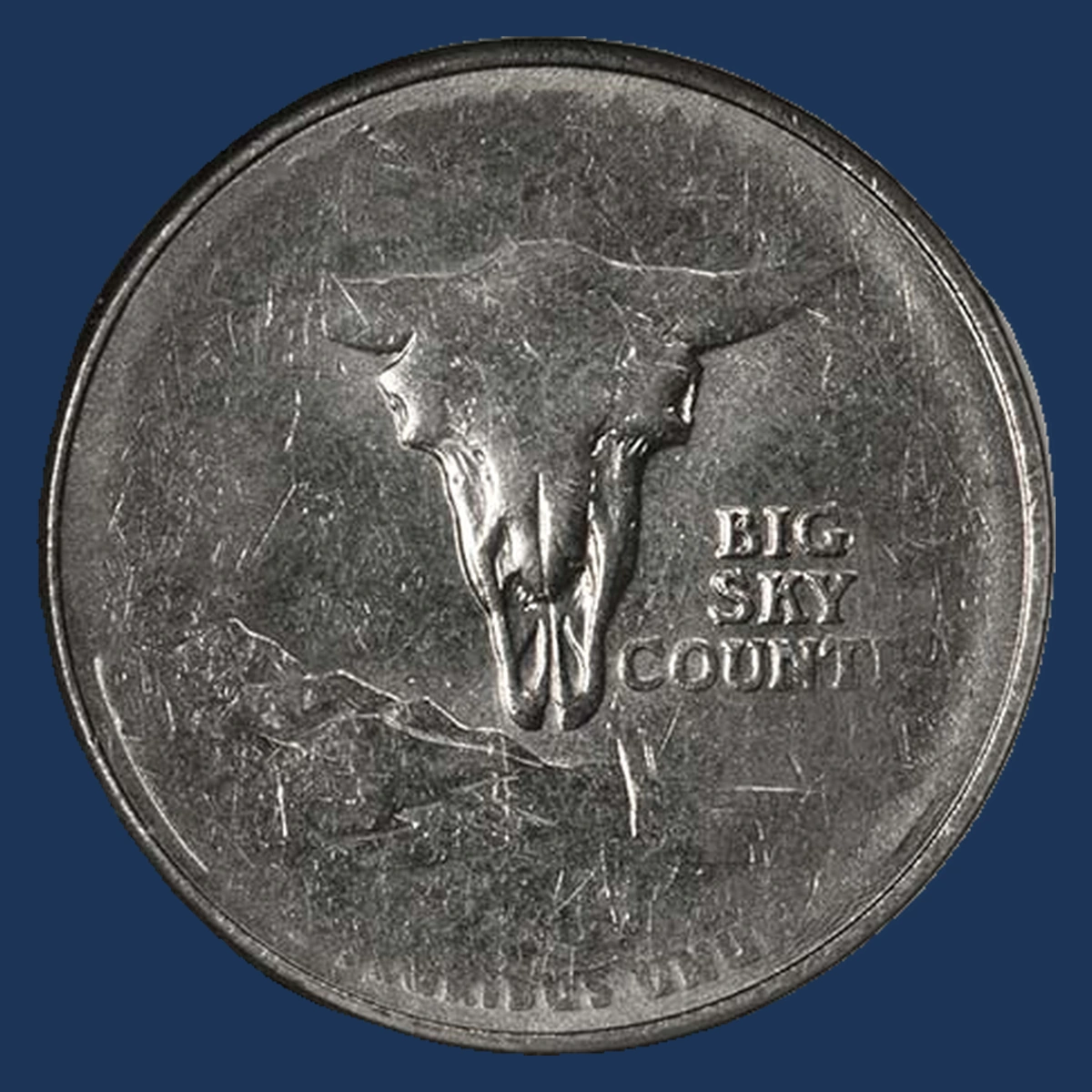
An almost flat design can survive on an unworn quarter when the strike transfers very little detail. Weakly formed edge grooves may accompany the faint images.
Montana and Denver Utah examples are cataloged as die-adjustment strikes. That name describes their appearance without proving they were deliberately made as tests.
Wyoming also has a published weak-strike report. It needs the same distinction between shallow original detail and design worn away later.
These examples differ from a small grease-blocked patch because much more of the coin can look weak.
Estimated Value
Allow an estimated $50 to $300 for clearly identified weak strikes of this year. A historical dealer list asked $135 for a Denver Utah example with weak edge grooves.
That figure was an asking price. It provides a useful scale for an unusual but still recognizable quarter.
Readability and untouched surfaces matter: extreme weakness can be interesting, but a nearly blank damaged disk may not retain enough evidence to identify its origin.
How to Identify
Begin with the highest points of Washington’s portrait. Wear tends to flatten exposed features first, while an originally weak strike can leave shallow detail across broad areas.
Turn the quarter over and judge how much of the state design formed. A single weak word beside a sharply struck scene points toward a more local problem.
For the Denver Utah example, inspect the edge as well as the faces. Its cataloged weak grooves are part of the comparison.
Look for original surface texture in the protected spaces. Heavy polishing or chemical erosion can erase both design and texture.
Use the surviving 2007 date and state details to identify the coin before treating extreme weakness as an error.
4. 2007 State Quarter Cracks, Chips, Cuds, and Extra Raised Metal
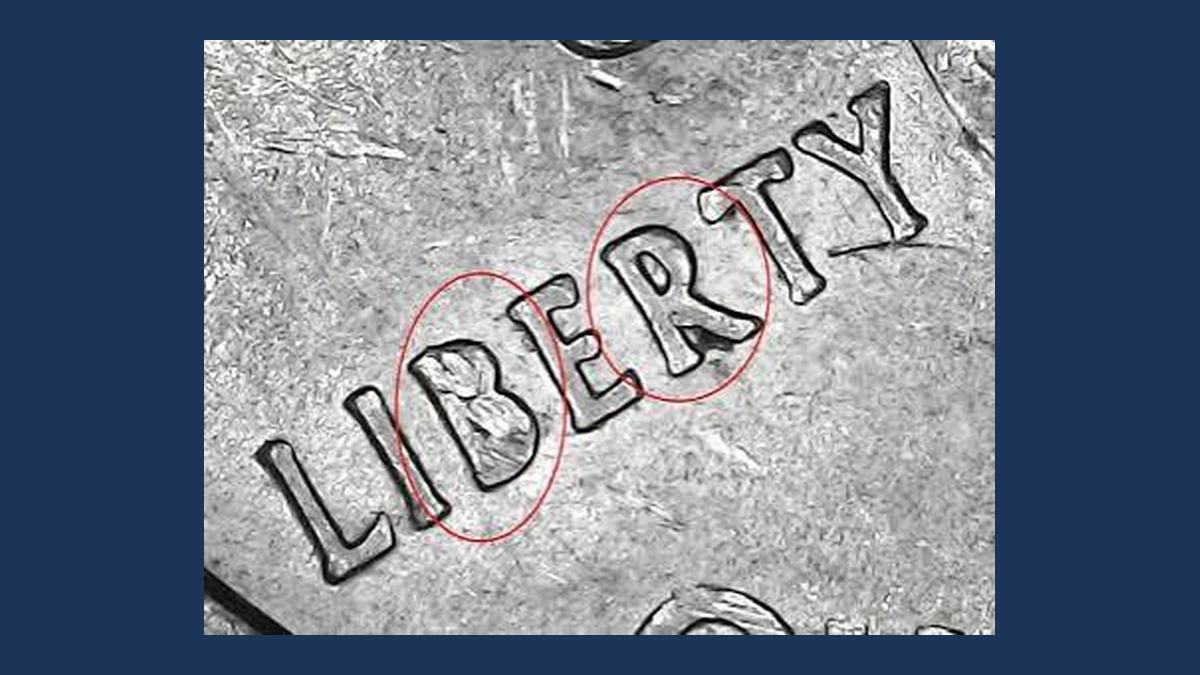
Wyoming’s “Pooping Horse” nickname describes a raised lump behind the horse. It is a small chip-related feature, not a second horse design.
Other reports include chips on both faces of a Denver Utah quarter and raised cracks in Washington’s fish or mountain scene. A larger patch joined to the rim is called a cud.
Denver Wyoming has a reported cud extending inward toward the rider. Washington cuds are also reported.
An extra leg-like Wyoming bump needs separate examination; its exact tool-damage cause has not been established.
Estimated Value
Small chips and narrow cracks have an estimated range of $2 to $50. A large, clearly rim-connected cud can bring an estimated $50 to $300.
A recognizable horse-area nickname may attract extra interest, but size and surface quality still matter. Two small Utah chips do not automatically make a high-value coin.
For an extra leg-like bump, price the actual raised feature after identification rather than assuming it is the known doubled saddle.
How to Identify
Sort the extra metal by shape before using a nickname. A narrow ridge suggests a crack, while a small raised island suggests a chip in the stamping tool.
A cud reaches the rim and replaces part of the design. Trace that connection all the way to the edge on a suspected Washington or Denver Wyoming example.
For the horse nickname, compare the bump behind the animal with a normal Wyoming quarter. Keep any leg-like feature separate from the doubled saddle horn discussed below.
Utah chips need photographs of each affected face. Change the lighting around each lump and check for scratches or a surrounding dent that could explain displaced metal after minting.
5. 2007 State Quarter Doubled Designs
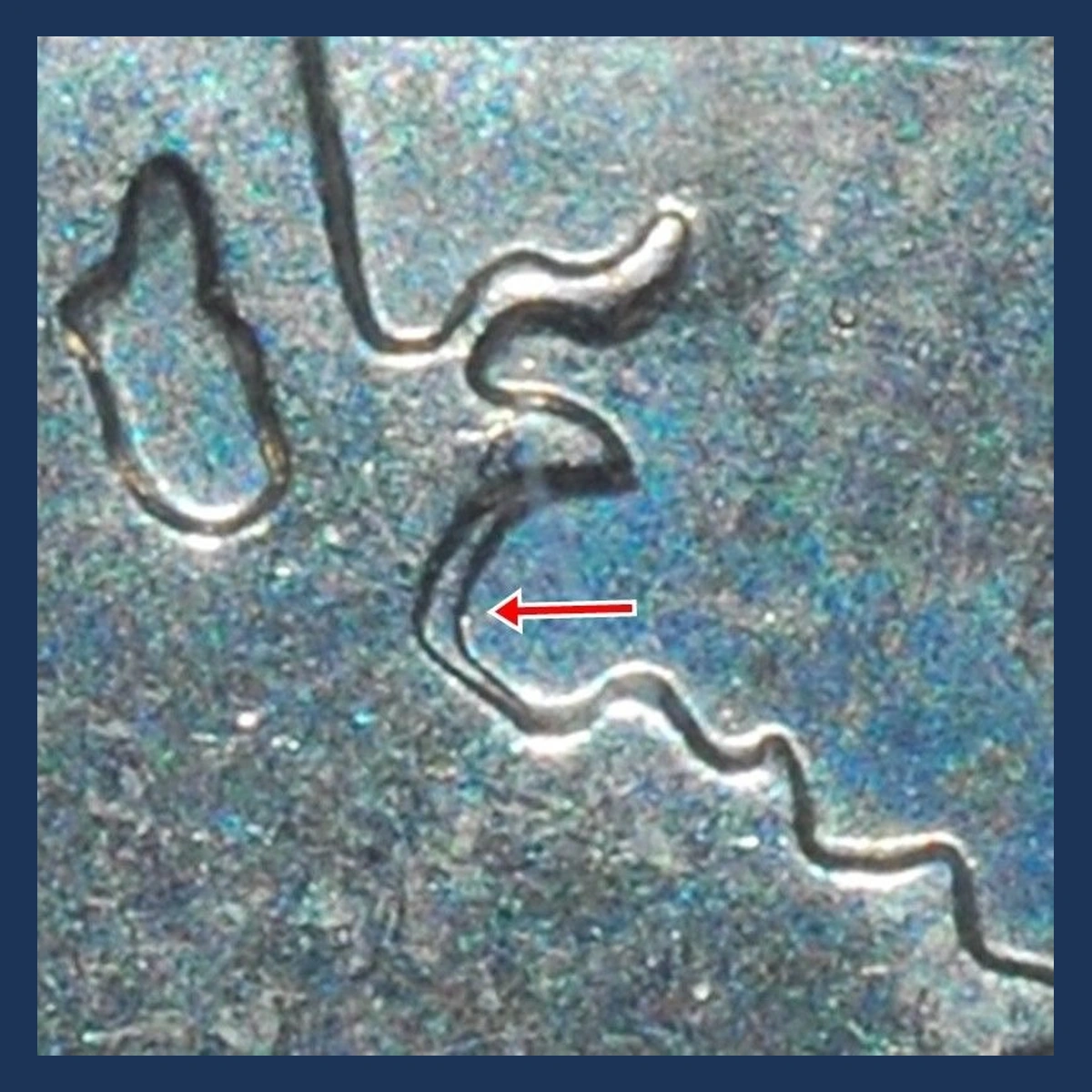
A repeated saddle horn is the best-known starting point on Philadelphia Wyoming quarters. Its extra outline was already in the stamping tool, an effect called a doubled die.
Philadelphia Idaho reports involve Washington’s lower ear and the upper-left state outline. Philadelphia Utah reports include front doubling and the golden spike on the back.
Montana has front and back reports as well. Each needs its own feature match.
A San Francisco Washington Proof report also exists, but its back-side diagnosis cannot be based on the front mint letter.
Estimated Value
Ordinary doubled-die examples fit an estimated $5 to $250 range, depending on the strength and recognition of the feature. Small rounded repetitions usually bring less than bold, easily matched details.
For an identified Washington Proof doubled die, use an estimated $40 to $500. Proofs are specially prepared collector coins, so their finish and condition also affect value.
A flat shelf beside the S is not enough to support that Proof range.
How to Identify
Choose the correct state before enlarging the coin. On Wyoming, trace the normal saddle horn and any second rounded outline beside it.
For Idaho, compare Washington’s lower ear on the front, then the upper-left state outline on the back. Do not expect both features merely because the coin comes from Philadelphia.
Utah’s spike and Montana’s skull or lettering require different back photographs. Their front reports cannot be confirmed by a back-side feature.
A doubled die can leave rounded extra relief or split corners; strike movement often leaves flatter shelves. The S mint letter sits on Washington’s side, so doubling there cannot establish a doubled design on the state side of a Proof.
6. 2007 State Quarter Broadstrikes
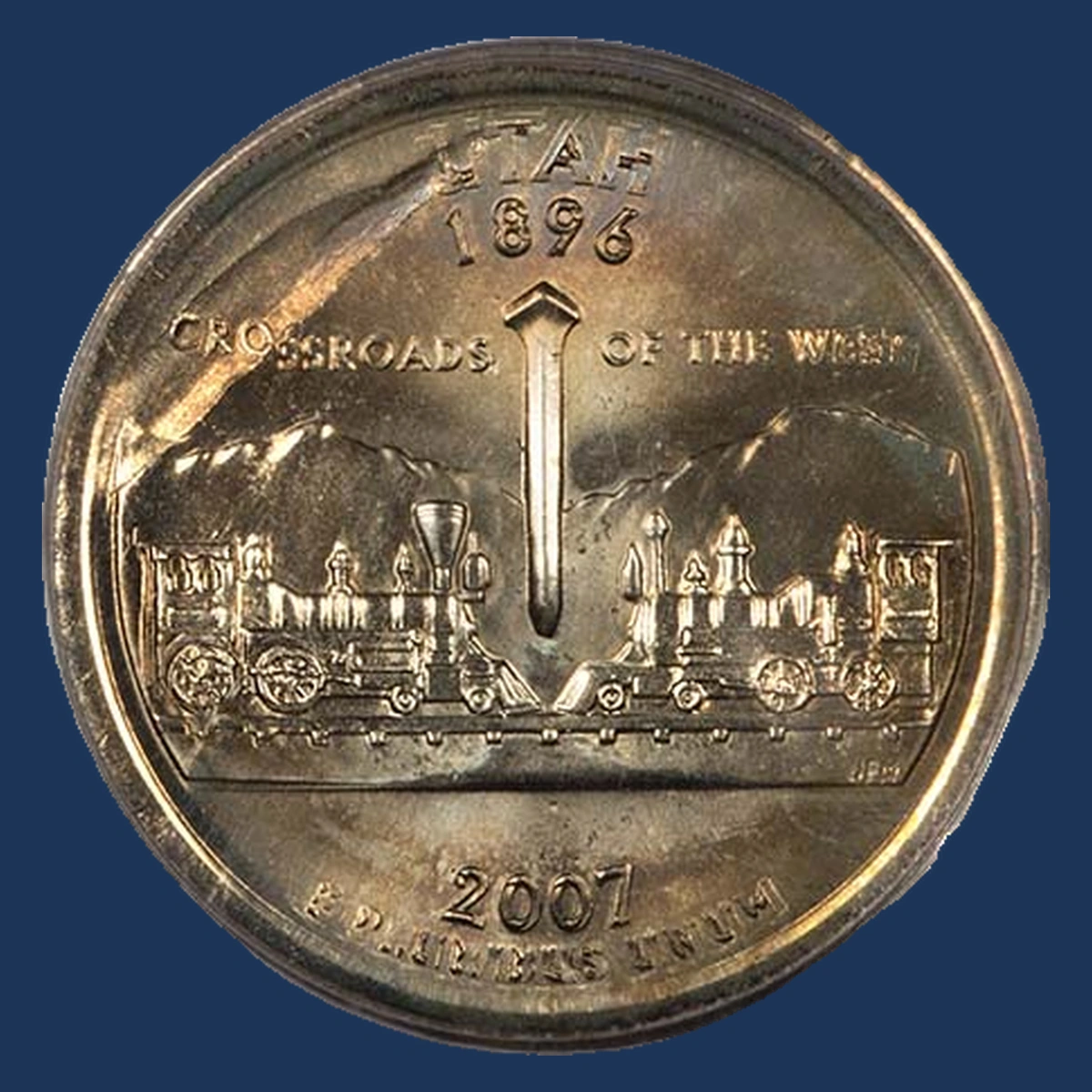
A Philadelphia Montana broadstrike report describes a coin that spread beyond its usual size. The surrounding collar normally limits that spread while forming the edge grooves.
When the coin is struck outside the collar, its metal can flow outward freely. A complete main design can sit inside an unusually wide border.
Denver Wyoming and Utah also have expanded coins that received repeated strikes. Those combined errors appear in the multiple-strike section.
For a simple broadstrike, the important relationship is an expanded blank surrounding a largely complete design.
Estimated Value
An estimated $30 to $500 covers a simple Montana broadstrike, from modest spread to an obvious enlarged border. A clean, centered-looking design within the larger outline offers a strong display.
Scraped rims or crushed lettering can reduce the value sharply. Such damage can also imitate expansion after minting.
The repeated-strike Wyoming and Utah coins need their own whole-coin comparisons, rather than adding this broadstrike estimate to a separate multiple-strike price.
How to Identify
Compare the diameter of a loose quarter with the normal 24.26 millimeters. Take measurements in more than one direction because expansion may not be perfectly round.
Now check whether the main portrait and state design still fit on the metal. Missing design opposite an unstruck crescent suggests a different strike problem.
Examine the edge for how the collar did or did not contain the metal. Its grooves and outer shape should make sense together.
A flattened quarter can become wider after minting, but usually shows compressed details or other damage. Trace the bison skull and lettering across the surface before judging the wide border alone.
7. 2007 State Quarter Bubbling or Peeling Metal
A raised bubble or loose surface patch on a Philadelphia Idaho quarter can involve separation within its metal. An MS64 example is reported, meaning an unworn coin with some visible marks.
The report does not establish which face was affected or when the separation developed. Ordinary quarters contain outer layers bonded to a copper center.
A flaw within one layer differs from a failed bond between layers. Heating after minting can also cause bubbles.
The actual lifted boundary is more useful than a smooth-looking edge alone.
Estimated Value
A confirmed original metal flaw has an estimated range of $25 to $600. Small peels with little visual impact belong near the lower end.
A large attached patch carrying readable design can be much more interesting. Its condition matters, especially if someone has lifted, bent, or cleaned the loose metal.
Use this range only after separating a mint-made metal problem from heat damage; a bubble’s size alone cannot establish its value.
How to Identify
Do not push down a bubble or lift a loose edge. Its original shape may help show whether the defect formed before, during, or after striking.
Photograph the raised area with light nearly level with the surface. Look for design running across it and for any exposed boundary underneath.
If the coin is loose, record its weight; a normal clad quarter is about 5.67 grams. An attached flap can leave the weight nearly unchanged.
Compare the surrounding color and texture with the opposite face. Widespread heat effects or corrosion call for a different explanation.
Have a specialist examine the intact boundary when the photographs cannot show whether the split lies inside a layer or between bonded layers.
8. 2007 State Quarter Off-Center Strike
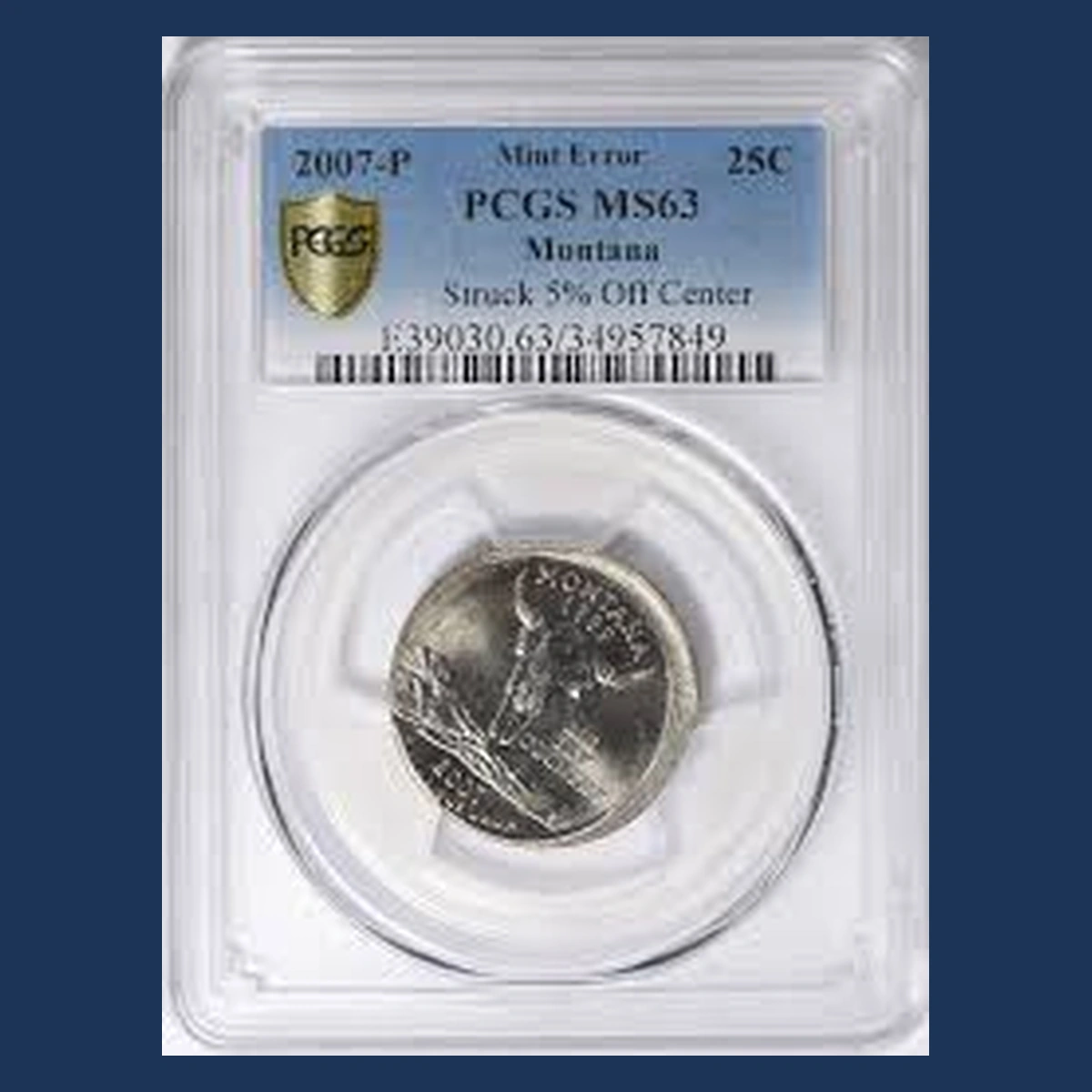
A cataloged Philadelphia Montana quarter has a five-percent off-center strike. The blank sat slightly out of position when both designs were impressed.
One part of the metal therefore remained outside the full design, while detail crowded the opposite edge. The example has an MS62 grade, an unworn condition with noticeable marks.
This is a single displaced strike. It differs from the Montana coin that received many overlapping blows.
A small off-center error can be subtle, so both faces must show a matching relationship to the blank.
Estimated Value
A small, genuine Montana shift can fit an estimated $30 to $150 range. Larger off-center examples with a readable date may reach an estimated $150 to $750.
The documented five-percent coin belongs with modest displacements, rather than being priced like a half-missing design. Original surfaces and a clear mint letter help collectors compare examples.
A one-face rim imbalance needs a different identification before any off-center premium is applied.
How to Identify
Keep both entire faces in the photographs. A close crop of a wide rim can hide whether any design actually misses the blank.
Find the unstruck area and look opposite it for detail crowded or cut off at the edge. The other face should show a matching shift.
At only five percent, the displacement may be slight. Compare the circular design boundary with the physical outline rather than expecting a huge empty crescent.
Read 2007 near the bottom of the state side. Montana’s 1889 is its admission year, not the coin’s minting date.
If the back remains centered while only the front shifts, investigate a misplaced stamping tool instead.
9. 2007 State Quarter Partial Collar
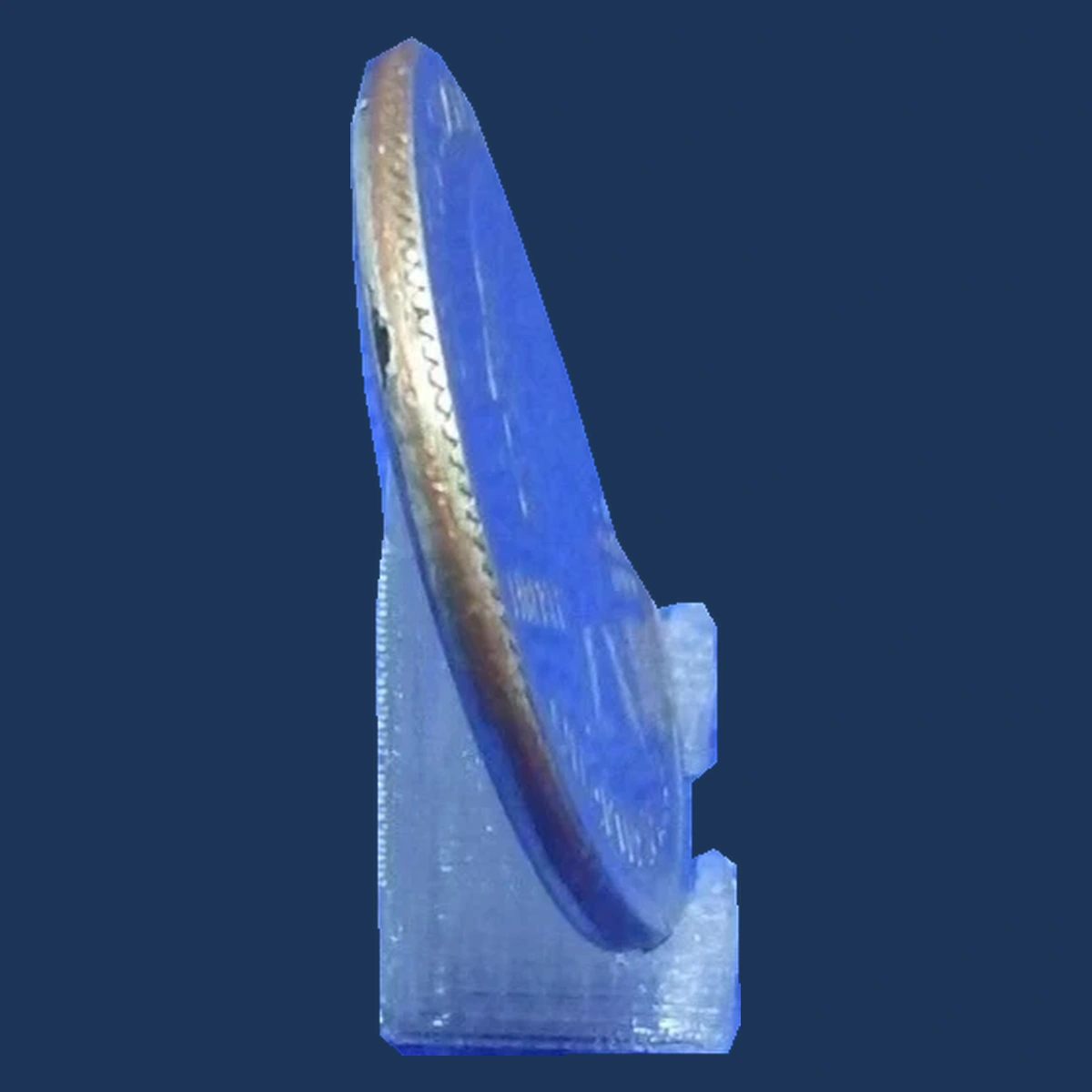
The edge can show two different levels when only part of a quarter sits within the collar. One band receives the normal grooves while another part spreads outside the restraining ring.
A Philadelphia Montana example is reported with a tilted partial-collar strike. Idaho reports describe the stepped appearance often nicknamed a railroad rim.
That nickname concerns the edge, not Utah’s railway design. A side view is therefore more useful than a photograph of the state scene.
The step should reflect metal flow during striking rather than a groove cut afterward.
Estimated Value
For a clear partial-collar error, use an estimated $40 to $800 range. A slight edge step with little visual impact belongs toward the lower end.
A tilted example with a strong change around the edge can be more appealing. Clean faces and a readable year help keep the unusual edge tied to an identifiable coin.
Judge the full edge before using an upper-range price; a single damaged patch is a weaker comparison.
How to Identify
Set a loose coin on a stable surface and photograph the edge from several directions. Do not grip the edge hard enough to mark it.
Look for a grooved band beside a smoother, expanded band. On a tilted example, the height of those bands can change as you follow the circumference.
Inspect the transition between them with a magnifier. An original collar step should fit the coin’s shape, while filing can leave cuts or an unnaturally flat strip.
Compare both faces for damage that might have bent the edge later. Keep the state and 2007 date in a separate full view so the side photograph stays tied to the right quarter.
10. 2007 State Quarter Misaligned Silver Proof
One stamping tool can sit horizontally out of place while its partner remains centered. The resulting quarter can have an uneven border on one face.
A San Francisco Wyoming silver Proof is cataloged with that error. It received an NGC 69 grade, close to the top condition grade.
The coin contains ninety-percent silver and belongs to the specially prepared collector issue. Its silver content does not cause the displacement.
The reported horizontal shift does not establish a tilted tool or a rotation between the two designs.
Estimated Value
An estimated $100 to $1,000 covers a recognizable horizontal misalignment on a well-preserved Wyoming silver Proof. A tiny shift can add little beyond the collector coin’s normal value.
A stronger, clearly one-face displacement gives buyers more to see. Marks in the reflective background or damage to the rim can lower the appeal.
Compare silver Proofs with silver Proofs; an ordinary circulation quarter has a different finish and a different starting value.
How to Identify
Begin with the holder or original set information to establish that the coin is the silver Proof. Its normal weight is 6.25 grams, but a certified example should stay sealed.
Take straight-on photographs of both faces. Reflections from the Proof surface can conceal the true rim width, so change the lighting without tilting the camera.
Compare the space between the design and rim around each face. One should show a lateral displacement while the other remains more centered.
A rotation requires a different test and cannot be inferred from a narrow rim. Likewise, an actual off-center strike would shift both designs relative to the blank rather than only one.
11. 2007 State Quarter High Finned Proof Rim
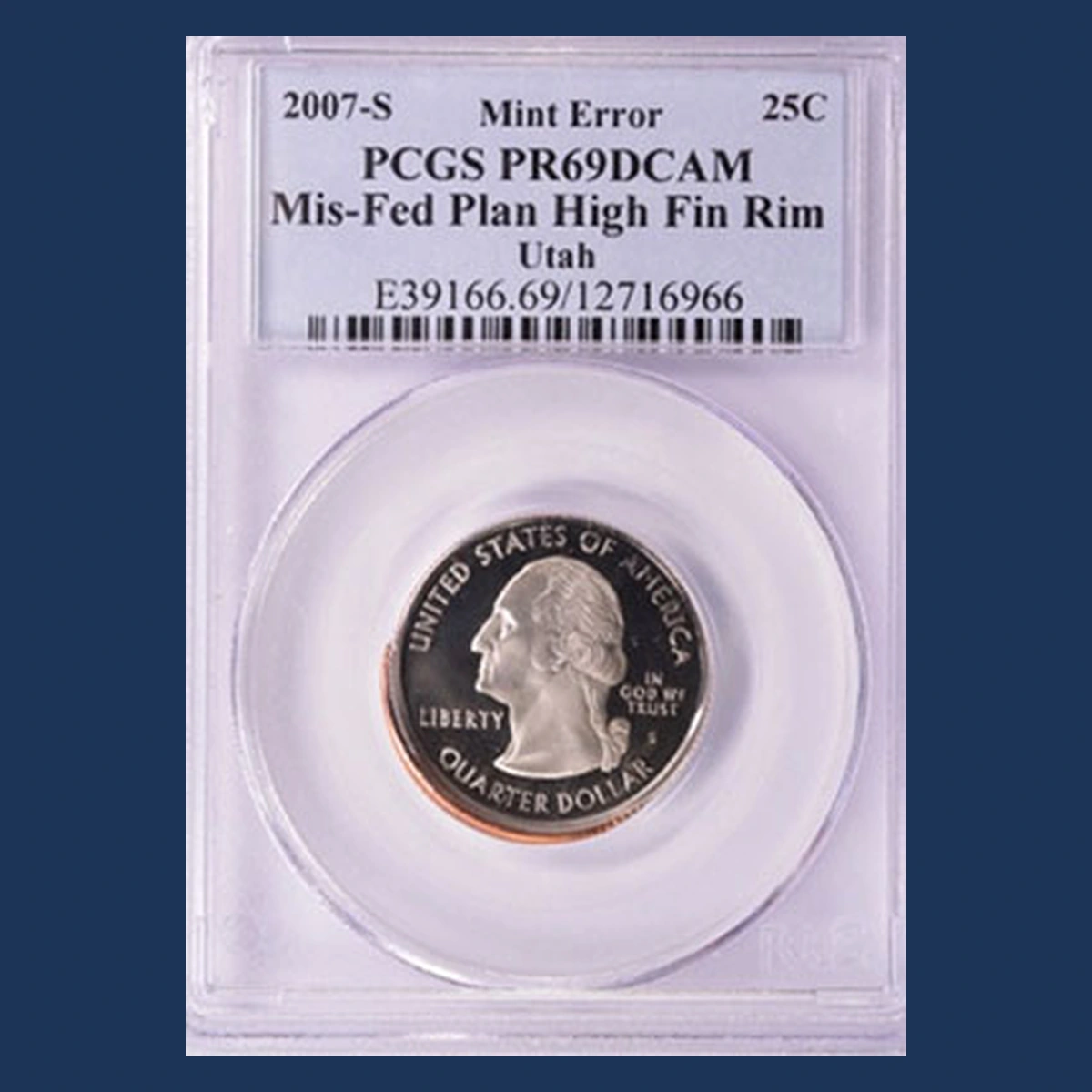
A thin wall of metal rises unusually high along part of a cataloged San Francisco Utah Proof. The feature is called a finned rim because metal extends upward like a narrow fin.
The dealer description places its partly detached section between roughly four and nine o’clock. It also reports a blank-feeding problem as the cause.
The coin received a PCGS 69 grade with strongly contrasting reflective and frosted areas. Its silver or clad composition was not specified.
The tall rim is therefore the useful feature to examine first.
Estimated Value
For a comparable genuine high fin on an attractive Utah Proof, estimate $100 to $1,500. A low rim lip with little separation belongs below a tall, clearly visible wall.
A bent or broken fin can lose appeal even when the original error remains identifiable. The delicate metal makes careful storage especially important.
The estimate values the whole Proof, including its surface quality, rather than assigning a separate price to each raised rim segment.
How to Identify
Keep fingers and measuring tools away from the tall edge. A fin can bend or break under pressure that would leave an ordinary rim unharmed.
Use a side photograph to judge its height. Then compare the same stretch from above, keeping the Utah design upright.
The cataloged section runs approximately from four to nine o’clock and is partly detached. Follow the base of that wall to see how it meets the coin’s surface.
A folded edge caused by an impact may show dents or displaced metal nearby. Look for those signs without trying to straighten anything.
Preserve the full holder description so an unusual rim is not automatically assigned to the silver Proof version.
12. 2007 State Quarter Clipped and Oval Blanks
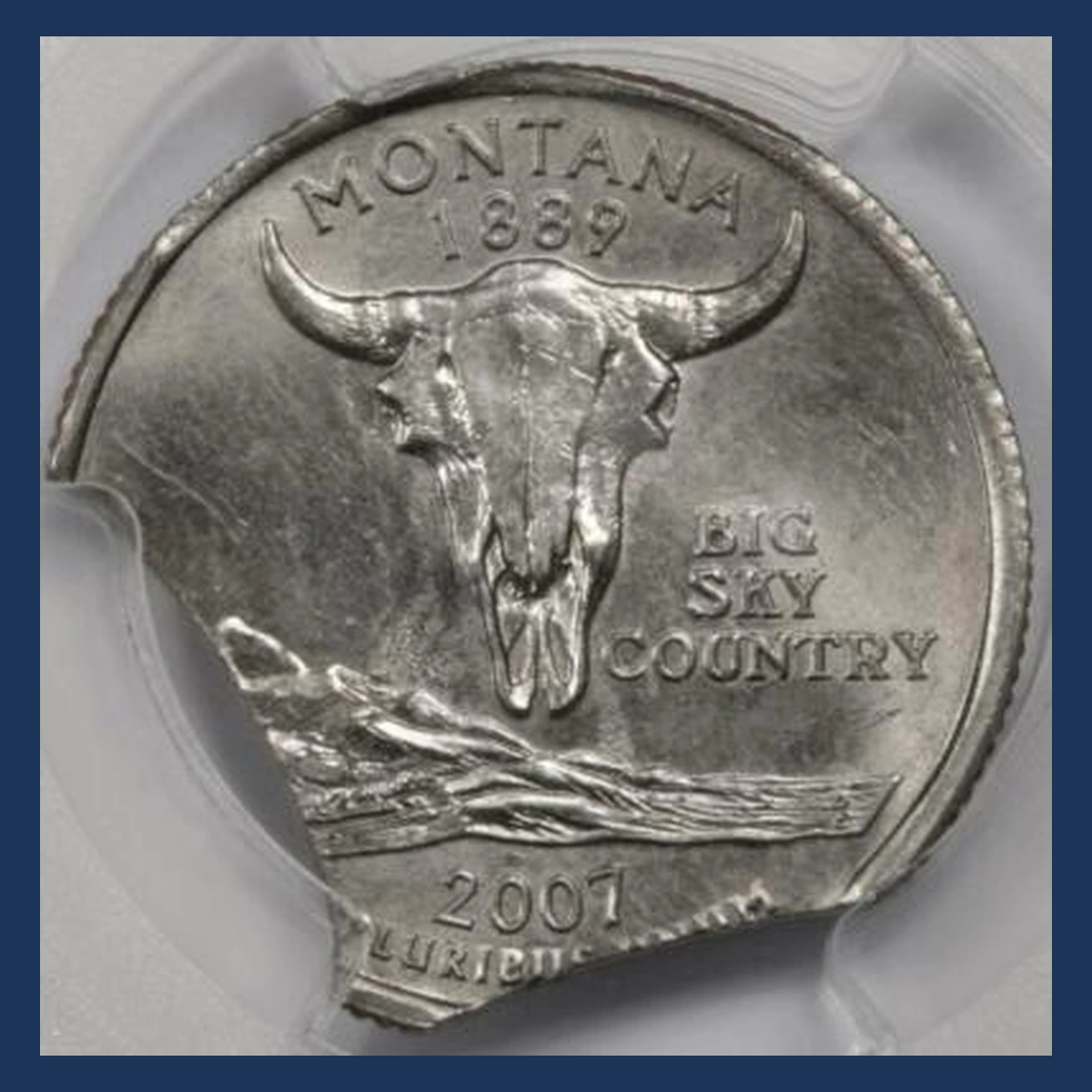
Some Denver quarters from all five 2007 states have an oval or football-like outline. These elliptical clips begin with an incomplete blank rather than a normal round disk.
Reported weights include 4.9 grams for Idaho, 4.6 for Washington and Montana, and 4.8 for Utah. Wyoming examples are also cataloged.
Another Denver Montana coin has a reported fifteen-percent clip. That percentage should not be assigned to every oval example.
The visible outline and remaining design show the loss more clearly than a weight number used alone.
Estimated Value
Small ordinary clips can begin around an estimated $30, while strong oval examples can reach an estimated $1,500. The state design and readable date help establish what the unusual blank became.
A nearly football-shaped coin offers a different display from a tiny edge notch. Original surfaces and a reliable error identification support stronger prices.
Treat the reported weights as measurements of separate coins, rather than a scale that converts each missing gram into a price.
How to Identify
Compare the outline with a normal round quarter before searching for a single notch. An elliptical clip can affect the entire shape rather than resemble one bite from the edge.
For a loose coin, record its weight and photograph both faces beside a ruler. Normal clad quarters weigh about 5.67 grams.
Inspect how the design approaches the incomplete boundary. Later cutting may leave tool marks, sharp burrs, or lettering sliced through without the expected metal flow.
The separate fifteen-percent Montana example needs its own photographs. Do not calculate its missing area from another state’s weight.
Make sure the remaining state scene, D mint letter, and actual 2007 date support the identification.
13. 2007 State Quarter Struck-Through Material
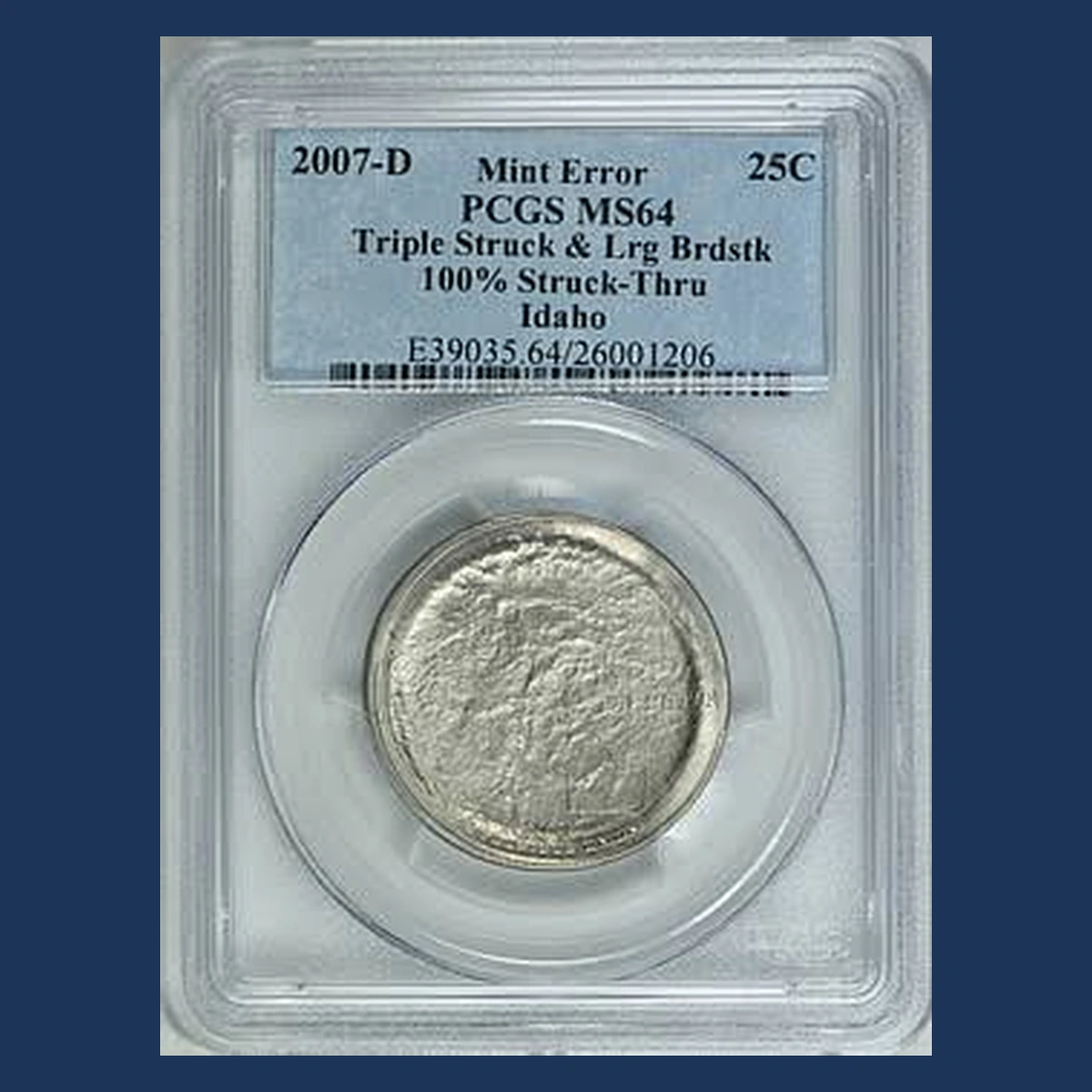
A steel wire can remain embedded in a coin instead of leaving only an empty impression. A certified Washington state quarter carries a retained wire bristle.
Other reports involve weak design on both faces of a Philadelphia Wyoming quarter. Grease blocking the tools is the reported explanation there.
Denver Idaho examples include an interruption at the bird’s forehead, while Utah examples show back-side blocked detail. The obstructing material need not be the same.
Where an Idaho coin also received a second strike, both effects belong to that one piece.
Estimated Value
Simple grease weakness has an estimated range of $2 to $30. Larger clear impressions or retained material can fit an estimated $100 to $2,000 range.
An embedded wire offers a different level of evidence and visual interest from a faint letter. The amount of affected design and the coin’s preservation also matter.
For a combined Idaho double strike and blocked area, compare the whole coin once rather than adding two full error estimates.
How to Identify
Do not pull on a suspected wire. Its connection to the surrounding metal helps distinguish something struck into the coin from debris resting on top.
Photograph that connection from above and at a low angle. The certified Washington example concerns retained steel, so it should not be illustrated by an unrelated weak patch.
On Wyoming, compare the faint horse, rider, and front details with stronger neighboring areas. Broad circulation wear can weaken both faces without any grease being involved.
For Idaho, inspect the bird’s forehead and any second-strike details separately. On Utah, use a normal railway design to map the blocked area without guessing the material from the depression alone.
14. 2007 State Quarter Missing Clad Layers
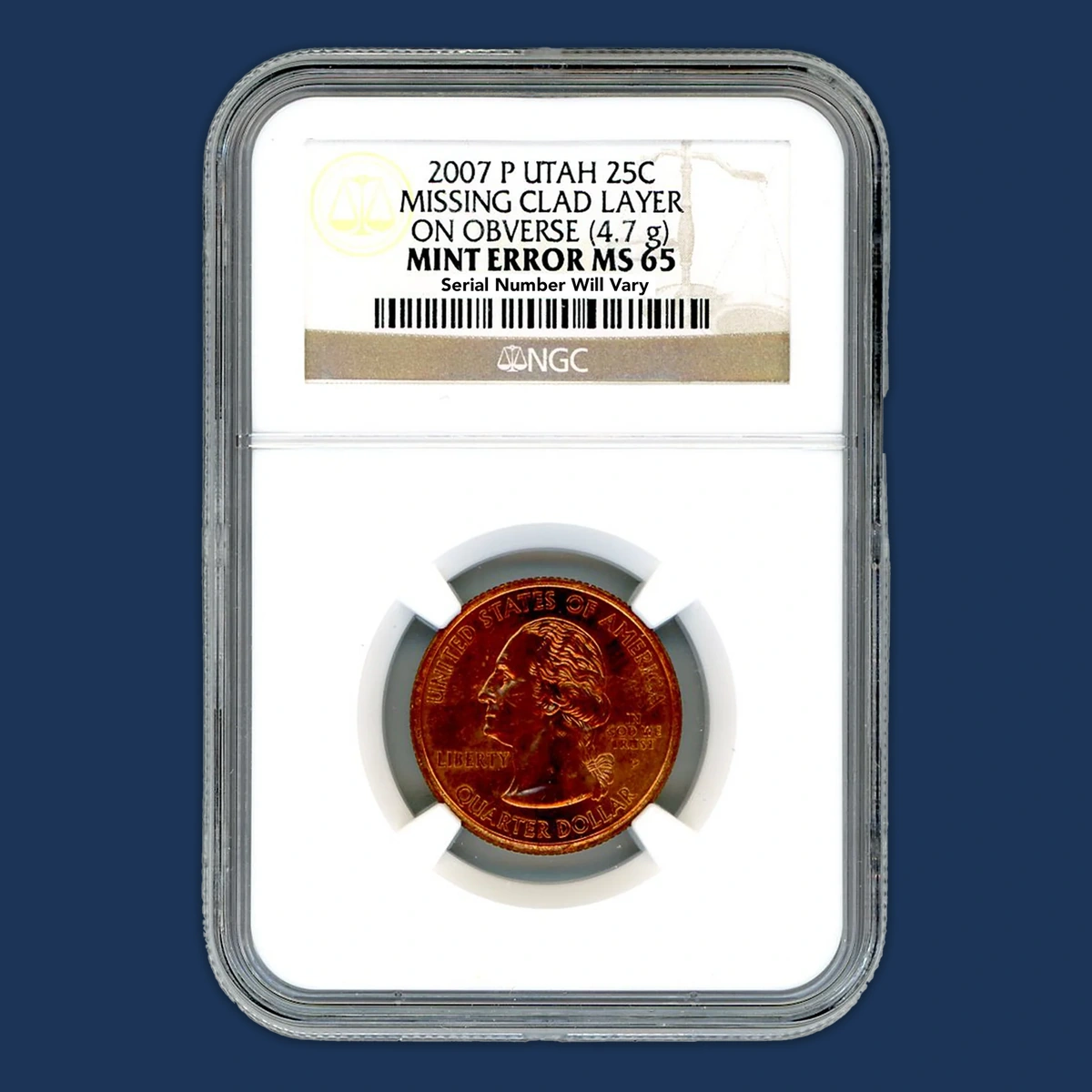
The copper center can show through where a quarter lacks its outer metal layer. Denver Utah has a partial front-layer report, and a cataloged Denver Wyoming example lacks the front layer.
Montana and Washington also have reports without a settled face or mint. Idaho presents a more complex Denver example.
Its front began with partly exposed copper rolled to the intended thickness. Additional patches came away before and after striking.
That history differs from the Philadelphia Idaho bubbling report, even though both involve the coin’s layered metal.
Estimated Value
Estimated values range from $100 to $2,000 for genuine partial or complete missing-layer examples. A historical dealer list asked $275 for the Denver Wyoming coin with its front layer missing.
That asking price does not fix the value of Idaho’s more complex metal loss. Broad exposed areas and a clear explanation of when the layers separated can make a coin more interesting.
Stained or chemically stripped quarters do not belong in this error range.
How to Identify
Compare the two faces and the edge together. Ordinary clad quarters contain a copper center between pale outer layers, so missing metal should alter that structure.
Weigh a loose specimen, but do not use one fixed cutoff for every coin. Idaho’s partly copper-faced strip had already been rolled to the intended thickness.
The reported Denver Idaho coin lost a patch near eleven o’clock before striking. A larger patch below TE in UNITED came away afterward, so their surfaces need separate examination.
On Utah, preserve the distinction between a partial front loss and a normal back. Photograph Wyoming’s whole copper-colored front as well as its remaining back layer, then check for scraping or chemical damage.
15. 2007 State Quarter Repeated and Off-Center Strikes
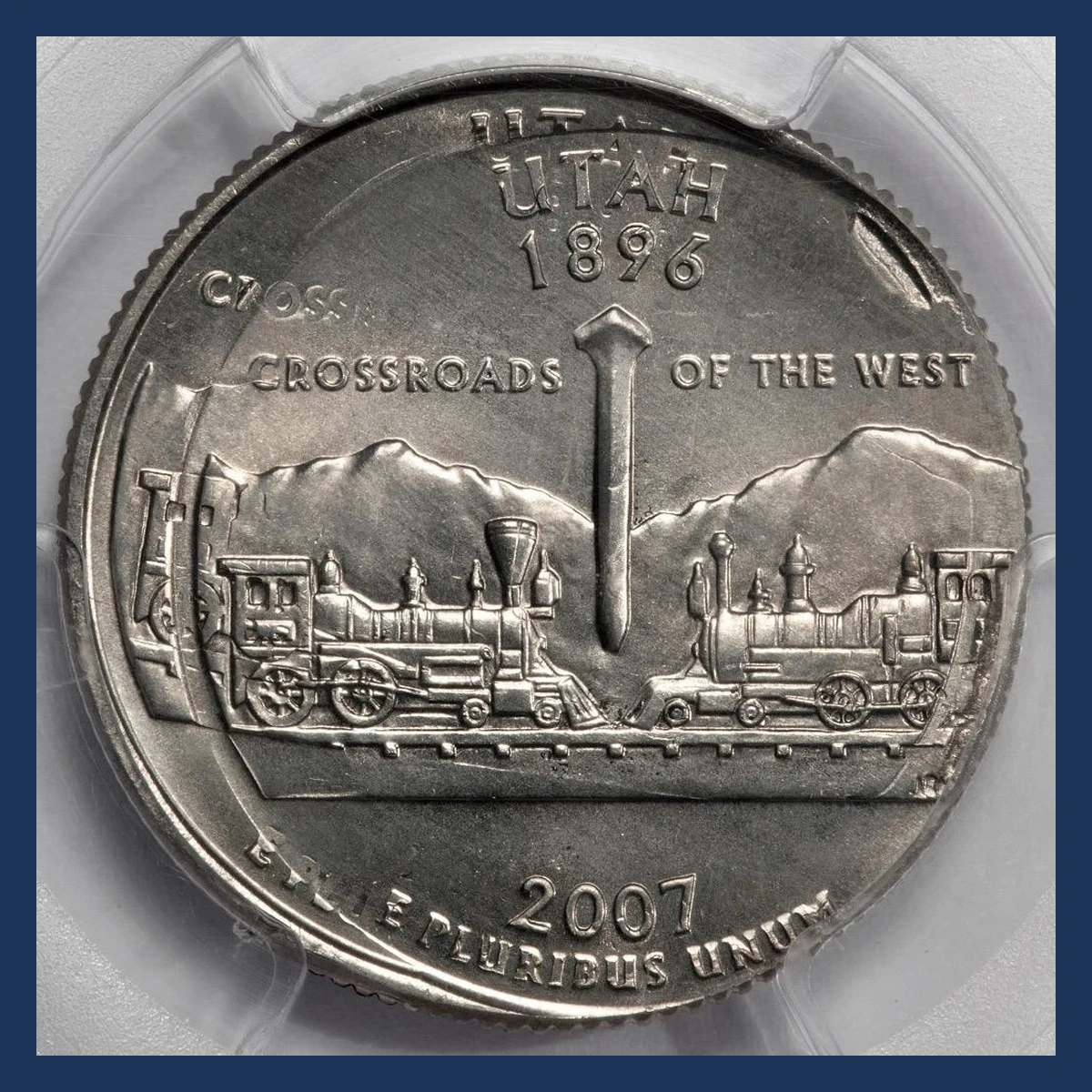
A coin can remain in the press and receive another blow after shifting. The second image may overlap closely or land far off center.
Denver Idaho examples include reported forty-, sixty-, and eighty-percent second strikes. Philadelphia Washington has a ninety-percent second-strike report.
One Philadelphia Montana coin is cataloged with fifteen overlapping strikes. Denver Wyoming combines repeated strikes, expansion, and an incomplete blank.
Denver Utah records include expanded repeated strikes on a blank without a raised edge and another ten-percent second-strike report. Different descriptions should not automatically be treated as the same coin.
Estimated Value
An estimated $300 to $5,000 covers these repeated-strike combinations. A historical dealer list asked $2,250 for a sixty-percent second-strike Idaho example and $2,350 for the fifteen-strike Montana coin.
Both figures were asking prices. They concern different coins with different visible effects.
Clear surviving dates, dramatic separation, and attractive surfaces can support stronger values. Count the whole coin’s combination once, rather than adding prices for each blow, broad border, or blocked patch.
How to Identify
Start with the easiest complete image and mark it on a photograph. Then find a second date, rim, portrait, or state feature that cannot belong to the first position.
For Idaho, follow the second design into the outward extension. A sixty-percent example should not be identified from photographs of the forty- or eighty-percent coins.
Montana’s closely overlapping blows require careful tracing, so the cataloged count is more reliable than a quick count of bright lines. Wyoming’s incomplete blank also affects the final outline.
For Utah, keep the separately described two- and three-strike examples distinct unless their physical details match. A repeated design must show another strike, not simply a rounded doubled detail in one stamping tool.
16. 2007 State Quarter Deep Die Cap
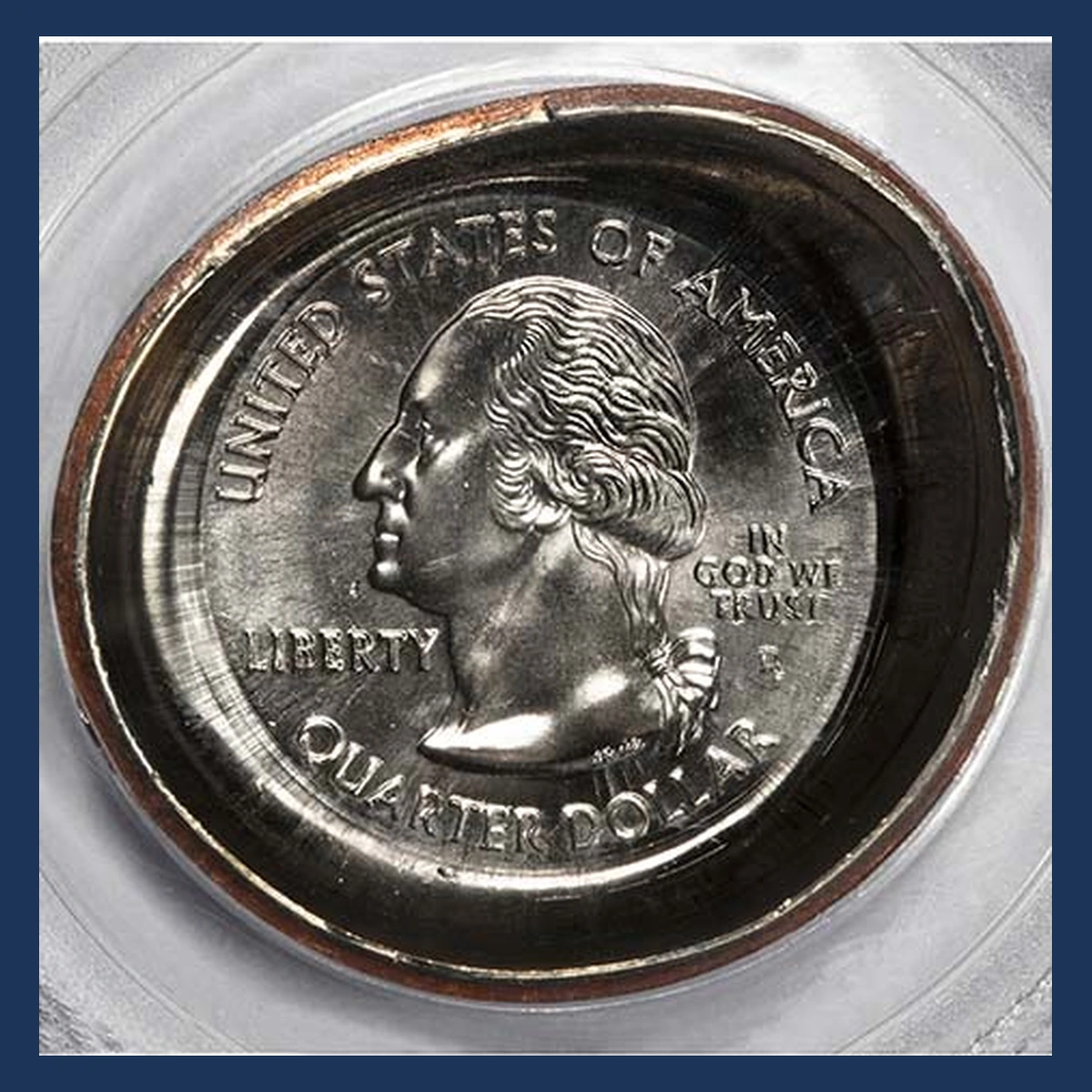
A quarter can cling to a stamping tool and gradually wrap around it. Repeated pressure stretches the coin into a cup instead of leaving it flat.
A Denver Wyoming example is cataloged as an exceptionally deep front-side die cap. Its Washington portrait lies inside the cupped shape.
The coin received a PCGS MS66 grade, indicating an unworn example with relatively few marks. Its tall wall is the striking visual feature.
This is the coin that covered the tool, not a separate coin struck underneath that cover.
Estimated Value
For a genuine deep Wyoming cap, use an estimated $1,000 to $6,000 range. Height, intact walls, readable design, and overall preservation affect where a coin falls within it.
A shallow bend or a damaged rim is not a comparable cap. A deep example can also lose appeal if its wall has been squeezed or repaired.
The estimate values the complete formed coin; its dramatic shape does not establish a particular past auction result.
How to Identify
View the coin from the side before studying tiny details. The wall should rise into a cup around the portrait rather than resemble one bent rim segment.
Use photographs to follow the transition from the cup floor into its wall. Stretching during repeated strikes can change the design and thickness across that transition.
Do not try to flatten the coin for a normal holder or diameter measurement. A certified cap should remain in its protective case.
Check the remaining Wyoming design and D mint letter against the holder description. A flat quarter with a blurred image may have been struck beneath a cap, but it is not this cup-shaped error itself.
17. 2007 State Quarter Struck on the Wrong Blank
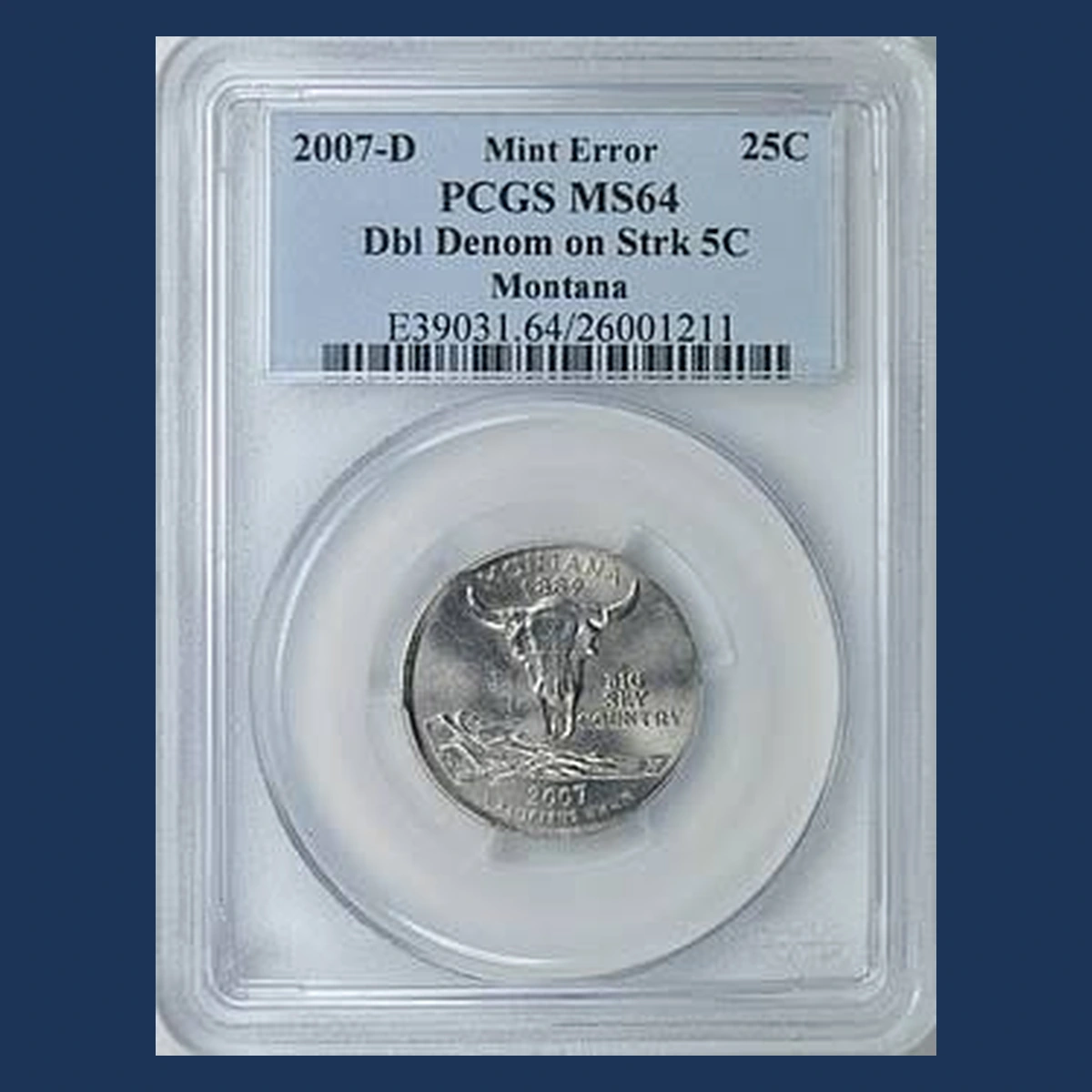
The quarter design sometimes lands on metal intended for another denomination. Denver Montana and Wyoming examples were struck on nickel blanks.
Idaho also has reports involving nickel or cent blanks. Those should be distinguished from quarters struck over finished cents.
A Denver Washington example presents the opposite size problem: a large golden dollar blank within a dollar-sized collar. It was later crushed in the Mint’s cancellation equipment.
Its missing edge lettering cannot identify the blank as exclusively Sacagawea or presidential. Both dollar types began with similar unlettered blanks.
Estimated Value
Nickel-blank examples have an estimated range of $600 to $2,500. A specialist history records Montana results of $1,073 and $1,238 in 2012 for separate coins.
Reported Idaho wrong-blank candidates need confirmation of the metal before applying an estimated $500 to $3,000 range. The canceled Washington dollar-blank combination warrants a separate estimated $2,000 to $10,000 range.
Its later cancellation and unusual collar are part of that whole-coin estimate, not extra prices to add.
How to Identify
For a loose candidate, measure the diameter and weight before assigning a denomination to its blank. A normal clad quarter is 24.26 millimeters across and weighs 5.67 grams; a nickel normally weighs 5 grams.
Look for a quarter design cut short by a smaller blank. Search both faces for surviving older images, since those would indicate a finished host coin instead.
The Washington piece described by Sullivan Numismatics is larger and golden, with dollar-collar involvement and later cancellation marks. Neither a yellow stain nor missing edge lettering proves its exact blank type.
Use a professional material identification for an unusual blank, while keeping the cancellation separate from the original quarter strike.
18. 2007 State Quarter Design Struck over a Finished Cent or Nickel
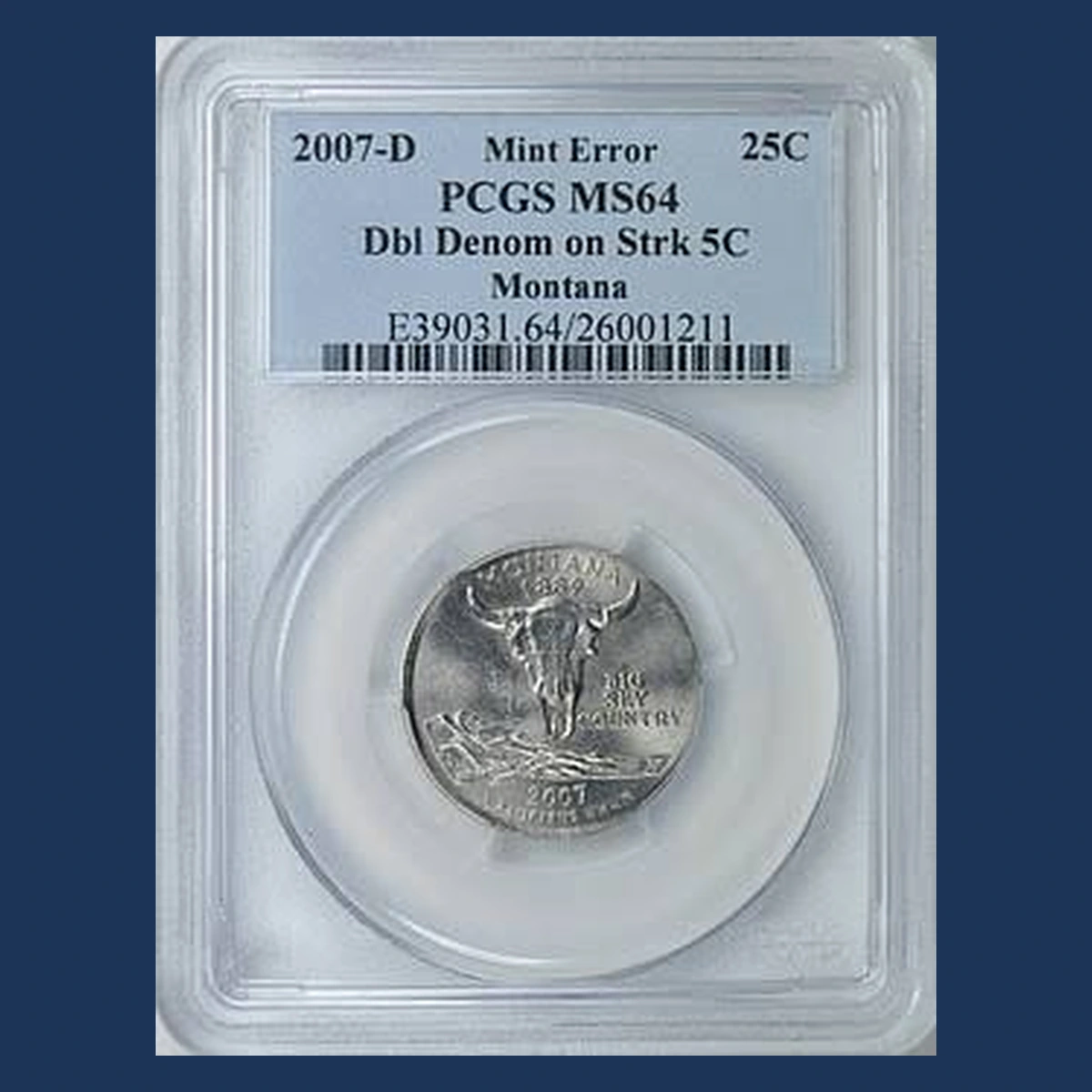
Monticello crossing the Montana bison skull belongs to an earlier nickel design. The already finished nickel entered a quarter press and received a second denomination’s images.
One Denver Montana example preserves the host nickel’s 2007 date and D near Washington’s profile. This is an overstrike, not a quarter on a plain nickel blank.
Separate Denver Montana and Idaho examples were struck over finished cents. Their surviving cent details identify a different host.
The two designs share one piece of metal, even when one image is much harder to follow.
Estimated Value
Estimated values run from $2,000 to $20,000 across these different hosts and conditions. A Montana-over-cent sale history records $13,750 at GreatCollections on August 26, 2012.
A Montana quarter over a 2007-D nickel brought $3,220 on September 11, 2009. Its NGC MS67 grade indicates a very well-preserved unworn coin.
The cent and nickel results are separate comparisons. Clear older design, condition, and the exact host can make their prices differ greatly.
How to Identify
Find a design feature that a quarter blank could never have carried. On the documented Montana-over-nickel coin, Monticello’s base crosses the bison skull.
The older nickel’s date and mint letter can also be traced between Washington’s profile and UNITED. Keep these marks separate from the quarter’s own date and D.
For a cent host, look for surviving Lincoln-cent design rather than assuming that copper color proves a finished coin was used. A plain cent blank would not carry that earlier image.
Photograph the overlapping features under changing light. The older design may be partly flattened, but its surviving shapes must fit one recognizable host beneath the quarter strike.
Conclusion
The state design helps organize this unusually varied year. Start with the actual 2007 date, then separate an extra line from missing metal or a second complete image.
Estimated values span $2 to $20,000, with the strongest mixed-denomination pieces far above small chips. Keep fragile flaps, wires, and tall rims untouched.
For a major find, clear photographs of both faces and the edge will help an error specialist assess it.