1807 Dime Error List with Pictures

The same tiny clip appeared in two very different auction results: $69,000 in 2008 and $25,300 in 2009. Both concerned an exceptionally preserved 1807 dime graded MS66, with no circulation wear.
This 1807 dime error list separates missing metal from marks left by the stamping tools. Estimated values range from $250–$75,000, including high-grade clipped coins.
Early dimes also vary naturally in shape. Read on to compare the actual features before calling a wide, bent, or oddly colored coin an error.
1. 1807 Draped Bust Dime Lamination or Split Planchet (Estimated Up to $2,500)
A thin flap or a shallow area where metal has peeled away can suggest lamination. This is a split within the metal blank, not an extra design from the stamping tool, called a die.
Follow the layer itself. Poor bonding or trapped material can let part of the silver separate, but corrosion and later scraping can leave misleading hollows.
The year guide discusses this as a possible 1807 error without identifying a confirmed example. An actual coin must show an original metal separation before that label applies; a rough patch alone does not establish it.
Estimated Value
If an original lamination is verified on a circulated 1807 dime, use an estimated $250–$2,500 whole-coin range. This is a conditional estimate, not a claimed sale of a known 1807 lamination.
The ordinary dime contributes much of the value. A small attached flap may add interest, while heavy loss across Liberty’s face can reduce the coin’s appeal.
Wear, readable detail, and the size of the damaged area matter more than a dramatic error label.
How to Identify
Never lift a loose flap. Examine its edge with a 10× magnifier and a low lamp, looking for a thin layer separating within the metal.
Deep cuts, pitting, and fresh scrape marks suggest different causes. Take a side-view photograph while leaving the surface untouched.
The normal coin is about 89.24% silver and originally weighed 2.70 grams, with a grooved edge. Use a scale and calipers to record weight and width against roughly 19.8 mm, allowing for early striking variation.
A light coin can also be worn or filed. Start at the flap’s attachment, where an original split should continue into the coin’s own metal.
2. 1807 Draped Bust Dime Clashed Dies (Estimated Up to $3,000)
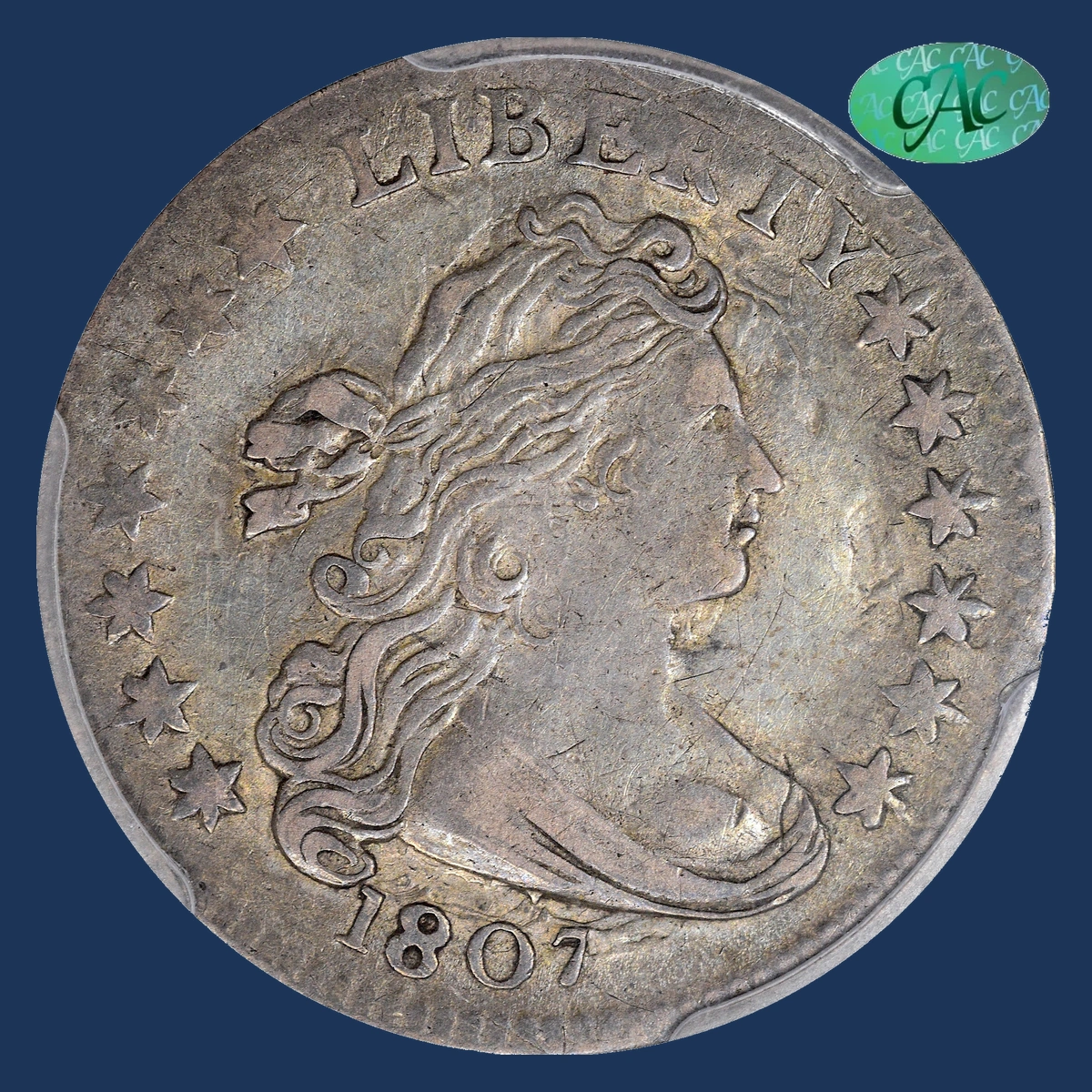
Strange outlines around the date can come from the reverse design. They appear when the two dies strike each other without a coin blank between them, a contact called a die clash.
The damaged die can then stamp traces of the opposite design onto later coins. These marks are not a second strike on that particular coin.
Documented 1807 examples include a dealer’s XF40 coin with marks around the date and an auctioned MS66 with heavy clashing. XF40 means clear circulation wear; compare each coin’s actual marks, which change as the tools wear.
Estimated Value
For circulated 1807 dimes with recognizable clash marks, estimate $350–$3,000. An attractive coin with clear detail can cost much more than a heavily worn example carrying similar traces.
Clashing alone does not explain an exceptionally preserved coin’s price. The clipped MS66 sold for $25,300 in 2009 also had heavy clashes, but its condition and missing metal contributed to that amount.
That auction is a combined-feature comparison, not a separate price for the faint lines.
How to Identify
Look around the date for shapes that belong to the eagle side. Use a 10× magnifier and equally sized photographs of both faces to compare where the tools could have touched.
The dealer’s XF40 coin provides one example, but a scratch in the same place is not enough. Several matching outlines are more useful than a single stray line.
A scale and calipers can compare the original 2.70 grams and roughly 19.8-mm width, allowing for early size variation. This Philadelphia coin has no mintmark, contains about 89.24% silver, and has a grooved edge.
Begin with an extra shape near the date that clearly matches part of the opposite design.
3. 1807 Draped Bust Dime Die Bulges (Estimated Up to $3,500)
A broad, uneven change in the coin’s surface can record a failing stamping tool. Its steel can change shape after repeated use, affecting how the next coins receive their designs.
Heritage describes tool bulges on the front of the clipped MS66 example, from a late stage of the tool’s use. The brief description does not pinpoint one small area on every coin.
Weak detail needs care. That same auction coin also has uneven striking pressure from its clip, so flat stars or soft lettering cannot automatically be blamed on die failure; circulation and later bending can also change the surface.
Estimated Value
An estimated $350–$3,500 covers worn examples whose visible surface changes match a known worn stamping tool. Most of that value still depends on the early dime’s condition and remaining detail.
The MS66 clip auction at $25,300 in 2009 confirms that die bulges can appear on a highly preserved coin. It does not make the bulge itself a five-figure feature.
Price a worn example against similar circulated dimes, rather than transferring the gem’s full result to it.
How to Identify
Light the coin from the side and turn it slowly. Broad changes in height are easier to see this way than in a bright, straight-on picture.
With a 10× magnifier, compare the uneven surface and nearby details with a coin made from the same worn tool. Weak letters alone can have several explanations.
A bent coin may have edge damage or a matching bend on the other face. Check its weight on a scale against the original 2.70 grams, with about 89.24% silver expected.
Use calipers against a roughly 19.8-mm outline and examine the grooved edge. The strongest clue is the same broad surface change appearing on another coin from that tool.
4. 1807 Draped Bust Dime Off-Center Strike (Estimated Up to $5,000)
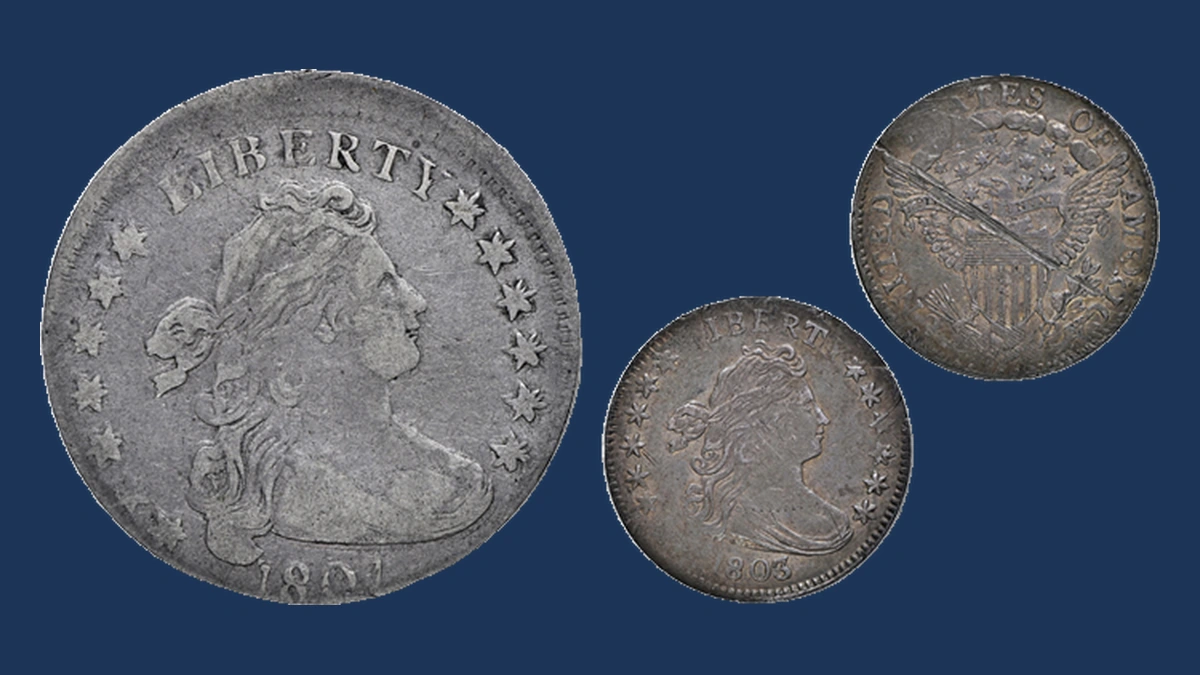
A blank strip beside a partly missing design shows that the coin was not centered between the dies. The strike reached only the part of the blank beneath the tools.
An 1807 JR-1 dime in the McCloskey collection was reported as ten percent off center. NGC graded it Very Fine Details and noted cleaning, meaning it retains circulated detail but has an altered surface.
The report does not give a clock direction. Judge the actual displacement from the coin’s full outline, and keep any doubled-looking features separate from the simple fact that the strike missed the center.
Estimated Value
Coin World reports a $3,000 Heritage sale for the ten-percent off-center coin in January 2022. The price includes its other visible features and its cleaned surface.
For comparable genuine circulated examples, estimate $1,500–$5,000. A readable date and a clear blank area make the error easier to recognize.
This range is an estimate, not a fixed bonus for ten-percent displacement. Heavy damage or a much less visible shift can change the comparison.
How to Identify
Keep the whole edge in your photographs. A tight crop can hide whether the apparent blank area is part of the coin or merely uneven lighting.
Inspect both designs with a 10× magnifier and find where details run beyond the metal. A shift confined to one face needs a different explanation.
The original blank weighed 2.70 grams and contained about 89.24% silver. A scale and calipers record its weight and outline against a normal roughly 19.8-mm coin, without demanding a perfectly round shape.
Check the grooved edge for cutting or grinding. Look first for untouched blank metal beside missing design on both faces of the same dime.
5. 1807 Draped Bust Dime Broadstrike Check (Estimated Up to $6,000)
A coin wider than expected may tempt a collector to call it broadstruck. On later coins, this often means the surrounding collar ring failed to limit the metal during striking.
Early dimes need a different check. The 1807 issue was made without the later close-fitting collar system, and genuine coins can vary in outline and diameter.
The year guide raises broadstrike as a possibility rather than naming a confirmed 1807 example. Extra width by itself is therefore not enough; the coin must show abnormal striking beyond the normal range for this early design.
Estimated Value
For a circulated 1807 dime proved to have an abnormal expanded strike, a conditional estimate is $750–$6,000. This is not a documented 1807 broadstrike sale.
The estimate assumes an original striking fault beyond normal early variation. A slightly wide but otherwise ordinary coin should be priced by its wear and surfaces.
The strength of the proof matters more than width alone, especially when later flattening could explain the shape.
How to Identify
Measure several directions with calipers before choosing an error name. PCGS lists 19.8 mm for this issue, but early striking allowed some variation.
The dime originally weighed 2.70 grams and contains about 89.24% silver. Check it on a scale and inspect the grooved edge with a 10× magnifier.
Now compare the complete design and border with several normal 1807 coins. Look for flattened letters or edge work that could result from someone pressing a finished dime wider.
The missing modern collar marks prove nothing on this early issue. Begin by comparing the entire expanded outline with normal examples, rather than treating one wide measurement as proof of an error.
6. 1807 Draped Bust Dime Double Strike and Doubling (Estimated Up to $8,000)
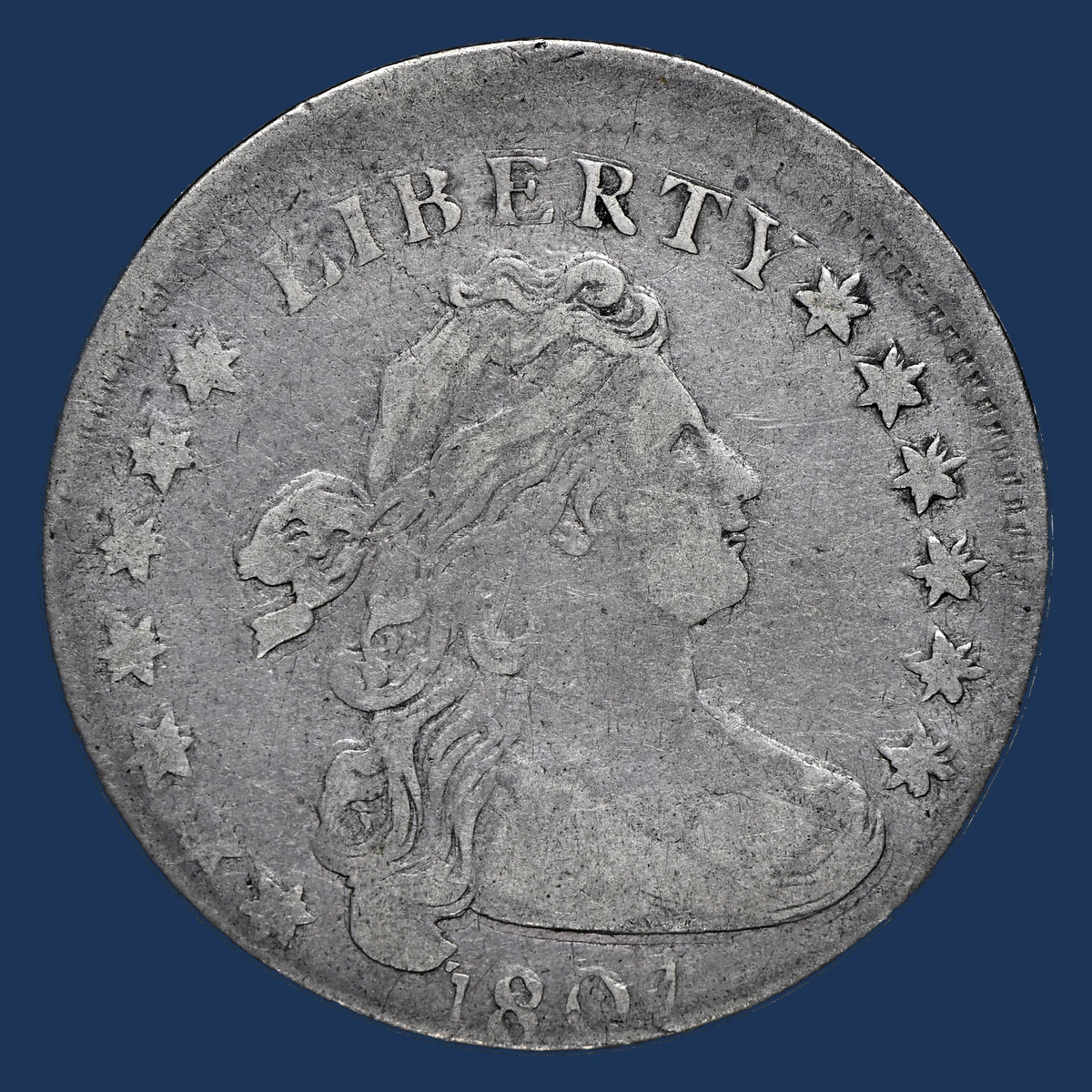
Two sets of design edges can have different causes. A double strike means the coin received another blow; machine doubling can flatten or shift an edge during a single strike.
NGC’s McCloskey gallery calls its 1807 dime double struck and ten percent off center. Coin World describes strong machine doubling on both sides of the reported off-center example.
These terms are not interchangeable. The key question is whether another full design was impressed, rather than whether a few edges look doubled; the coin’s actual marks must decide that distinction.
Estimated Value
If the coin shows a genuine second strike, estimate $2,500–$8,000 for a comparable circulated 1807 example. The related off-center report gives a $3,000 January 2022 result, not two separate prices for its features.
A double-struck 1803 dime with damaged AU detail brought $3,600 in the same reported sale. That is a different year and grade comparison.
Machine doubling alone should not receive the double-strike estimate. Flat edge shadows need a different valuation from a second impressed design.
How to Identify
Start with several design elements, not one letter. Through a 10× magnifier, look for another placement of the portrait, date, stars, or eagle that fits a second strike.
A flat shelf beside an edge can result from movement during one blow. It does not by itself show that the tools struck again.
Check the coin with a scale and calipers against its original 2.70 grams and roughly 19.8-mm width. The metal is about 89.24% silver, the edge grooved, and the Philadelphia issue has no mintmark.
Trace a second arrangement of design across several areas; isolated flat shelves instead support movement during a single strike.
7. 1807 Draped Bust Dime Wrong Planchet or Metal (Estimated Up to $25,000)
A dime struck on the wrong blank may have an unusual weight, metal, or amount of visible design. A planchet is the metal blank placed between the dies before striking.
Color is only a clue. Toning, plating, and cleaning can change a silver coin’s appearance without changing the metal it was made from.
The year guide discusses wrong-planchet errors without identifying an authenticated 1807 example. A convincing coin would need measurements and metal testing that fit a different original blank, rather than simple wear or a normal early dime with an unusual surface.
Estimated Value
If a genuine circulated 1807 dime is verified on the wrong blank, use a conditional estimate of $5,000–$25,000. This is an estimate for that discovery scenario, not an existing 1807 auction record.
The result would depend heavily on the actual metal, weight, remaining design, and proof of its mint origin. A discolored or underweight ordinary dime does not qualify.
Without a verified different blank, use the normal coin’s value instead of applying this error range.
How to Identify
Write down the weight first. A normal 1807 dime began at 2.70 grams, with about 89.24% silver and 10.76% copper.
Use a scale and calipers to record weight and width against roughly 19.8 mm, remembering that early outlines vary. Inspect the grooved edge with a 10× magnifier for filing, seams, or a coating that could explain the difference.
A low weight can result from wear or lost metal. Professional metal testing without damage is more useful than scratching the surface to judge its color.
Start with a clear weight or size mismatch and intact original edges, then have the alloy checked against the proposed different blank.
8. 1807 Draped Bust Dime Curved Planchet Clip (Estimated Up to $75,000)
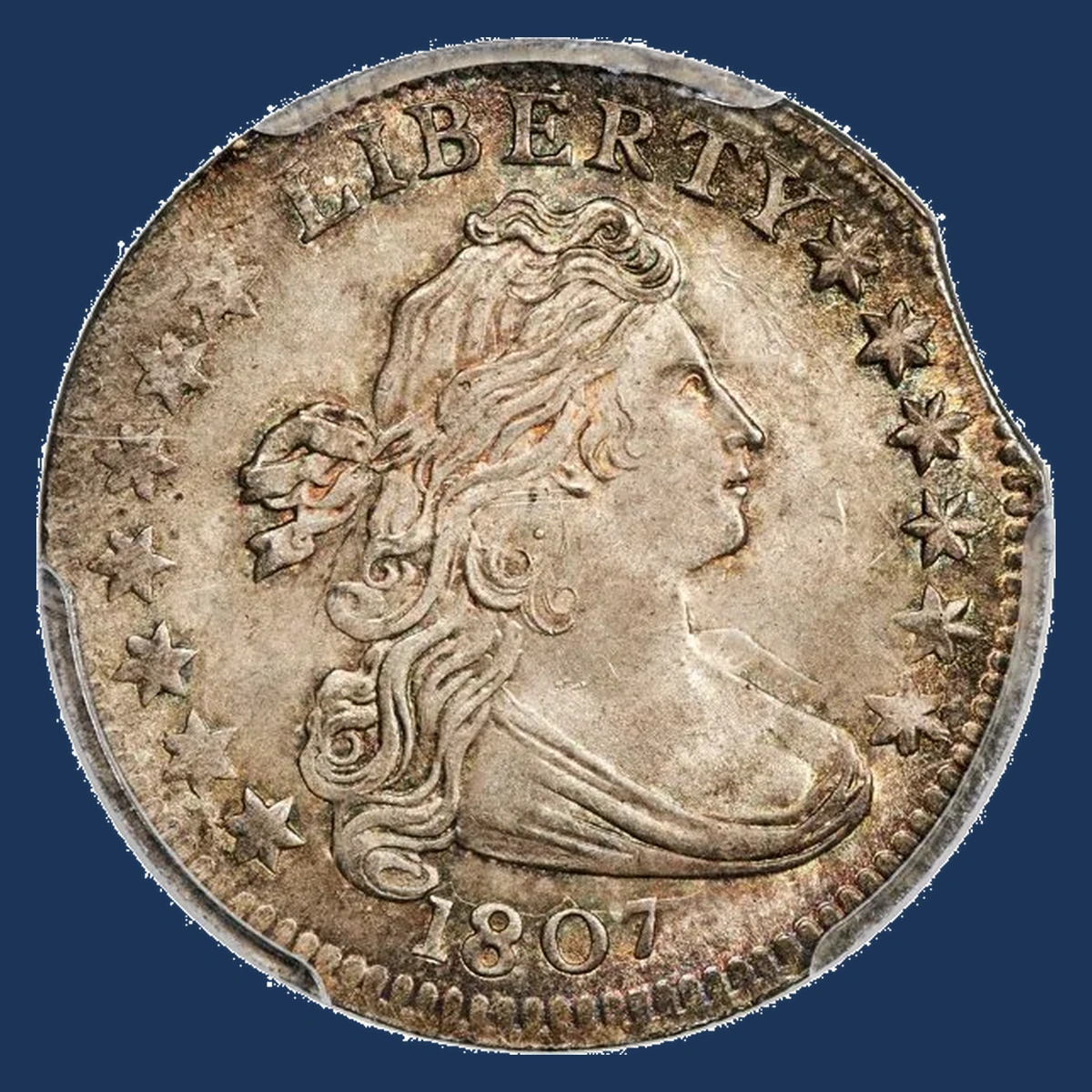
A curved bite beside the stars marks the clipped MS66 example described by Heritage. The missing segment lies near two o’clock, outside stars nine and ten.
The blank was incomplete before striking. Because some metal was missing, pressure spread unevenly and the auctioneer noted weaker detail on the left side of both faces.
This is a planchet fault, not a piece cut away after the coin was made. The same coin also has clash marks and signs of die wear, but those features come from the tools rather than the missing blank metal.
Estimated Value
PCGS records $69,000 for the clipped MS66 in July 2008. Heritage later sold it for $25,300 on April 30, 2009, showing that even the same exceptional coin can bring very different results.
Estimate $750–$5,000 for genuine circulated clips and $25,000–$75,000 for comparable MS66-quality examples. MS66 means an exceptionally well-preserved coin without circulation wear.
The high prices reflect condition as well as the clip. A small missing segment alone does not give a worn dime the same value.
How to Identify
The pictured clip lies beside stars nine and ten, near two o’clock. Examine both ends of that curved gap with a 10× magnifier before considering the weaker design elsewhere.
A scale can compare the remaining weight with the original 2.70 grams. Normal dimes contain about 89.24% silver and measure roughly 19.8 mm across; record the surviving outline with calipers.
Inspect the grooved edge for fresh cuts or file marks through finished detail. Early sizes vary, and wear can also reduce weight.
The auction notes weak detail on the left, but weakness alone does not prove a clip. Begin where the rim meets each end of the gap, checking how it formed beside already missing metal.
Conclusion
Estimated values range from $250–$75,000, with the upper end reserved for exceptionally preserved clipped coins. A worn early dime should not inherit that price because it has an unusual mark.
Compare what you can see. A missing piece, an eagle-shaped trace near the date, and overlapping portraits point to different causes; unusual size or metal needs measurements and expert examination before it supports an error price.