1884 Dime Error List with Pictures

A normal 1884 dime graded PCGS MS67 sold for $1,920 in July 2025. Its exceptional preservation shows why the whole coin matters before any error premium is considered.
This 1884 Liberty Seated dime error list covers clash marks, cracks, defective metal, doubled letters, and repeated date digits. Estimated whole-coin values range from $20 to $1,800 for the more accessible grades discussed below.
Read on to compare the visible clues and separate Mint-made features from later damage.
1. 1884 Liberty Seated Dime Clashed Dies (Estimated Up to $1,000)
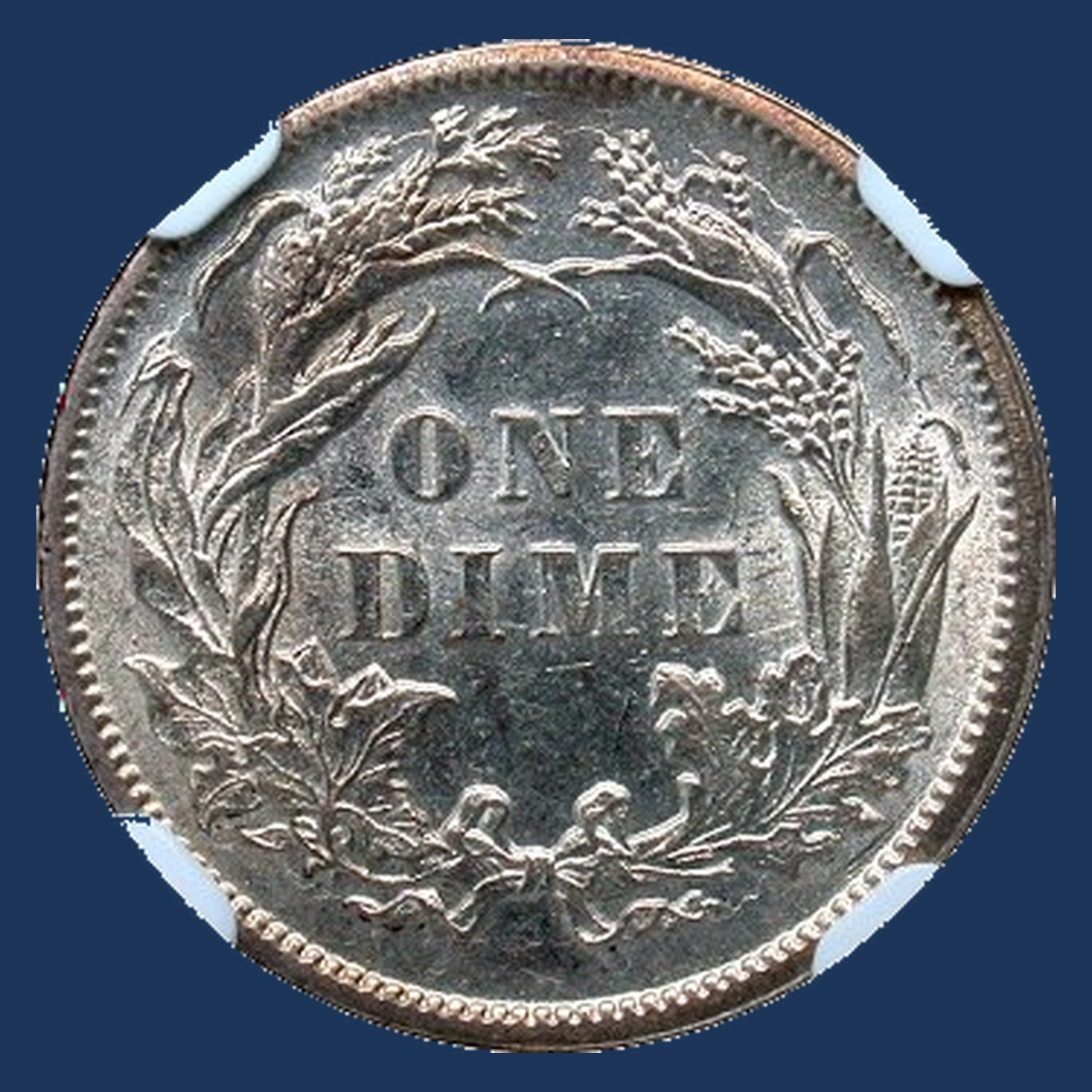
A faint extra shape can appear beside the normal picture without repeating the nearby letters. It may be part of the design from the coin’s opposite face.
This happens when the two dies, the steel stamping tools, collide without a metal disc between them. Later coins pick up traces left on those tools.
Several 1884 varieties show clashing. Some have light marks on both faces, while another combines a clashed front with a cracked and clashed back.
Those are different examples, so one photograph cannot show the required pattern for all of them.
Estimated Value
Estimate $20–$1,000 for circulated through attractive unworn examples with clear clash marks. The amount values the whole dime, with wear and original surfaces still important.
An ordinary NGC MS65 sold for $576 in January 2026. A PCGS MS66 brought $840 in June 2025; both grades describe well-preserved unworn coins.
Neither sale identifies a clash variety. They provide condition comparisons, rather than fixed prices for the faint transferred shapes on another coin.
How to Identify
Keep the full designs upright while comparing them. With a magnifier, look for an unwanted shape that matches a recognizable piece of the opposite picture.
Move the lamp to separate shallow extra contours from scratches or parallel cleaning lines. Turning a small close-up sideways can make unrelated marks seem to match.
If the back also has raised cracks, trace those separately. They record broken steel rather than the opposite design.
Use a scale and calipers against 2.50 grams and 17.90 mm, then inspect the edge grooves for filing or seams. Start by matching one extra shape to the opposing picture in the same orientation as a confirmed clashed example.
2. 1884 Liberty Seated Dime Die Cracks and Chips (Estimated Up to $1,200)
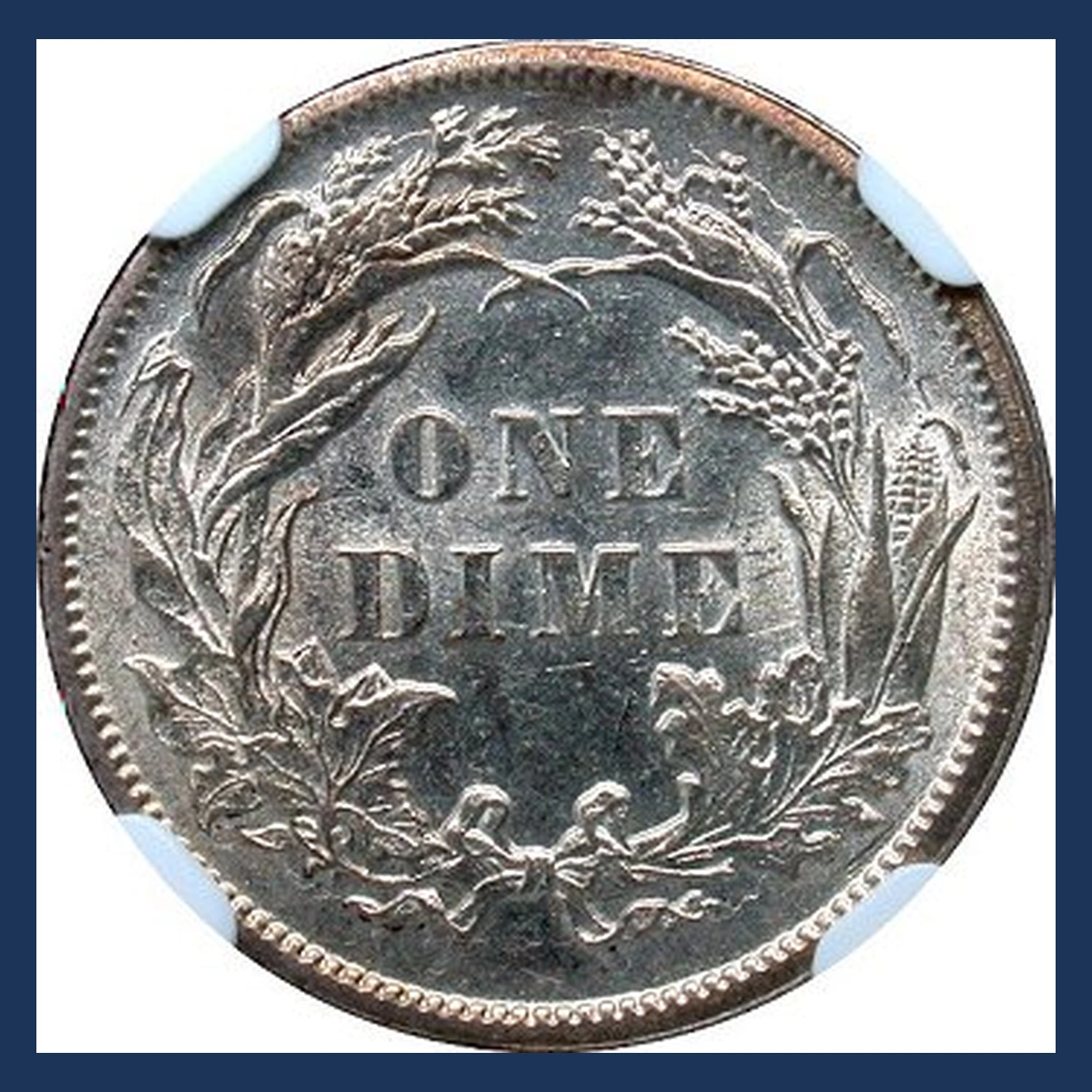
A raised line runs from STATES toward Liberty’s head on one recorded 1884 variety. It crosses the normal design because the steel stamping tool had cracked.
Silver entered the narrow break during striking and left a ridge. The coin itself did not need to split.
Other examples have cracks on the back, including a variety with a repeated date. Their routes should be compared separately.
A small chip inside a tool can also leave a raised spot. A larger missing section at the tool’s edge creates a rim-connected patch called a cud.
Estimated Value
The estimated whole-coin range is $20–$1,200 for worn through well-preserved circulation coins with visible die damage. A fine crack may add little, while a strong clear line can attract more interest.
Recent 1884 sale records include an NGC AU58 at $154 in September 2025. A PCGS MS63 sold for $336 in November 2025.
AU58 means slight wear; MS63 means unworn with noticeable marks. These are normal-coin comparisons, not separately priced crack examples.
How to Identify
Under a 10× magnifier, start at STATES and follow the line toward Liberty’s head. Tilt the light to check that it rises above the surface rather than forming a scratched groove.
On a back-side example, follow its own route through the wreath or plain background. Do not assume every raised line belongs to the same tool.
Examine any raised spot for a smooth connection to the struck surface. Added solder or stuck material can make a misleading lump.
Check the edge grooves, then use a scale and calipers against 2.50 grams and 17.90 mm. The fastest check for the front-side example is to trace the raised connection from STATES toward the head.
3. 1884 Liberty Seated Dime Defective Planchet (Estimated Up to $1,400)
A rough patch, thin peel, or other break in the silver may begin before the design is struck. A planchet is the metal disc that becomes a coin, and a defect in it can interrupt the picture.
The reported 1884 category concerns that metal rather than repeated letters or a cracked tool. No single position is established for the flaw here.
The boundary can show whether the design was struck around or across the defect. A later gouge instead damages an already finished surface.
Corrosion has another cause and should not be labeled a Mint error.
Estimated Value
A genuine Mint-made metal defect has an estimated whole-coin range of $40–$1,400 for circulated or lower-grade unworn examples. The affected area and remaining condition both matter.
An 1893-O Barber dime with front-side peeling sold for $381.88 in December 2014, graded NGC MS63. That provides an older comparison for a silver-layer separation.
It is a different year and design using the same alloy. The amount is not a recorded sale of an 1884 defective-planchet dime.
How to Identify
Leave any loose flake untouched. Photograph the area first, then use a magnifier to see whether a thin layer is lifting or struck detail continues across the defect.
Weigh the dime on a scale and measure its diameter with calipers. Compare with 2.50 grams and 17.90 mm; a shallow flaw may barely change the weight.
Inspect both faces and the edge grooves for tool marks, a mounting scar, corrosion, or matching impact damage. Low weight alone cannot distinguish an original flaw from later metal removal.
To make the first useful check, follow the design into the damaged area and look for a thin peeling boundary rather than a fresh scrape.
4. 1884 Liberty Seated Dime Doubled Die Obverse (Estimated Up to $1,500)
Parts of UNITED STATES show an extra raised outline on this front-side variety. The repeated lettering was already on the steel stamping tool before it struck the coin.
Collectors call this a doubled die. A coin can receive both outlines in one blow, without being struck twice.
The 1884 variety gallery identifies the doubled lettering together with a medium-height, level date. Those features help select the correct example.
The date itself does not need to carry the same repeated detail. A separately repunched date comes from another step in making the tool.
Estimated Value
Estimate $40–$1,500 for circulated through attractive unworn coins with confirmed doubled lettering. Clear extra outlines and intact surfaces help support a stronger value.
The ordinary MS63-to-MS66 comparisons of $336–$840 show the underlying condition range. They are not auction records for this particular doubled-die front.
The upper allowance is an estimate for an identified variety, not a guaranteed premium. Wear, cleaning, or flat strike doubling can make an apparent extra outline less useful than it first appears.
How to Identify
Check the basic coin first with a scale and calipers: about 2.50 grams and 17.90 mm is normal. Inspect the rim and edge grooves for alterations.
Then use a magnifier on UNITED STATES, moving the light across neighboring letters. Compare the additional outlines with a clear photograph of the documented variety.
The medium-height, level date provides another feature to check. A flat shelf left during striking differs from a rounded repeated outline already present on the tool.
Doubling confined to the date does not establish this lettering variety. For a quick match, compare the extra contours across UNITED STATES with the same letters on the confirmed example.
5. 1884 Liberty Seated Dime Repunched Date (Estimated Up to $1,800)
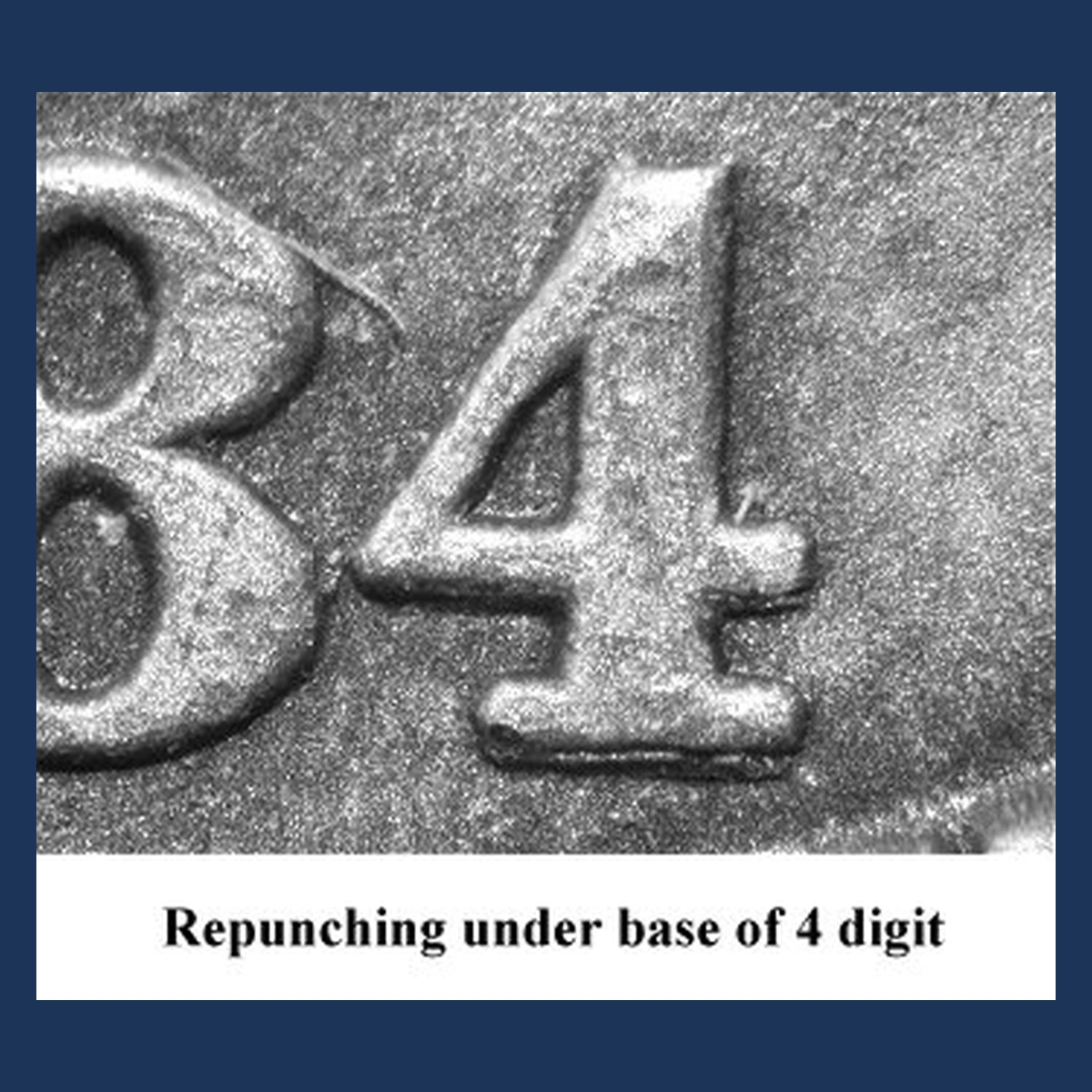
The useful extra traces sit at the two ends of the date, beside 1 and 4. The middle digits do not need equally obvious outlines for this variety.
The date punch entered the stamping tool more than once in slightly different positions. Parts of the earlier entry remained beside the final numbers.
The matching back-side tool also developed cracks, giving collectors another face to compare. Those cracks do not mean the date was struck twice on the coin.
The complete date and the back-side pattern should be checked together before naming the variety.
Estimated Value
Estimated whole-coin values run from $40–$1,800 for circulated through attractive unworn repunched-date examples. Strong remnants and original surfaces support a better comparison than vaguely thick digits.
Ordinary 1884 sales include a PCGS MS62 at $264 in April 2025 and an MS67 at $1,920 that July. They show how sharply preservation can change the price.
The $1,920 coin was not identified as this variety. The estimate covers more accessible grades rather than assigning that exceptional coin’s price to every repeated date.
How to Identify
Look at the full shapes of 1 and 4 with a magnifier. Follow their extra edges to see whether they fit parts of an earlier numeral, rather than a random dent.
Compare the date’s position and the associated back-side cracks with the variety photographs. Wear can soften the traces, and polishing can remove them.
Use a scale and calipers against 2.50 grams and 17.90 mm, allowing for wear. Inspect the edge grooves for filing or other damage.
Those normal measurements do not identify the repeated date by themselves. Start by matching the raised fragments at both 1 and 4 to the same confirmed variety, keeping the whole date visible.
Conclusion
Estimated whole-coin values for these 1884 dime errors range from $20 to $1,800 in the grades discussed here. Extra lines may come from clashes, cracks, or repeated punches, while a flaw in the silver needs a different check.
Compare both faces and the edge, and leave loose metal or tiny raised details untouched. The ordinary MS67 sale at $1,920 is a reminder that exceptional preservation can exceed these more accessible ranges.