1906 Nickel Error List with Pictures

Two metal disks entering the press together can leave one nickel without its normal back design. A different mistake, using a cent blank, produced a 1906 Liberty Nickel that sold for $4,887.50 at Heritage in January 2010.
These 1906 Liberty Nickel errors have estimated whole-coin values from $10 to $30,000. The unusual copper cap-shaped piece occupies the upper end.
Follow the visible shape, surface, and design clues below to identify which manufacturing step went wrong.
1. 1906 Liberty Nickel Peeling Metal
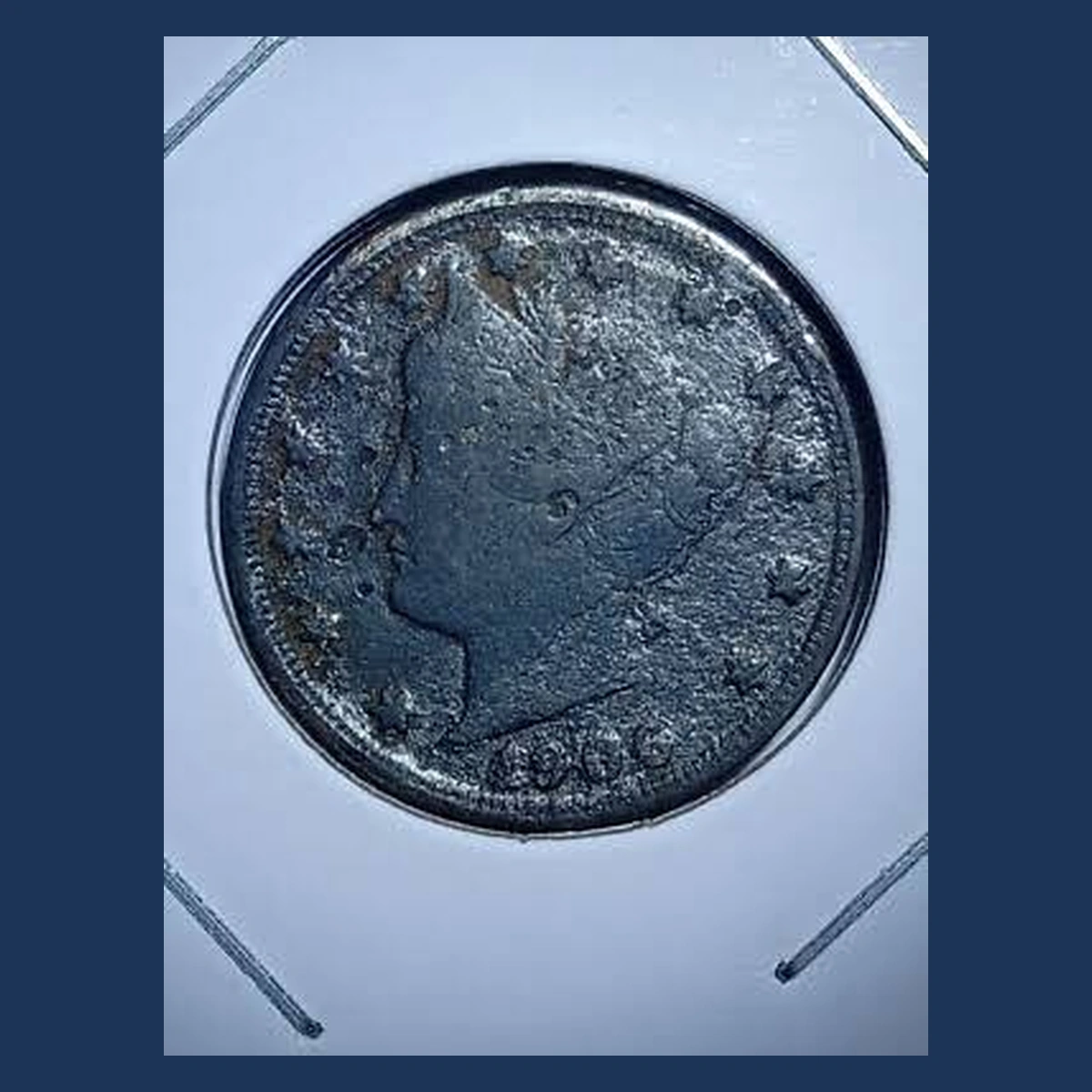
A thin strip or patch can lift when the metal inside a nickel fails to hold together. This is called lamination, and the weakness may leave a flap or a shallow missing area.
Recorded 1906 examples have different locations, including the portrait area and a separation across part of the back. Those positions describe separate coins, not one required pattern.
The coin is made from copper and nickel mixed throughout. A layer opening inside that mixture is different from paint, plating, or material stuck to the finished surface.
Estimated Value
Estimate $10–$250 for ordinary 1906 examples with genuine peeling metal. Small worn defects tend toward the low end, while a clear flap on a well-preserved coin can attract more interest.
This is an estimate across the recorded forms, not an assigned selling price for one cataloged piece. Size and remaining design are more useful than the number of peeling spots.
A scraped or corroded patch does not receive the same premium simply because metal is missing.
How to Identify
Look along the edge of the peeling area without touching it. Low side lighting and a 10× magnifier can reveal a thin lifted layer rather than a gouge.
Follow that boundary across any surviving design. A patch that lies on top of the finished letters may be added material instead of the coin’s own metal.
Check a loose example with a scale against 5 g and calipers against 21.2 mm. A retained flap may leave the weight nearly unchanged.
Inspect the plain edge if the opening reaches it, and look for cutting or grinding elsewhere. The useful sign is a natural layer boundary connected to original metal, not a location copied from another 1906 coin.
2. 1906 Liberty Nickel Clipped Blank
A small gap can begin before the nickel receives its design. If the metal disk is cut across an earlier hole or a strip edge, it reaches the press incomplete.
The result is a clipped blank. A recorded 1906 example graded PCGS AU50 has a clip described as about 3% of the coin.
AU50 indicates a coin with light circulation wear. The small percentage belongs to that example and does not establish a particular gap shape, position, or number of clips for every 1906 nickel.
Estimated Value
For a genuine clip, estimate $25–$300 depending on its size, the date’s readability, and the surrounding condition. The small AU50 example provides a modest starting point for comparison, without a sale price assigned here.
A 1997-P Jefferson Nickel with a much larger 20% clip sold for $124 in March 2025. That is a different design and date.
It illustrates the modest market for many clips, rather than establishing the value of the 1906 piece.
How to Identify
Use calipers across the intact portions to compare the outline with the normal 21.2 mm diameter. A scale can check how much weight is missing from the normal 5 g.
Then examine where the struck rim approaches the gap through a 10× magnifier. Natural weakness or metal flow toward the missing area can support a clip.
Inspect the remaining plain edge and the gap itself for fresh cuts, file marks, or crushed metal. Weakness opposite the opening can also help, but need not be obvious on every example.
A clean curved outline alone is not proof. The original rim’s behavior beside the gap provides a better test than simply matching its shape.
3. 1906 Liberty Nickel Raised Cracks and Rim Breaks
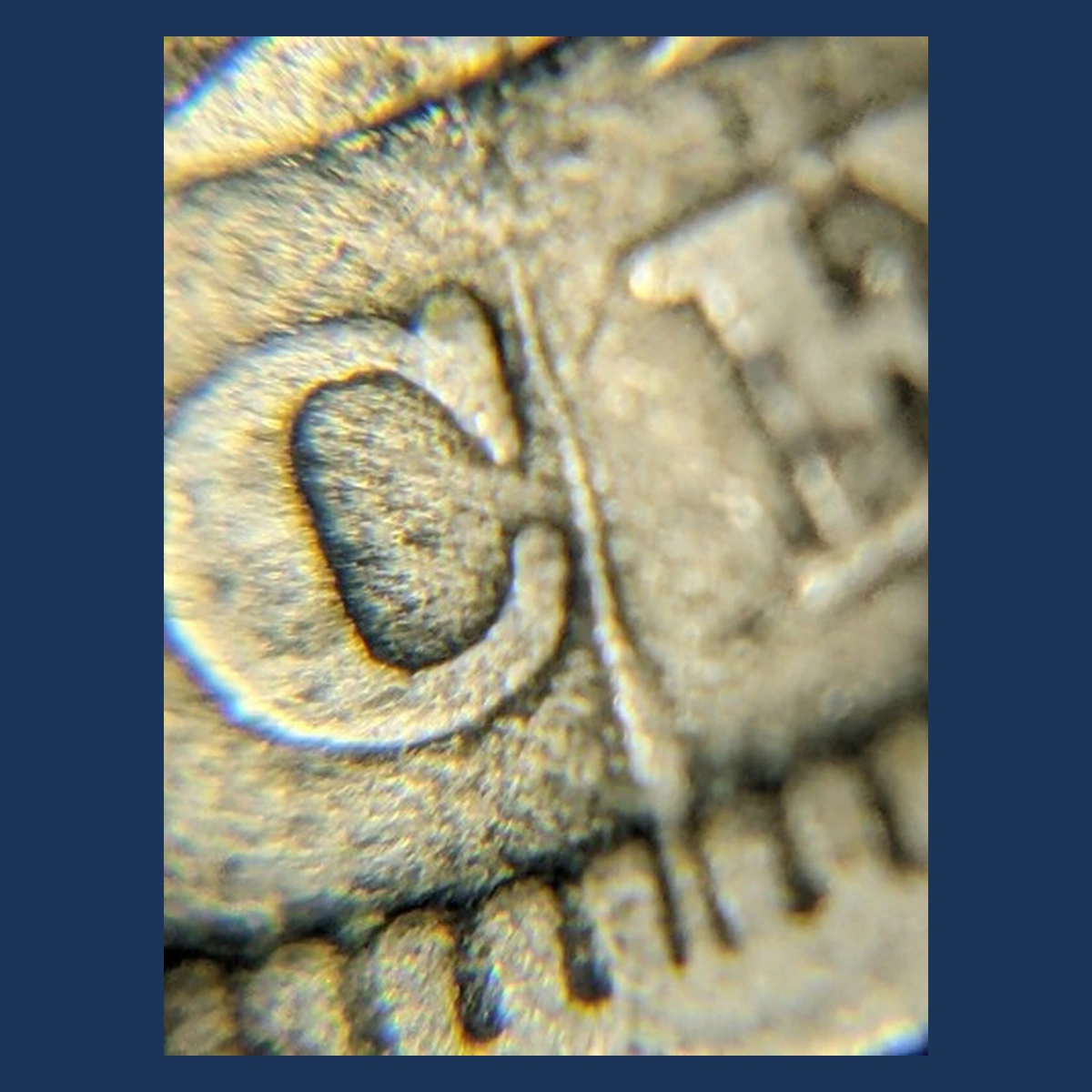
A crack in the steel stamping tool can leave a thin raised ridge across a nickel. Metal fills the crack during striking, copying its shape onto the coin.
A larger failure at the tool’s edge can leave a smooth raised patch that joins the rim. Collectors call that patch a cud.
Both forms are reported for 1906 Liberty Nickels without a fixed path or position. Their shared cause is damage to the tool, but a small interior bump or later scratch should not automatically be placed in either category.
Estimated Value
A minor original raised crack suggests an estimated $10–$100 whole-coin value. A clear rim-connected break is estimated at $100–$500, depending on size and condition.
No particular 1906 specimen has a sale assigned to these estimates. The premium should follow the visible strength of the actual feature, not an assumed rare crack pattern.
Raised metal pushed up by a dent or added to the surface is a different problem and receives no such error premium.
How to Identify
Start with a normal 1906 coin under the same lighting, then compare the unusual line or patch. A genuine tool crack produces a raised center, while a scratch cuts into the surface.
Use a 10× magnifier to follow a larger patch toward the rim. A cud must connect to it, rather than floating as an isolated lump within the design.
Turn the coin sideways to inspect the plain edge for a dent that could have pushed metal onto the face.
When loose, check approximately 5 g with a scale and 21.2 mm with calipers. These confirm basic size, not the cause of a line.
Look for raised metal continuous with the coin and, for a cud, an unbroken connection to the rim.
4. 1906 Liberty Nickel Doubled Back Design
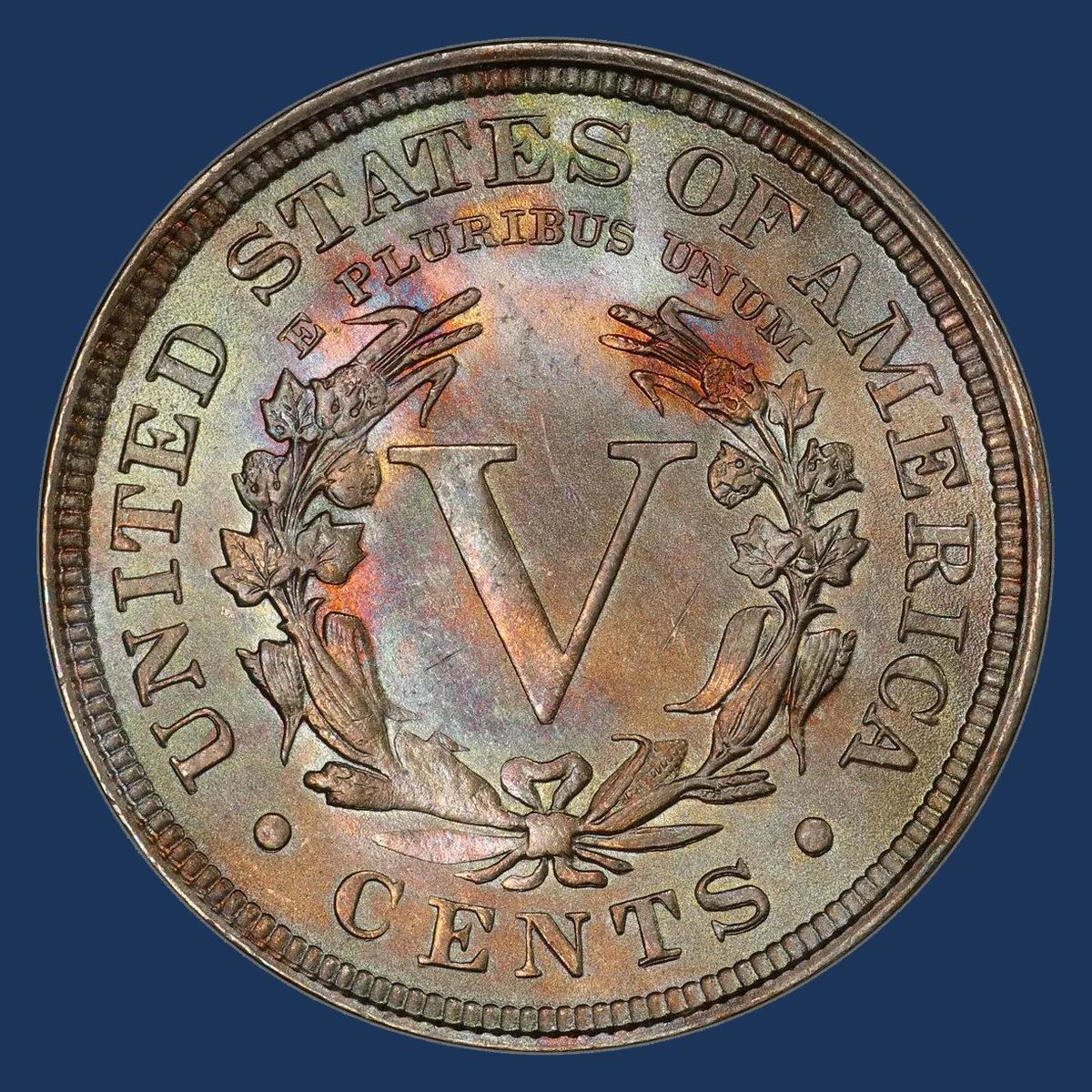
Extra outlines can appear around back lettering and parts of the wreath on a doubled-design nickel. The steel tool received a doubled design during preparation, then passed that same shape to later coins.
The recorded 1906 variety is FS-801. Its name identifies a particular doubled back design rather than a coin that was struck twice.
The comparison needs to follow the actual letters and leaves. A thick edge caused by wear, a flat shelf beside a letter, or changing reflections can look doubled without matching the variety.
Estimated Value
An estimated $40–$1,000 covers worn through attractive unworn examples with a clear match. The condition of the coin and the strength of the doubling both matter.
PCGS lists FS-801, but no individual auction result is assigned here. The range is an estimate rather than a claimed sale of one photographed coin.
A barely visible thick letter should not inherit the upper value unless the complete doubled pattern and preservation justify it.
How to Identify
Place an identified FS-801 photograph beside your coin, keeping the back designs at the same angle. With a 10× magnifier, compare the actual letters and wreath details before deciding that a thick edge is doubling.
Check a loose coin with a scale against 5 g and calipers against 21.2 mm, and inspect the plain edge. These are normal nickel standards, so matching them does not prove the doubled variety.
Move the light across the suspect letters to distinguish reflections and flat shelves from separate rounded strokes. The relevant test is whether the same doubled pattern repeats across your coin and the identified example.
5. 1906 Liberty Nickel Off-Center Strike
The design can shift toward the edge when the unfinished metal disk misses the correct position in the press. Part of the design then falls outside the disk, leaving an unused crescent opposite it.
A cataloged 1906 example graded PCGS AU58 is about 10% off center toward one-thirty. Other amounts of displacement belong to other examples.
The year should remain readable for a confident 1906 identification. A broad border with every design element present suggests a different striking problem from an offset that actually loses letters or stars.
Estimated Value
Estimate $100–$1,500 for a dated 1906 off-center nickel, with stronger displacement and better surfaces generally supporting higher prices. No actual sale is assigned to the cataloged 10% AU58 coin here.
A 1902 Liberty Nickel struck 20% off center, graded XF40, sold for $561.20 in March 2026. That different-year result provides a useful same-design comparison.
The extra displacement does not establish a price formula; readability and damage can change the result considerably.
How to Identify
Find the complete date, then compare the front and back outlines. Both should show the effect of the disk being displaced, rather than one face merely having an uneven rim.
A scale should remain near 5 g if the error only moved the design. Calipers record any spreading beyond the normal 21.2 mm outline.
Under a 10× magnifier, examine the transition from struck design to unused metal. Grinding or a sharp cut through finished letters suggests later alteration.
Inspect the plain edge as well. For the recorded AU58 example, compare the roughly ten-percent shift toward one-thirty without assigning that direction to every other 1906 offset.
6. 1906 Liberty Nickel One Face Blocked by Another Blank
A sharp portrait on one face and no normal V on the other can result from two blanks entering the press together. The lower disk blocks the back tool from reaching the upper coin.
The recorded 1906 upper coin was graded NGC AU58. Its sharp details and thin raised rims on both sides support the stacked-blank explanation.
The description’s reference to the upper piece does not mean half of a split coin. It means one whole disk from the two-disk stack, and the matching lower coin has not been identified here.
Estimated Value
The recorded AU58 example sold for $632.50 in January 2010 at Heritage. An estimated $300–$2,000 covers comparable authenticated one-sided pieces according to condition and how clearly the blocking can be demonstrated.
That auction price belonged to the upper coin alone. It was not the combined price of a matching pair, and no value is assigned to an unlocated lower piece.
A back ground smooth after minting does not qualify for the same mint-error range.
How to Identify
Compare the strength of the portrait with the back’s missing V. A naturally blocked back can coexist with sharp front detail, while grinding often leaves tracks or a reduced rim.
With a 10× magnifier, examine the thin raised rims described on both sides of the recorded coin. Inspect the plain edge for machining or a seam.
Weigh a loose candidate against the normal 5 g and use calipers against 21.2 mm. A much thinner, lighter piece with a rough inner face may be a split fragment instead.
The useful combination is a well-struck front and a naturally blocked back with intact original borders. A smooth empty surface alone cannot establish that another blank was present.
7. 1906 Liberty Nickel Strike on a Cent Blank
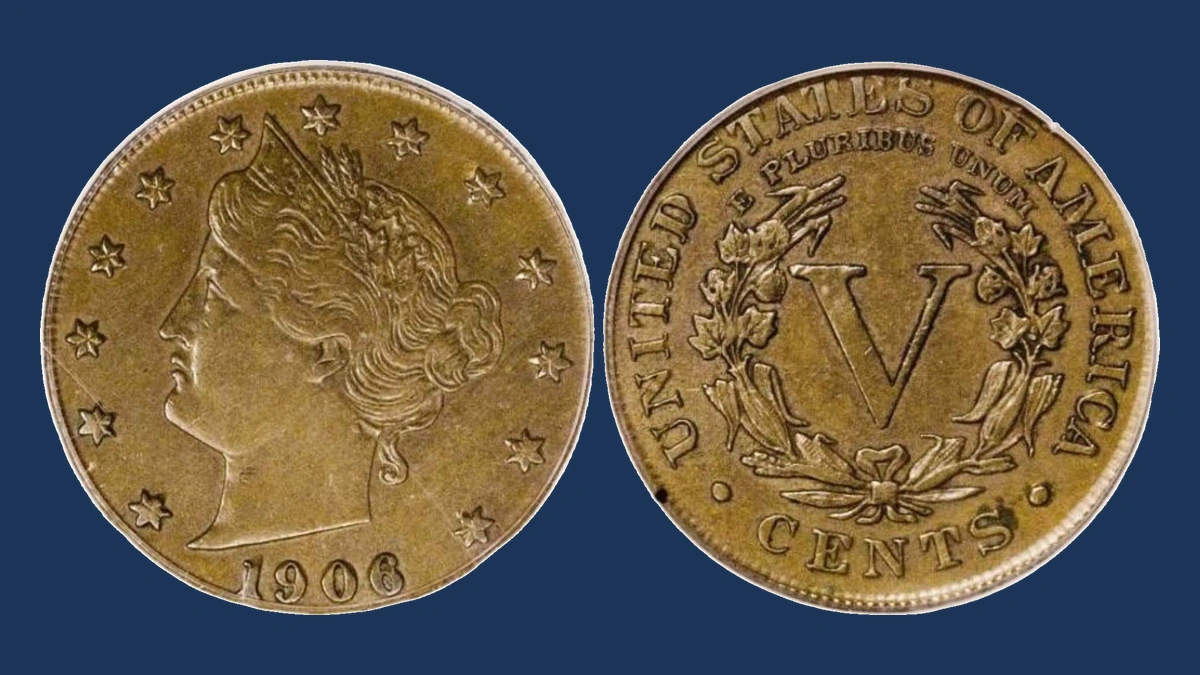
A nickel design on a smaller copper-rich disk can leave some outer details beyond the metal. The disk was intended for a cent but entered the nickel press instead.
One 1906 example graded PCGS MS63 Brown sits against the striking ring at six o’clock. Most design details remain, but some border teeth are missing at the upper front and lower back.
Another reported example, graded NGC MS61 Brown, weighs 3.2 g. That measurement belongs to that particular coin, rather than every 1906 nickel struck on a cent blank.
Estimated Value
Estimate $2,000–$8,000 for genuine 1906 cent-blank strikes, depending on wear, readable detail, and surface quality. Brown describes the copper-rich surface color, not a different denomination.
The PCGS MS63 Brown example sold for $4,080 on September 18, 2020, at Heritage. A separate AU50 example brought $4,887.50 in January 2010.
Those results show why grade alone does not dictate an error’s price. The individual coin and the auction also influence the outcome.
How to Identify
A period cent blank normally weighed 3.11 g before receiving a design, compared with 5 g for a nickel. Use those standards to interpret a scale reading, keeping the separate 3.2 g reported coin in mind.
Calipers can compare the outline with a cent’s original 19 mm diameter and a nickel’s 21.2 mm. Striking can spread the smaller disk beyond its starting size.
Inspect the plain edge and the ends of the outer design through a 10× magnifier. Plating or deliberate trimming can imitate color or size without producing a genuine wrong-blank strike.
The copper-rich metal, lower weight, and naturally crowded design must support the same cent-blank explanation.
8. 1906 Liberty Nickel Copper Blank Formed into a Die Cap
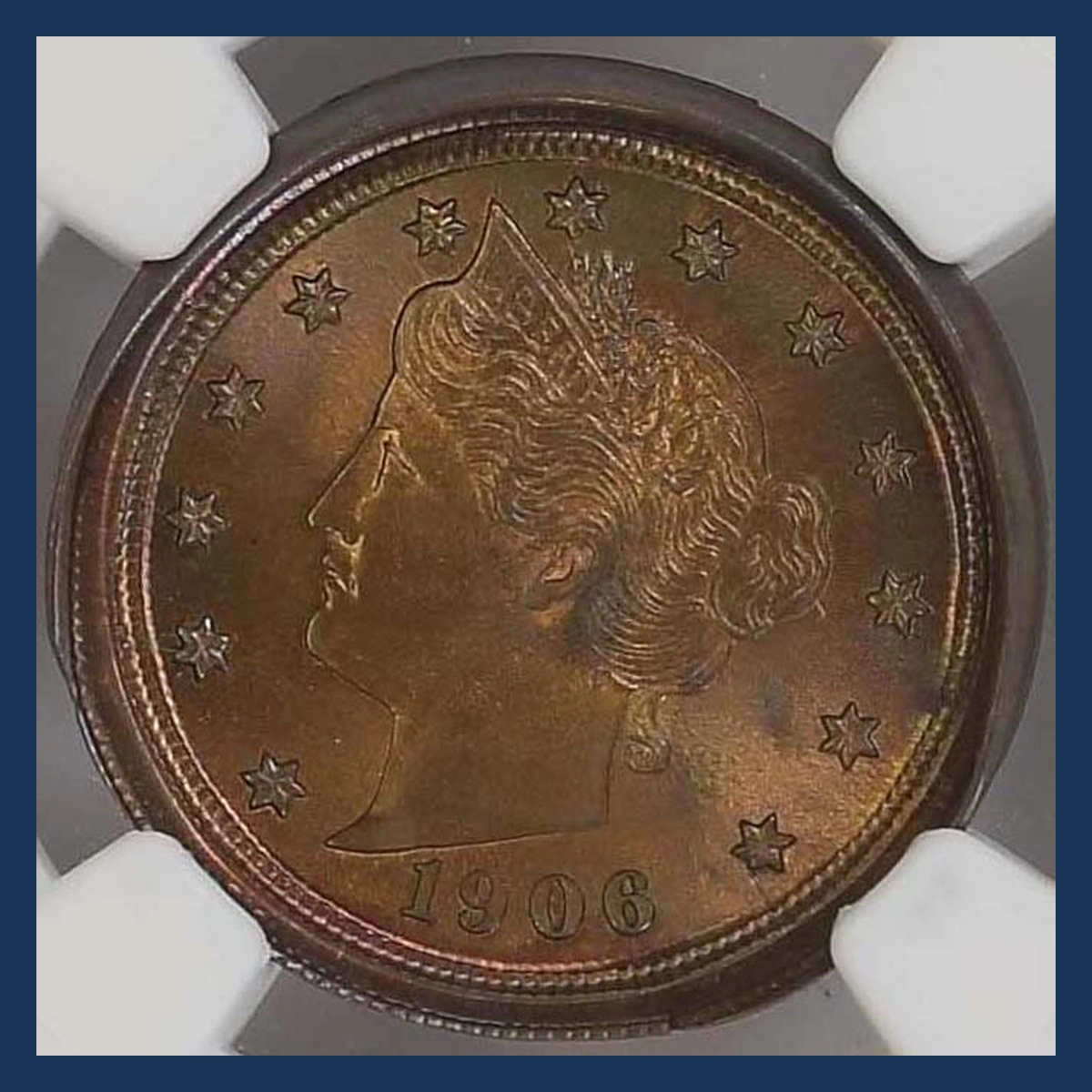
The coin’s sides rise like a small cap because it remained attached to the portrait stamping tool. Further blows pushed its metal upward and outward instead of releasing it as a normal flat coin.
This process created a die cap. The recorded 1906 example also began on a cent blank, so it combines the wrong metal with the cap shape.
It weighs 3.1 g and was reported as NGC MS65 Red and Brown. The name describes the cap itself, not another coin struck by that cap.
Estimated Value
For this unusual combination, an estimated $10,000–$30,000 allows for both the cent blank and the well-formed cap. It is a whole-coin estimate, not a reported sale of the specimen.
The ordinary-shaped 1906 cent-blank coin that sold for $4,080 in 2020 provides a lower comparison. The cap’s additional deformation and rarity support a higher estimated range.
The published cap report supplies its 3.1 g weight and grade but does not give a transaction price.
How to Identify
View the raised walls from the side without pressing them down. The cap should retain a relationship between the portrait and metal that spread around the stamping tool.
Use a 10× magnifier to inspect the stretched surface for later bending, heat damage, or tool marks. A homemade bowl shape alone does not reproduce the striking pattern.
For a loose piece, compare the recorded 3.1 g weight with a scale. That suits a cent blank far better than the normal nickel’s 5 g.
Use calipers carefully to record the spread outline and wall height, rather than forcing it to a normal 21.2 mm diameter. Inspect the surviving plain edge without flattening it.
Natural stretching tied to the struck portrait is more persuasive than cap shape by itself.
Conclusion
The estimated $10–$30,000 range for 1906 Liberty Nickel errors includes small metal defects and a much more unusual copper cap. A raised line, a thin peel, and a missing back design each need a different explanation.
Use the coin’s complete outline and both faces alongside weight and size. Keep a split layer distinct from a coin blocked by another blank, and never flatten a cap or lift peeling metal.