1878 Penny Error List with Pictures

The border below the date deserves a closer look. An 1878 penny with misplaced digits there sold for $1,920 in October 2019, in an unworn grade with red surfaces.
In this 1878 penny error list, estimated values run from $25 to $3,500. The clues include repeated date strokes, a doubled wreath, broken-tool marks, and mistakes in the blank or strike.
Follow the examples below to see how those features differ and which details are worth checking first.
1. 1878 Indian Head Penny Repunched 1 and 8
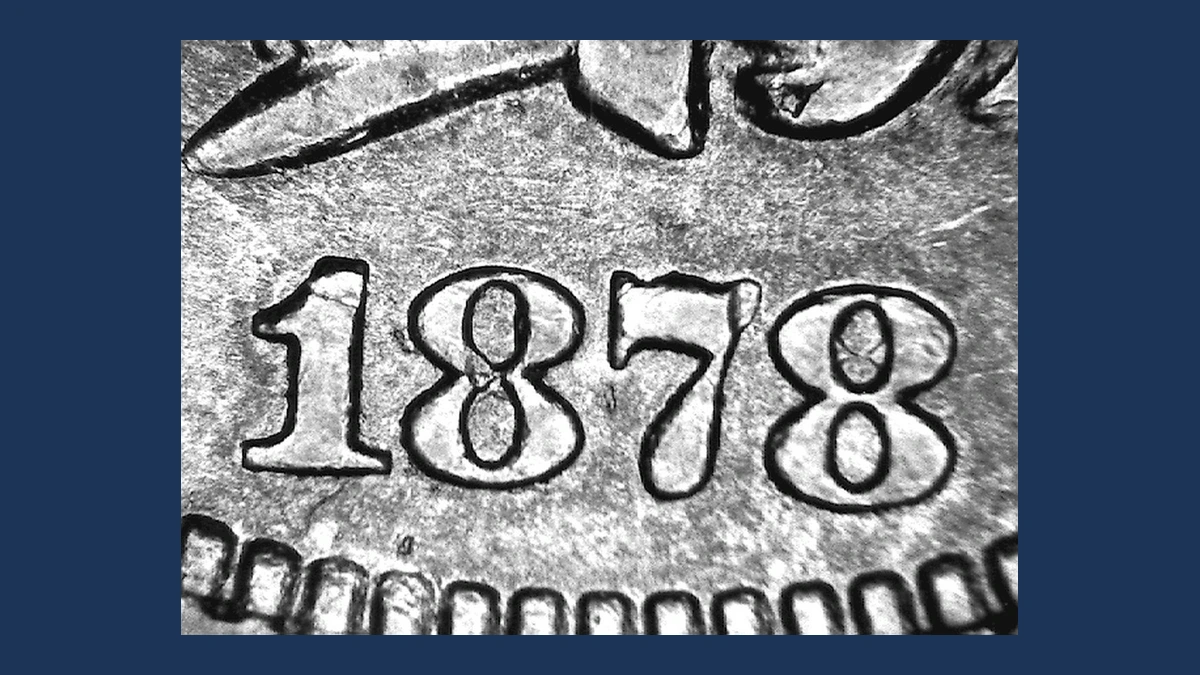
Two small raised strokes can reveal an earlier position of the date punch. On 1878 Snow-1, they appear at the 1 and the first 8.
The earlier 1 lies above the right side of the normal numeral’s base. The earlier 8 can be seen within the middle of its upper loop.
The date punch was pressed into the die, the steel stamping tool, more than once. A slight change in position left traces that later appeared on coins.
This is a repeated impression of the same year, not an 1878 date struck over another year.
Estimated Value
For identified 1878 Snow-1 examples, estimate $40–$1,250 from worn coins to well-preserved pieces. The visibility of both earlier strokes and the condition of the whole penny help place it within that range.
For comparison, an 1882 Snow-1 repunched date graded ANACS AU55 sold for $84 at Heritage in July 2025. That was a lightly worn coin from a different year.
The shared Snow number does not make the two date patterns identical or give them an automatic matching price.
How to Identify
Place the 1 and first 8 together beneath a 10× magnifier. Focus above the right foot of the 1, then look within the upper loop of the neighboring 8.
The Snow-1 description places both earlier impressions upward. A mark below those locations needs a different explanation rather than a forced match.
On a loose bronze cent, a scale and calipers check the usual 3.11 g and 19.05 mm. Keep dirt or glare from hiding the small strokes, but do not scrape the date to expose them.
Rounded traces from another numeral support repunching; a flat ledge along an existing edge can result from movement during striking.
2. 1878 Indian Head Penny Back Rim Breaks and Retained Cuds
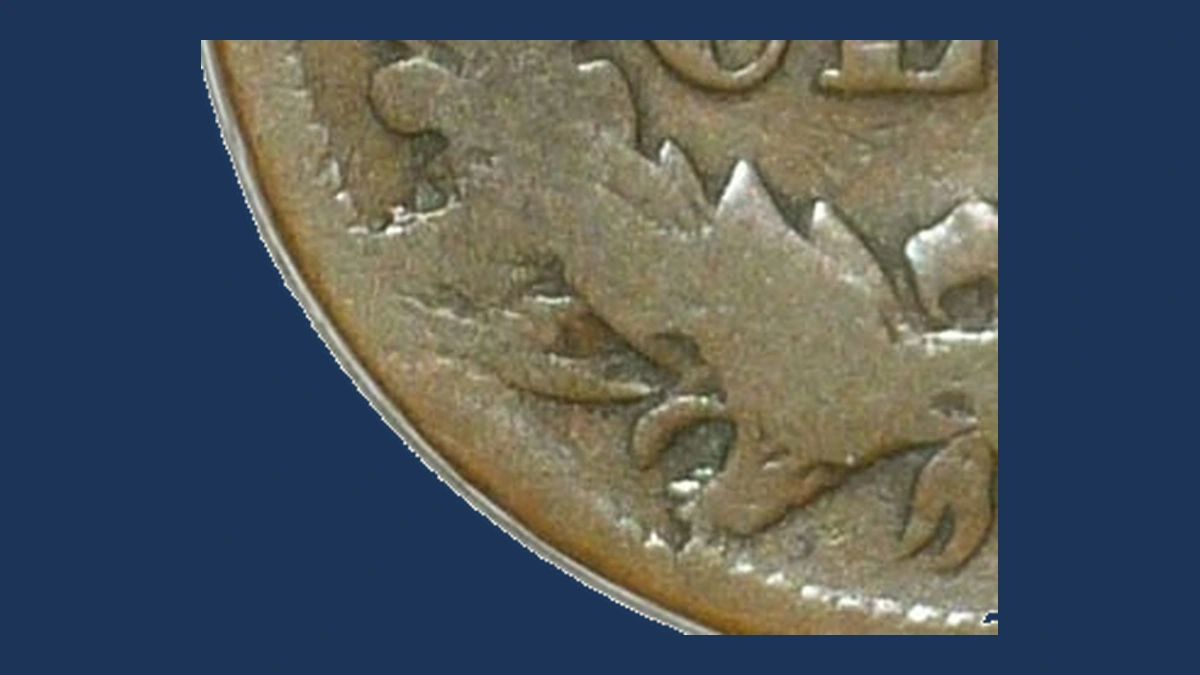
A section of the back rim may look swollen, with nearby design replaced by a raised patch. A piece breaking from the stamping tool allowed bronze to fill the missing area.
Collectors call a rim-connected patch a cud. If the broken tool piece stayed in place, it could still transfer some design inside a raised or shifted section.
The 1878 catalog records a retained example between eight-thirty and nine-thirty. Separate breaks occur at seven to eight, two-fifteen to three-thirty, and seven-thirty to eight-thirty.
These positions describe different coins, not four defects expected on every example.
Estimated Value
An estimated $50–$1,500 covers identifiable 1878 back cuds and retained breaks across a broad range of condition. Smaller or heavily worn examples belong nearer the lower end.
A large, clearly defined patch that replaces part of the wreath can be more appealing than a faint boundary. Remaining detail within a retained break also helps collectors recognize how the tool failed.
This is an estimated whole-coin range, not a separate auction result for each of the four recorded locations.
How to Identify
A retained cud may still show design inside its boundary, so do not reject it merely because that area is not blank. Use a 10× magnifier to follow the boundary toward the rim on both ends.
The 1878 catalog separates the four locations. For the retained example, examine the left side of the back between eight-thirty and nine-thirty.
Turn the edge toward the light.
A blow after minting can fold the rim inward and leave a dent or scrape beside the displaced metal. A scale and calipers check a loose coin against 3.11 g and 19.05 mm.
Compare any surviving wreath detail across the boundary; a shifted section differs from metal simply pushed over the design.
3. 1878 Indian Head Penny Doubled Design on the Left Wreath
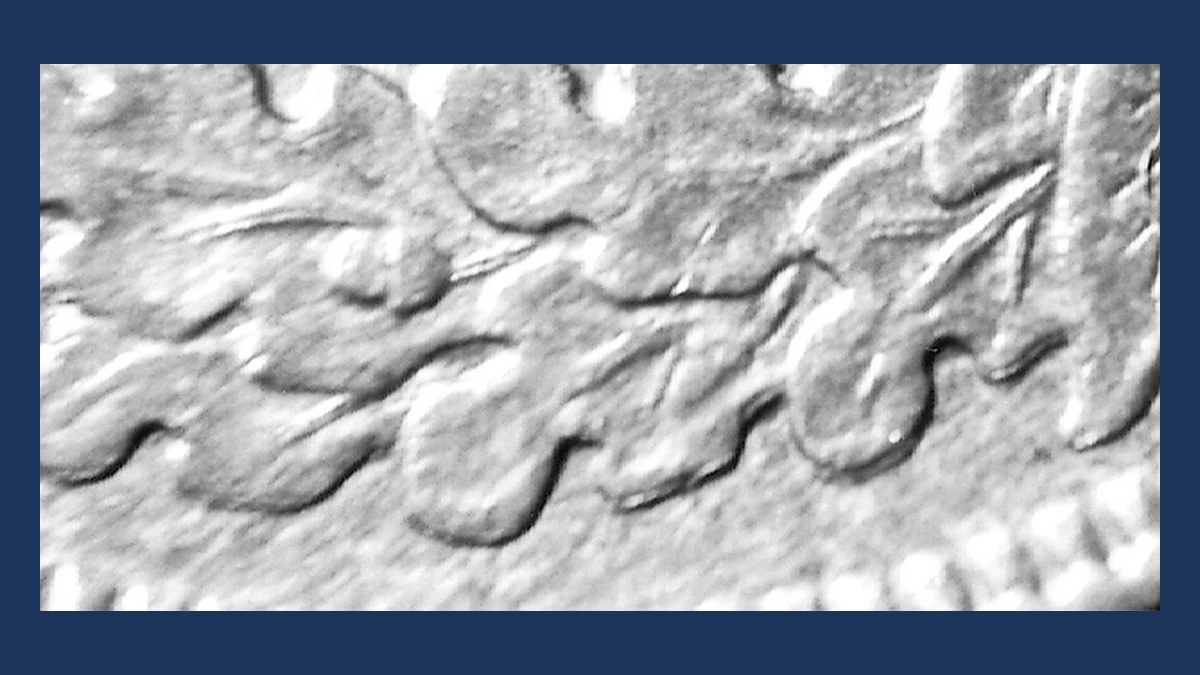
The left side of the wreath carries the extra detail on this 1878 variety. Look there before spending time on the date or the right-hand leaves.
The stamping tool received a slightly doubled design while it was being made. Coins struck with that tool repeated the same small offsets.
The variety is cataloged as Snow-3 and DDR-001. It uses the back design known as Bold N, referring to the strongly formed N in ONE.
That normal letter style is not itself an error. The repeated wreath detail is the feature that identifies this doubled back.
Estimated Value
Estimate $75–$1,500 for a correctly identified 1878 doubled-wreath example, from circulated coins to better-preserved pieces. This is a working range rather than a reported Snow-3 auction result.
Clear leaf detail is important because wear can merge the small extra edges into an ordinary-looking wreath. Original surfaces and the amount of circulation wear affect the total as well.
A thick-looking N or one vague bump beside a leaf does not establish the variety or justify its estimated value.
How to Identify
Use a 10× magnifier on the left wreath and follow neighboring leaves instead of choosing a single bright edge. Photograph the same area under light from two directions to separate raised detail from a shadow.
For a loose example, compare 3.11 g on a scale and 19.05 mm with calipers; these are normal bronze-cent measurements. They do not distinguish a doubled stamping tool from an ordinary one.
Compare the leaf shapes with a Snow-3 photograph and include ONE CENT so the back design remains clear. Repeated raised edges that match across nearby leaves provide stronger evidence than a low, flat shelf on one isolated tip.
4. 1878 Indian Head Penny Small Layer Defect on the Cheek
A small hollow on Liberty’s cheek was important enough to be mentioned in a 1992 auction description. The catalog called it a tiny lamination pit.
A lamination forms when a weak layer within the coin’s metal separates. If a small piece comes away, it can leave a shallow opening on the surface.
The catalog graded this 1878 example MS64 Red, describing an unworn coin with much of its copper color remaining. The defect was small, not a large sheet peeling across the face.
A cheek dent from handling can occupy the same area but has a different cause.
Estimated Value
For worn 1878 pennies with small genuine laminations, estimate $25–$200. A red, unworn coin like the MS64 example can fall around $750–$2,500, mainly because of its overall preservation.
That higher range is an estimate for the complete coin, not a claim that the tiny pit adds thousands of dollars. A small surface defect may instead reduce its appeal.
The 1992 catalog description establishes the cheek feature; no final auction amount is assigned to that specific specimen here.
How to Identify
The cheek is a high, exposed part of the portrait, so handling marks are common there. Inspect the hollow under a 10× magnifier for a thin layer boundary rather than assuming every pit is a mint error.
A 1992 auction catalog identifies the small lamination on its red example. Its location can guide the comparison, but another cheek mark still needs examination.
If the coin is sealed, leave it in the holder. For a loose one, a scale checks 3.11 g and calipers check 19.05 mm without touching the affected cheek.
A tiny missing layer may cause no useful weight difference. Side lighting that reveals a peeling boundary is more informative than the scale reading alone.
5. 1878 Indian Head Penny Fifteen-Percent Off-Center Strike
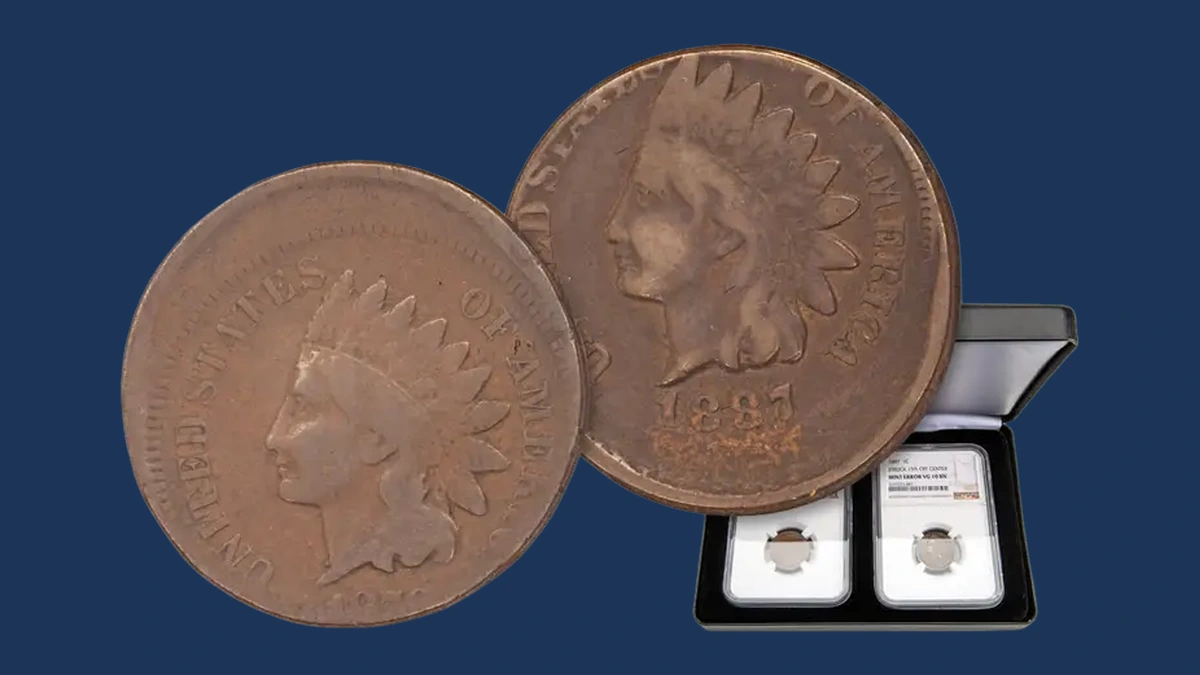
Part of the design moved beyond the metal disc when this penny was struck. The resulting coin has a shifted image beside an area that received no design.
A GovMint listing pairs 1878 and 1887 Indian cents described as fifteen percent off-center. Its title gives NGC grades ranging from VG10 to F12 for the pair.
Those grades indicate considerable circulation wear. The listing does not assign either individual grade to the 1878 penny in its title.
The two years are separate examples of the same striking mistake. The date on each coin matters when matching it to a price.
Estimated Value
Use an estimated $150–$750 for a circulated 1878 cent with a clear fifteen-percent off-center strike. Better-preserved examples can fit roughly $500–$3,000.
The two-coin seller listing establishes a reported 1878 example, but it is not an individual completed sale. A set price would include the separate 1887 coin as well.
For an individual estimate, weigh the readable date, remaining detail, and surface condition together. A sharp shifted design is generally easier to compare than a heavily worn outline.
How to Identify
Read the date on the coin before the grading label. A photograph of the 1887 piece from the same set cannot identify the 1878 example.
Under a 10× magnifier, find the boundary between the struck design and the blank crescent. Compare both faces to see whether their displaced designs describe the same position during the blow.
A scale checks a loose penny against 3.11 g.
Measure several widths with calipers against the usual 19.05 mm; the off-center blow can change the outline. A missing section cut from a finished coin would remove metal rather than leave an unstruck crescent.
Keep the 1878 label with its own coin photograph when comparing the untouched crescent and shifted design.
6. 1878 Indian Head Penny Misplaced 78 Below the Date
Two date fragments sit among the teeth that line the lower border. They are parts of a 7 and 8 placed below the normal 1878 date.
The earlier date-punch position was too low on the stamping tool. Enough of that impression remained to appear on coins after the proper date was added.
This variety is known as Snow-2 or FS-301. Its fragments are separate from the main numerals rather than extra strokes inside their loops.
The ordinary border teeth can hide the mistake in a small photograph. Enlarging the lower edge makes their relationship to the date easier to see.
Estimated Value
A Snow-2 example graded MS65 Red sold for $1,920 at Heritage in October 2019. That grade describes an unworn coin with relatively few marks and strong remaining copper color.
Estimate $75–$3,500 for identified 1878 misplaced dates across worn and high-grade examples. The recorded red coin represents the better-preserved end of the comparison.
On circulated pieces, the small misplaced fragments must remain visible enough to match. A high-grade red auction amount should not be transferred directly to a worn brown penny.
How to Identify
Place a normal 1878 penny photograph beside the suspected variety and compare the lower border at the same enlargement. The border’s regular teeth provide landmarks for the misplaced 7 and 8 fragments.
A scale and calipers can check a loose coin’s normal 3.11 g and 19.05 mm before detailed photography. Keep the whole date and the teeth below it in the frame beneath a 10× magnifier.
Follow the raised numeral fragments across the spaces around the teeth, changing the light to separate metal from shadow. The identifying clue is a recognizable misplaced 78 below the date, rather than a general rough patch along the rim.
Conclusion
The 1878 examples show why a careful look at one small area can matter. Extra strokes beside the date, misplaced 78 fragments, and doubling on the left wreath each need a different comparison.
Estimated values span $25–$3,500 across the conditions described here. Examine the actual feature before choosing a price, and keep a tiny cheek defect separate from the value of an otherwise well-preserved red coin.